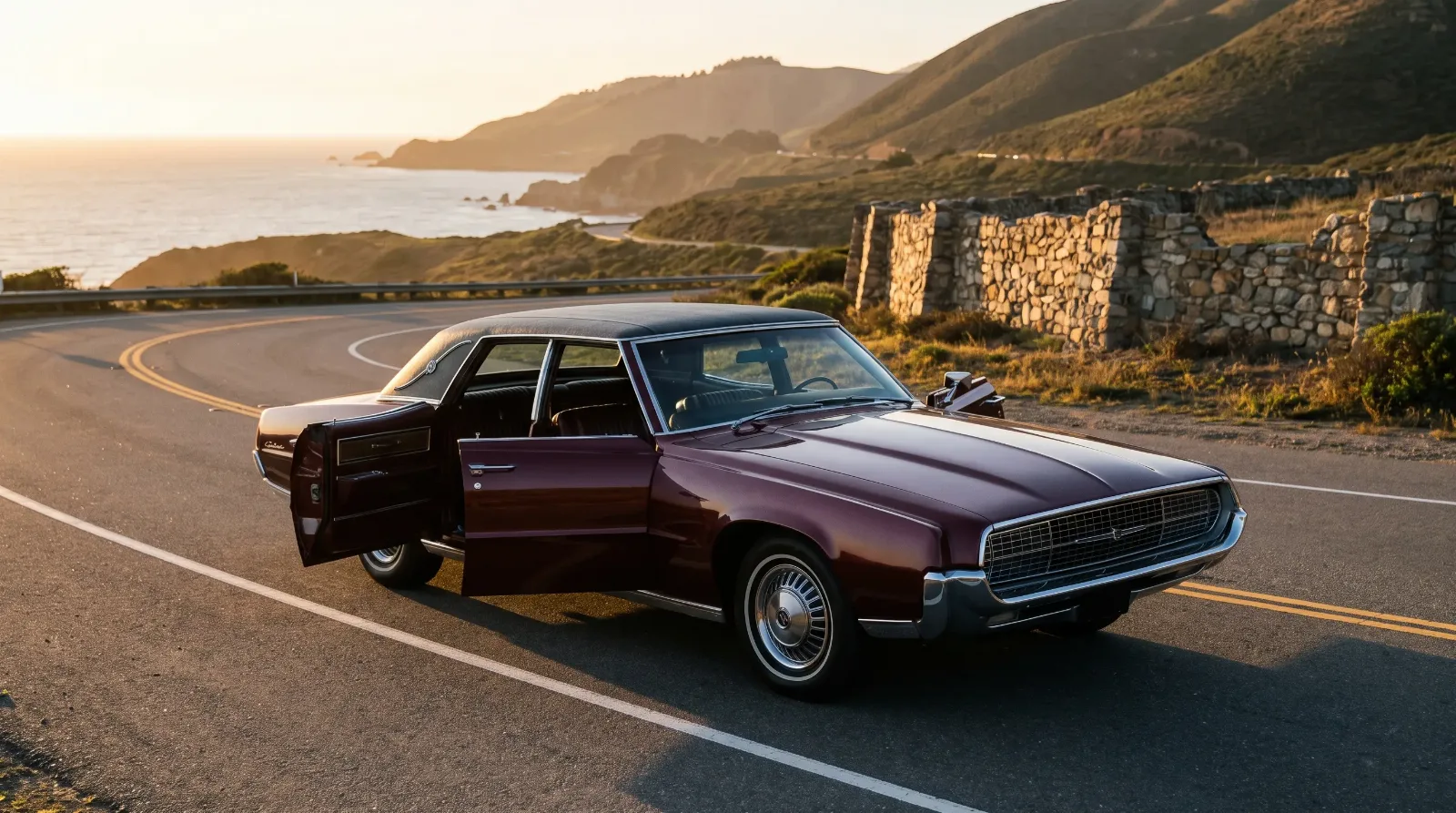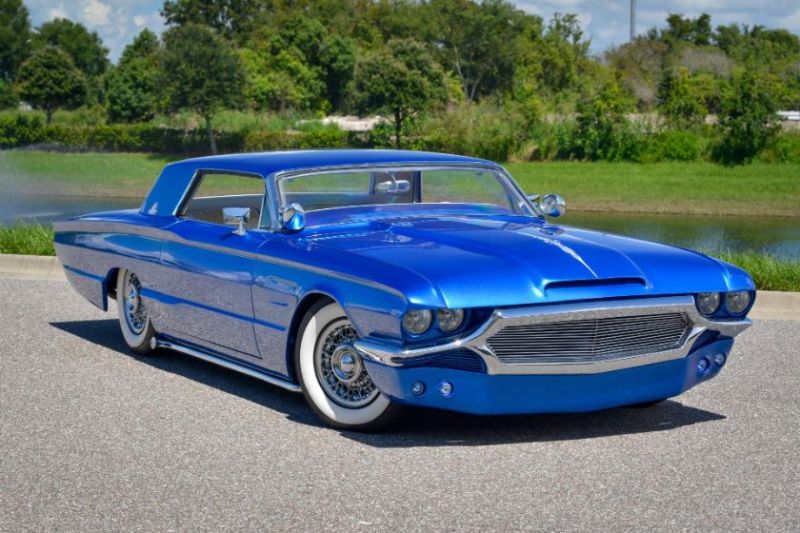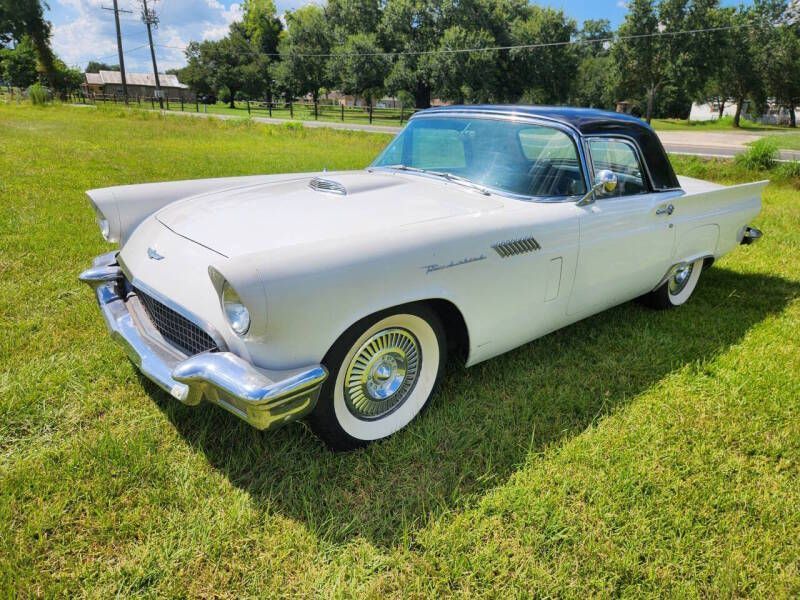
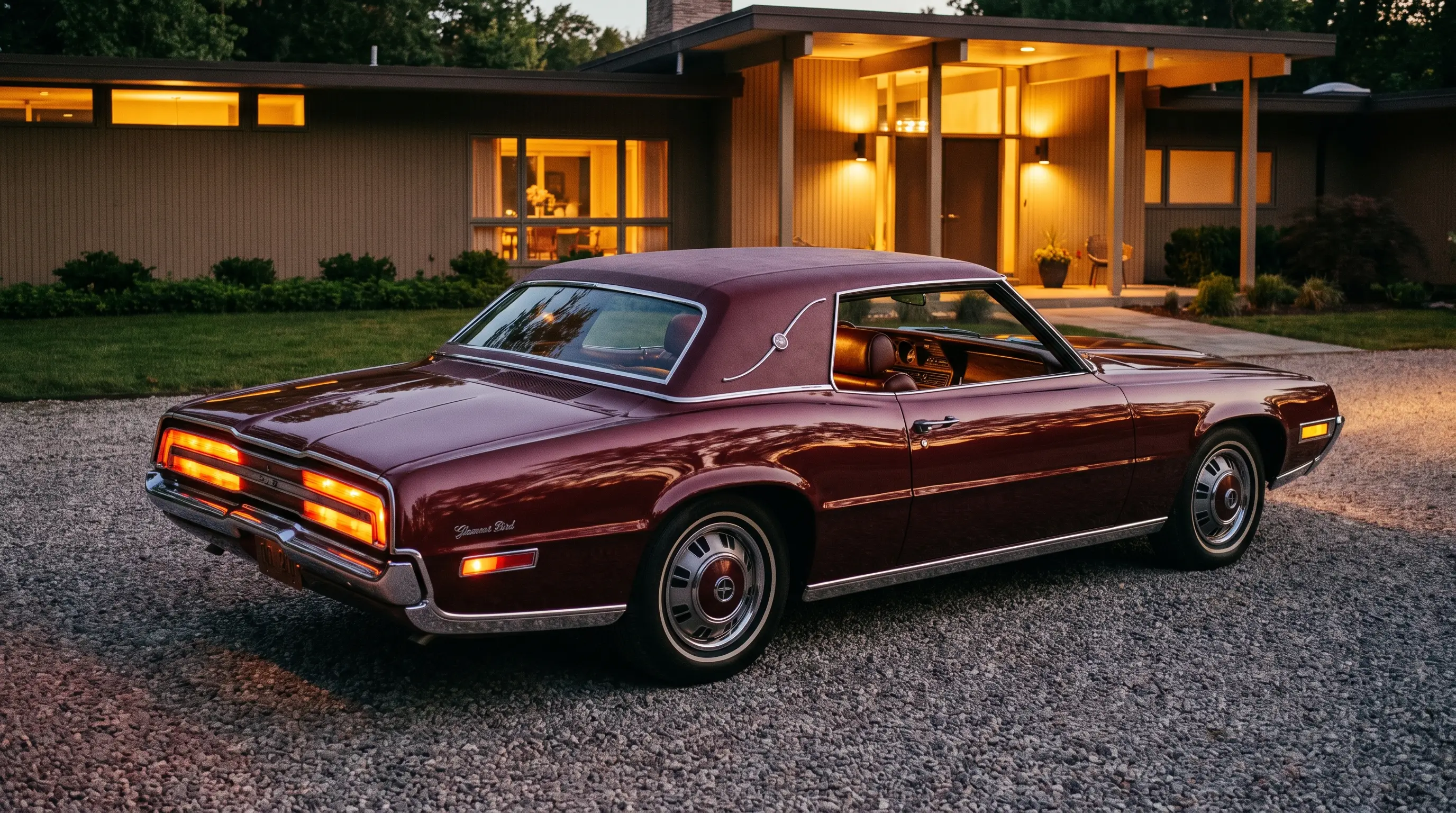
My grandmother owned a 1969 Thunderbird the color of ripe plums, a deep, almost purple maroon that she called her "good car" and drove only on Sundays and to church suppers. I did not understand, as a child riding in the back seat of that four-door Landau, that the color itself was part of a whole vocabulary Ford had built around the Thunderbird by the late 1960s. Looking back now, researching 1969 thunderbird colors properly for the first time, I realize how much of the era's personality lived in a paint chip chart most people never think to preserve.
A palette built for a certain kind of buyer
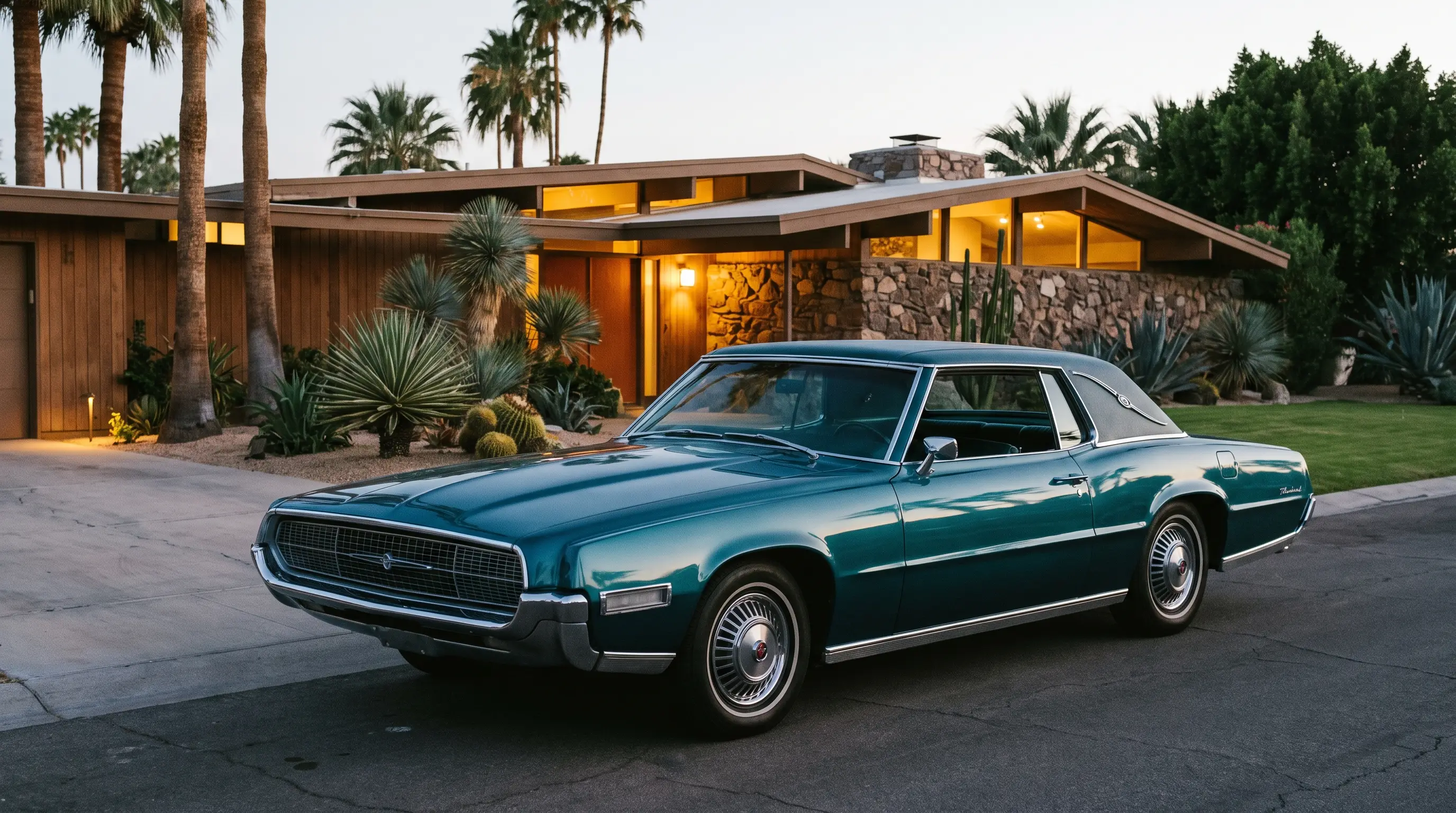
By 1969, Ford offered the Thunderbird in a range of colors calibrated less for excitement and more for a specific kind of quiet confidence. Deep maroons, forest greens, warm golds, and dignified blues dominated the order sheets, alongside the expected whites and blacks that anchored every American car's palette in this era. Bright, attention-seeking colors existed on the chart, but they were the exception rather than the rule for a car positioned as a personal luxury statement rather than a young person's toy. The Thunderbird buyer in 1969 was, on average, older and more established than the buyer who had walked into a Ford showroom for the original two-seat Thunderbird a decade earlier, and the color palette reflected that shift honestly.
My grandmother's plum maroon car, for what it's worth, wore a color she always said matched her good church coat, and I believe her, because that is exactly the kind of coordinated, considered choice this generation of Thunderbird buyers tended to make. These were not impulse colors. They were colors chosen to match a life already in progress.
Vinyl roofs and the landau treatment
Color extended beyond paint on the fifth-generation Thunderbird, and nowhere more visibly than on the vinyl roof options available on both the two-door and four-door Landau models. A vinyl top, typically offered in black, white, or a color coordinated with the body paint, covered the rear roof section and framed the simulated landau irons on the C-pillar, a detail borrowed from horse-drawn carriage design that had become shorthand for formal, dignified styling across the American luxury car industry. On a car finished in a color like my grandmother's deep maroon, a contrasting white vinyl roof created a striking two-tone effect that period photographs and surviving cars still show off beautifully today.
Interior colors and the luxury option list
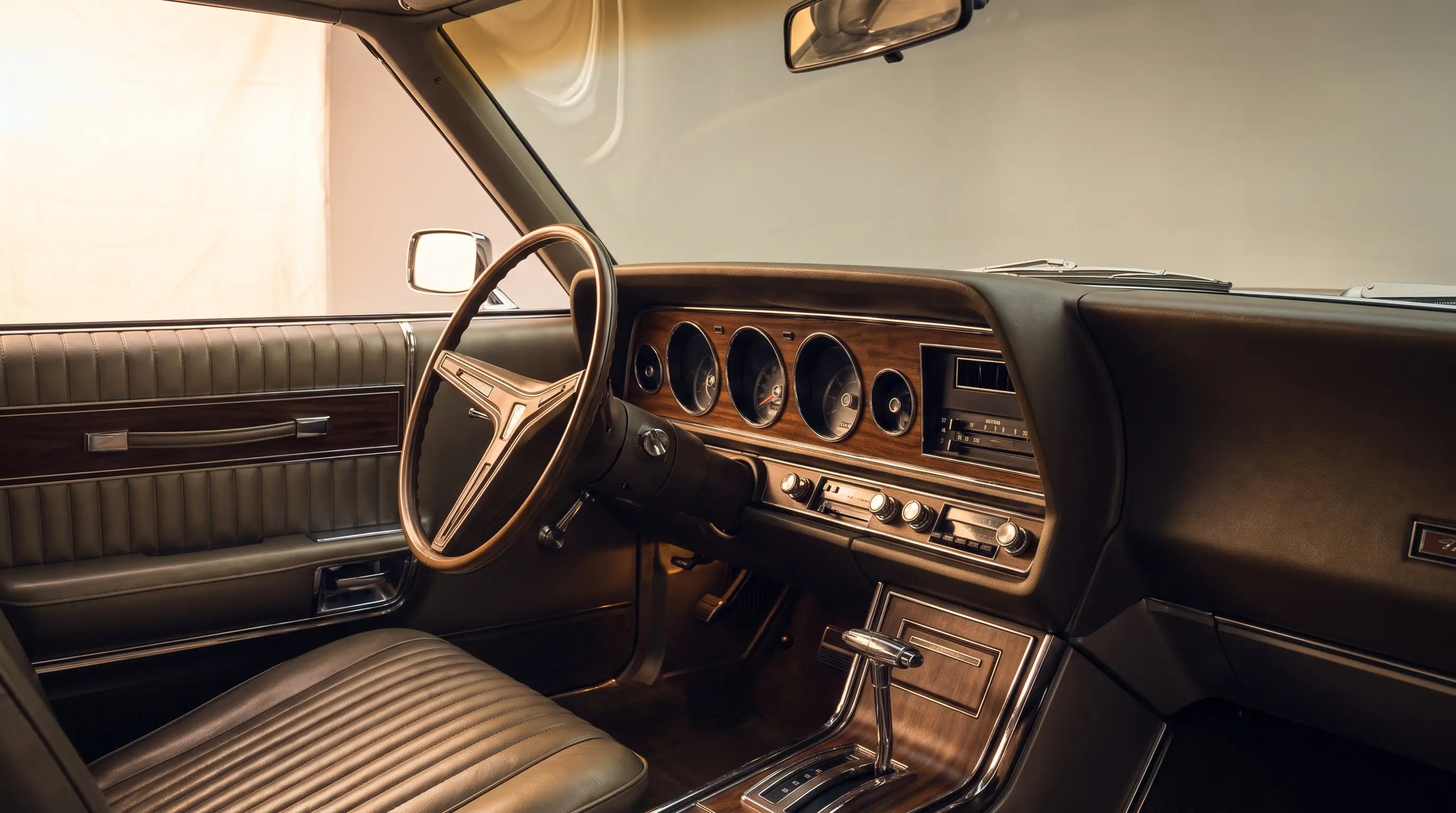
Inside, the color story continued with leather and vinyl upholstery available in shades that coordinated with the exterior palette, from deep saddle browns to soft ivories. Ford's option list for the 1969 Thunderbird leaned heavily into this kind of personalization, letting buyers combine exterior color, vinyl roof color, and interior trim into a genuinely individual-feeling car despite the Thunderbird being built on a shared platform with tens of thousands of other examples that year. Air conditioning, power windows, an AM radio with optional 8-track, and a center console rounded out the luxury features that buyers layered onto their chosen color combination, and it is not an exaggeration to say that a well-optioned 1969 Thunderbird in the right color felt genuinely bespoke to the family that ordered it, even though it rolled off an assembly line like every other car that year.
"The color a family chose for their Thunderbird tells you something real about who they were and how they saw themselves. My grandmother's maroon Landau was not a random choice off a chart. It was a considered decision, matched to her wardrobe and her sense of occasion, and that kind of intentionality is part of what makes researching these cars so rewarding."
- Nora Beckett
Why the colors still matter to collectors
Original paint and vinyl roof color combinations carry real weight for collectors today, both for authenticity and for the way certain color pairings simply define how a given model year is remembered. A correctly documented color combination, confirmed against a build sheet or Marti Report where available, adds meaningfully to a surviving Thunderbird's story and its value. Repainted cars in non-original colors are common enough after five decades that a car retaining its factory color and vinyl roof combination stands out immediately to anyone who knows this generation well.
To understand why Ford built such a considered color and trim program into this generation at all, it helps to start with the 1967 ford thunderbird story, since the redesign that launched the fifth generation set the stage for everything that followed, including the color and trim choices available by 1969. For readers who want the complete arc of this generation from beginning to end, the full story traces the Thunderbird nameplate's entire history and shows how the personal, considered feel of a car like my grandmother's fits into a much longer tradition.
Finding a well-preserved example
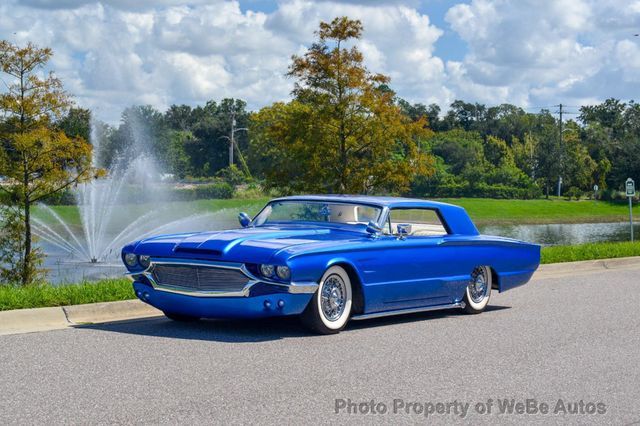
For anyone hoping to find a Thunderbird carrying an original or period-correct color combination, patience matters more than almost anything else in the search. These cars turn up in estate sales and long-term family ownership more often than at auction, much like my grandmother's own car did within our family for years before it eventually passed on. Checking current listings regularly and asking sellers directly about paint and trim history is the most reliable way to find a car that still wears a color someone chose with real intention decades ago, the way my grandmother once chose hers, among the classic Thunderbirds on the market today.
What happened to her car, and why it stays with me
My grandmother's Thunderbird eventually passed to my uncle, who kept it garaged for years before a job relocation forced a difficult decision to sell. I remember standing in the driveway the day the new owner came to pick it up, watching that plum maroon paint catch the afternoon light one last time, and thinking about how much of my grandmother's personality was somehow bound up in that specific color choice. She was not a flashy woman. She favored quiet, considered things, and the car reflected that in a way I did not fully appreciate until I started researching this generation seriously as an adult. That is, I think, the real value of studying colors and trim combinations from this era. They are not just data points for authenticity judging. They are a genuine window into who these cars belonged to and what mattered to them.
Talking to other families with similar stories, I have noticed a consistent pattern. Grandparents and great-aunts who owned a fifth-generation Thunderbird tended to remember the color of their car with striking specificity, often decades after selling or losing track of it, in a way they did not remember other details like trim level or engine size. Color was the part of the car that lived in family memory the longest, which says something about how carefully Ford's designers and marketing team built that palette in the first place. It was never just paint. It was meant to be memorable, and by every account I have gathered from families like my own, it worked exactly as intended.
For anyone documenting a family car from this era today, I would encourage tracking down old photographs before relying on memory alone, since color perception in faded prints can be unreliable and family recollection, however vivid, sometimes drifts over the years. A build sheet or dealer invoice, if one survives in a family's paperwork the way my grandmother's did, remains the single best source for confirming an original color code with certainty.