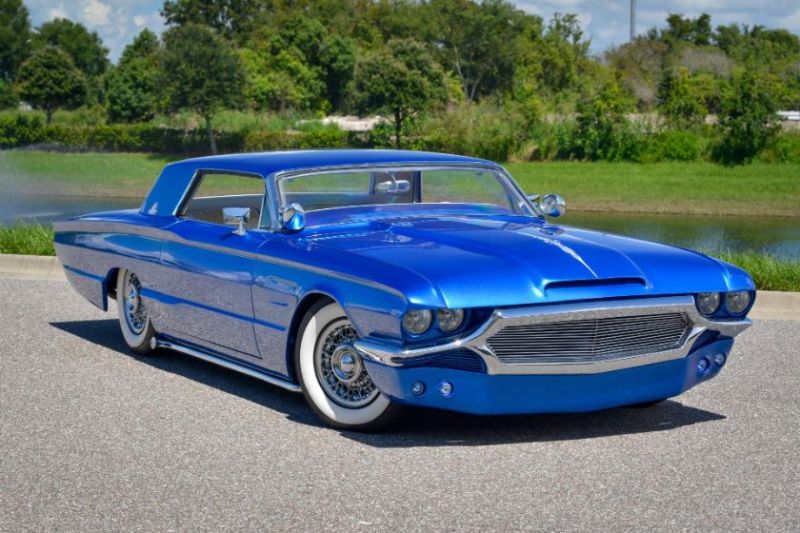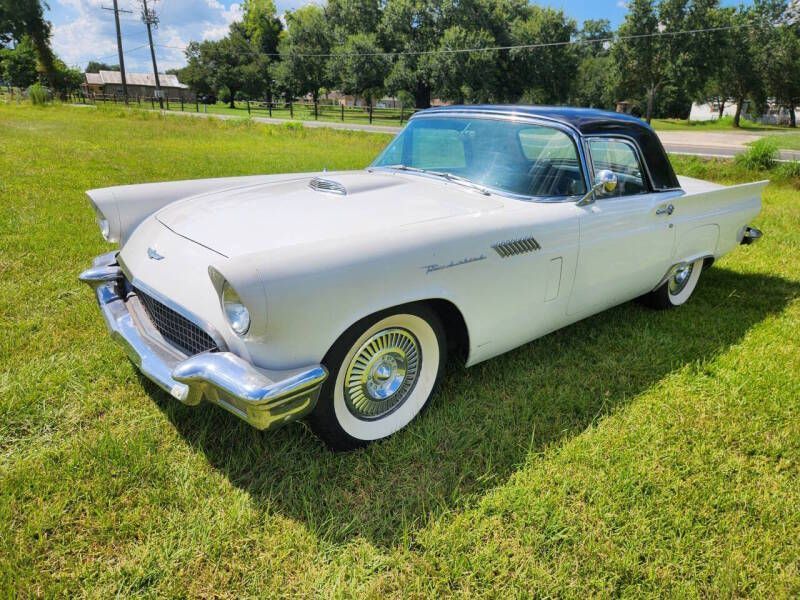
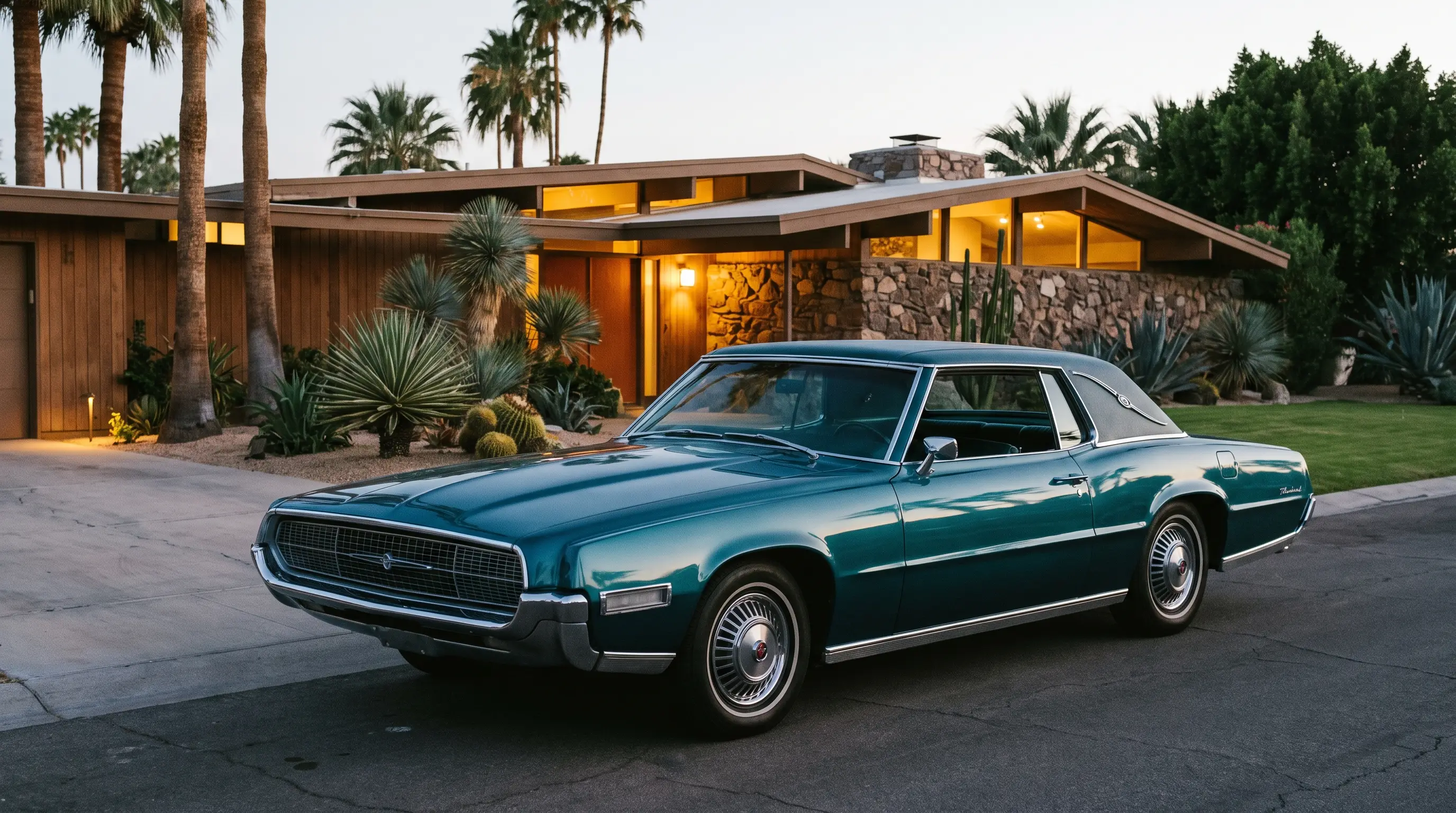
Ask anyone who was actually shopping for a personal luxury car 1960s style, not reading about it decades later but standing on a dealership lot with a checkbook, and they will tell you the late 1960s felt different from anything before it. The segment that the original two-seat Thunderbird helped invent back in 1955 had, by 1967 through 1969, matured into a crowded, confident field of large, comfortable coupes built specifically for buyers who wanted style and comfort more than outright sportiness. I've heard this story from a dozen club members over the years, and it always circles back to the same feeling: this was the moment the personal luxury car stopped being a novelty and became a genuine American institution.
What "personal luxury" actually meant by the late 1960s
The term gets thrown around loosely today, but in period it described something specific: a two-door (or, thanks to the Thunderbird, occasionally four-door) coupe built on a large platform, priced above a standard family car but below a full luxury sedan, and equipped with comfort features that mainstream cars either lacked or offered only as bare-bones options. Air conditioning, power windows, leather upholstery, a driver-oriented dashboard, these were the table stakes of the segment by the late 1960s, and the Ford Thunderbird competed directly with the Buick Riviera and the Oldsmobile Toronado for buyers who wanted exactly that combination without stepping up to a Cadillac or Lincoln.
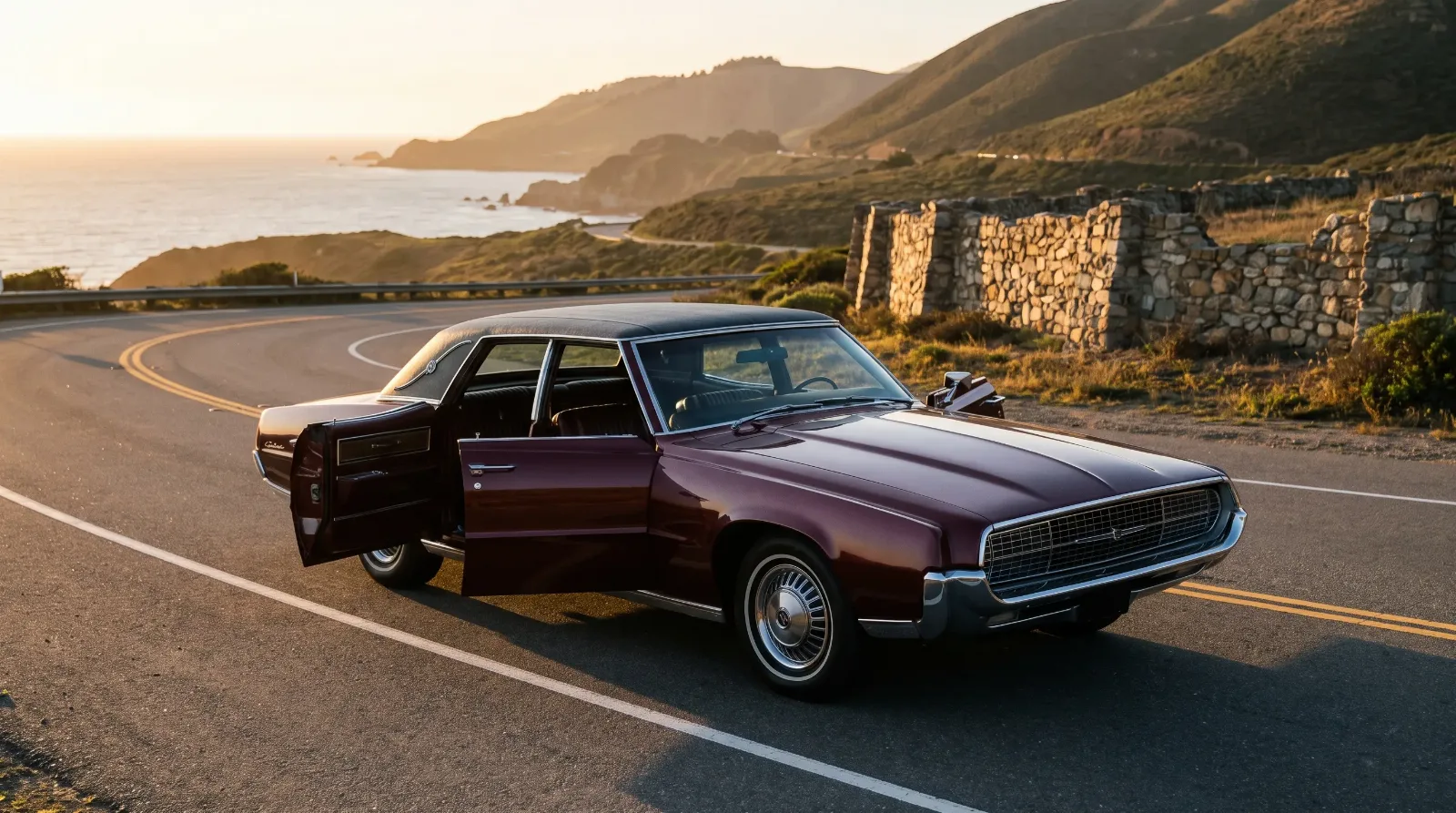
The Thunderbird's fifth generation, launched for 1967, was Ford's clearest statement yet about how seriously it took this competition. The car grew larger, gained a four-door body style unique among its direct rivals, and leaned hard into comfort-focused engineering rather than performance bragging rights. Buyers responded well enough that Ford kept the basic formula in place through 1971, tweaking styling along the way but never abandoning the core idea that this was a car meant to be settled into rather than wrestled with.
How the Thunderbird stacked up against its rivals
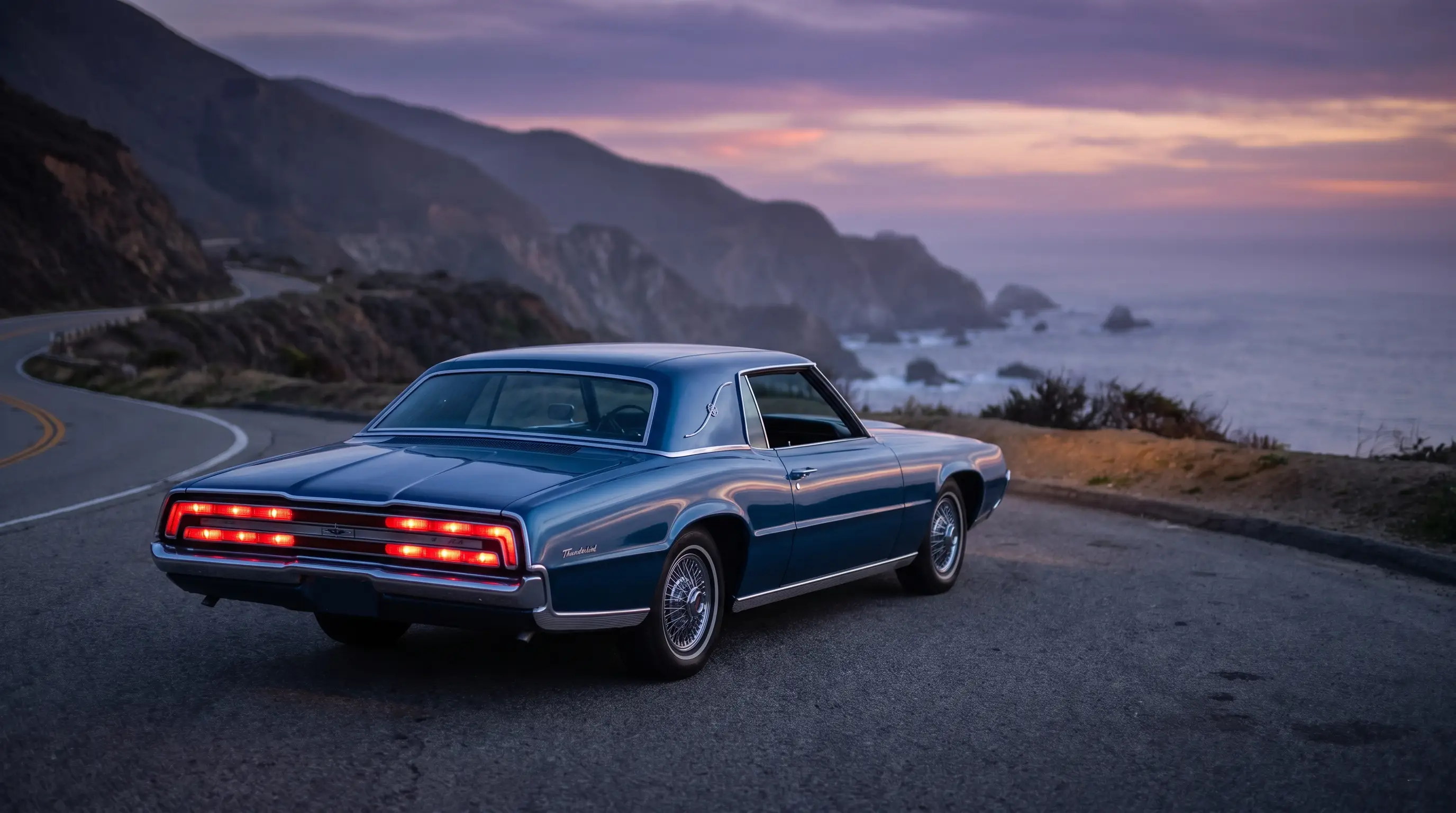
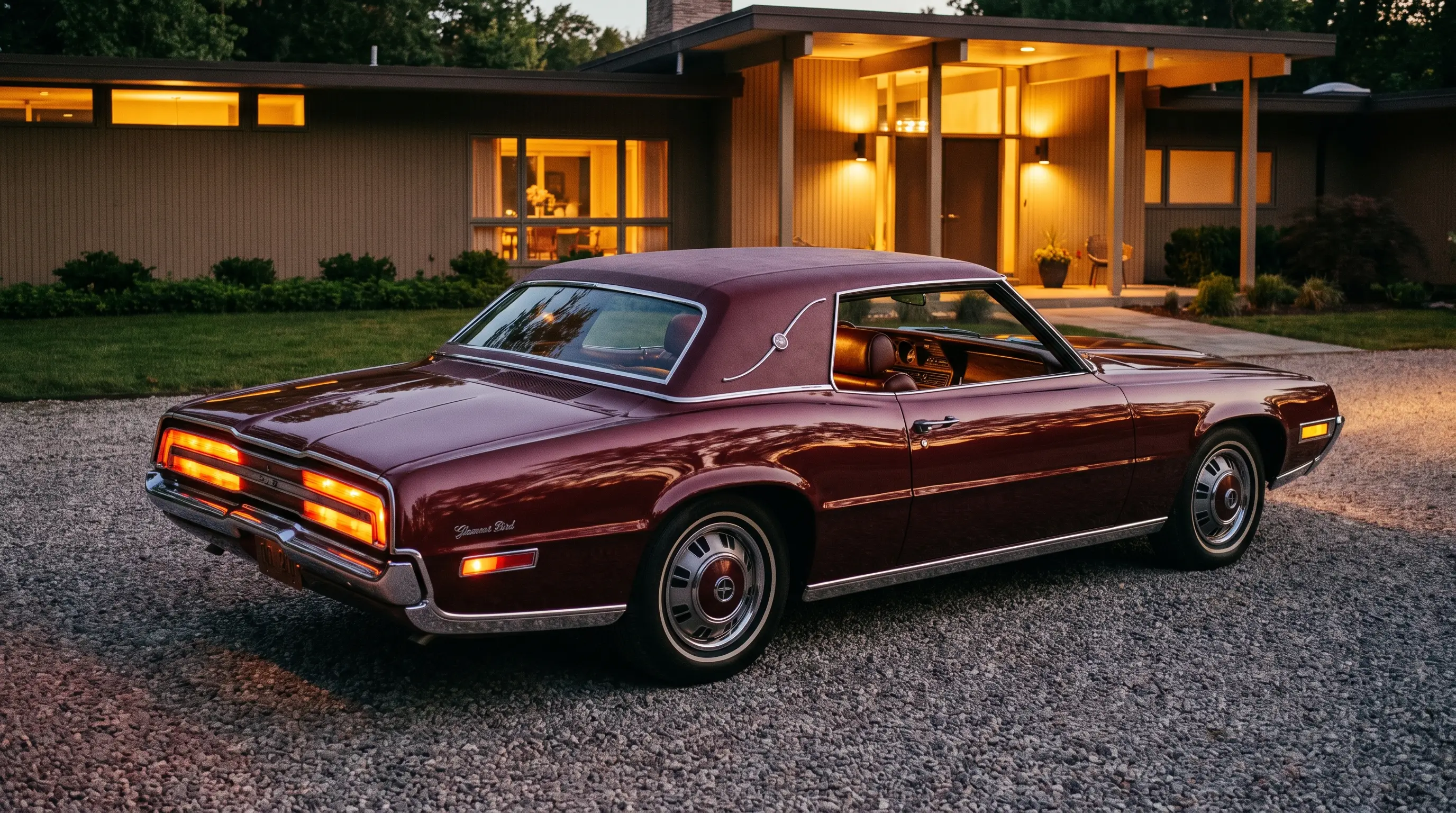
Where the Thunderbird distinguished itself from the Riviera and Toronado was in that four-door Landau option, a genuinely unusual move that no other major personal luxury nameplate matched during this era. It also carried forward a styling signature, the sequential rear turn signals introduced in 1965, that gave it instant recognizability at night in a way its competitors couldn't match. Under the hood, the story was less differentiated: like its rivals, the Thunderbird relied on a large V8, in this case the 390 cubic inch engine as standard with the 428 and later 429 cubic inch V8s available, paired with an automatic transmission and power-assisted everything. None of the big three personal luxury nameplates were chasing performance numbers in this era. They were chasing smoothness, quiet, and a sense of occasion every time the driver got behind the wheel.
Club stories from the era
At meets, the members who actually bought these cars new tend to describe the decision less as a car purchase and more as a lifestyle choice. One longtime club friend of mine still has his father's original purchase paperwork for a 1968 Landau, complete with a handwritten note comparing it against a Riviera his father had also test driven. The note lists ride quality, dealer service reputation, and the four-door option as the deciding factors, with almost no mention of horsepower or 0-60 figures at all. That kind of decision-making, comfort and practicality over raw performance, was the entire point of the personal luxury segment at its peak, and it is a useful reminder that these cars were never meant to be judged by muscle car standards even when they shared engine families with cars that were.
"Every club has somebody with a story like that handwritten comparison note. These buyers were making a real decision between genuine competitors, not settling for whatever was on the lot, and that competitive pressure is exactly why the segment produced such well-resolved cars during these years."
- Wayne Coburn
Why this peak did not last
The personal luxury segment's late-1960s peak proved to be a high water mark rather than a permanent state. Through the 1970s, rising insurance costs, changing emissions regulations, and shifting buyer tastes gradually reshaped the segment, and by the time the Thunderbird moved to its larger, Lincoln-based platform in 1972, the competitive landscape looked noticeably different than it had just a few years earlier. Looking back at the whole picture of how the fifth-generation Thunderbird fit into this moment helps explain why these particular model years get singled out so often by collectors and historians alike. They represent a segment operating at full confidence, before the industry pressures of the following decade forced compromises that changed the character of nearly every personal luxury nameplate on the market.
For readers who want to understand how the Thunderbird itself evolved through this window, it is worth tracing the story back through the whole picture of the 1967 redesign that set this generation in motion.
What set the Thunderbird apart in the showroom
Dealers selling against the Riviera and Toronado in this period tended to lean on two specific arguments, and both traced directly back to the fifth-generation redesign. The first was the four-door Landau, a genuine point of difference that neither General Motors rival could match, and salesmen used it deliberately to pull in family-oriented buyers who liked the Thunderbird's styling but worried about rear-seat access for children or aging parents. The second was Ford's dealer network itself, larger and more geographically spread than either GM division's dedicated personal luxury outlets, which mattered to buyers thinking about long-term service and resale in smaller markets outside major cities. Neither advantage shows up in a magazine road test, but both shaped real purchasing decisions at the time, and they help explain why the Thunderbird held its own in a segment where its two closest rivals often earned stronger enthusiast praise for handling and outright style.
It is also worth remembering that personal luxury buyers in this era rarely cross-shopped only within the segment. Many test drove a Thunderbird alongside a loaded full-size sedan from their preferred brand, treating the extra cost of the coupe body style as a lifestyle premium rather than a practical necessity. That buying pattern reinforced the segment's identity as an aspirational category rather than a mainstream one, and it is a large part of why survival rates and club participation for these cars remain healthy today. Owners bought them because they wanted them specifically, not because they needed the extra seat or the extra doors, and that emotional commitment tends to produce better-preserved cars decades later.
Anyone drawn to this era of American luxury motoring should take the time to shop classic Thunderbird listings directly, since surviving examples vary widely in condition and originality, and a well-documented car from this window still delivers the same quiet, confident driving experience that made the segment so competitive in the first place.