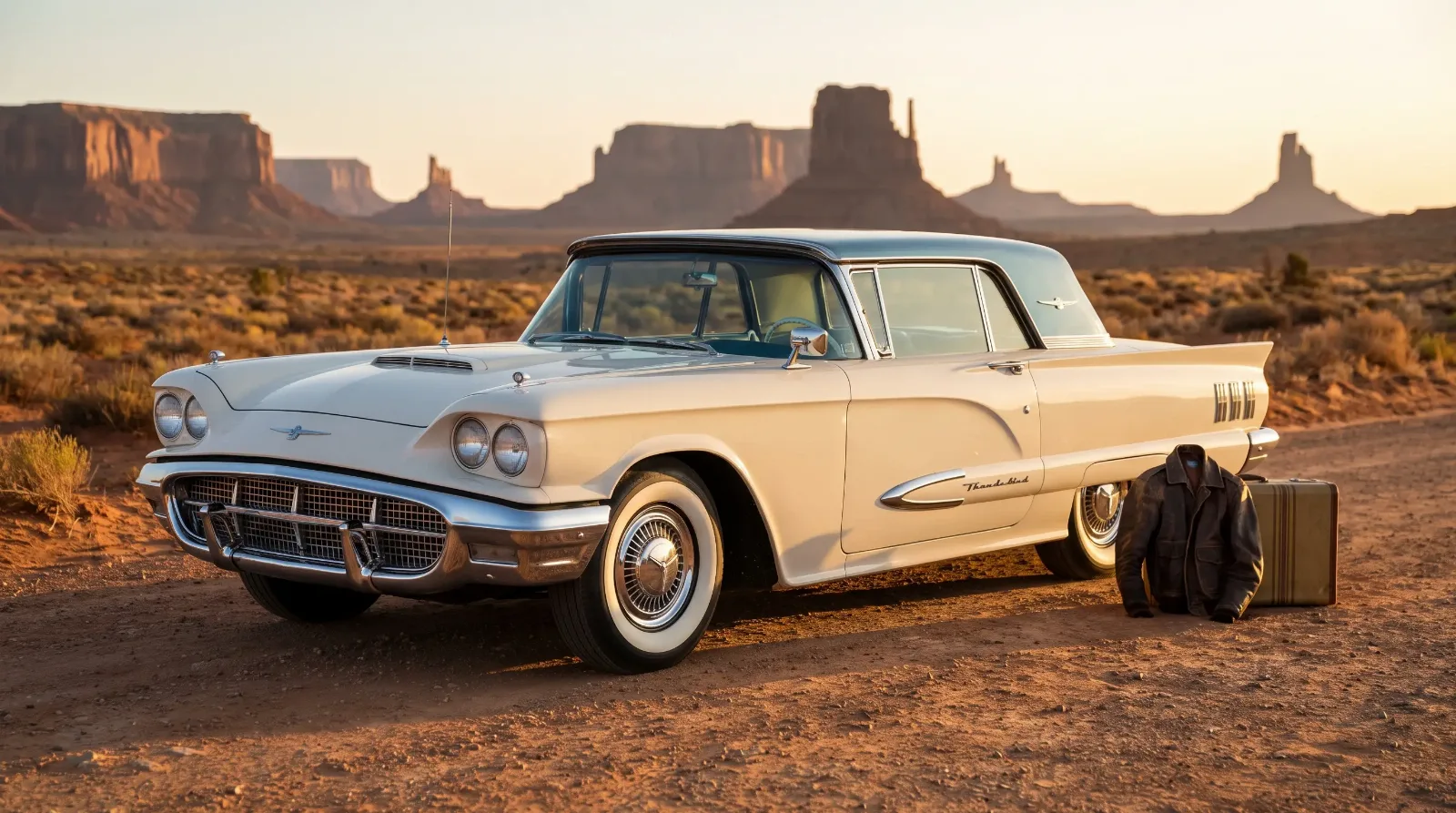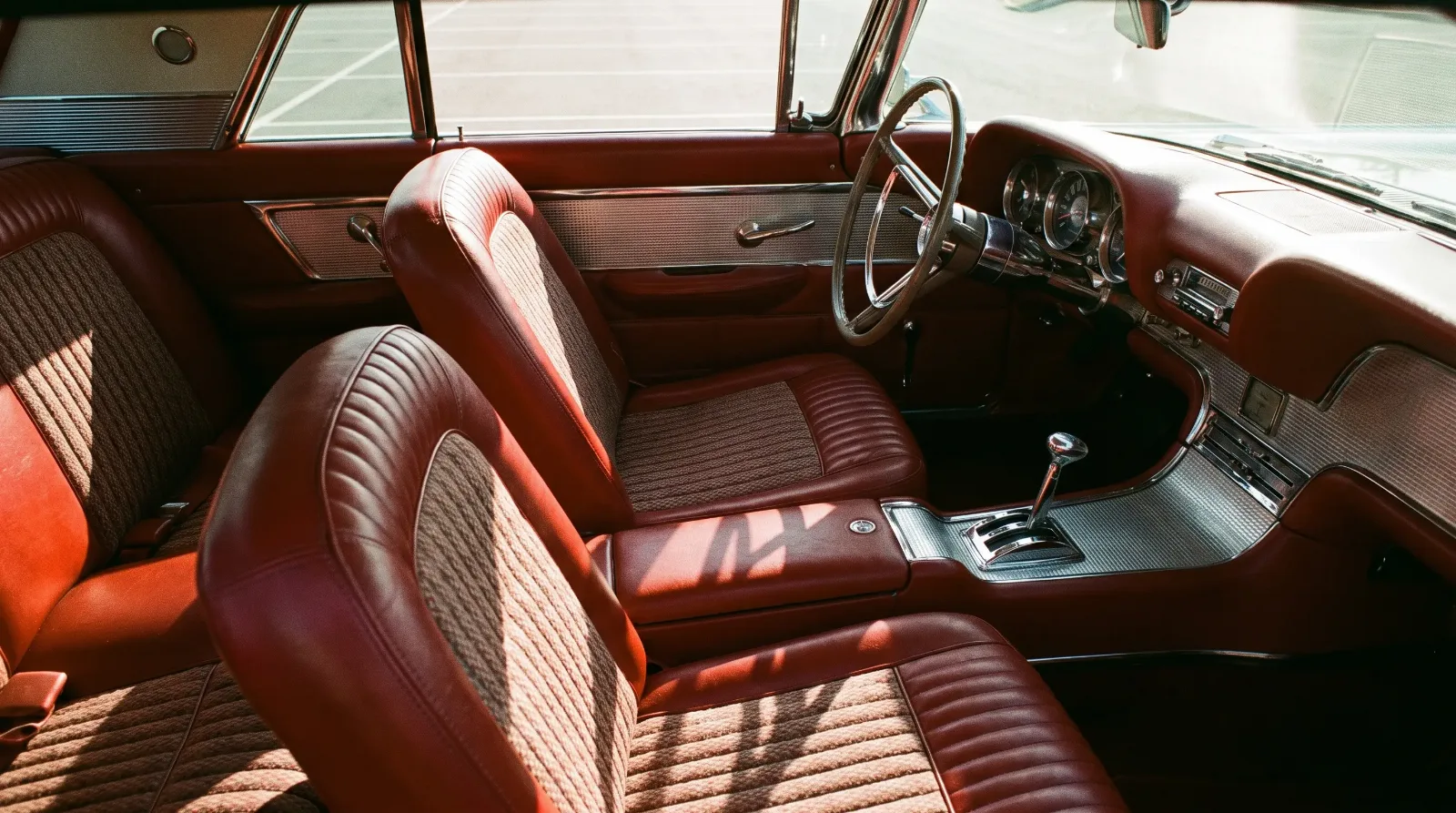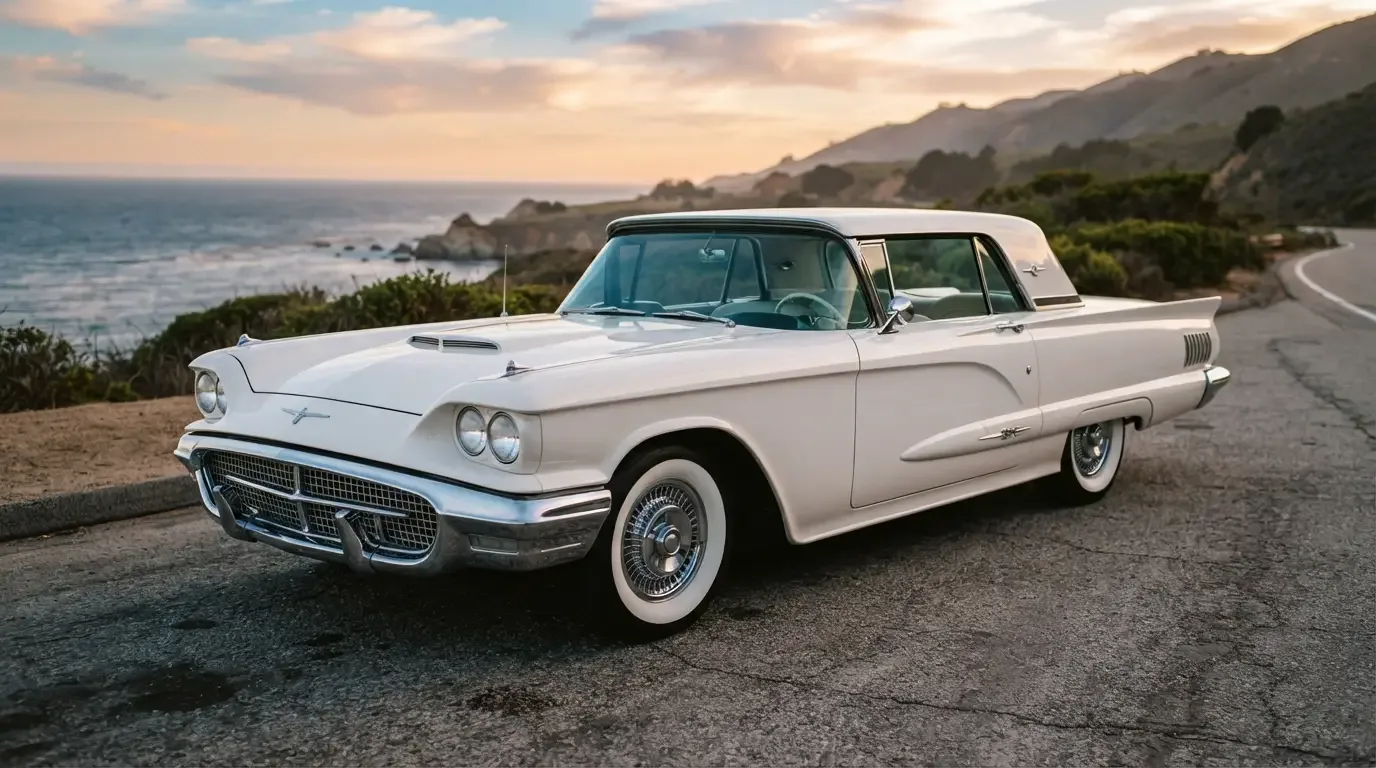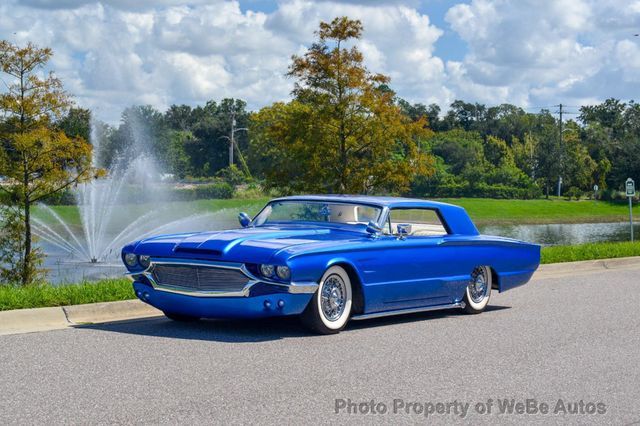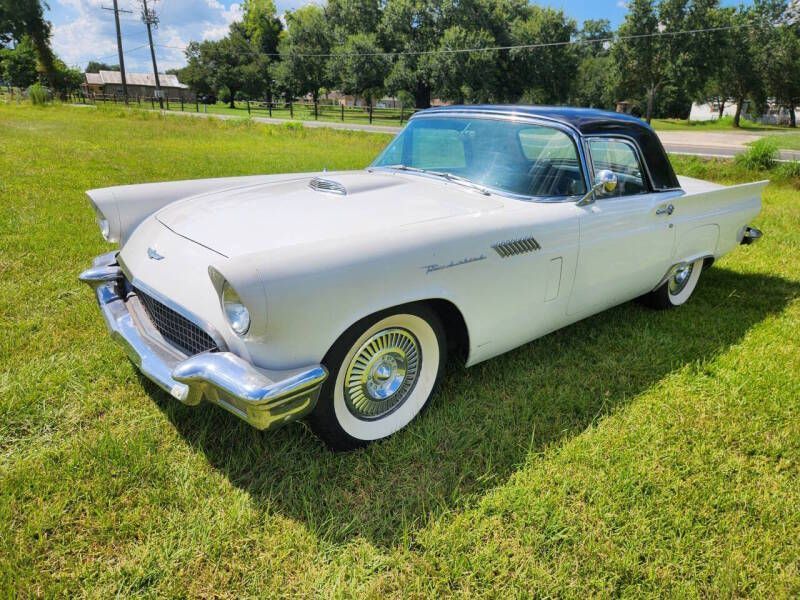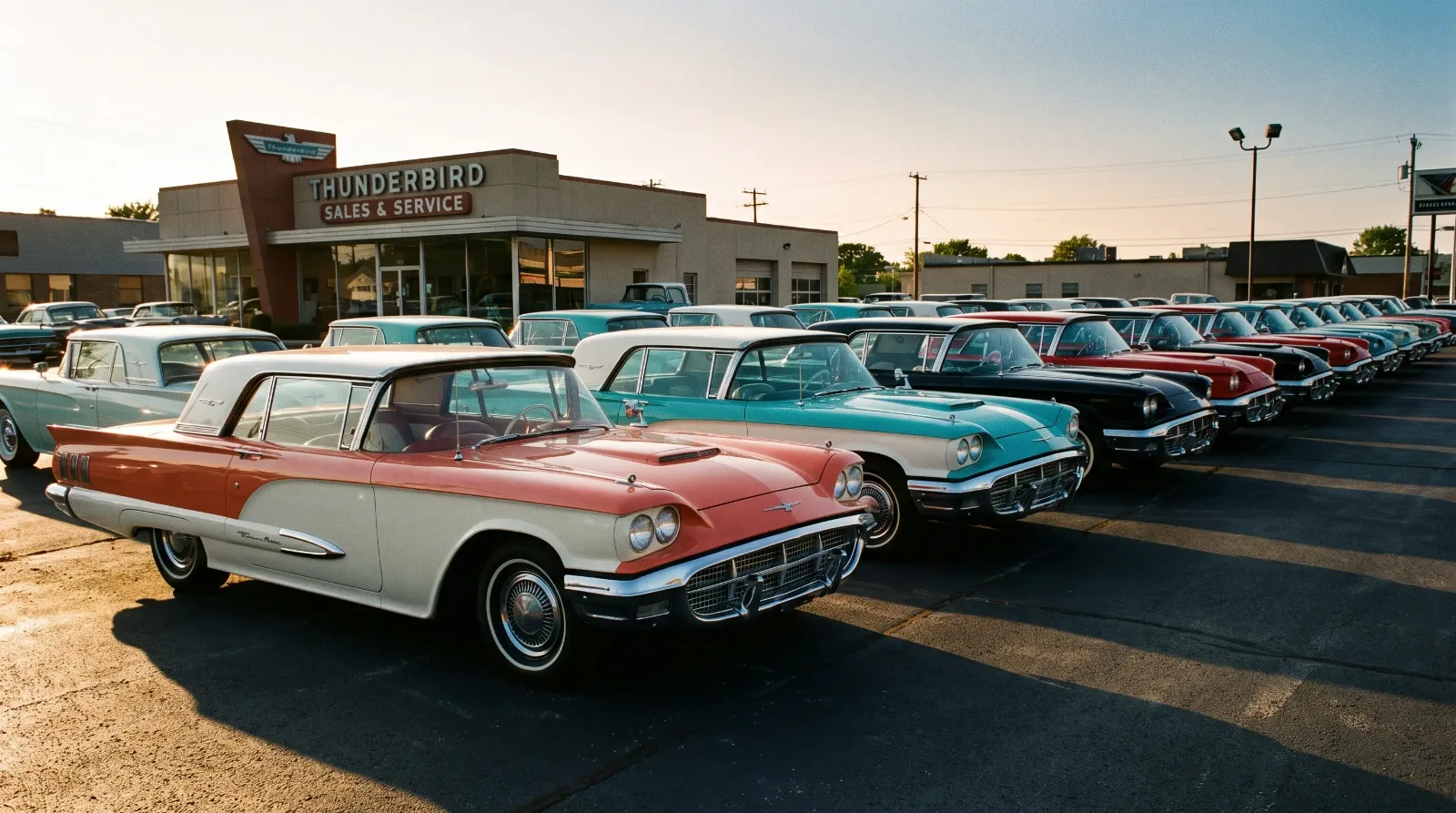
Picture a Ford dealer in the fall of 1957, standing on a lot that had spent two years selling a car everybody loved and almost nobody could actually use. The two-seat Thunderbird got the magazine covers and the enthusiast praise, but it never moved the volume Ford wanted from a car wearing that badge. Then the Square Bird arrived, four seats, a trunk you could actually pack for a trip, and the sales floor changed overnight.
The numbers that mattered to Ford
Square Bird sales didn't just improve on the two-seat Thunderbird's figures, they made the earlier car look like a niche experiment by comparison. Ford sold the four-passenger Thunderbird in numbers that dwarfed anything the two-seater managed across its entire three-year run, and that gap widened further once you look at 1958 through 1960 combined against 1955 through 1957 combined. This wasn't a marginal improvement. It was a completely different commercial category, and it validated a bet that plenty of people inside and outside Ford had questioned when the redesign was first announced.
The two-seater had won hearts. The Square Bird won a market. That distinction sounds like a soundbite, but it's exactly what the sales figures show when you actually put them side by side, and it's the reason Ford never seriously considered going back to a two-seat-only Thunderbird lineup after this generation proved out.
Why buyers who ignored the two-seater showed up for this one
Talk to anyone who was car shopping in this era and a consistent theme emerges: plenty of buyers who admired the original Thunderbird from a distance never seriously considered buying one, because a two-seat car simply didn't fit their life. A couple with kids, a business owner who needed to occasionally carry a client, a buyer who wanted a car that felt special but still had to function as actual transportation, none of these people were in the market for the two-seater no matter how much they liked looking at it in a showroom window.
The Square Bird solved that problem directly, and the sales figures reflect exactly the buyer Ford was chasing. This wasn't a car that stole sales from Corvette shoppers. It pulled buyers who had been cross-shopping Buicks and mid-tier Lincolns, people who wanted something with more personality than a standard sedan but weren't willing to sacrifice practicality to get it.
What the sales floor felt like in real time
Dealer accounts from this period describe a noticeably different customer walking through the door for the Square Bird compared to who had come in for the original. Older, generally more affluent, often already a Ford or Lincoln-Mercury customer rather than someone cross-shopping an import sports car. The Square Bird wasn't competing against MGs and Austin-Healeys the way the two-seater sometimes did in a buyer's mind. It was competing against other American personal luxury offerings, and in that fight, Ford had built something genuinely distinctive.
This shift in buyer profile is a big part of why the car's advertising leaned so heavily on lifestyle and status rather than performance figures. Ford's marketing followed the actual customer, not the other way around, once the sales data started coming in from the field.
"Ford didn't just build a bigger Thunderbird. They built a car for a buyer the original Thunderbird had never actually reached, and that buyer showed up in numbers nobody expected."
- Patrick Walsh
A gamble that reshaped an entire segment
It's worth remembering how much internal risk this redesign represented. The two-seat Thunderbird had genuine cultural cachet by 1957, and there was real institutional nervousness about walking away from a formula that critics loved even if the accountants weren't thrilled with the volume. Ford's decision to redesign around four seats and a formal roofline was a bet that commercial reality would beat enthusiast sentiment, and the Square Bird's sales performance settled that argument decisively.
That decision echoed well beyond Ford's own lineup. Other manufacturers took notice of just how well a personal luxury four-seater could sell against a segment that had previously been dominated by full-size sedans and dedicated sports cars, and the American personal luxury category that flourished through the 1960s and into the 1970s owes a real debt to what the Square Bird proved was commercially viable in 1958.
What the competition did in response
Once the Square Bird's sales numbers became clear industry-wide, competitors moved fast to stake out their own claims in the personal luxury space Ford had just proven out. Buick, Oldsmobile, and eventually Chrysler's various divisions all pushed harder into four-passenger, style-forward coupes and convertibles priced above their standard sedan lineups over the following several years. None of this happened in a vacuum. The Square Bird's sales performance was the proof of concept the rest of the industry had been waiting to see before committing serious development budget to the same idea.
That's the real measure of how significant this sales story is. It's not just that Ford sold a lot of Thunderbirds. It's that Ford's competitors looked at those numbers and restructured their own product plans around chasing the same buyer. Few individual model redesigns from this era can claim that kind of ripple effect across an entire industry segment, and the Square Bird earned that distinction almost entirely on the strength of what it sold, not just what it looked like sitting still.
Reading the sales story from a collector's chair today
Understanding why this car sold the way it did adds real context when you're evaluating one to buy decades later. This wasn't a niche enthusiast's car built in small numbers for people who already loved the two-seat Thunderbird. It was a mainstream success aimed at a broad, affluent buyer, and that history shapes everything from how many survive today to how the collector market treats different configurations. A car built and sold in genuine volume, to genuinely satisfied original owners, tends to have a deeper well of surviving documentation, parts support, and enthusiast community behind it decades later than a car that only ever appealed to a narrow slice of buyers.
Where the sales story leads next
Strong period sales numbers are part of why Square Bird survivors remain relatively accessible to collectors today compared to some rarer, lower-production classics, more cars built means more cars have survived in restorable condition. For the full account of how this generation came together mechanically and stylistically, 1958 ford thunderbird history covers the redesign in detail, and for a look at what strong original sales volume means for today's collector market, a related story breaks down current values. If the sales story has you thinking about ownership, Thunderbirds for sale now is worth a look.
Sources and notes
- Wikipedia: Ford Thunderbird (second generation)
- Mac's Motor City Garage: Marketing Coup, the 1958-60 Ford Thunderbird
- MotorCities: Remembering the 1958-1960 Ford Thunderbirds
- Old Cars Weekly: Hip to be Square, the 1958-1960 Ford Thunderbird
- Ate Up With Motor: Gaudy but Glamorous, 1958-1966 Ford Thunderbird