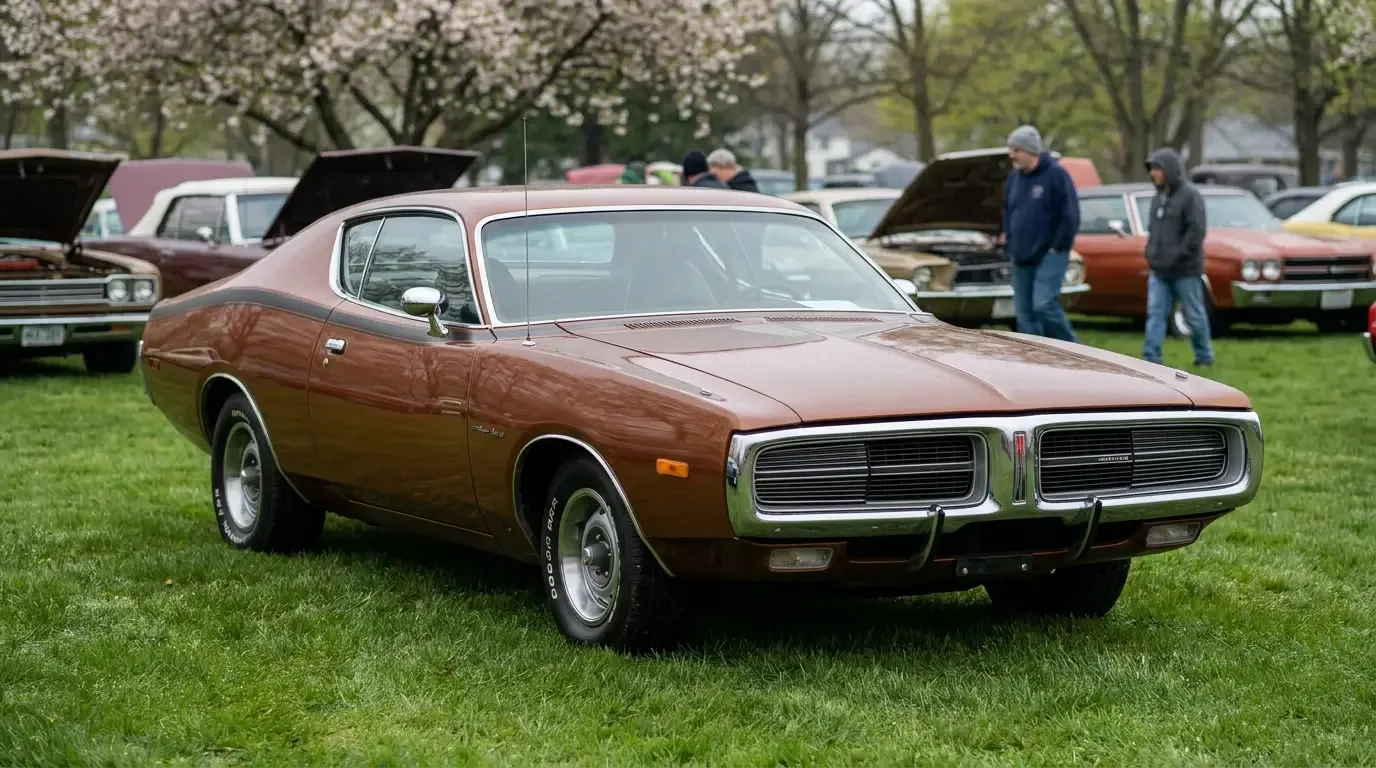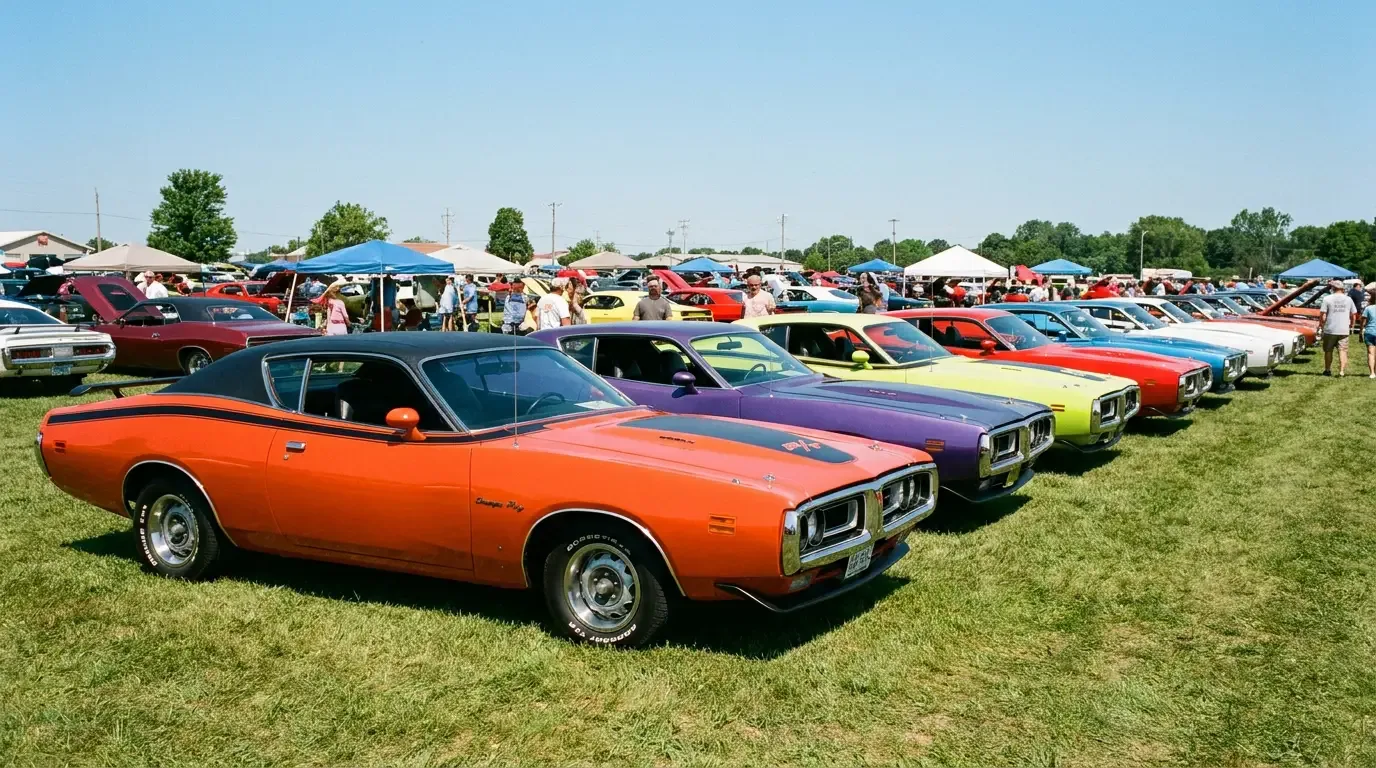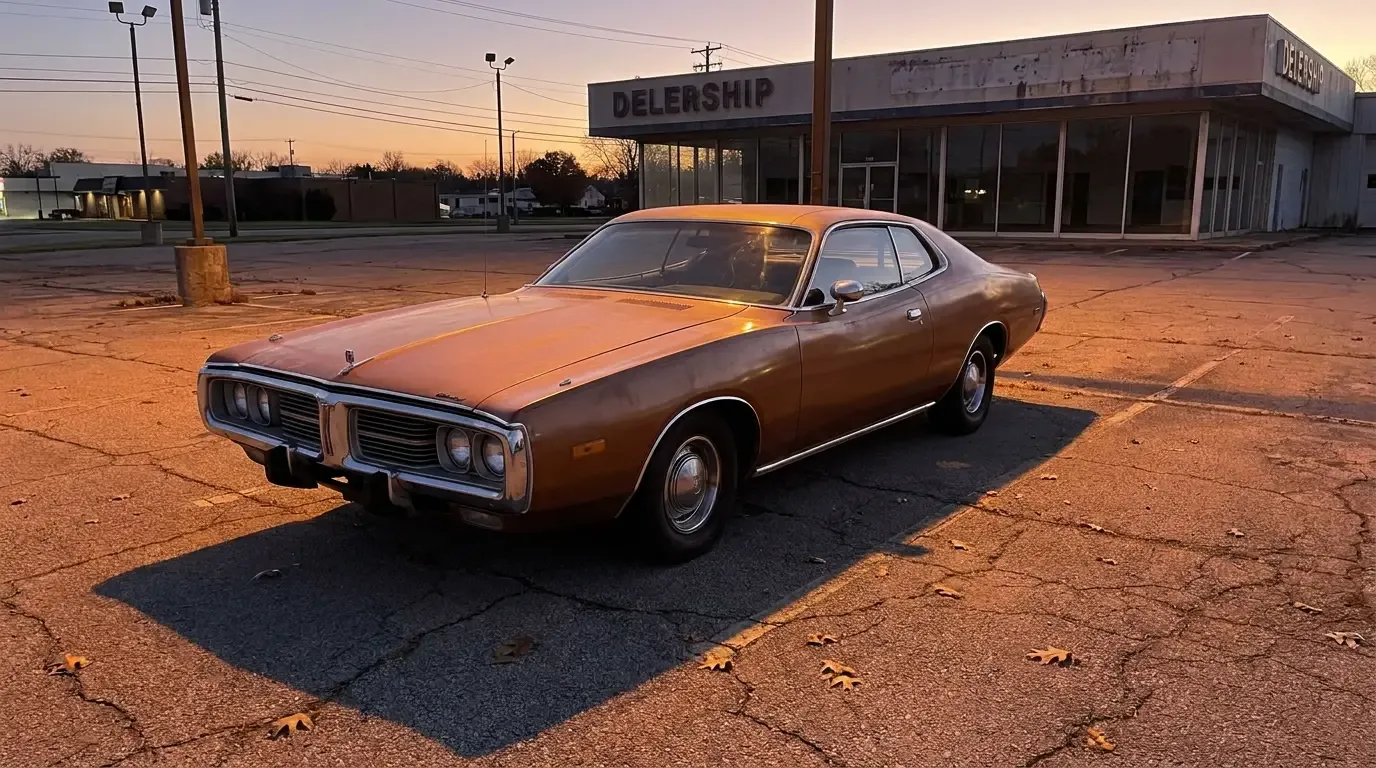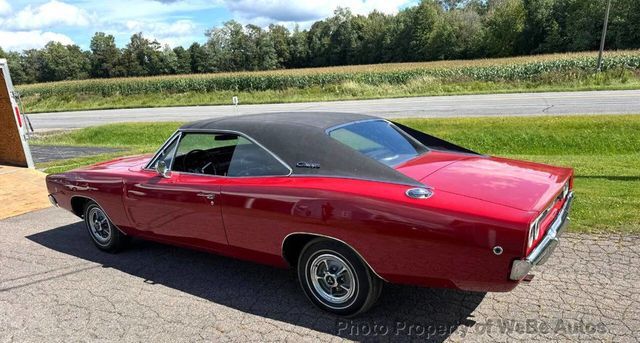
I get more questions about vinyl roofs than almost any other single detail on these cars. Owners want to know if theirs is original, whether it should be replaced, and why some Chargers have a full vinyl top while others have a smaller canopy style covering only part of the roof. Here's what I actually tell people when they bring a car onto the lift.
Full vinyl roofs versus canopy tops
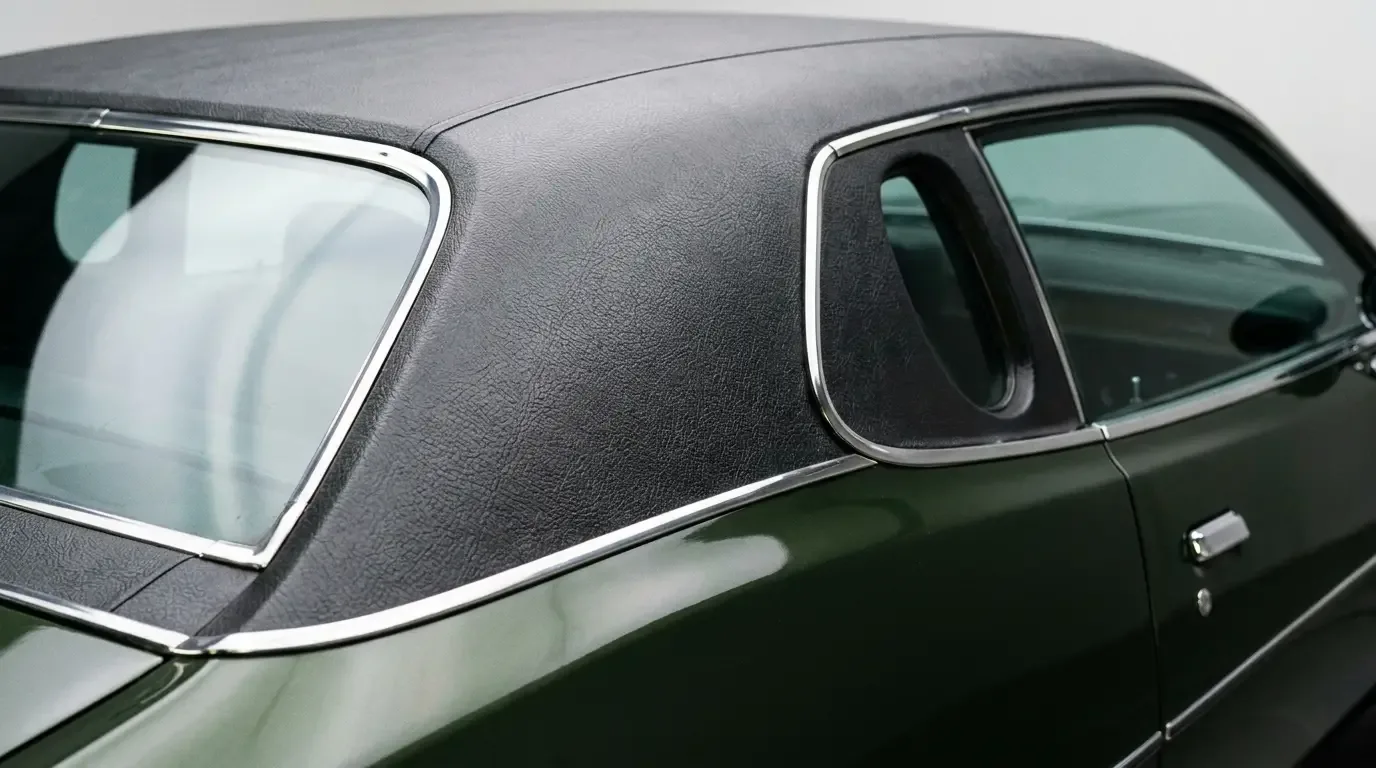
Dodge offered more than one roof covering style across the 1971 to 1974 1971 dodge charger generation, and mixing them up is one of the more common mistakes I see on cars being sold as "all original." A full vinyl roof covers the entire top of the car, from the windshield header back to the trunk lid, wrapping over the C pillar completely. A canopy top, sometimes called a landau style roof on other Chrysler products, covers only the rear portion of the roof, leaving the front section, over the windshield and front pillars, in body color.
The SE trim commonly came with a full vinyl roof as part of its standard equipment, while base and sport trims offered vinyl as an option, sometimes in the full style and sometimes in a partial canopy configuration depending on year and specific package ordered. Getting this wrong on a restoration means putting the wrong material pattern on a car, and it's an easy mistake to make if you're working from a photo of a similar year car rather than that specific car's own build sheet.
| Roof style | Coverage | Common trim association |
|---|---|---|
| Full vinyl roof | Windshield header to trunk | SE, standard equipment |
| Canopy/partial vinyl | Rear roof section only | Optional on select trims |
| No vinyl (steel roof) | None | Base and sport trims, common option delete |
What actually fails on these roofs
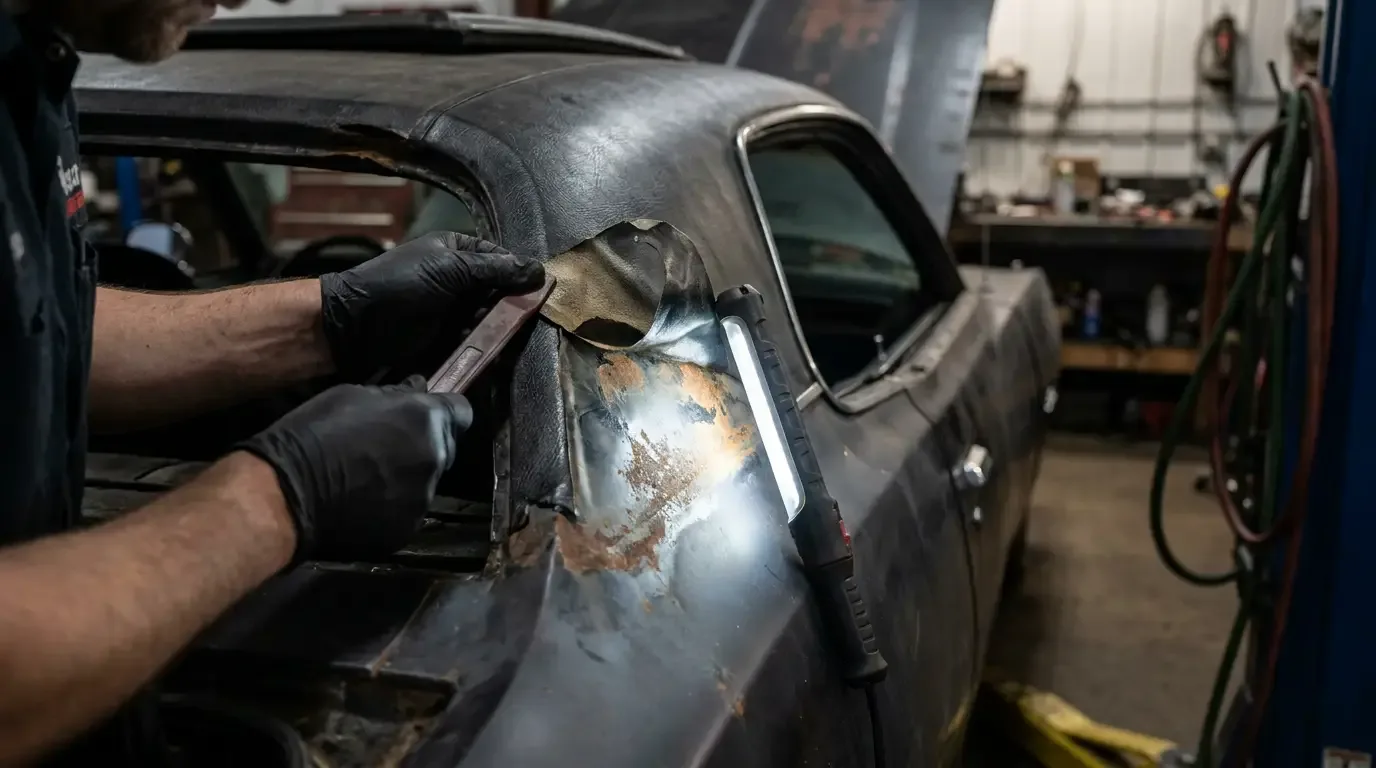
Vinyl roofs from this era have a reputation for trapping moisture against the sheet metal underneath, and that reputation is earned. Water gets under the vinyl through small tears or worn seams around the trim moldings, and once it's in there, it sits against bare or thinly primed metal and starts rust from the inside out. By the time you see bubbling vinyl or a soft spot under your thumb, the rust underneath is usually already established and sometimes already serious.
Any car I look at with an original vinyl roof gets the trim pulled at the edges so I can actually see the metal underneath before I tell an owner it's fine. I've seen roofs that looked tight and clean from three feet away hiding a rust perimeter that needed real metal work, not just a new vinyl skin laid over the same problem.
🔧 Inspection Priorities
- Pull the trim at the roof edges. Rust hides under moisture trapped between vinyl and steel, and it's invisible until you look past the material itself.
- Check the C pillar seam. This is where water most commonly enters on a full vinyl roof, and repeated leaks here can affect structural roof panels, not just cosmetic rust.
- Confirm roof style against the fender tag. A canopy top swapped for a full vinyl roof, or vice versa, during a past repair is common and changes what's considered original on that specific car.
- Ask about any past vinyl replacement. A fresh vinyl top installed over unaddressed rust just hides the same problem again for a few more years.
Buying a car with a vinyl roof today
A tight, well maintained original vinyl roof isn't automatically a red flag, plenty of cars have gone decades without trapping enough moisture to cause real damage, especially cars stored in dry climates for most of their life. The problem is you can't tell which situation you're looking at from a walk around inspection alone. Pull the trim, or have a shop pull it before you commit to a price, because a car that looks solid with the vinyl in place can look very different once you see what's underneath it.
Replacement vinyl is available in period correct patterns and colors for these cars, so a roof that needs replacement isn't a dealbreaker on its own. What matters is whether the rust underneath got fixed properly before the new vinyl went on, or whether someone just laid fresh material over an existing problem to make a car look better for a quick sale.
I always ask an owner or seller directly whether the vinyl has ever been replaced, and I watch how they answer as much as what they say. A seller who knows the history, who can tell you the metal was repaired and treated before new vinyl went down, is a different situation than one who shrugs and says it "came with the car" when they bought it themselves. That second answer usually means nobody actually checked, which puts the responsibility back on you before you buy.
"The vinyl looks right at fifteen feet. Pull the trim and there's rust perimeter around half the roof that somebody covered up instead of fixing. Here's what to actually look at before you hand over a check for a car with a vinyl top."
— Mike Sullivan
Why this matters more as these cars age
The 1974 model year was the last for this Charger body style before Dodge moved the nameplate to a different platform, which means every one of these cars, roof style and all, is now at minimum past its fiftieth year. Vinyl roofs that were already showing their age decades ago haven't gotten any younger, and the rust risk underneath them has had more time to develop, not less. Anyone shopping a car from the final years of this generation should treat the roof inspection as a priority, not an afterthought. That final chapter of the Charger's story, including how the body style wound down, is covered in the 1974 Charger story, which is worth reading if you're specifically looking at a 1974 car.
Sources and notes
- 1971-1974 Dodge Charger registry: halo tops - confirmed the canopy vinyl roof (1971-72) versus the later 1973-74 halo/full-vinyl configurations.
- Legendary Auto Interiors: 1973-74 Charger SE canopy vinyl top - confirmed the canopy vinyl top was a distinct factory option on the SE.
- For B Bodies Only: 1971 Charger canopy vinyl roof - corroborated the seamless canopy top versus the full vinyl roof.
- Dodge Charger (1966) - Wikipedia - confirmed the SE trim, vinyl-roof equipment, and 1974 as the final year of this body style.
- Barn Finds: 1973 Charger SE survivor - real-world example of SE vinyl-roof and trim equipment as reference for originality checks.