
The question of why american cars got so big has a romantic answer and a financial one, and the financial one is closer to the truth. Detroit did not chase size because designers loved excess. It chased size because bigger cars carried bigger profit margins, and for two decades the market rewarded exactly that behavior. The result was a size curve that climbed almost every model year from the mid-1950s into the mid-1970s.
Car Features
6 min read
Why Detroit Chased Size: The 1960s-70s Obsession with Bigger Cars
Why American cars got so big: the margins, cheap fuel, and status race that drove Detroit's size obsession until the 1973 oil shock.
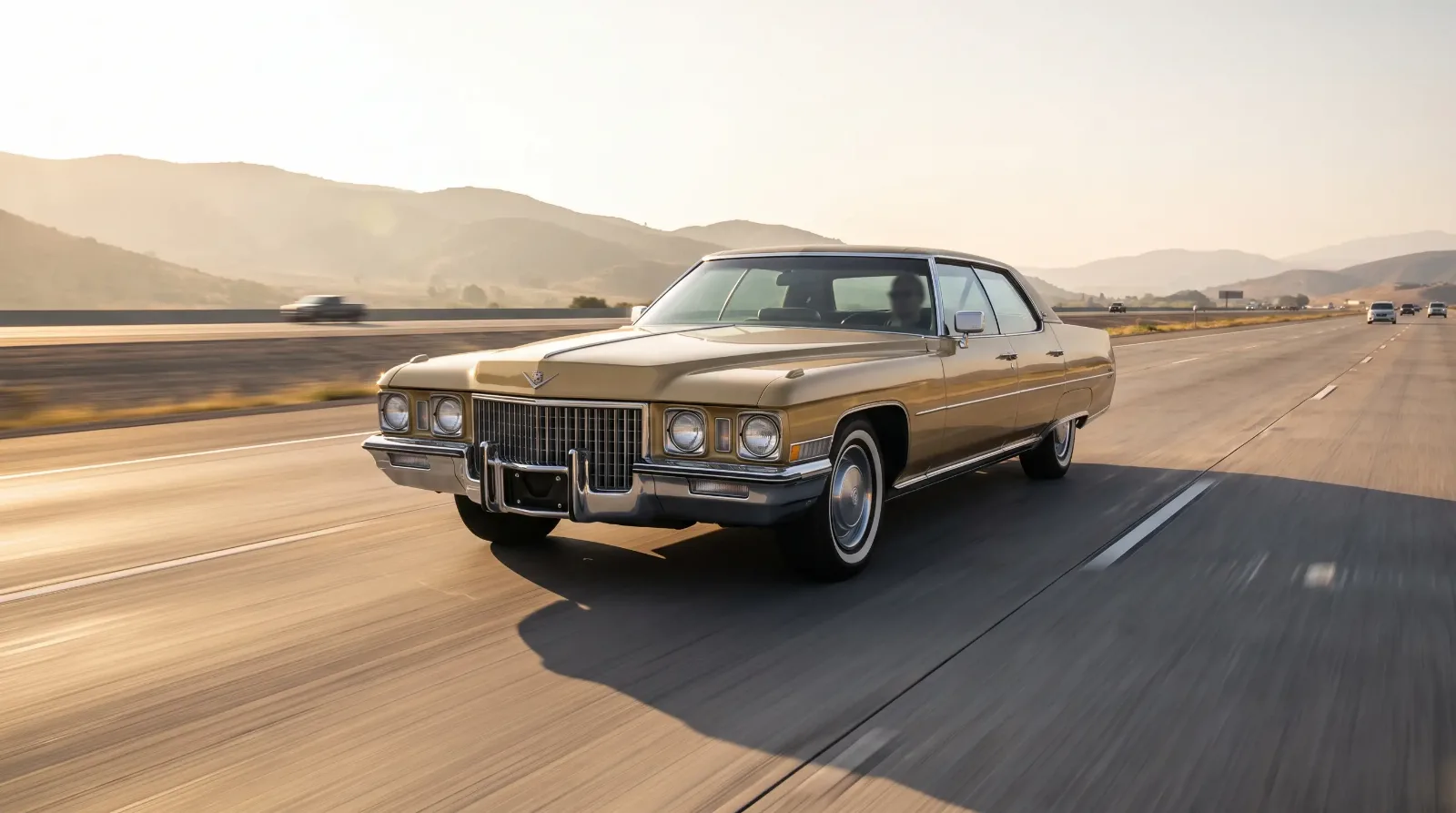
Look at it as a business and the logic gets clear fast. A longer car sold for more money, cost only marginally more to build than a mid-size car on the same assembly line, and signaled status in a way American buyers were willing to pay for. That combination is powerful, and it held until external pressure broke it.
The economics of the annual model
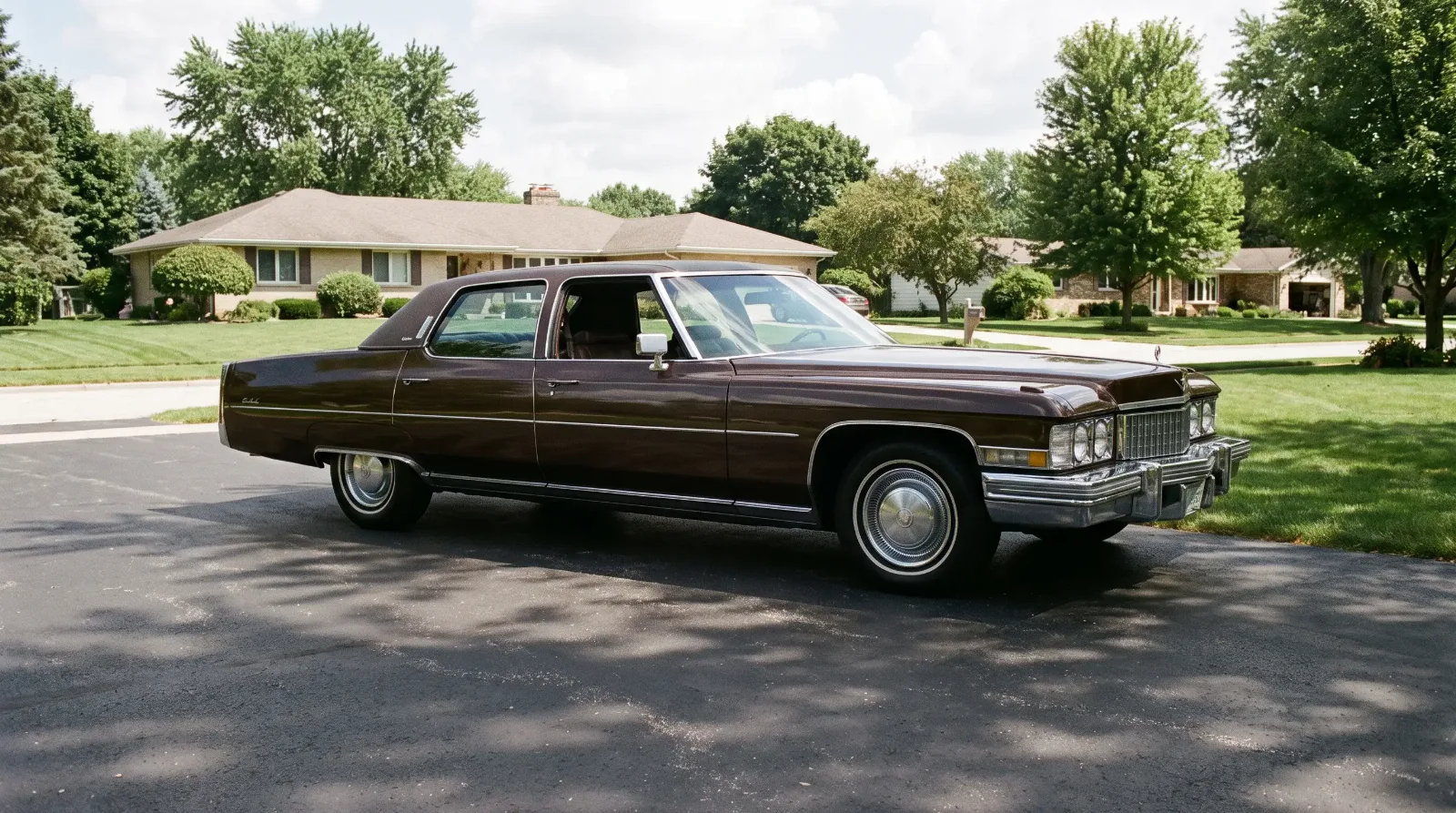
The American industry ran on the annual model change and a strict internal hierarchy. Each division stacked its cars in tiers, and moving a buyer up a tier was the entire game. Bigger meant more prestige, and more prestige meant a higher transaction price on a body shell that did not cost proportionally more to produce.
Size was the cheapest visible upgrade a manufacturer could sell. Adding six inches of length and a heavier grille cost far less than adding genuine engineering, and it read instantly in a driveway. That is the margin story at the heart of the land yacht story. Length was profit you could see from across the street.
The platform economics reinforced it. Divisions shared frames, engines, and tooling across several models, so stretching a body over a longer wheelbase spread the same development cost across a higher-priced car. Every additional inch a buyer paid for arrived on hardware the company had already amortized. In accounting terms the flagship subsidized the whole division, and the way to keep the flagship desirable was to keep it visibly larger than everything below it.
Cheap fuel made it painless
None of this works if fuel is expensive, and for most of the era it was not. Gasoline in the United States stayed cheap through the 1950s and 1960s, which removed the natural brake on car size. A buyer weighing a 5,000-pound Cadillac against a smaller car simply did not price fuel consumption as a serious factor. The running cost of scale was close to invisible.
That is the variable that changed everything later. When fuel stopped being cheap, the entire economic case for the land yacht came under pressure at once. But through the peak years, cheap gas underwrote the whole strategy and let Detroit keep adding length and weight without buyer resistance.
The interstate and the suburb
Geography helped too. The Interstate Highway System, built out across the late 1950s and the 1960s, rewarded exactly the kind of car Detroit wanted to sell. A big soft cruiser that felt tiring in city traffic came into its own at a steady seventy on an open highway, where its weight settled the ride and its long wheelbase kept it stable. The road network and the car evolved to suit each other.
The suburbs pushed in the same direction. Longer commutes, wider driveways, and two-car garages made a large car practical for families that a generation earlier would have had no room for one. Demand for space was real, not only symbolic, and Detroit read the housing map as carefully as it read the balance sheet. A car built to eat highway miles in comfort matched the way Americans were actually living, and that fit sustained the size race well past the point where a European market would have resisted it.
The horsepower and status race
Size did not climb in isolation. It rose alongside a horsepower race, because a big heavy car needs a big engine to move with authority, and a big engine became its own selling point. Displacement grew to keep pace with weight, and the largest luxury V8s reached 500 cubic inches by the early 1970s. The two arms of the race fed each other.
The climb is easy to see if you line up a single make's flagship across the era.
| Cadillac flagship, rough reference | Approx. length | Direction |
|---|---|---|
| Early 1950s full-size | ~215 in | Baseline |
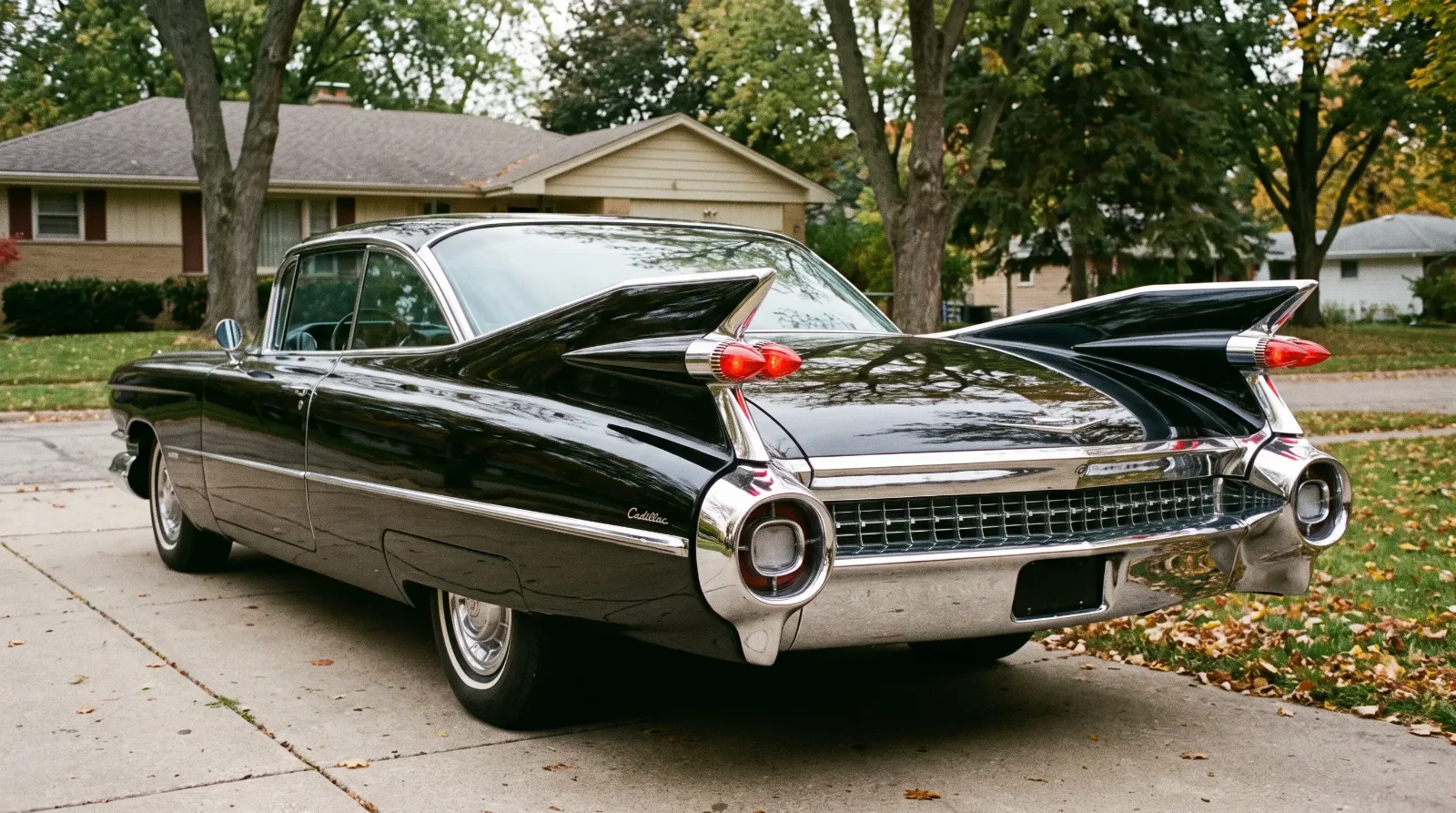
| 1959, tailfin peak | ~225 in | Up |
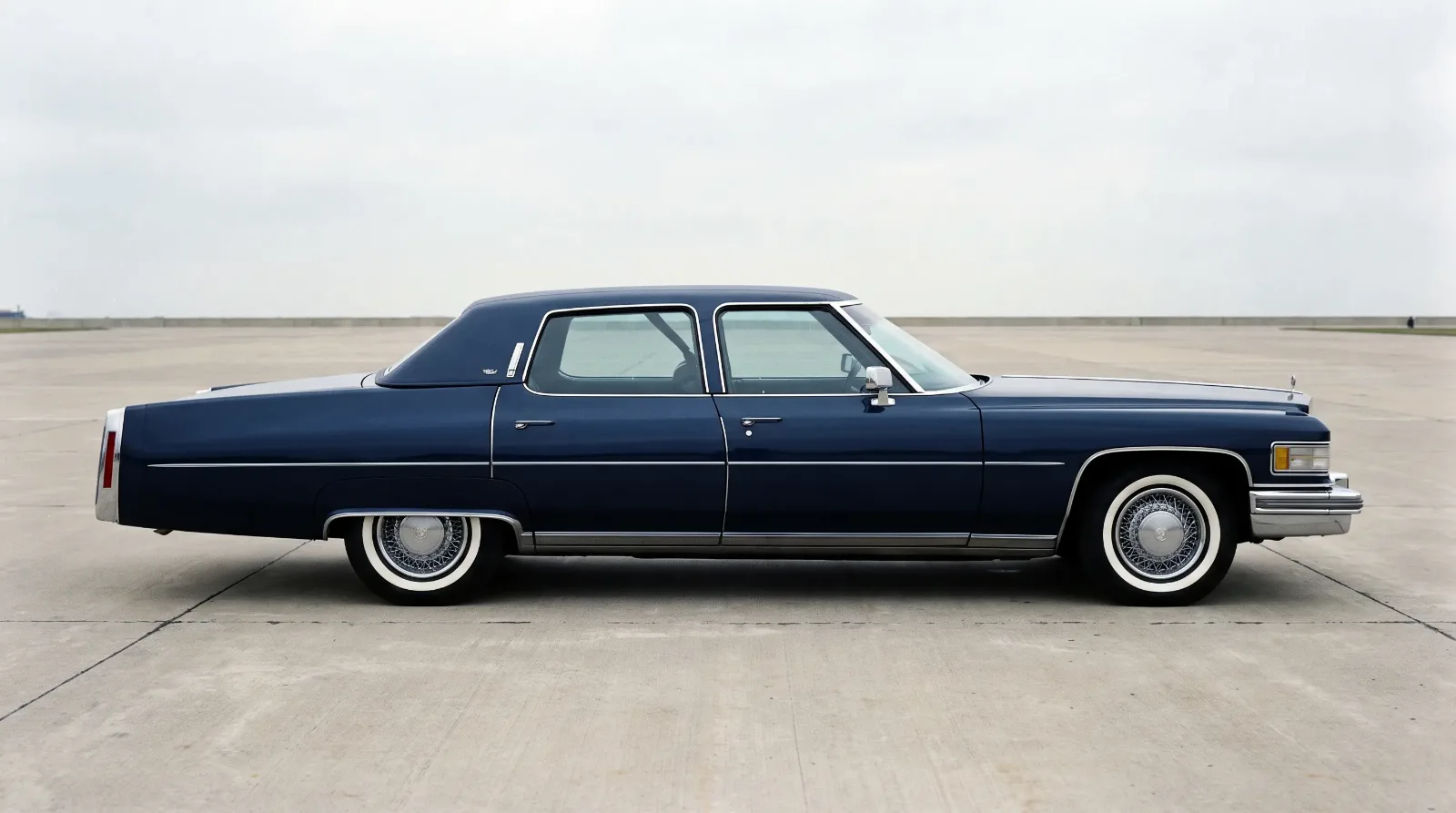
| 1976, pre-downsizing | ~233 in | Up again |
| 1977, after downsizing | ~221 in | Sharp reversal |
Read the figures as approximate references rather than exact records, but the shape is not in doubt. Length rose steadily for two decades and then fell in a single year once the incentives flipped.
Status was the demand side of the equation. A full-size luxury car said something specific about the owner in the American culture of the period, and that signal held real market value. Buyers were not paying only for space. They were paying for what the space communicated, which is why the segment tolerated prices that a purely rational cost analysis would question.
"Follow the margins and the size makes sense. A stretched flagship built on a shared platform was one of the most profitable products in the lineup, and as long as fuel stayed cheap the buyers kept validating the strategy. The market, not the styling studio, drove the growth."
David Mercer
Why the curve finally broke
Every trend that runs on a single cheap input is fragile, and this one broke when the input repriced. The 1973 oil embargo and the fuel-economy pressure that followed changed the buyer's math overnight. A car that had been a rational luxury became a liability at the pump, and demand for the largest cars softened where it had been reliable for twenty years.
General Motors read the shift and downsized its full-size line for 1977, cutting length and weight while trying to keep interior room. That decision marked the end of the size race as a strategy. The market that had rewarded bigness for two decades now rewarded efficiency, and the industry followed the money in the new direction just as it had in the old one. For the full arc across makes, see the full classic luxury car story.
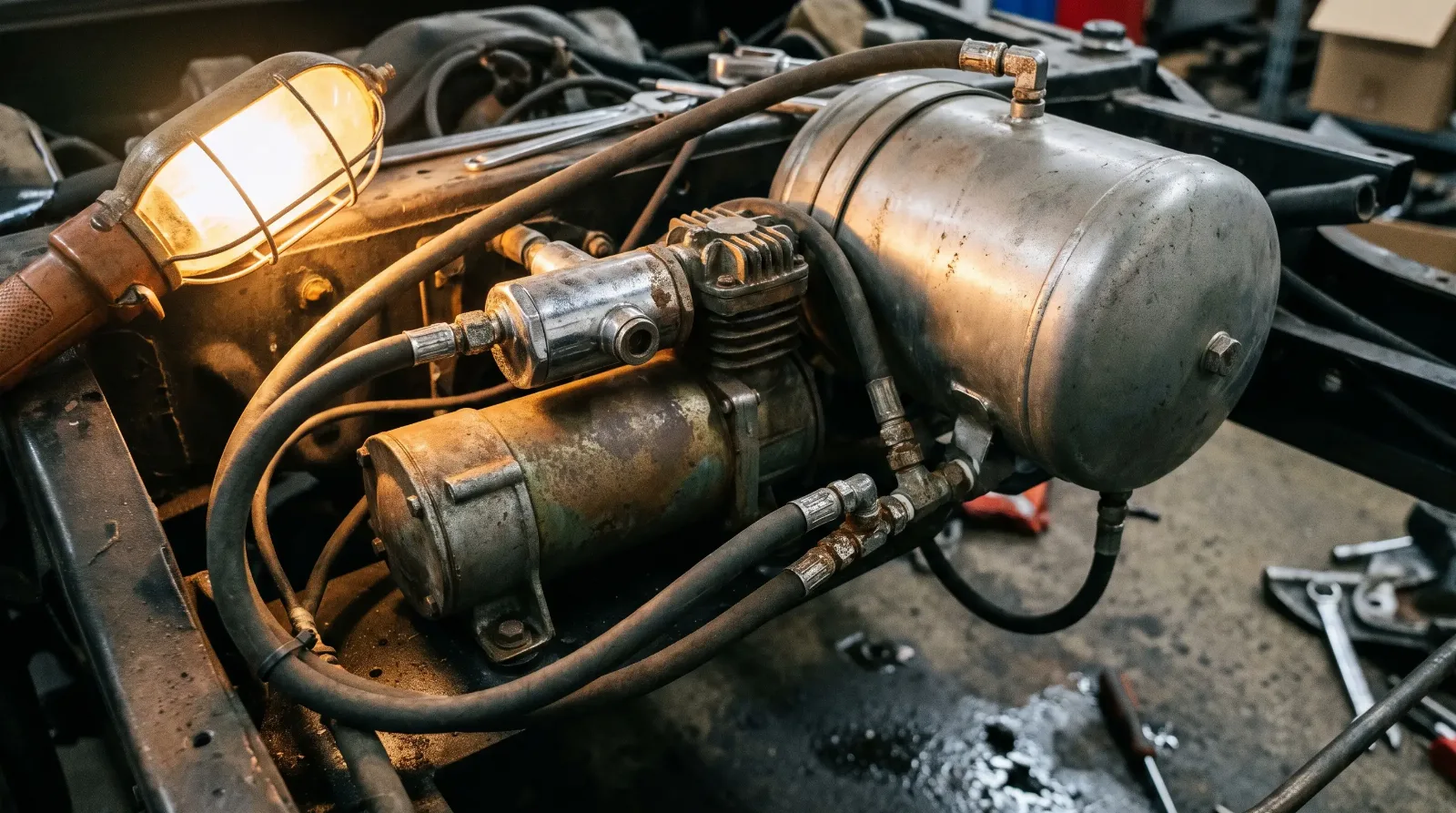
The engineering that supported all this weight is a subject of its own, and few systems capture the ambition better than the air suspension Cadillac tried to make work. Continue with next: Cadillac's Self-Leveling Air Ride.
Related Reading
Have a
Classic Car
for Sale?
Reach thousands of serious classic car collectors across the US.
Sell It Here →
Are You a Classic Car Dealer?
List your full inventory and connect with targeted classic car buyers.
Join as a Dealer →

About the author
David Mercer
Classic car market analyst with two decades of experience tracking collector car valuations, auction results, and investment trends.




Comments
Be the first to comment on this article.