
The easiest classic cars to work on share a few habits: an engine bay you can see the ground through, a carburetor instead of a computer, and fasteners in a handful of sizes that live in one socket set. If you are buying a first classic car and plan to do your own work, those habits matter more than horsepower, styling or what the car is worth. A simple car teaches you. A complicated one just bills you.
Ownership & Lifestyle
7 min read
Easy Classic Cars to Work On When You Are Starting Out
The easiest classic cars to work on for a beginner, from the Slant Six Dart to the air-cooled Beetle, plus the first tools and jobs in order.
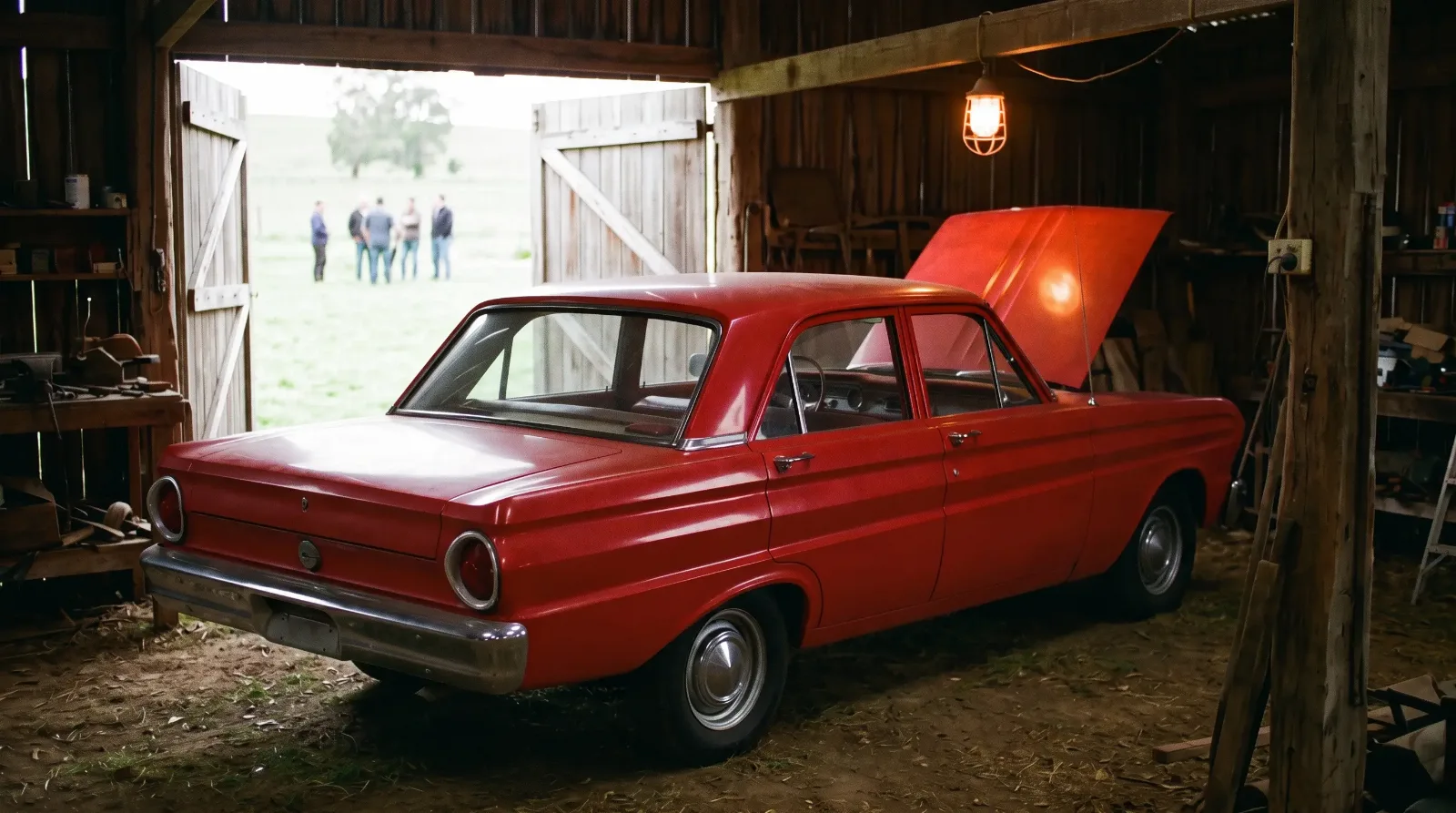
This is a working list, not a beauty contest. For each car I will tell you what makes it easy, which job you will do first, and where beginners usually go wrong.
What makes a classic easy to work on
Before the cars, the checklist. Hold any candidate up against it.
Room around the engine. An inline six or a small V8 in a bay built for something bigger leaves space for your hands, a wrench and a drop light. You can reach the plugs, the distributor and the water pump without pulling half the car apart.
Ignition and fuel you can understand. Breaker points, a distributor and a one or two barrel carburetor can be set with a feeler gauge, a dwell meter and a timing light. Those three tools, and an afternoon, will teach you more about how an engine runs than any manual.
Body on frame or a simple unibody. Either can be easy, but the car needs a known set of jacking points and a front suspension that comes apart in an order you can follow.
A deep parts supply. Easy also means you can buy the part. Rebuild kits, gaskets, brake hardware and wiring harnesses for popular platforms are on the shelf, often from several suppliers. A simple car with no parts is not simple.
The easiest classic cars to work on, car by car
| Car | Years | Engine to look for | Why it is easy |
|---|---|---|---|
| Ford Falcon | 1960 to 1970 | Inline six, 170 or 200 cubic inches | Light, simple unibody, huge parts overlap with early Mustang |
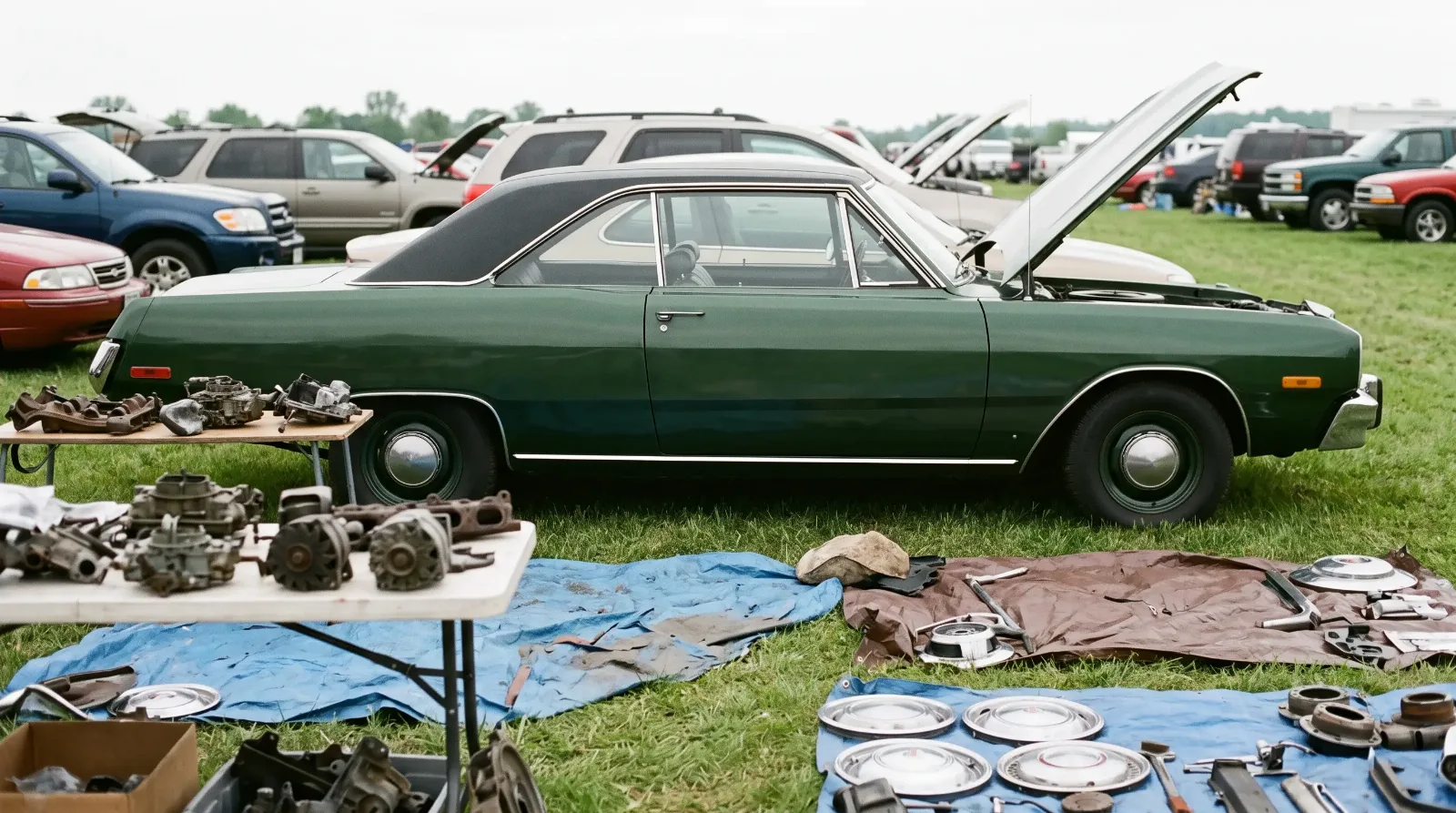
| Dodge Dart and Plymouth Valiant | 1960s to mid 1970s | 225 cubic inch Slant Six | Engine leans over, leaving the plugs and accessories in reach |
| Chevrolet Nova | 1962 to 1979 | Inline six or small-block V8 | Small-block parts everywhere; front clip comes off with hand tools |
| Volkswagen Beetle | Air-cooled; US sedans through 1977, convertibles through 1979 | Air-cooled flat four | No radiator, engine drops out with a jack and four mounting fasteners |
| MGB | 1962 to 1980 | 1.8 liter four | Simple British four, strong club and specialist support |
| Volvo 240 | 1974 to 1993 | Four cylinder, most with fuel injection | Tough, logical layout, well documented by owners |
Ford Falcon with the six. This is close to the ideal first car to wrench on. The six is light on the front end, the steering and suspension are simple, and a great deal of the hardware is shared with the early Mustang, which keeps the parts supply deep. Your first job is likely the carburetor and the ignition: set the points, set the timing, adjust the idle mixture. Where people go wrong is the front suspension. The upper control arm and coil spring on these cars store a lot of energy, so use a proper internal or external spring compressor, never a chain and hope.
Mopar A-body with the Slant Six. The Slant Six leans to one side in the bay, and that is the gift. Plugs, distributor, starter and fuel pump all sit where your hands can find them. The engine has a reputation for running long past the point where it should have quit. The common beginner mistake is the torsion bar front suspension: do not unload or adjust the torsion bars without the correct procedure and a good jack under the lower arm.
"Pick the car where you can see the bolt before you reach for it. If you need a mirror and a prayer for your first tune-up, you bought the wrong car to learn on."
Ray Delgado
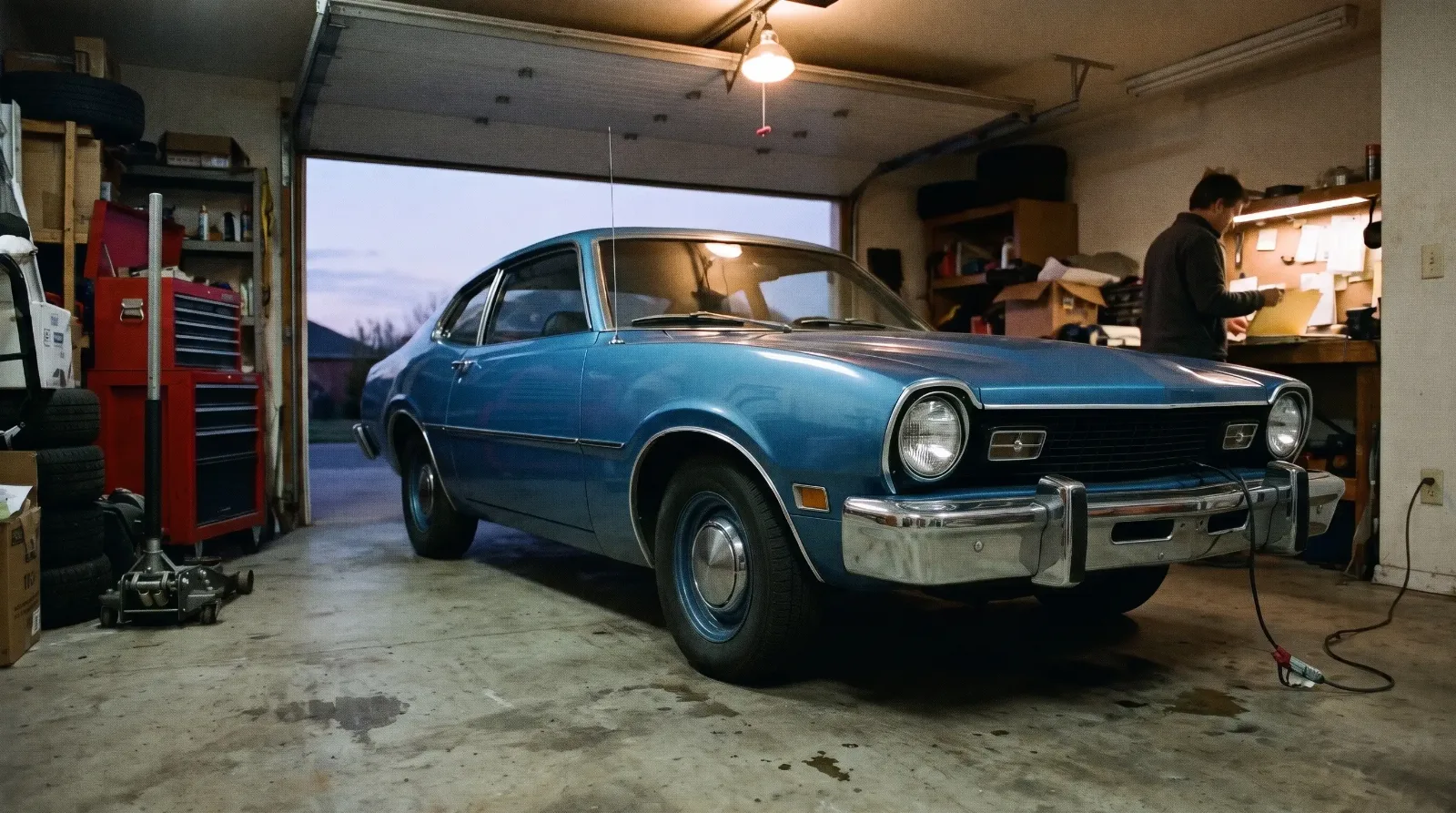
Chevy Nova. A Nova with a six is cheap to buy and easy to feed. One with a small-block V8 gives you the largest aftermarket of any American engine. The subframe front end means the sheet metal and core support unbolt with ordinary hand tools. Go slow with the wiring: decades of owners have added accessories, and untangling someone else's splices is where a weekend disappears.
Volkswagen Beetle. Nothing teaches valve adjustment like a Beetle, because it wants it often and the job takes an hour with a feeler gauge and a screwdriver. The engine comes out with a floor jack once you undo the mounting bolts and disconnect the throttle, fuel and wiring. The trap is heat: an air-cooled engine with missing tin or a loose fan belt will cook itself, so make sure every piece of cooling sheet metal is in place.
MGB and Volvo 240. Both are good if you prefer a smaller car. The MGB has a simple four and an enthusiast network that has documented every job. The 240 is tougher and more modern, and most use fuel injection, which is less beginner friendly but very well understood. On both, rust in the floors and sills matters more than anything mechanical, so check underneath before you fall for the engine.
The first tools and the first jobs
You do not need a full shop. You need a short list, bought in a sensible order.
- Safety first: a good floor jack, four jack stands rated well above the car's weight, wheel chocks and safety glasses. Never work under a car held up by a jack alone.
- Basic hand tools: a socket set in the sizes the car uses (SAE for the American cars, metric for the Volvo and the Beetle, inch AF sizes for the MGB), combination wrenches, screwdrivers and pliers.
- Tune-up tools: a feeler gauge, a timing light, a dwell and tach meter, and a spark plug socket.
- Diagnosis: a test light, a cheap multimeter and a compression gauge.
- A factory shop manual for your exact car. Reprints are inexpensive, and the torque specs and adjustment procedures are the ones you will use.
The first jobs follow the same sequence on any of these cars: change all the fluids, inspect and bleed the brakes, replace the fuel lines and filter, then tune the ignition and carburetor. Do them in that order. Brakes come before tuning because a car that runs well and does not stop is worse than one that runs rough and does.
Where beginners get in over their heads
Easy cars still have hard jobs. Body and rust repair, engine rebuilds and full wiring replacements are where weekend work becomes winter work. They are not off limits, but they are not first jobs. Learn the routine maintenance on a car that already runs, and take on the big work once you know the car. If you do want to start with a car that needs everything, read up on a project car on a budget before you buy, because a rough car demands a different plan than a running one.
The other trap is the half finished modification. A beginner pulls the stock carburetor for a bigger one, or swaps the ignition, before the stock setup was ever working right. Get the original system right first. Then you know what good feels like, and any change you make has a baseline to beat.
Most of what you learn in the first year of ownership comes from these routine jobs done carefully and in order. When you are ready to choose your own car, browse the affordable classics for sale, open the hood on every one, and buy the one where you can see the bolts.
Sources and notes
Related Reading

Have a
Classic Car
for Sale?
Reach thousands of serious classic car collectors across the US.
Sell It Here →
Selling a classic? Here's how: the best sites to sell a classic car
Are You a Classic Car Dealer?
List your full inventory and connect with targeted classic car buyers.
Join as a Dealer →
#affordable classic cars
#Ford Falcon
#classic car maintenance
#slant six
#beginner classic cars
#easiest classic cars to work on
#DIY car repair

About the author
Ray Delgado
Metal fabricator and chassis builder who has spent 25 years turning flat sheet and mild steel into hot rods, gassers and restomod underpinnings.
More in Ownership & Lifestyle

Comments
Be the first to comment on this article.