
Most first-generation pony cars did not leave the dealer with a V8. A big share went out the door with an inline six, a three-speed and a heater, bought by people who wanted the look and the payment, not the quarter-mile time. Those six cylinder pony cars are still out there, and in 2026 they are the cheapest way into a real Mustang, Camaro or Firebird body. You just have to know what the six does and does not change.
Ownership & Lifestyle
7 min read
Six-Cylinder Pony Cars: The Cheapest Way Into a Mustang, Camaro or Firebird
Six-cylinder Mustangs, Camaros, Firebirds and Barracudas are the cheapest way into a pony car body. What the six changes and when to swap.
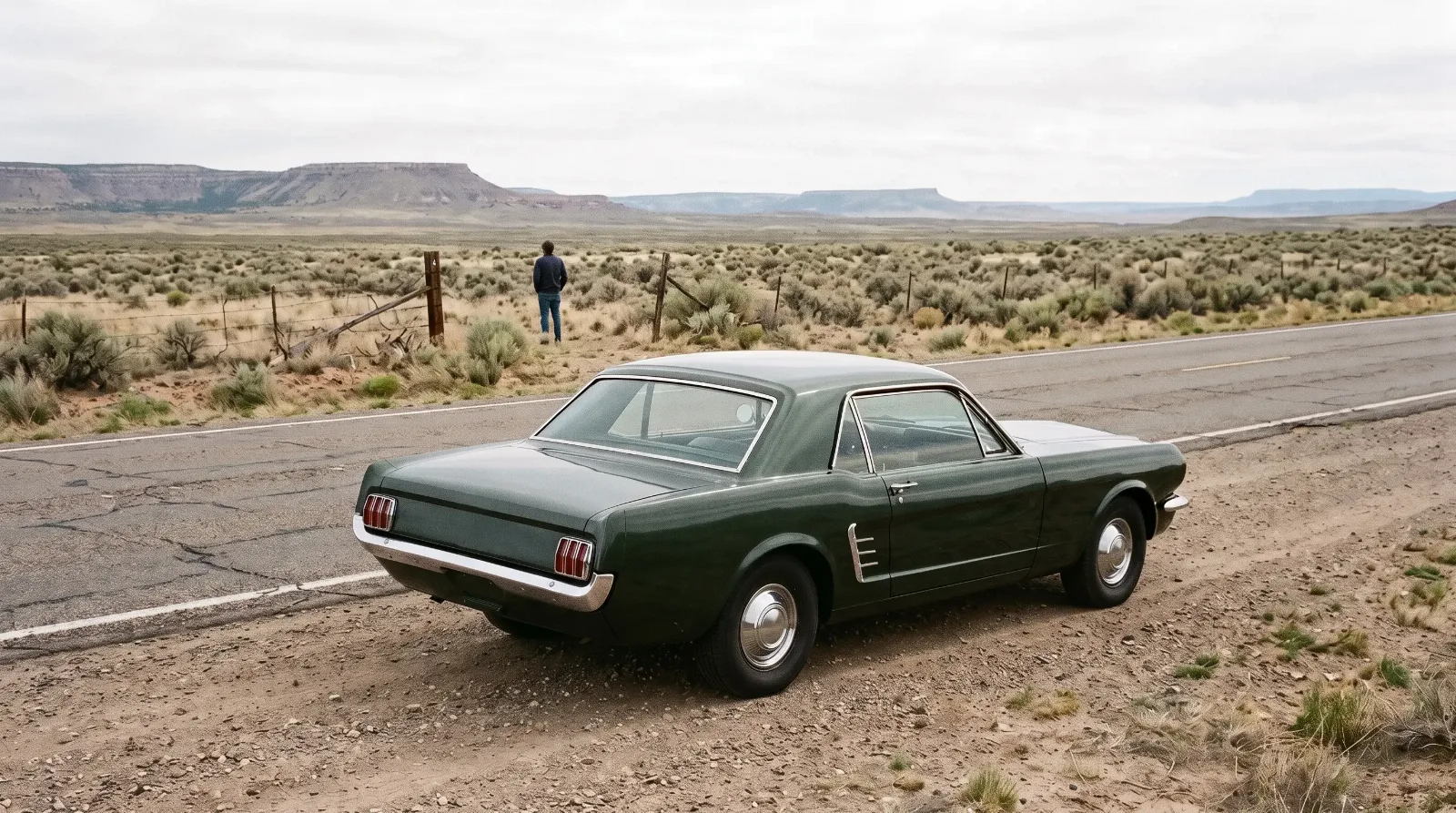
This is not a build-it-into-a-Boss guide. This is about buying the six, living with it, and knowing what it costs if you change your mind later.
What six cylinder pony cars came with from the factory
Each maker used its own six, and they are not equal. The 1960s ratings below are period gross figures, and the order tells the story: the Pontiac overhead-cam six was the odd one out and the strongest.
| Car | Years | Six | Rated output (gross) | Where it sits on price, 2026 |
|---|---|---|---|---|
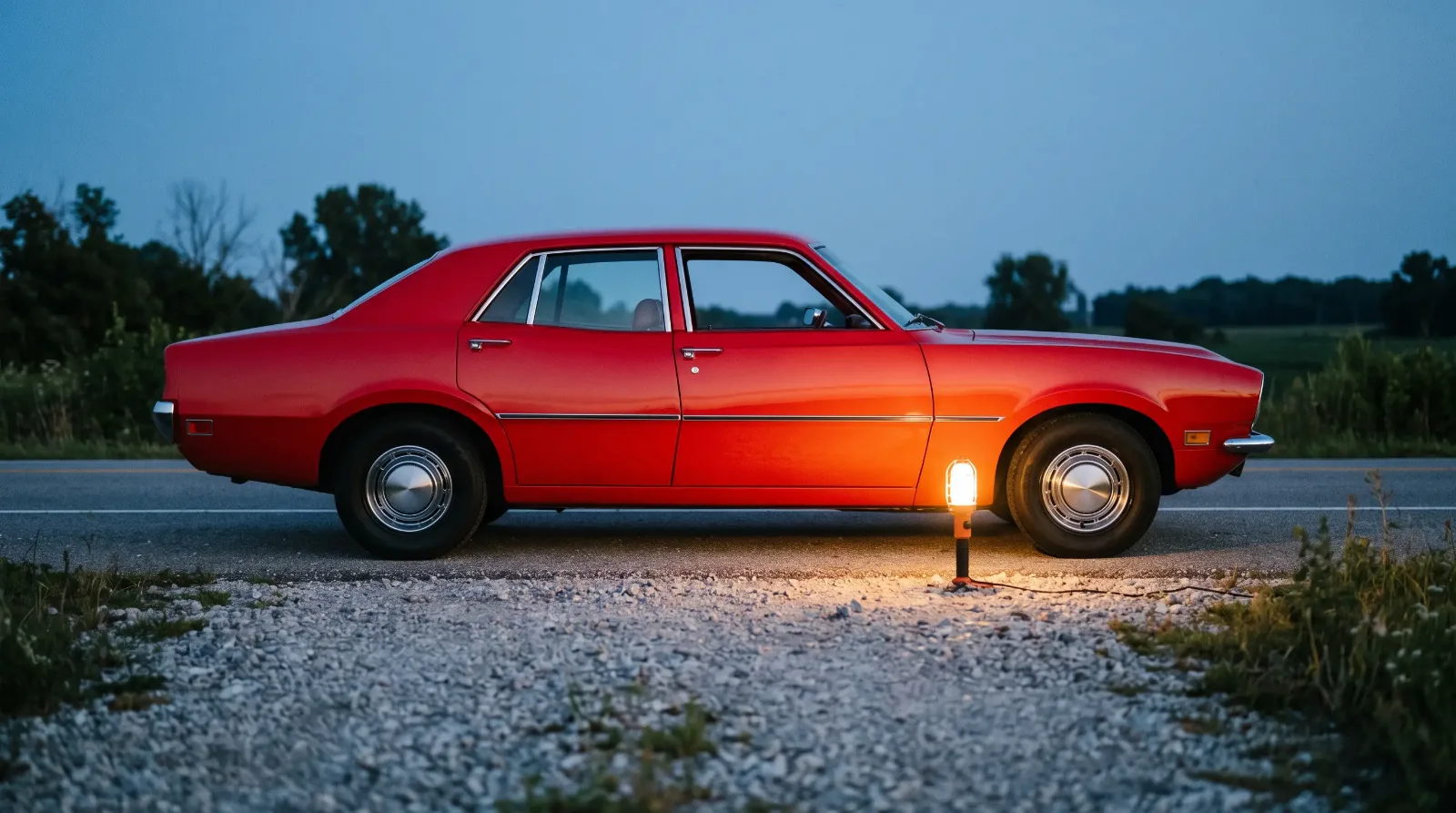
| Ford Mustang | 1965 to 1970 | 200 ci inline six | 120 hp | The cheapest way into an early Mustang coupe; a sound driver sold for $14,980 in January 2026 |
| Chevrolet Camaro | 1967 to 1969 | 230 or 250 ci inline six | 140 hp / 155 hp | Priced as a first-generation Camaro first; the six only takes the edge off |
| Pontiac Firebird | 1967 to 1969 | 230 or 250 ci OHC six, Sprint option | 165 hp base, 215 hp Sprint (1967) | Rare, and a real Sprint is collected; base OHC cars are the cheaper ones |
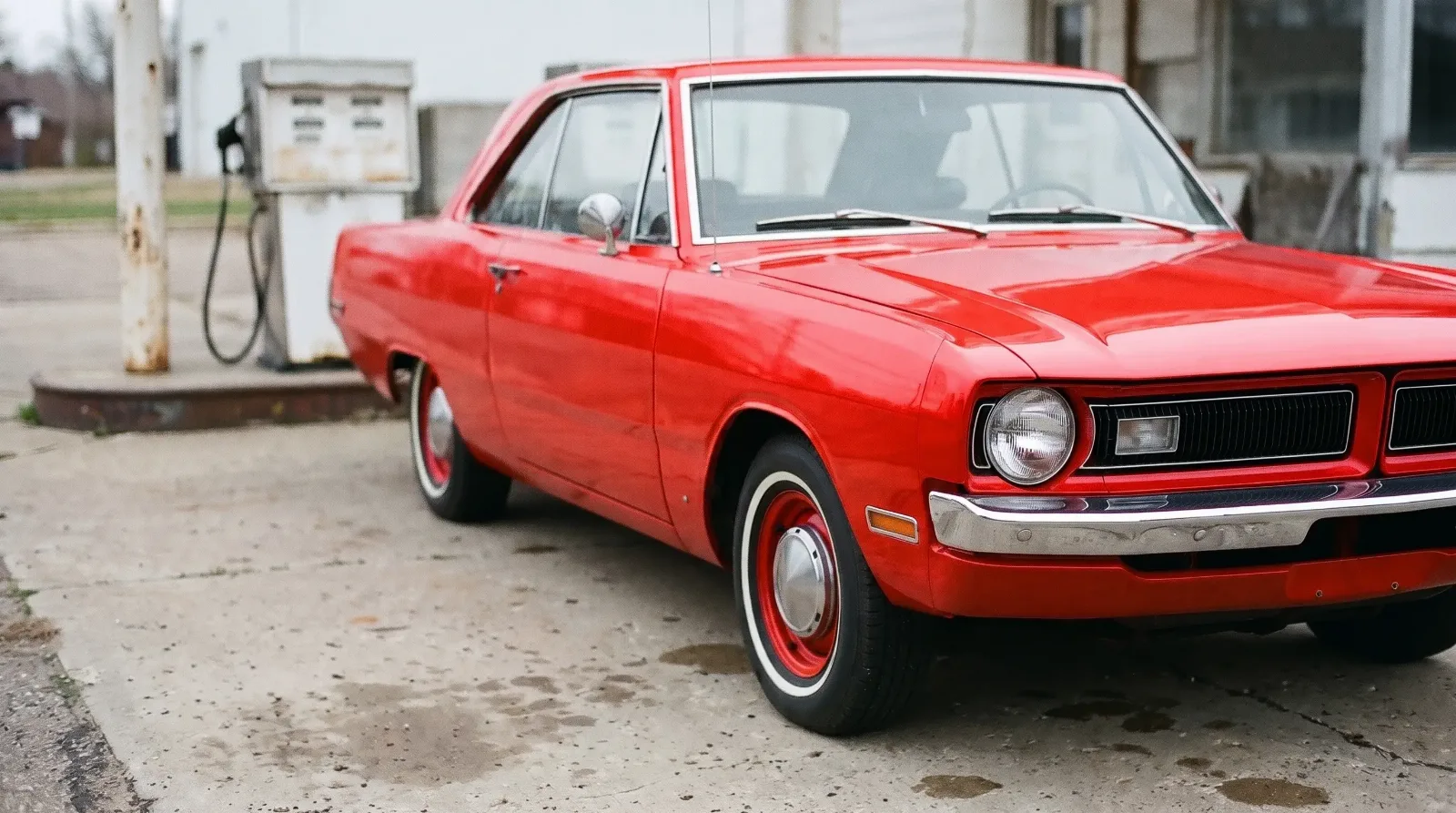
| Plymouth Barracuda | 1967 to 1969 | 225 ci slant six | 145 hp | The cheapest way into a 1960s Mopar pony car |
| Mustang II / second-generation Camaro and Firebird | 1970s | 2.8 V6 (Mustang II), 250 inline six (Camaro, Firebird) | Net ratings, much lower: about 105 hp for the 1974 Mustang II V6 | The real budget tier of the group |
Read the price column honestly. A clean early Mustang six tops $10,000 now: a restored 1966 200-six coupe with paint flaws sold on Hagerty Marketplace for $14,980 in January 2026. The true budget cars are the rough-but-running early examples, the 1970 to 1973 Mustang sixes, and the second-generation Camaro and Firebird sixes from the 1970s. Look up current sales for your exact car before you make an offer, because these prices move. For context on where the V8 cars sit, see our piece on muscle cars on a budget.
Why the six costs less to buy
Same reason the four-doors are cheap. Buyers want the V8. A six-cylinder pony car sells at a discount to the identical V8 car in the same condition, and that gap is the whole deal. The sheet metal is the same. The interior is the same. The rust is definitely the same.
That last part matters. A six does not mean an easy car. These were cheap cars bought by people who drove them in winter. Floors, cowls, torque boxes and rear frame rails rot the same on a six as on a 289. Check those first.
The good news is in the engine bay. Ford's 200, Chevrolet's 250 and Chrysler's slant six are simple, tough engines with cheap parts. They are easy to work on because there is room around them. Plugs, starter, water pump and fuel pump are all within reach. That alone saves real money for a guy doing his own work.
What the six changed under the car
This is where people get burned. A six-cylinder car is not just a V8 car with a different engine. The factory saved money elsewhere too.
The early Mustang is the clearest case. Every early V8 Mustang left Ford with five-lug wheels; the six-cylinder cars got four lugs, their own front spindles and steering linkage, and a smaller rear axle that will not last behind V8 power. Change your mind about the engine and you are buying V8 spindles and steering parts, an 8-inch or 9-inch rear, V8 leaf springs, a driveshaft, brakes and wheels on top of the V8.
Camaros and Firebirds share more with their V8 siblings. The six cars kept the same five-lug wheels, so the differences are mostly lighter-duty parts such as springs, radiator and rear gearing, and those are cheap to change. Mopar slant-six cars often got lighter-duty brakes and axles than the big V8 cars, so check what yours has.
Living with a six, and when to swap
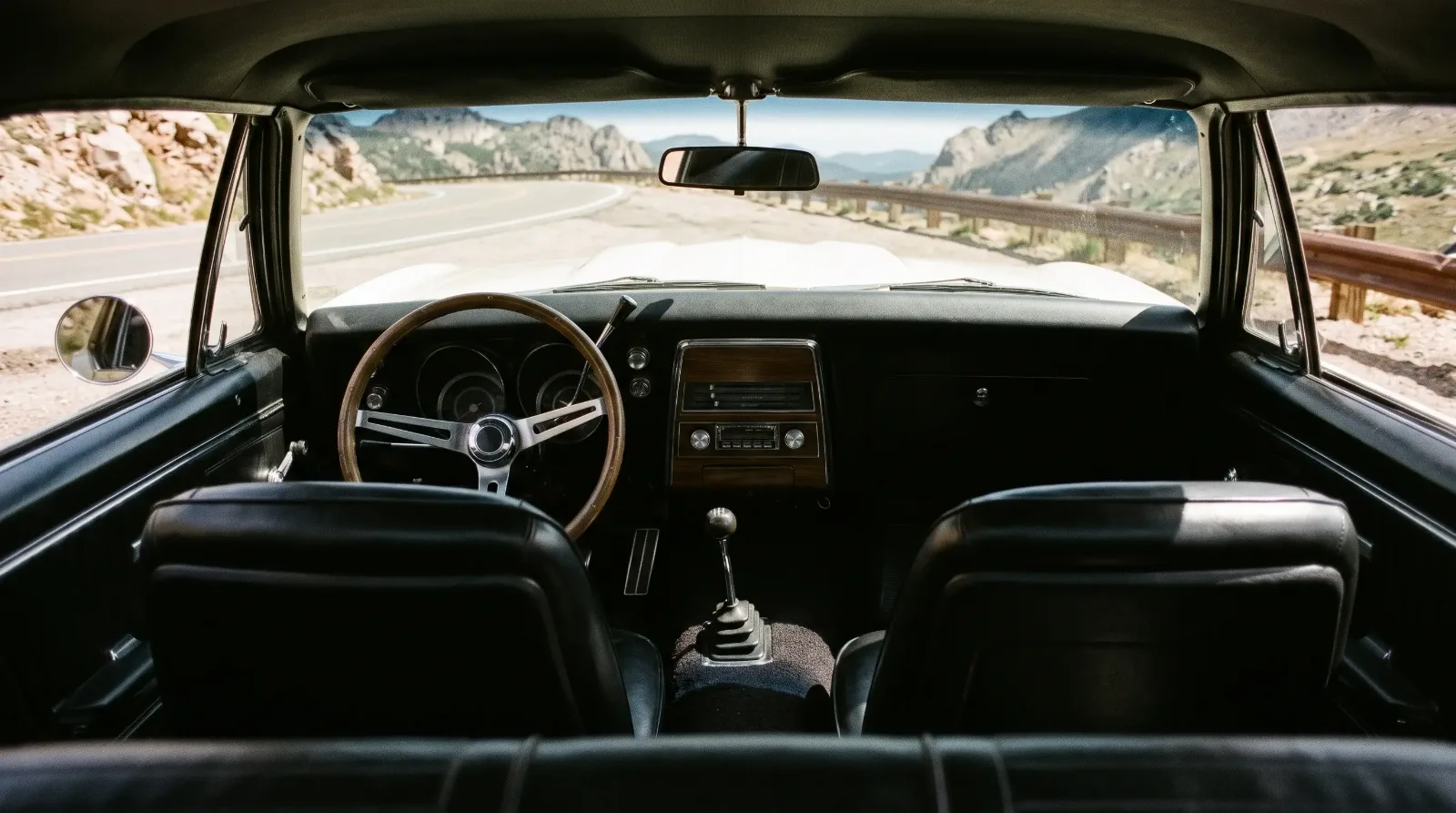
Drive one before you decide to change it. A healthy six in a light pony car is pleasant. Smooth, quiet, enough to merge, and better fuel economy than the V8s of the period. Upgrades are cheap: a better carburetor or a three-carb or four-barrel intake, a header, electronic ignition and a freer exhaust wake up any of these engines without touching the chassis. There is an aftermarket for all three, and for the Ford 200 it is deep.
Add a front disc conversion and better shocks and you have a pony car that stops, handles and starts every morning. For a lot of owners that is the whole goal.
Swap when the car is solid and you know what you want. A V8 swap on a six-cylinder chassis is a weekend job only on paper. On a Mustang it is a full drivetrain and suspension job. On a Camaro or Firebird it is easier because more of the chassis carried over. Do the math first: if the swap parts cost more than the price gap between a six car and a V8 car, buy the V8 car and sell the six to someone who wants it.
"Nobody at a cruise night is going to check your lug nuts. The guy who bought it as a six and kept it running for thirty years is a happier man than most V8 owners I know."
Mike Sullivan
Where to look and what to skip
Skip anything with heavy rust and a price that assumes V8 money. Some sellers price a six like a V8 because the car has the right badges on it. Check the VIN and walk if the number is wrong.
Look hard at the cars other buyers ignore. A 1970s second-generation Camaro or Firebird six with a clean body is cheap and shares its chassis with the cars people chase. A late Mustang six with a rough interior and a solid floor is a better buy than a pretty one with soft rockers. And the Barracuda slant-six is the bargain in Mopar pony cars, as long as you know you are buying the slant, not the 340.
If you want a budget alternative with more doors and more room, look at the four-door muscle sedans too. And if you just want to see what is out there right now, browse cheap classic cars and filter by body. The sixes turn up more often than people think.
Sources and notes
- MustangSpecs: 1965 Mustang 200 Thriftpower six specifications
- Wikipedia: Pontiac straight-6 engine (OHC six)
- Old Cars Weekly: the six-cylinder Firebird Sprint
- Street Tech: vintage Mustang four to five lug conversion
- Hagerty Marketplace: 1966 Mustang 200 six coupe, sold January 2026
- MustangSpecs: 1974 Mustang II engines
Related Reading
Have a
Classic Car
for Sale?
Reach thousands of serious classic car collectors across the US.
Sell It Here →
Selling a classic? Here's how: the best sites to sell a classic car
Are You a Classic Car Dealer?
List your full inventory and connect with targeted classic car buyers.
Join as a Dealer →
#affordable classic cars
#pontiac ohc six
#six-cylinder Mustang
#six cylinder pony cars
#Camaro inline six
#slant six Barracuda

About the author
Mike Sullivan
Detroit-area muscle car enthusiast and restoration specialist with three decades of hands-on experience working on American iron.
More in Ownership & Lifestyle
Comments
Be the first to comment on this article.