
Picture a Saturday morning in a strip mall parking lot, the kind of informal cars and coffee gathering that happens in every American town now. Between a restored Camaro and a lifted pickup sits a faded red convertible with a crooked license plate and a hand-lettered "for sale" sign on the dash. A young couple walks around it twice. They have never owned anything older than a 2015 sedan, and they are trying to work out whether this is the moment their weekends change. That question, and how to answer it without regret, is what this guide is about. Good cheap classic cars exist in 2026, but the right one for a first-time owner is not always the one that looks best in the parking lot.
Ownership & Lifestyle
10 min read
Good Cheap Classic Cars for a First-Time Owner
The good cheap classic cars that suit a first-time owner, the bargains to avoid, and how to buy and live with your first older car.
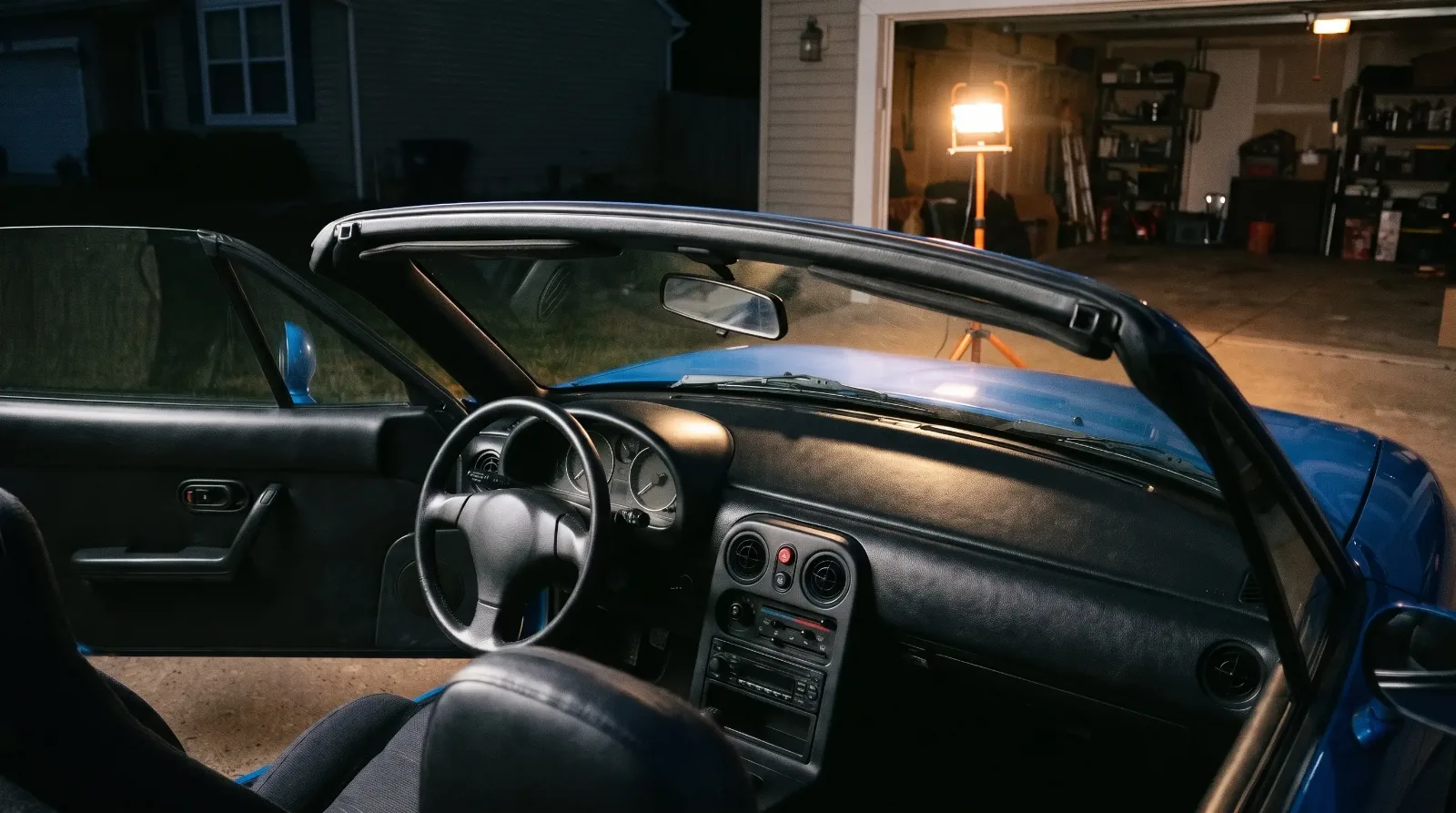
The wider market for affordable classic cars covers everything from rough projects to tidy drivers. A first car should come from the tidy end. You want to learn the hobby by driving, not by sanding.
What a first-time owner actually needs
Experienced collectors buy for rarity, originality or a specific memory. A first-time owner should buy for something less romantic: the odds of a good first year. A classic that strands you twice in its first summer often gets sold by fall, and the owner rarely buys another one.
So the checklist is practical.
- It starts and drives today. Not "ran when parked." Not "just needs a battery." It drives, it stops, and you have driven it yourself before paying.
- Parts are easy to find. You should be able to order brake pads, a water pump and a fuel pump from a parts store counter or a specialist catalog without a hunt.
- A local mechanic will touch it. Simple carbureted American cars and the popular imports are familiar to a lot of independent shops. Exotic fuel injection and rare engines are not.
- A community exists. Owner forums, regional clubs and marque specialists are where you learn which noises matter and which do not.
- It fits your life. A garage or at least a covered spot, a realistic idea of how far you will drive it, and a budget left over after the purchase for the first round of sorting.
That last point deserves weight. Keep part of the budget in reserve for the first year, even on a good car. Tires age out on a calendar, not a mileage counter. Hoses, belts and brake fluid on a car that sat often need doing regardless of what the seller says.
Good cheap classic cars to put on your shortlist
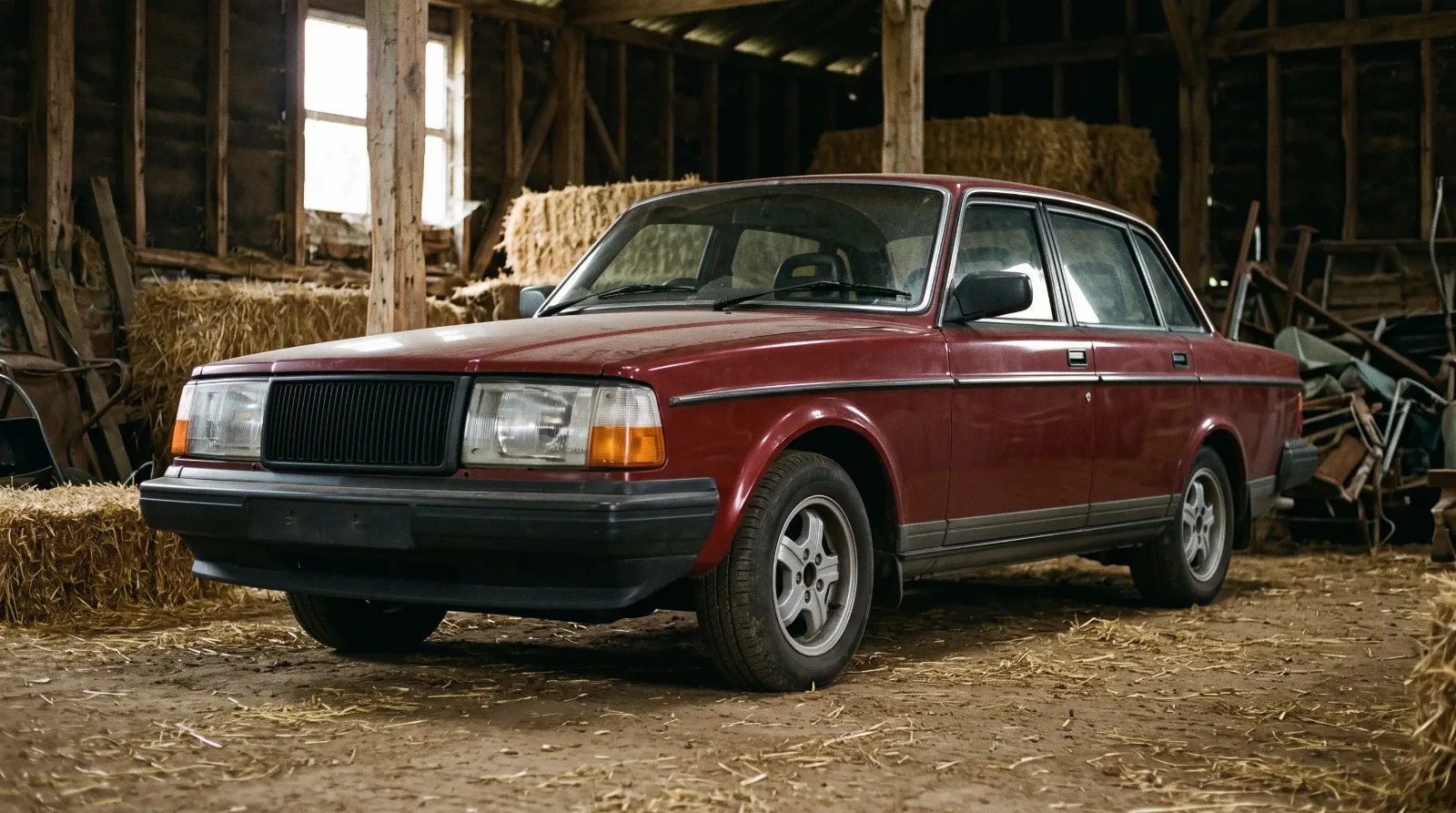
These are not the only good choices, but each has the same core strengths: solid parts supply, a large owner base and a mechanical layout that rewards a beginner rather than punishing one.
Mazda MX-5 Miata, first generation (1989 to 1997). The roadster that reminded the world small sports cars could be reliable. It has a fuel-injected four-cylinder, a rear-drive layout and a parts catalog that rivals far more expensive cars. It is also the cheapest way into open-top driving that does not require learning to tune carburetors on the side of the road. Rust in the rear rockers, just ahead of the rear wheels, is the thing to check. It usually starts from the inside when the soft-top drain holes clog.
Volvo 240 (1974 to 1993). Boxy, honest and famously durable. It is a sedan or a wagon, it is rear-wheel drive, and it has the kind of simple engineering that makes independent mechanics nostalgic. It will not win drag races. It will carry a family, a dog and a weekend of groceries, and it will do it for a long time.
Mercedes-Benz W123 (1976 to 1986). The sedan that defined Mercedes durability for a generation of taxi drivers around the world. Diesel versions are slow but legendary for longevity, and gasoline cars are smoother. Buy on rust and service history, not on badge or color.
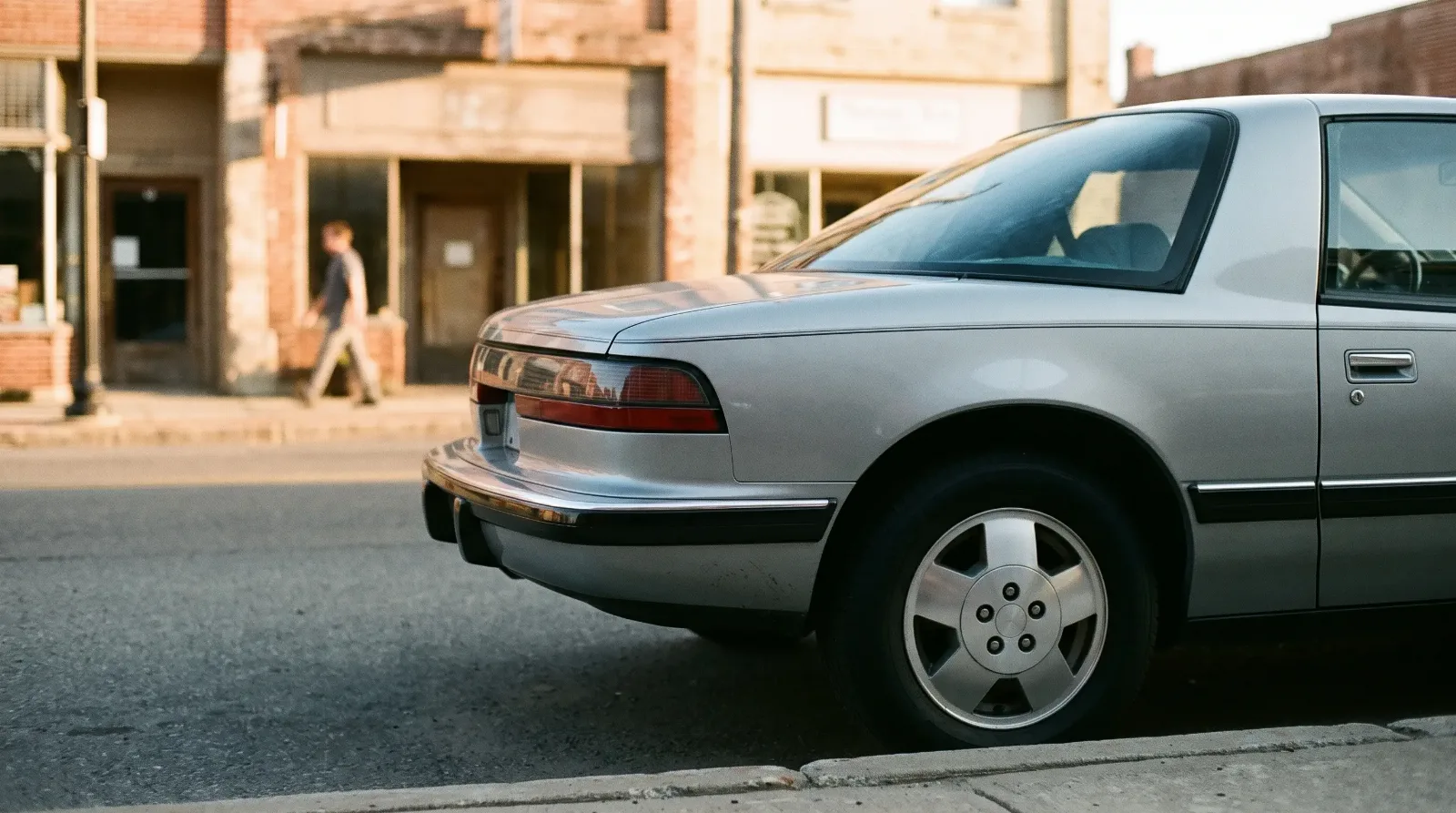
Chevrolet Caprice and full-size GM sedans (1977 to 1990). The downsized full-size cars from General Motors are roomy, comfortable and mechanically about as common as anything on American roads. Engines and suspension parts are everywhere. They are also overlooked, which keeps prices sensible.
Volkswagen Beetle (air-cooled). The original people's car. Simple to understand, supported by a huge specialist parts industry and backed by one of the most generous owner communities in the hobby. A Beetle is a great teacher, because nearly everything on it can be reached with basic tools.
MG MGB (1962 to 1980). If your idea of a classic includes chrome bumpers, wire wheels and a British accent, the MGB is the friendliest way in. Specialist suppliers stock nearly everything, and the engine is a simple pushrod four.
| Car | Body styles | Why it suits a first owner | What to check first |
|---|---|---|---|
| Mazda MX-5 Miata (1989 to 1997) | Roadster | Fuel injection, deep parts supply, reliable | Rear rockers, top drains, soft top |
| Volvo 240 (1974 to 1993) | Sedan, wagon | Durable, simple, practical | Wheel arches, spare well, wiring |
| Mercedes-Benz W123 | Sedan, wagon, coupe | Long-lived engines, solid build | Rust under trim, jacking points |
| Chevrolet Caprice (1977 to 1990) | Sedan, wagon, coupe | Common parts, easy service | Frame, rear window rust, transmission |
| Volkswagen Beetle (air-cooled) | Sedan, convertible | Simple, huge parts and club support | Heater channels, floor pans |
| MG MGB (1962 to 1980) | Roadster, GT | Specialist parts for nearly everything | Sills, electrics, oil leaks |
Cars that look like bargains but are not for beginners
Some cheap classics are cheap because they reward expertise and punish the rest of us. They can be wonderful cars. They are rarely wonderful first cars.
The usual suspects are high-end European luxury cars that sell for the price of a used hatchback. A big Jaguar, a vintage BMW 7 Series or an older Mercedes S-Class can look like enormous value. Then a suspension bushing or an air conditioning repair arrives with a bill that would have bought half the car. The purchase price was low because running costs are not.
Rare or orphan makes are another trap. An unusual car from a defunct brand gets attention at every gas station, and every owner of one has a story about waiting months for a part. That is part of the fun for some people. For a first-time owner, it is a long way to learn.
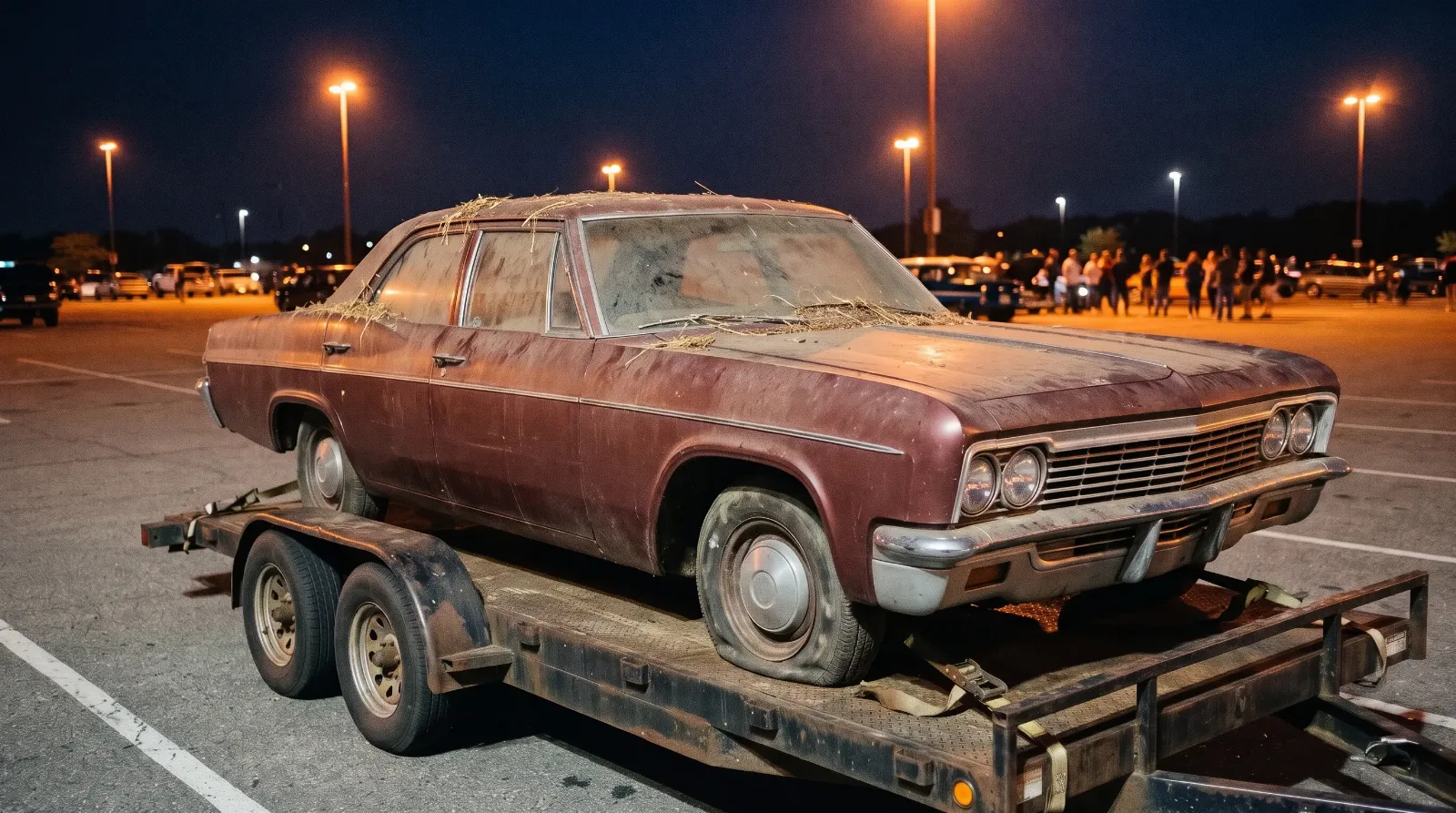
Then there is the project dressed as a driver: shiny paint, fresh tires, and a description that uses words like "needs a little love." Those listings hide the same structural problems a project car does, only with less honesty about them. If you are drawn to that kind of car, it is worth reading up on the difference between a project and a driver before you go shopping.
"The best first classic is the one you are still driving a year later. Rarity makes a good story at a show. A car that starts every Saturday is what makes a person stay in the hobby."
Patrick Walsh
Buying your first classic without regret
The process of buying a good cheap classic is not complicated, but it rewards patience. The car will still be there next week more often than sellers suggest, and there will be another one if it is not.
First, look at several examples of the same model before you buy one. You learn more from three cars side by side than from hours of reading. The good one stands out once you have seen the tired ones.
Second, drive it cold. Ask the seller not to start the car before you arrive, and watch it start from a cold engine. Listen for knocks, watch for smoke from the tailpipe, and see whether the idle settles.
Third, pay for an inspection if you can. A pre-purchase inspection by a mechanic who knows the model is the cheapest insurance in the hobby. Some marque clubs can point you toward someone local who knows the cars well.
Fourth, get the paperwork right. A clean title in the seller's name, a VIN that matches the car, and whatever service records exist. Receipts are not glamorous, but they tell you how the car was treated, and they help when you sell it later.
Finally, call your insurance agent before you buy. Collector car policies from specialist insurers are often surprisingly affordable, but they come with conditions, such as no daily driving, an enclosed, secure place to keep the car and, with some insurers, an annual mileage limit. Knowing the rules up front means no surprises on the first renewal.
Living with an older car day to day
The first months with a classic are an education. The car will teach you its habits: how long it wants to warm up, how hard to press the brakes, which smell is normal and which one means pull over.
Drive it regularly. Cars that sit develop problems that cars in use do not. Seals dry out, fuel goes stale, brakes stick. A weekly drive, even a short one, keeps a classic healthier than months under a cover.
Learn the basics yourself. Checking fluids, changing oil, swapping spark plugs and adjusting a fan belt are skills anyone can pick up on these cars, and they build the kind of familiarity that makes ownership less stressful. You do not have to become a mechanic. You only have to stop being a stranger to your own car.
Modern upgrades are allowed. Electronic ignition, better headlights, radial tires and a modern battery are common changes that make an older car more dependable without changing its character. Keep the original parts in a labeled box if the car is original, because the next owner may care.
And find your people. A regional club or an owner forum is where the real knowledge lives. Somebody has already fixed the problem you are about to have, and most of them are happy to explain it.
Where to start looking
Start with the kind of car you would enjoy driving on an ordinary Tuesday, not only the one you would show off on a Sunday. If you have a soft spot for a particular era, it helps to know the decades that stayed affordable, because some periods offer far more choice at this budget than others.
Then set a budget with room in it, make a shortlist of two or three models, and go look at real cars. Local listings, club classifieds and the gatherings in your own town are all good hunting grounds. Browsing cheap classic cars for sale is a sensible way to learn what prices look like where you live before you commit.
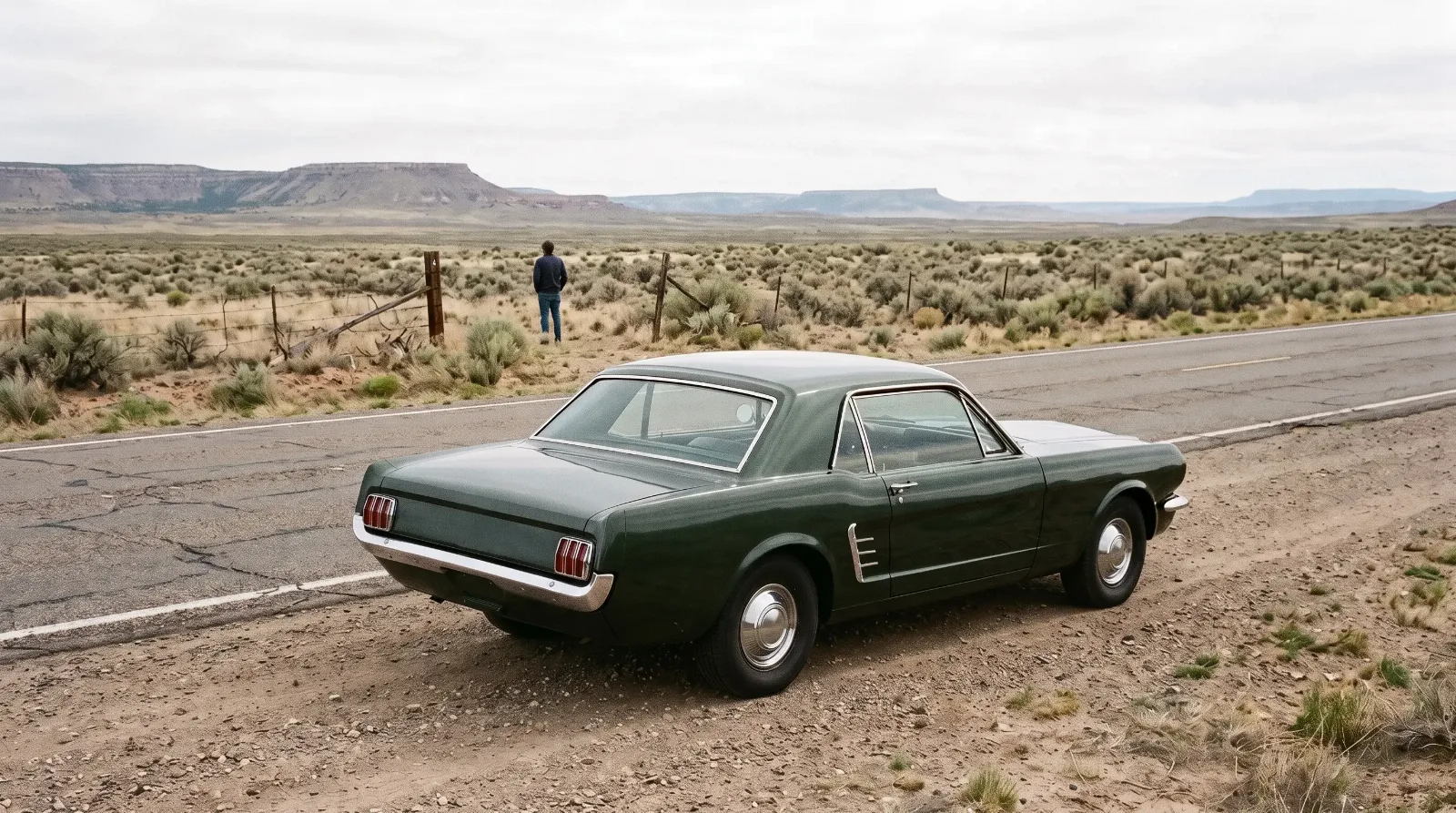
Back in that parking lot, the best outcome for our imagined couple is not the red convertible. It is asking the right questions, learning the car sat for six years, and walking away, then buying a plainer car a few weeks later that starts on the first try. That is how a good first classic usually arrives: not as love at first sight, but as the car that keeps showing up for you.
Sources and notes
Related Reading
Article
Affordable Classic Cars: What $5,000 to $10,000 Really Buys in 2026
Article
Cheap Project Cars: Picking a Build That Will Not Eat You Alive
Article
1950s, 1960s and 1970s Cars That Stayed Affordable
Article
What a Cheap Classic Car Really Costs to Own Each Year
Article
Easy Classic Cars to Work On When You Are Starting Out
Article
The First Drive Home: What New Owners Learn in Their First Year
External
/classic-cars-for-sale-under-5000
Have a
Classic Car
for Sale?
Reach thousands of serious classic car collectors across the US.
Sell It Here →
Selling a classic? Here's how: compare the places to sell classic cars
Are You a Classic Car Dealer?
List your full inventory and connect with targeted classic car buyers.
Join as a Dealer →
#First Classic Car
#affordable classic cars
#good cheap classic cars
#beginner classic cars
#Mazda Miata
#Volvo 240
#MGB

About the author
Patrick Walsh
Automotive journalist covering classic car shows, events, and the enthusiast community across North America.
More in Ownership & Lifestyle
Comments
Be the first to comment on this article.