
Cheap project cars are everywhere in 2026, and most of them are cheap for a reason. The asking price is the smallest number you will ever write down for that car. What decides whether a build finishes or dies under a tarp is the work hiding behind that price: how much metal has to be cut out, how many parts still exist, and whether you have the tools and the floor space to do the job in the right order. This is a guide to reading a project before you buy it, the way a fabricator reads a damaged panel before picking up the grinder.
Ownership & Lifestyle
12 min read
Cheap Project Cars: Picking a Build That Will Not Eat You Alive
How to read a cheap project car before you buy it: rust, structure, parts support and the order of work that gets a build finished.
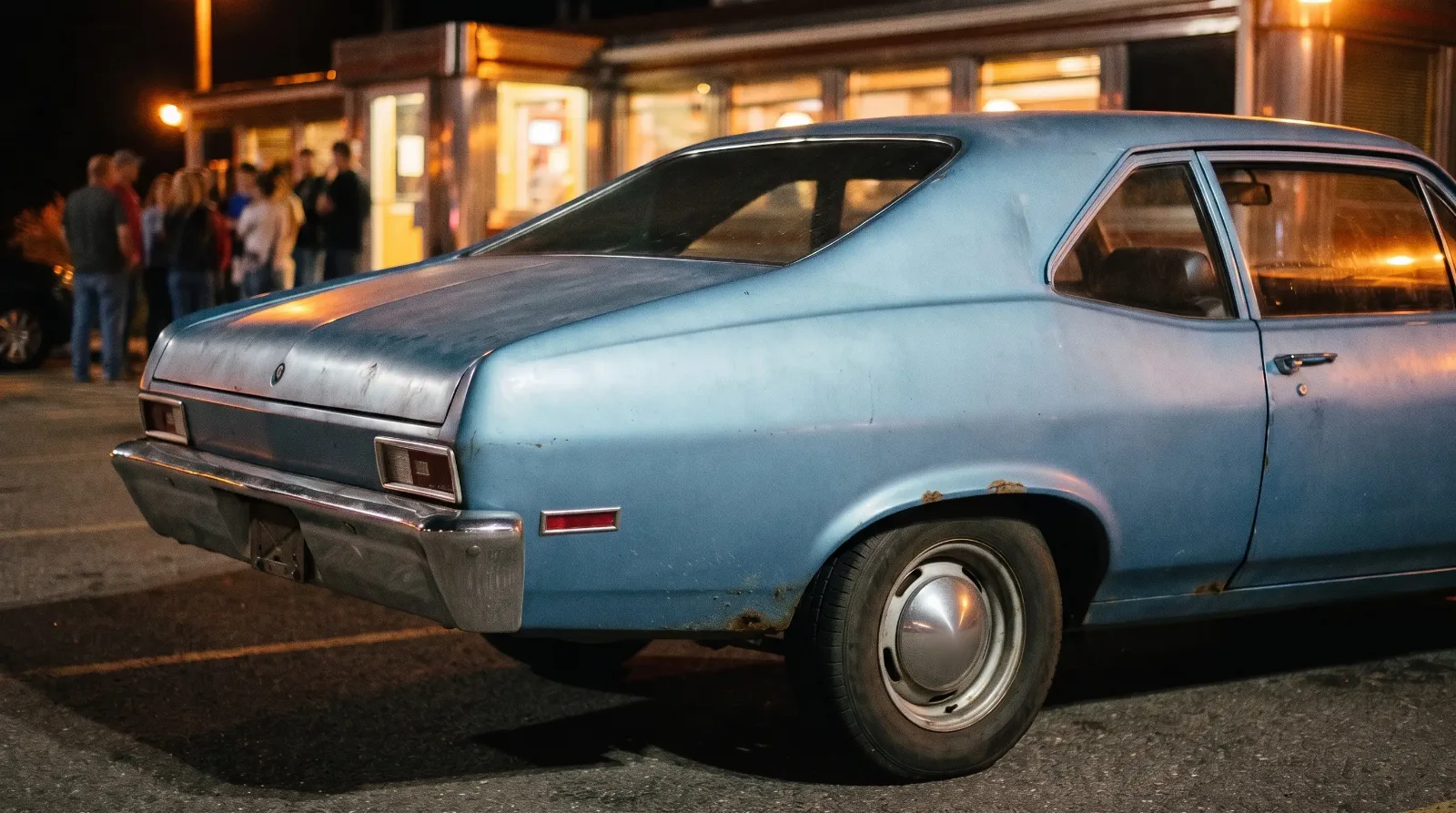
If you want the market overview first, start with the bigger picture of what $5,000 to $10,000 buys today. Here we stay narrow. One question: which project will you actually finish?
Why cheap project cars go wrong
Every abandoned project I have seen died the same way. The buyer priced the car, not the job. A $3,000 coupe with a seized engine looks like a bargain next to a $9,000 driver. Then the engine comes out, the floor pans come out with it, and the subframe connectors turn out to be holding the car together on their own.
There are three ways a build runs away from you, and they are not equal.
- Structural rust. This is the expensive one. Floors, rockers, frame rails, the cowl and the trunk drop-offs. Every one of those means cutting, fitting and welding, and every one of them can move the body out of square if you do it in the wrong order.
- Missing parts. Trim, glass, interior pieces and small brackets. A car that is 90 percent complete is not 90 percent of the way to done. The last 10 percent is the stuff nobody reproduces.
- Mechanical neglect. Seized engines, dead brakes, rotted fuel lines. This sounds scary and it is usually the cheapest of the three, because engines and brake parts for popular cars are commodity items.
So the rule is simple. Buy mechanical problems. Avoid metal problems. And be honest about missing parts, because they cost more time than money, and time is what kills projects.
How to inspect a project car before you buy
Bring a flashlight, a small magnet, a pick or a flat screwdriver, a floor jack and a creeper or a piece of cardboard. You are going under the car. If the seller will not let you get under it, walk away.
Work in this sequence, because it goes from the expensive problems to the cheap ones.
- Frame rails or unibody rails first. On a body-on-frame car, look at the rails where they kick up over the rear axle and where the body mounts bolt down. On a unibody car, look at the front frame rails behind the bumper and the rear rails under the trunk. Tap them with the screwdriver handle. Solid metal rings. Rot thuds.
- Floors and rockers. Pull the carpet back at one corner if the seller allows it. Push on the floor from inside. Look at the rockers from underneath, not just from the side, because filler and fresh paint hide well from eye level.
- Cowl and windshield frame. Water sits here. A rusted cowl means water in the footwells, and that is how floors rot from the top down. Cowl repair means pulling the windshield, and on many cars it means the dash comes out too.
- Trunk floor and drop-offs. Lift the trunk mat. Check the corners where the floor meets the quarter panels.
- Door gaps. Open and close both doors. If a door drops when you open it or the gap closes up at the top, the body may be sagging because the structure under it is gone.
- Then the mechanicals. Will the engine turn over by hand with a breaker bar on the crank bolt? Is there oil, and is it oil and not milkshake? Do the brakes hold any pedal at all?
Use the magnet on lower quarters and around wheel openings. Where it stops sticking, there is filler. A little filler is normal on a 50-year-old car. A quarter inch of it over a patch of screen door mesh is not.
Body-on-frame or unibody: what it means for your build
This is the single biggest structural choice you make, and most buyers never think about it.
A body-on-frame car has a separate steel frame, and the body bolts to it. If the frame is good, you can unbolt the body, fix the floors on a rotisserie or a set of stands, and bolt it back down. If the frame is bad, replacement frames and frame sections exist for the popular American cars. The work is heavy but it is straightforward. Most full-size American cars of the 1950s and 1960s are built this way. So are the GM A-body intermediates of 1964 to 1972, such as the Chevelle, which rode on a full perimeter frame, and the later G-body cars, the last American midsize cars built body-on-frame.
A unibody car has no separate frame. The floor, rockers and rails are the structure. That makes it lighter and often better to drive, but rust repair becomes structural repair. If you cut out a rocker and a floor section on the same side at the same time without bracing the door openings, the car can fold on you. I have seen it. The doors stop closing and you are now chasing a problem you created.
On a unibody project, the sequence matters more than the skill. Brace first. Weld in the door openings with steel tube, measure diagonals across the floor from known factory reference points, and only then cut. Replace one section, fit it, weld it, and measure again before moving to the next.
"The grinder is the fastest tool in the shop and the easiest one to regret. On a unibody car, you measure twice, brace once, and cut a little at a time. Rust repair is not demolition."
Ray Delgado
Picking a platform with parts support
A good project is a car the aftermarket loves. When a company stamps reproduction floor pans, rockers and quarter panels for a car, it means somebody did the math and found enough buyers. That is the signal you want. A rare car with no repro sheet metal means hand-forming every patch from flat stock, and that is a different hobby.
Here is how some of the common cheap project platforms compare on the things that decide whether a build finishes. The cost column is relative, project-grade against project-grade, because asking prices swing hard by region and condition.
| Platform | Structure | Repro sheet metal | Relative project cost | Watch for |
|---|---|---|---|---|
| Ford Fox-body Mustang (1979 to 1993) | Unibody | Floors, rockers, quarters widely available | Low | Torque boxes, strut towers, T-top leaks |
| GM G-body (Monte Carlo, Cutlass, Regal, 1978 to 1988) | Body-on-frame | Good, floors and quarters reproduced | Low | Rear frame rails, rear window channel rust |
| Chevrolet Nova (1968 to 1974) | Unibody with bolt-on front subframe | Very good | Higher | Rear frame rails, trunk floor, subframe bushings |
| Volkswagen Beetle (air-cooled) | Floor pan chassis, bolt-on body | Excellent, complete pans sold | Low | Heater channels, battery tray rot |
| MG MGB (1962 to 1980) | Unibody | Very good, complete bodyshells were reproduced | Low | Sills (rockers), castle rails, dogleg panels |
| Volvo 240 (1974 to 1993) | Unibody | Limited, but the cars rust slowly | Lowest | Front wheel arches, spare tire well |
Notice what the table rewards. The Beetle and the MGB are not fast and they are not valuable, but you can buy nearly every panel. The Nova sits higher on price because its parts support is deep and its values have climbed. The Volvo has thin sheet metal support but a reputation for rusting slowly, which works if you buy a dry car.
Running the numbers on a cheap build
Before you hand over cash, write the build on paper. Do it in three columns: what you can do yourself, what you have to pay someone to do, and what you have to buy. Most first projects fail because the second column was empty on paper and full in real life.
Paint and bodywork is the line item that surprises people most. AAA puts high-end shop paint, the kind with bare-metal prep, at $5,000 to $20,000, which is more than the price of many cheap project cars. If you plan to pay for paint, the car you buy needs straight panels. If you plan to do the bodywork yourself, budget for a welder, a compressor big enough to run a DA sander, blocks, primer and plenty of evenings.
Here is a rough way to sort what a project will cost you in money and time.
- Mechanical refresh (brakes, fuel system, tune-up, tires): mostly parts money, a few weekends. Predictable.
- Engine rebuild or swap: parts plus machine shop work. Predictable if you use a common engine.
- Floor pans and rockers: cheap parts, many hours. A welder and real patience are required.
- Frame rails and structural sections: moderate parts, many hours, real skill. This is where hobby builds turn into professional builds.
- Interior: kits exist for popular cars and they bolt in. For obscure cars, plan on a trim shop.
- Paint: either your time or a lot of someone else's money.
Then add 30 percent to the total. That is not pessimism. That is what happens when you pull the carpet and find what the carpet was hiding.
If the math scares you, that is useful information. A running, driving car you can enjoy while you fix it beats a perfect plan in pieces. That is the whole argument for buying a good first classic that already drives, and treating it as a rolling project.
Tools, space and the order of work
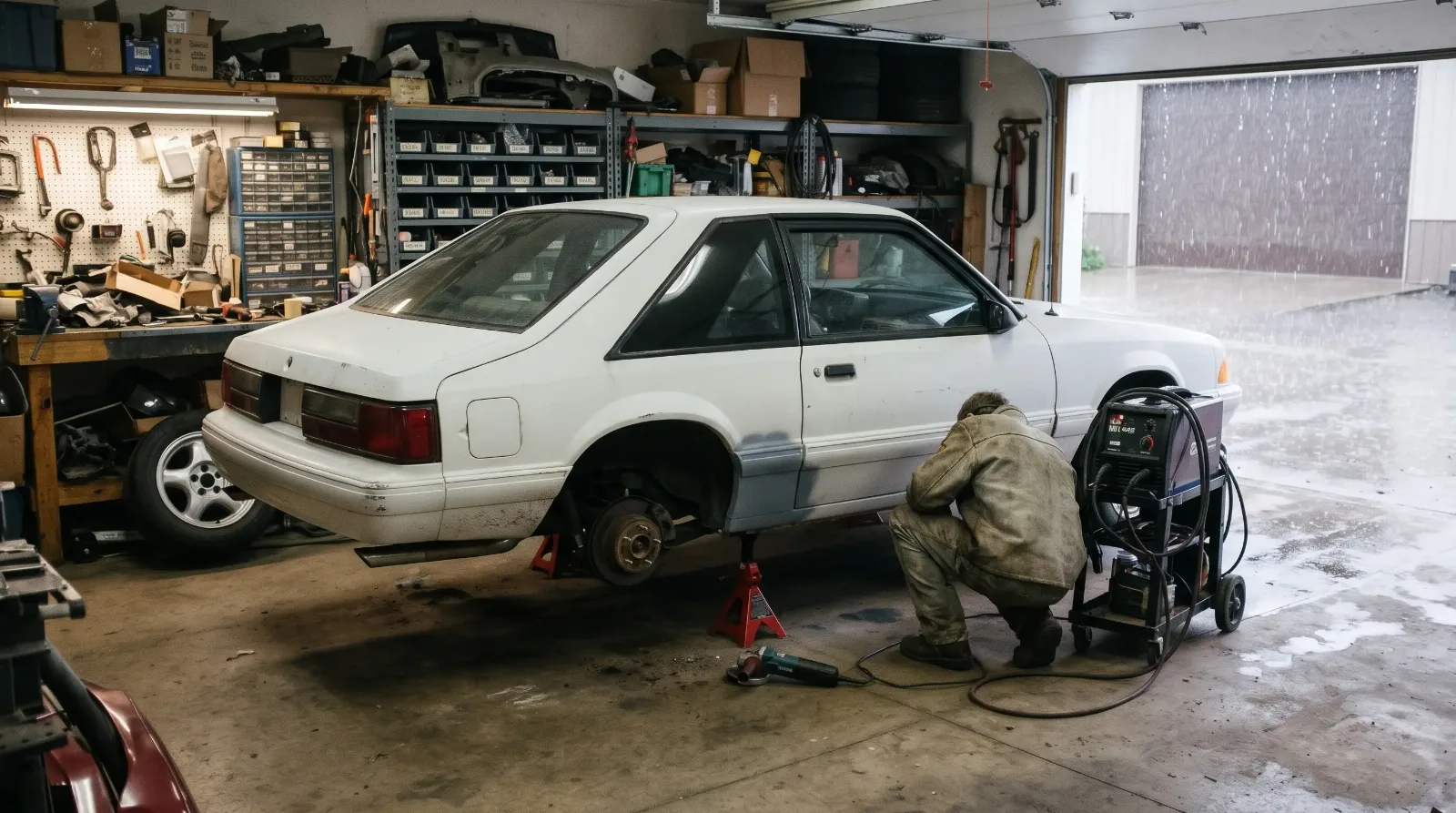
The car is half the decision. The other half is your garage. Be honest about it.
For a mechanical project, you need a floor jack, four good jack stands, a decent socket set, a torque wrench and a place to store parts in labeled bins. For a rust project, add a MIG welder, an angle grinder with cutoff and flap discs, a spot weld cutter, clamps, sheet metal snips, a body hammer and dolly set, and a way to hold the car up at a working height. A rotisserie is great on a body-on-frame car once the body is off. On a unibody, stands under the factory jacking points and a brace in the door openings will do.
Space matters too. A car in pieces takes up far more floor than a car in one piece. Doors, fenders, hood, decklid, seats, glass and the engine all need a home where they will not get stepped on or rained on.
The order of work keeps the project alive. Do it like this.
- Make it safe. Brakes, fuel lines, tires. A car that rolls and stops can be moved, loaded and test-driven.
- Make it run. Get the engine running on a clean fuel source before you touch the body. You will learn more about the car in an afternoon of running than a month of looking.
- Fix the structure. Rails, floors, rockers, in that order, measuring as you go.
- Bodywork and paint. Only after the structure is straight, never before.
- Interior and trim last. New carpet in a car that still leaks is money thrown away.
People skip step two all the time. They tear the car down to a bare shell in the first month, and then the motivation runs out with every part in a different box. Keep the car driving as long as you can. A car you can drive to get ice cream is a car you will keep working on.
Walk-away signs and when to say yes
Some cars are not projects. They are parts cars with a title. Here is my short list of reasons to walk.
- Frame rails or unibody rails rusted through in more than one place.
- No title, or a title that does not match the VIN on the car.
- A body that is visibly out of square: door gaps that change from top to bottom, a hood that will not line up.
- A rare trim level or body style with no reproduction sheet metal, sold at a price that assumes it is complete.
- A seller who will not let you put it on a jack or look underneath.
And here is when to say yes. Solid rails, rust limited to floors and lower panels you can buy new, an engine family everyone makes parts for, a clean title and a complete car. That is a good project, even if it does not run. Especially if it does not run, because a non-runner often sells for less, and a seized engine is a known cost.
If you want to see what is out there right now, the listings of project cars under $5,000 are a fair place to practice your eye. Go look at three before you buy one. Bring the flashlight. Get under the car. The first project you finish teaches you more than the five you start.
Sources and notes
- General Motors A platform (RWD), perimeter frame of the 1964 A-body intermediates
- General Motors G platform (RWD), last American midsize cars built body-on-frame
- British Motor Heritage, MGB bodyshell production from 1988
- British V8: MGB bodyshells being assembled by British Motor Heritage
- AAA: how much does it cost to paint a car
Related Reading
Article
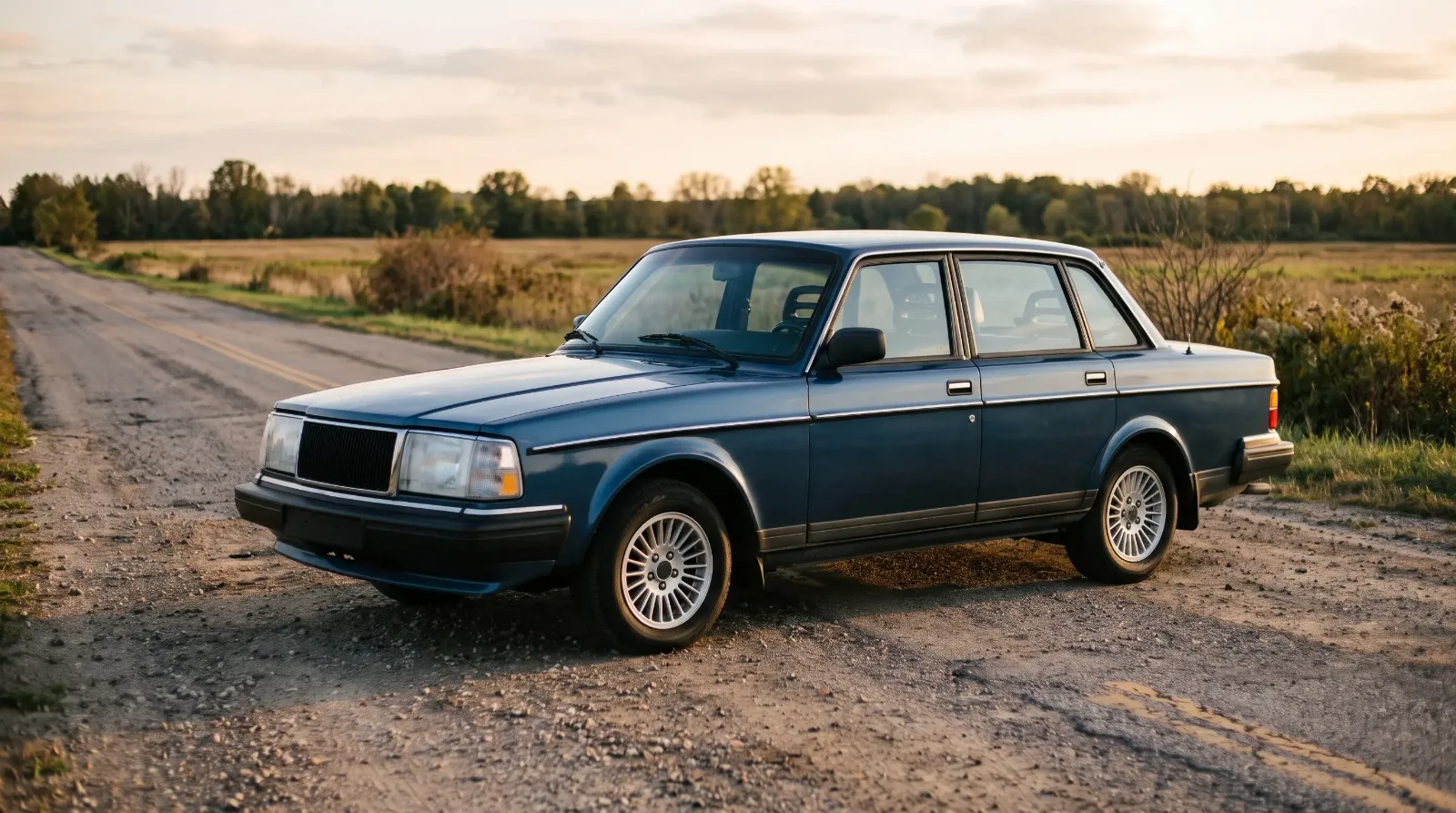
Affordable Classic Cars: What $5,000 to $10,000 Really Buys in 2026
Article
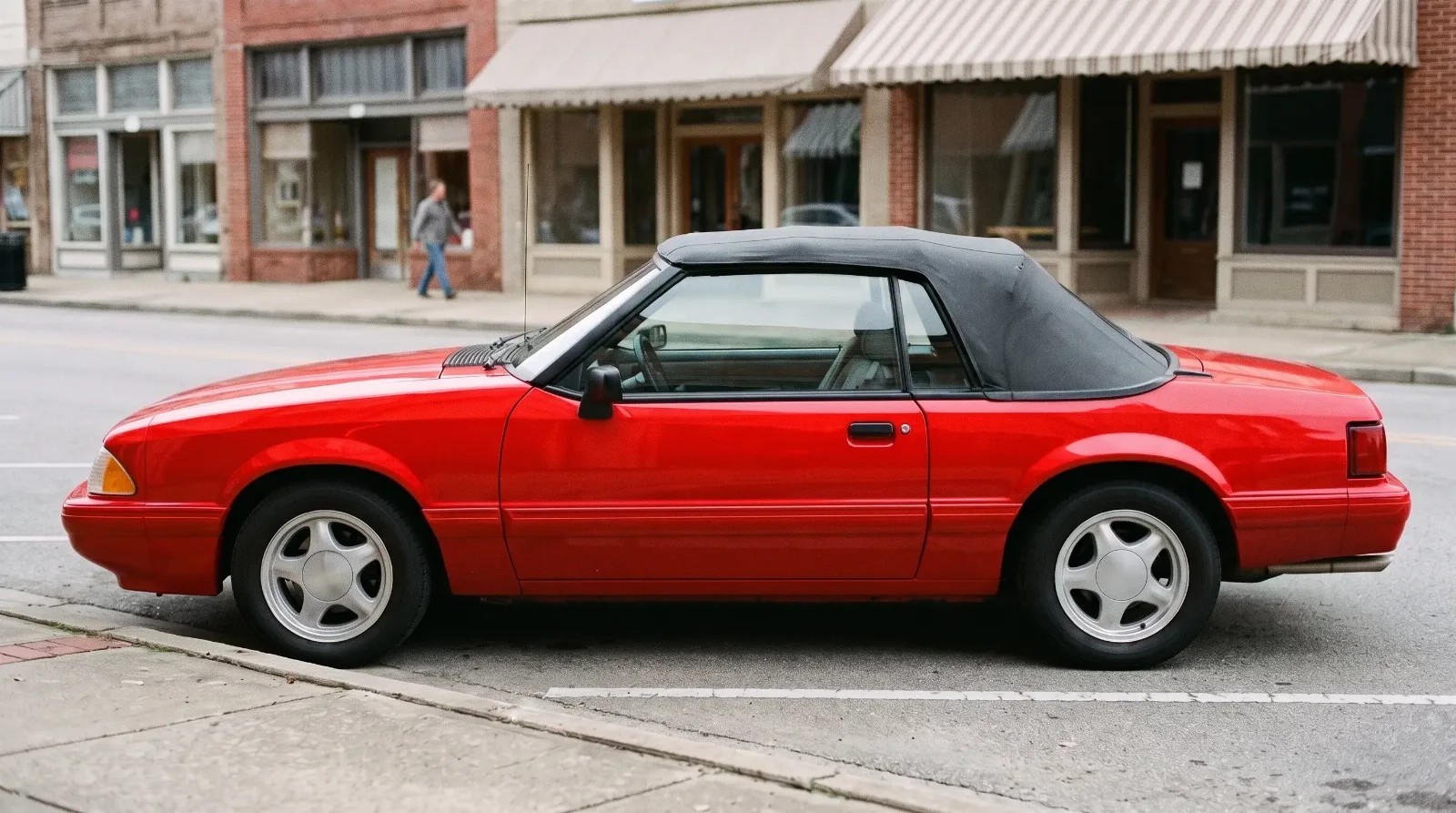
The Cheapest Muscle Cars You Can Still Buy
Article
Good Cheap Classic Cars for a First-Time Owner
Article
Cheap Project Cars for Beginners: Platforms With Deep Parts Catalogs
Article
How Much to Spend on a Project Car Before It Turns Into a Money Pit
Article
Barn Find or Project Car? What the Words Mean in a Cheap Listing
External
/classic-cars-for-sale-under-5000
Have a
Classic Car
for Sale?
Reach thousands of serious classic car collectors across the US.
Sell It Here →
Selling a classic? Here's how: compare the places to sell classic cars
Are You a Classic Car Dealer?
List your full inventory and connect with targeted classic car buyers.
Join as a Dealer →
#project car
#rust repair
#classic car restoration
#car inspection
#cheap project cars
#budget classic cars

About the author
Ray Delgado
Metal fabricator and chassis builder who has spent 25 years turning flat sheet and mild steel into hot rods, gassers and restomod underpinnings.
More in Ownership & Lifestyle
Comments
Be the first to comment on this article.