Hemmings vs ClassicCars.com is the matchup most sellers of a decent American classic end up weighing, usually around the time they realize a $9,000 project and a $55,000 documented car do not belong on the same platform by default. Both are established, both draw collectors rather than casual scrollers, and both charge the seller a flat fee rather than a commission on the sale. The differences sit in the formats each one offers, who pays what at the end, and what kind of buyer each tends to deliver.
This is a two-site comparison and nothing else. If you are still sorting through the wider field, including the generalist sites and the newer classic-only classifieds, the broader guide to the best site to sell a classic car covers seven platforms on fees, audience and photo limits. One caution before the figures: platform pricing moves. The numbers below are current as of October 2026, and where Hemmings does not publish a confirmed classified price, I describe the structure instead of guessing.
Side by side: fees, formats and reach
| Factor | ClassicCars.com | Hemmings |
|---|---|---|
| Seller fee model | One-time private seller packages: Regular $149.99, Plus $209.99, Premium $349.99 | Flat fee per listing, priced by format; check the current classified rate card |
| Sale formats | Classified listing | Classified ad, Make Offer, online auction |
| Fee paid by the buyer | None on a classified | None on a classified; Make Offer and auction sales add a buyer-paid percentage |
| Auction terms | No auction on ClassicCars.com itself; its parent company runs a separate auction site, AutoHunter | Hemmings Auctions: $99.95 seller fee, 5% buyer fee with a floor and a cap |
| Listing duration | Until sold, on all three packages | Set per format |
| Photos and video | Up to 100 photos plus video, per the current sell page | Varies by format |
| Email reach | Every package is featured in a newsletter the site says reaches about 180,000 subscribers, plus its social channels | Long-running collector readership; no comparable subscriber figure confirmed |
| Typical competition in results | Private and dealer listings, with plenty of dealer stock | Private and dealer listings, read by an older, experienced buyer base |
Read the table by row and the trade-off is clear enough. ClassicCars.com sells one thing, a classified, and sells it with predictable pricing and generous photo allowances on every tier. Hemmings sells three different ways to reach roughly the same collector audience, and the cost structure changes depending on which one you pick.
What ClassicCars.com does better

The pricing is transparent and fixed. You know on day one that a Plus listing costs $209.99 and runs until the car sells, whether that takes eleven days or five months. For a seller who expects a slow market for a specific model, that certainty has real value. There is no renewal decision and no second invoice.
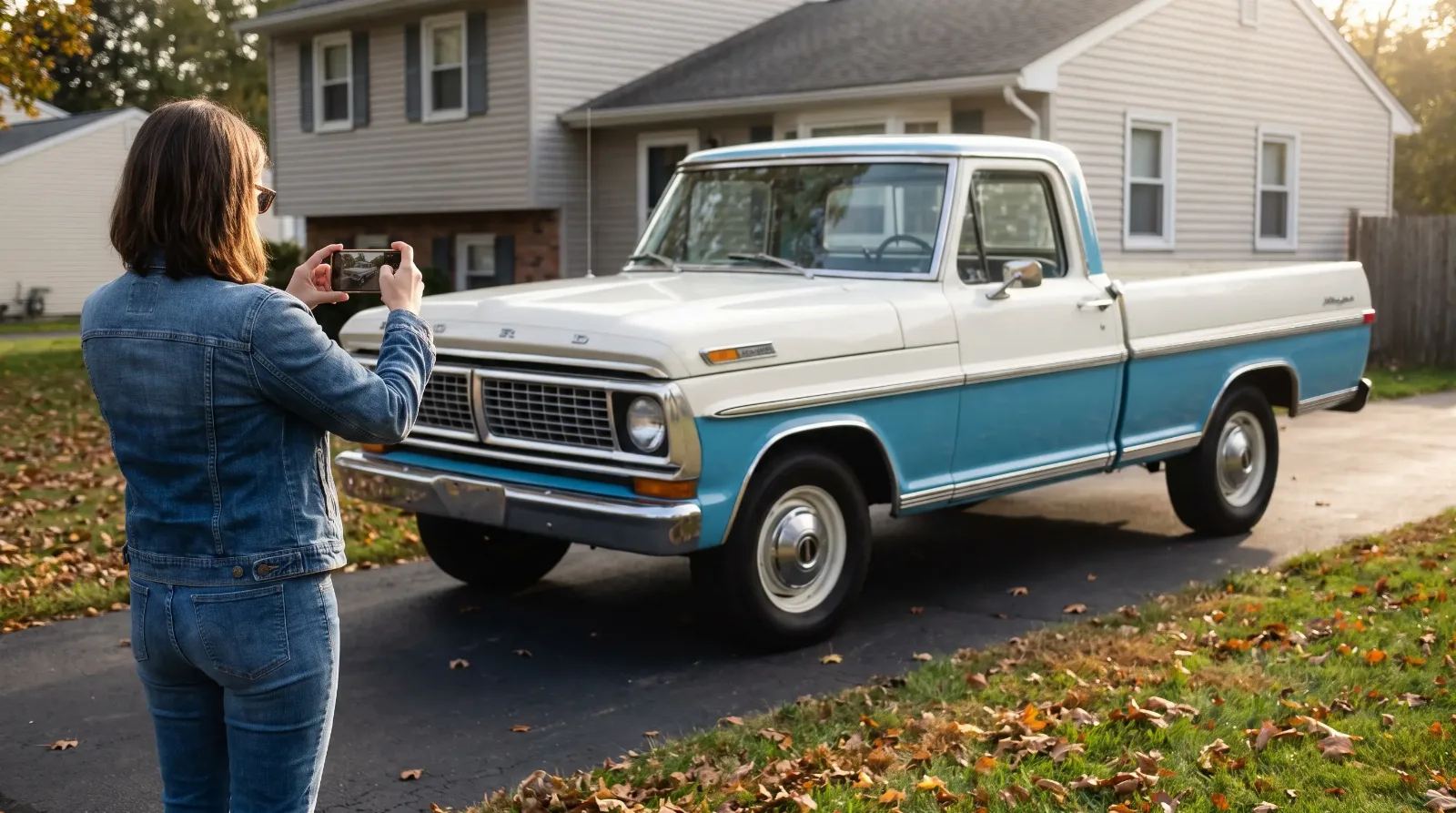
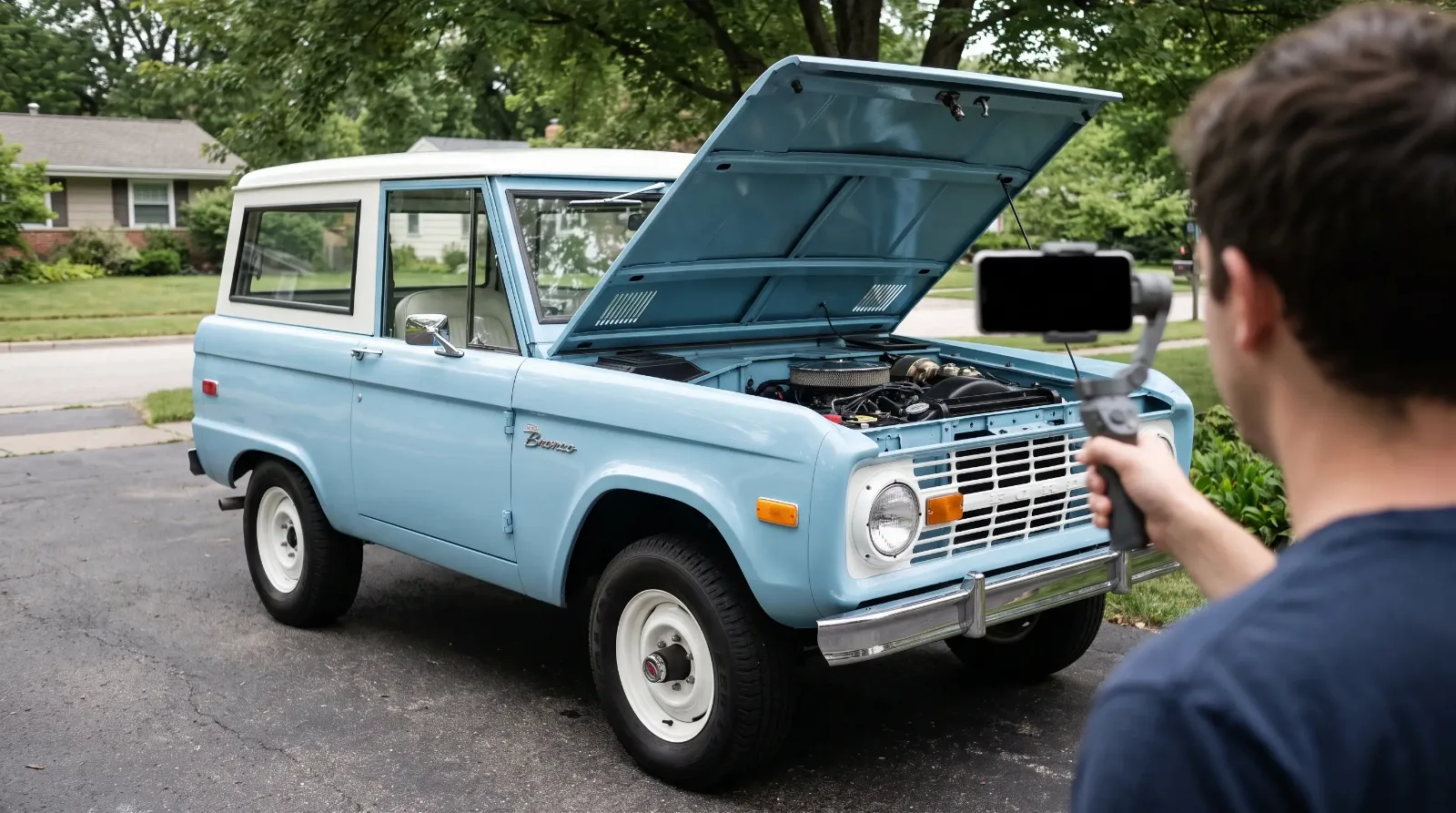
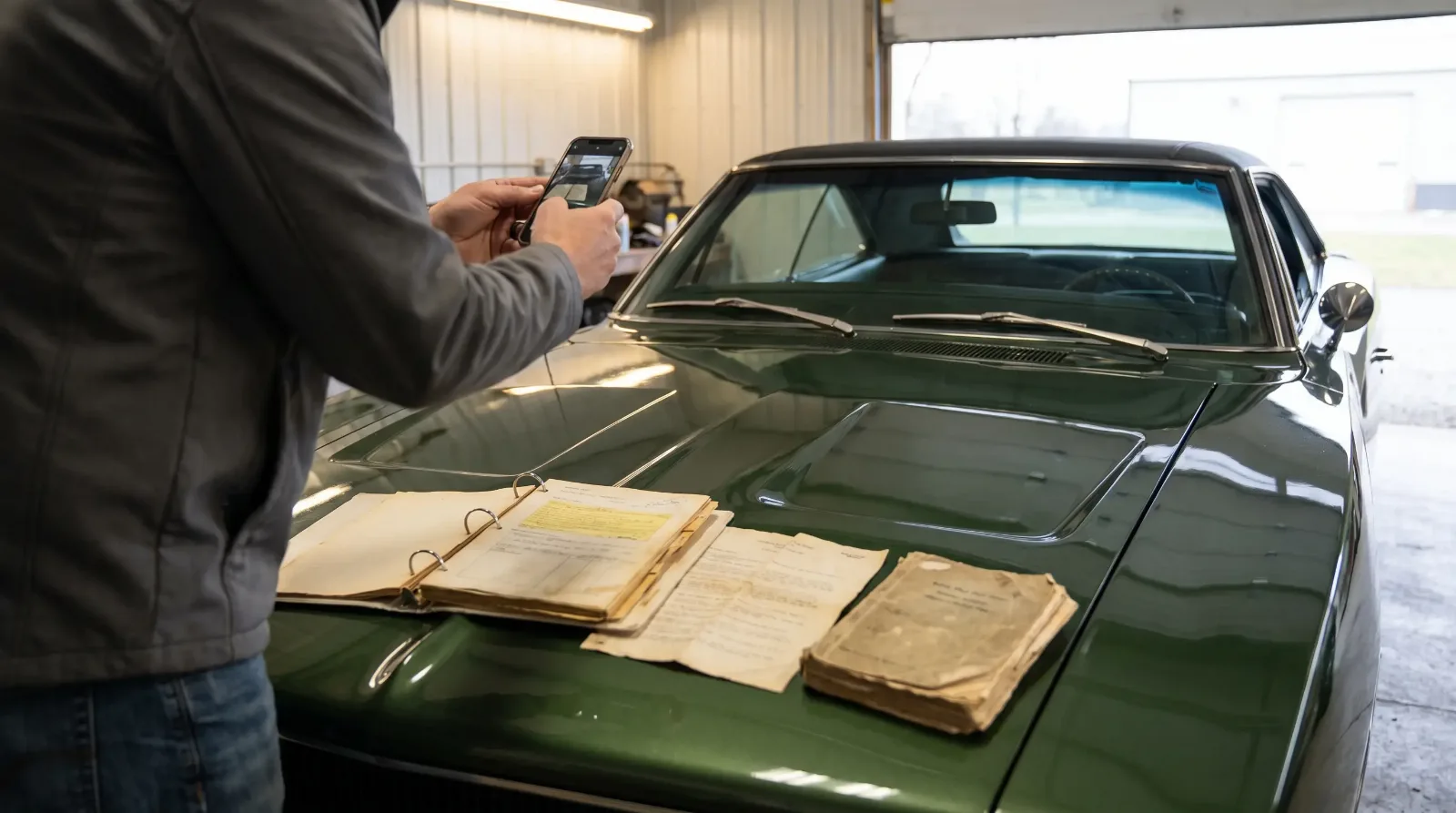
The photo allowance, up to 100 images, is enough to document a car properly: undercarriage, frame rails, data plate, engine pad stamping, the receipts binder spread on the hood. The video option is worth more than it looks. A cold start and a walk-around answer the questions a remote buyer would otherwise need a pre-purchase inspection to settle.
Then reach. ClassicCars.com says its newsletter goes to about 180,000 subscribers, and buyers shopping a specific model nationally often check the site first. The weakness is the flip side of that inventory depth: a private car appears next to professionally photographed dealer stock, and the comparison is not always flattering. A private seller there has to price sharply, because the buyer can see a dozen alternatives on the same screen.
What Hemmings does better
Hemmings has the longer relationship with the hobby, and its buyers show it. They ask about casting dates and correct trim tags before they ask about price. That produces fewer offers, and better ones. For a documented car, an informed buyer is the most valuable thing a platform can deliver, because informed buyers pay for documentation. Uninformed ones discount it.
The format choice is the other advantage. A seller who wants a fixed price can run a classified. A seller who wants price discovery with a safety net can use Make Offer, where registered buyers submit offers and the seller can accept, decline or counter. A seller who wants a hard deadline can run an online auction, at a $99.95 seller fee. ClassicCars.com itself offers the classified alone; AutoHunter, the online auction site owned by the same parent company, is a separate platform with its own terms.
The buyer's fee question
Sellers sometimes read "5% buyer fee" and treat it as free money, because the buyer pays it. That misreads how bidders behave. A disciplined buyer sets an all-in number and bids backward from it. Someone prepared to spend $42,000 in total will stop bidding around $40,000 when a 5% premium applies, because $40,000 plus 5% is $42,000. The floor and cap on Hemmings Auctions shift that math at the low and high ends, but the principle holds: a buyer-paid fee mostly comes out of the hammer price, not out of thin air.
That does not make the auction format worse. It makes it different. On a car with competing interest, a deadline and visible bidding can push the result past what a classified asking price would have reached. On an ordinary driver with thin demand, a public no-sale is worse than a quiet classified that simply has not found its buyer yet. The classified, on either site, carries no buyer's fee at all, so the asking price and the buyer's total are the same number.
"Every fee in this business lands on somebody, and usually on the hammer price. A seller who understands that picks a format based on how much competing demand the car actually has, not on which line of the fee schedule has their name on it."
— David Mercer
Which one I'd use, by car
A $20,000 to $25,000 driver-grade Mustang or Camaro: ClassicCars.com, Plus. These cars sell on comparison, and the buyer is cross-shopping dealer stock anyway. Price it against what is listed, use the 100-photo allowance to show 60 or more honest images, and let it run.
A $50,000 to $70,000 documented muscle car with a build sheet and a clear ownership chain: Hemmings, classified or Make Offer. The documentation is the asset, and the Hemmings reader is more likely to pay for it. If two or three serious inquiries arrive in the first fortnight, that is a signal the auction format might have produced a stronger result.
A pre-war car or an older American classic with a narrow buyer pool: Hemmings. The readership skews toward exactly the people who buy these cars, and they are willing to travel.
A 1980s or 1990s collectible with broad nostalgia appeal: ClassicCars.com, Plus. The photo allowance and national search traffic suit a car whose buyer may not yet think of himself as a collector.
Plenty of sellers run both, a classified on one site and an auction or Make Offer listing on the other, though not at the same time on the same car with different prices. Pick one asking price and hold it everywhere. And if the car sits under about $15,000, the cheapest route may be neither site; Facebook Marketplace and the specialist classifieds make a very different trade-off, so see this next before paying for any package.
Sources and notes
- ClassicCars.com: private seller packages, listed until sold, 100 photos and video, 180,000-subscriber newsletter
- Classic.com: online auction fee comparison (Hemmings $99.95 seller fee, 5% buyer fee, $500 minimum, $10,000 maximum)
- Exotic Car Trader: how selling on Hemmings works, including Make Offer (third-party summary)
- Hemmings Motor News: founded by Ernest Hemmings in Quincy, Illinois, in 1954
- eBay: vehicle selling fees, for comparison with flat-fee classifieds
Hemmings.com blocked automated access during checking, so Hemmings figures come from the third-party summaries above; confirm current rates on Hemmings before listing. Prices checked October 2026.