Most people who type "sell classic car on eBay" into a search bar already know the answer is yes, you can. The better question is whether you should, or whether a classic-only listing site does the job better for your particular car. So here are both, Classic Cars Arena and eBay Motors, bolted to the same bench. And I'll tell you where eBay wins, because on a couple of things it flat out does.
Cards on the table: this is the Classic Cars Arena magazine, so you know which horse we own. That's exactly why everything below sticks to fees, formats, and how each site behaves once the listing goes live, not to adjectives. If you're weighing more than these two, our breakdown of the best site to sell classic car ads on covers seven platforms side by side.
The numbers side by side
eBay rewrote its vehicle fees for listings created after April 15, 2026. Private sellers now pay one insertion fee based on the car's price and nothing when it sells. Classic Cars Arena charges a flat one-time fee by package and nothing when it sells. On paper they look like cousins. In the driveway they behave very differently.
| What you're comparing | eBay Motors | Classic Cars Arena |
|---|---|---|
| Listing fee | One insertion fee: $34 for vehicles at $15,000 or less, $79 above | One-time fee: Starter $49, Featured $99, Premium $179 |
| Fee when it sells | No final value fee | No commission, no success fee, no buyer premium |
| Deposit | If the buyer pays a deposit through eBay checkout, eBay keeps 2.8% of the deposit | Buyer pays the seller directly |
| Sale format | Auction of up to 10 days, or fixed price | Classified ad with your asking price |
| How long it runs | Up to 10 days at auction, 30 days at fixed price | Until the car sells |
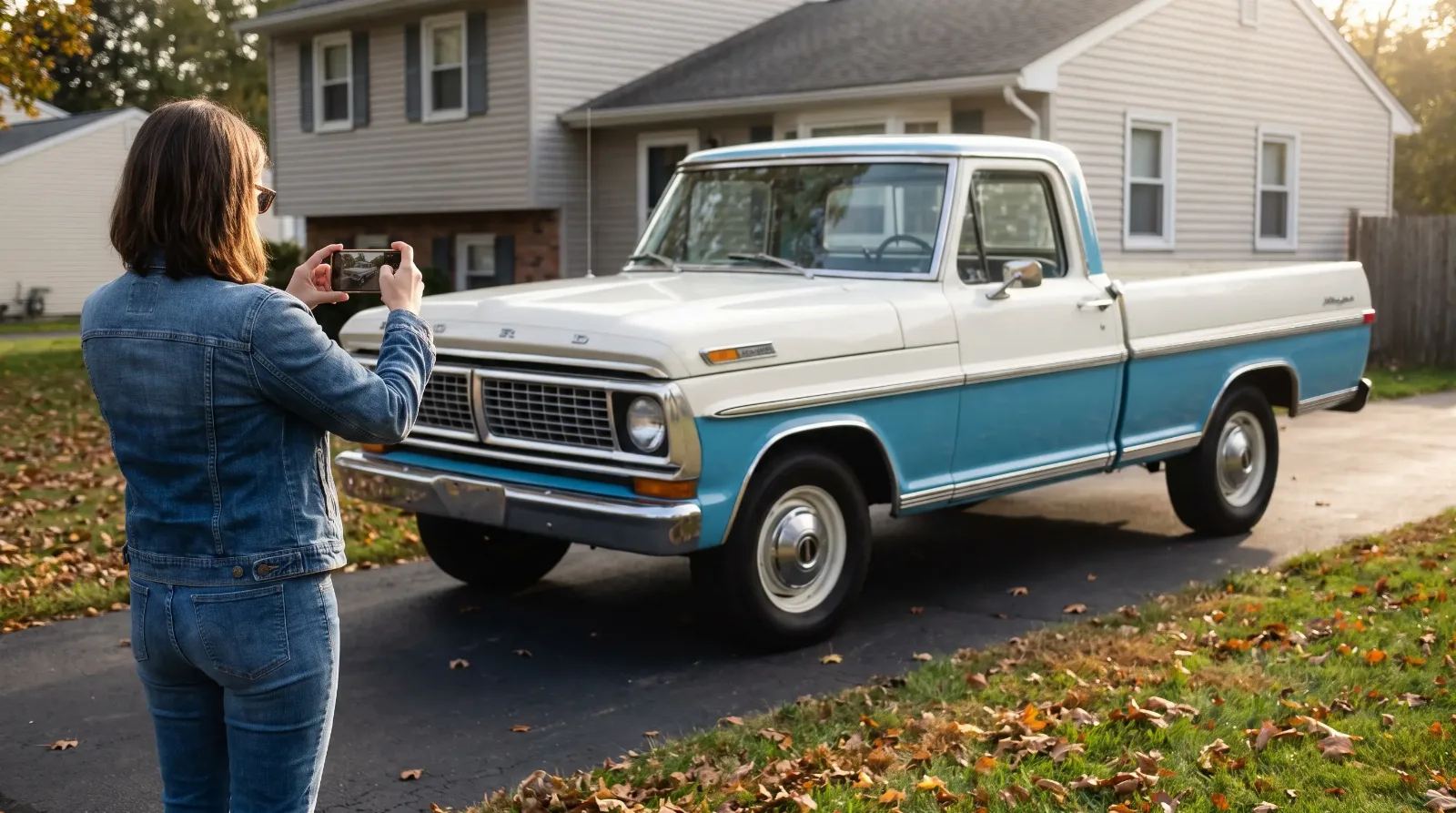
| Photos and video | Up to 40 photos | Starter up to 25 photos; Featured up to 50 plus video; Premium unlimited plus video |
| Who's looking | A very large general audience, plenty of casual bidders | Classic car shoppers in the US and Canada |
| Extra push | Search placement inside eBay | Featured: one newsletter blast with your car as the lead story; Premium: three blasts (one VIP email with your car alone, two as the lead story) and 30 days pinned on the homepage, to 15,000+ subscribers who signed up for new listings |
| Is the winner committed? | Vehicle bids are non-binding | You negotiate directly and close with a bill of sale |
Where eBay Motors is stronger
Start with the crowd. eBay's audience is enormous and national, and no classic-only site, ours included, puts a car in front of that many eyeballs. If your car is something a lot of regular folks have a soft spot for, a clean Fox-body Mustang, a square-body Chevy, a first-gen Miata, there are people on eBay who were never going to visit a collector site and will still bid.
Then the price. On a car at $15,000 or less, eBay costs $34 to list. That's cheaper than our Starter package at $49. Above $15,000 it's $79, which is cheaper than Featured at $99. I'm not going to pretend $15 or $20 decides anything, but it's a real number and it goes in eBay's column.
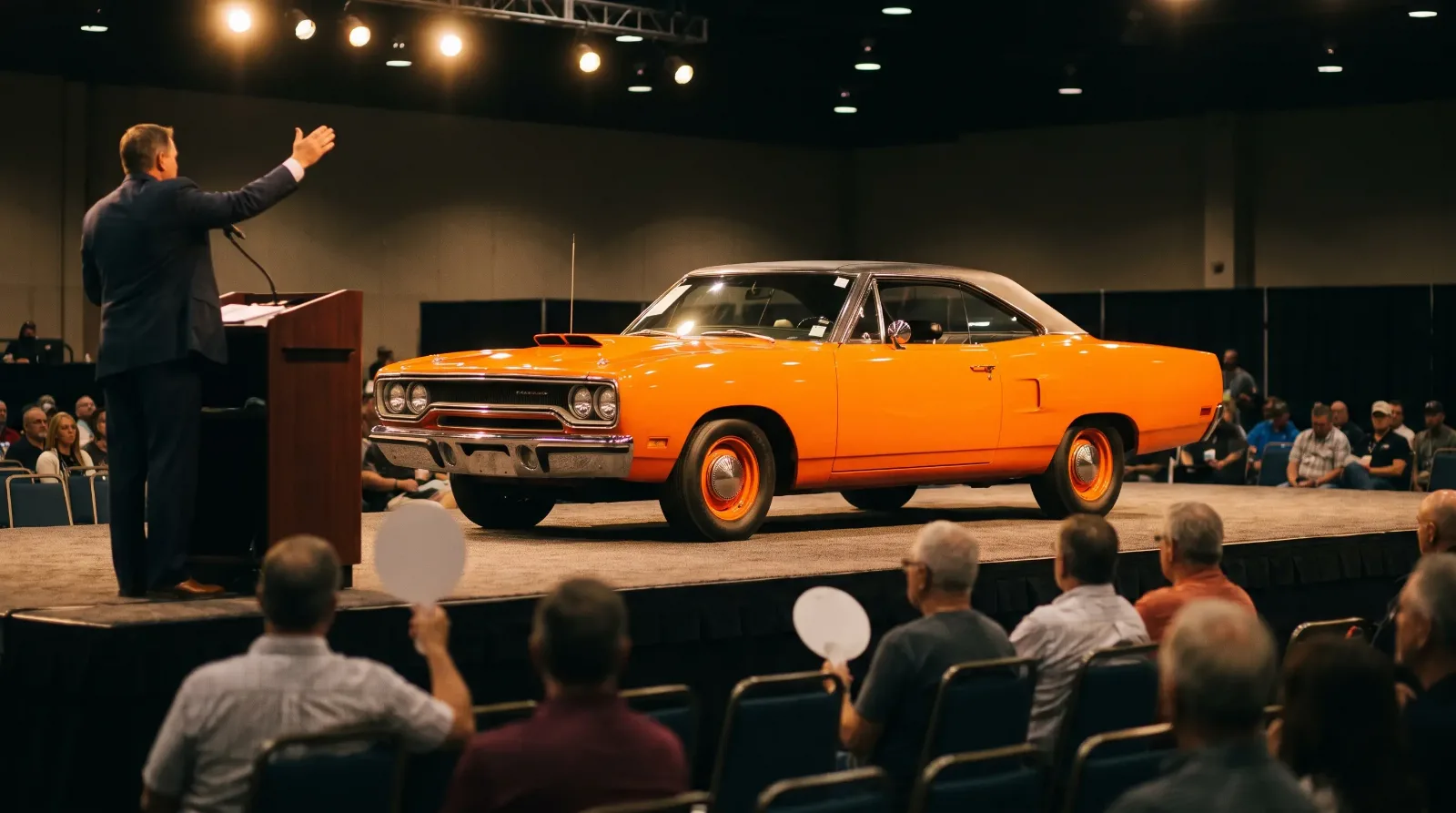
The clock is the other big one. A 10-day auction forces a decision. Buyers who'd happily "think about it" for six weeks on a classified have to put up or shut up when the timer runs down, and that pressure moves cars. eBay also hands you a feedback history on every bidder, so you can see whether the guy offering top dollar has bought and paid before. And 40 photos beats the 25 you get on our Starter package. If you're on a tight budget and want lots of pictures, that matters.
Where Classic Cars Arena is stronger
The people. Everybody browsing a classic-only site came for old cars. Nobody is scrolling past your Chevelle on the way to a used dishwasher. That shows up in the questions you get: frame rails, cowl rust, whether the 396 is the original block. Those are buyers, not browsers.
The listing stays up until the car sells. Classic cars don't move on a 10-day schedule. A driver-grade car priced right can take a few weeks, a niche car can take a few months, and on a classified that costs you nothing extra. On eBay, a fixed-price listing runs 30 days, and an auction that ends below reserve is simply over. eBay's fee page says vehicle listing fees apply to each listing you create and are charged again at relisting, so every relist is another insertion fee, and every ended auction that didn't sell is something a sharp buyer can look up.
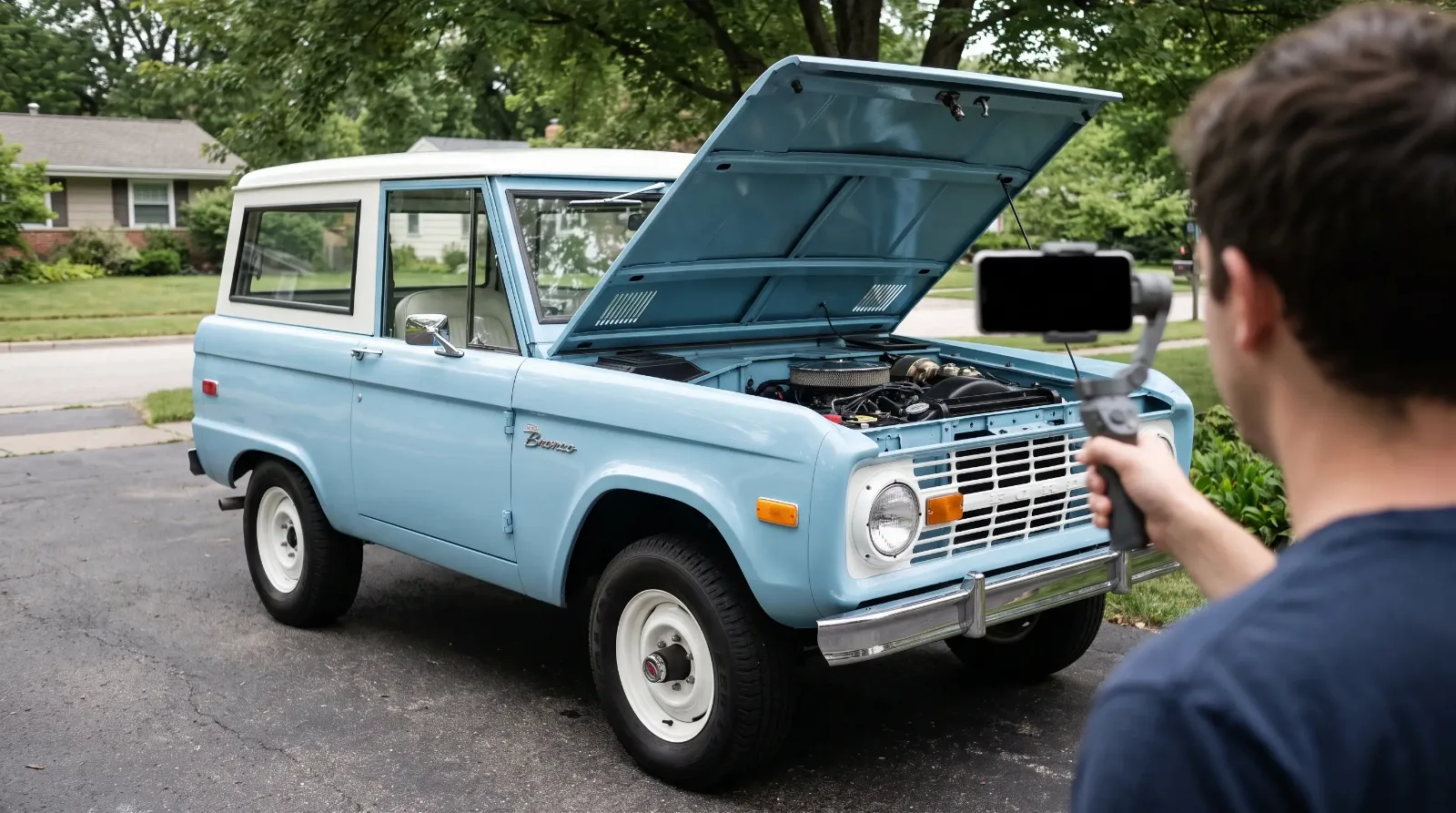
Then there's the paperwork side. On a classified, the buyer pays you directly with no deposit fee, and nobody "wins" your car at 11:58 p.m. and vanishes. Featured and Premium go out to more than 15,000 newsletter subscribers who asked to receive new listings, and both include video, which on a classic is worth a lot. A thirty-second cold start with the hood up answers more questions than ten paragraphs.
Where we're weaker, plainly: we're a smaller, newer site than eBay, there's no auction deadline to push a fence-sitter, and you screen inquiries yourself with no feedback score to lean on. If you're still deciding which of the big specialist sites deserves a look too, the matchup of Hemmings vs ClassicCars.com lays out how those two compare.
What the fee difference looks like on real cars
Here's how the arithmetic shakes out on three cars I see listed all the time. These are worked examples, not quotes.
A $9,500 project Nova, running but rough. eBay: $34. Classic Cars Arena Starter: $49. If it sells on the first auction, eBay is cheaper by $15 and you're done in 10 days. That's a fair win for eBay, and I'd tell a friend so.
A $28,000 driver Chevelle. eBay: $79 per listing. Say the first auction ends with the reserve not met and the second draws a high bidder who never pays, so you run it a third time. Each relist carries a fresh insertion fee, so that's 3 × $79 = $237 before anybody has handed you a dime. Classic Cars Arena Featured: $99 once, with a newsletter blast and video, and it stays up until it's gone. In fairness, that's a bad-luck run: if the first auction sells, eBay costs $79 and comes out $20 ahead. Either way you keep the full sale price.
A $60,000 documented big-block car. The fees are lunch money on both sites at this price. What matters is who sees it and how solid the buyer is. A non-binding bid on a $60,000 car is a lot of exposure if you've already turned other people away.
"The listing fee is the smallest number in the whole deal. What costs you real money is the high bidder who never shows up, the car that gets relisted three times until buyers figure something's wrong with it, or the buyer who had no business looking at it in the first place."
— Mike Sullivan
Which one fits your car
If your car is under $15,000, broadly popular, and you want it gone by the end of the month, eBay Motors is a sound call. Low fee, big crowd, built-in deadline. Get a deposit, check the winning bidder's feedback, and don't release the car or the title until the full payment has cleared.
If your car is a model that only collectors appreciate, priced north of $20,000, or needs time and the right buyer rather than the fastest one, a classic-only classified is the better tool. Plenty of sellers do both: an eBay auction to test the water, then a classified that stays up if the reserve isn't met. Just keep the asking price consistent on every site.
If you aren't yet sure a listing is even the right route versus consignment, a dealer, or a live auction house, go through the wider comparison first. And if you've decided a classic-only classified fits your car, you can sell a classic car with no commission on Classic Cars Arena, pick the package that matches how hard you want to push it, and keep every dollar the buyer pays.
Sources and notes
- eBay: vehicle selling fees for private sellers ($34 / $79 insertion fee, no final value fee, 2.8% deposit fee, fees charged again on relisting)
- eBay: non-binding bid policy for vehicles (Canadian help page; eBay.com blocked automated access)
- eBay: setting a reserve price
- eBay: buying vehicles, parts and accessories (checking seller feedback)
- FTC: how to spot, avoid and report fake check scams
Fees checked on each platform's own pages in October 2026 and can change. Worked examples are illustrations, not quotes.