
The muscle car hobby has a reputation for being closed to newcomers, and the auction coverage is partly to blame. When the only cars that make the highlight reel are six-figure Hemi convertibles, a first-time buyer assumes the door is shut. It isn't. There is a real, well-supported tier of collectible American muscle that a working enthusiast can buy, drive, and enjoy for the price of a new mid-size SUV, and some of those cars have held their value better than the cars three times their price.
Market & Values
6 min read
Best Entry-Level Collector Muscle Cars
The best entry level collector muscle cars a newcomer can actually buy and drive. Real drivetrains, strong parts support, and value floors that hold.
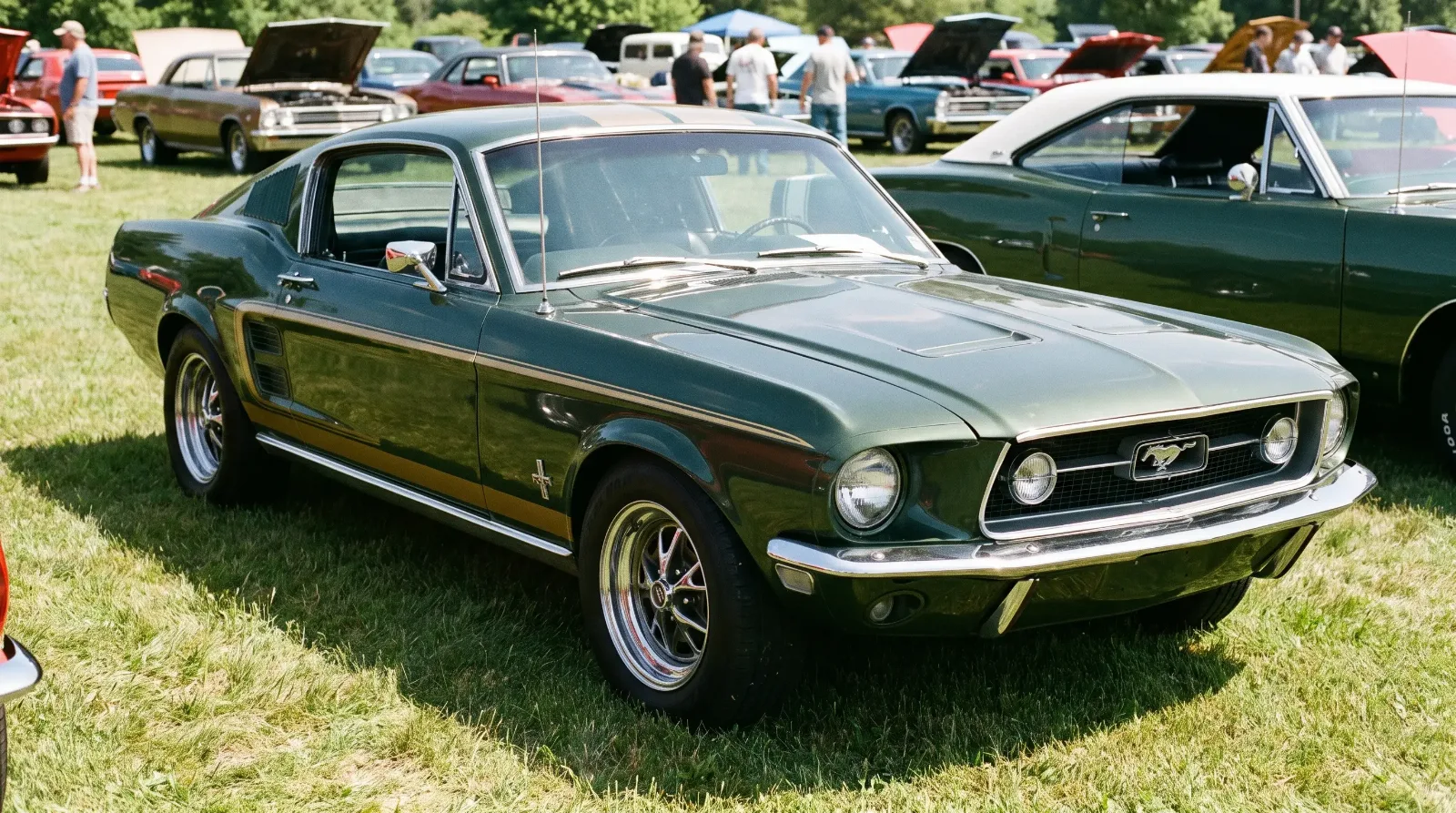
I spend most of my year reading auction results, and the entry-level collector muscle cars I recommend aren't compromises. They're genuine period cars with real drivetrains, parts support, and a community behind them. The trick is knowing which ones give you the muscle car experience without the six-figure downside, and which ones are cheap for reasons you'll regret later. The story of how these cars came to matter is worth reading first in the muscle car saga.
What makes a good entry car
An entry-level car has to clear three tests before I'll call it a smart first buy. It needs strong parts availability, because the fastest way to sour on a hobby is waiting six months for a trim piece. It needs a broad owner community, since forums and clubs are where you learn what a car really needs. And it needs a value floor that has proven itself through at least one market cycle, so you aren't buying at the top of a fad.
Miss any one of those and the low purchase price becomes a trap. A rare orphan car with no parts support isn't a bargain at any price. The cars below all pass, which is exactly why they show up in first-time garages across the country. If you want to understand where these sit inside the broader market, the pillar explains see why it matters.
The best cars to start with
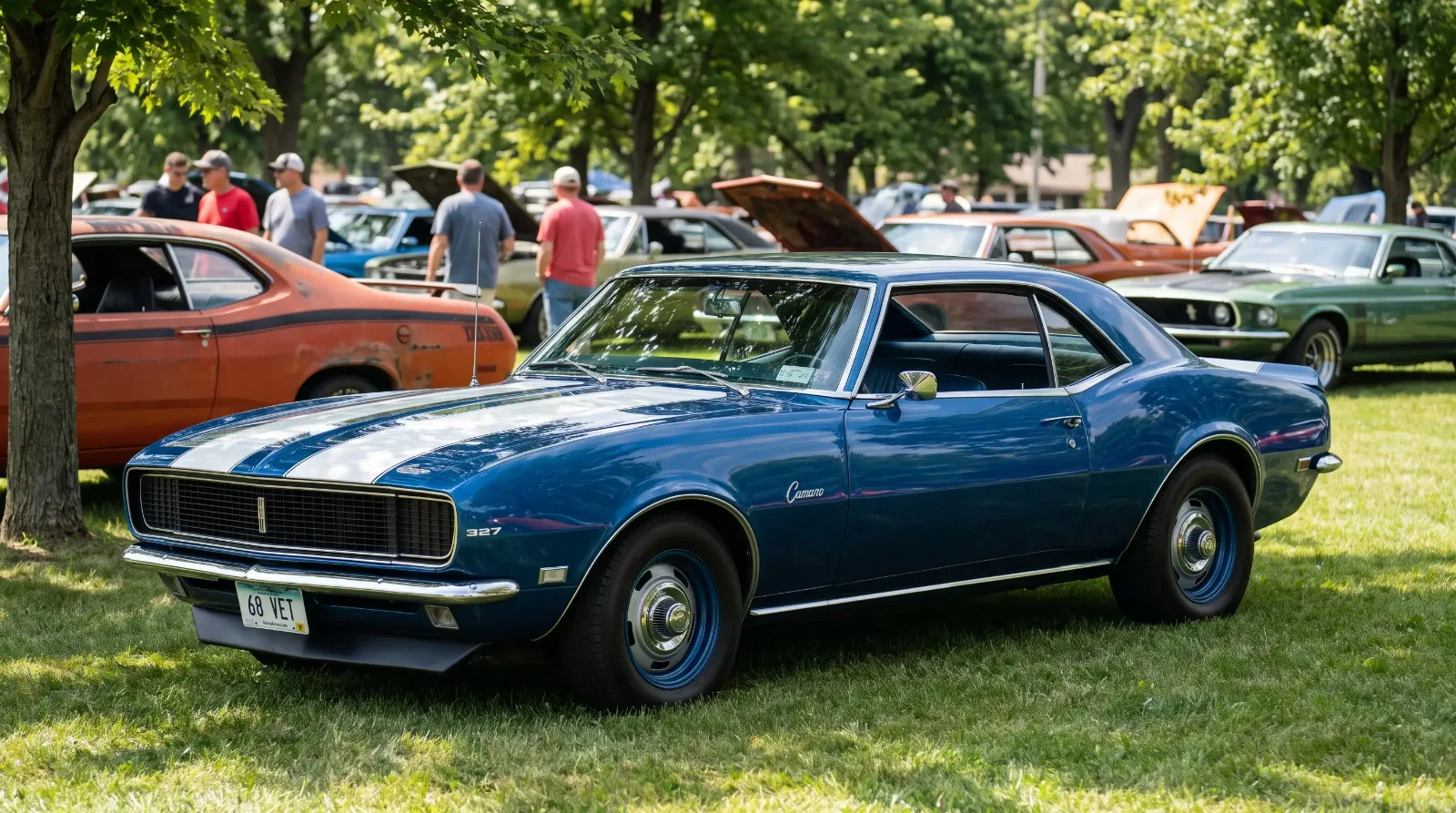
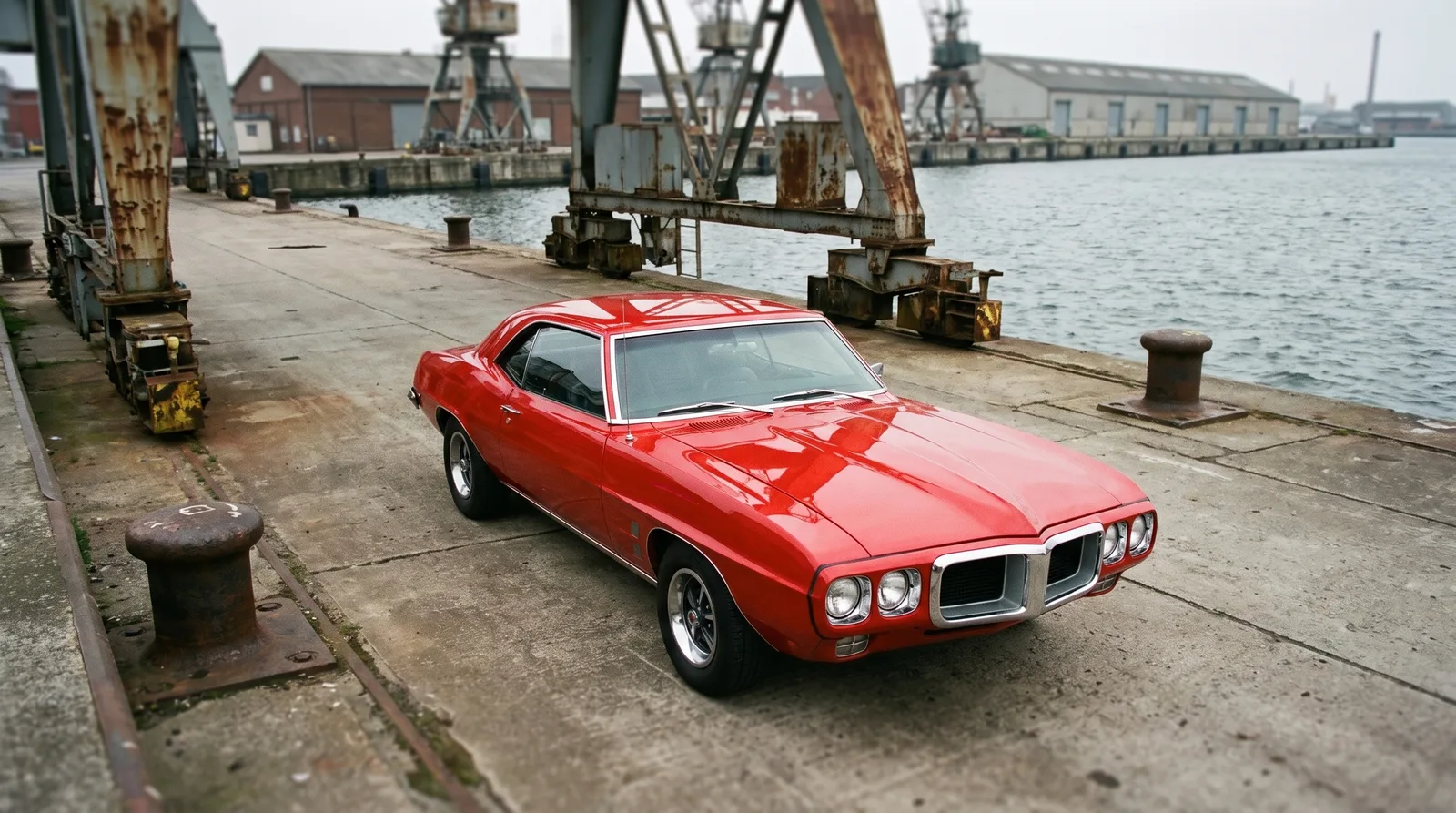
The clearest entry point is a small-block Mustang. A 1965 to 1968 Mustang with the 289 or 302 is the most supported classic car in America, with reproduction parts for nearly everything and prices that start where the market can actually reach. Right behind it sits the base and mid-trim Camaro and Firebird, cars that share most of the muscle look without the big-block price. The Plymouth Duster 340 and Dodge Dart offer real Mopar performance in a light body for a fraction of the Cuda money, and the 1970s Chevelle Malibu with a small-block is a comfortable, honest cruiser with a huge following.
| Car | Era | Approx. entry range | Why it works for a first buy |
|---|---|---|---|
| Ford Mustang 289/302 | 1965-1968 | $20,000-$40,000 | Best parts support of any classic |
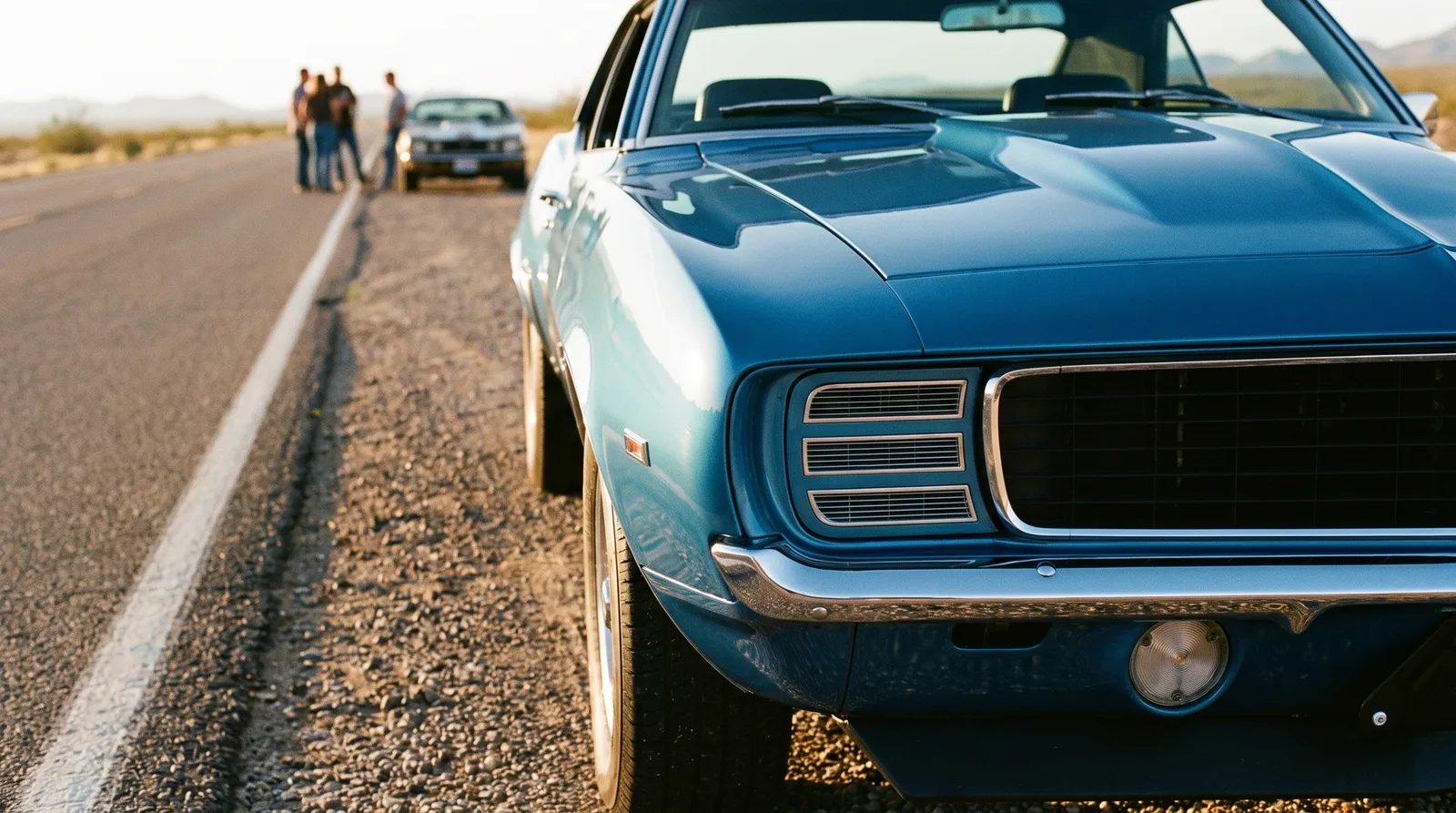
| Chevrolet Camaro (small-block) | 1967-1969 | $30,000-$55,000 | Muscle look, deep community |
| Plymouth Duster 340 | 1970-1972 | $25,000-$45,000 | Genuine Mopar performance, light body |
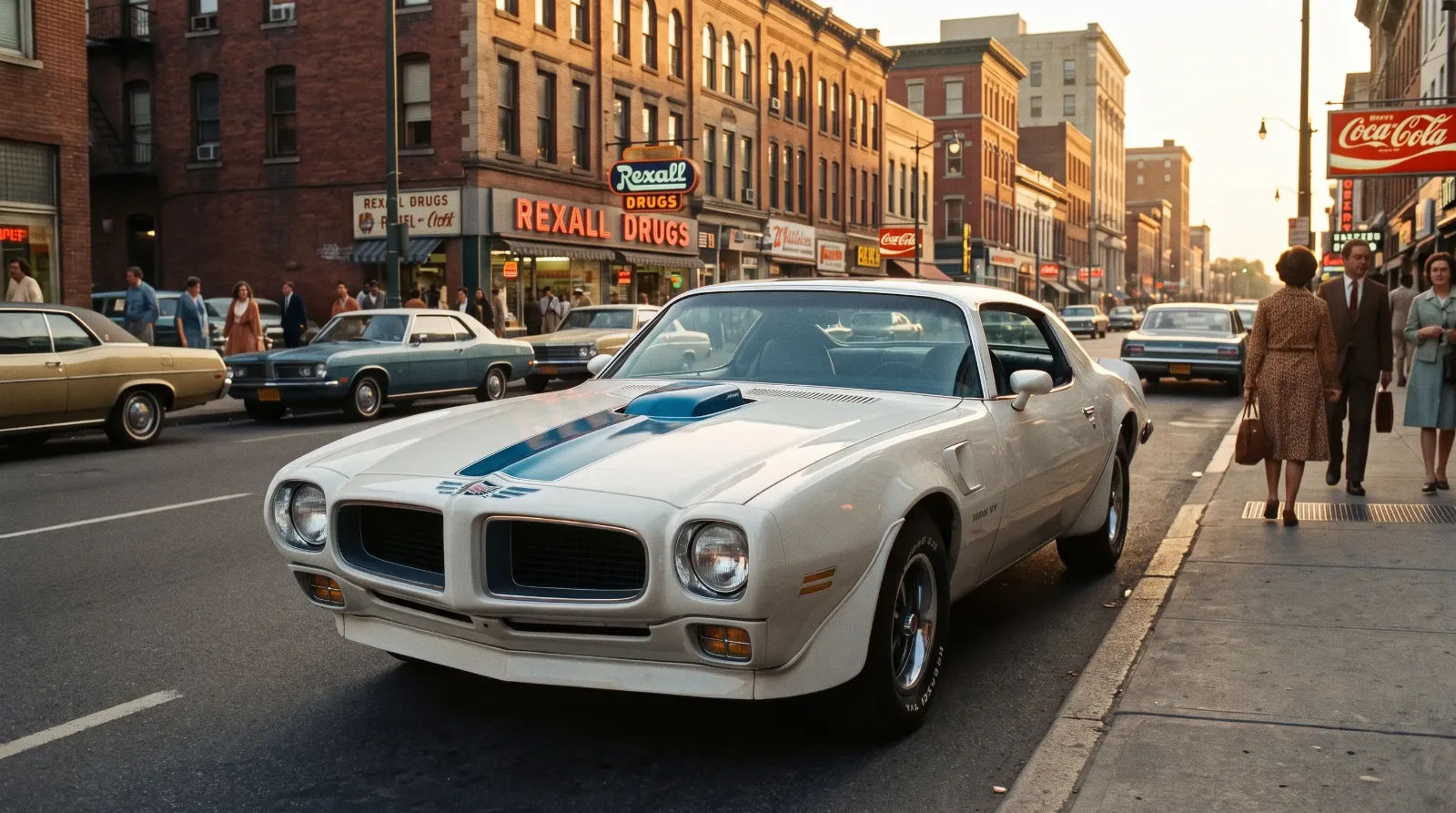
| Pontiac Firebird (base V8) | 1970-1973 | $22,000-$40,000 | Trans Am styling at a discount |
What to watch on a first purchase
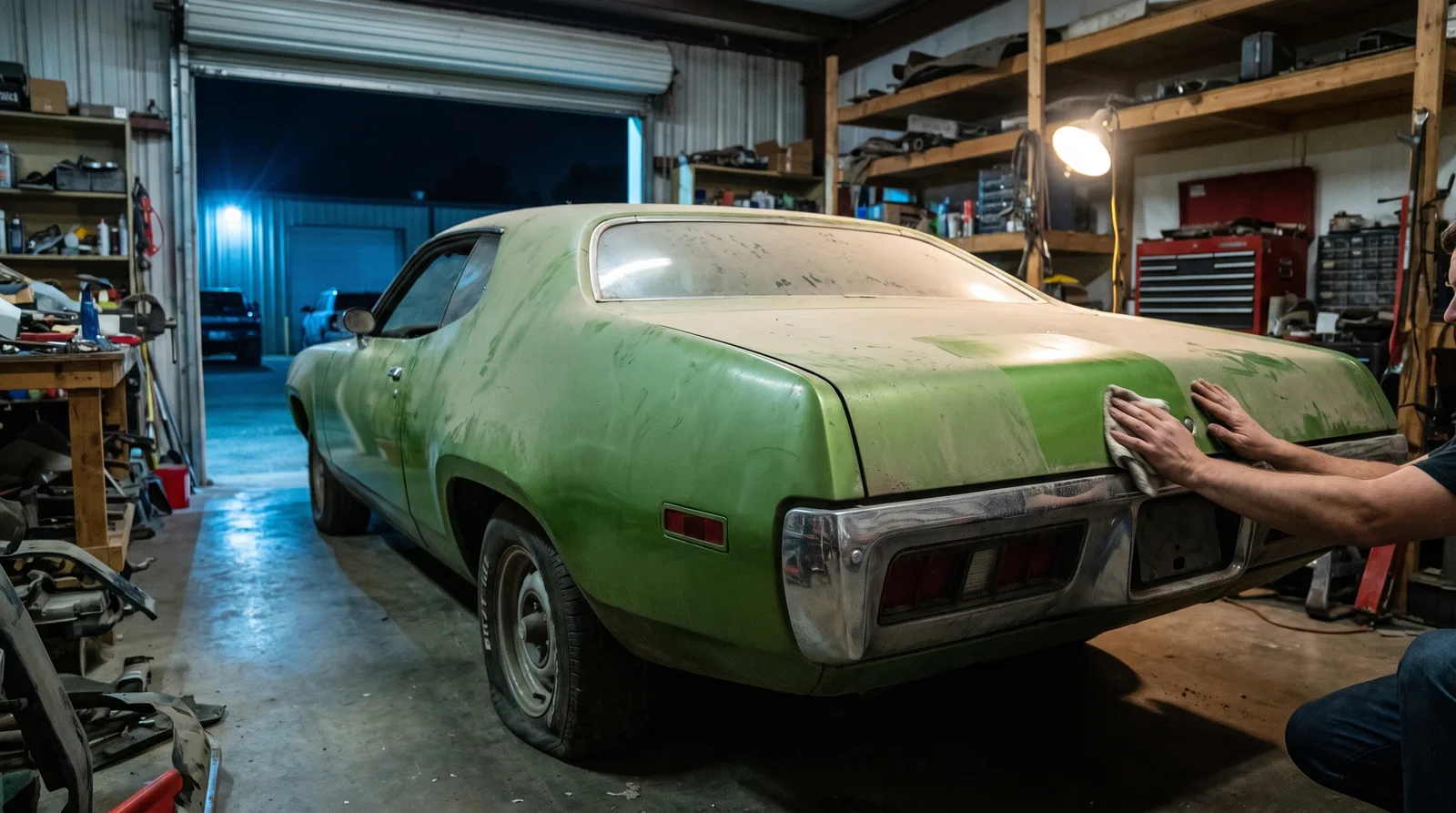
The mistakes that hurt first-time buyers are predictable. Rust is the big one. A cheap car with rot in the floors, frame rails, or cowl can cost more to fix than a solid car costs to buy, so a car from a dry climate is worth a premium you should happily pay. The second trap is the wrong engine sold as the right one. Plenty of six-cylinder cars now wear V8 badges, and a swapped car is worth far less than a factory V8, so confirm the drivetrain against the trim tag before you fall in love.
Buy the best condition you can afford rather than the best story. A running, driving, honest car that needs nothing is worth more to a newcomer than a project with potential, because the project will teach you patience you didn't ask for. When you're ready to shop, browse current classic muscle cars for sale and compare condition against the asking prices before you commit.
What it costs to own one
The purchase price is only the entry fee, and first-time buyers routinely underestimate what comes after. Budget for the things a fifty-year-old car needs even when it looks ready: brakes, hoses, belts, a fresh set of correct-size tires, and a fuel-system going-through if the car sat. On a small-block Mustang or Camaro none of that is expensive by classic-car standards, which is another reason these cars make sense as a first purchase. Parts are cheap and plentiful, and most of the work is within reach of a patient owner with a basic set of tools.
Insurance and storage round out the real cost of ownership. Agreed-value collector policies are inexpensive on cars in this tier, often a few hundred dollars a year, because the values are modest and the cars aren't daily-driven. Dry, secure storage matters more than most newcomers expect, since the fastest way to undo a good buy is to let a solid car sit outside and start the rust clock all over again. Factor those numbers in before you buy, and the entry tier stays exactly as affordable as it looks.
"The best first muscle car isn't the rarest one you can stretch to afford. It's the honest, well-documented driver you can actually enjoy while you learn what the market rewards."
David Mercer
Where the entry market is heading
The entry tier tends to firm up whenever the top of the market runs hot, and that is roughly where we sit now. Buyers priced out of the marquee cars don't leave the hobby, they trade down, and that demand supports values on well-kept small-block cars. I don't expect these to explode, but I don't see the floor dropping either, which is exactly what you want from a first purchase.
Start with a documented, solid, correctly-badged car from this list, learn the market from the inside, and you'll be in a far better position when you move up. Plenty of collectors who now own six-figure cars started with a $25,000 Mustang, and almost none of them regret it. From here, the natural next step for many owners is chasing provenance, and the way famous ownership moves prices is its own study in read the full story.
Related Reading
Have a
Classic Car
for Sale?
Reach thousands of serious classic car collectors across the US.
Sell It Here →
Are You a Classic Car Dealer?
List your full inventory and connect with targeted classic car buyers.
Join as a Dealer →

About the author
David Mercer
Classic car market analyst with two decades of experience tracking collector car valuations, auction results, and investment trends.

Comments
Be the first to comment on this article.