
The garage door goes up slowly, the way it always did, and there it is under a fitted cover that still holds the shape of his last wash. The keys are on the nail by the light switch. The registration in the glovebox has a name on it that nobody in the family will say out loud for a while. An inherited classic car rarely arrives as a simple asset. It arrives as a room full of someone, and the question of what to do with it tends to wait until the funeral flowers are gone.
Market & Values
8 min read
Selling an Inherited Classic Car
Selling an inherited classic car: who can sign the title, what the car is worth, waking it safely, and finding the right buyer.
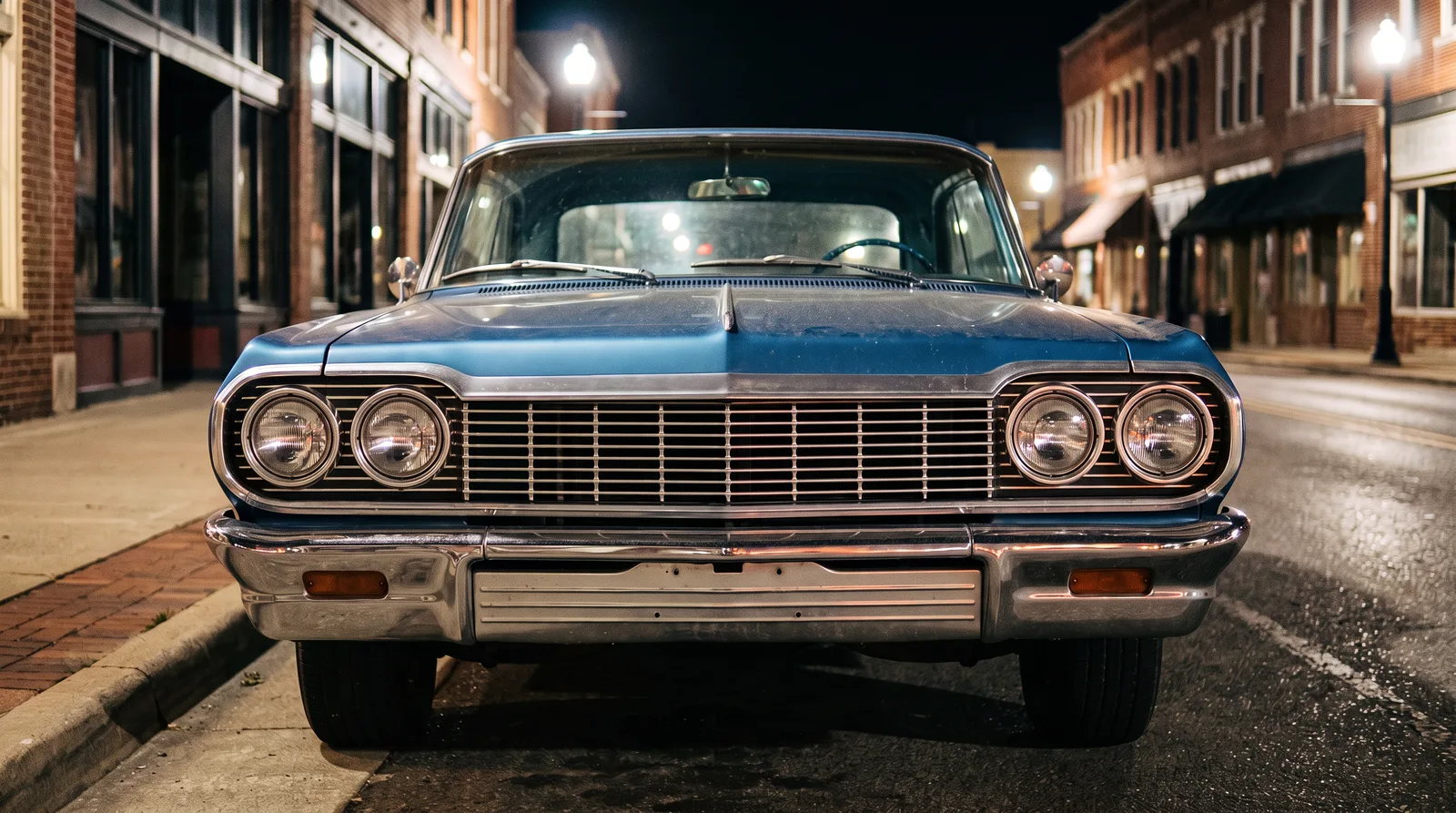
This piece is about that particular sale: the one where the seller didn't choose the car, may not know much about it, and has to sort out the legal right to sell before anything else. If you already own a classic outright and just want the steps, the how to sell classic car guide covers the general process. What follows is the part that's different when the car came to you through a will, a trust or a quiet conversation in a hospital room.
Give yourself a season before you decide
Grief makes people sell too fast or hold too long. Both cost something. The quick sale often goes to the first neighbor who mentions he "always liked that car," at a price set by awkwardness rather than research. The long hold usually means a car sitting under a cover for years, tires flat-spotting, fuel turning to varnish, while the family avoids the subject.
A middle path works for most families. Keep the car safe, insured and dry for a few months while the estate settles. Nothing can be sold legally until someone has the authority to sell it anyway, so that time isn't wasted. Use it to learn what the car actually is, to talk honestly with siblings or a surviving spouse about who wants it, and to notice whether keeping it is a real wish or a feeling of obligation. Those are different things, and only one of them tends to last.
If there are several heirs, put the decision in writing early. A short note saying who has first refusal, at what price, and by what date prevents the kind of family argument that outlives the car.
Who has the legal right to sell it
Here is the practical problem: the title is almost certainly still in the name of the person who died, and a DMV clerk will not care how close you were. Somebody needs documented authority to sign that title over. Which document that is depends on how the car was owned and on your state's rules.
| How the car was held | Who usually signs | What the DMV typically wants |
|---|---|---|
| Through a will, estate in probate | The executor or personal representative | Death certificate plus court-issued letters testamentary or letters of administration naming the executor or administrator |
| Small estate, no full probate | The heir named on the state's affidavit | A small-estate or heirship affidavit (California's REG 5 requires at least 40 days since the death; Texas uses an Affidavit of Heirship for a Motor Vehicle); value limits and waiting periods vary by state |
| Titled to a living trust | The successor trustee | Death certificate and the trust agreement or a certification of trust; exact requirements vary by state |
| Joint title with "or" between names | The surviving co-owner | Death certificate; where the names are joined by "or," the survivor can usually sign alone |
| Transfer-on-death beneficiary on the title | The named beneficiary | Death certificate and a title application; only about half the states, including California, Ohio and Texas, offer TOD vehicle titles |
Many families find the simplest route is to retitle the car into the heir's name first and sell it afterward as an ordinary private seller. It adds a DMV trip, but buyers relax when the name on the title matches the person handing over the keys. A title signed by an executor is perfectly legal, yet out-of-state buyers sometimes hesitate when the paperwork includes court letters they've never seen before. If the title is missing altogether, request a duplicate as part of the estate work rather than after you've found a buyer.
Find out what the car really is
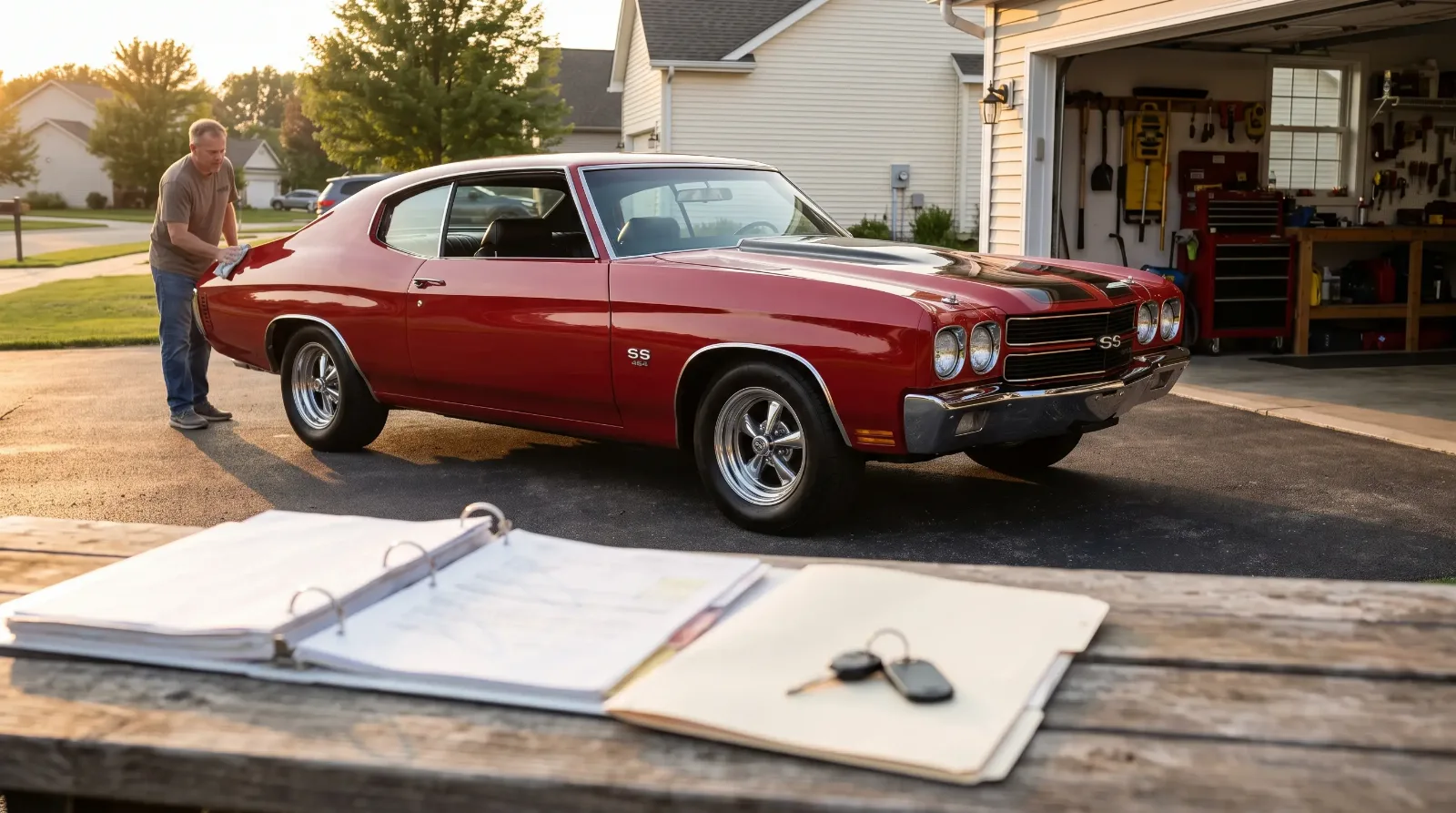
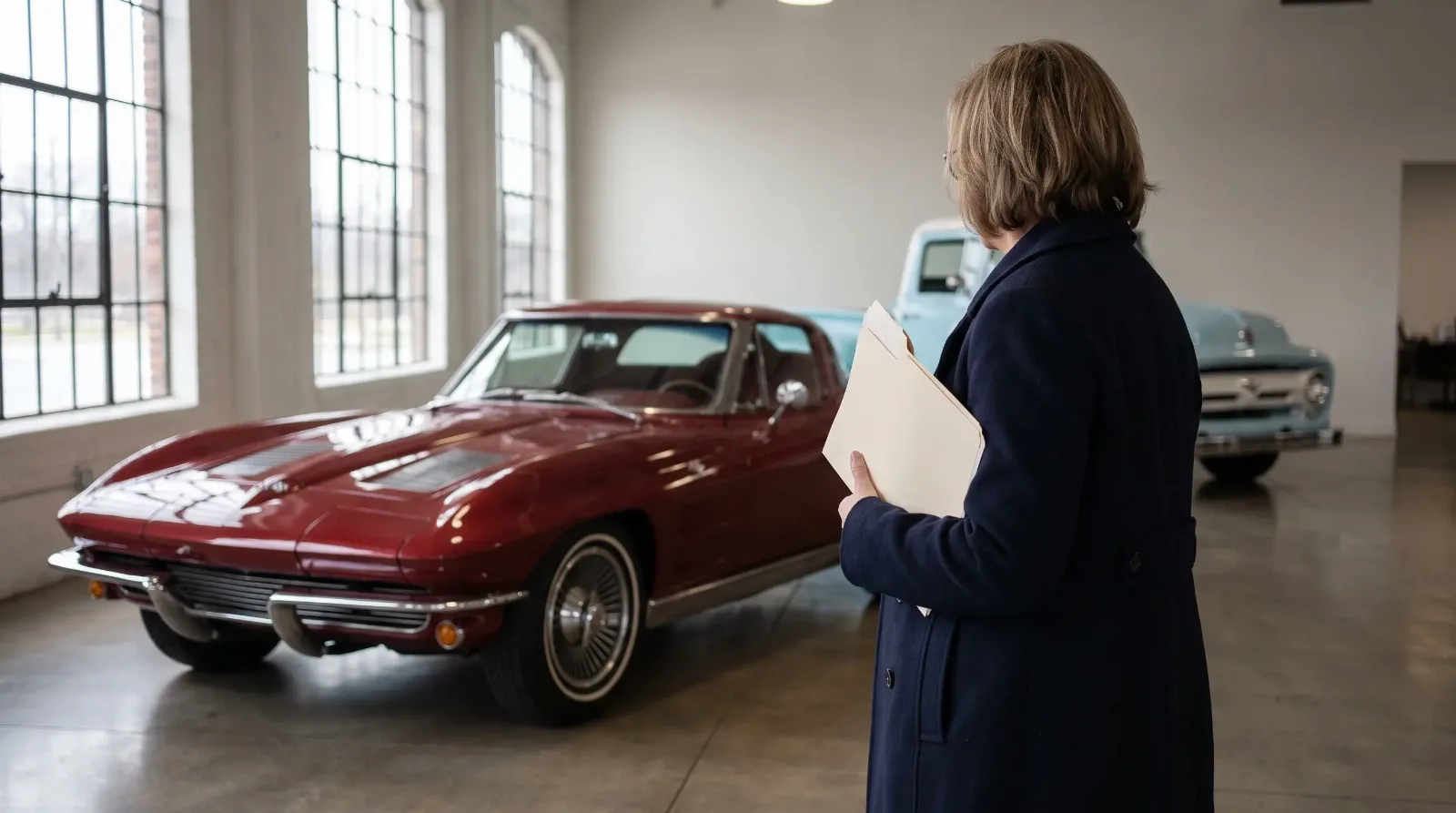
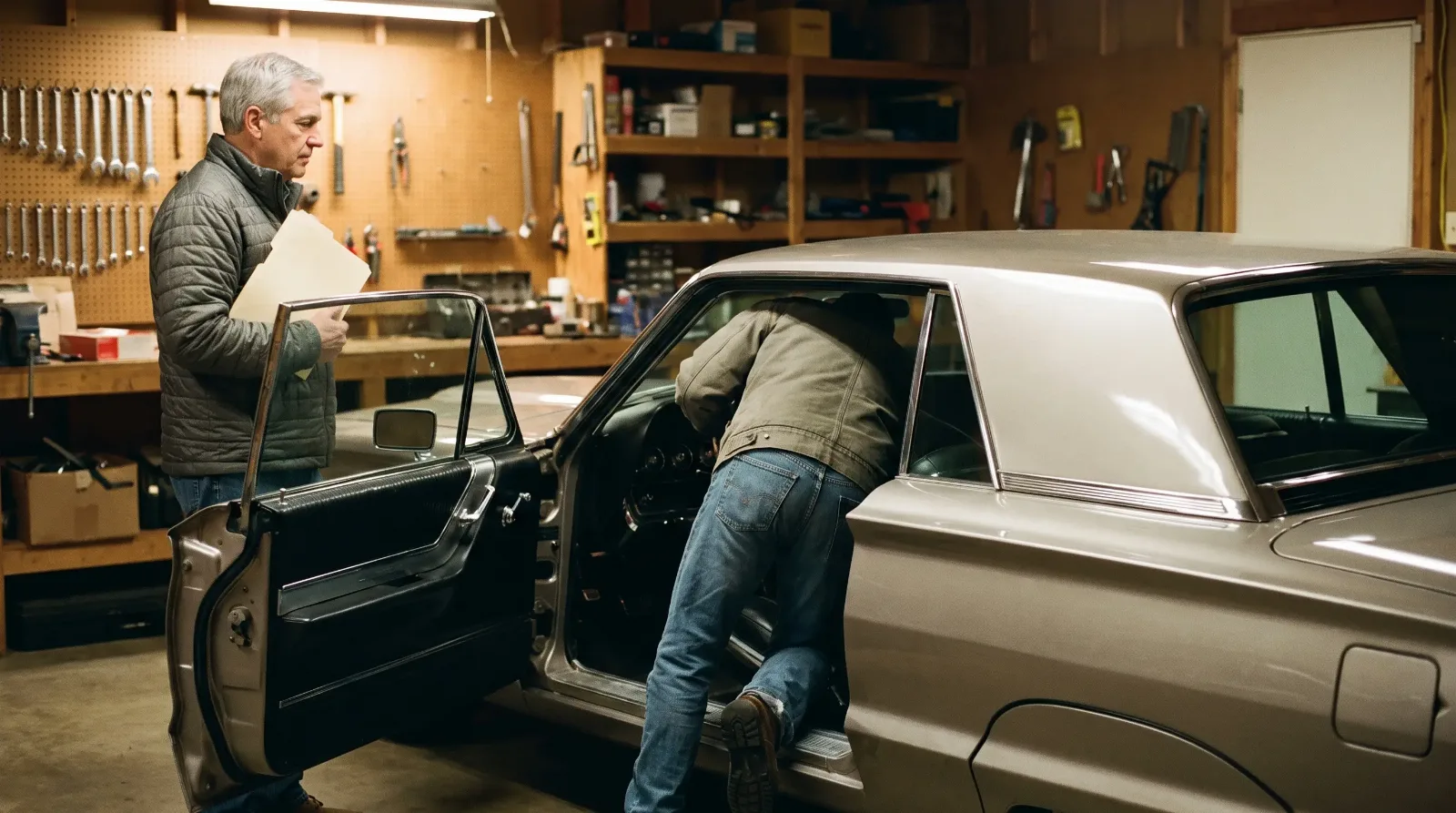
Many heirs know the car only as "Dad's Chevy." That's fine, but a buyer will ask harder questions, and the answers change the price. Start with the paperwork the owner left behind. Look in the glovebox, the trunk, desk drawers, the filing cabinet in the basement, and anywhere he kept manuals. Receipts, a build sheet, old photographs of the car in a driveway decades ago: each adds to the story a buyer is paying for.
Then confirm the basics. Read the VIN from the car itself and match it to the title. Note the engine and transmission numbers if you can find them, and photograph everything before anyone touches anything. A marque club or registry for that make can often tell you what the numbers mean, and members are usually generous with grieving families.
For value, an independent appraisal typically runs around $200 to $500. On an inherited car it does double duty: it gives you an honest asking price and, if prepared close to the date of death, supports the estate's tax records. Ask the appraiser to state the condition tier plainly. Most cars that families remember as perfect turn out to be well-loved drivers, and knowing that early saves a lot of disappointment at the listing stage.
Waking a car that has been sitting
A car that sat while its owner was ill, or while the estate crawled through court, has usually been still for longer than anyone realizes. The temptation is to drop in a battery and turn the key, because that's what he would have done. Resist it. Old fuel, dry cylinder walls and hardened rubber can turn a sentimental moment into a repair bill.
Do only what makes the car safe to start, move and inspect. Inherited cars invite a strange impulse to finish the restoration the owner never completed, as a kind of tribute. Sometimes that pays, more often it doesn't, and there's more on repairs before selling a classic car owners commonly overspend on. A tribute that loses money is still a loss for the estate.
Telling the story, and letting it go
An inherited car has something most listings don't: a single long chapter of ownership, often with photographs to prove it. Use that. Buyers respond to "one family since 1971" and to a snapshot of the car parked outside a church on a wedding day. Write the listing honestly, though. Say what you know, say plainly what you don't, and never guess at originality to fill a gap in the record. "The family believes the engine is original, but we have no documentation" is a sentence buyers trust.
If the estate holds more than one car, or a garage full of parts and memorabilia, the decisions change shape, and there's a separate guide on how to sell a classic collection without letting the best car carry the worst. For a single car, a private sale usually returns the most to the estate because no one takes a percentage. On a dedicated classic-car marketplace like Classic Cars Arena you can list your classic car for a flat fee, with no commission, and the listing stays up until the car sells, which suits a family that would rather wait for the right buyer than meet an auction date.
"The families who handle this well are the ones who sell the car to someone who asks about the man who owned it. You can feel the difference in the first phone call. Take the time to find that buyer, even if it costs a few weeks."
Nora Beckett
Before handover day, make copies of every document for the estate file, keep the original death certificate and court letters in your own hands, and decide who will physically be present when the buyer comes. It's usually wise if it isn't the person who loved the car most. Then let it go. Somewhere a stranger is about to start an engine that still sounds like someone you knew, and that is not the worst thing that could happen to it.
Sources and notes
- IRS Publication 551: Basis of assets, inherited property
- IRS: Instructions for Form 8949, inherited property
- California DMV: REG 5 affidavit for transfer without probate
- California DMV handbook: co-ownership and deceased owners
- DC DMV: Vehicle acquired through death of owner
The legal and tax points above are general information, not legal or tax advice. Title rules differ by state, so confirm the documents your DMV needs before the buyer arrives.
Related Reading
Have a
Classic Car
for Sale?
Reach thousands of serious classic car collectors across the US.
Sell It Here →
Selling a classic? Here's how: the best sites to sell a classic car
Are You a Classic Car Dealer?
List your full inventory and connect with targeted classic car buyers.
Join as a Dealer →
#private sale
#classic car title
#inherited classic car
#selling an inherited car
#estate car sale
#executor
#stepped-up basis

About the author
Nora Beckett
Automotive features writer and photographer who tells the human stories behind the cars, from show fields to cross-country road trips.
Comments (1)
L
Lisa Nguyen
1 day ago
When my grandfather's Cressida went, we retitled it to my mom first. The buyer visibly relaxed once the names matched. (Is that common?)