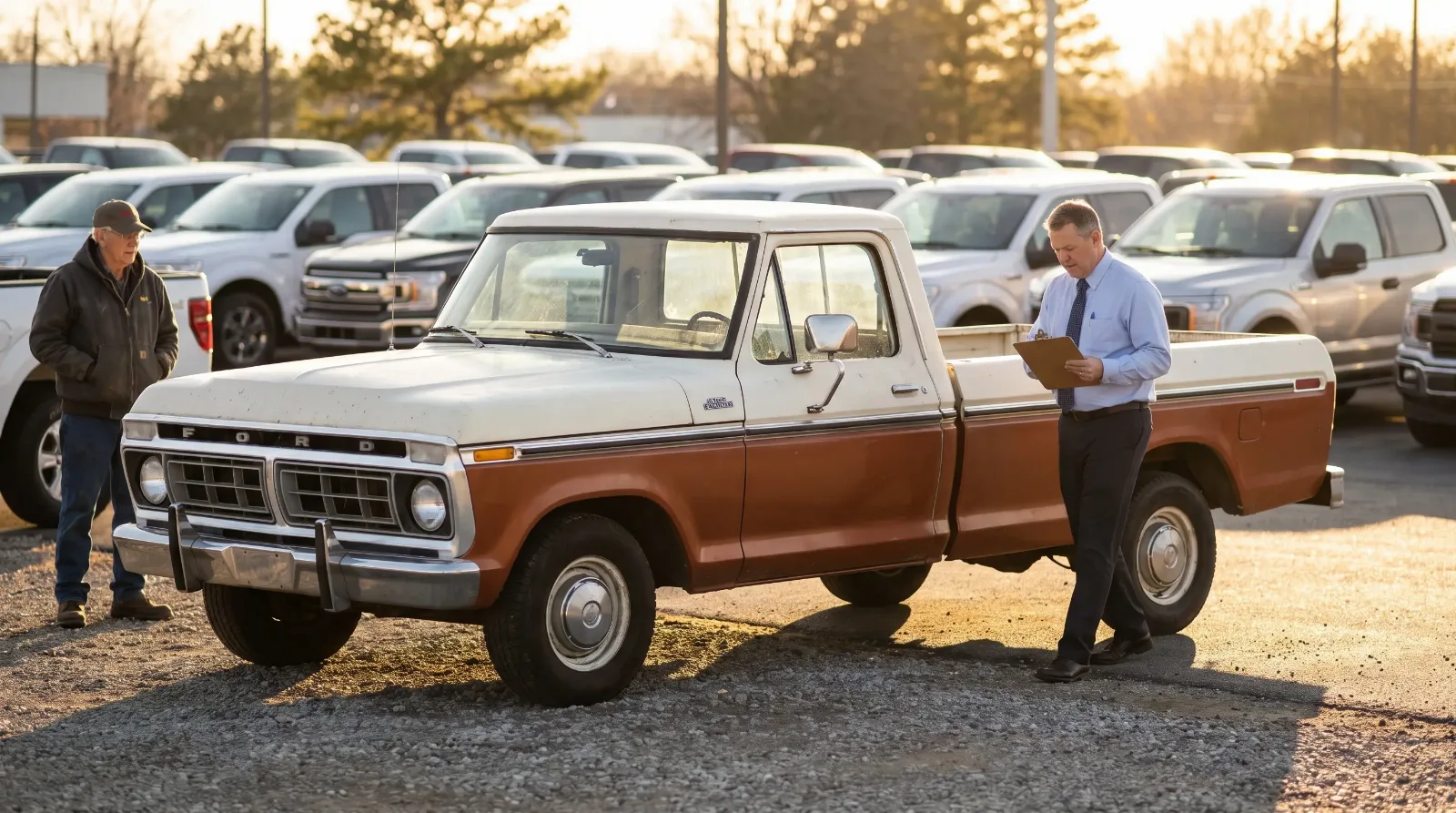
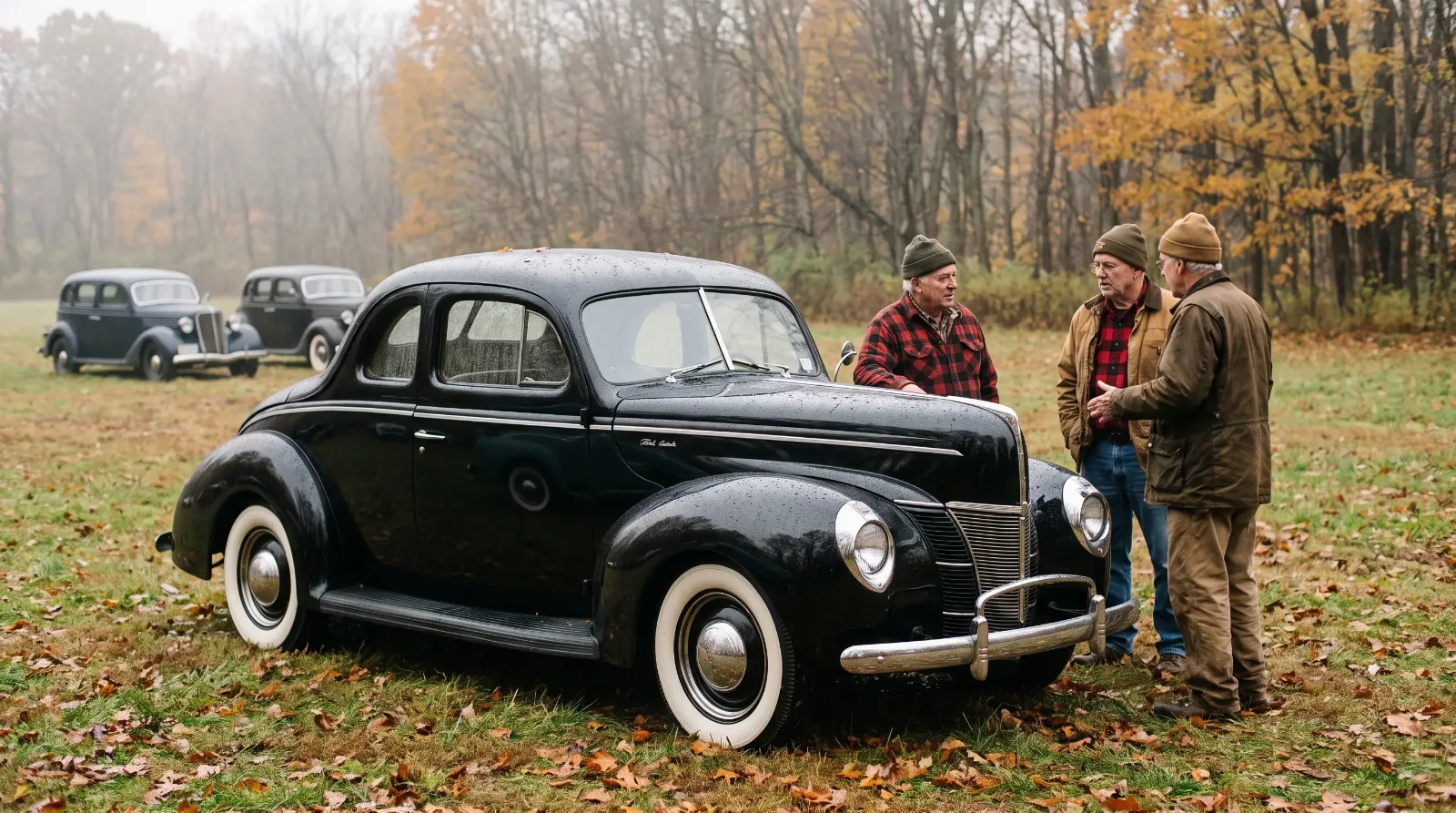
I remember when selling an old Ford meant typing three lines on an index card and pinning it to the corkboard at the club meeting, right between the guy selling a set of Stromberg 97s and the notice about the spring tour. "1940 Ford Deluxe coupe, flathead, runs good, $X, see Walt." That was the whole ad. And it sold, usually to somebody in the room, because the people in that room already knew the car, knew Walt, and knew whether "runs good" meant runs good or meant Walt was an optimist.
The corkboard is mostly gone now. What replaced it is the club newsletter, the club website, the marque forum with its for-sale section, and the members-only group online. The idea underneath hasn't changed one bit, though. Car club classifieds put your car in front of the small group of people who care most about that exact make, and that can be worth more than a big audience that cares a little. It can also be slow, narrow and a little political. Let's look at both.
Why a club audience is different
A general marketplace puts your car in front of everybody. A club puts it in front of the people who already own one, used to own one, or have wanted one since high school. That changes the conversation.
Club buyers know the details. They know which year had the better transmission, which trim pieces are reproduction and which are unobtainium, and what a correct engine is supposed to look like. That cuts both ways, sure. They will spot the wrong carburetor from across the parking lot. But they will also pay for the things a general buyer would never notice: the original spare, the dealer-installed accessory, the factory paperwork, the right date codes. If your car is honest and correct, a marque crowd is the audience most likely to pay for that.
There's a trust factor too. In a club, a car often has a reputation before it has a buyer. If you've shown it at meets, driven it on tours and kept it up where people could see, the members already have an opinion. A good reputation sells a car faster than any photo. A bad one, well, it follows the car around, and you can't outrun it with a fresh coat of wax.
Fees tend to be low or nothing. Many clubs run member classifieds free or for a small charge, and forums usually let members post a for-sale thread at no cost. The Porsche Club of America, for one, treats its Mart classifieds as a free member benefit: anyone can browse the ads, but only members see the seller's contact details. Some forums limit for-sale posting to members with a certain post count or a paid supporting membership, to keep out drive-by sellers and scammers. One large truck forum, for example, wants 100 posts before you can start a for-sale thread and waives that for supporting members.
The channels, and what each one is good for
Not all club routes work the same way. Here's how the usual ones compare. The fee notes are general, since every club sets its own rules.
| Channel | Who sees it | Typical cost to seller | Speed | Best for |
|---|---|---|---|---|
| Club magazine or printed newsletter classifieds | Paid members, often older and well established in the hobby | Often free or a small fee for members | Slow; tied to the publishing schedule | Correct, original cars and rare parts |
| Club website classifieds | Members and sometimes the public | Often free or a small fee for members; varies by club | Moderate | Driver-grade cars with good photos |
| Marque forum for-sale section | Active forum members, very knowledgeable | Usually free; some require a minimum post count or a paid supporting membership | Moderate to fast if the car is priced right | Cars with documented history and honest condition notes |
| Members-only social media groups | Wide mix of serious owners and browsers | Free | Fast replies, uneven quality | Quick exposure, project cars, parts |
| Word of mouth at meets and tours | Whoever is standing around your car | Free | Unpredictable | Cars already known in the club |
One more note. A club channel is still a private sale, with all the work and risk that comes with one. If you're still deciding between selling direct, sending the car to auction or handing it to a dealer, our private sale, auction or consignment guide walks through how those methods compare before you pick a venue.
The downsides nobody puts in the newsletter
Let me be straight about this, because people who love their club sometimes skip it.
The audience is small. A national marque club might have thousands of members, but the number actually shopping for a car like yours this month could be a handful. If none of them bite, you wait. Printed club magazines make it slower still, since your ad might not run until the next issue.
Forums can be rough. Post a car for sale on a busy marque forum and you'll get advice you never asked for, a debate about whether your valve covers are correct, and at least one fellow who explains why your price is twice what it should be. Some of that is useful. Most of it is just bench-racing with your car as the subject.
Selling inside a club is also personal. If the buyer finds a problem six months later, you'll see him at the next meeting, and the one after that. That's a good reason to be honest, which you should be anyway, but it means a sour deal costs more than money.
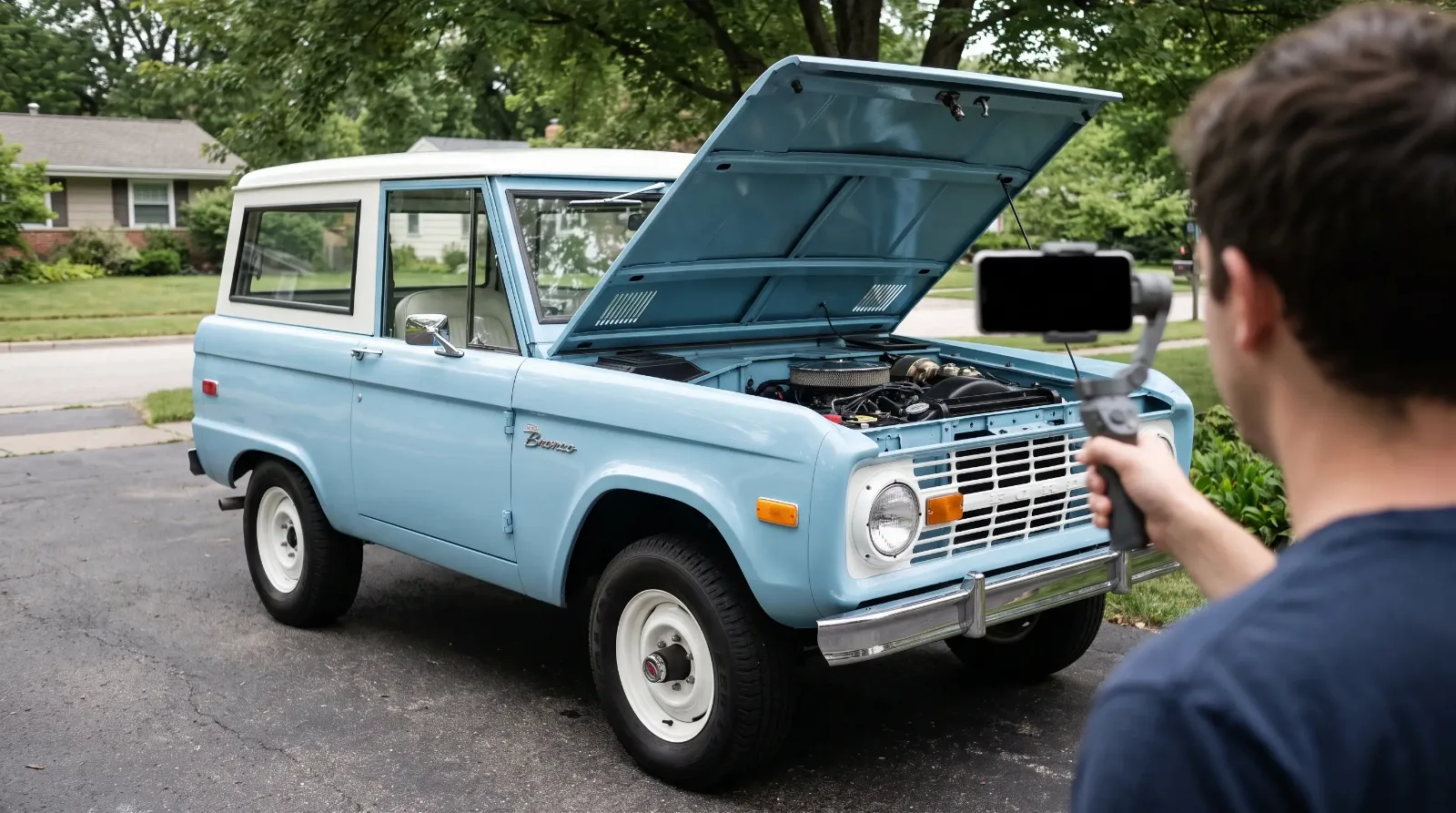
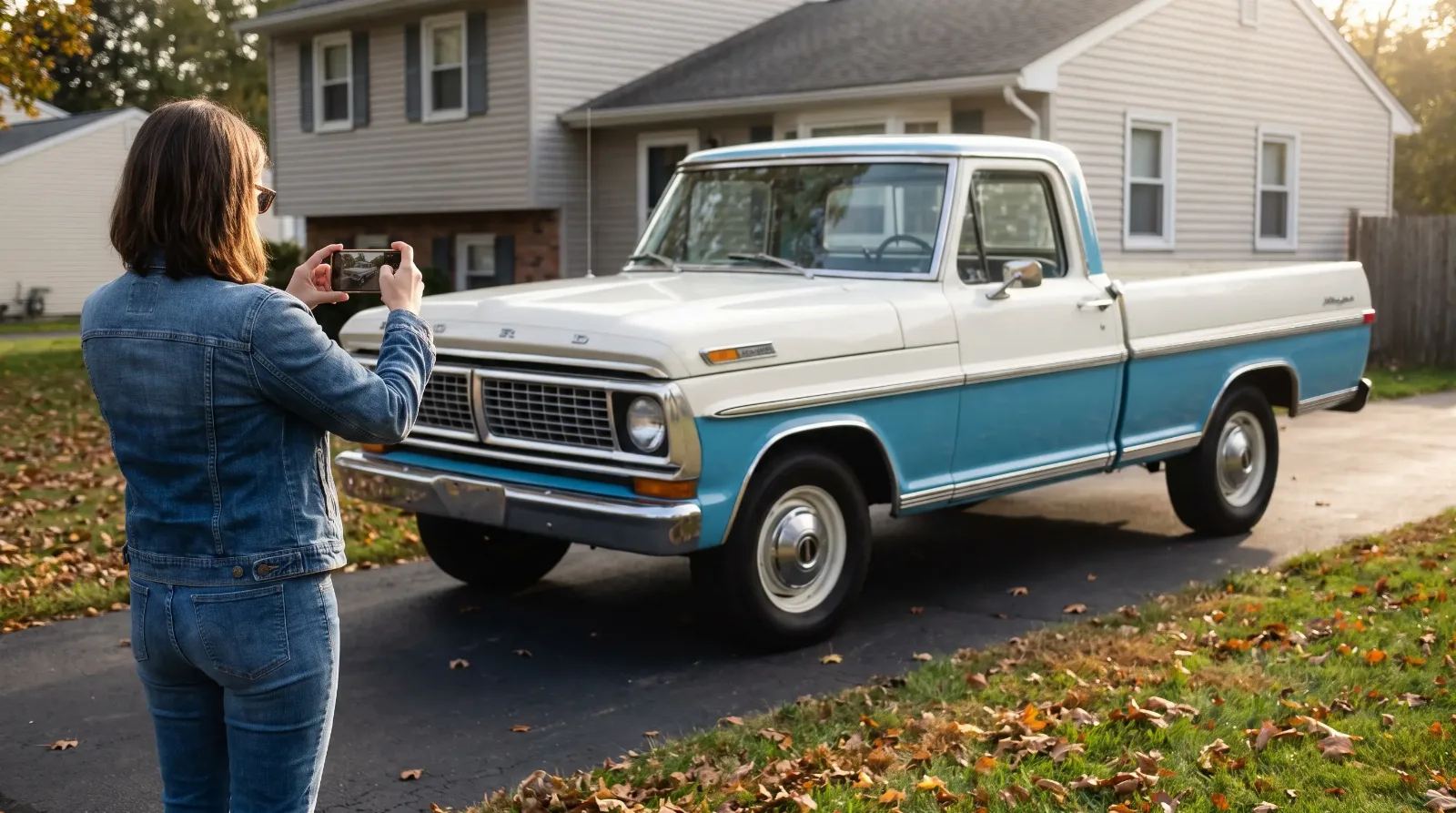
And yes, the scammers read forums too. The FBI has warned for years about fake vehicle ads posted by criminals who never had the car, with photos that match the description and a low price meant to rush the buyer into paying. Photos and text lifted from a real club ad make that kind of listing look convincing. Watermark your photos lightly or include a detail only a real seller would know, so buyers can check with you.
"The club will forgive you for asking too much. It won't forgive you for telling them a car is something it isn't. Price it fair, describe it straight, and the right fellow usually turns up."
— Gary Nowak
How to write a club ad that sells
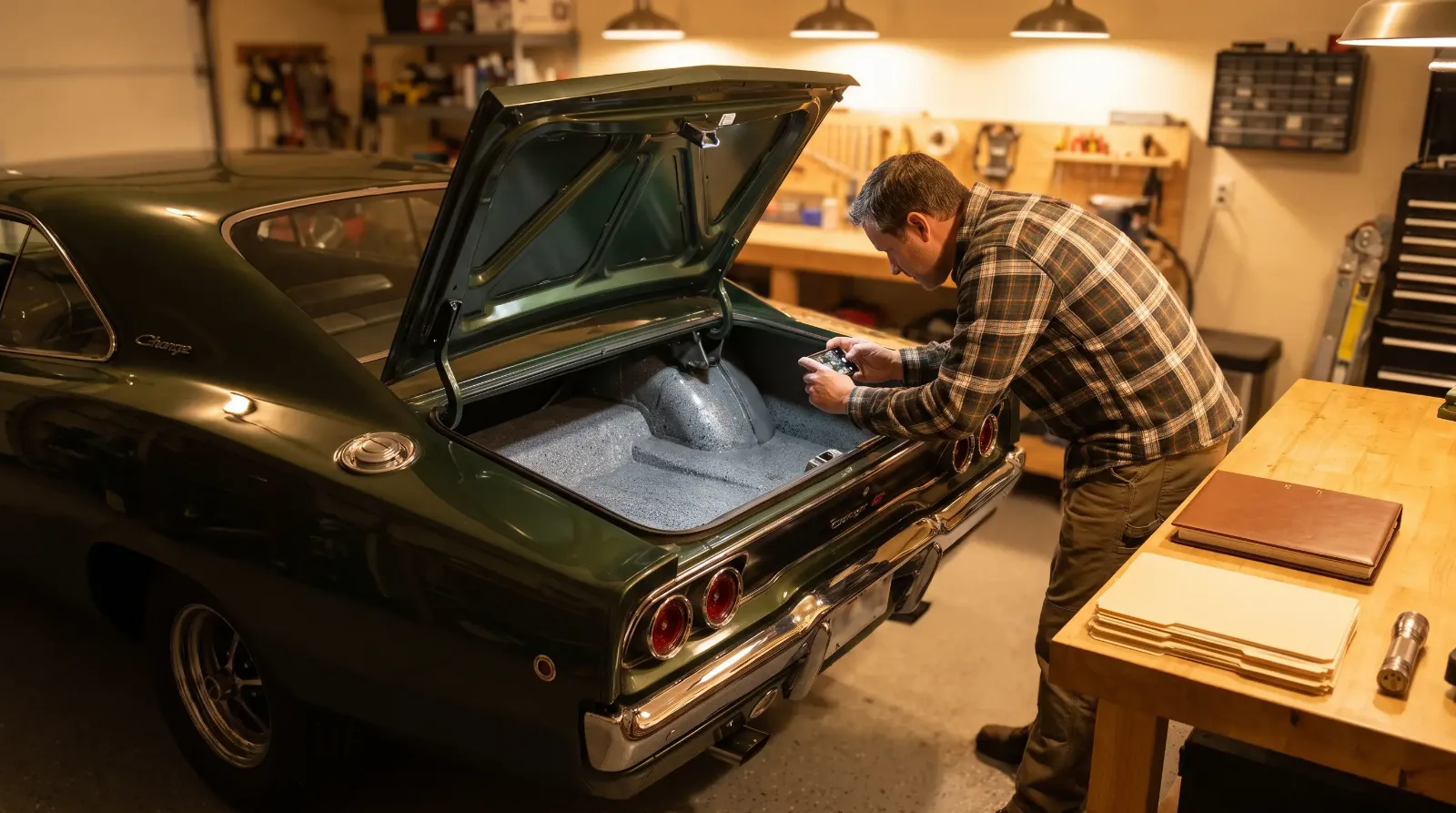
A good club ad reads differently from a general classified, because the readers know the subject. You don't need to explain what the car is. You need to tell them which one it is and what's been done to it.
When the club route makes sense, and when to go wider
Club classifieds work best for cars where knowledge adds value. An original, correct, well-documented car. A rare body style or option that only the marque faithful appreciate. A car with a known history in the club. A project with all the hard-to-find parts in boxes, which only a fellow owner will price properly.
They work less well for a heavily modified car that the purists won't touch, or for an ordinary driver that a general buyer would be happy with. They also work poorly if you need to sell soon. In those cases, it makes sense to run a club ad and a general listing at the same time, or to put the car where the people actually are on a summer weekend. If that sounds like your car, our piece on selling a car at a car show events covers the for-sale sign in the window, the swap meet corral, and how to handle the folks who stop by to talk.
Walt's coupe, by the way, went to a fellow member's son who'd been eyeing it for years. He drove it on the fall tour that same season, and Walt rode along in the passenger seat telling everybody which parts he'd found where. That's the thing about selling inside a club. The car leaves, but you don't lose track of it. Some of us think that's worth a few dollars all by itself.
Sources and notes
- Porsche Club of America classifieds (stuttcars.com): The Mart is free for members
- Ford Raptor Forum: for-sale rules (asking price, 100-post minimum, supporting member waiver)
- Historical Society of Quincy and Adams County: Hemmings Motor News started in Quincy
- Wikipedia: Hemmings Motor News
- FBI IC3: fraudulent online vehicle sales