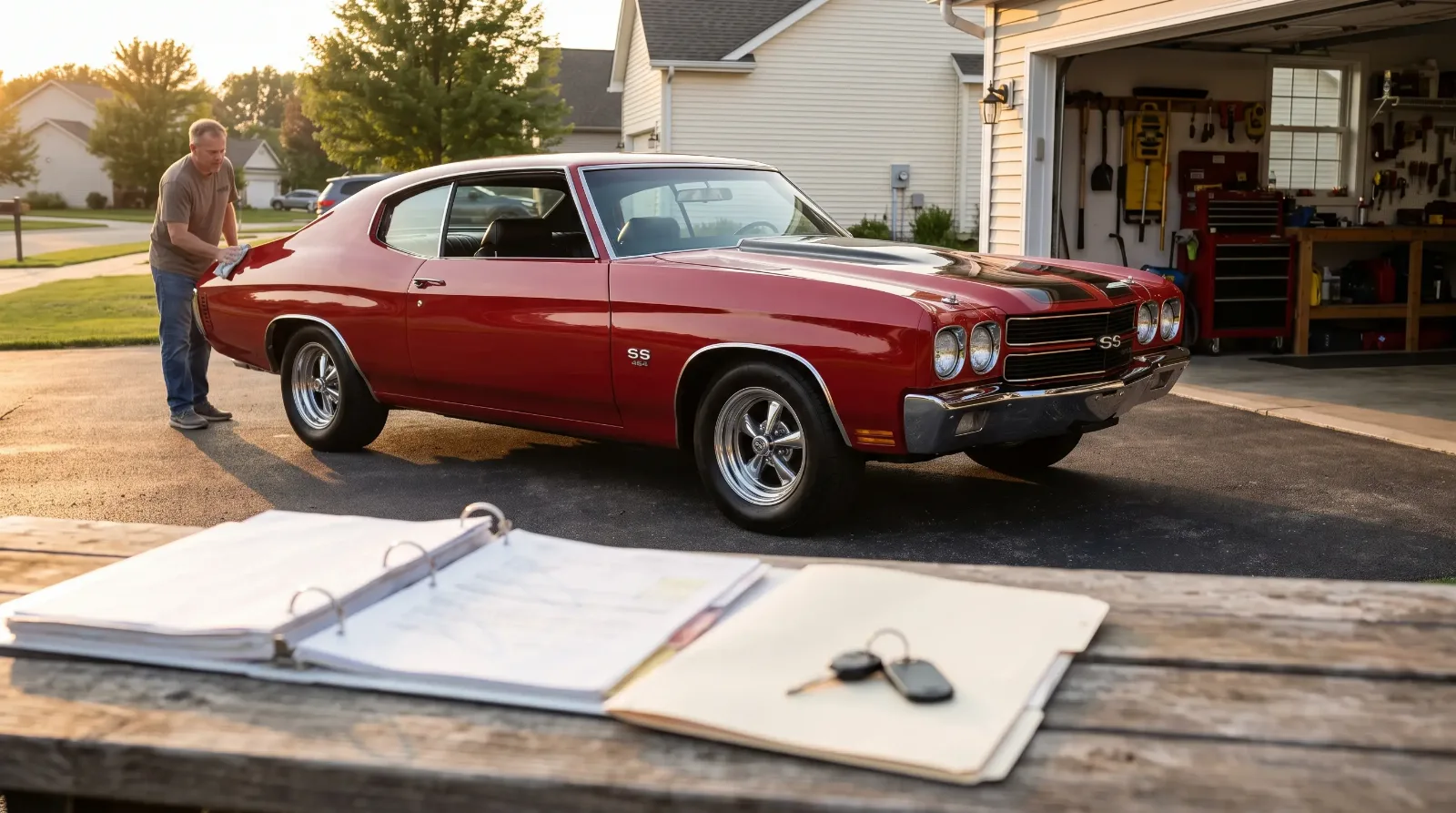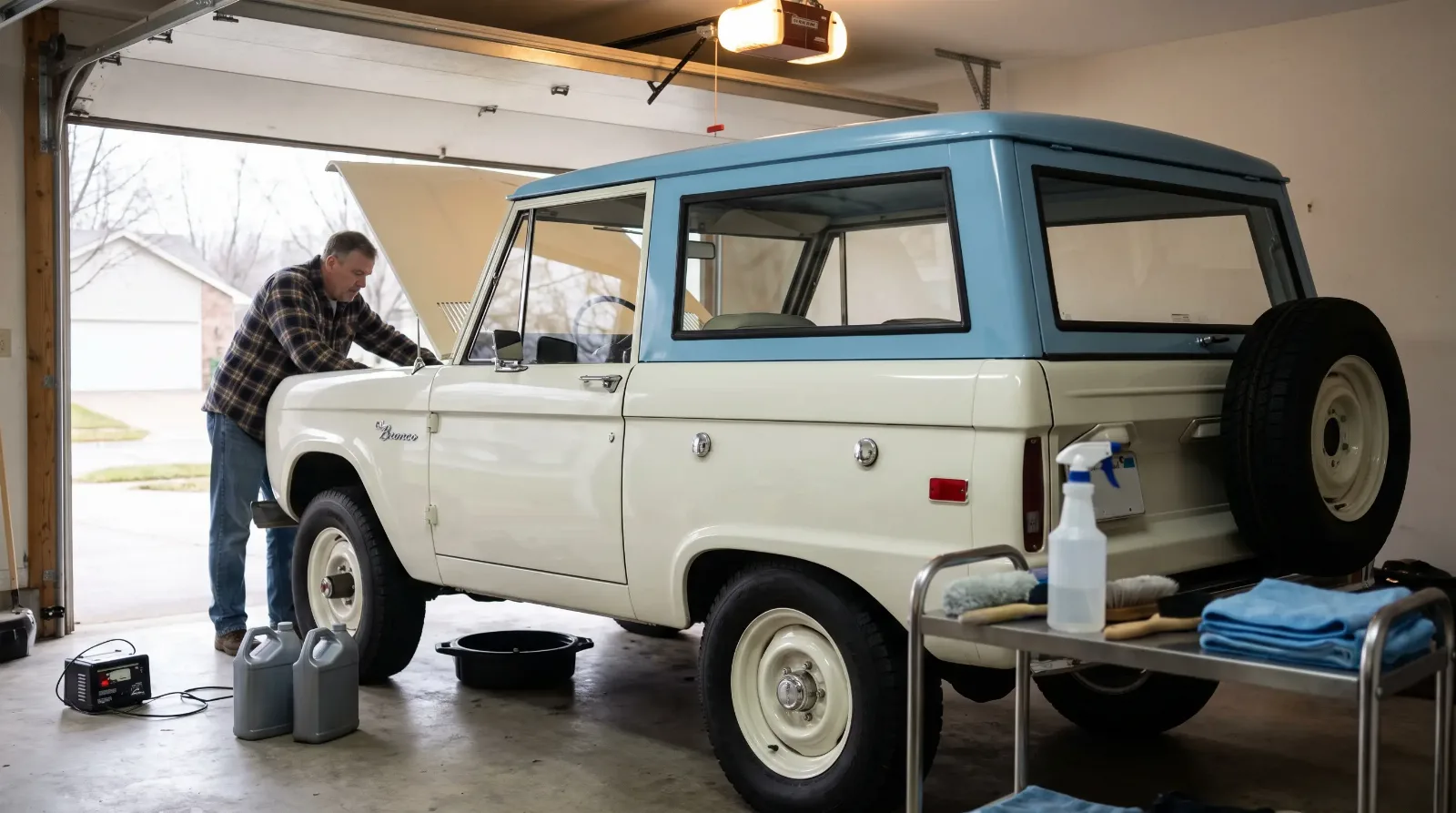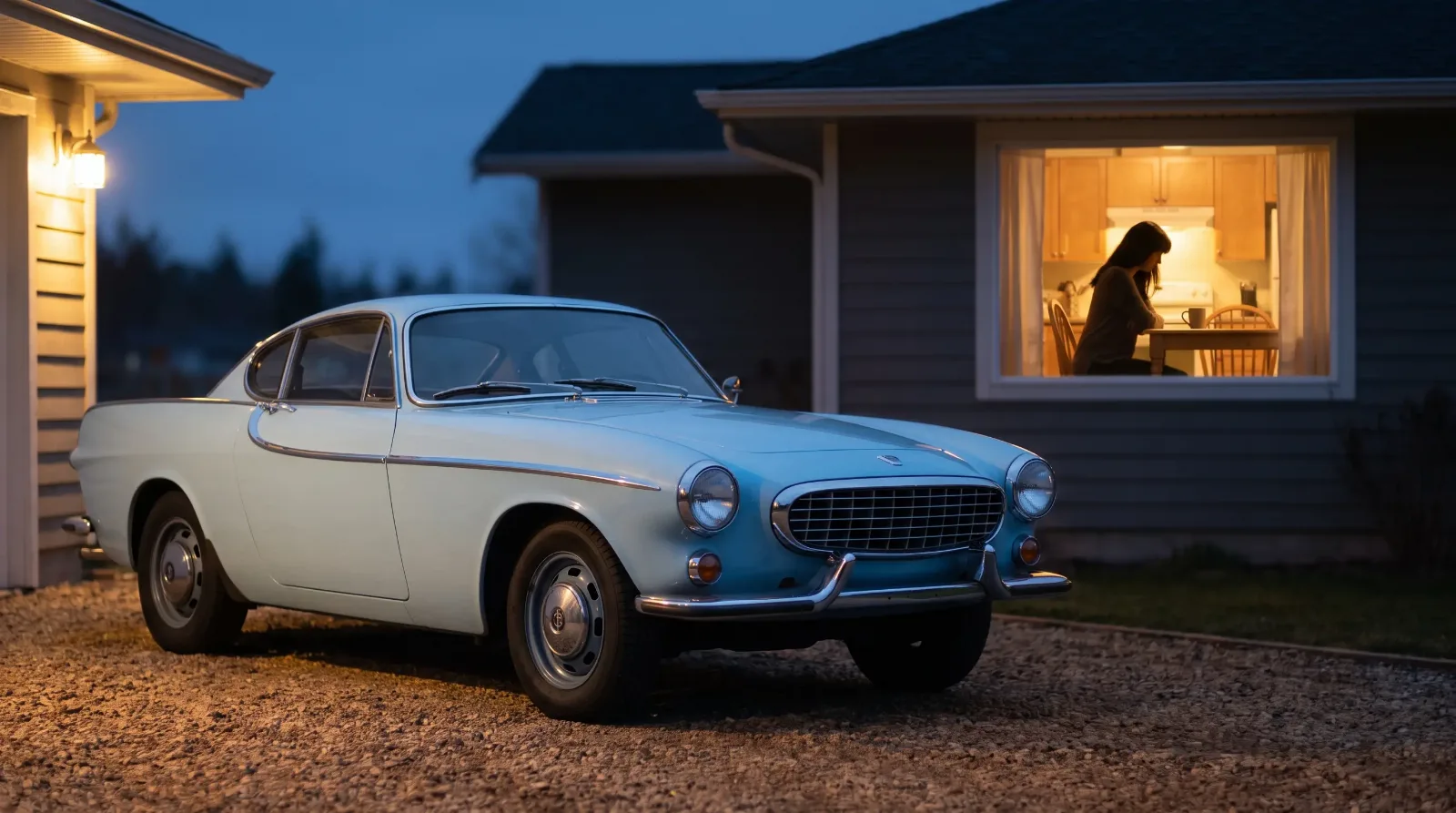
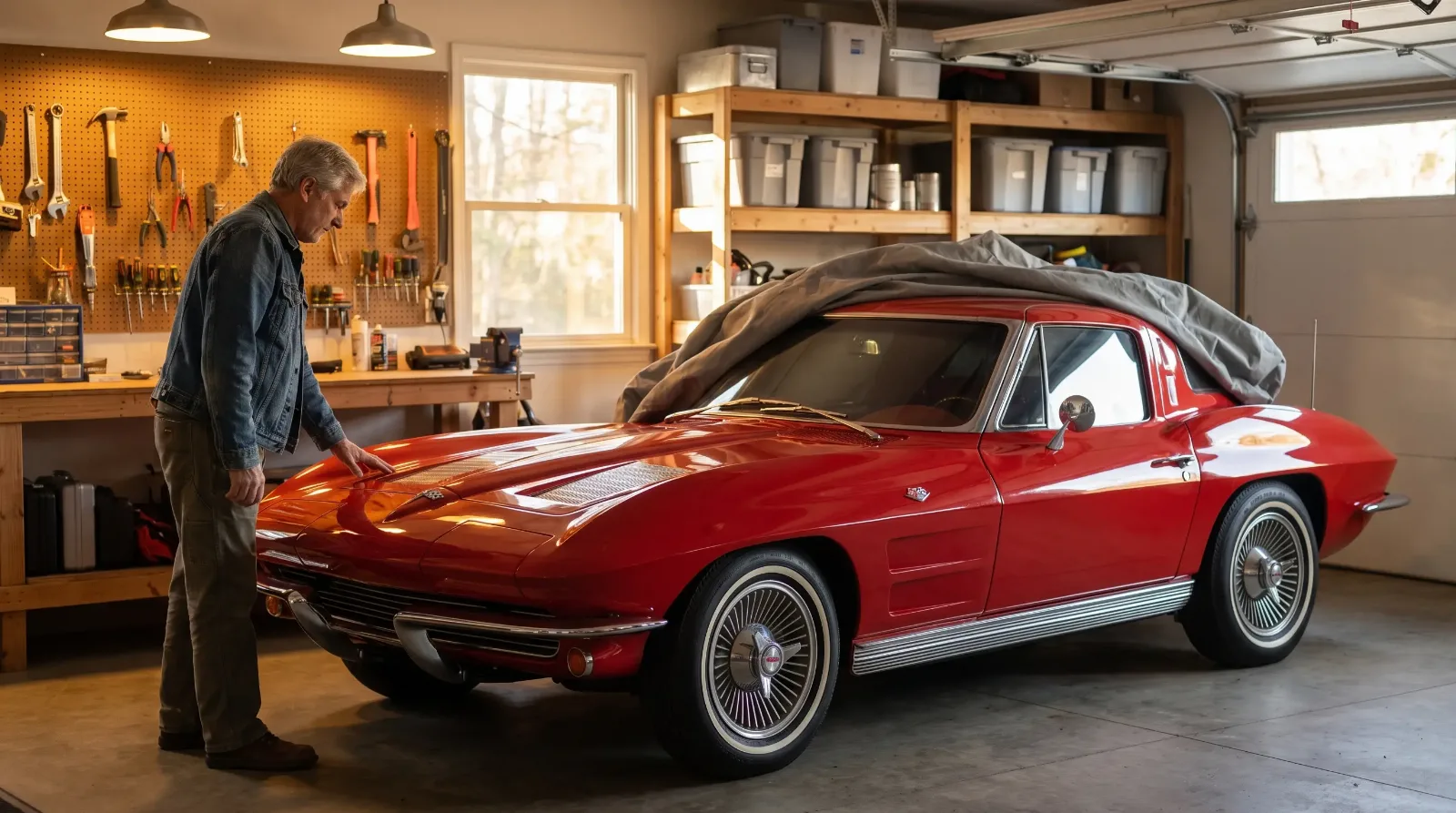
He kept one hand on the fender the whole time we talked, the way you rest a hand on an old dog that has stopped chasing anything. He had bought the car the spring his daughter was born. She was thirty-one now and lived two time zones away, and for most of the years she had been gone the car had lived under a cover in the garage. "I keep asking myself if I should sell it," he said. "And I keep not answering."
If you are asking yourself "should I sell my classic car," the market half of the question can be looked up in an afternoon. The other half is harder. It has years in it, and people, and a space in the garage that is also a space in your head. The seven questions below won't decide for you. They will make the decision an honest one, and honest decisions are the ones people stop second-guessing. If you have already made up your mind and only want the mechanics, our how to sell a classic car guide walks through the whole process from prep to payment.
The question underneath the question
Almost nobody who asks whether to sell is asking one thing. They are asking whether the car costs too much, whether they still use it, whether they would miss it, and whether someone in the family will be hurt. Lumped together, those questions turn into a fog that can last a decade. Pulled apart, most of them have plain answers.
So take them one at a time. Write the answers down, on paper, in a sentence each. People are surprisingly good at lying to themselves out loud and surprisingly bad at it in their own handwriting.
The money questions
1. What is it really worth, and what would you actually keep?
Not what you have put into it, and not what the one at the show last summer was priced at. What cars like yours, in honest condition, have actually sold for. Most owners place their car a grade higher than a buyer will. Then subtract the cost of selling. A flat listing fee is one number, an auction commission is another, and a dealer's cash offer is often a good deal lower than a private sale would bring, because the dealer has to recondition, hold and still make a margin. Our own rough estimate puts that gap at around 20 to 30 percent.
2. What does it cost you to keep it, every year?
Add it up honestly: collector insurance, registration, storage if it lives somewhere other than your own garage, a battery tender, fresh fluids, and the tires that age out whether the car moves or not. An agreed-value collector policy on a typical driver-grade car often costs a few hundred dollars a year, more as the agreed value climbs. A rented 10 by 20 storage unit, the usual size for a car, runs roughly $100 to $300 a month in most US cities, and far more in places like New York. None of that is a reason to sell by itself. But if the yearly number would surprise you, it deserves a line on the paper.
3. Is it waiting on money you don't plan to spend?
Many cars that sit are cars with a list. The brakes that need doing, the leak that needs chasing, the paint that someday will get done. If that list has been the same for five years, it is not a plan. It is a quiet cost, because a car that sits deteriorates, and the list grows while you are not looking.
The questions only you can answer
4. When did you last drive it for no reason at all?
Not to the mechanic, not to keep the seals wet. Just because the evening was warm. If you can name the date, and it was recent, you probably have your answer already. If you have to think about which year it was, that matters too. A classic that only comes out of the garage for maintenance has become a responsibility, and some people are happy carrying it. Others are relieved, in the end, to set it down. If you lean toward selling, the work starts long before the listing, and the details are here.
5. Who else has a stake in this car?
A spouse who remembers the first date in it. A son who assumed, without anyone saying it, that it would be his one day. A brother who helped with the engine. These conversations are uncomfortable, and they are far easier before a buyer is standing in the driveway. Ask. Sometimes the answer is that nobody wants it, and that is a kind of permission. Sometimes the car stays in the family, and the sale never needed to happen.
6. Would you buy it again today, at today's price?
This is the question that cuts through the most. Imagine your car listed by a stranger at what it is honestly worth. Would you drive across the state with a check? If yes, you are not done with it. If you hesitate, notice the hesitation. Owners value what they already own more than they would pay to get it, and this question takes the ownership out of the picture for a moment.
"The people I've watched sell well were never the ones who stopped loving the car. They were the ones who admitted they had stopped using it, and let somebody else have the part they no longer needed."
— Nora Beckett
The question about the day after
7. What fills the space it leaves?
Picture the morning after the trailer pulls away. The empty bay in the garage. The money in the account. What happens next? Some sellers know exactly: a different car they have wanted for years, a debt paid off, a workshop finally built in that corner. Those sales tend to feel good. Others can't picture anything at all, and those are the ones who sometimes spend the next two years searching listings for the car they sold.
There is no wrong answer here, only an honest one. If the space stays empty in your imagination and that feels like loss rather than relief, wait a season. Drive the car. Ask again in the spring.
| Your answers lean toward selling if | Your answers lean toward keeping if |
|---|---|
| You can't remember the last drive that wasn't maintenance | You drove it last month just because you wanted to |
| The yearly carrying cost surprised you | The cost feels like a fair price for what you get |
| The repair list hasn't moved in years | You are actively working through the list |
| Nobody in the family wants it | Someone you love is waiting for it |
| You wouldn't buy it again at today's price | You would write the check without thinking |
| You know exactly what the money or space is for | The empty garage feels like a loss |
If the answers say sell
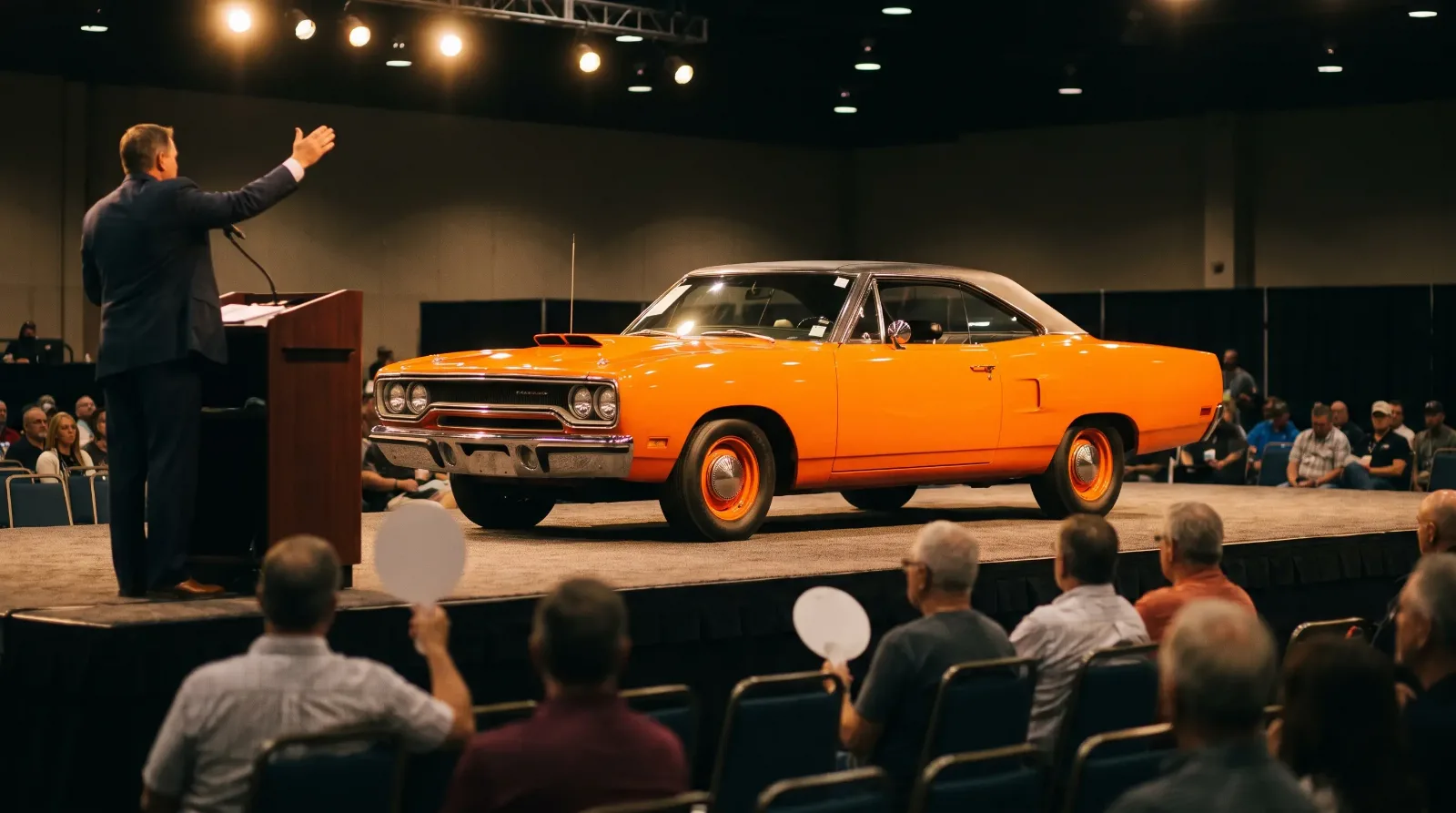
Then sell it well, which mostly means sell it slowly enough to do it right. Decide your lowest acceptable price while you are calm and nobody is in the driveway waving cash. Decide how much time and effort you are willing to give the sale, because that choice decides the channel: a private sale usually keeps the most money in your pocket and asks the most of you, while auctions and consignment trade some of the price for a date and someone else's effort.
And if the answers say keep it, keep it on purpose. Put a real budget on the repair list, put the car on the calendar, and let it be a car again instead of a question. Either way, the man with his hand on the fender was right to stop circling. Answering is the kind thing to do, for you and for the car.
When you are ready to weigh private listings, auctions and dealers side by side, start with the overview and match the channel to the answers you wrote down.
Sources and notes
- CarInsurance.com: insuring a collectible or classic car (premium levels)
- Hagerty: agreed value classic car insurance
- Gold Eagle: classic car storage costs in major US cities
- Hagerty: what a car's condition rating really looks like
- Hagerty: classic car insurance coverage options
Cost figures are approximate national ranges for general guidance; your quotes will depend on the car, its value and your area. The 20 to 30 percent dealer gap is our own estimate, not a published statistic.