Most people prepare a classic car for sale the Saturday before the first buyer shows up. They wash it, throw some tire shine on, vacuum the carpet and call it ready. Then the buyer turns the key, the fuel pump takes four tries to catch, a drip lands on the driveway, and the whole conversation turns into a discount. A weekend of cleaning doesn't fix a car that sat for three years. A month of the right work usually does.
This is the prep, in the order I'd do it. Not the whole selling process, just the part between "I'm selling" and "it's listed." If you want the full run from pricing to the signed title, start here. If you're still on the fence about selling at all, settle that first. Prep money is wasted on a car you end up keeping in the garage another five years.
Give yourself a month, not a weekend
Prep goes wrong when it's rushed, because the problems you find in week one need time to fix. Order a part on Monday and it shows up Thursday. Find a soft brake hose and now the brakes need bleeding. So work backward from the day you want to list.
| When | Job | Rough cost |
|---|---|---|
| 4 weeks out | Wake the car up, change fluids, check brakes and tires, make a list of everything that's wrong | Roughly $100 to $400 in parts for fluids, filters and a battery if needed, doing the work yourself; a shop adds labor |
| 3 weeks out | Fix the cheap stuff on the list, drive it to shake out new problems | Varies by car |
| 2 weeks out | Deep clean: engine bay, underside, interior, trunk | Your time, or a pro detail |
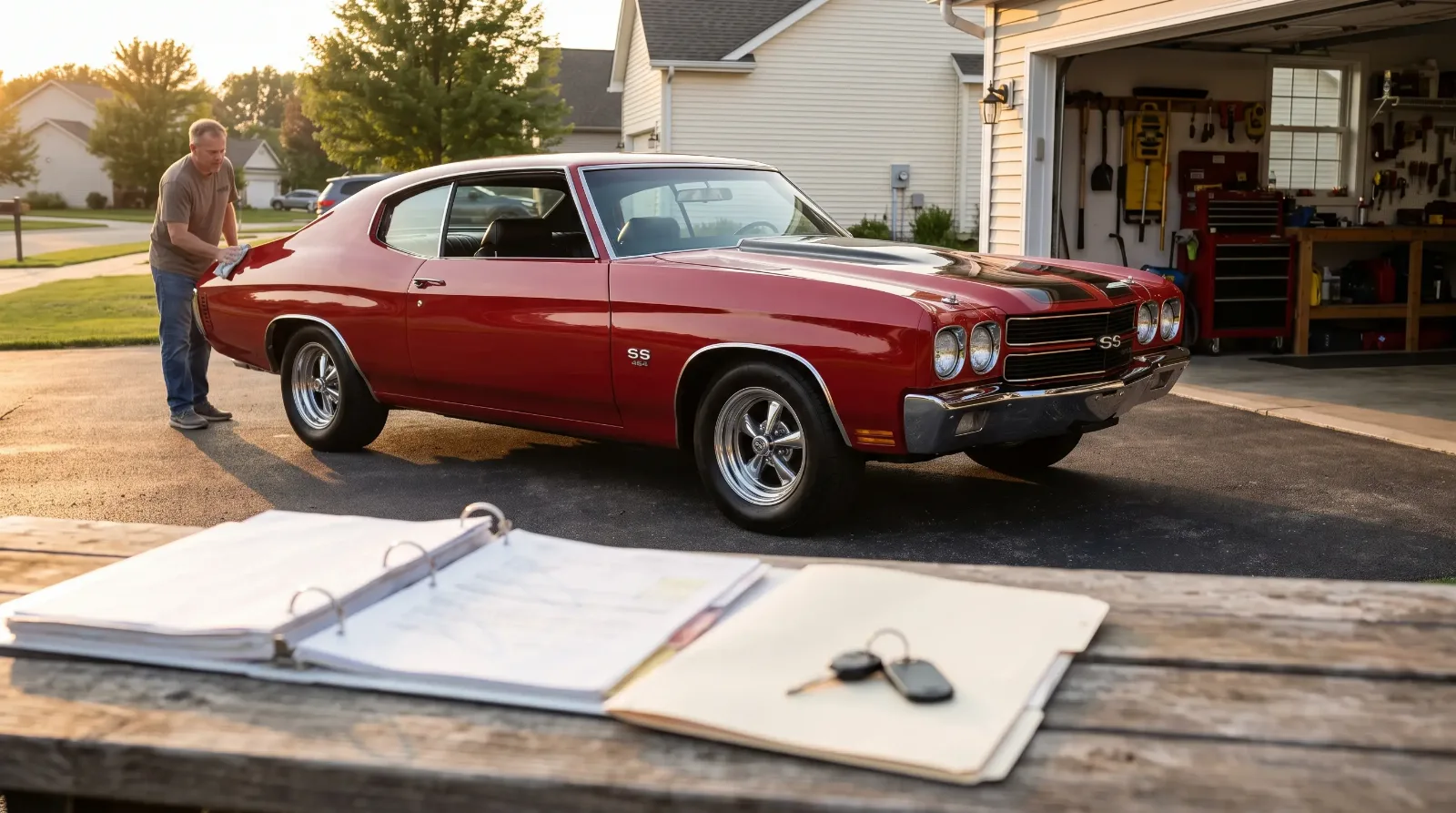
| 1 week out | Build the paperwork binder, gather spare parts and keys, photos | Copies and a binder |
| Listing day | Final wipe-down, listing goes live | None |
The point of the calendar is simple. Every problem you find yourself is one a buyer doesn't find for you.
Wake it up and sort the mechanical basics
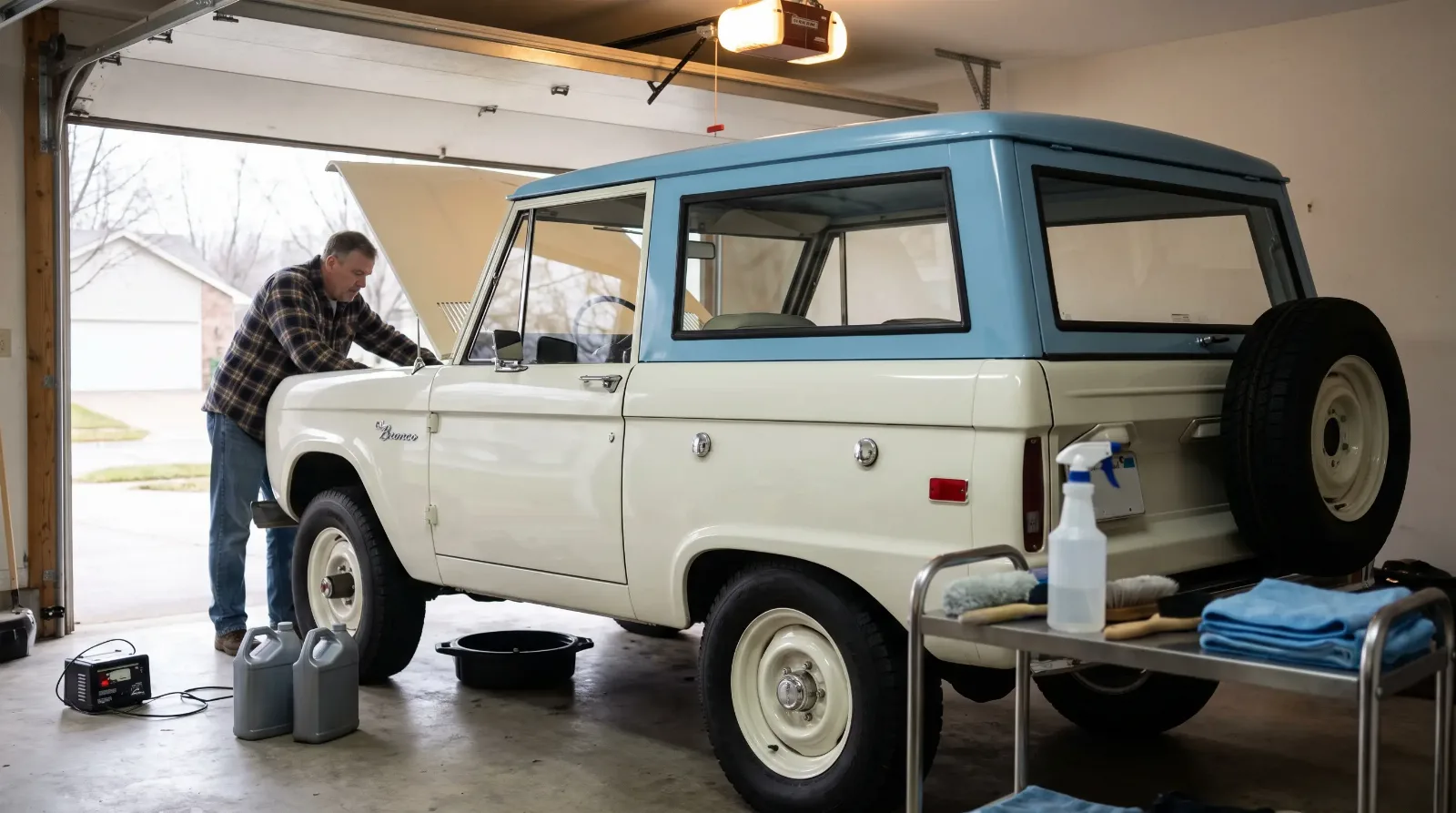
A car that's been stored needs waking up properly before anybody else drives it. Start with the battery. If it's more than a few years old or won't hold a charge overnight, replace it. A slow crank in front of a buyer makes him think about the starter, the wiring and the engine, in that order.
Then fluids. Change the oil and filter, even if it hasn't seen many miles, because oil ages in the pan. Check coolant, brake fluid, transmission fluid and the rear end. Old brake fluid soaks up water and turns dark. If yours looks like coffee, flush it. If the car sat for a long stretch with fuel in it, smell the tank. Varnished gas makes a car stumble and stall, and that's the kind of thing that ends a test drive halfway around the block.
Brakes and tires come next, because a buyer will drive the car and so will you. Pump the pedal. It should be firm and stay firm. Look at the flexible hoses for cracks. Check the tire date codes, not just the tread. A tire with plenty of tread can still be old enough to be unsafe, and serious buyers know to look.
Then drive it. Really drive it, fifty miles or more over a few days, at highway speed and in traffic. That's where a stored car tells you about the sticking caliper, the overheating at idle, the gauge that quits when it's warm. Make a list. Which of those items are worth fixing and which you should leave alone is its own question, and I've laid out the repairs before selling a classic that earn their money back and the ones that don't.
The deep clean, in the right order
Clean from the dirtiest part of the car to the cleanest, so you aren't dragging grime over work you already finished. That means underside and wheels first, then the engine bay, then the body, then the interior last.
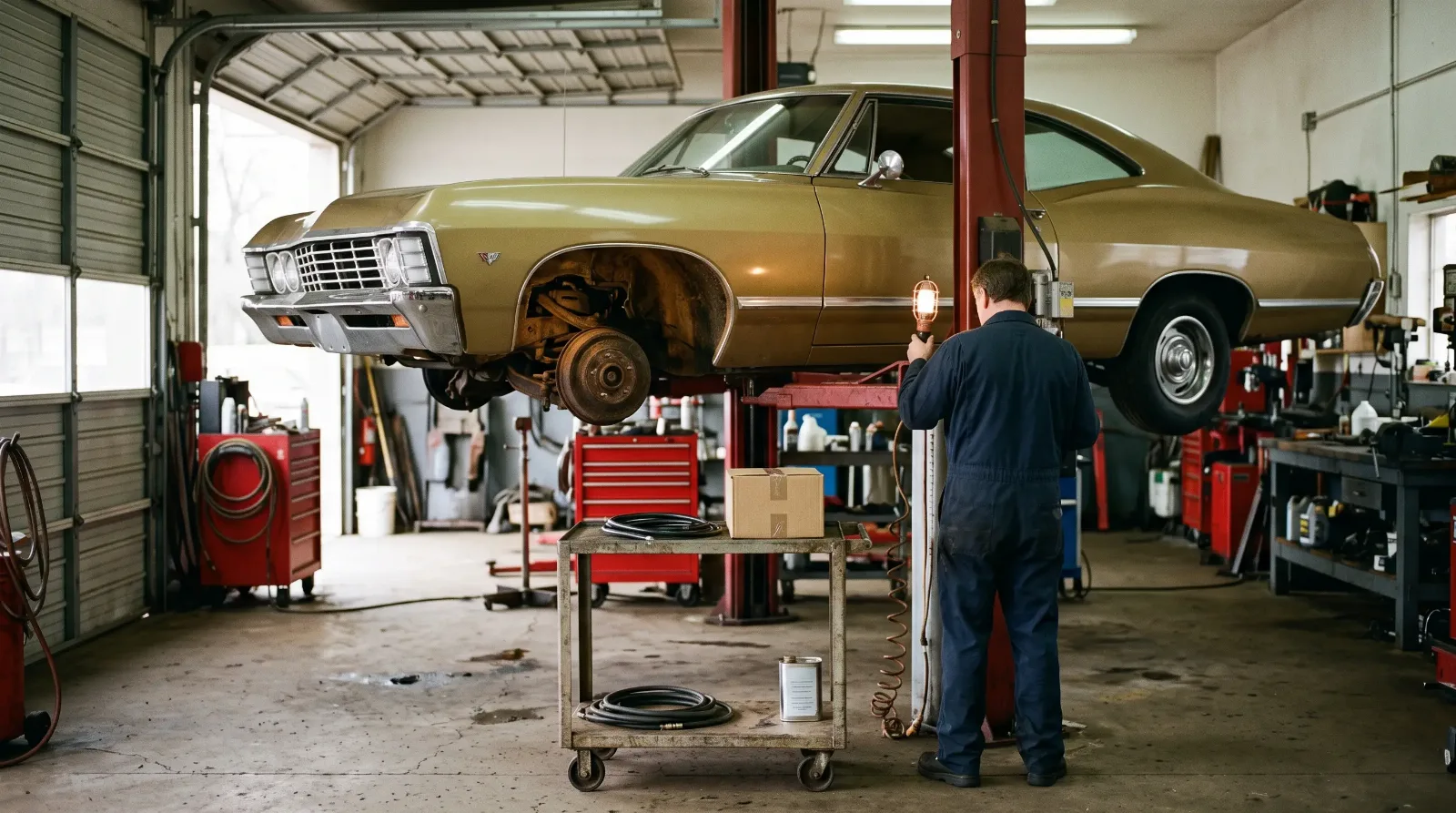
The underside is where serious buyers look first, so give them something worth looking at. Get the car on ramps or a lift and clean off the road grime, so a buyer can see solid metal and honest surface rust instead of a crust that looks like it's hiding something. What you don't do is spray fresh undercoating over everything the week you list. Any buyer who's been around old cars sees new black undercoating on a car for sale and assumes there's rot under it.
The engine bay is next. Cover the distributor, the alternator and the air intake with plastic bags, use a degreaser and a soft brush, and rinse with low pressure, not a pressure washer aimed at the wiring. Let it dry, run the engine to warm it up, and look for leaks once it's clean. A clean engine shows a fresh drip clearly, which is exactly why you want to find it before the buyer does.
The interior gets more attention than most sellers give it. Pull the mats and clean the carpet under them. Clean the headliner gently. Treat old vinyl and leather with a proper conditioner, not a greasy shine product that makes the seats slick. And deal with smell. Mildew and old smoke kill sales faster than torn upholstery. An open window and a few days in the sun often do more than any spray.
Stage the paperwork, the extras and the showing
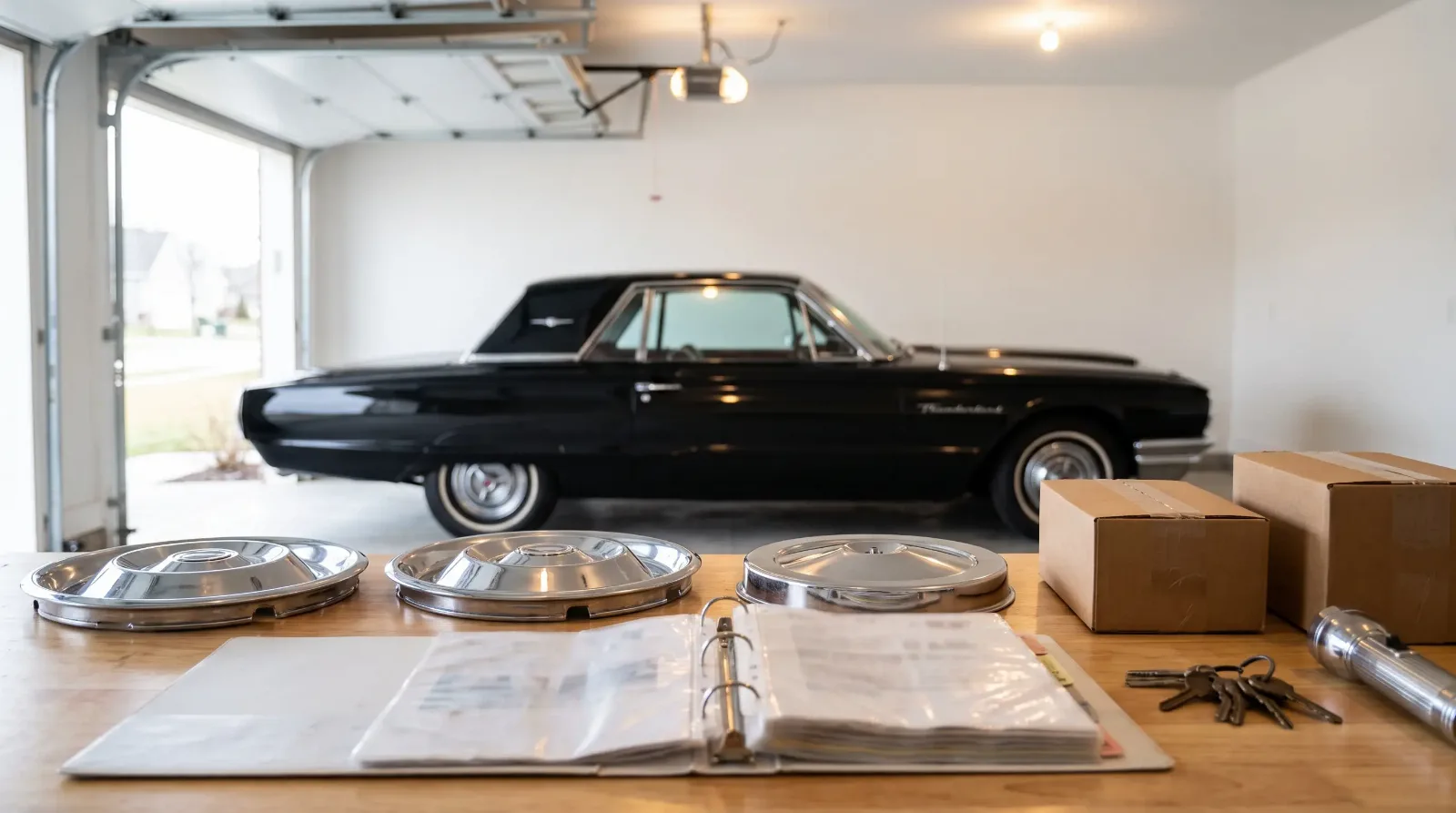
The binder matters as much as the wax. Title on top, then receipts and records in date order, then anything that proves originality or history. Make copies of everything. The originals stay in your house until the money is in your account.
Then gather the extras. Both sets of keys. The owner's manual. Any original parts you removed and kept: the factory air cleaner, the old radio, the hubcaps you swapped for wheels. Put them in labeled boxes. A buyer who sees the original parts in a box sees a car that can go back to stock, and that buyer pays more. Spare parts you bought and never used go in the deal too, or get sold separately, but either way list them.
"Two similar cars can sell a long way apart, and often the difference is a binder and a box of original parts on the workbench. A car with history nobody can show gets priced like a car with no history at all."
— Mike Sullivan
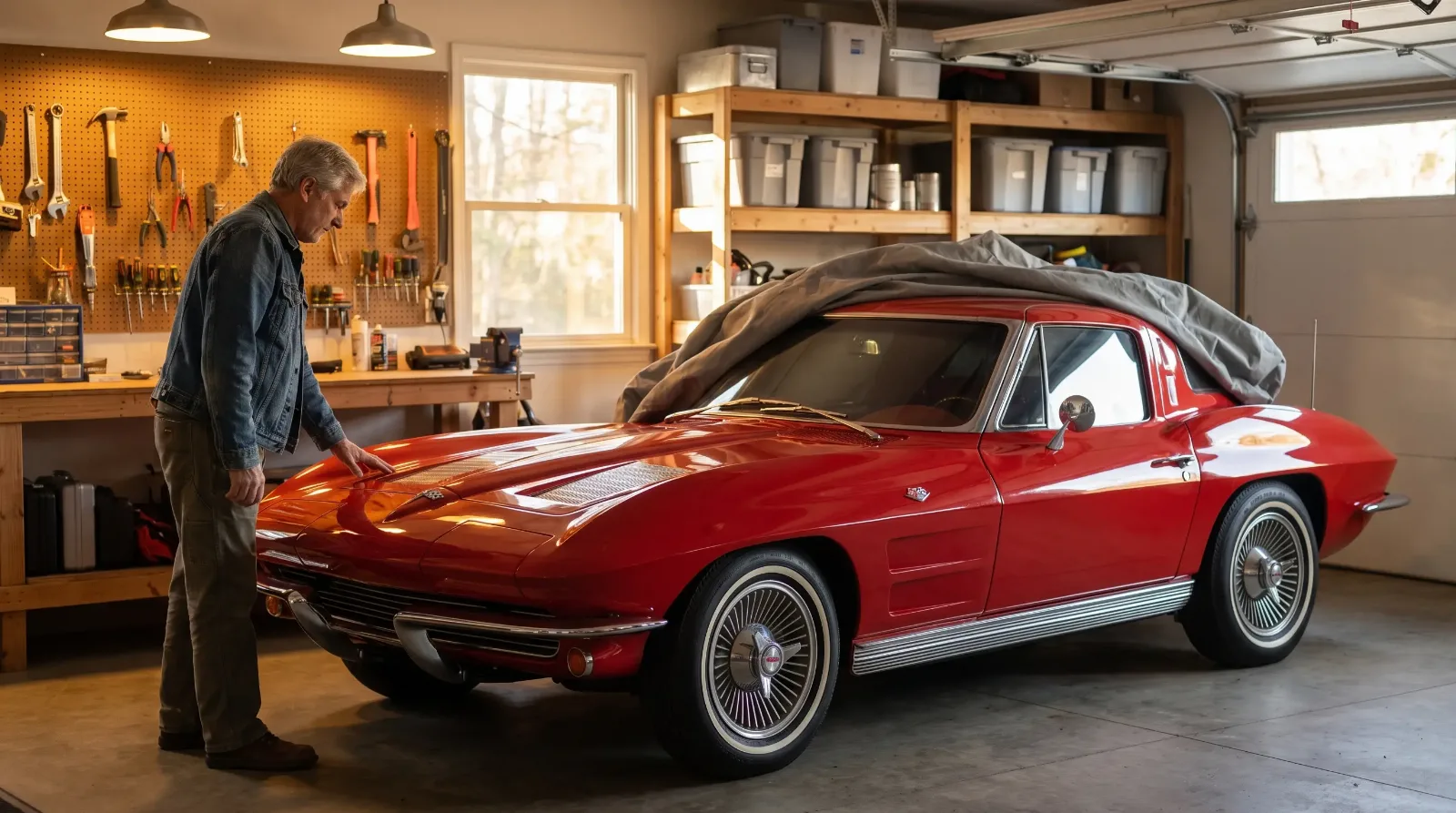
Finally, stage the place where buyers will see the car. Clean garage, good light, the car parked with room to walk all the way around it and get down to look underneath. A flashlight on the bench. The binder open on the hood. It looks like you've got nothing to hide, because you don't.
What to leave alone in the last month
The last few weeks are where sellers talk themselves into big jobs. A repaint because one panel is faded. A carb rebuild because it runs a little rich. New seat covers because the driver's side is worn. Stop. Big work right before a sale rarely comes back in the price, it delays the listing, and it often creates a fresh problem you don't find until a buyer does. Fix what's broken, clean what's dirty, and disclose the rest honestly in the listing. Buyers forgive a worn seat they were told about. They don't forgive a surprise.
Once the car starts on the first try, stops straight, doesn't drip and smells like a car instead of a basement, you're done prepping. Take your photos, write it up plain and true, and when you're ready to put it in front of buyers without paying a commission, you can list it here for a flat one-time fee that stays up until the car sells.
Sources and notes
- NHTSA, Federal Register (July 24, 2014): tire identification number and the four-digit week and year date code
- RepairPal: battery replacement cost estimate
- RepairPal: oil change cost estimate
- RepairPal: brake hose replacement cost estimate
- Hagerty: what a car's condition rating really looks like
Prep costs are approximate and assume you do the basic work yourself; shop labor, your car and your area will change them.