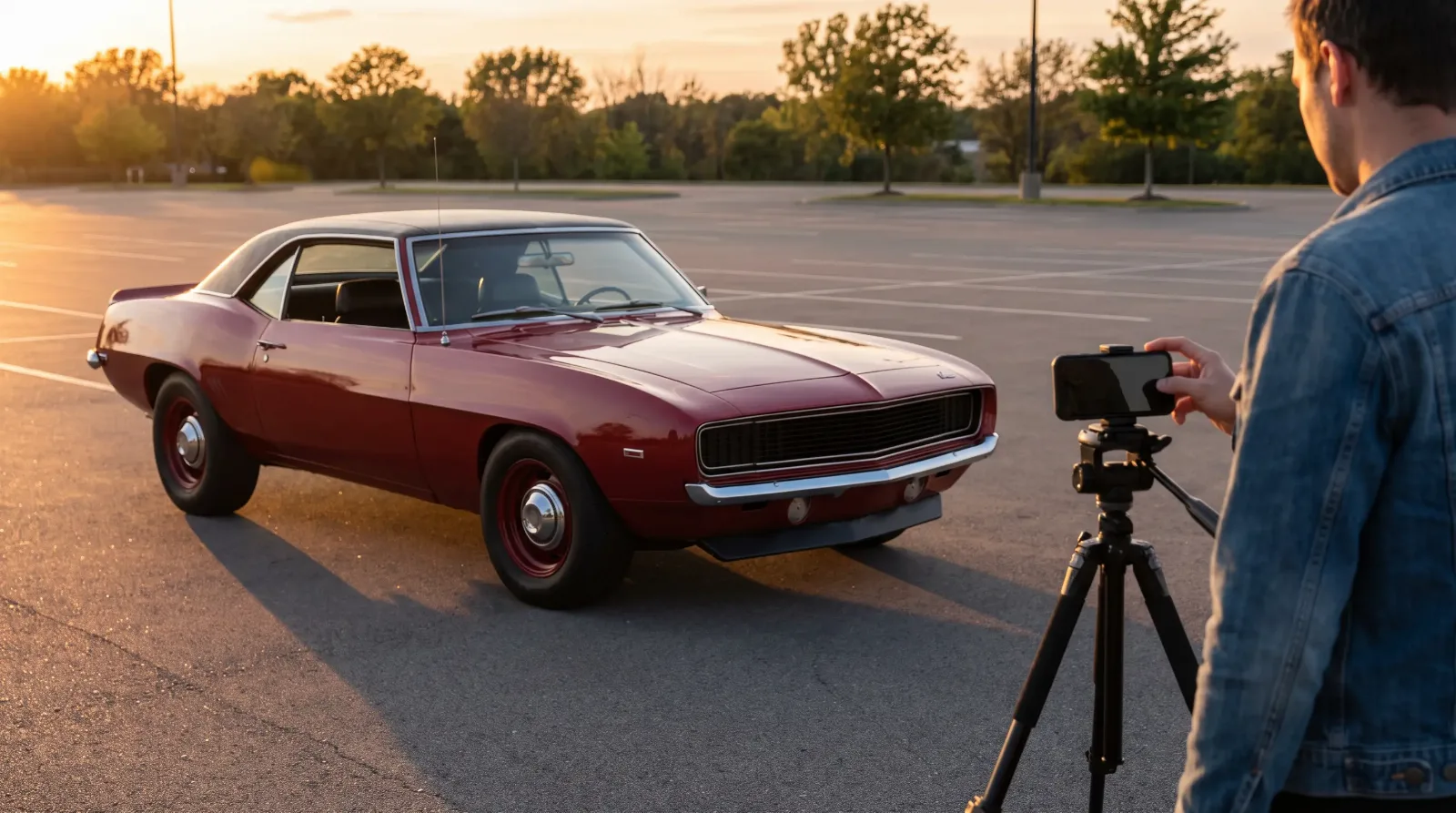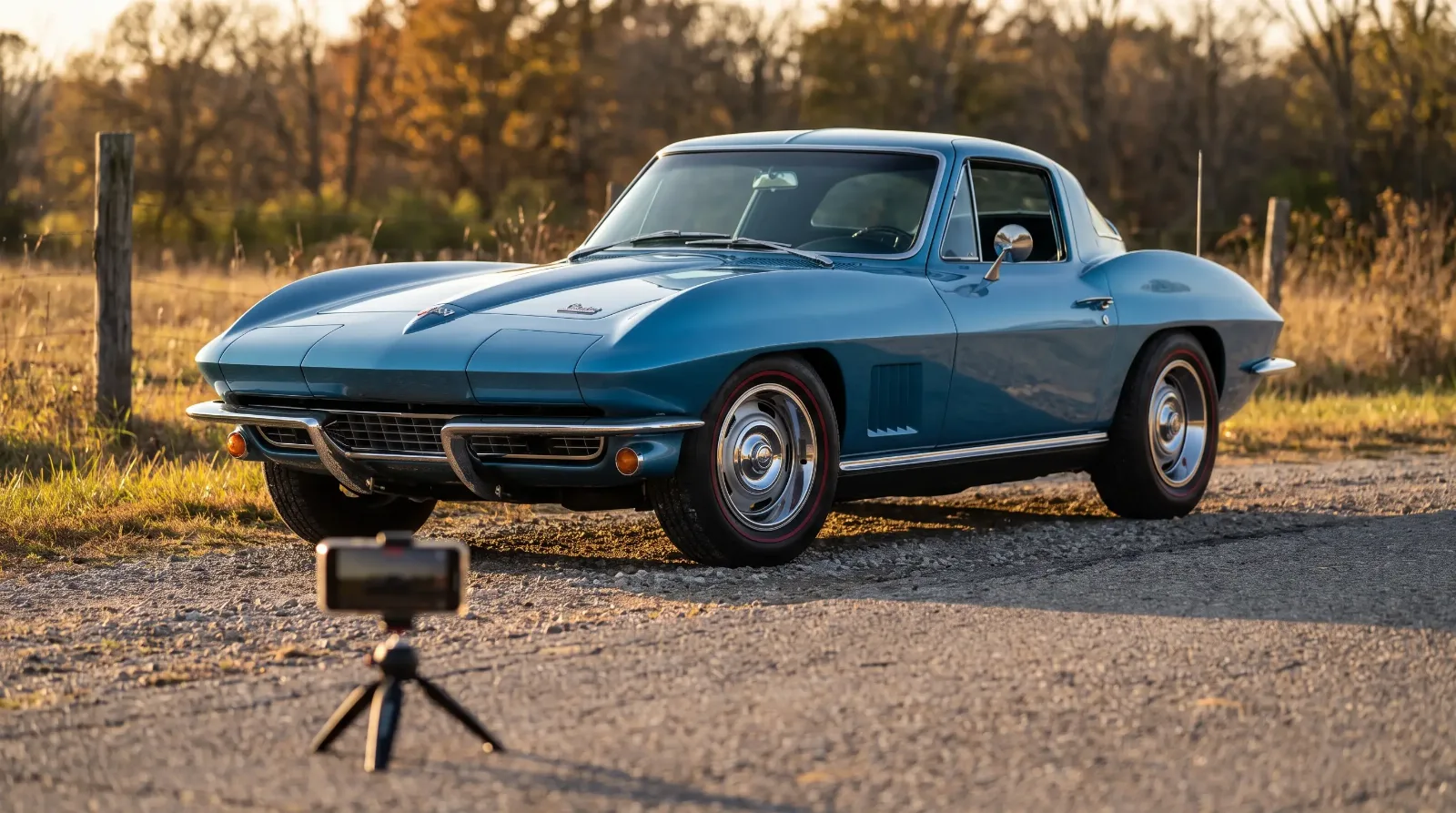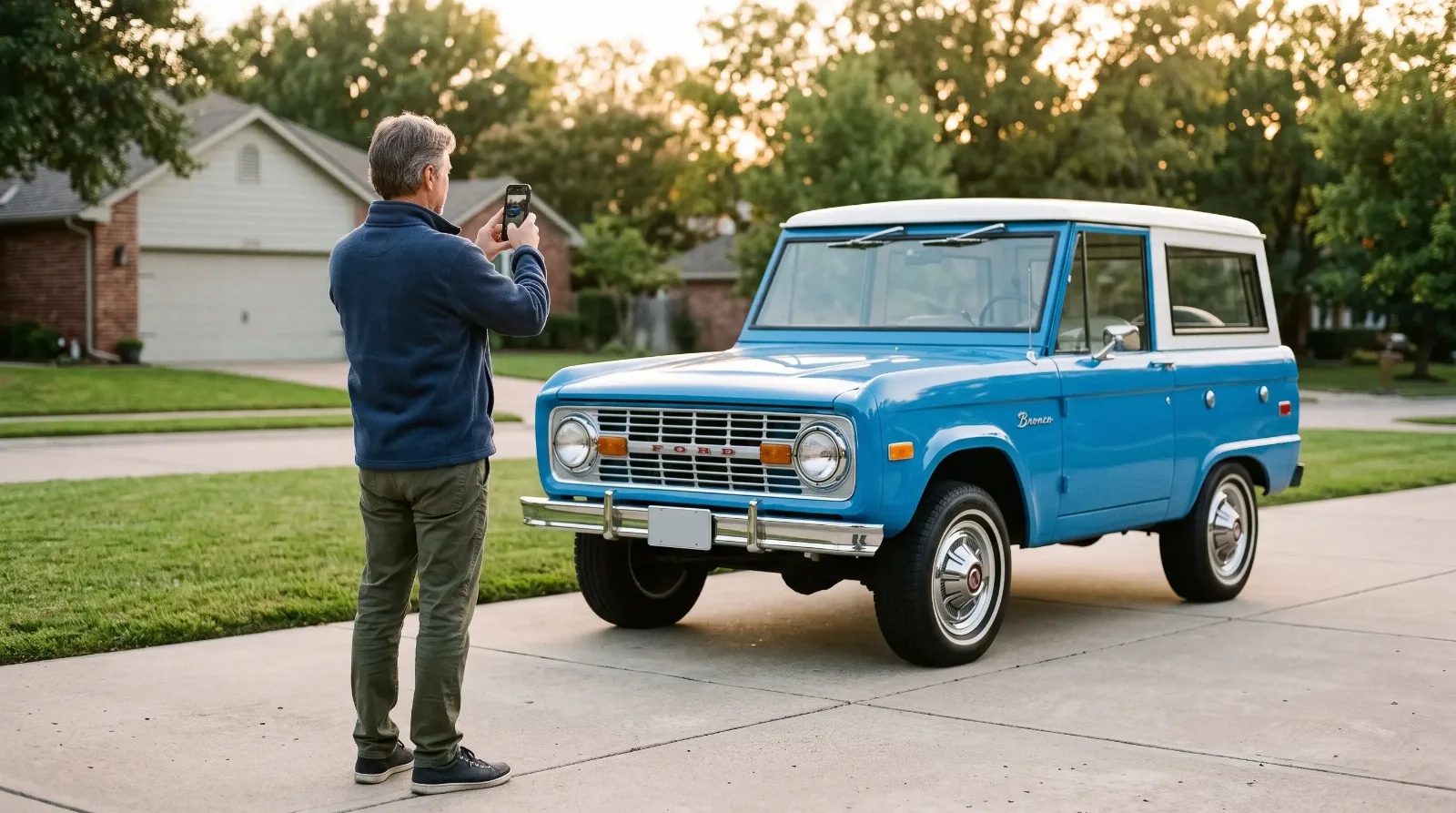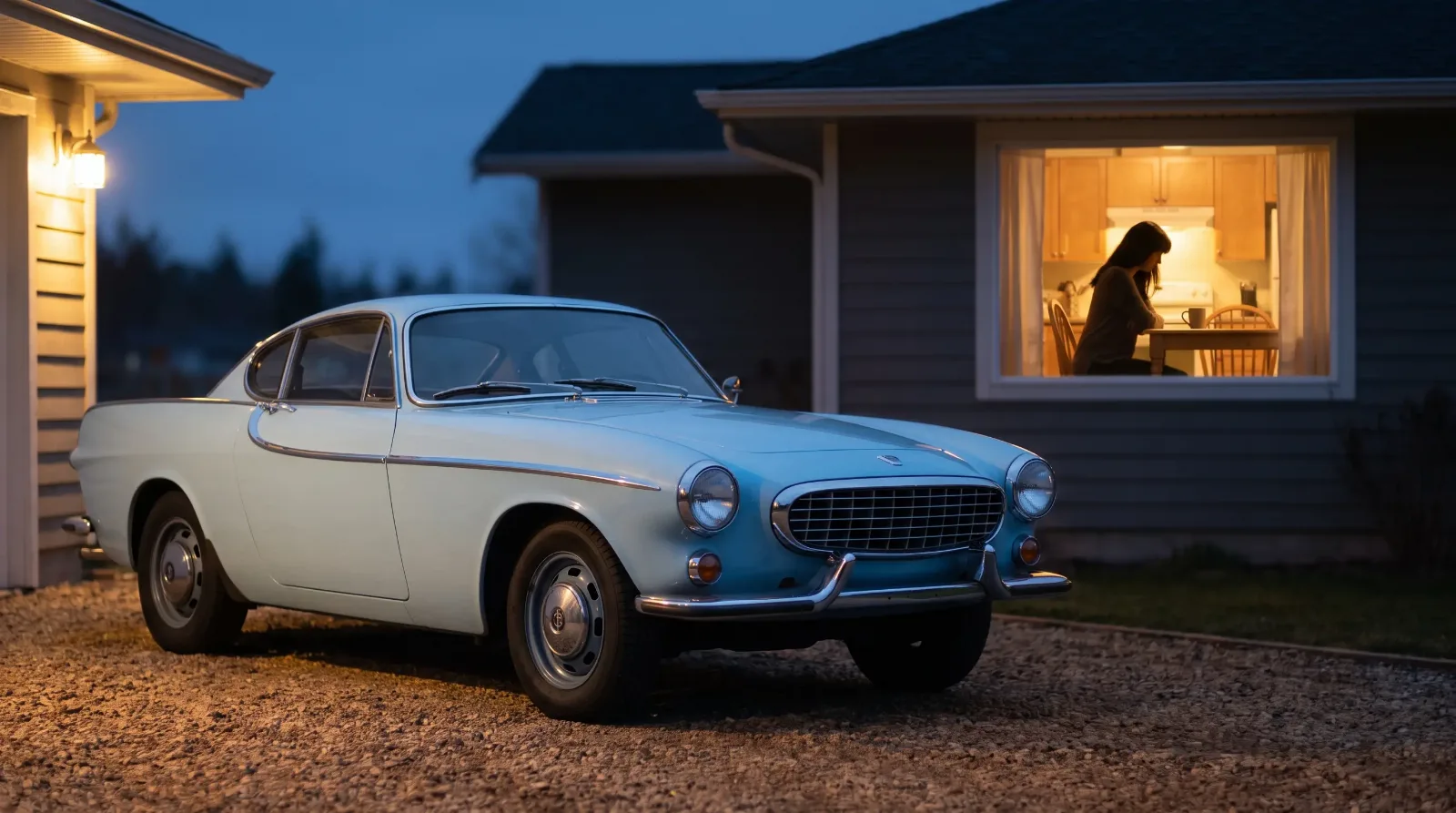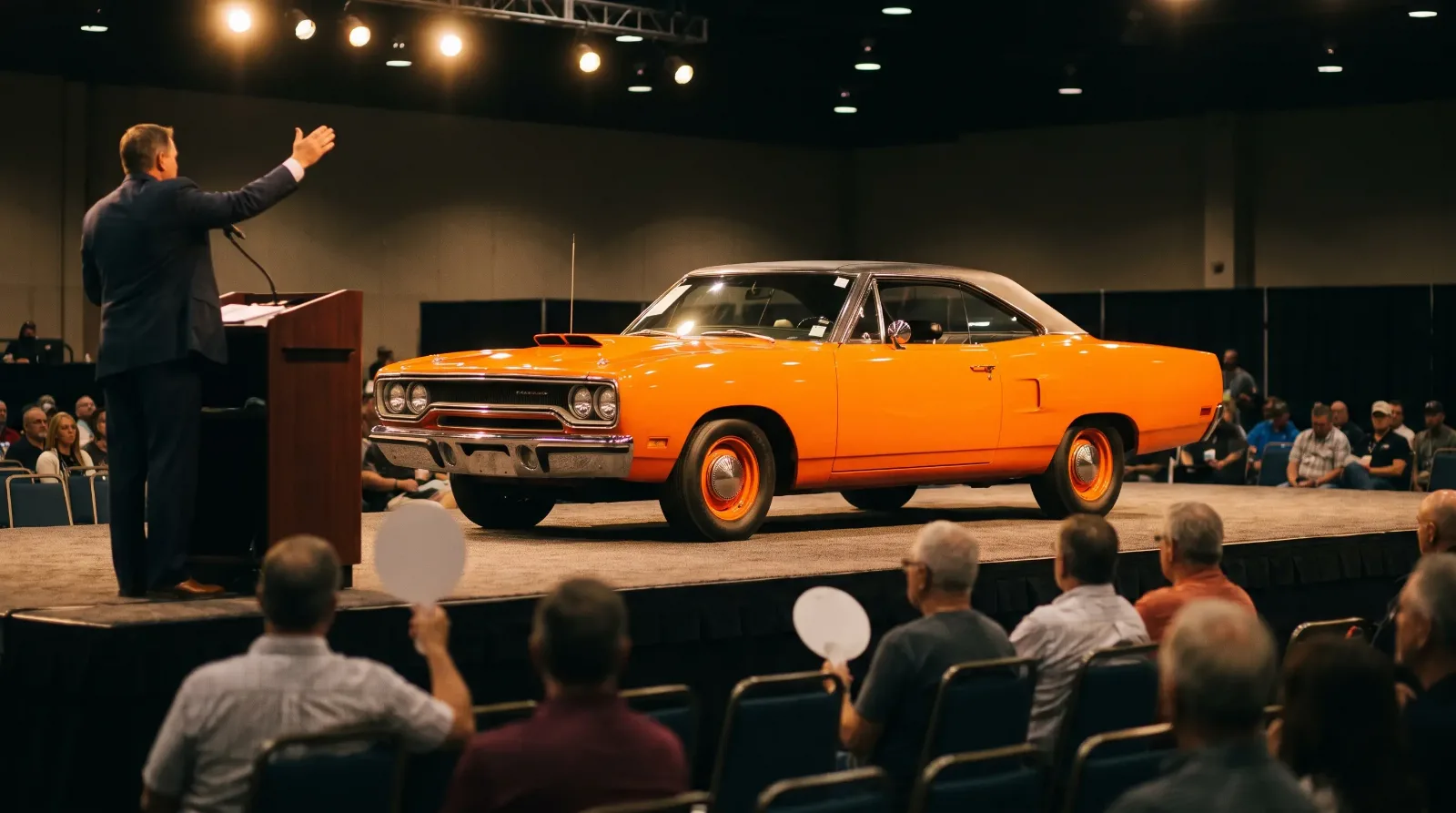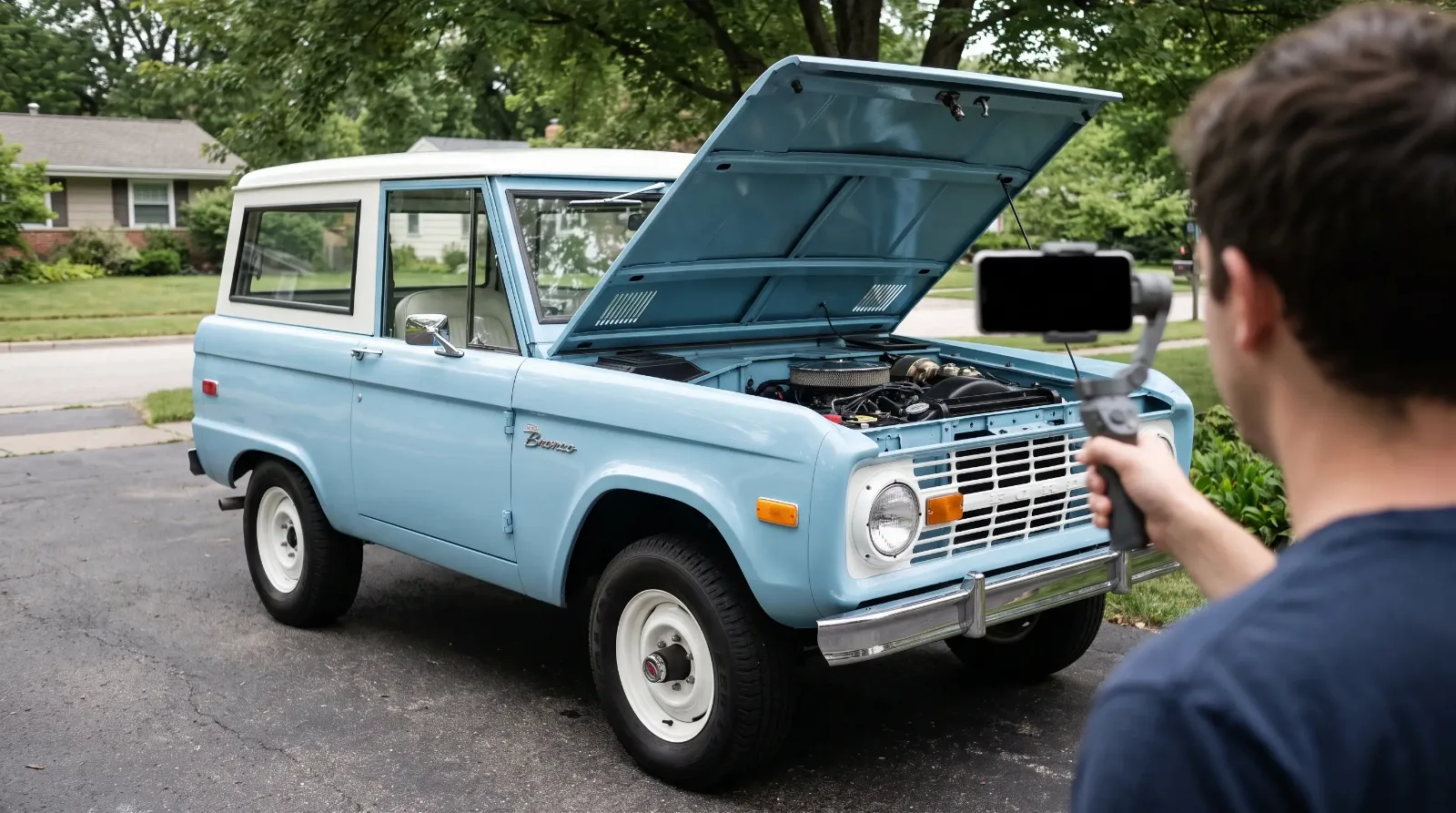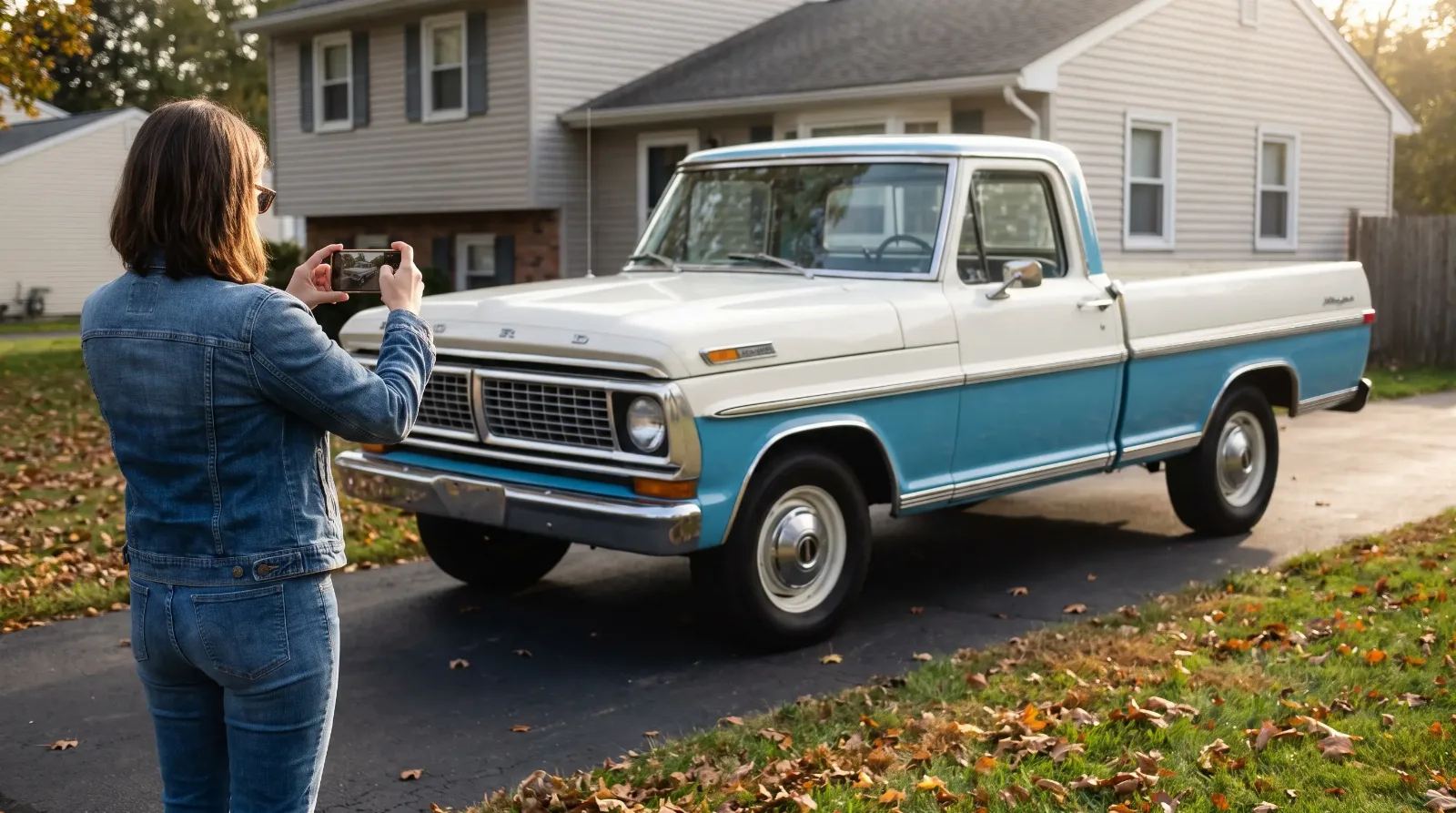
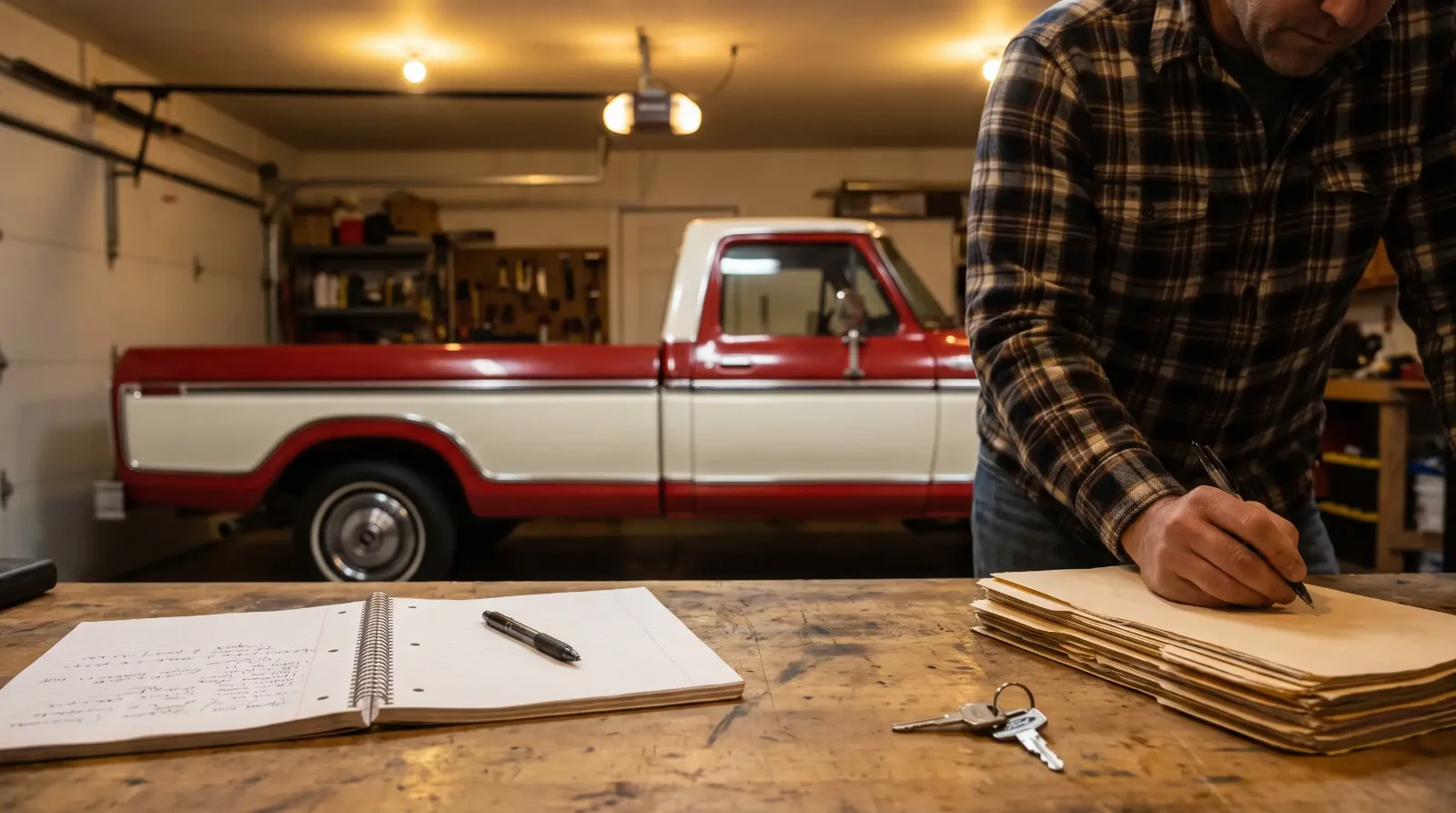
Walk the rows at any swap meet and you can read the whole history of the private car sale on the windshields. Some cars wear an index card with three words and a phone number. Others carry a full sheet in a plastic sleeve, with the engine, the miles, the work done and the one thing that still needs attention, written in a careful hand. You can probably guess which cars draw a small crowd and which ones get a glance on the way to the funnel cakes. Online, the same thing happens, only faster and with more cars competing for the same few seconds of attention.
If you are wondering what to write when selling a car privately, and especially an old one, the honest answer is less than a sales pitch and more than a spec sheet. A good listing reads like a knowledgeable friend introducing the car to someone who already loves the model. This piece is about the words only. Pricing, photos and fast replies all sit in Classic Cars Arena's how to sell a classic car faster guide, and you will want those working alongside whatever you write here.
The headline carries more weight than any paragraph
Most buyers meet your car as a single line of text under a thumbnail. That line has one job: tell the right buyer, instantly, that this is the car they have been searching for. Lead with year, make, model and the variant or body style that matters to people who follow this car. Then add the single most important fact that sets it apart. That might be the engine, the transmission, a documented history or the fact that it is an unrestored original.
"1968 Chevrolet C10 short bed, 307 V8, three on the tree, two owners" tells a truck buyer nearly everything they filter on. "Classic truck, must see!!" tells them nothing, and buyers searching a model name will not even find it. Skip the exclamation points, skip the all caps, and skip words like "rare" or "mint" unless you can back them up in the body of the listing. Enthusiasts have read thousands of these headlines. They trust the plain ones.
The facts buyers filter on
Right under the headline, before any story, give the buyer the basic facts in a tidy block they can scan in ten seconds. Year, make, model, body style. Engine and transmission, and whether the engine is original to the car if you know it. Mileage, and how sure you are of it. Exterior and interior colors. Title status. Location. Whether you will help with shipping.
Mileage on an old car deserves a word of care. The odometer on many classics has rolled over at least once, and some were replaced along the way. Write what the odometer shows and what you actually know. "Shows 61,000 miles, believed original, no documentation to prove it" is honest and useful. Claiming low miles you cannot support is the fastest way to lose a buyer at the inspection.
Title status belongs in this block too. "Clear title in my name, in hand" is one of the most reassuring sentences in any car listing, and its absence makes careful buyers nervous before they have read anything else.
Telling the car's story without the sales pitch
After the facts comes the part that makes a listing feel human. How long have you had the car? Where did it come from, and what do you know about its life before you? How has it been used: weekend drives, shows, a few trips a year to the coast? Where has it been stored? What work has been done, by whom, and when? Dates and names of shops matter more than adjectives. "New brakes and lines in 2024, receipts included" carries more weight than "lots of new parts."
Then the hard part, which is also the part that sells the car. Name the flaws. A slow leak at the rear main seal. A dash pad with a crack by the defroster vent. A driver door that needs a firm push to latch. Rust starting at the bottom of the passenger fender. Every old car has its list, and serious buyers know it. When your listing names the problems plainly, the buyer stops trying to work out what you are not saying, and the trip to see the car becomes a confirmation instead of an investigation. Point readers to the photos of each flaw, because words and pictures together are what make a buyer believe both. If you want a frame by frame plan for those pictures, the details are here.
"The listings that sell are the ones that sound like the owner is standing next to the car with the hood up, telling you what he knows and admitting what he doesn't. Buyers in this hobby are not looking for a perfect car. They are looking for a seller they can believe."
— Patrick Walsh
A listing template you can borrow
Here is a simple structure that works for nearly any classic. The example column describes an imaginary truck, so swap in your own car's details and leave out any line that does not apply.
| Section | What to include | Example line (hypothetical truck) |
|---|---|---|
| Headline | Year, make, model, variant, one standout fact | 1968 Chevrolet C10 short bed, 307 V8, three on the tree, two owners |
| Facts block | Engine, transmission, miles, colors, title, location | 307 V8, 3-speed column shift, shows 61,000 miles (believed original), red over black vinyl, clear title in hand, located in central Ohio |
| Ownership and history | How long you have owned it, where it came from | Bought from the original owner's family in 2015, garage kept since |
| Use and storage | How it is driven and where it lives | Driven about once a week in good weather, stored indoors on a battery tender |
| Work done | Major jobs, with dates and receipts | Brakes, lines and master cylinder 2024; tires 2023; receipts in a binder |
| Known flaws | Every issue you know of, plainly | Small rust bubble at the bottom of the passenger fender, radio does not work, slight oil seep at the rear main |
| What comes with it | Spares, manuals, documents, keys | Two keys, original owner's manual, box of spare trim |
| Price and terms | Asking price, firm or open, payment and shipping | Asking $[your price]; serious offers considered; happy to help arrange shipping |
| Contact and viewing | How and when to reach you, inspection welcome | Message any time; evenings and weekends for viewings; pre-purchase inspections welcome |
Put together, the body of that imaginary listing would read something like this:
"I bought this C10 from the original owner's family in 2015 and have kept it in a garage since. It is a driver, not a show truck, and I take it out about once a week when the weather is good. The 307 starts easily and pulls well, and the three-speed shifts cleanly. Brakes, lines and master cylinder were done in 2024, tires in 2023, and all the receipts are in a binder that goes with the truck. Honest list of issues: a small rust bubble at the bottom of the passenger fender, a radio that does not work and a slight oil seep at the rear main seal. All are photographed. Clear title in my name. Inspections welcome."
That is about a hundred words of body text. It answers the questions that would otherwise arrive as a dozen separate messages, and it sounds like a person.
Words that quietly cost you buyers
Some phrases do more harm than good, and most sellers who use them mean nothing by it. "Runs good" without any detail sounds like a guess. "Needs nothing" makes every experienced buyer go looking for what it needs. "Know what I have" and "no lowballers" read as a seller who will be hard to deal with, which is an odd thing to advertise. "Easy fix" about a known problem invites the obvious reply, which is to ask why you have not fixed it. Leave these out and let the facts and the photos make the case.
A listing does not need to be long, but it should be complete: if a sentence answers a question a buyer would ask, keep it, and if it only repeats how special the car is, cut it. Once the listing is live, think about where else those same words can travel. Owner groups and local marketplace feeds reach buyers who may never visit a classic car site, and if you are sharing the listing there, see this next for how to do it without breaking each group's rules.
When your words are ready, the rest is putting them somewhere buyers will see them. On ClassicCarsArena you pay one flat listing fee with no commission, the listing stays up until the car sells and the buyer pays you directly, so the effort you put into an honest description keeps working for as long as it takes. Gather your notes, your receipts and your photos, and set up a listing that introduces your car the way you would in your own driveway.
Sources and notes
- 49 CFR 580.17: exemptions from odometer disclosure (Cornell LII)
- FADA: odometer rule changes disclosure exemption from ten to twenty years
- ClassicCars.com: how to sell a classic car or truck (writing the description)
- AutoTrader.ca: documenting blemishes and damage in a used car ad
- Hagerty Marketplace: 1968 Chevrolet C10 with 307 V8 and three-speed manual