Most of us know somebody whose car changed hands because a cousin saw a post. That is still how a lot of classics find their next owner, only now the post lives on Facebook instead of a corkboard at the parts counter. If you got here by typing how to sell car on Facebook Marketplace into a search bar, you are in the right place, and we are going to walk through it the way it actually works for an old car, which is not quite the same as moving a ten-year-old commuter.
Marketplace and the groups are not a replacement for a proper listing. They are the megaphone that brings people back to it. If you are still deciding where that main listing should live, take a look at the overview of every route first. If speed is the whole goal, start here for the bigger picture. This piece stays narrow: posting, group rules, manners and safety.
Get the car ready to travel before you post
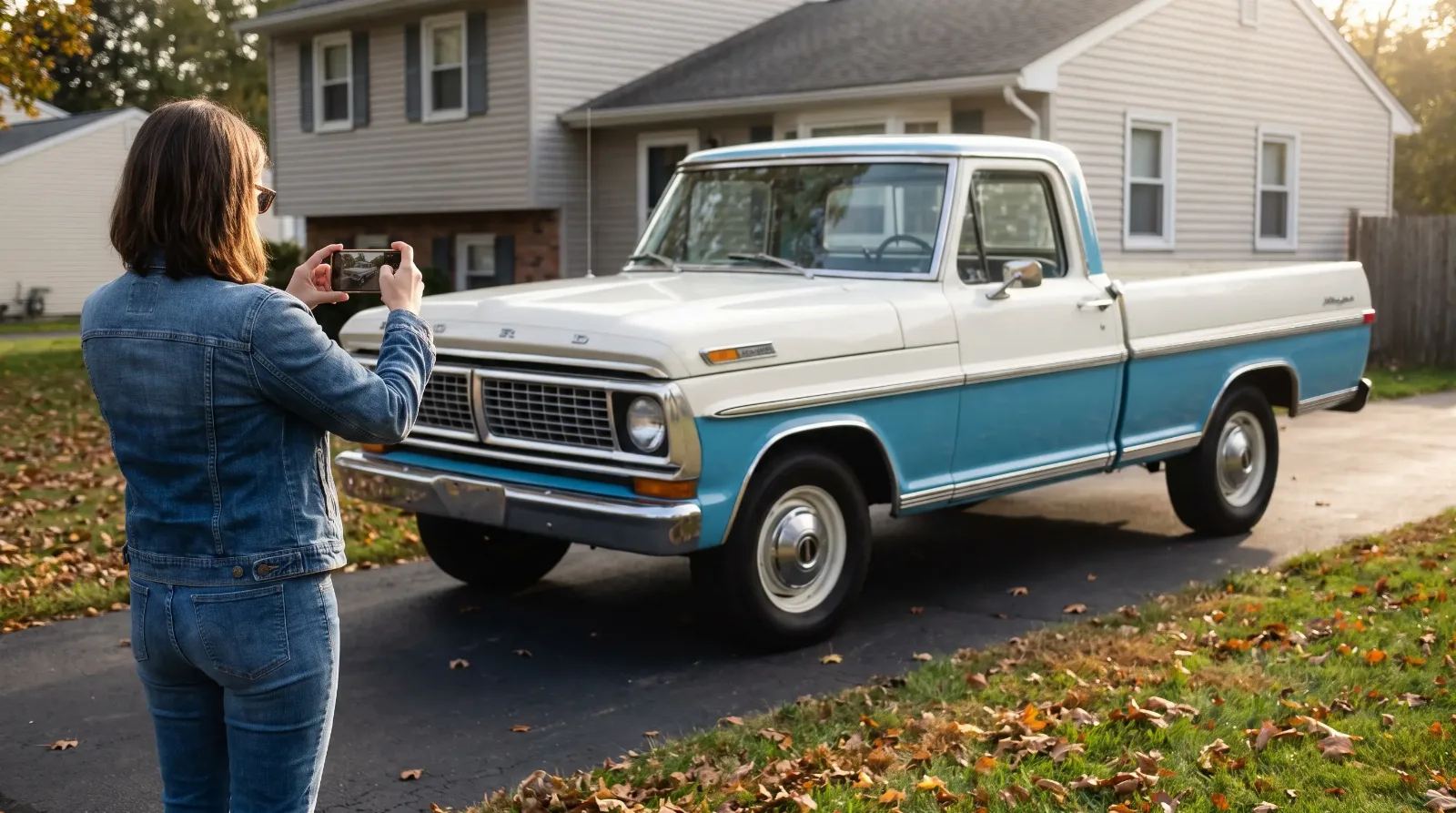
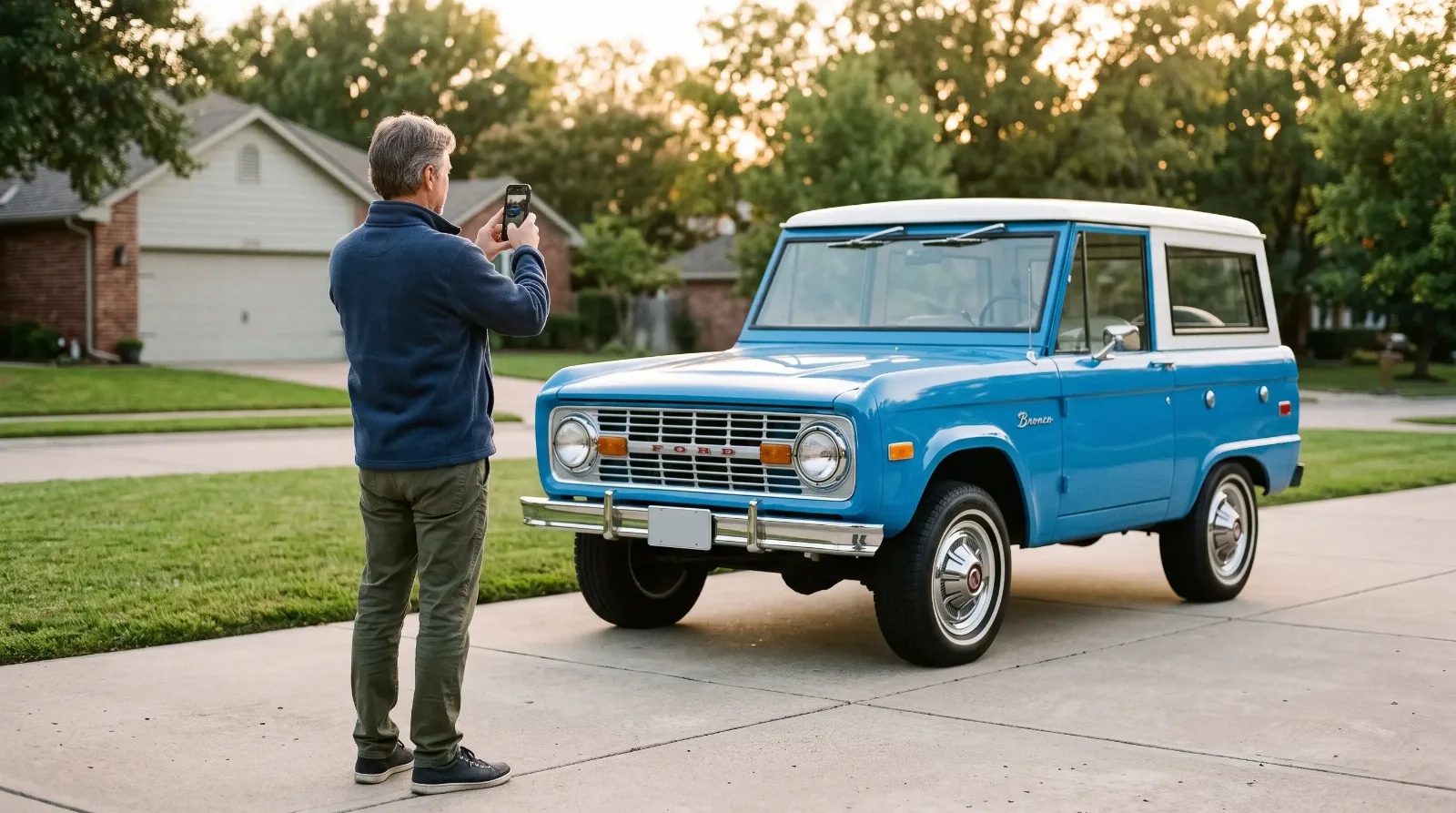
A Facebook post gets judged in about the time it takes a thumb to scroll past it. So before anything goes up, have your photos, your description and your price ready to go. Marketplace lets you add a full set of photos to a vehicle listing, but the feed shows only the first one at a glance, so your lead shot carries all the weight. Front three-quarter view, clean background, soft light, car washed. If you want the full shot list, our guide on how to take pictures of a car to sell covers every angle buyers look for, flaws included.
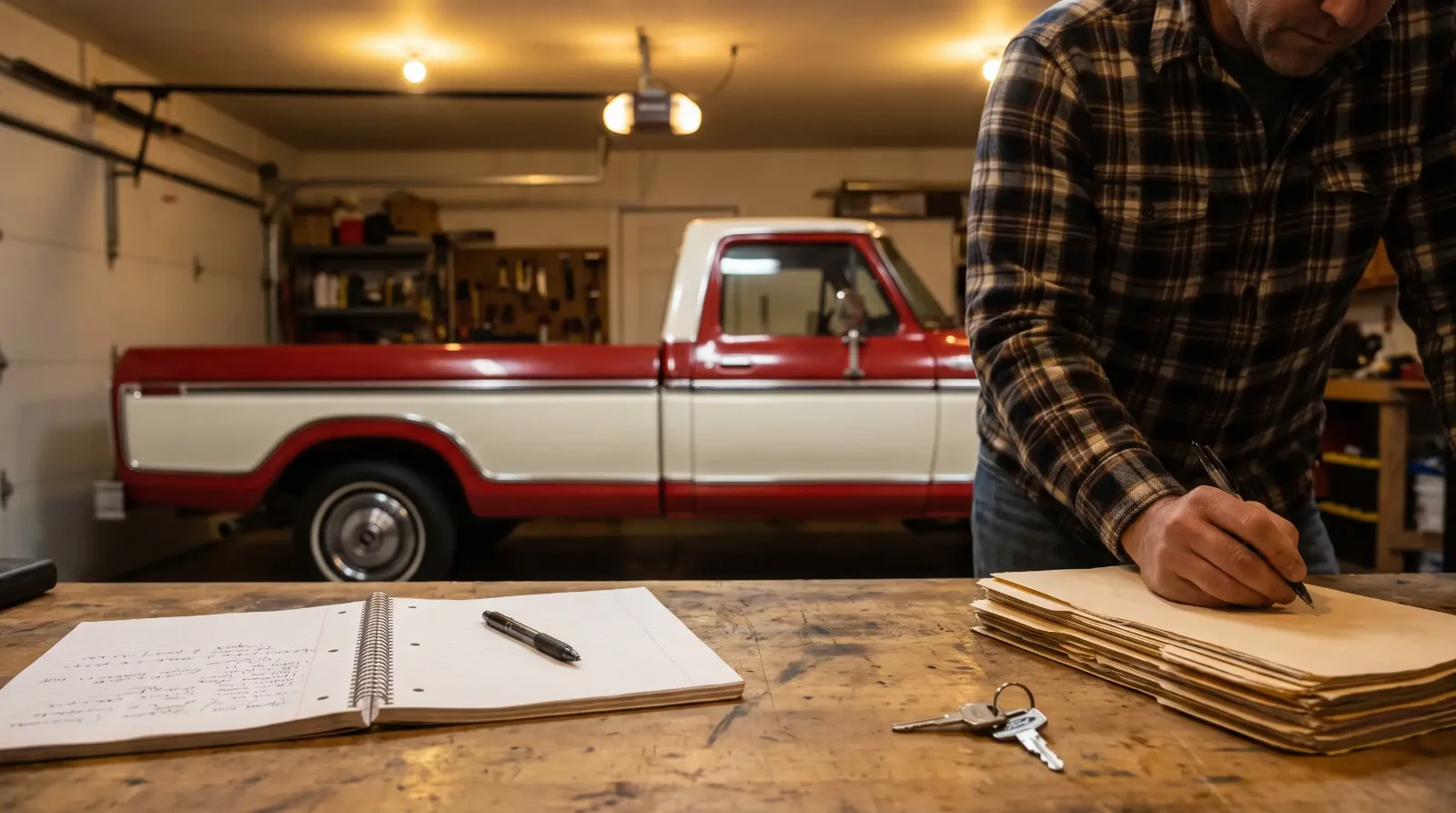
Write the description once, in a plain text note on your phone. Year, make, model, engine, transmission, mileage, title status and location go first. Then the honest story: how long you have had it, what has been done, what still needs doing. Keep a short version for Marketplace and the groups, plus the link to your full listing for the folks who want everything. That note becomes your copy and paste kit, and it keeps the details identical everywhere you post.
Then the price. Put a real number in. A "make offer" post or a one dollar placeholder price annoys serious buyers, and plenty of groups ban both outright.
Posting a classic on Facebook Marketplace, step by step
Here is the order that works:
- Pick the vehicle listing type. When you create a new listing, choose the vehicle option instead of a regular item, so the post gets the structured fields, like make, model and mileage, that buyers use to filter their searches.
- Fill in every field you can. If the menus do not offer your exact model, trim or engine, pick the closest match, then spell out the details in the title or description so searches still find it.
- Upload photos in a deliberate order. Best exterior shot first, then the other side, interior, engine bay, underside, and close-ups of the flaws.
- Paste your short description. Say whether it runs and drives, what the title status is, and whether you will work with a shipper for a buyer who lives far away.
- Set the location with care. Your town or a nearby landmark is enough. Your street address is nobody's business yet.
- Publish, then look at it on a phone. Read it the way a buyer would and fix anything that looks off.
Listing a vehicle on Marketplace is free for a local sale, and that is the main reason it belongs in every seller's plan. The trade off is the crowd. Marketplace shows your car to everybody nearby, including people who were scrolling for a used couch. Expect a pile of "is this still available" and some lowball offers, with real buyers mixed in. Your job is to sort, not to take it personally.
Sharing in classic car groups without getting kicked out
The groups are where the people who already love your kind of car spend their evenings. An owners group for your model, a regional cruise group, a page for your make or your decade. If you do not know where to begin, our rundown of classic car facebook groups explains the different types and how to tell a lively one from a dead one. Once you are in, the rules matter more than anything else you do.
Every group runs its own way, and the admins are volunteers who have seen every trick in the book. Read the pinned post and the rules section before you post a thing. Some groups only allow sale posts on one day of the week. Some require the price, the location and a minimum number of photos in the post itself. Some want a set format, like year, make, model and price on the first line. Some ban sale posts entirely and point you to a sister buy and sell group. Follow the format exactly. A post that ignores the rules gets deleted, and a member who keeps doing it gets removed, quietly and for good.
Manners count too, maybe more than people expect. These groups are communities. The members know each other, they remember who was decent, and they talk.
One more thing. Never argue with the guy in the comments who says your price is high. Thank him and move on. The buyer is reading that thread too, and he is deciding what kind of person you are to do business with.
"A good group is a car club that lives in your pocket. Treat the people there the way you would treat them at a show, with respect and some patience, and they will help you sell the car. Treat it like a billboard and they will show you the door."
— Hector Morales
Staying safe when strangers start messaging

Here is the part nobody likes to talk about. Facebook brings real buyers, and it also brings people who were never buyers at all. The scams aimed at sellers follow a few patterns.
Be careful with anyone who wants to buy without asking a single question about the car, who offers more than your asking price, who wants to send a cashier's check for extra and have you wire back the difference, or who asks you to read them a verification code that was just texted to your phone. That last one is an attempt to take over your number or your accounts, and no real buyer ever needs it. Keep the conversation inside Messenger until you have a feel for the person, and hold back your home address until a visit is actually on the calendar.
For the visit, meet in daylight, have a friend or family member with you, and keep the title in a drawer until the money is real. Before a test drive, look at the license and ride along. When it comes time to talk about payment, slow everything down.
The safest moves are the boring ones. A wire you confirm with your own bank has landed, or a cashier's check you verify by calling the issuing bank at a number you looked up yourself, not the one printed on the check.
Keeping the post alive and closing it out
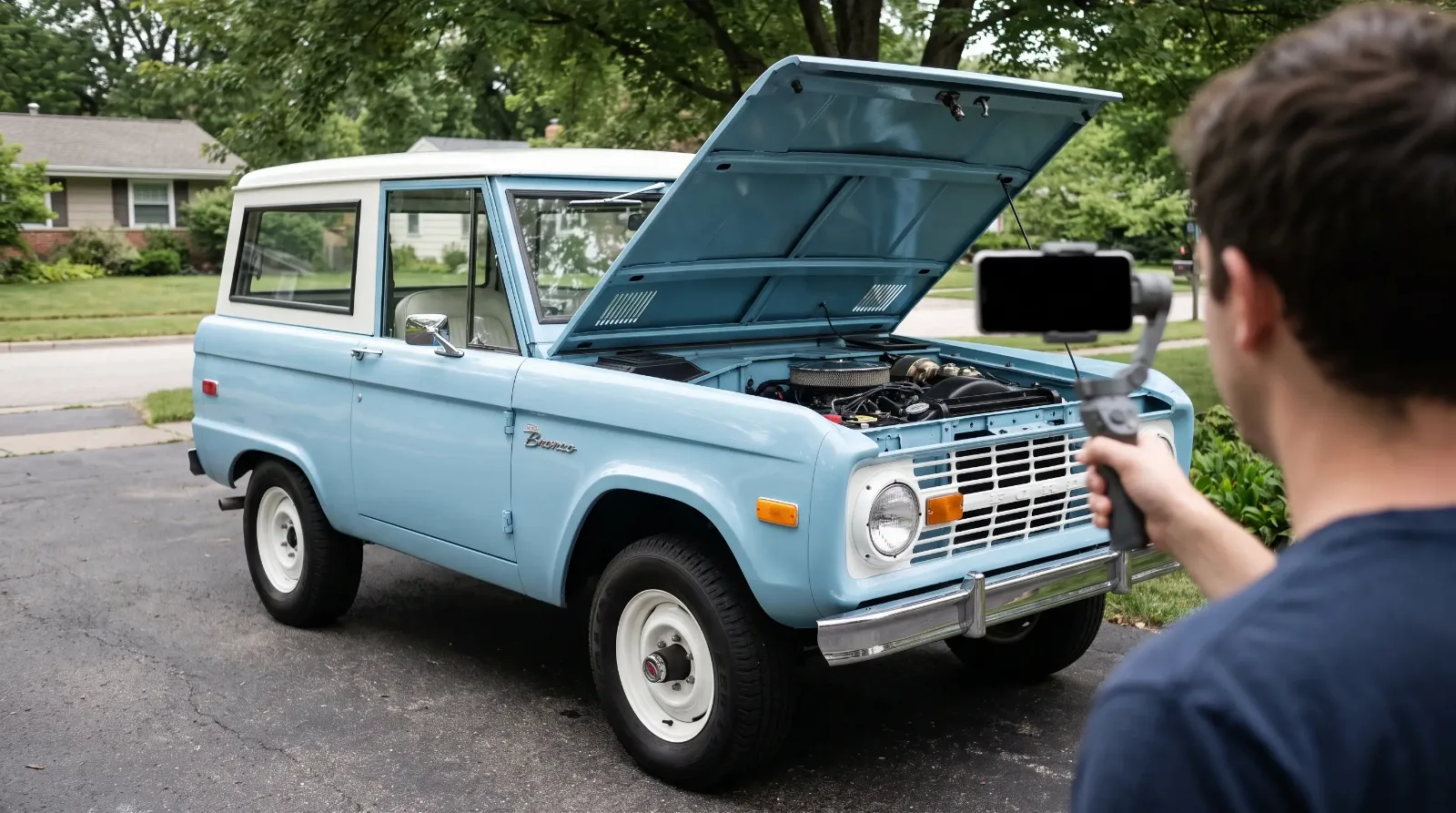
A Marketplace listing slides down the feed fast. If a week goes by with no serious bites, freshen it up: a new lead photo, a sharper first line, a cold start clip if you did not have one. Marketplace often offers a renew option on older listings so they surface again, though Meta does not publish fixed rules for when it appears, and in most groups you can bump the post with a comment if the rules permit. When you change the price, say so plainly in the update. People notice, and they respect a seller who is straight about it.
When it sells, mark it sold everywhere: Marketplace, every group, the main listing. Thank the group. Your name in those circles is worth something the next time you have a car to move.
If you want the full version of your car's story to live somewhere built for classics, with every photo and one clean link you can drop into every one of those posts, you can list it in a few minutes on ClassicCarsArena for one flat fee with no commission, and it stays up until the car sells. Then let Facebook bring the right people to your door.
Sources and notes
- TechCrunch: Facebook launches Marketplace for cars, with make, model and mileage filters (2017)
- Meta Transparency Center: Community Standards on spam
- Autobook: what happens when you renew a Marketplace car listing
- FTC: the Google Voice verification code scam aimed at online sellers
- FTC: how to spot, avoid and report fake check scams