
The car comes home from the paint shop on a flatbed, and for a minute nobody speaks. The color is deeper than you remembered, the reflections run all the way down the fender without a break, and the garage light seems to sit on the surface like water. Then comes the instinct to polish it, wax it, drive it, show it. Resist all of it for a while. The first weeks of a new finish decide how it will look in ten years.
Restoration & Tech
6 min read
Caring for Fresh Paint: Curing, First Wax, Coatings
What to do in the first weeks after a classic car paint job: cure time, safe washing, the first wax, ceramic coatings and mistakes to avoid.
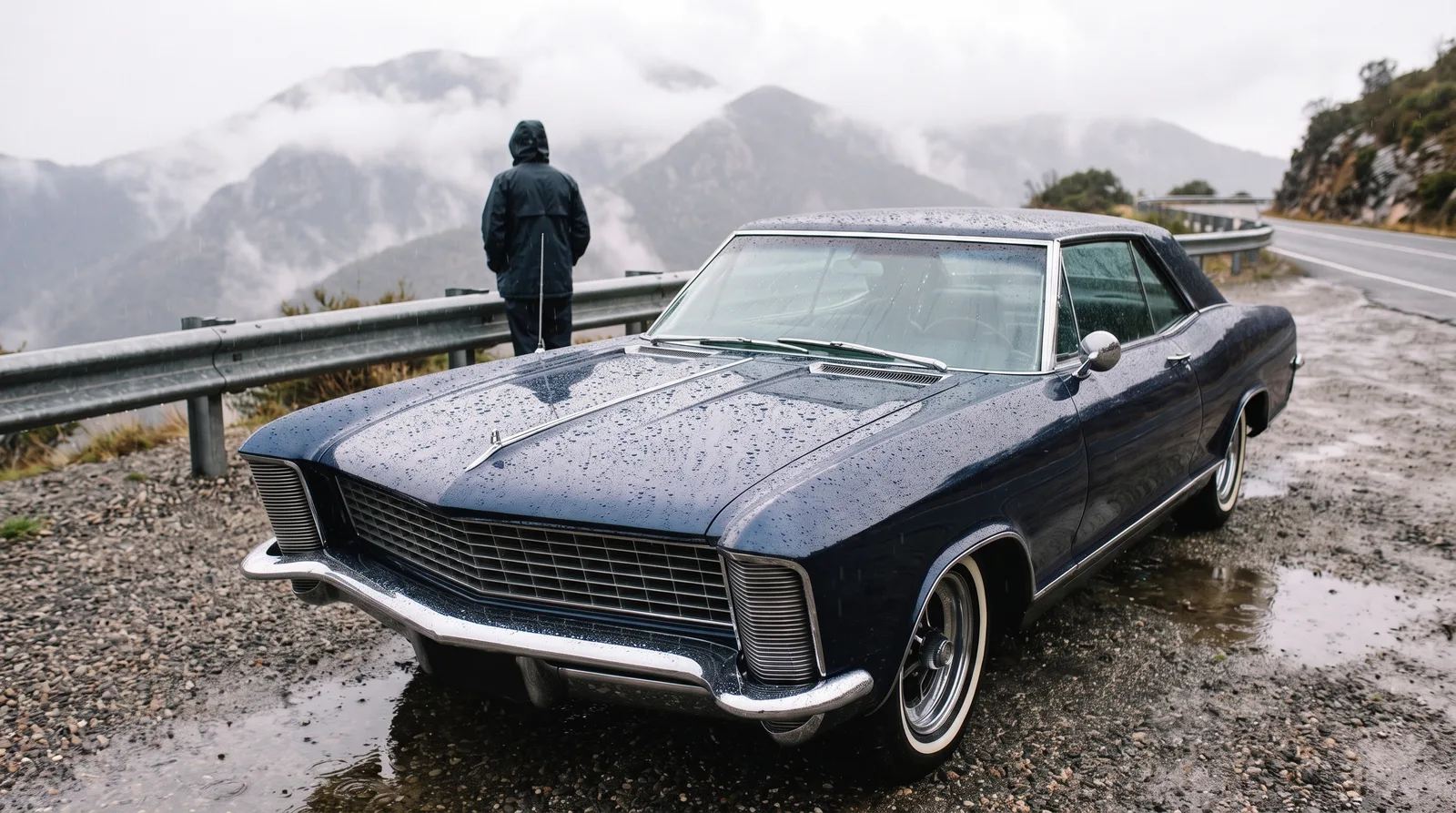
Why new paint is not really finished
A fresh paint job feels dry to the touch long before it is chemically done. Solvents are still leaving the film, and the paint is still hardening through its depth. Modern two part urethane systems generally need less waiting than old lacquer or single stage enamel, but all of them keep changing for a while. During that time the surface is softer than it will ever be again, which means it marks easily and does not tolerate waxes, sealants, or tight car covers that trap moisture.
Your painter is the authority on cure time, because it depends on the system, the temperature at spray time, and whether the car was baked. As a rough guide, advice runs from about a month to two months or more before the first wax, and the longer end applies to lacquer or enamel that was not baked. When the shop's advice and a forum post disagree, follow the shop, and ask for the paint product sheet in writing.
The first month
Treat the car like something fragile and make it simple. Ask your painter when the first wash is safe, since some guides say to wait a couple of weeks. After that, wash it by hand with cool water and a very mild, pH neutral soap, using a clean microfiber mitt and plenty of water. Do not use a pressure washer close to edges and seams, since the stream can lift a soft film. Skip automatic car washes entirely, because brushes and recycled chemicals mar new paint badly.
Park inside when you can. If the car must sit outside, keep it out from under trees, since bird droppings and sap contain acids that etch soft paint within hours. Remove them quickly with a damp cloth, soaking first rather than rubbing. A car cover is worth it only if it is clean, soft, and breathable, and only after the paint has hardened. A cover that traps moisture can leave marks.
The first wax, and what happens after cure
Once the paint has hardened, the first polish and wax is the moment to bring up the final gloss. If the painter left slight orange peel or dust nibs, they can be leveled by wet sanding with very fine paper and then buffing. This is skilled work, because modern clear coats are thin, and an enthusiastic buffer can burn through at edges and body lines. Ask whether your painter will do it or whether a detailer you trust should.
When you move to protection, the choice is mostly between natural carnauba wax, synthetic sealant, and a ceramic coating. Carnauba gives the warm, deep look many classic owners prefer and needs reapplying every few weeks to a couple of months. Sealants last several months, in some cases up to a year, and are easy to use. Ceramic coatings form a hard, thin shell and can last years, but they cost more and should not go on until the paint is fully cured, usually 30 days or longer, and many installers say longer for paint that was not baked. Coatings are not scratch proof, whatever the marketing says, and a poorly prepped coating locks in any defect beneath it.
| Protection | Typical wait after paint | Lasts about |
|---|---|---|
| Carnauba wax | Several weeks to a few months | A few weeks to a few months |
| Synthetic sealant | Several weeks to a few months | About 4 to 6 months, sometimes longer |
| Ceramic coating | 30 days or more | 2 to 5 years |
| Paint protection film | Per installer, often 30 days or more | Roughly 5 to 10 years, depending on film grade |
Show season and daily use
If you plan to show the car, be careful about transport. Open trailers throw road debris, and enclosed transport is worth the money for a car with a new finish. Fresh paint also shows every fingerprint and swirl, so keep a quick detailer and microfiber towels in the trunk and use them gently.
Think about what you want the paint to be. A concours finish is a different thing from a driver finish, and both need different care. The numbers behind them are covered in our breakdown of what a paint job costs, which also shows why protecting a good job is cheaper than redoing it. For a broader view of the process, see the paint and bodywork guide.
"Patience is the cheapest product in the detailing aisle. Wait for the paint to finish curing and almost everything else gets easier."
Nora Beckett
Common mistakes to avoid
A few mistakes cause most damage. Waxing too early can interfere with the paint's final cure and may leave the film cloudy. Washing in direct sun leaves water spots that bake into soft paint. Using dish soap strips protection, and household cleaners can stain. Parking under a tree "just for a day" is how many new finishes get their first etched mark. And the quickest way to ruin a perfect paint job is to let a friend dry it with a bath towel.
Finally, keep a record. Note the paint code, the product line, the date, and the painter's cure advice. When the car is sold, those details are part of the story, and buyers browsing freshly painted classics are reassured by a clear paper trail.
Sources and notes
- Best practices for PPF, wraps or ceramic coating on a freshly painted car, waiting at least 30 days before protective coatings
- How to care for your newly painted car, first-weeks washing, sap and bird dropping advice, and waiting before wax or film
- Dr. Beasley's, waiting after PPF before ceramic coating, film cure time depends on the product, so ask the installer
- Chemical Guys, does wax protect car paint, carnauba versus synthetic sealant durability and layering
- Garware, ceramic coating vs wax vs sealant, typical wax, sealant and ceramic lifespans and the difference from PPF
- How long does paint protection film last, PPF lifespan by quality tier
Related Reading
Have a
Classic Car
for Sale?
Reach thousands of serious classic car collectors across the US.
Sell It Here →
Selling a classic? Here's how: compare the places to sell classic cars
Are You a Classic Car Dealer?
List your full inventory and connect with targeted classic car buyers.
Join as a Dealer →

About the author
Nora Beckett
Automotive features writer and photographer who tells the human stories behind the cars, from show fields to cross-country road trips.
More in Restoration & Tech
Comments
Be the first to comment on this article.