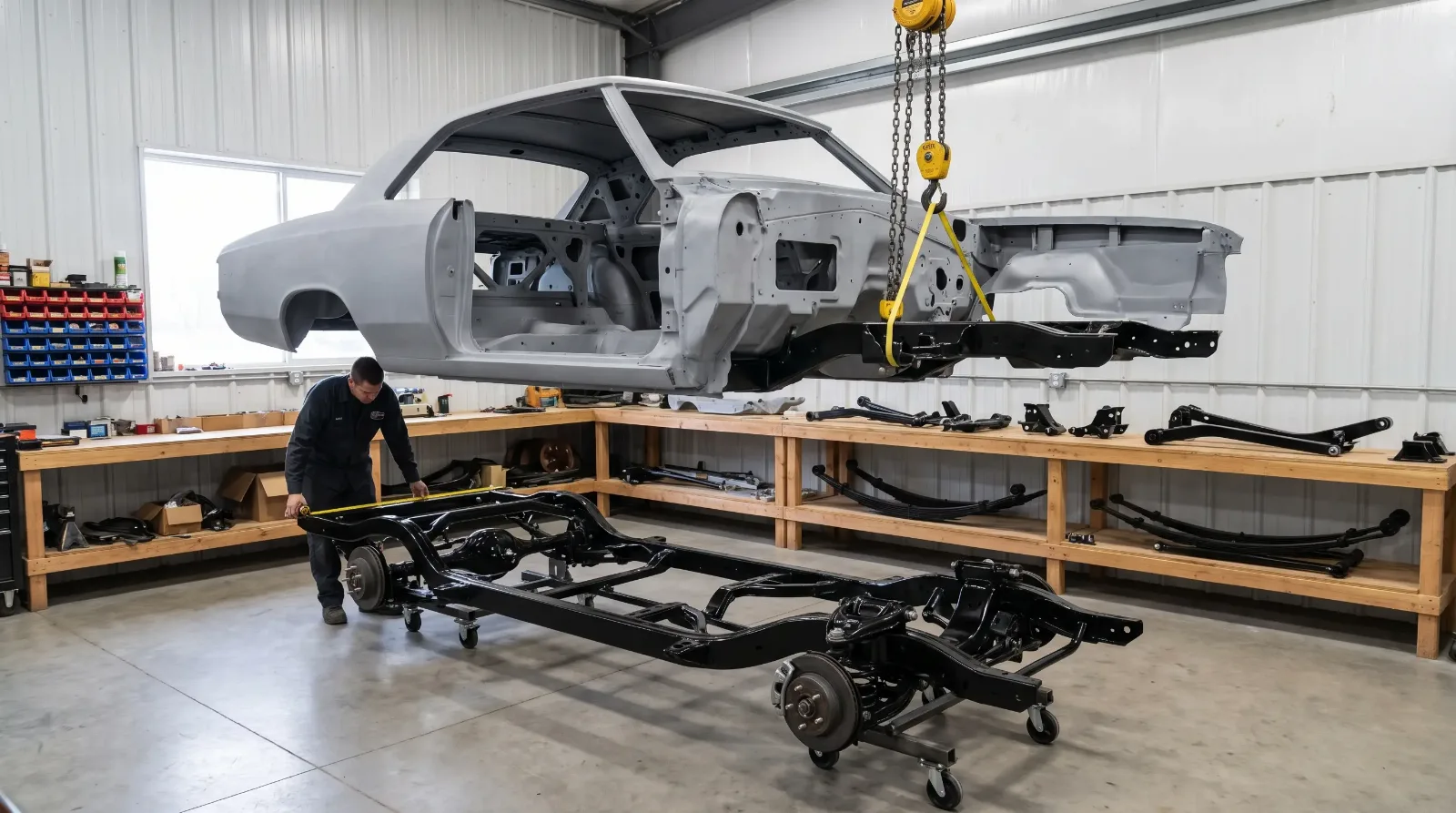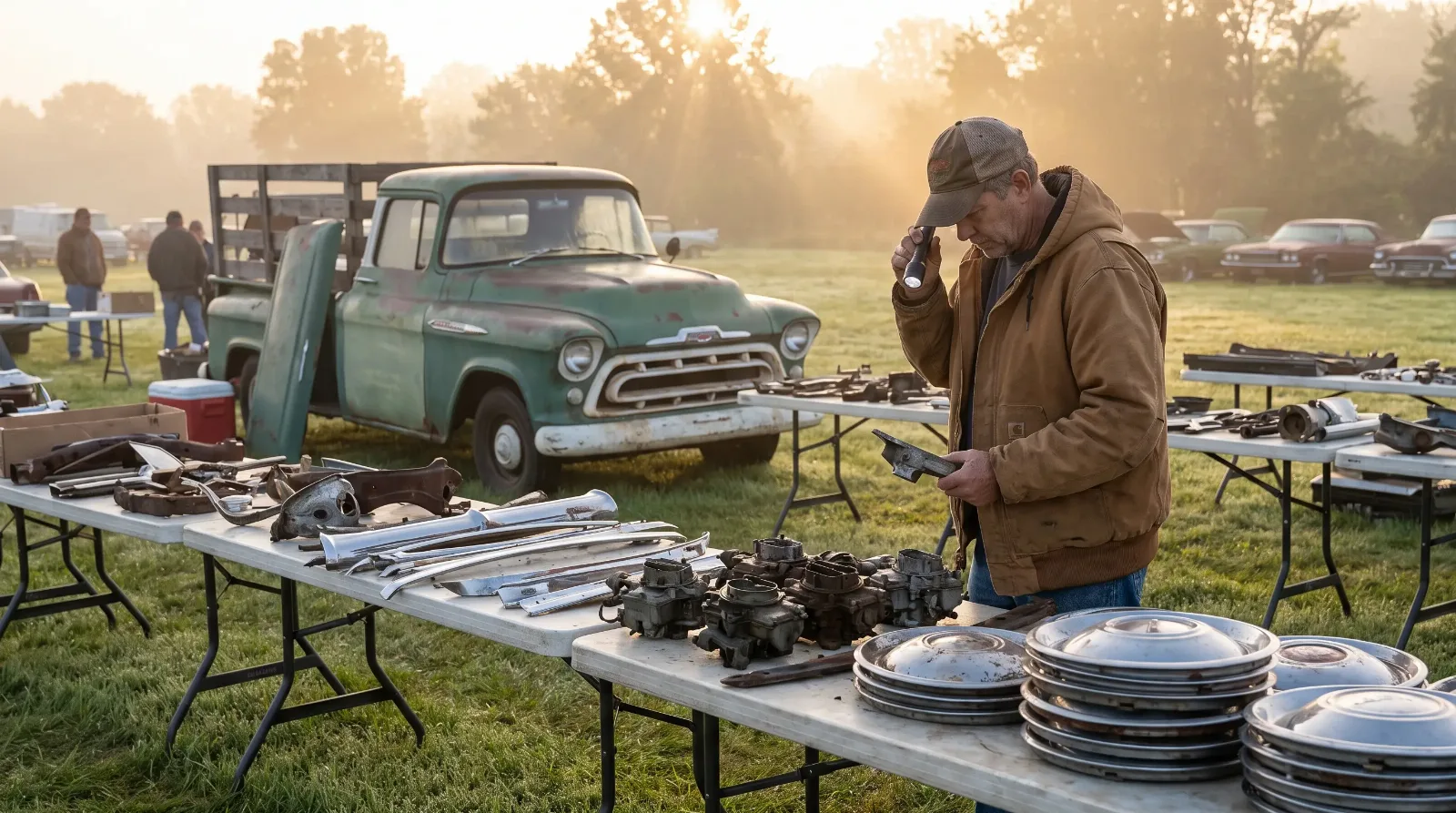
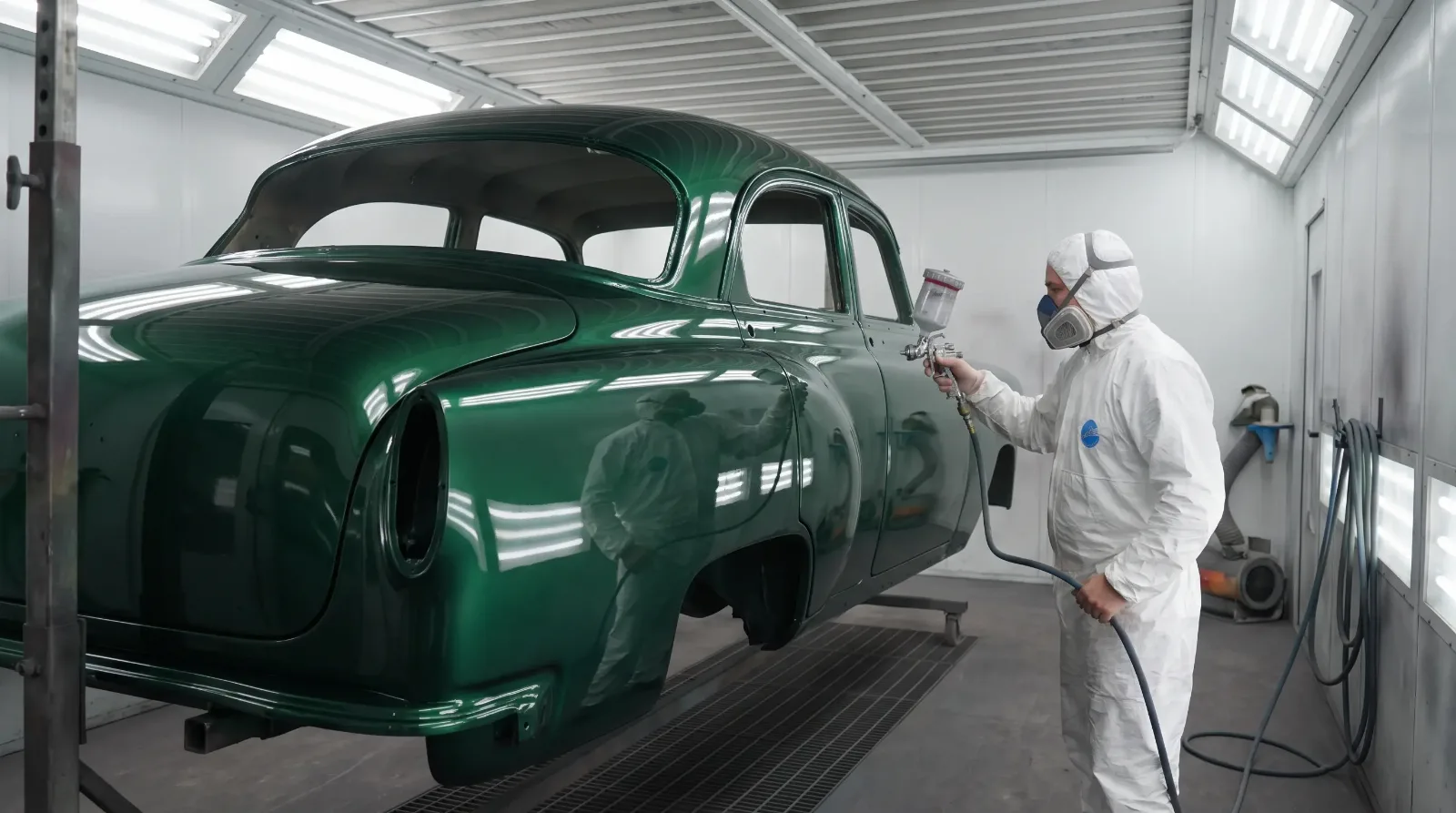
Ask five shops what a classic car paint job costs and you will get five numbers that do not overlap. That is not dishonesty. It is the nature of the work. The paint itself is a small slice of the invoice, and the real spread comes from how many hours of metal and surface prep sit underneath it. I have watched collector car sales for two decades, and the cars that bring strong money all share one trait: the prep was done once, correctly, and the paint went on top of it.
Here is how the market breaks down in 2026, what drives each tier, and where buyers get burned.
The four tiers of paint work
Quotes cluster into four rough tiers. The ranges below are US shop pricing for a typical mid-size American coupe or sedan, and they move with region, shop reputation, and how much body repair the car needs.
| Tier | What you get | Typical range | Labor hours |
|---|---|---|---|
| Scuff-and-shoot | Sand the existing finish, mask, spray a single stage color. Trim stays on the car. | $2,000 to $7,500 | Relatively few, mostly masking and scuffing |
| Driver quality | Minor dent and ding repair, primer, base coat and clear, some trim removal. | $10,000 to $20,000 | Several hundred, most of it prep |
| Full bare-metal | Old finish stripped to metal, panels straightened and block sanded, jambs painted, trim off. | $20,000 to $40,000 | Several hundred, more as bodywork grows |
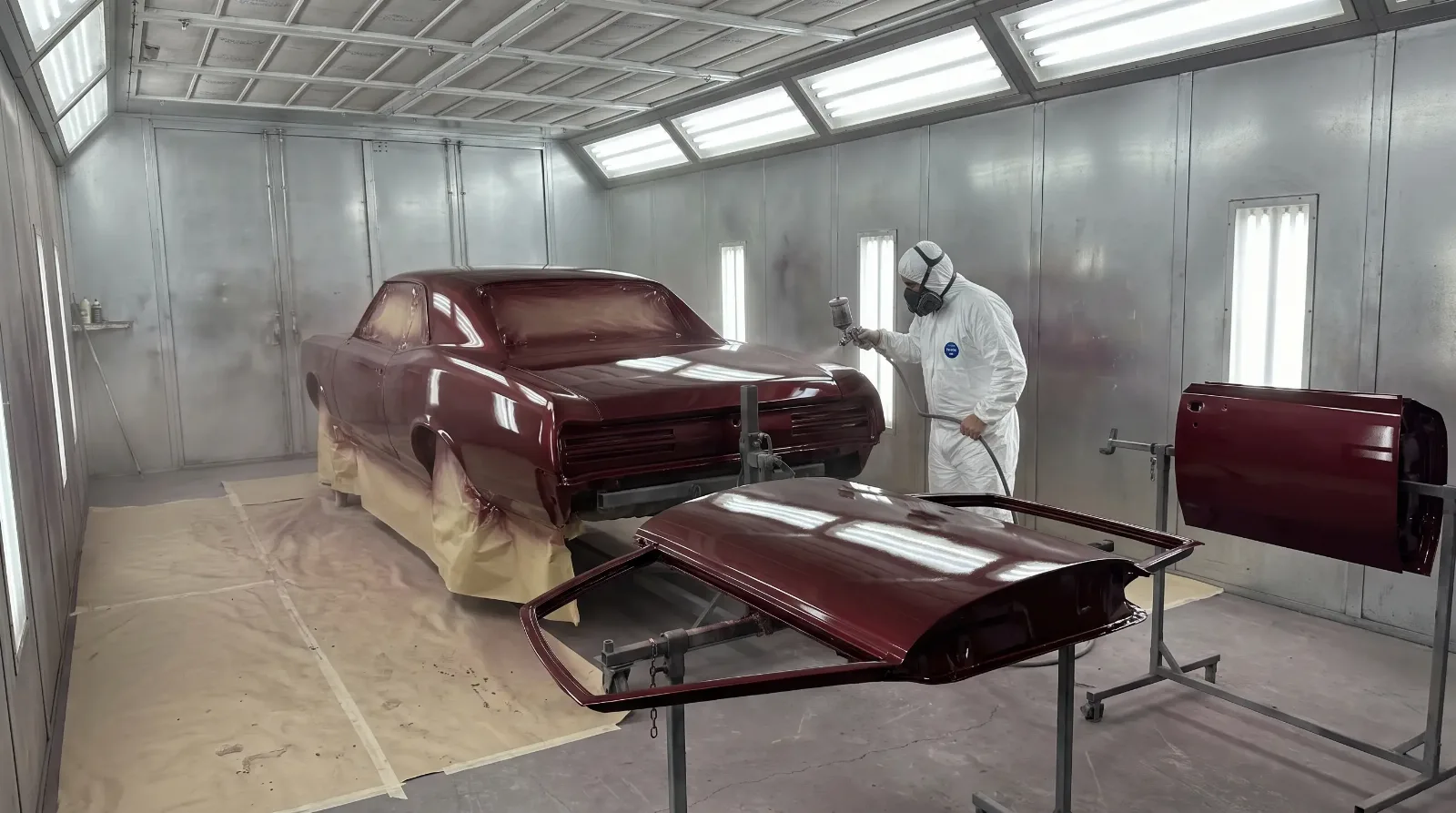
| Show or concours | Metal finished or leaded, multiple clear coats, color sanded and buffed, everything disassembled. Candy and flake finishes start around $25,000 and often run far higher. | $40,000 to $80,000 and up | Often well beyond a quality driver job |
Treat those as ranges to calibrate a quote, not as a price list. A shop that quotes the show tier at the driver tier price is either cutting prep or planning to find "extras" once the car is apart.
Why labor is most of the bill
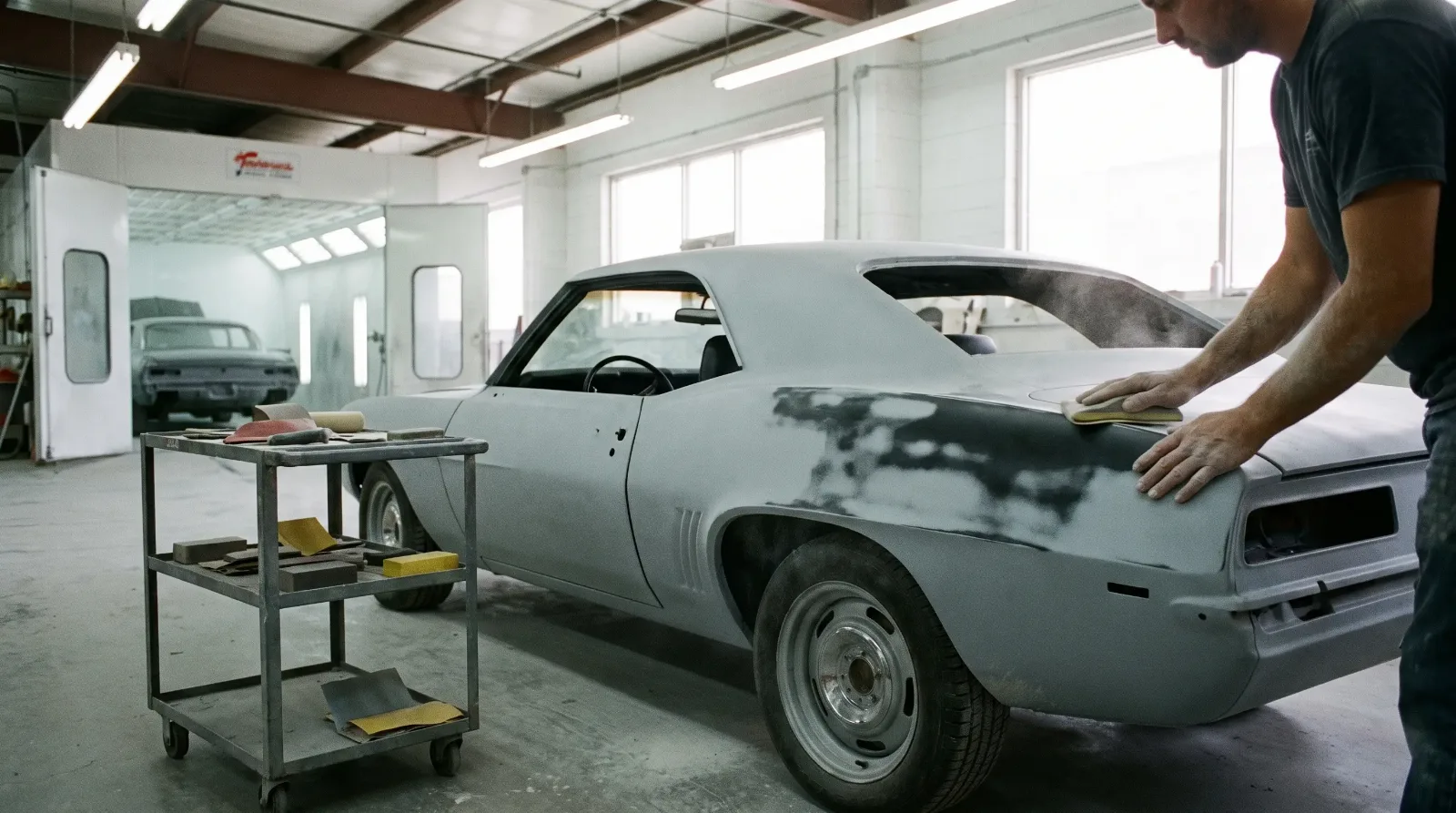
On a quality job, materials are a minority of the total. Primer, sealer, base, clear, sandpaper, masking and consumables add up, but a gallon of premium urethane clear is not what separates a $10,000 job from a $35,000 one. Hours do. Block sanding a full-size body to a true surface is slow, repetitive work, and it is done in rounds: prime, guide coat, block, find the lows, fill, prime again.
The shop rate matters too. Body labor at a reputable restoration facility commonly runs about $85 to $150 an hour, with about $125 typical and concours specialists charging more, in some cases up to roughly $225. If you are comparing quotes, ask for the estimated hours by phase: disassembly, metalwork, prep, paint, reassembly. A quote that is one line and one number tells you nothing.
What pushes the price up
Four things move a quote more than the paint color or brand. The first is the condition of the metal. Rust repair and panel replacement are billed separately from paint on most estimates, and a car that needs rockers, floors or quarter panels can add a large amount to the project. The second is whether the body is being removed from or kept on the chassis, and whether glass, chrome and trim come off. Painting around trim is faster and cheaper. It also leaves an edge that judges and sharp-eyed buyers can see.
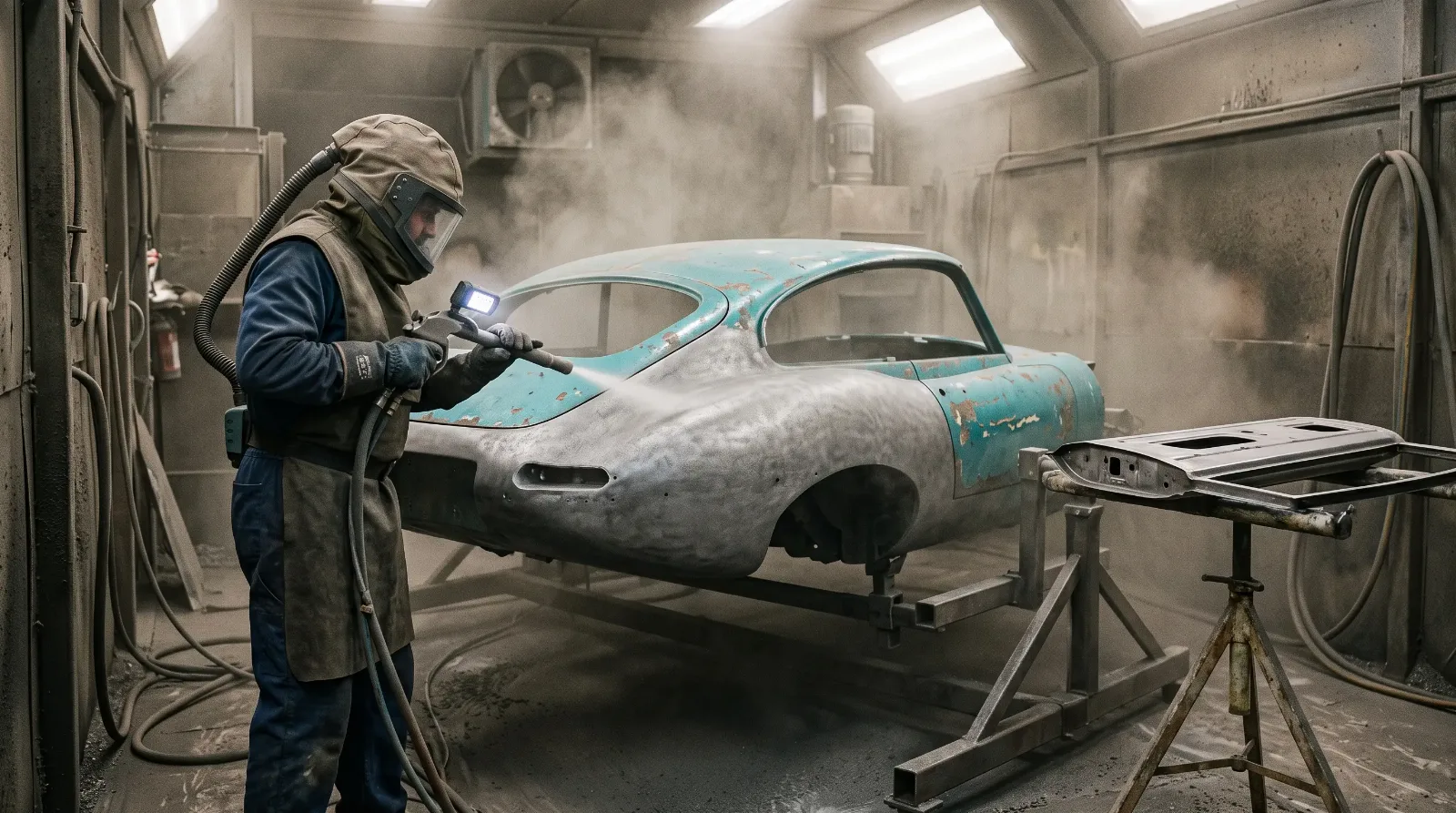
The third is paint type. A single stage enamel or urethane is the cheapest route and is correct for many older cars. Base coat and clear is today's standard system and costs more. Candy, pearl and tri-coat colors add material and spray time. The fourth is stripping method. Taking the car down to stripping to bare metal adds a line item that commonly runs $1,500 to $5,000 for an empty shell depending on the car and the method, and older paint may add a disposal charge, but it is the only way to know what is under there.
"The cheapest paint job is the one done right the first time. I have seen owners spend $6,000 on a quick respray and then $20,000 two years later undoing it."
David Mercer
Does paint spending come back at sale?
Rarely dollar for dollar. At auction and in private sales, a fresh paint job on a car with unknown history earns less credit than buyers expect, because nobody can see what is under it. A documented repaint with photos of the prep, receipts and a named shop is a different story. That paperwork is the difference between a buyer paying for paint and a buyer discounting for suspicion.
The better frame is the total restoration cost. Body and paint is one of the largest line items in a full restoration, and it makes sense to spend it once the metal, panel fit and structure are right. Painting first and fixing later is how money gets wasted. On a driver, the scuff-and-shoot or driver tier is often the rational choice. On a car you intend to show, plan for the top two tiers or do not start.
How to get a quote you can trust
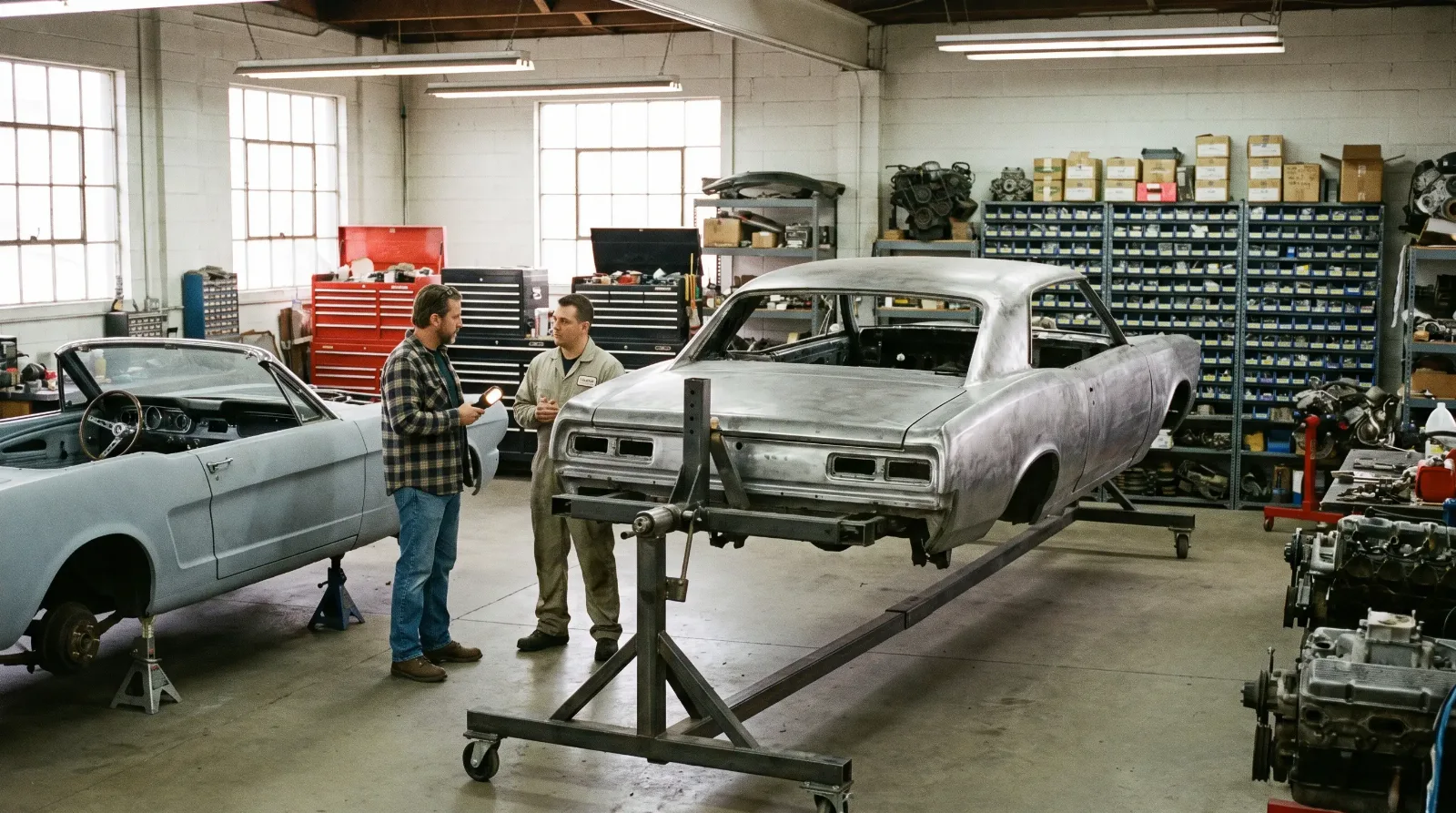
Visit the shop and look at cars in the middle of the process, not only finished ones. Ask to see a car in primer with the guide coat still on. Ask how many rounds of block sanding go into a show finish. Ask what happens if they find rust after stripping, and get the answer in writing, including the hourly rate for unplanned repair. A fixed price on a car nobody has opened up is a guess.
Finally, match the shop to the job. A collision shop is the right call for a tidy respray on a daily driver classic. For a restoration-grade car, look at shops that do paint and body on a regular basis for collector cars and ask for references from owners who have shown theirs. For the full process from teardown to final polish, our classic car paint job guide walks through each stage.
Sources and notes
- Dreaming of doing a restoration? Read this to avoid a nightmare (ClassicCars.com Journal), labor-hour examples, contingency advice and why restorations rarely pay back
- The true cost of a professional restoration (Eastwood, archived), restoration shop labor rates of roughly $85 to $225 an hour, around $125 typical
- How much does it cost to paint a car? (Eastwood, archived), paint quantities for a car exterior, enamel versus base coat and clear costs
- Cost to sandblast a car (BlastTrader), full body strip pricing by car size and media, plus lead paint disposal charges on older cars
- Automotive paint (Wikipedia), single stage versus base coat and clear coat systems