Restorations rarely finish under budget, and the pattern is consistent enough to treat as a rule. Overruns of 20 percent or more are common, and some documented projects have nearly doubled their original estimate, and the overrun almost never comes from one dramatic event. It accumulates from a handful of predictable causes, each of which can be priced, contained, or at least anticipated before the first bolt comes out.
The estimate is a guess about a car nobody has opened
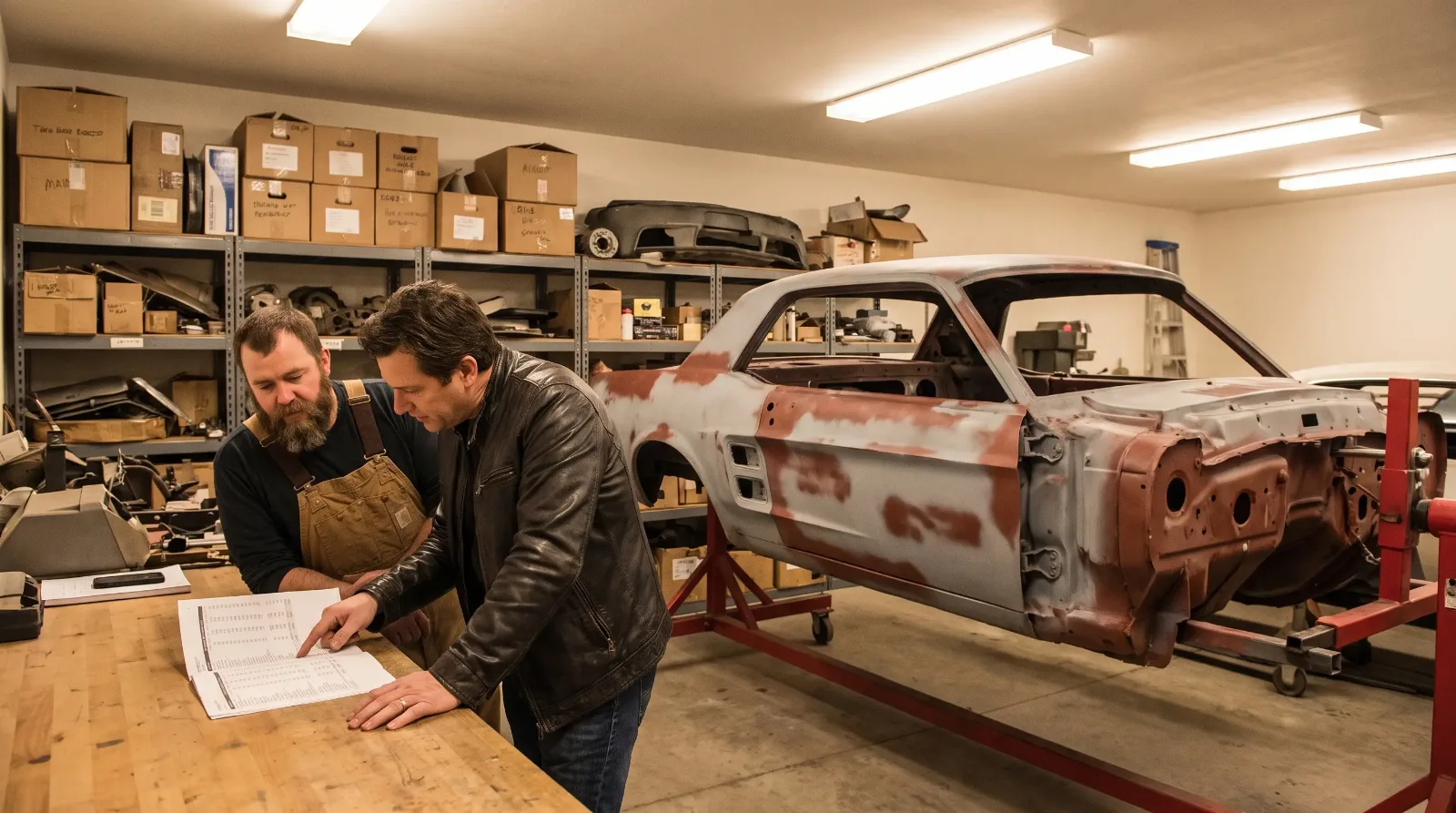
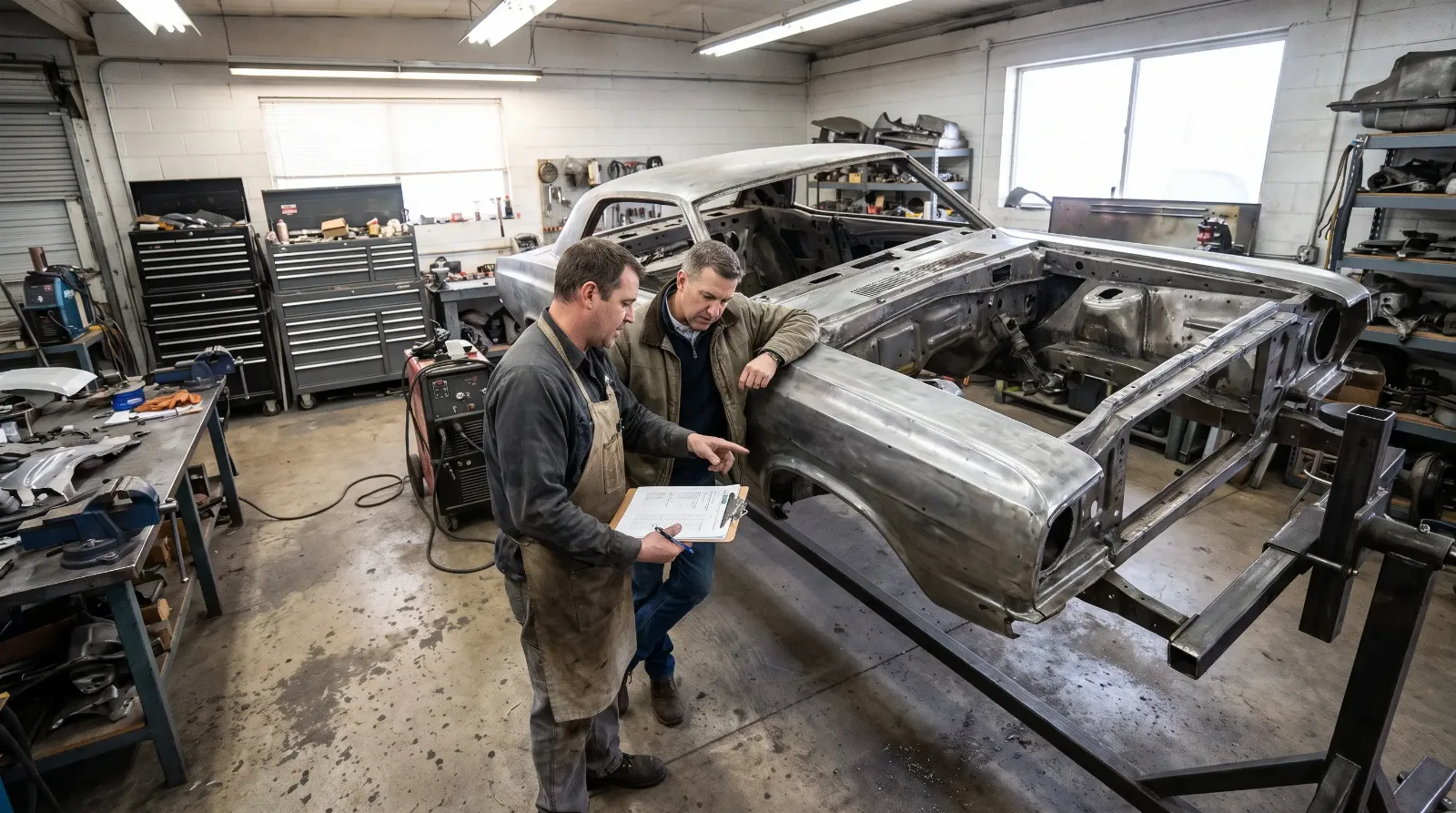
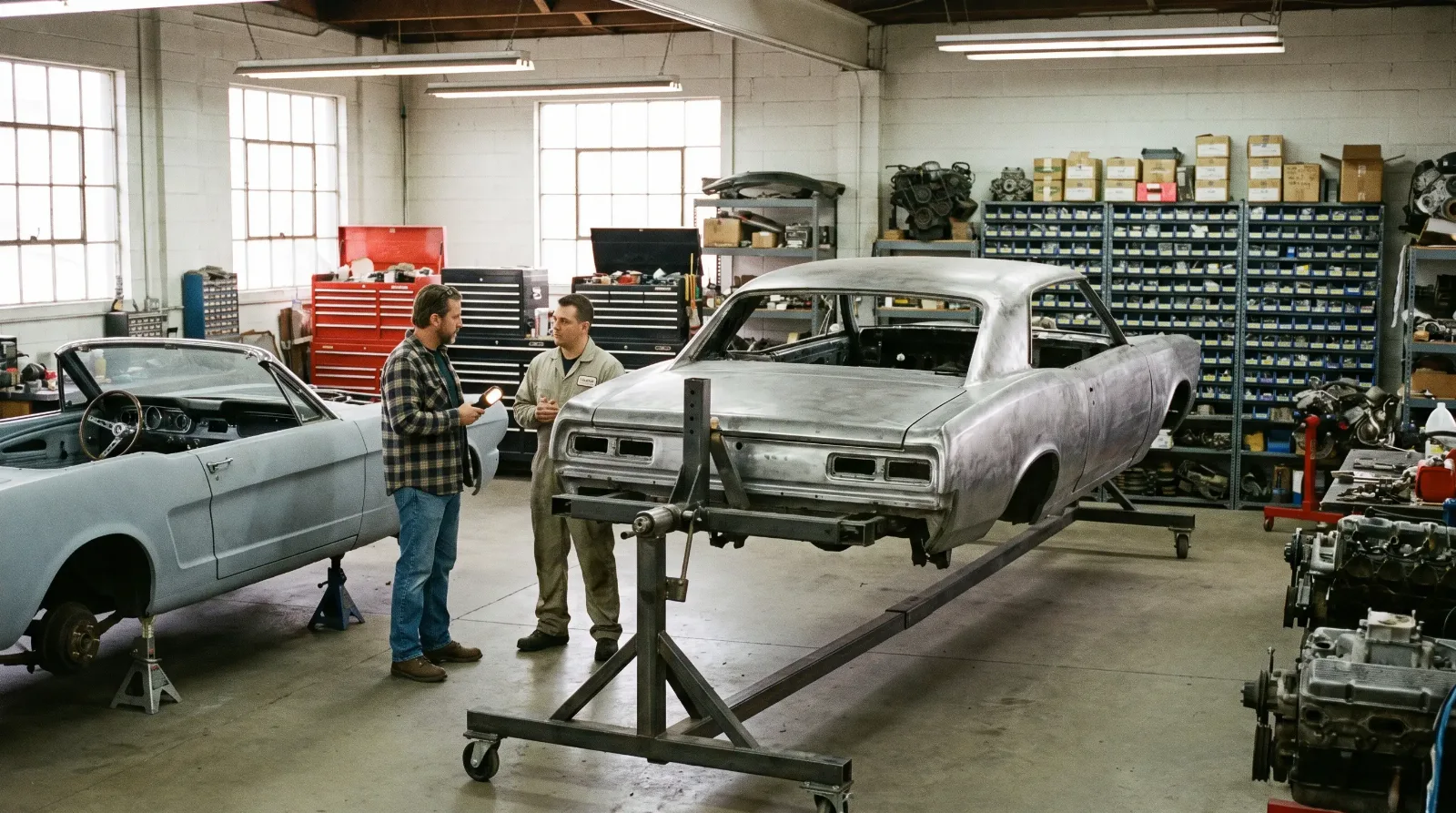
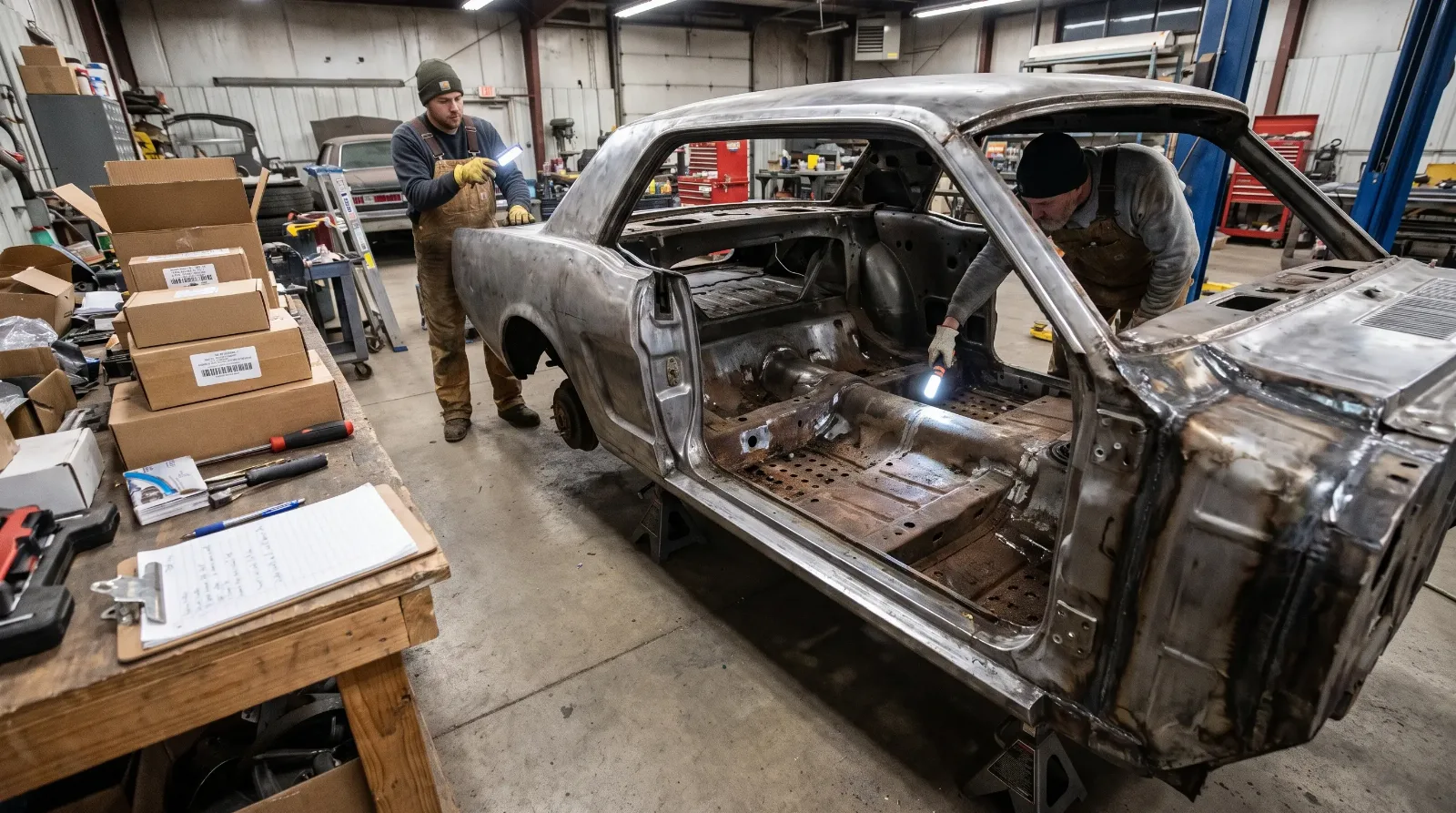
Every early estimate rests on an assumption about condition. The shop sees paint, a few panels, perhaps a clean underside, and prices accordingly. Then the car is stripped and the real inventory appears: previous filler, patched floors, a bent frame section, a body that was never straight. Disassembly is the moment the budget gets re-based. Any number you were given before that point is a forecast with a wide error band, and a careful shop will tell you so.
The first discipline is to treat the initial figure as a floor for a specific scope, not a ceiling for the project. If you want the underlying ranges by category, our classic car restoration cost breakdown sets out what each stage typically runs, and you can use it to sanity-check any estimate you are handed.
Where the overruns actually come from
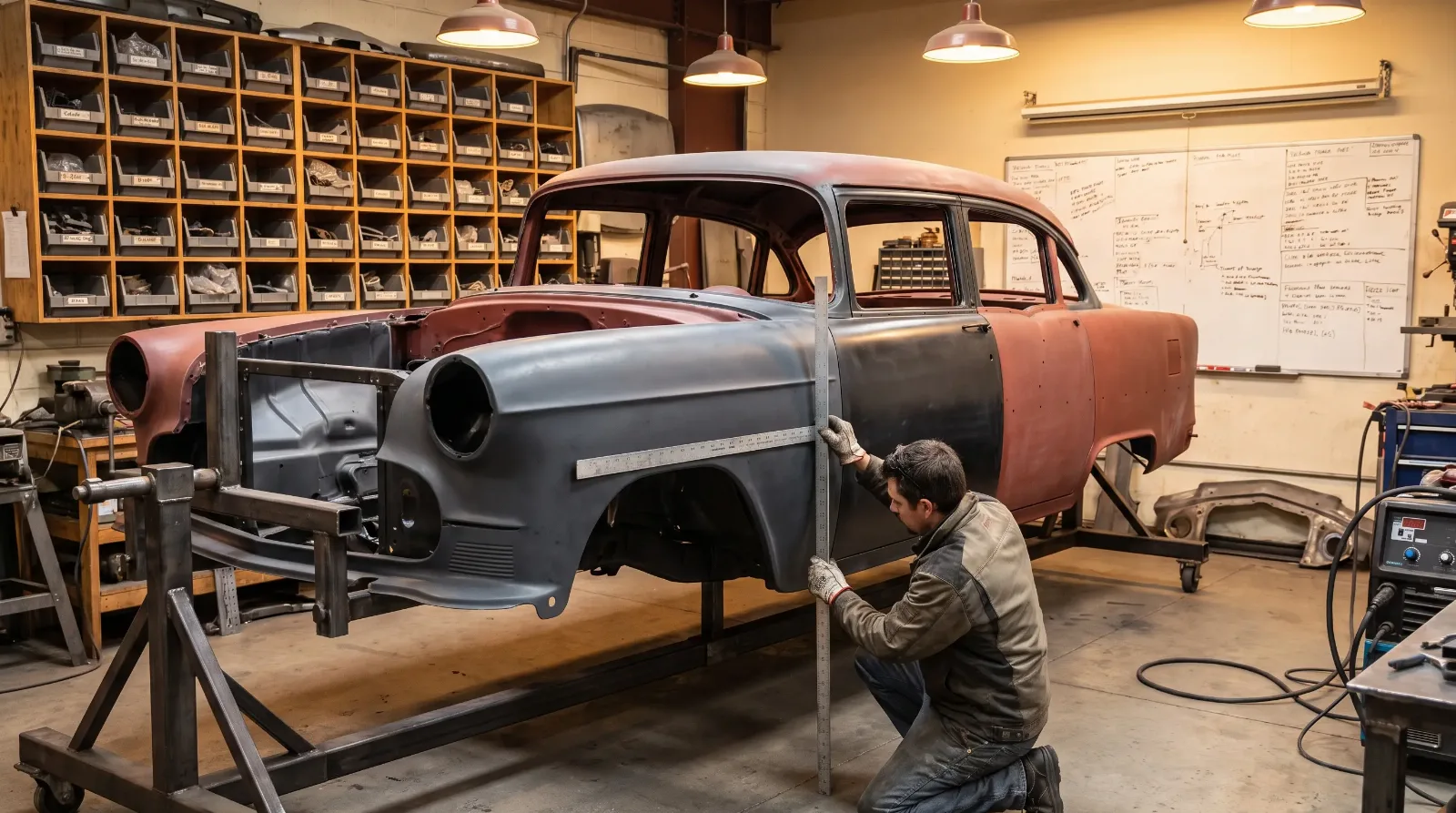
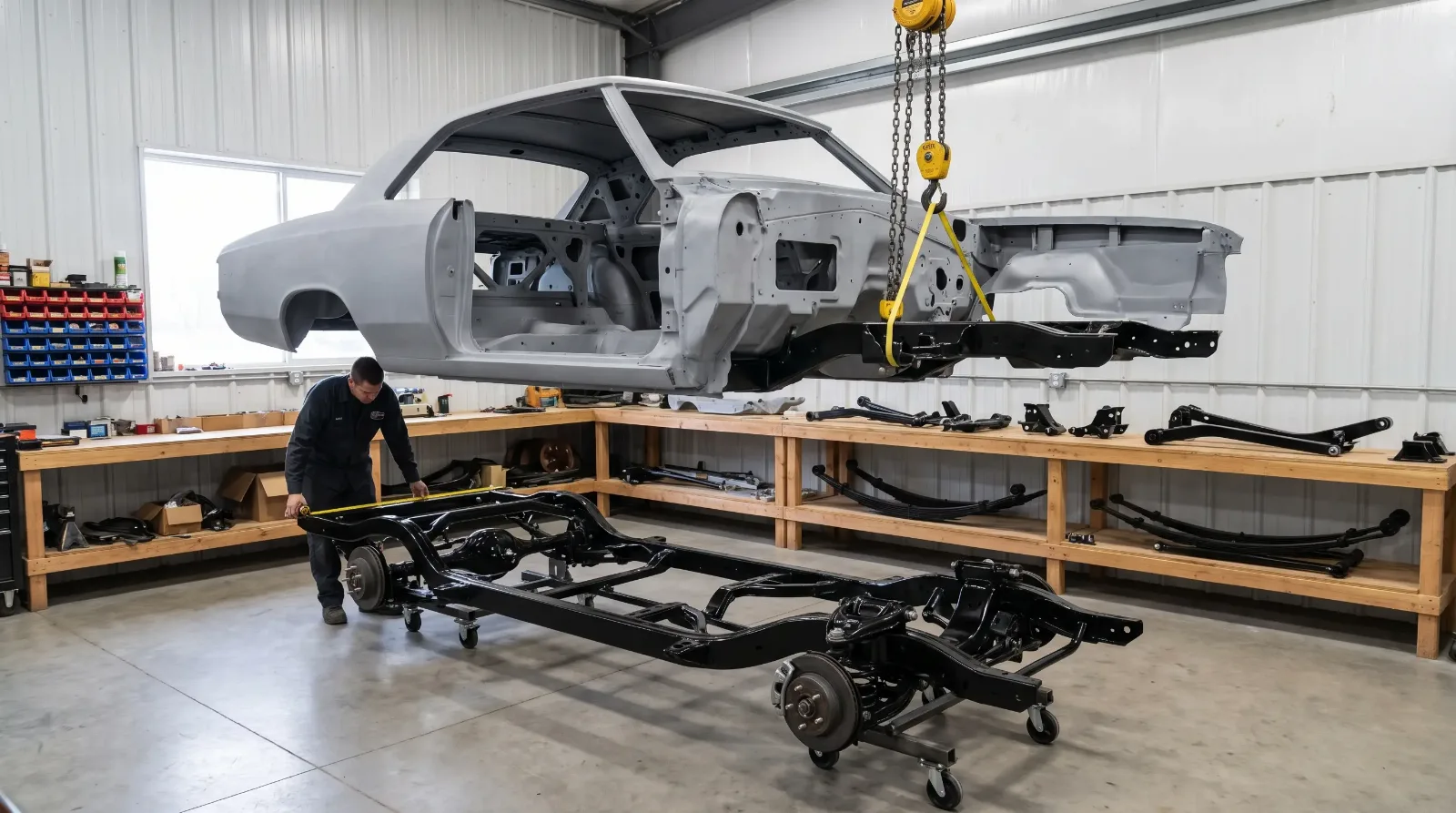
Looking at how projects drift, a few sources account for most of the money. Rust and metalwork top the list, because discovered corrosion is billed by the hour and the hours are open-ended. Parts come next: reproduction quality varies, fit problems cost labor to correct, and rare items can carry a market price that moves sharply for some models. Third is scope creep, where an owner who set out to build a driver upgrades to a show finish halfway through because the car looks too good to leave alone.
| Cause | How it shows up | Typical containment |
|---|---|---|
| Hidden rust and prior repairs | Added metalwork hours after strip | Blast or inspect early; set a metal allowance |
| Parts cost and fitment | Unlisted parts, rework to fit | Parts list with sourcing before assembly |
| Scope creep | Upgrades mid-build | Written scope; change order for every addition |
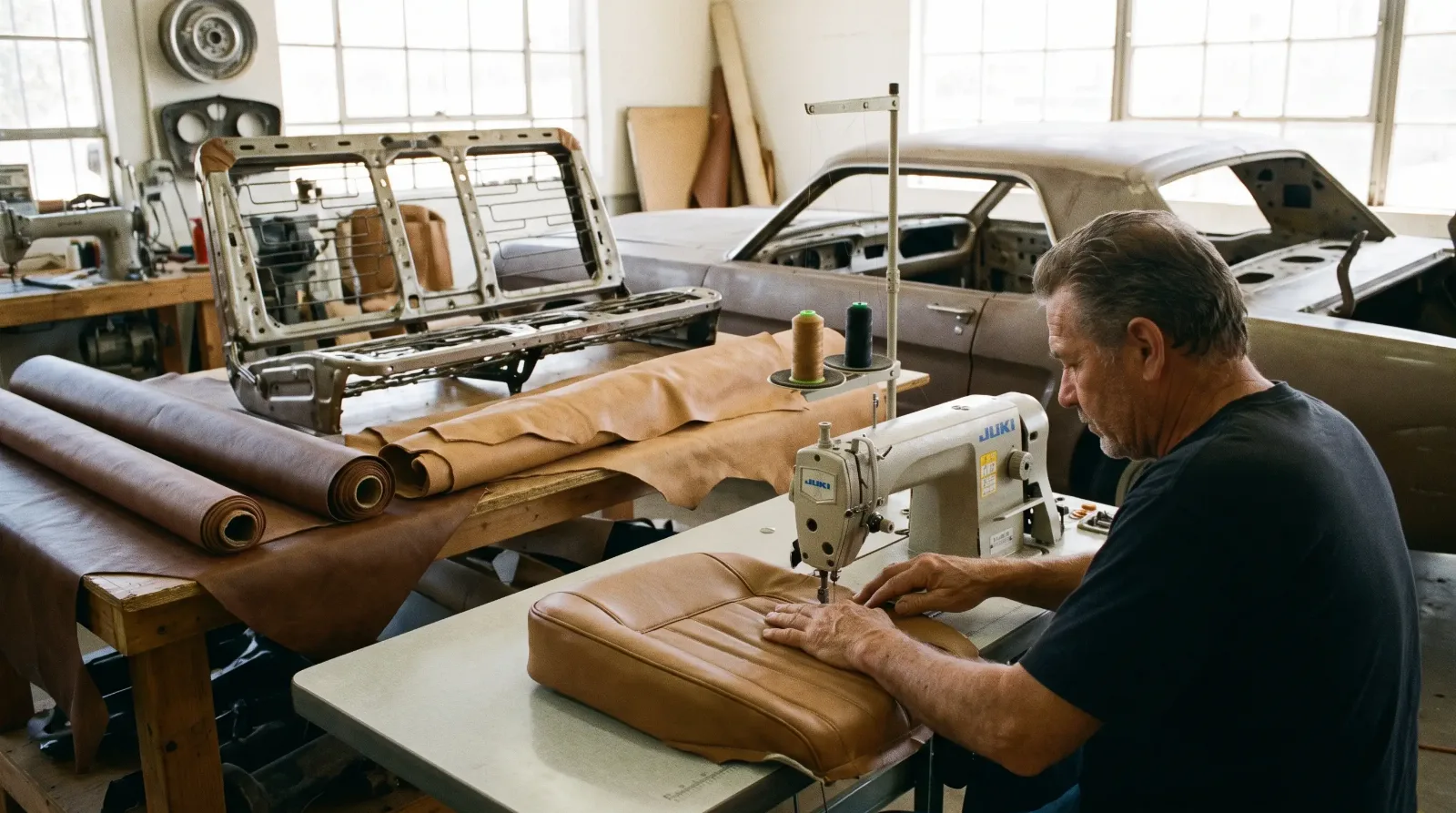
| Sublet and finish work | Chrome, upholstery, paint markups | Quote sublet separately, itemized |
| Time and storage | Delays raise carrying costs | Milestone schedule with dates |
Chrome and trim deserve their own mention. Replating bumpers and brightwork is a line item many owners forget until the invoice arrives, and it can run into the thousands on a car with a lot of trim, since quality plating is multi-step and labor-intensive. Paint is similar: the difference between a good driver finish and a show finish is mostly prep labor, which is a decision rather than a surprise, but it is often made late.
Time is a cost, not just a calendar
A project that runs months longer than planned does not cost the same. Labor rates rise, parts prices move, storage and insurance run on, and the owner's patience erodes into rushed decisions. The schedule and the budget are one problem viewed twice. If you are pricing a build, it helps to understand how long a restoration really takes, because most overrun conversations are partly schedule conversations in disguise.
Shops also quote against the labor they expect to schedule. When a car sits waiting on parts, the work does not progress, but the shop may bill for re-handling, re-masking or re-setup when work resumes. Ask how idle time is handled before it happens.
The owner's own decisions
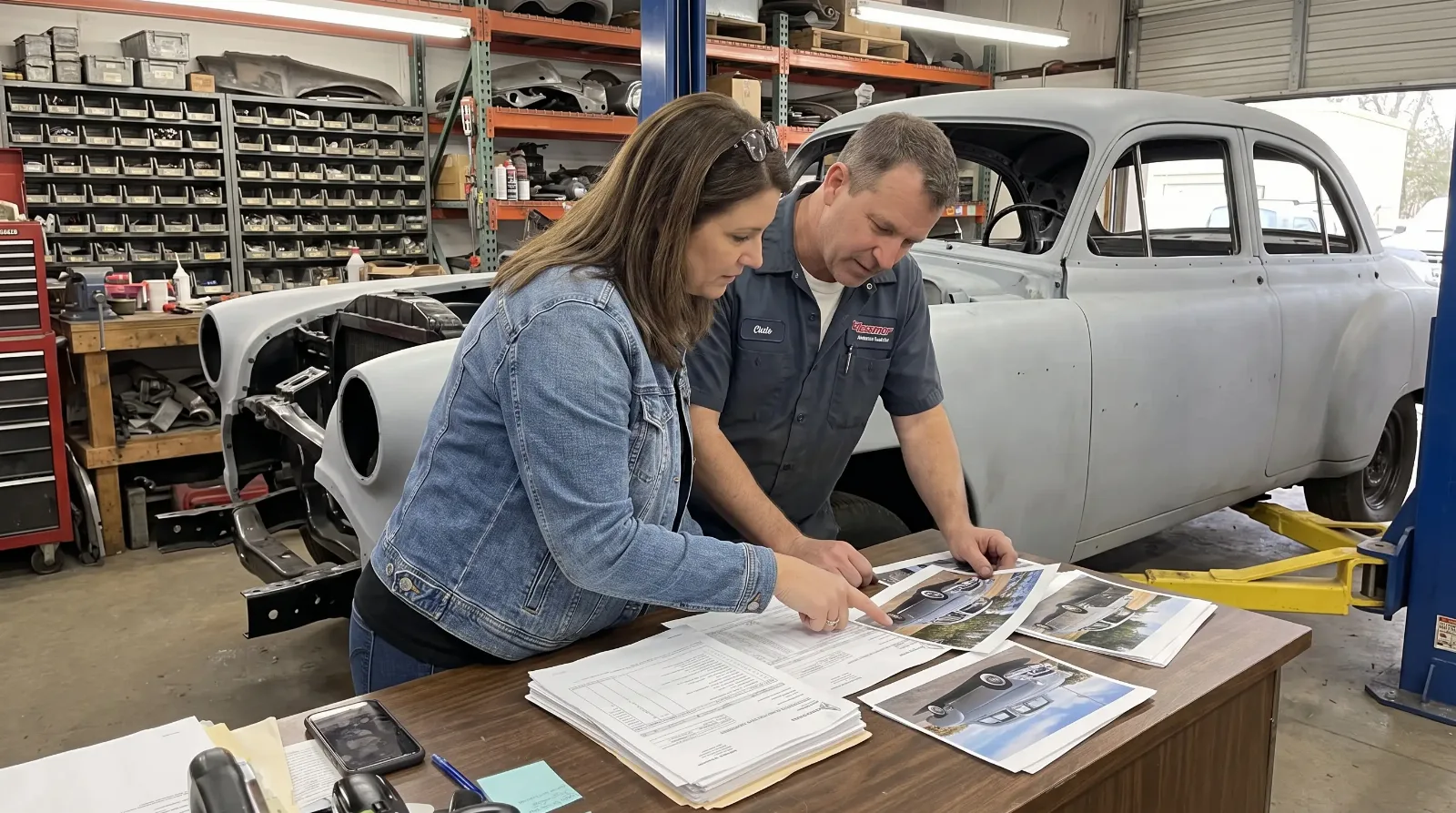
Not every overrun is the shop's doing. Owners change colors after paint has been mixed, swap a stock engine for a stronger one once the car is apart, or add air conditioning, power steering or a better stereo because the build feels like the moment for it. Each choice is defensible. Together they rebuild the budget from scratch, and the shop is entitled to bill for the rework. The cleanest defense is a decision log: a one-page list of choices made, dated, with the cost effect written beside each. When the invoice arrives, the log shows which dollars were discovered and which were chosen.
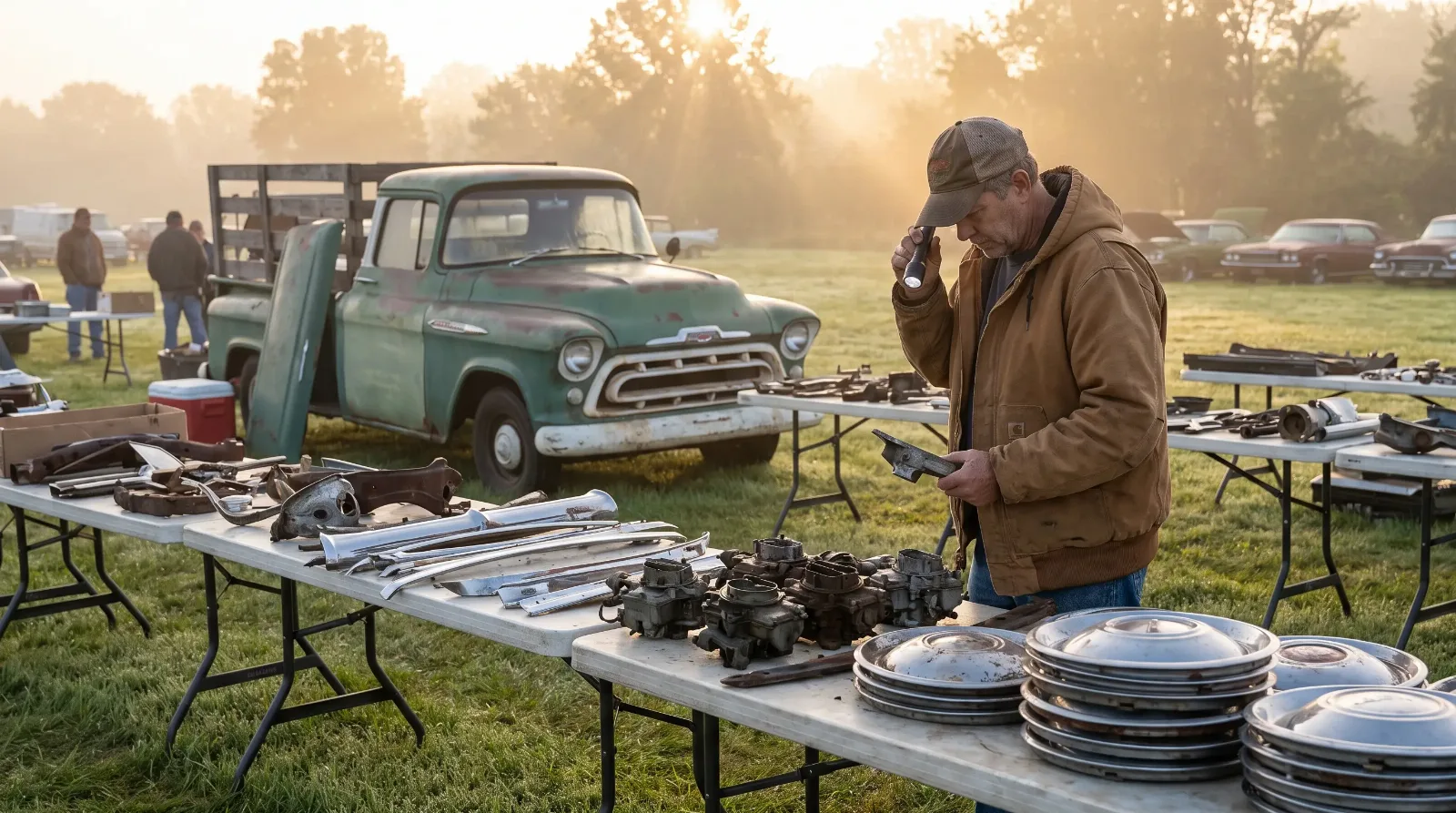
A second habit worth building is a parts-first conversation. Before any estimate is signed, ask the shop which parts are known to be scarce or expensive for your model, and what the substitute options are. Owners who learn this after the engine is apart pay a premium for urgency.
How to contain it
Start with a written scope that names the finish level, the parts quality, and what is excluded. Break the job into phases and price each one, so that a surprise in metalwork cannot quietly consume the paint budget. Require a signed change order for any addition, even a small one, because small additions are where discipline fails. Ask for monthly invoices that show hours by trade, and compare them against the phase budget before paying.
- Set a contingency before work begins and agree on who can authorize drawing on it.
- Source rare parts early. Long lead times and price moves are cheaper to face on day one than in month fourteen.
- Decide the finish level once, in writing, and resist upgrading it mid-build.
- Visit the shop on a schedule, and keep photographs of progress on file.
A useful reference for owners of American performance cars is the budget math in our piece on setting a muscle car restoration budget, which shows how the same overrun causes play out on a specific kind of project.
"The buyers who stay on budget are not the ones who found the cheapest shop. They are the ones who wrote the scope down, held a reserve, and said no to the second set of upgrades."
David Mercer
Choose the shop that tells you the bad news early
The most reliable overrun control is a shop that reports problems when they are discovered rather than when they are invoiced. That behavior is hard to read from a brochure, and easier to read from references and from the way a shop handles your first questions about scope. If you are still building a shortlist, you can find a vetted restoration shop and ask each one how it communicates discovered work. A restoration that costs more than planned but never surprised the owner is a good outcome. One that costs the same and arrived as a series of shocks is not.
Sources and notes
- Common pitfalls in car restoration and how to avoid them, supports the advice on hidden rust, runaway costs and a contingency of at least 20 percent
- True cost of restoring a vintage Alfa Romeo, a documented case where bodywork, paint upgrades and small parts pushed the bill to nearly double the original estimate
- Car restoration (Wikipedia), supports restoration cost often exceeding market value, rust repair and the difficulty of sourcing parts for rare cars
- Scope creep (Wikipedia), supports the written scope and change-control approach to uncontrolled project growth
- Chrome plating (Wikipedia), supports the multi-step, labor-intensive nature of replating bumpers and brightwork