

 United States
1968 Chevrolet Camaro

 United States
1968 Chevrolet Camaro
 United States
1968 Chevrolet Camaro
 United States
1968 Chevrolet Camaro
 United States
1968 Chevrolet Camaro
 United States
1968 Chevrolet Camaro
 United States
1968 Chevrolet Camaro
 United States
1968 Chevrolet Camaro
 United States
1968 Chevrolet Camaro
 United States
1968 Chevrolet Camaro
 United States
1968 Chevrolet Camaro
 United States
1968 Chevrolet Camaro
 United States
1968 Chevrolet Camaro
 United States
1968 Chevrolet Camaro
 United States
1968 Chevrolet Camaro
 United States
1968 Chevrolet Camaro
 United States
1968 Chevrolet Camaro
 United States
1968 Chevrolet Camaro
 United States
1968 Chevrolet Camaro
 United States
1968 Chevrolet Camaro
 United States
1968 Chevrolet Camaro
 United States
1968 Chevrolet Camaro
 United States
1968 Chevrolet Camaro
Body styles and how many were built
The 1968 Camaro came as a sport coupe or a convertible. The model year total is 235,147.
- Sport coupe: 214,707 built. Some references print 214,711, which does not add up to the model year total.
- Convertible: 20,440 built.
Among those cars, 40,977 had the Rally Sport package and 7,199 were Z/28s. Published totals for the Super Sport differ, from about 27,900 to about 30,400. The package counts overlap, because the Rally Sport could be combined with the SS or the Z/28.
Engines and transmissions
The standard engines were the 230 cubic inch six at 140 hp and the 327 V8 at 210 hp. Options were the 250 six at 155 hp and the 327 at 275 hp (RPO L30). The SS 350 used the 350 at 295 hp (L48). The SS 396 came at 325 hp (L35), at 350 hp (L34), which was new for 1968, or at 375 hp (L78). Aluminum cylinder heads (L89) were also offered on the 375 hp engine. The Z/28 kept its 302 V8, rated at 290 hp.
Transmissions were a three-speed manual, a four-speed manual and the two-speed Powerglide automatic. The Turbo Hydra-Matic 400 was offered with the 325 hp and 350 hp 396 engines. Higher-performance cars moved from the single-leaf rear springs of 1967 to multi-leaf springs.
RS, SS and Z/28 in 1968
- Rally Sport (RPO Z22): hidden headlights behind vacuum-operated doors, parking lights below the front bumper, backup lights below the rear bumper and RS emblems.
- Super Sport: sold as the SS 350 or the SS 396, with a special hood, SS emblems and a nose stripe. SS 396 cars have a black-painted tail panel.
- Z/28: 7,199 built. The 302 V8, a four-speed manual and power front disc brakes were required, on 15-inch wheels with two wide stripes.
Is it a real SS or Z/28?
For 1968 the VIN plate moved to the top of the dash on the driver side. It starts, for example, 124378N: the third character is 3 for a six or 4 for a V8, then 37 for a coupe or 67 for a convertible, 8 for 1968 and N for Norwood or L for Van Nuys. It does not identify an RS, an SS or a Z/28.
The 1968 cowl tag does not help either. The option codes used on 1967 tags were dropped, so a 1968 tag shows the build date, plant, body number, interior trim and paint, and nothing about the SS or Z/28 packages.
Start with the stamp pad at the front of the engine block. From 1968 every engine was stamped with a partial VIN, which begins 18N or 18L and ends with the same sequence number as the car. Next to it is the assembly date and a two-letter engine code, MO on a 1968 Z/28. Stamps can be redone, so compare them with the Protect-O-Plate, window sticker or dealer invoice if they survive. Chevrolet did not keep build records for individual cars. NCRS sells a shipping data report that gives the production date and original dealer, without options, for most cars. Cars sold new in Canada may be documented through Vintage Vehicle Services, an independent Canadian firm that works from the GM of Canada records.
What to inspect before you buy
- Rust: check the lower rear quarters, the trunk floor, the floor pans, the cowl at the base of the windshield and the lower corners of the rear window.
- Structure: check the mounting points of the front subframe, the rear frame rails over the axle and the rear spring mounts.
- Z/28 equipment: a real Z/28 has a four-speed manual, front disc brakes, a 12-bolt rear axle and 15-inch wheels. An automatic, factory air conditioning or a convertible body rules out a production Z/28.
- Clones and restomods: with no package code on the tag, a 1968 SS or Z/28 is easy to imitate with reproduction hoods, emblems and stripes. Price a car on its paperwork and the quality of the work.
Related listings
- 1967 Camaro and 1969 Camaro for sale, or every first-generation Camaro.
- Background: the 1968 Camaro model year, the first-generation Camaro engine lineup and how to tell 1967, 1968 and 1969 Camaros apart.
- Before you buy: common first-generation Camaro problems and how to verify a numbers-matching Camaro engine.
In-Depth Answers
Editorial Q&A · 5 articlesHow much is a 1969 Camaro worth?
A 1969 Chevrolet Camaro typically sells between $35,000 and $90,000 in driver-quality condition. Concours-restored SS 396 and Z/28 cars regu...
How do I verify a numbers-matching engine on a 69 Camaro?
To verify a numbers-matching engine on a 1969 Camaro, confirm three things: the partial VIN stamp on the engine pad matches the car's VIN, t...
What goes wrong with a first-gen Camaro?
The most common first-gen Camaro (1967-1969) problems are rust in the cowl and floor pans, worn-out front subframe bushings, electrical grem...
How can I tell a real Yenko Camaro from a clone?
A real Yenko Camaro has COPO order codes 9561 and/or 9737 on its cowl trim tag, an L72 427 engine with casting date codes preceding the car'...
More questions answered
Recently Ended Chevrolet Camaro Listings
See all 3,229 past listings →| Vehicle | Last Asking Price |
|---|---|
| 1963 Chevrolet Camaro | $24,995 |
| 1987 Chevrolet Camaro | $50,995 |
| 1969 Chevrolet Camaro | $259,900 |
| 1979 Chevrolet Camaro | $37,900 |
| 1967 Chevrolet Camaro | $94,900 |
| 1970 Chevrolet Camaro | $49,900 |
Head-to-Head Comparisons
Frequently Asked Questions about the 1968 Chevrolet Camaro
Car alert
Get an email when a 1968 Chevrolet Camaro is listed
At most one email a day. Stop anytime with one click.
Articles About the Chevrolet Camaro
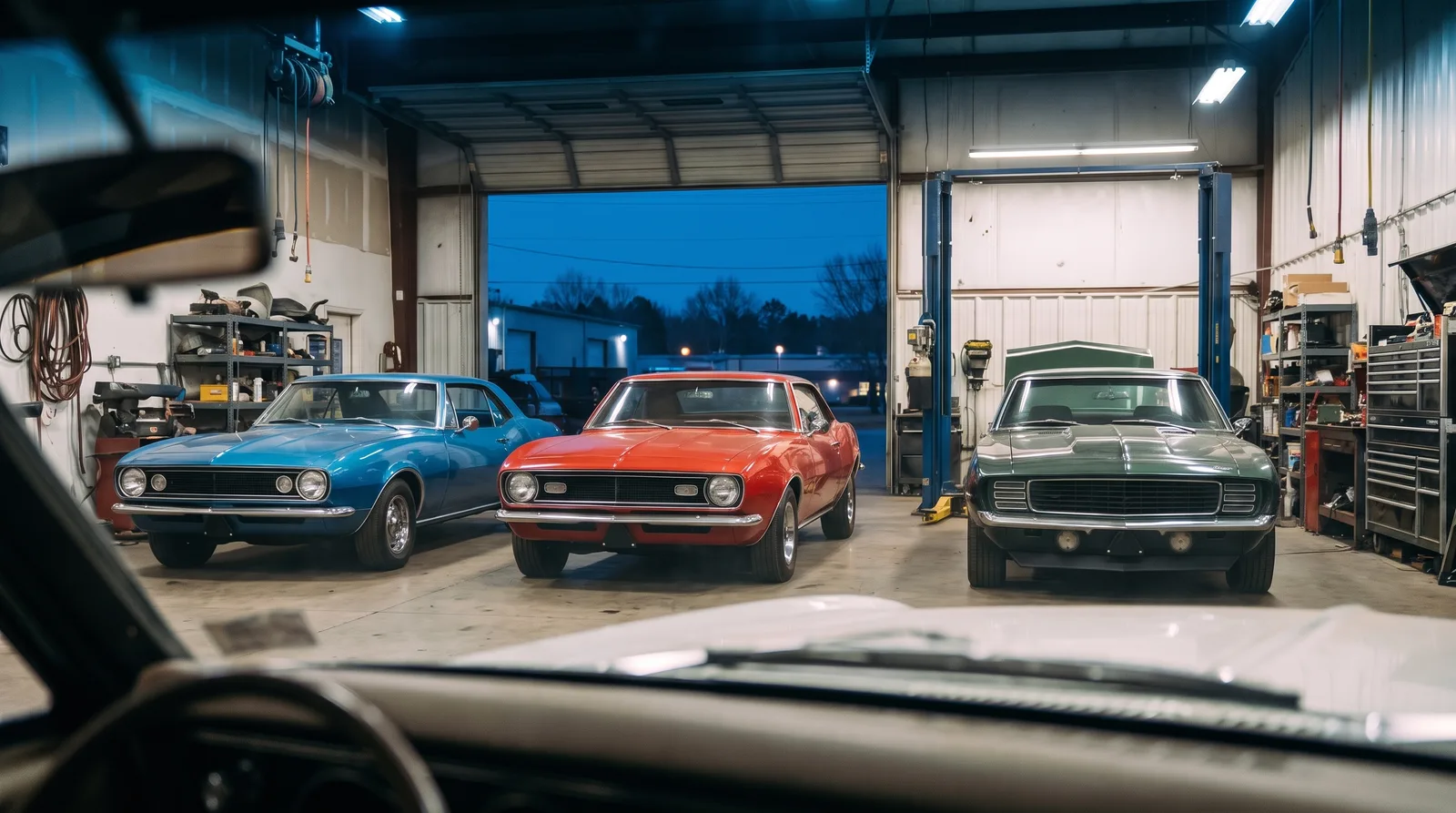
1967 vs 1968 vs 1969: How to Tell First-Gen Camaros Apart
Three model years, one generation, but each brought real differences in grilles, trim, safety gear, and powertrains. The definitive spotter's guide.
Jun 10, 2026
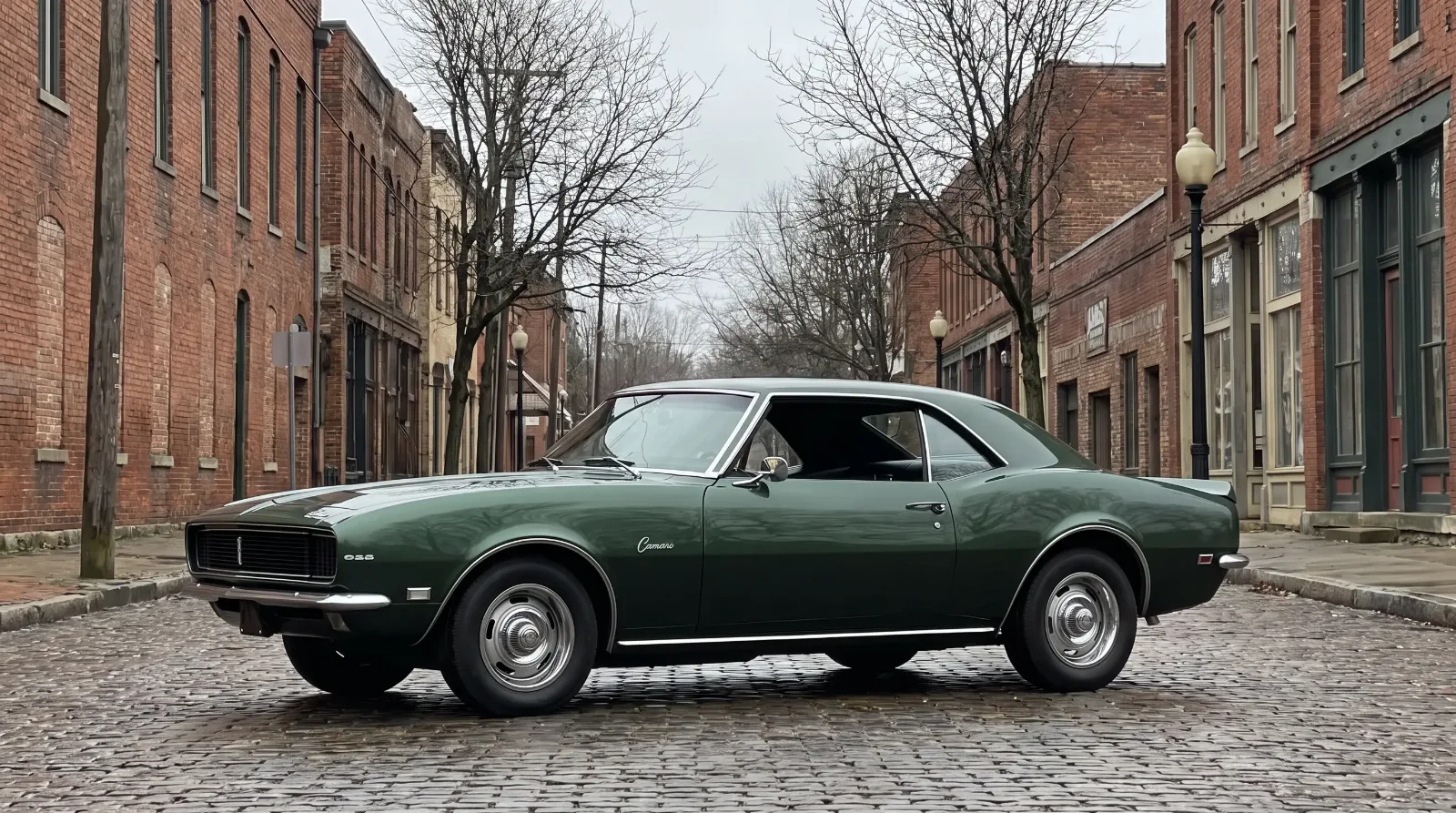
The 1968 Camaro: The Refinement Year
The 1968 Camaro was not a dramatic rethink. It was something more useful: a second-year car that fixed what needed fixing, met new federal requirements, and delivered a cleaner, more confident version of the original idea.
Jun 10, 2026
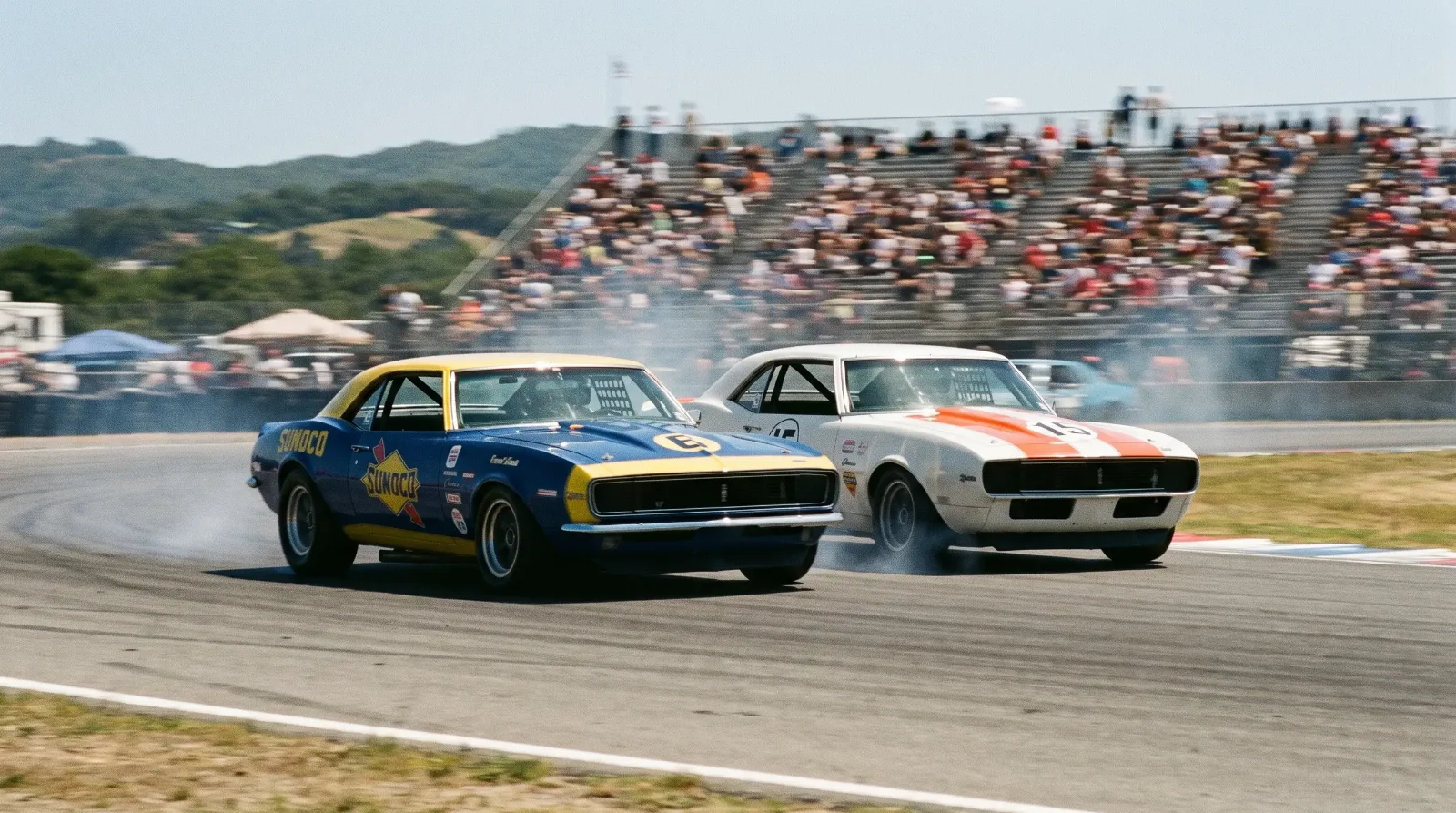
The 1968-69 Trans-Am Championship Camaros
The 1968 and 1969 Trans-Am seasons produced the most intense Camaro racing the SCCA had ever seen, with Roger Penske and Mark Donohue at the front of the field.
Dec 8, 2025
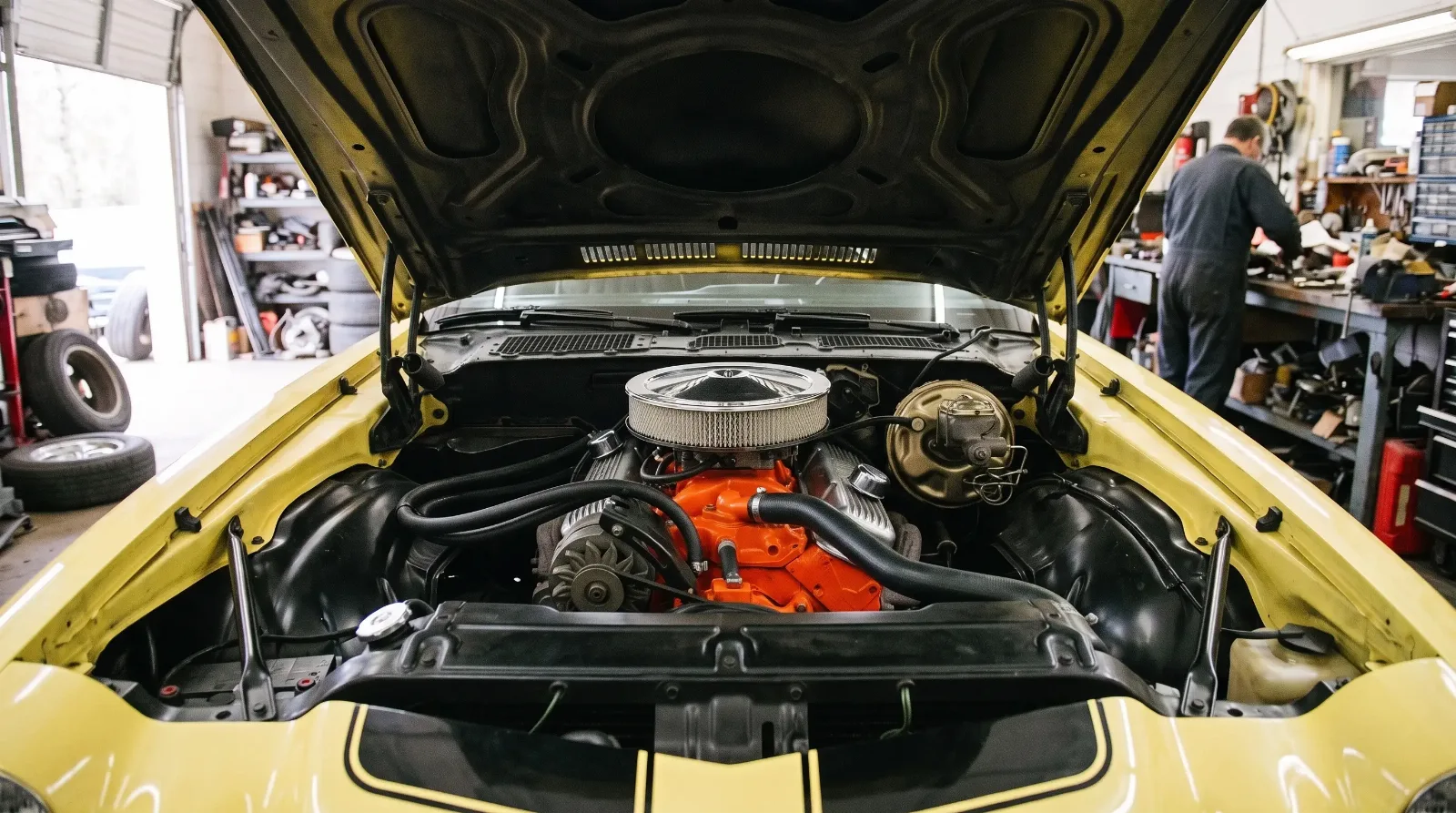
Second-Gen Camaro Engines, 1970 to 1981
Every 2nd gen Camaro engine from 1970 to 1981: RPO codes, gross and net ratings, the 402 that wore a 396 badge, and the VIN codes that prove them.
Nov 14, 2026