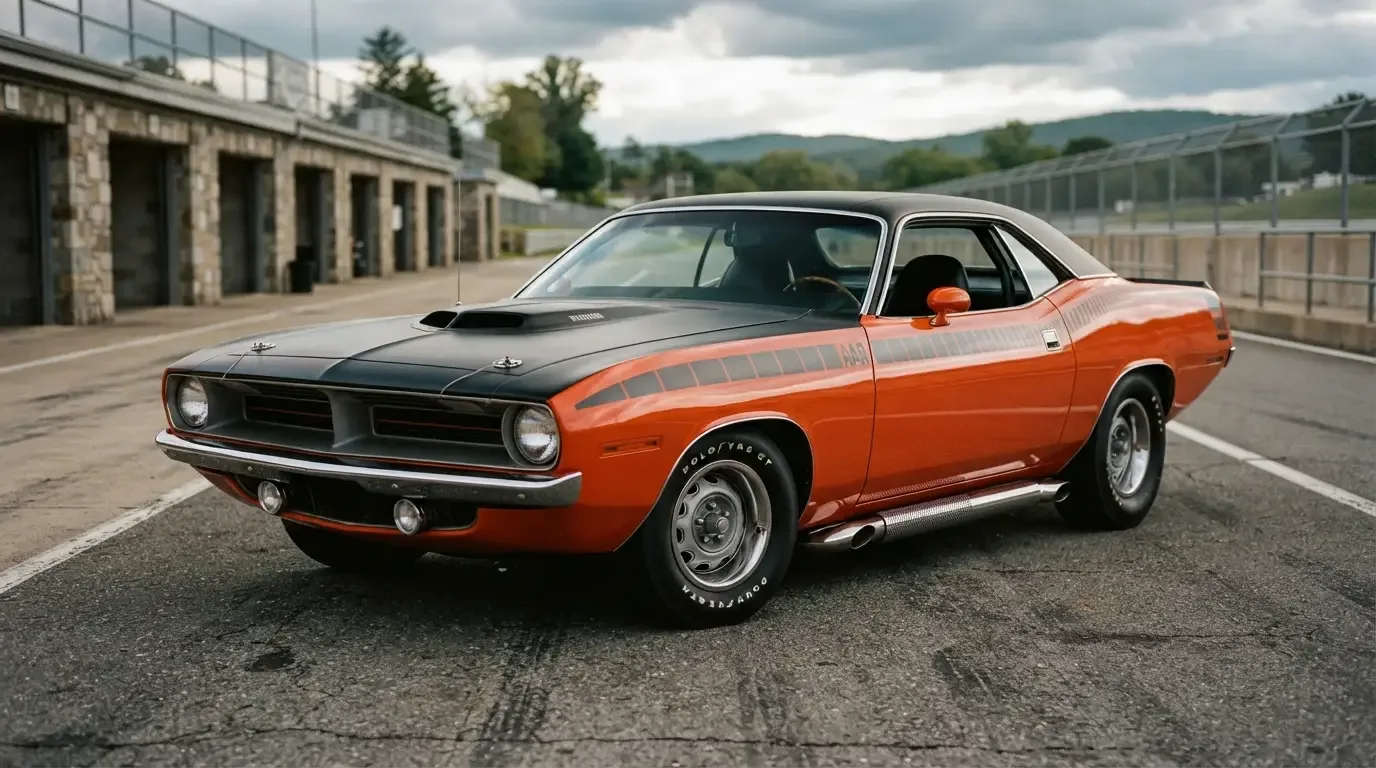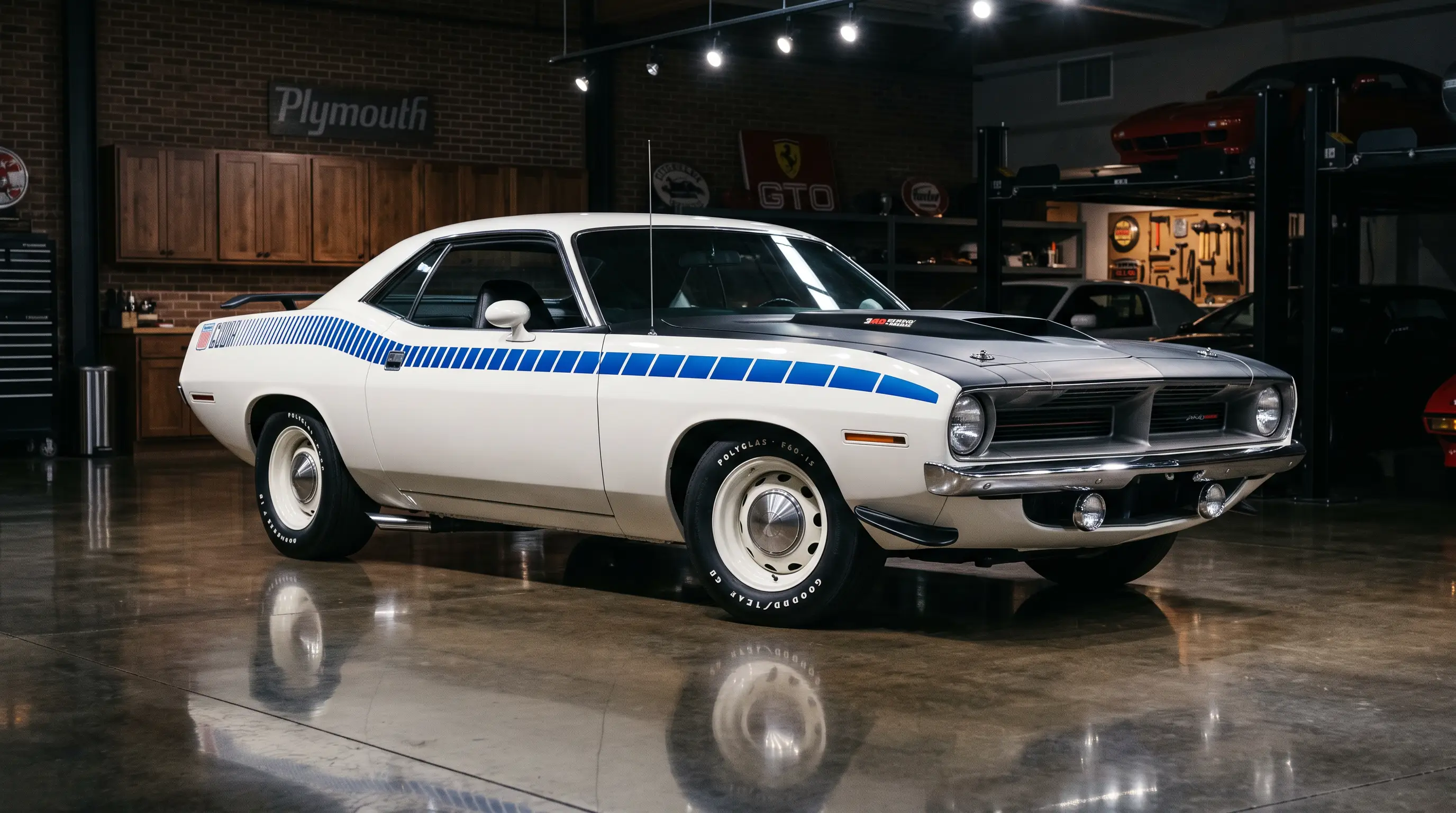
I was at a swap meet in the late nineties when an older fellow set a cardboard box on his table and just watched people's faces as they flipped through it. Inside were dealer invoices, a warranty card, and a Polaroid of a Barracuda with a fiberglass hood and side pipes parked in front of a Plymouth store that closed decades ago. He wasn't selling the car. He was selling the paperwork, because by then the paperwork on an AAR Cuda was worth arguing over on its own. That is the legacy in a nutshell. A car built for one racing season turned into a piece of paper collectors fight to attach to the right chassis.
A one year car that refused to be forgotten
Plymouth only built the AAR Cuda for the 1970 model year, and by the time the next catalog came out, the model was gone. In the moment, that probably felt like just another running change in a business that reshuffled trim levels every twelve months without much ceremony. Looking back from decades later, a single model year turned out to be the best thing that could have happened to the car's reputation. Short runs get remembered. Long runs get taken for granted.
Club members who grew up around these cars will tell you the same thing in different words: nobody thought much of a one year special until people started noticing how few were actually left running. Attrition did what it always does to muscle cars from that era. Some got raced hard and used up. Some got parted out when insurance rates made them too expensive to keep on the road. Some just rusted quietly in a garage nobody opened for twenty years.
How the racing connection kept paying dividends
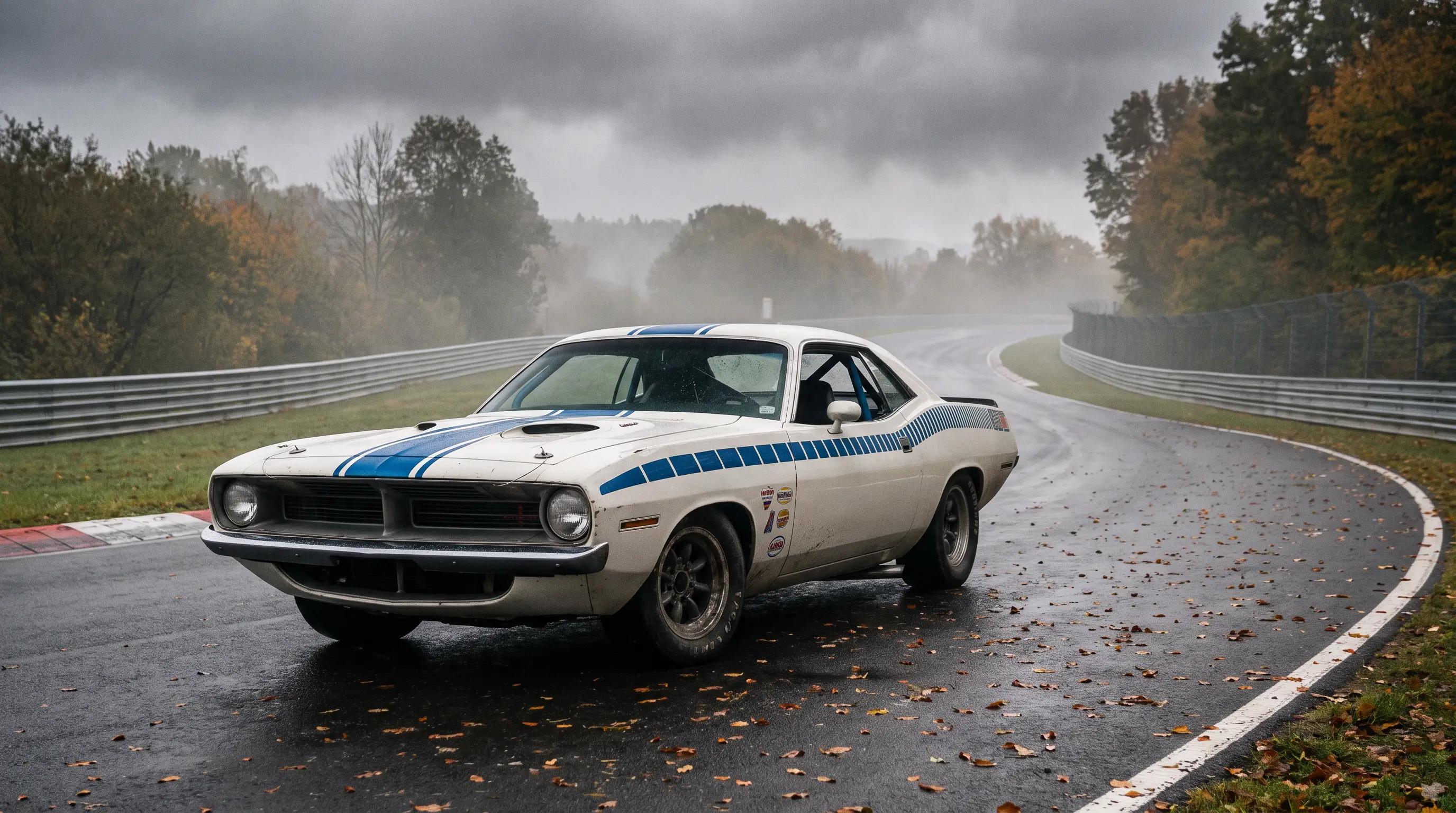
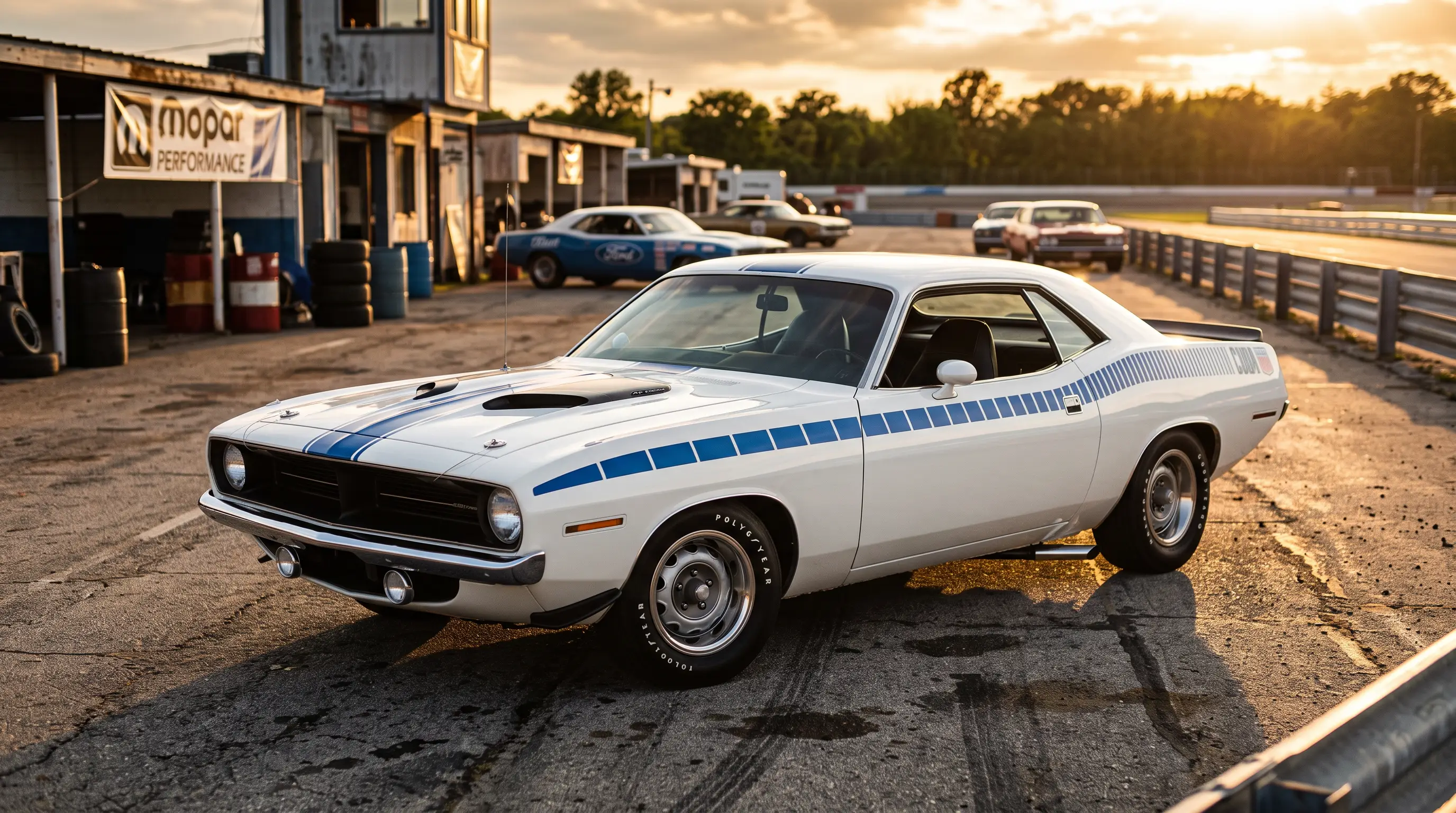
The car's link to Dan Gurney's All American Racers team and the 1970 Trans-Am season is not marketing gloss added later. It is baked into the name, and it gave the AAR Cuda a story that other one year specials simply do not have. A car can be rare without being interesting. This one is both, and the racing pedigree is the reason the second half of that sentence is true.
Club newsletters from the seventies and eighties already treated the AAR Cuda as something worth writing about, well before the broader muscle car market caught up to what these cars represented. That early attention mattered. It meant more of them got preserved by people who understood what they had, rather than modified into something unrecognizable by owners chasing whatever trend was popular that decade.
What documentation actually does for these cars
Ask anyone who has been around the hobby long enough and they will tell you the same thing about this model specifically. A clean AAR Cuda with a broadcast sheet and a clear paper trail is a different animal from a clean AAR Cuda without one, even when the two cars look identical parked side by side. The racing legacy raised the stakes on documentation because buyers learned early that appearance alone could not be trusted. Fiberglass hoods get reproduced. Stripes get repainted. A warranty card in the glovebox cannot be faked nearly as easily.
That is a lesson the whole muscle car hobby eventually learned, but the AAR Cuda crowd learned it first and learned it hard, because the model's rarity made the incentive to fake one obvious almost from the start. For the whole picture on how many were actually built and what made the car rare in the first place, the production history fills in details this legacy story only touches on.
I remember a debate at a regional show that ran two full hours over whether a particular fiberglass hood was factory correct or a well done reproduction. Nobody got angry about it. Everyone just kept producing photographs, parts numbers, and old catalog pages until the picture got clearer. That is what a healthy legacy looks like in practice. It isn't a plaque on a wall. It's a room full of people who care enough to keep checking each other's homework, decade after decade, long after the factory that built the car stopped caring at all.
Passing the story down through the club
What keeps a car's legacy alive long after the last race is over usually isn't a museum. It's a bunch of owners at a local show, trading stories, correcting each other's memories, and occasionally producing a photograph that settles an argument nobody knew they were having. The AAR Cuda has had that kind of community around it for longer than most muscle cars, partly because the racing story gave people something specific to argue about beyond horsepower numbers.
New owners coming into the hobby today inherit decades of that groundwork. They can walk into a club meeting and get a straighter answer about their car's history than owners of far more common models ever could, simply because the AAR Cuda community treated documentation as part of the hobby from early on rather than an afterthought tacked on once auction prices started climbing.
That inherited groundwork also changes how disputes get settled. Instead of one owner's word against another's, there is usually a stack of old newsletters, registry entries, and photographs somebody can point to. It slows arguments down in a good way, forcing people to bring evidence instead of opinions, and it has quietly raised the standard of proof across the whole hobby for how a car's history gets accepted rather than assumed.
"A car this rare either gets forgotten or gets fought over. This one got fought over, and forty years later that argument is still the best thing that ever happened to its value."
- Wayne Coburn
Why the legacy still shapes the market
Every year the AAR Cuda gets a little further from living memory, which makes the club records and the old paperwork more important, not less. New owners who want to understand what they actually have are better served by tracking down the documentation trail than by trusting a repaint job and a set of decals. The legacy this car built in its one short model year is still the reason people care, and it is still the reason the ones with real paper attached command a premium over the ones that merely look the part.
If that history has you thinking about owning one instead of just reading about it, you can find a classic Barracuda and start comparing what documentation actually comes with each listing before you commit to anything. Ask the seller the same questions the club would ask. If they cannot answer them, that tells you something too.