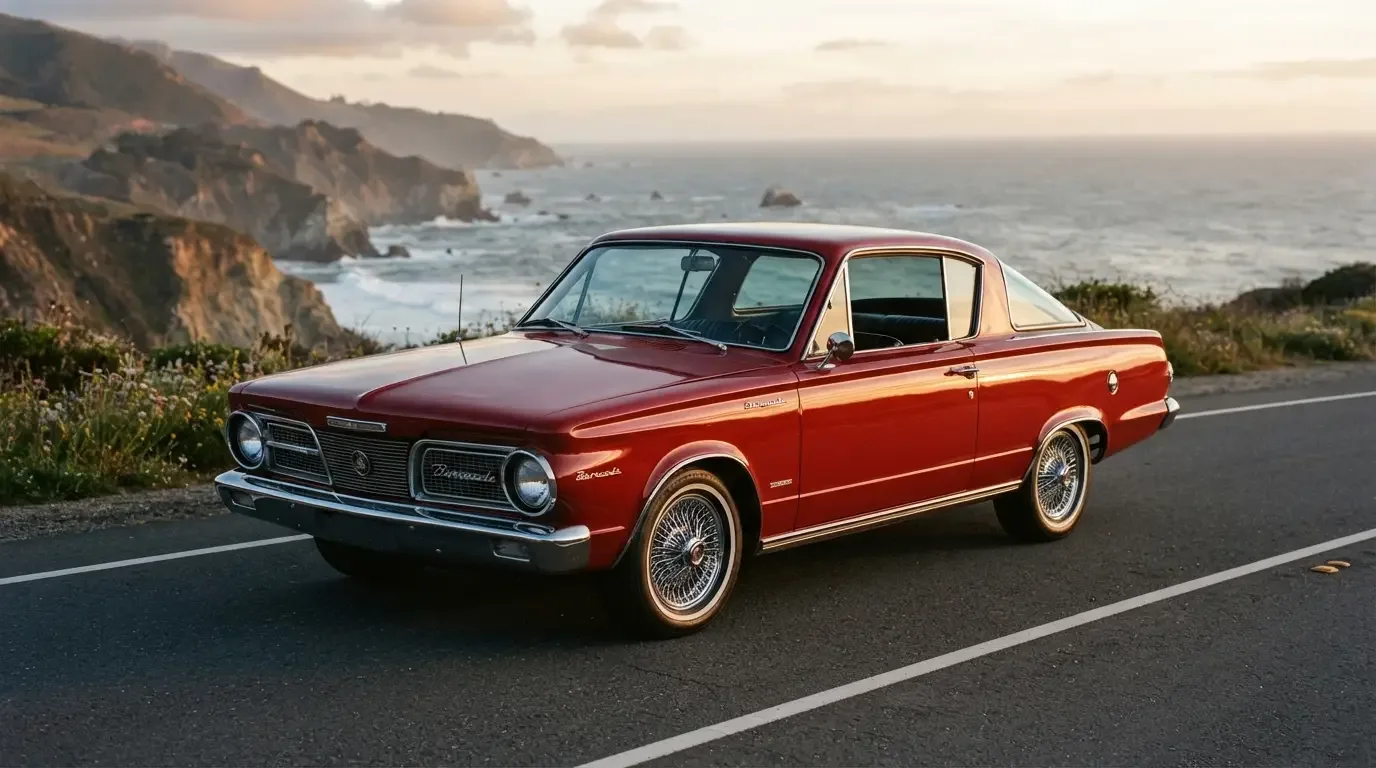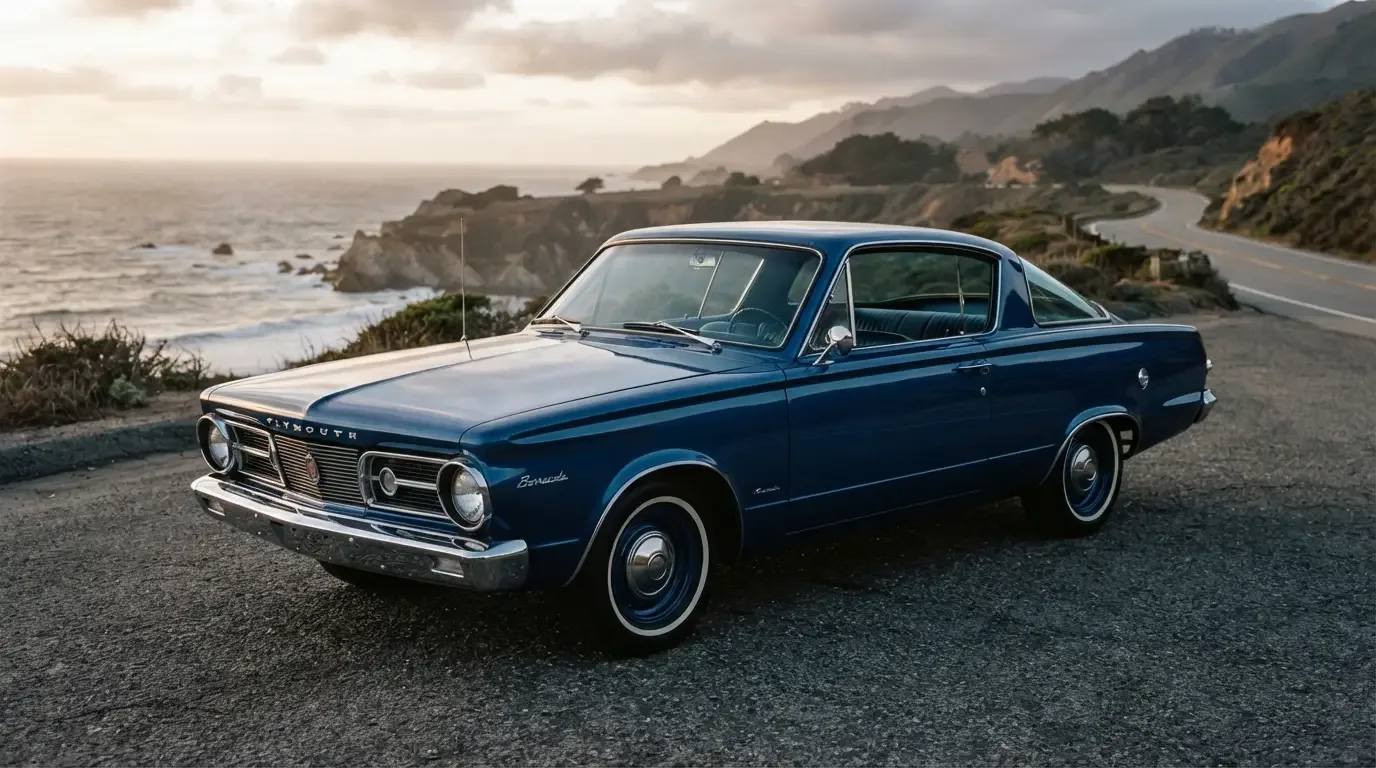
The 1966 Plymouth Barracuda closed out the first generation on a set of details that researchers and concours judges still treat as the clearest dividing line in the entire A-body run. It is the last year of the Valiant-based fastback before Chrysler rebuilt the car from the ground up in 1967, and that closing status shapes almost everything worth documenting about it.
The final refinement of a familiar shape
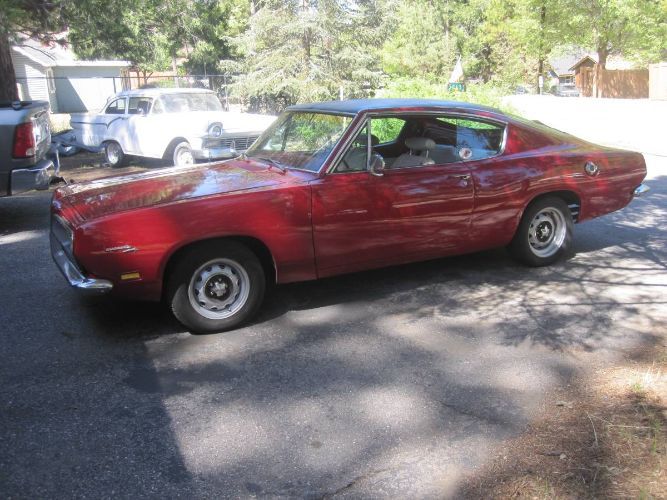
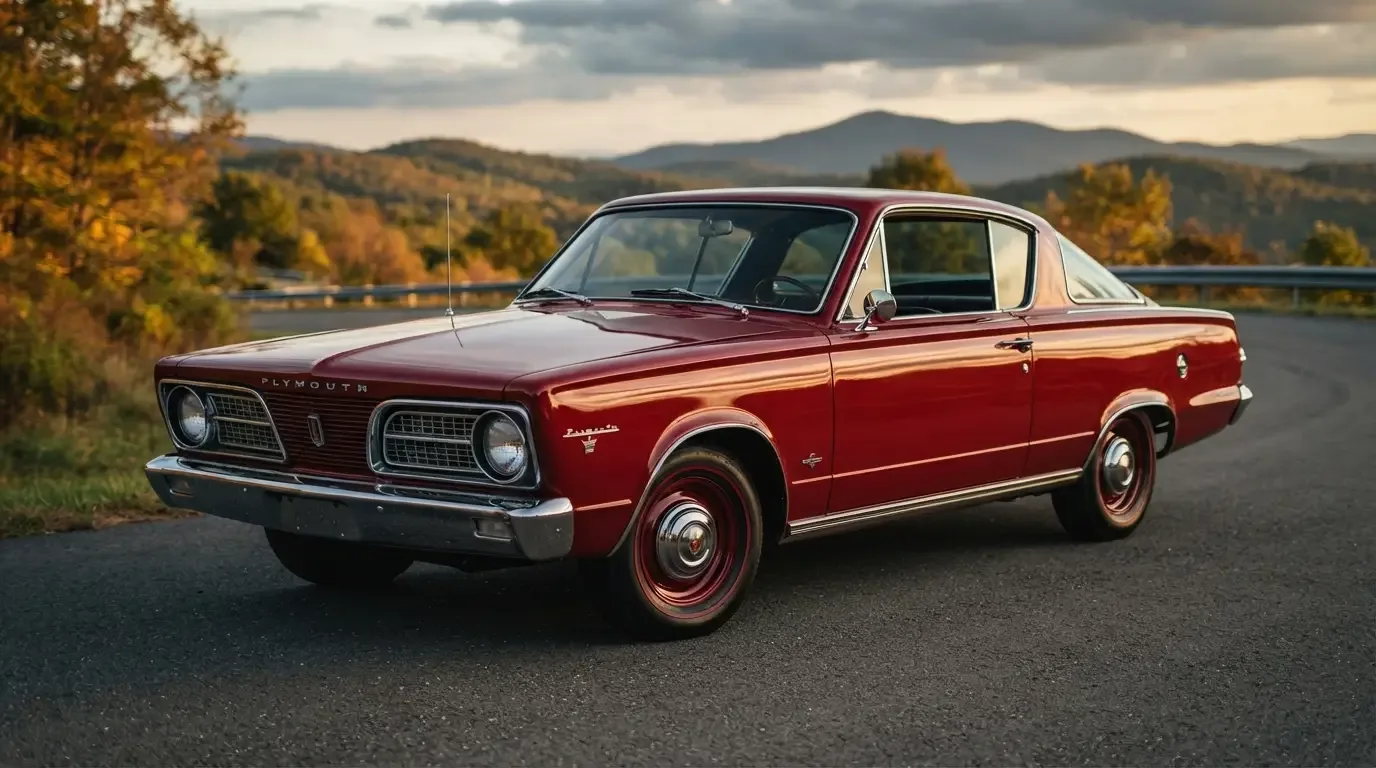
Visually, 1966 carried forward the basic silhouette established in 1964 and refined in 1965, but Plymouth made the changes that distinguish this year unmistakable to a trained eye. The grille received a new horizontal bar treatment, the taillights were revised again, and the interior gained updated trim details that differ from the 1965 cabin in ways a casual observer might miss but a fender tag researcher will catch immediately. These were not dramatic changes. They were the kind of final-year polish a manufacturer applies to a design it already knows is being replaced, refinement without reinvention.
Production numbers tell a story of a car running out of runway
Sales for 1966 came in at 38,029 units, including 5,316 Formula S models, a meaningful decline from the 64,596 units Plymouth had moved the year before. That drop reflects a broader truth about the pony car market by the mid-1960s, competition had intensified sharply, buyers had more choices, and a body style now three model years old, however well refined, was starting to look dated next to newer designs entering the segment. Plymouth was already deep into development of the second-generation Barracuda that would arrive for 1967, and the declining 1966 numbers likely reinforced internally that the ground-up redesign was the correct call.
| Spec | 1966 Barracuda detail |
|---|---|
| Model year sales | 38,029 units (5,316 Formula S) |
| Status | Final year of first-generation A-body Barracuda |
| Grille | New horizontal bar treatment |
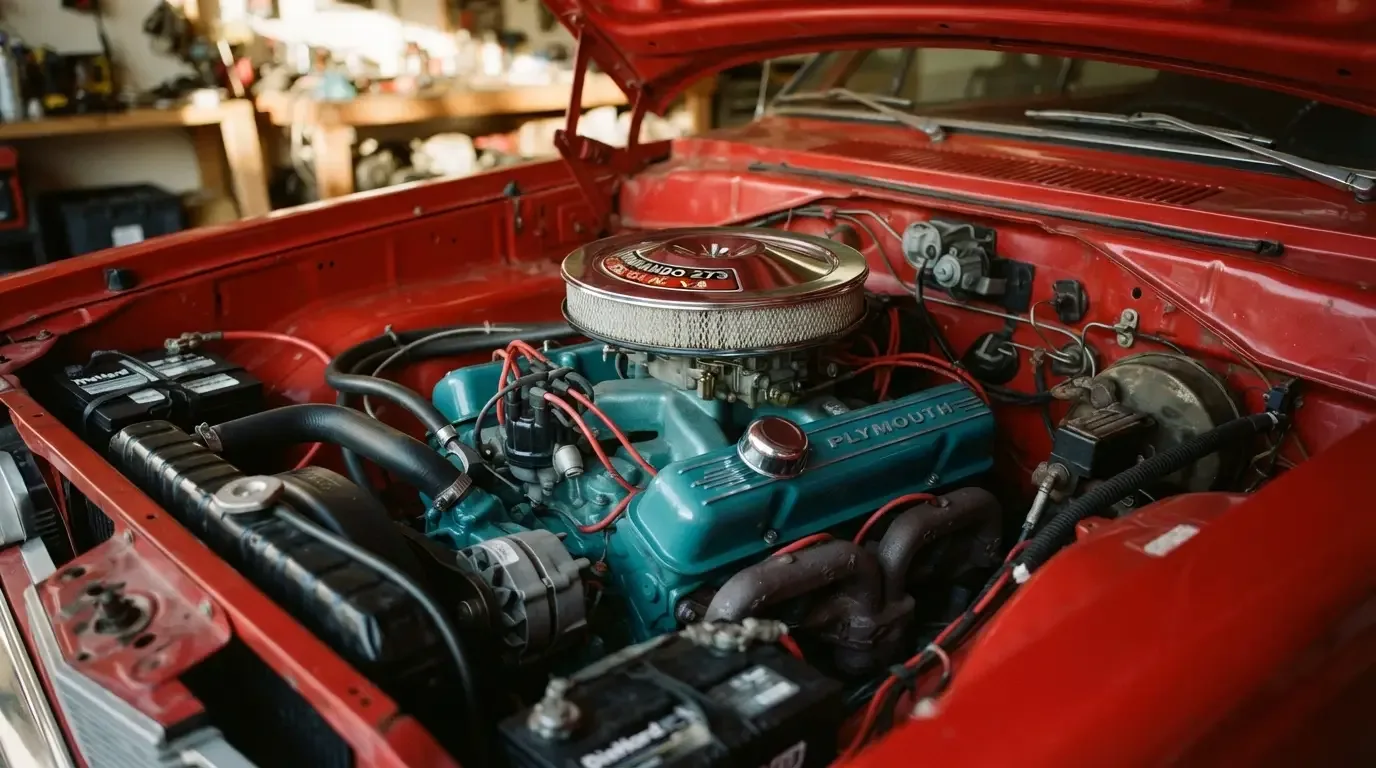
| Engine lineup | 170 cid six, 225 cid six, 273 cid V8 (Formula S) |
| Next chapter | Ground-up second generation arrives 1967 |
Why last-year cars carry their own collector logic
Final model years of any first-generation design occupy an odd place in collector thinking. They are not the historically significant "first" car, and they lack the clean-sheet novelty of whatever replaces them the following year. What they do offer is the most sorted, most refined version of the original concept, built by a factory that had three years of production experience behind it rather than the rushed improvisation of the 1964 launch. Researchers cataloguing surviving 1966 cars consistently note fewer of the small assembly inconsistencies that show up in early 1964 production, a difference attributable to simple manufacturing maturity rather than any dramatic engineering overhaul.
That refinement without redesign status also means 1966 cars share almost all their major mechanical specifications with 1965 models, making direct comparison and authentication between the two model years relatively straightforward for anyone with reference materials in hand. The clearest year-specific markers remain the grille, taillight, and interior trim details rather than anything under the sheet metal.
"The last year of any generation gets overlooked because it isn't a beginning or an ending anyone celebrates. But 1966 is the most buttoned-up version of the original Barracuda concept, and that counts for something."
- Sarah Whitfield
What buyers and reviewers noticed at the time
Period road tests of the 1966 Barracuda generally treated the car as a known quantity rather than a fresh subject, which is itself telling. Reviewers spent less time describing the car's basic character, since three years of coverage had already established it, and more time comparing it against newer rivals that had entered the segment in the interim. That shift in coverage tone, from novelty to comparison, mirrors the sales decline and confirms that both the buying public and the automotive press understood this platform was on borrowed time even before Plymouth's second generation appeared.
Dealer inventory data from the period, where it survives, suggests 1966 models sat on lots somewhat longer on average than 1965 models had, another quiet signal that demand for the aging body style was softening ahead of the redesign. None of this made the 1966 car worse to drive or own. It simply meant the market had moved on to comparing rather than discovering, a shift every long-running design eventually experiences regardless of how well it was originally executed.
Documenting a 1966 example
Verification follows the same discipline that applies across the first generation: fender tags, broadcast sheets, and factory build codes checked against known 1966 specifications, with particular attention to the grille and taillight components since those are the details most commonly swapped or misrepresented on cars that have changed hands many times. For the full story of how the first generation evolved from its rushed 1964 debut to this refined 1966 closer, the broader account situates these final-year details inside the complete three-year arc. Buyers specifically interested in the last of the original body style should treat 1966 examples with the same documentation rigor applied to any other year in the run, and those who browse classic Barracuda listings looking for a first-generation car in its most refined form will find 1966 examples represent that refinement more consistently than any earlier model year.
A quiet close to a rushed beginning
There is a certain symmetry in how the first-generation Barracuda began in a scramble and ended in a comparatively calm, well-sorted final season. The car that beat the Mustang to market by sixteen days closed out its original body style having become, by most measures, the most competently built version of itself. That is not a dramatic story, but it is an accurate one, and accuracy is worth more to a serious researcher than drama ever will be.
For anyone building a serious reference file on the first generation, the 1966 model deserves its own folder rather than being lumped in as "basically a 1965 with different taillights." The grille, trim, and interior changes are documentable, the sales decline is measurable against period market conditions, and the manufacturing maturity of the final year is noticeable to anyone who has handled enough surviving examples across all three model years. Treat it as its own chapter, because that is exactly how Plymouth's own engineering and production records treated it at the time.
Practically speaking, that means a research file worth trusting should list the 1966 grille part number separately from the 1965 equivalent, note the specific taillight lens casting differences, and record the interior trim codes unique to this closing model year. Judges at serious concours events already apply this level of granularity, and a private collector building documentation for eventual sale or insurance purposes benefits from matching that standard rather than treating the final year as an afterthought worth only a passing mention.