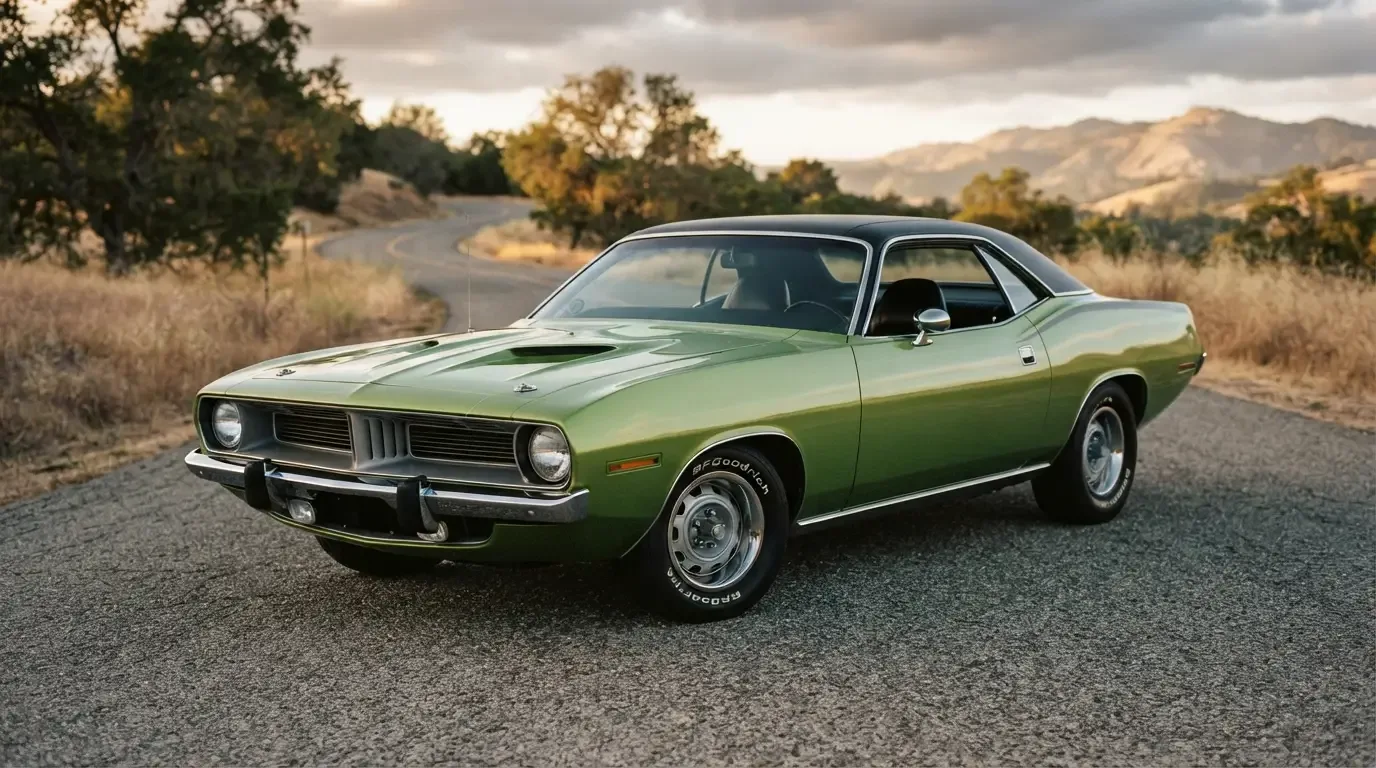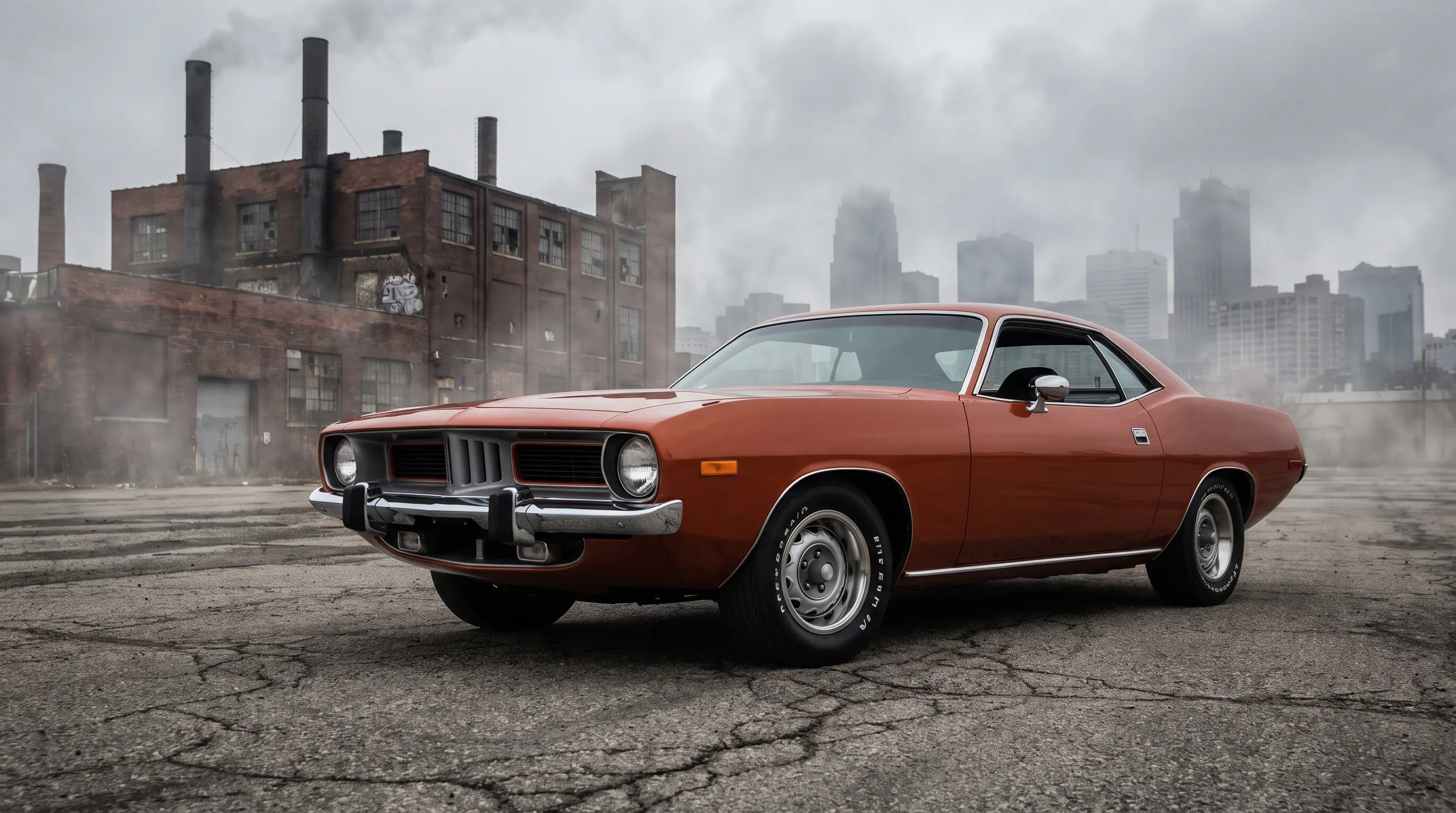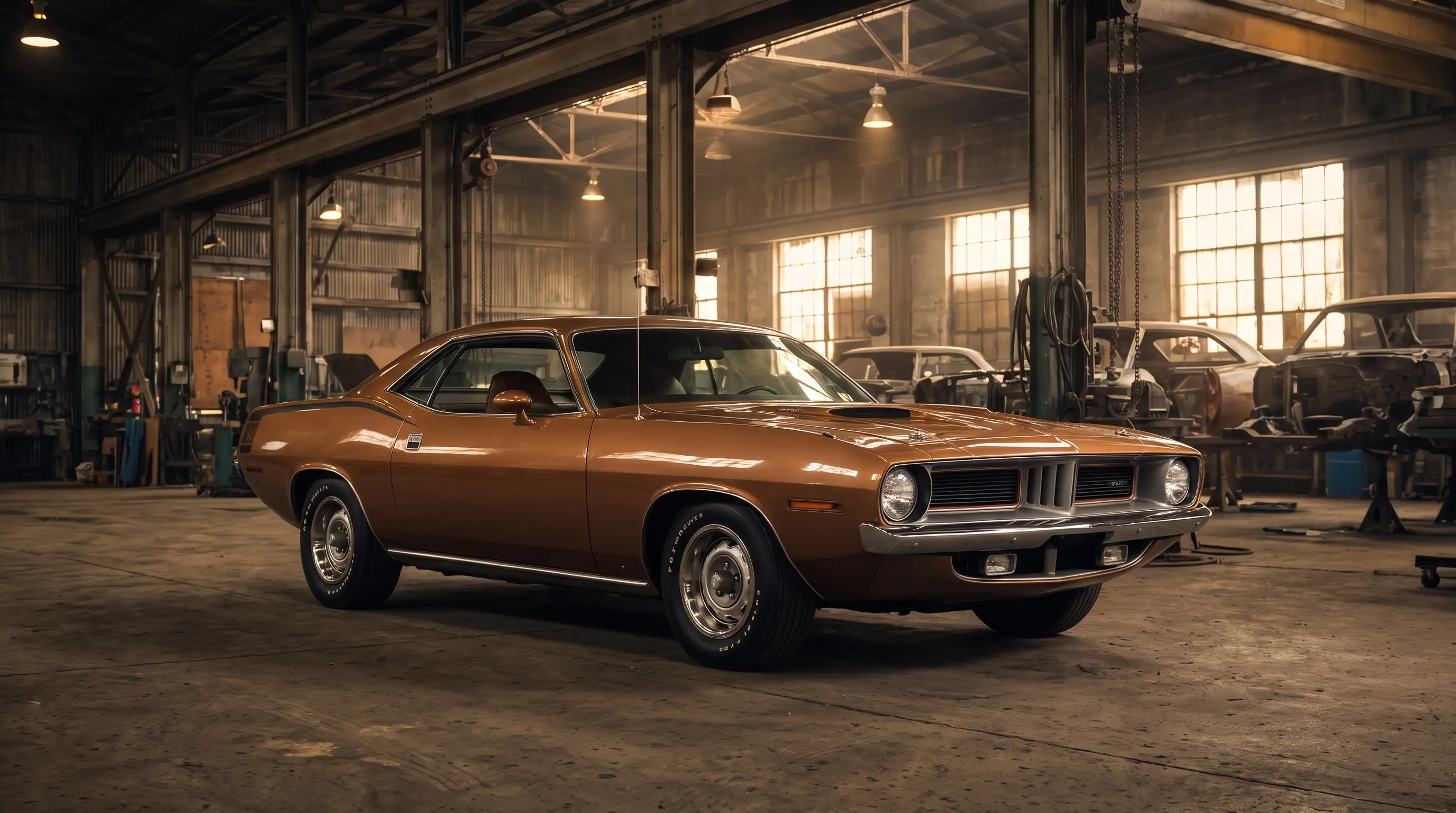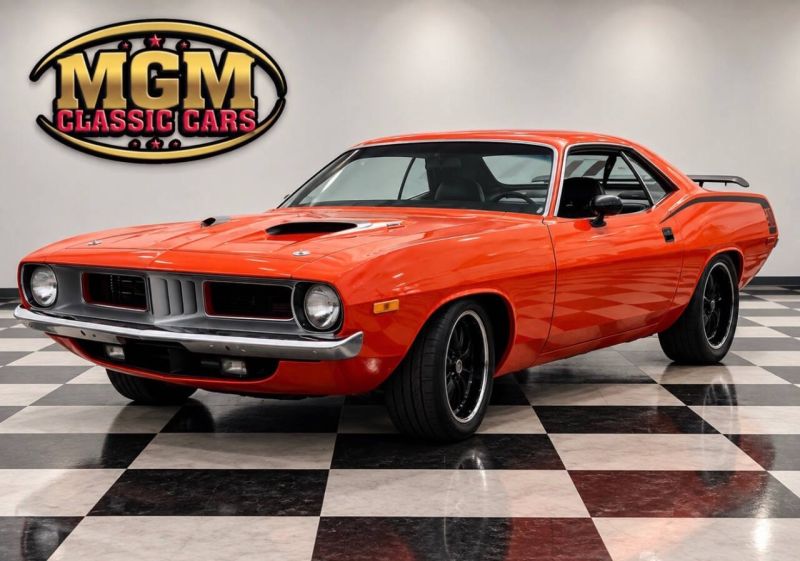
Park a 1971 Plymouth Barracuda next to a 1974 model and you are looking at two cars built on the exact same platform that somehow read as visually different eras entirely. The restyle years between 1972 and 1974 did not touch the fundamental E-body architecture underneath, but they changed the face, the stance, and the details enough that a trained eye can date one of these cars from across a parking lot. Understanding what changed, and why, tells you a lot about the pressures the entire industry was navigating at the time.
The nose job that started it all
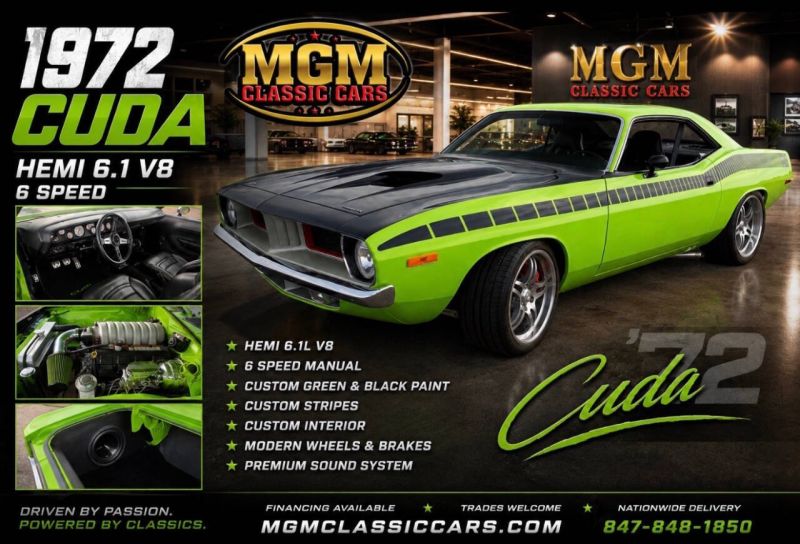
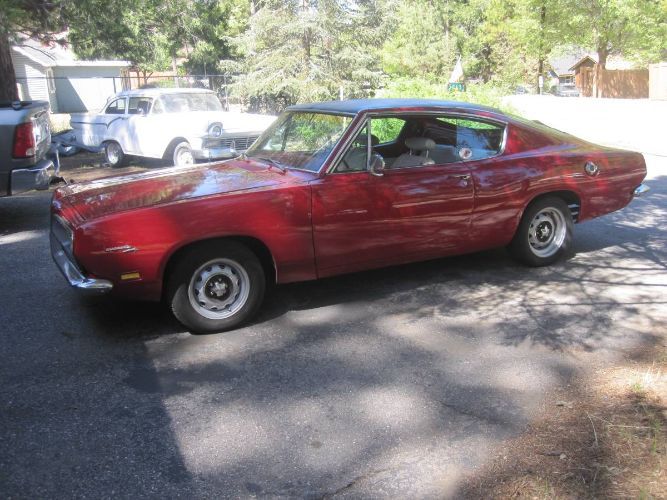
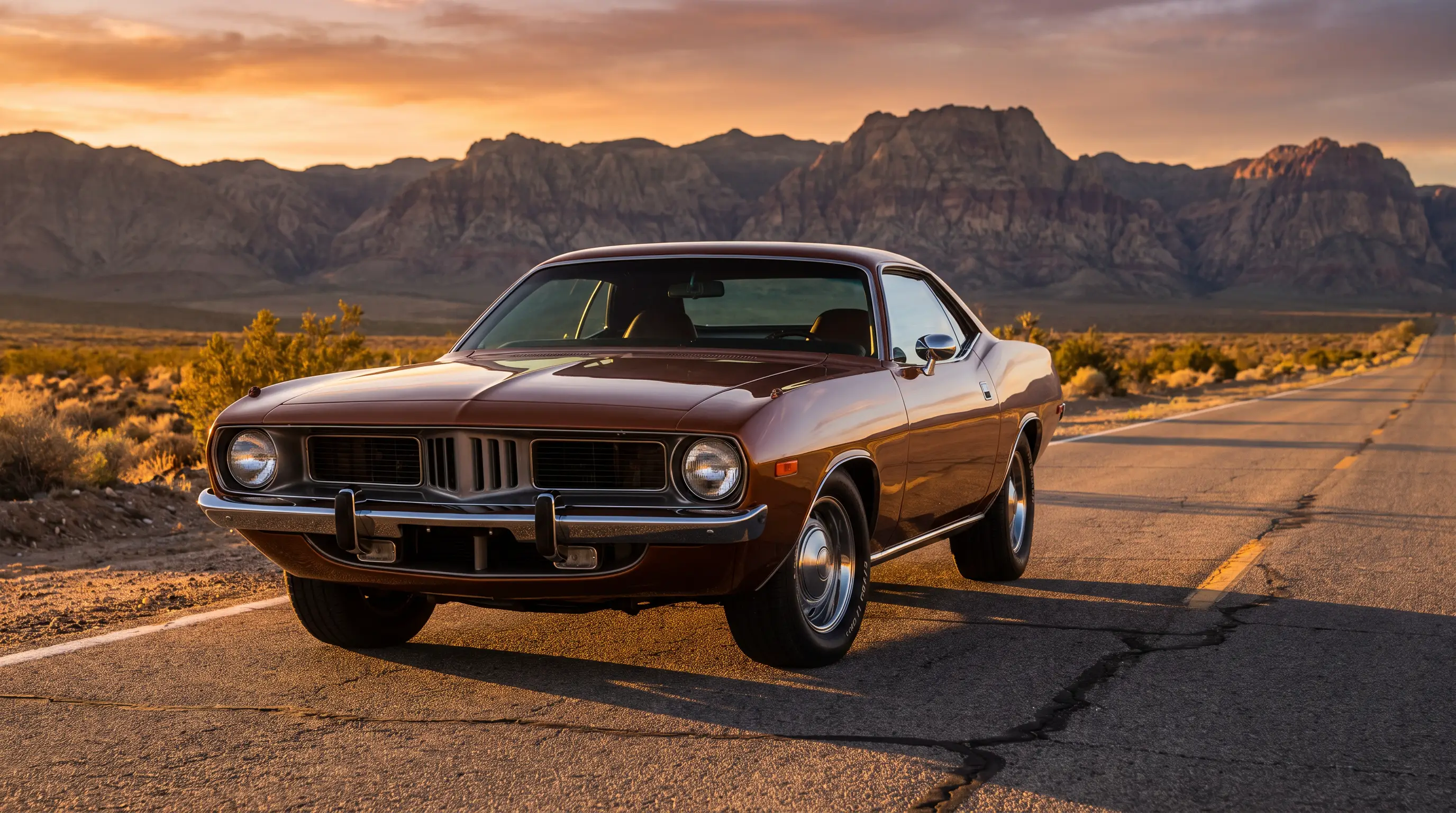
The most immediately obvious change across these three years happened at the front of the car. The 1971 Barracuda had carried a distinctive four headlight arrangement that gave it a wide, aggressive face unique to that single model year. For 1972, Plymouth simplified back to a two headlight front end, a change driven partly by cost and partly by the broader simplification happening across the shrinking engine and trim lineup that same year. Then, starting with the 1973 model year, a new federal bumper impact standard forced a heavier front bumper structure and revised grille surround, adding visible bulk to what had been a comparatively lean nose treatment.
By 1974, that heavier bumper treatment extended to the rear as well, when the federal standard expanded to cover rear impact protection too. The cumulative effect across just three model years was a car that went from the lean, four-eyed 1971 face to a noticeably heavier bumpered 1974 rear and front, all while the doors, roofline, and greenhouse stayed essentially unchanged the entire time.
What stayed consistent underneath the changes
It is worth emphasizing what did not change during this period, because the restyle years get discussed sometimes as though the whole car was reworked, and that overstates it considerably. The E-body's fundamental proportions, the long hood, the short deck, the fastback-adjacent roofline, all of it remained intact from the platform's 1970 introduction straight through to the final 1974 cars. What Plymouth's designers were managing during these years was a series of federally mandated and cost driven detail changes layered onto a body shell that was never substantially reengineered after its initial launch.
The trim lineup itself simplified during this period as well. By 1972 the Barracuda was down to just two trims, the base Barracuda and the 'Cuda, with the convertible and Gran Coupe both discontinued that year. That basic two-trim structure, along with the 'Cuda's scooped hood and appearance package, carried through 1973 and 1974 with only incremental changes to stripe graphics and available color combinations rather than wholesale redesigns. A shopper in 1974 looking at the trim brochure would have recognized the basic structure of the options list from a 1972 brochure, even if some of the specific graphics and available shades had shifted in the interim.
| Model year | Front end | Bumper standard |
|---|---|---|
| 1971 | Four headlight arrangement | Pre-federal impact standard |
| 1972 | Two headlight, simplified grille | Pre-federal impact standard |
| 1973 | Two headlight, revised grille surround | New front 5 mph impact standard |
| 1974 | Two headlight, carried over from 1973 | Front and rear 5 mph impact standard |
How the changes read from a distance versus up close
There is an interesting split between how these styling changes register at a glance and how they register once you are standing next to the car. From across a parking lot, the basic silhouette of a 1971 and a 1974 Barracuda reads as nearly identical, the same long hood and short deck proportions that defined the E-body from its introduction. It is only once you get close, particularly around the nose and tail, that the accumulated changes become obvious, the added bumper depth, the revised grille texture, the absence of the four headlight treatment that had briefly defined the 1971 car alone.
That distance-dependent perception is part of why these later cars sometimes get underestimated by casual observers who assume a Barracuda is a Barracuda regardless of year. Enthusiasts who have spent real time around these cars develop an eye for the details quickly, and once you know what to look for, dating one correctly from twenty feet away becomes second nature. That same trained eye is exactly what you want to bring to any inspection before money changes hands.
Why these details matter to buyers and restorers
Getting the front and rear treatment correct for a given model year is one of the more common authenticity checks experienced Barracuda buyers run through before taking a car seriously, because parts from adjacent years frequently get swapped during past repairs or informal restorations, sometimes without the seller realizing or disclosing it. A 1973 grille surround on a car represented as a 1972, or a set of 1974 rear bumper brackets on a car sold as a 1973, are the kind of small mismatches that a careful inspection catches and a casual one misses entirely.
This is not a minor cosmetic quibble either. Because the bumper standards changed specifically due to federal regulation taking effect at defined points, the front and rear treatment on a genuine, unmolested car should align precisely with what the regulation required for that specific model year. A mismatch is either evidence of parts swapping during a repair, or evidence that the car's represented model year does not match its actual build date, and either scenario is worth understanding before you agree on a price. For the fuller picture on how these styling years connect to the mechanical changes happening simultaneously, the full story covers the restyle era from every angle, not just the visual one.
"I can usually tell what year I'm looking at from fifteen feet away just by the headlights and the bumper. When something doesn't match, that's when I start asking harder questions."
- Sarah Whitfield
Interior and color changes that get less attention
The exterior bumper and headlight story dominates most discussions of this era, but the cabin experience shifted in smaller ways worth knowing about too. Available interior colors and trim materials narrowed somewhat across 1972 to 1974 compared to the wider palette offered when the E-body launched in 1970, a cost-driven simplification that mirrored what was happening with the exterior color and stripe options during the same years. Seat pattern details and dashboard trim finishes saw minor running changes as well, the kind of detail that rarely shows up in period advertising but that a careful restorer needs to get right for a fully accurate car.
None of these interior changes carry the same regulatory weight as the bumper standards, but they follow the same underlying logic. Plymouth was managing costs on a platform nearing the end of its life while still meeting the federal mandates that applied regardless of how close to cancellation the car actually was. The result is a cabin that feels recognizably the same E-body experience throughout the run, with just enough small differences to matter to anyone chasing exact period correctness.
A restyle driven by regulation, not aesthetics
What makes the 1972 to 1974 styling changes genuinely interesting from a historical standpoint is how little of it was aesthetic choice in the traditional sense. Designers were not sitting down to reimagine the Barracuda's face for its own sake. They were responding, year by year, to federal safety mandates and cost pressures within an already committed platform, threading a needle between compliance and keeping the car recognizable to the buyers who had made the E-body shape popular in the first place. Judged against that constraint, the restyle years hold together more coherently than they sometimes get credit for.
Anyone shopping this era today benefits from knowing these details cold, both to verify authenticity and to appreciate what they are actually looking at. You can browse classic Barracuda listings spanning these exact model years and use the front and rear treatment as one of your first, fastest checks before digging into the fender tag and engine numbers underneath.