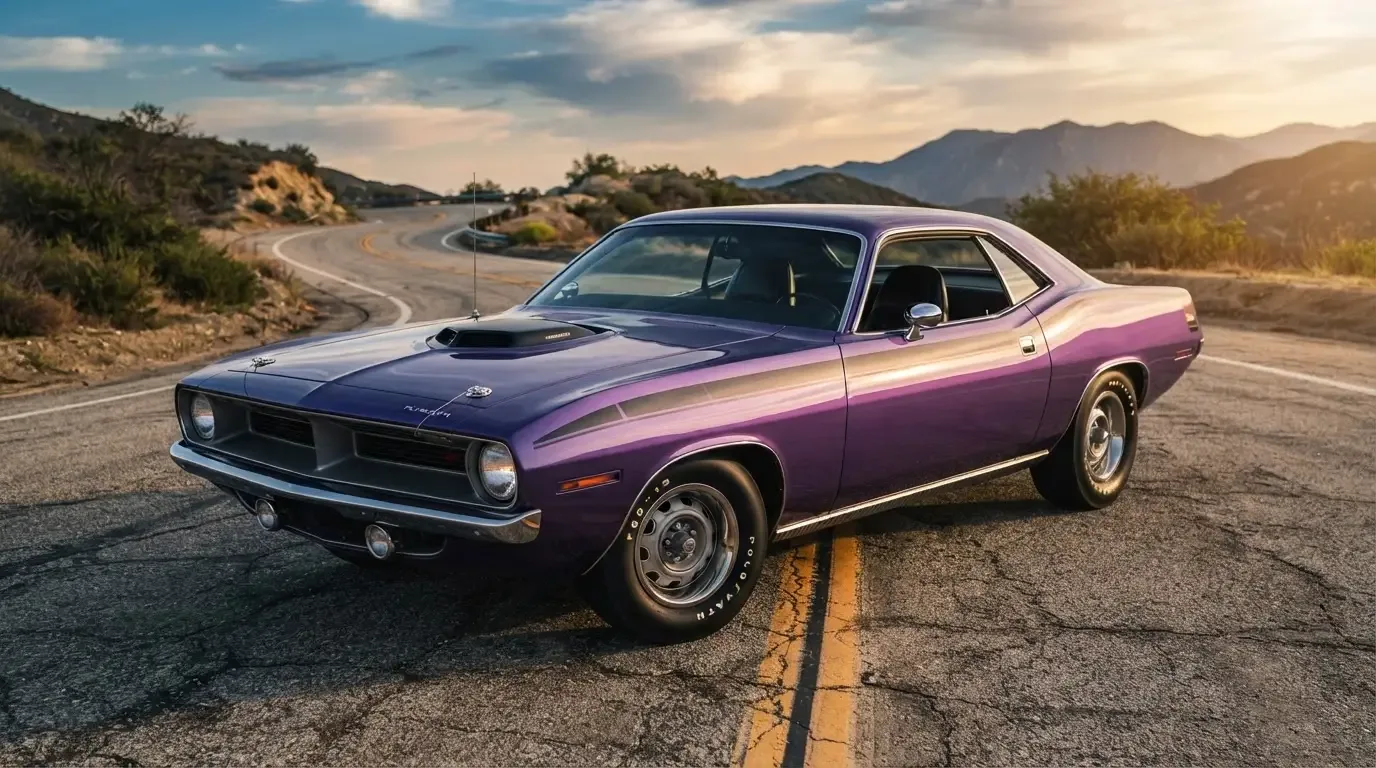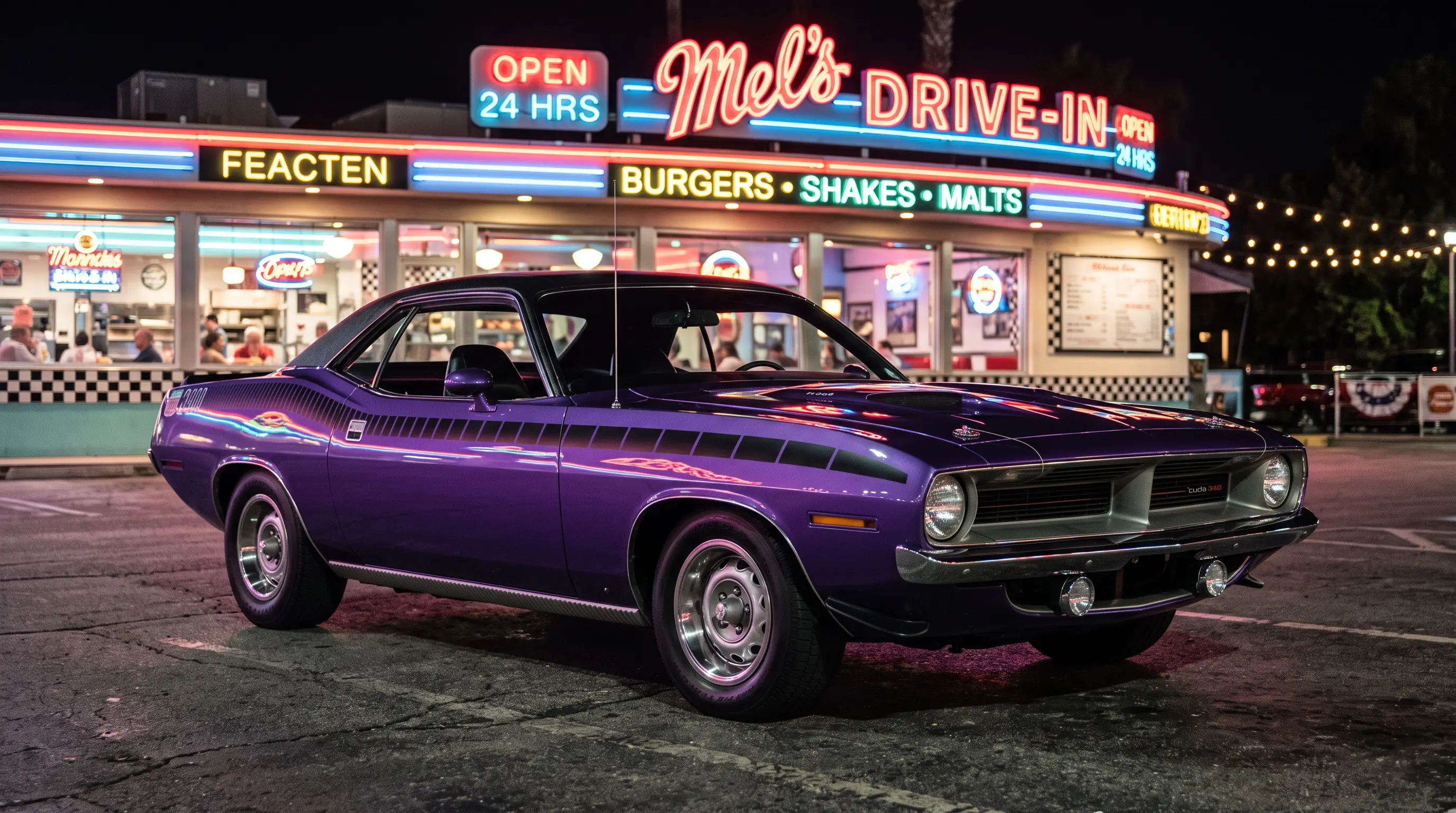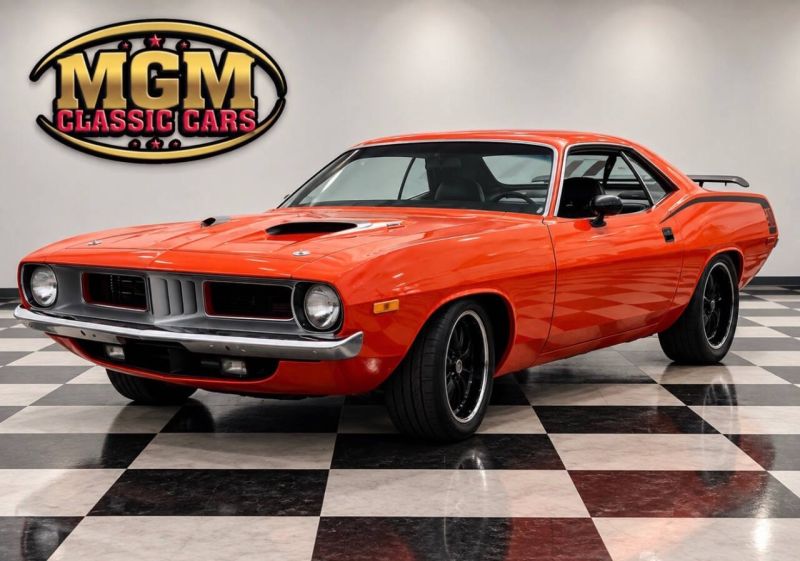
I still remember the first time a guy at a swap meet handed me a fender emblem and asked me to guess the year without looking at anything else on the table. I got it wrong. Turns out the little fish badge changed more over the Barracuda's production run than most people realize, and once you start paying attention to that history, you start noticing it on every car in a parking lot instead of just the ones you're shopping for. That's how the barracuda logo badge conversation usually starts among people who've been in this hobby long enough to care about details nobody else notices.
The fish that started it all
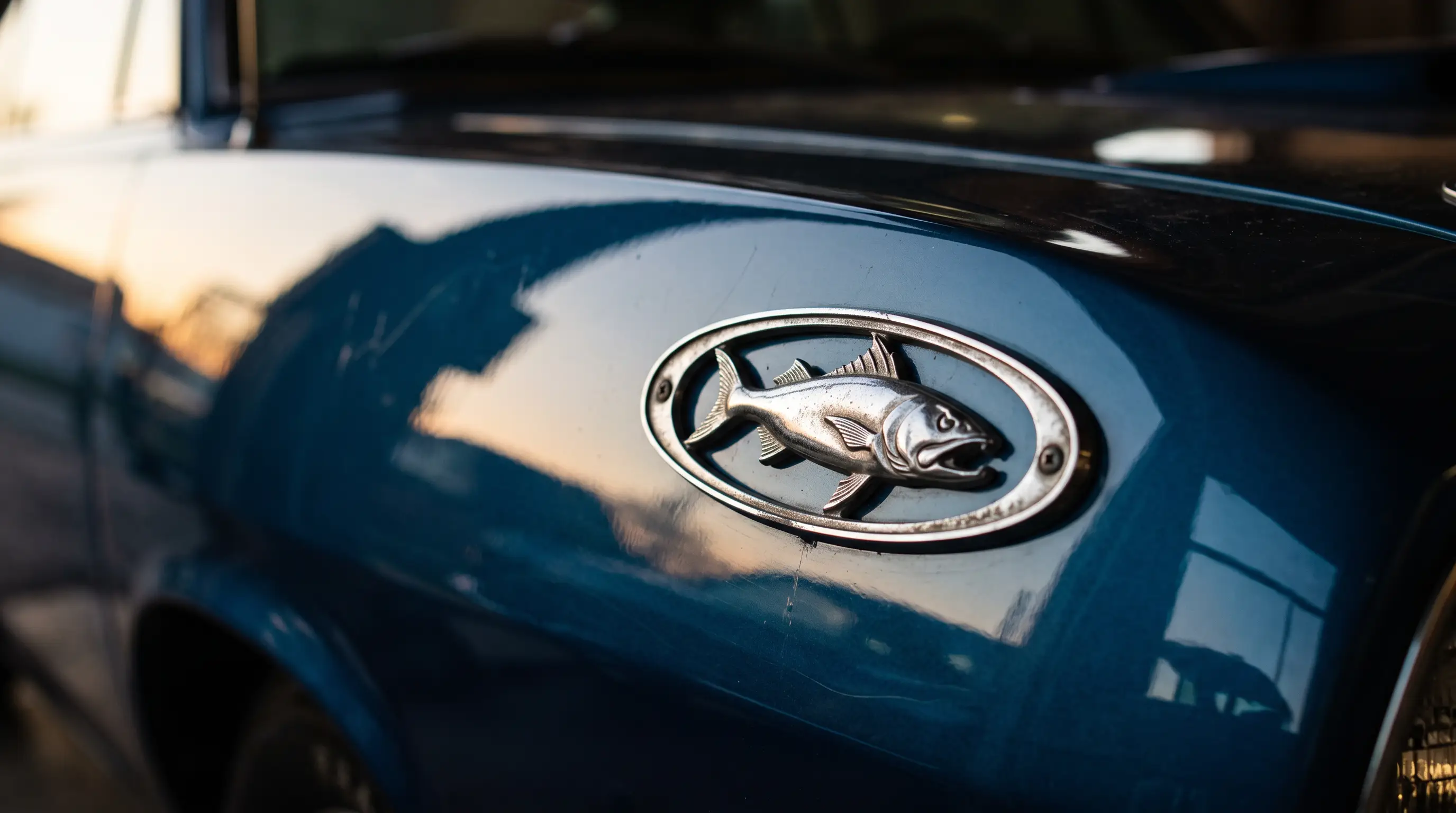
Plymouth introduced the Barracuda name alongside a stylized fish emblem when the car launched in 1964, and that fish became the visual shorthand for the whole model line almost immediately. It showed up on fenders, on the horn button, and eventually worked its way into dealer signage and print advertising. The choice made sense on paper. A barracuda is fast, aggressive, and a little bit dangerous looking, which is exactly the personality Plymouth wanted buyers to associate with the car.
What's interesting is how much that emblem evolved even in the car's earliest years. Early badges leaned more literal, a recognizable fish shape rendered in chrome. Later versions got more stylized and abstract as the car's own design language matured, and tracking those small changes year to year has become its own little sub-hobby within the broader Mopar community.
How badging changed as the car grew more aggressive
By the time the Barracuda moved to its second generation body style in the late sixties, the badging started reflecting a car that had grown considerably more serious about performance. The fish emblem stuck around, but it got joined by additional badging calling out engine displacement, trim level, and eventually the Cuda name itself as a distinct performance designation separate from the base Barracuda lineup.
That distinction mattered a lot to period buyers. A Cuda badge on the car's flanks signaled something specific about what was under the hood, and dealers used that badging as a selling point on the lot, letting the car's own trim identify its performance credentials before a salesman said a word. Exact badge placement and wording varied enough across model years and trim packages that anyone doing a detailed restoration should cross-reference a factory parts catalog or a registry photo for the specific model year and trim in question, rather than assuming one year's badging applies universally across the whole production run.
Why the Cuda name eventually took over
As the seventies arrived and the Barracuda platform leaned harder into performance, the Cuda name and its associated badging started carrying more weight in buyer's minds than the base Barracuda name ever had. That shift in emphasis shows up clearly if you compare dealer advertising from the car's early years against advertising from its final production seasons. The fish stayed present throughout, but the performance badging around it grew louder and more prominent as the car's engine options grew more serious.
Club members who specialize in this kind of detail will tell you the badging story is really a story about how Plymouth's marketing department responded to what customers actually wanted. Early buyers cared about a sporty compact. Later buyers wanted everyone on the road to know exactly what they were driving, and the badging evolved to match that shift in priorities.
"You can date a lot of these cars just by the badge alone, before you ever pop the hood. That little fish tells you more than most people give it credit for."
- Wayne Coburn
Why collectors obsess over getting the badging right
Restoration purists treat correct badging as seriously as they treat correct paint codes, and for good reason. A car with the wrong badge for its model year sticks out immediately to anyone who knows what to look for, and that kind of mismatch can raise real questions about a car's history during a sale. Buyers doing their homework should always cross-reference badge details against known production records rather than trusting what's currently bolted to the car, since badges get swapped, lost, and replaced more often than most other trim pieces over fifty years of ownership changes.
That obsession with getting small details right connects to a much bigger story about how the Barracuda built its overall identity and reputation over the decades. If you want the whole picture of how color, badging, and marketing worked together to shape the car's image, that broader history explains why something as small as a fender emblem still generates this much conversation at car shows today.
How the badge story shifted once production ended
Once Plymouth stopped building the Barracuda after the 1974 model year, the badging itself took on a different kind of significance. What had been a straightforward trim identifier during production became a historical artifact the moment the last car rolled off the line, and collectors started treating original badges the way they'd treat any other irreplaceable factory component. A fender emblem that once cost a few dollars to replace at a dealer parts counter became something people would drive across state lines to track down at the right swap meet table.
That shift happened gradually over the following decades as the broader muscle car market matured and buyers started paying closer attention to originality rather than just overall condition. A repainted car with incorrect badging might have passed inspection from a casual buyer in the eighties. That same car gets flagged immediately by anyone shopping seriously today, because the hobby's standards for what counts as correct have tightened considerably since those early post-production years.
What this means if you're shopping for one now
Badging alone won't tell you everything about a car's condition or mechanical health, but it's a useful first check when you're evaluating whether a seller actually understands what they have. A car with mismatched or clearly incorrect badging for its stated model year deserves a closer look at everything else in the listing too. Consistency in the small details usually correlates with consistency in the bigger things that actually matter.
If you're ready to start comparing real listings instead of just badge photos from old parts catalogs, you can find a classic Barracuda and start checking the fine details for yourself. Bring a reference photo of correct badging for the model year you're chasing. It's a small thing, but it separates a careful buyer from someone who's just going to trust whatever the windshield sign says.