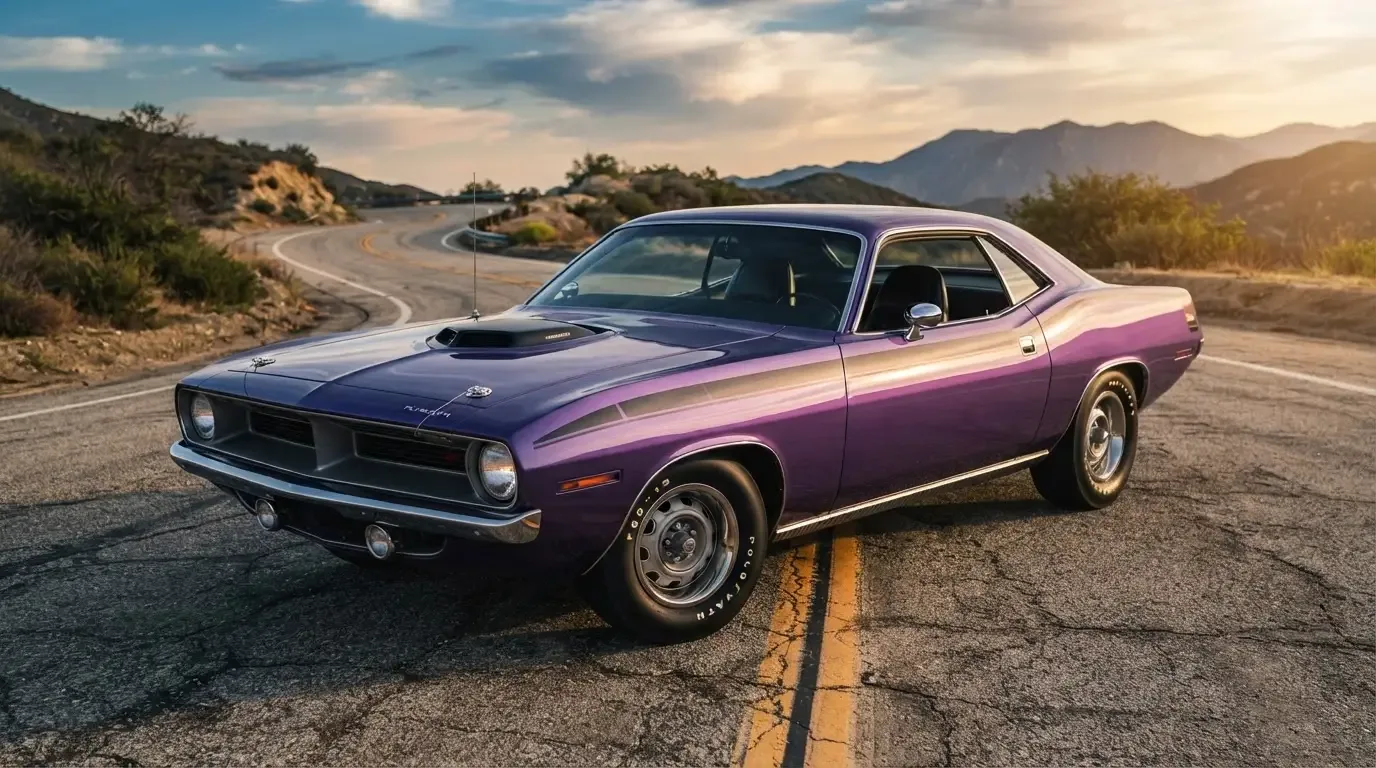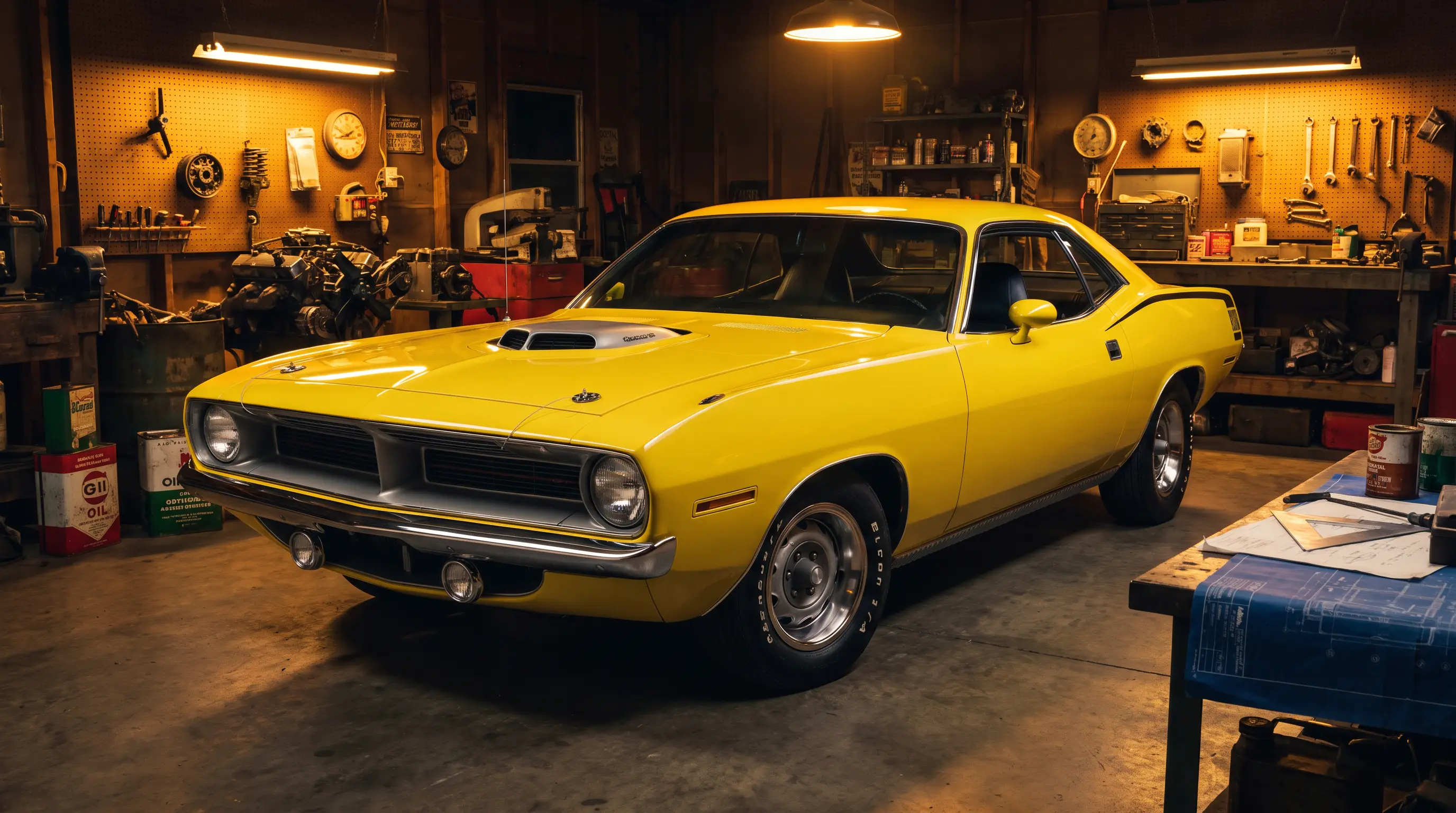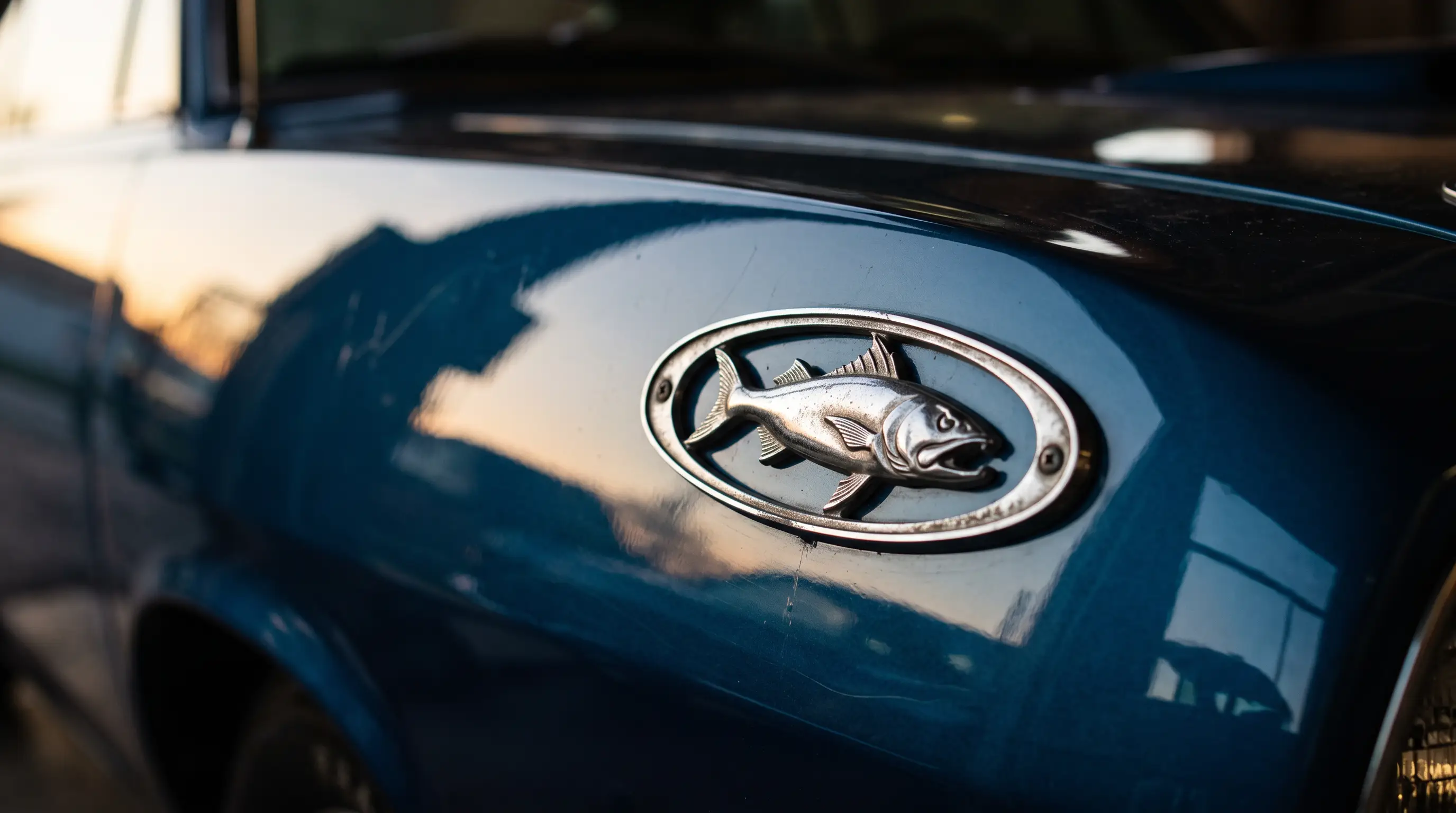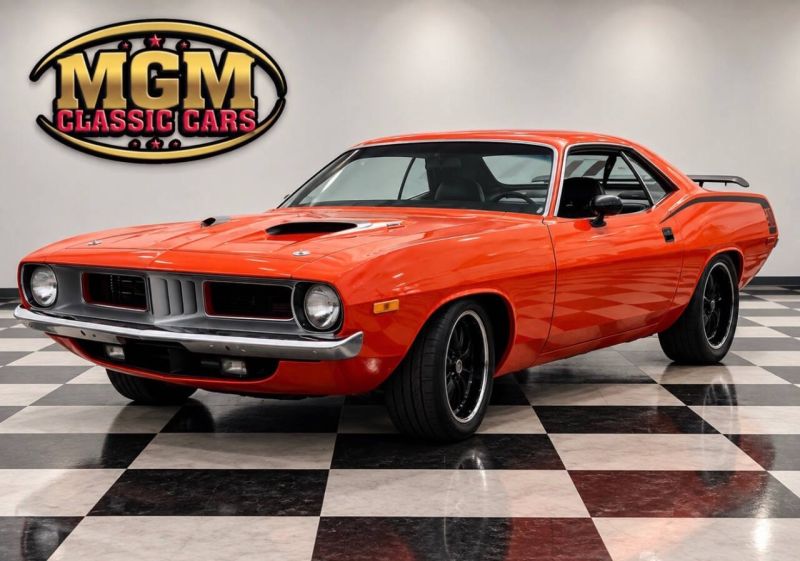
Nobody sets out to build a cult classic. It just happens over enough years that people stop asking whether a car was popular when new and start asking why it never went away. That's exactly what happened with the Plymouth Barracuda. The cuda cult classic status this car carries today didn't come from a single decision Plymouth made in Detroit. It came from decades of the right people refusing to let it fade, one swap meet and one restoration at a time.
Not the best seller, but the one people kept talking about
Plymouth never outsold Ford or Chevrolet with the Barracuda, and anyone claiming this car dominated its segment in period sales figures is telling you a story that doesn't hold up. What it did instead was carve out a dedicated following that cared more about the car's personality than its market share. Sales numbers tell you what people bought. Cult status tells you what people kept, restored, and passed down to their kids instead of trading in for whatever came next.
That distinction matters because plenty of cars that outsold the Cuda in their own era are barely remembered today. Popularity when new and staying power decades later are two completely different measurements, and the Barracuda scores a lot higher on the second one than raw sales figures from the sixties and seventies would ever suggest.
How the enthusiast community kept the car alive
A car doesn't become a cult classic on its own. It needs people willing to hunt down parts nobody makes anymore, document production numbers nobody bothered writing down at the factory, and show up at a swap meet year after year trading information instead of just merchandise. The Barracuda's club community did exactly that starting decades before the broader collector car market caught on to what these cars were worth.
That early groundwork is the real reason a Cuda in decent condition is easier to source parts for today than plenty of muscle cars built in far greater numbers. Somebody had to reproduce that trim piece. Somebody had to track down the correct paint code. None of that happens by accident, and none of it happens without a community that decided this particular car was worth the effort long before anyone was paying auction house money for one.
The scrappy underdog appeal that never wore off
Part of what makes a cult classic stick around is an underdog quality, and the Barracuda has that in spades. It wasn't the biggest seller. It wasn't always the fastest car in its class on paper. What it had was genuine character, a shape and attitude that made owners defensive about the car in a way that Cadillac or Continental owners from the same era rarely bothered to be. People don't get that attached to a car just because it was good. They get attached because it felt like it was theirs in a way the mainstream choices never quite managed.
That underdog energy shows up constantly in how longtime owners talk about the car. Ask a Cuda owner why they picked this one over something more common and you'll usually get a story, not a spec sheet. That's cult classic behavior in a nutshell, people choosing emotional connection over practical logic every single time.
"Plenty of cars from that era were faster or sold better. Not many of them still have people arguing about paint codes fifty years later. That's the difference between popular and beloved."
- Mike Sullivan
Pop culture kept adding fuel to the fire
Film and television exposure gave the Barracuda's cult status a boost that pure club enthusiasm never could have generated on its own. A car doesn't need mainstream sales figures to stay culturally relevant when it keeps showing up on screen decade after decade, introducing itself to new audiences who had no idea the model existed until they saw it in a favorite movie or TV show. That kind of repeated exposure builds cult status in a way advertising budgets from the sixties never managed.
Combine that screen presence with a color palette that Plymouth was never shy about pushing to the limit, and you get a car that stayed visually interesting to people discovering it for the first time, generation after generation. For where this started, the full breakdown of how those bold factory colors built the car's cultural footprint is worth reading if you want to understand why this particular Plymouth kept getting rediscovered instead of quietly fading into obscurity like so many of its contemporaries.
Younger buyers keeping the streak alive
Cult status only survives if new people keep discovering the thing worth being obsessed with, and the Barracuda has managed that generational handoff better than a lot of its contemporaries. Buyers now entering the hobby in their twenties and thirties often come to the car through completely different channels than their parents did, discovering it through online forums, social media restoration accounts, or a rerun they stumbled across late at night rather than through a childhood spent around a family garage.
That new wave of interest matters because a cult classic without fresh blood eventually turns into a niche curiosity that only aging enthusiasts remember fondly. The Barracuda has avoided that fate so far, with younger buyers showing up at shows, joining clubs, and in some cases taking on restoration projects that older generations of owners might have considered too far gone to bother saving. That willingness to keep investing in tired examples is exactly the kind of behavior that keeps a cult classic's parts supply chain and knowledge base alive for another generation.
A community that treats the car as more than transportation
Ask any longtime Cuda owner what the car means to them and you'll rarely get an answer about horsepower or acceleration times. You'll get a story about a first car, a father who owned one, a swap meet friendship built over a decade of trading parts leads, or a restoration project that consumed a garage for years before finally coming together. That kind of emotional investment is the real engine behind cult classic status, and it's a lot harder to manufacture than a strong sales quarter ever was.
That community mindset shows up in practical ways too, from how freely members share hard-won knowledge about sourcing parts to how patiently longtime owners walk newcomers through their first restoration mistakes. A hobby built on that kind of generosity tends to sustain itself for decades, and the Barracuda community has proven that pattern out about as thoroughly as any muscle car fan base in the country.
Why cult classic status actually matters to today's buyer
A cult following isn't just a nice story for a magazine feature. It has real practical consequences for anyone shopping for one of these cars today. Better parts availability, a more knowledgeable seller base, and a community that will actually help you spot a bad restoration before you commit your money to it. Cult classics tend to have better documentation trails than cars that simply sold well and got forgotten, because the people who cared enough to keep the model alive were usually the same people careful enough to keep records.
If that combination of character, community, and staying power has you thinking about ownership, you can shop classic Barracuda listings and see what's actually out there right now. Cult classic status doesn't mean every example is priced out of reach. It just means you're buying into a community that's spent fifty years making sure this car never quietly disappeared.