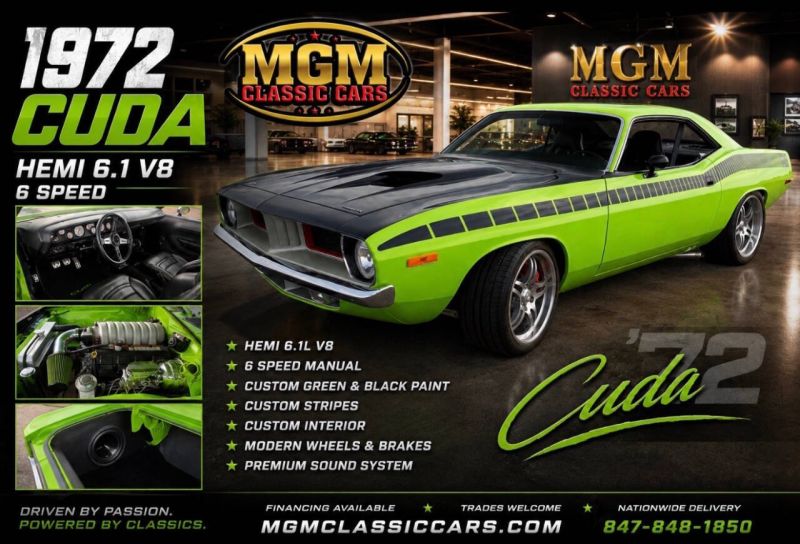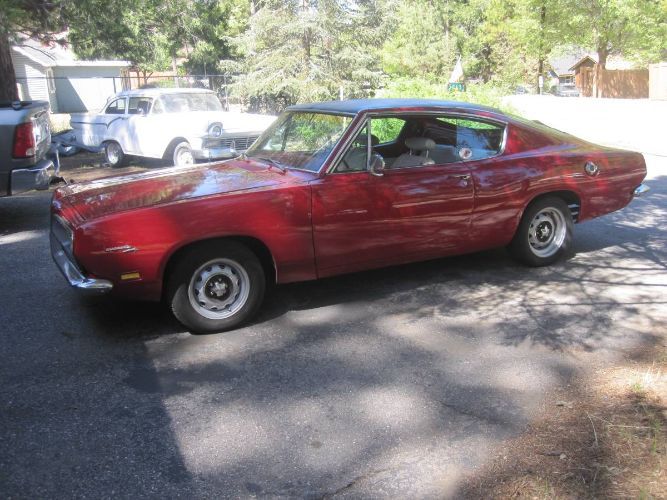
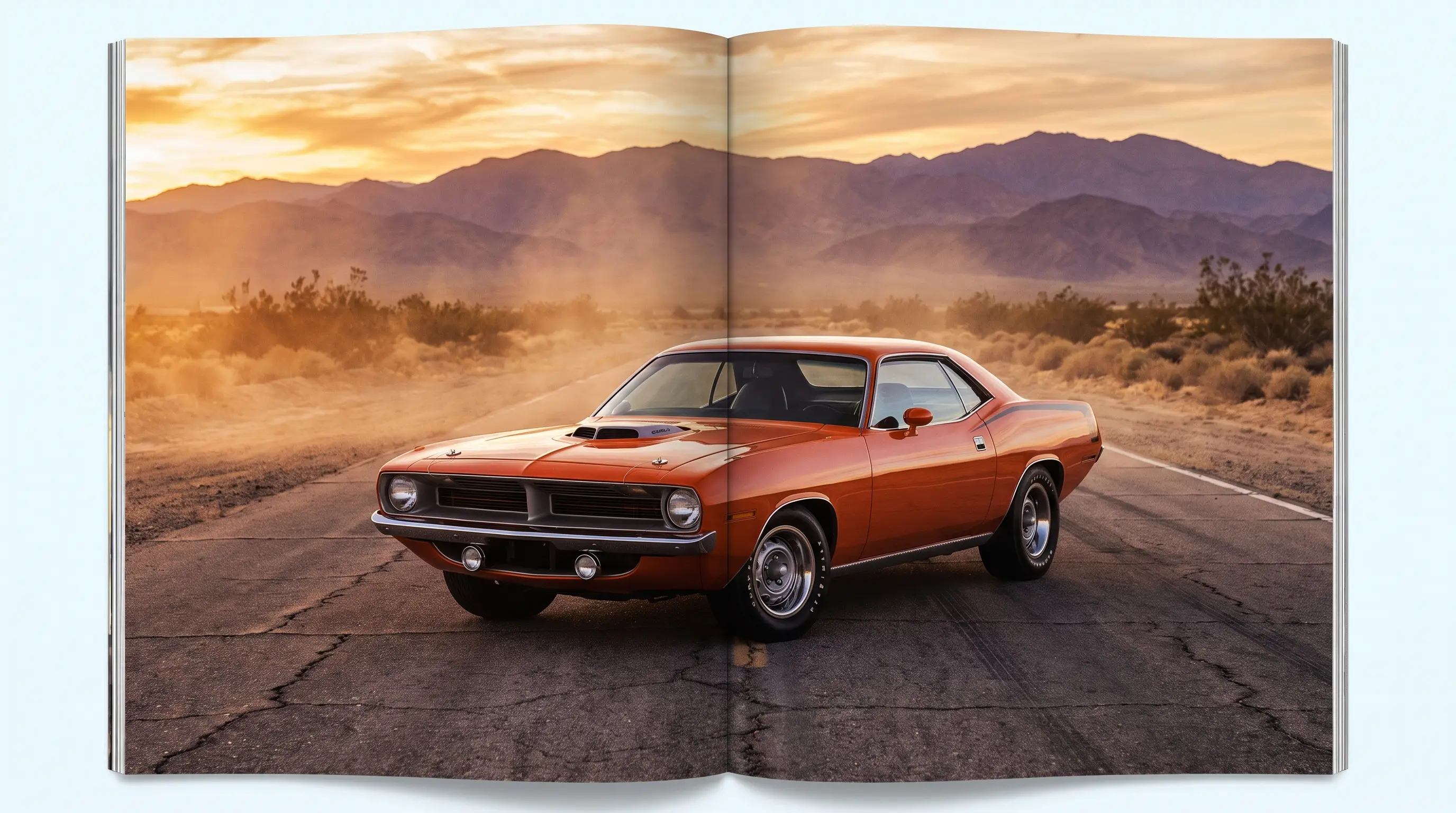
Every car enthusiast has a hierarchy in their head, a short list of vehicles that define what a brand actually stands for once you strip away the sales brochures and the marketing copy. For Mopar people, the Cuda sits near the top of that list without much argument, and understanding cuda mopar icon status means looking past the horsepower figures and into how the car earned its reputation across decades of racing, styling, and a fan base that never let it fade quietly into automotive history.
Icon status is earned, not assigned
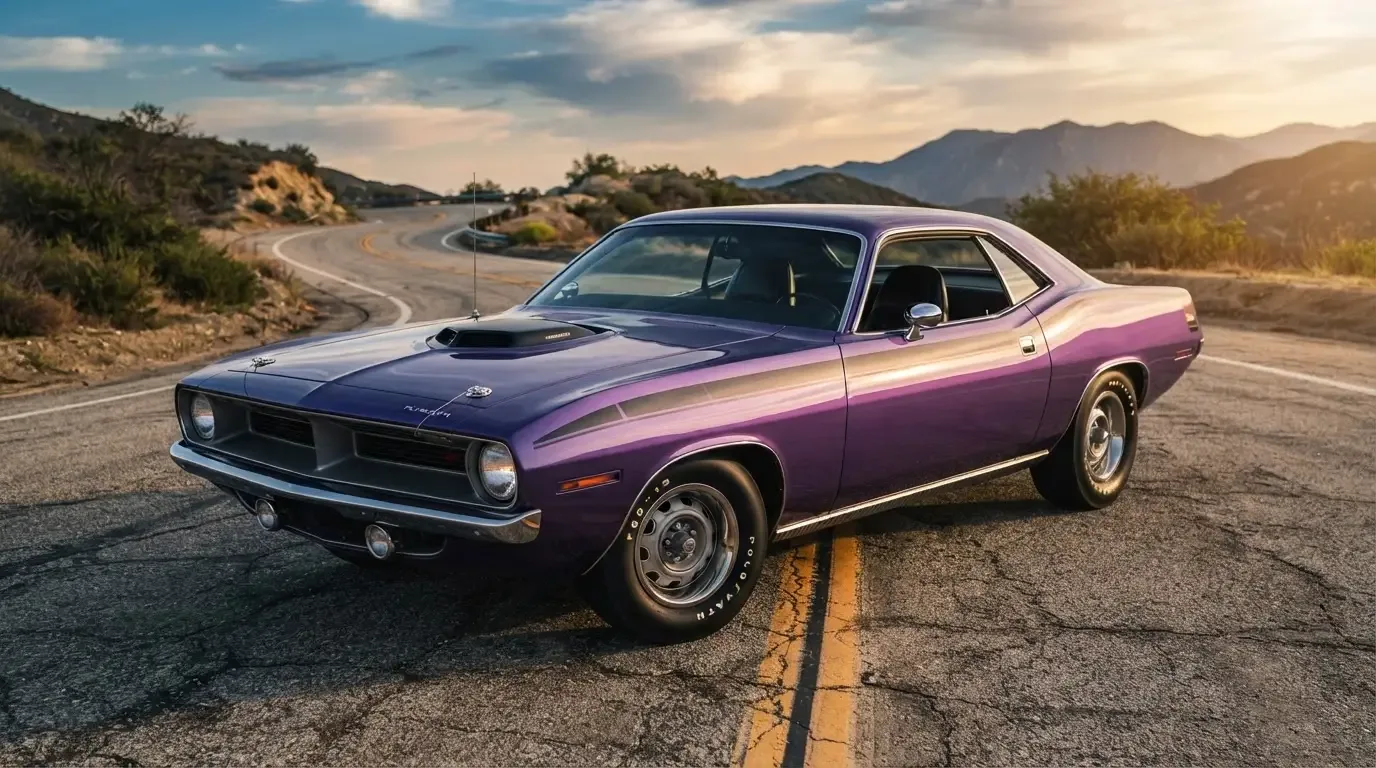
Plenty of cars from the muscle car era had impressive engines and forgettable identities. The Cuda avoided that fate because Plymouth committed to giving it a genuine personality rather than just stuffing a big engine into an existing shape. The fastback roofline, the aggressive stance, and a color palette that refused to apologize for being loud all worked together to create a car people recognized instantly, whether they knew anything about displacement or compression ratios.
That kind of visual identity matters more than most enthusiasts admit. A car becomes an icon when people outside the hobby recognize it too, and the Cuda cleared that bar decades ago through a combination of factory advertising, drag strip success, and later, a healthy dose of pop culture exposure that kept the shape circulating long after Plymouth stopped building it.
The color story that separated it from everything else on the lot
Nothing cemented the Cuda's reputation quite like Plymouth's willingness to paint it colors that other manufacturers would never have approved. Names that sounded more like a prank than a paint chip became part of the car's permanent identity, and buyers who wanted their Cuda to be seen coming from three blocks away had plenty of options to choose from. For cuda high impact colors history, the full account of how those shades became inseparable from the car's reputation is worth reading in full, because color alone did more to build this car's icon status than most owners realize.
That willingness to be loud on purpose says something about how Plymouth positioned the Cuda against its competition. Other manufacturers built fast cars during the same era. Few of them built cars that looked this confident about being fast, and that confidence translated directly into the kind of reputation that outlasts any single model year or engine option.
Racing credibility that backed up the attitude
A car can look confident without earning the right to be, but the Cuda backed its attitude up on the strip and the track. Factory-backed drag racing programs proved the platform could compete at the highest level, and that credibility mattered enormously to buyers who wanted more than just a good looking car in their driveway. Icon status requires substance behind the style, and the Cuda's competition record supplied exactly that.
Trans-Am racing added another layer to the reputation, giving the platform a road racing pedigree alongside its drag strip credentials. Few muscle cars from this era can claim genuine credibility across multiple forms of motorsport, and that versatility is part of why the Cuda's name still carries weight among people who care about racing history rather than just straight line bragging rights.
"An icon isn't just a car people remember. It's a car people still argue about, still chase parts for, still bring up unprompted at a gas station forty years later. The Cuda checks every one of those boxes."
- Patrick Walsh
How badging and identity reinforced the reputation
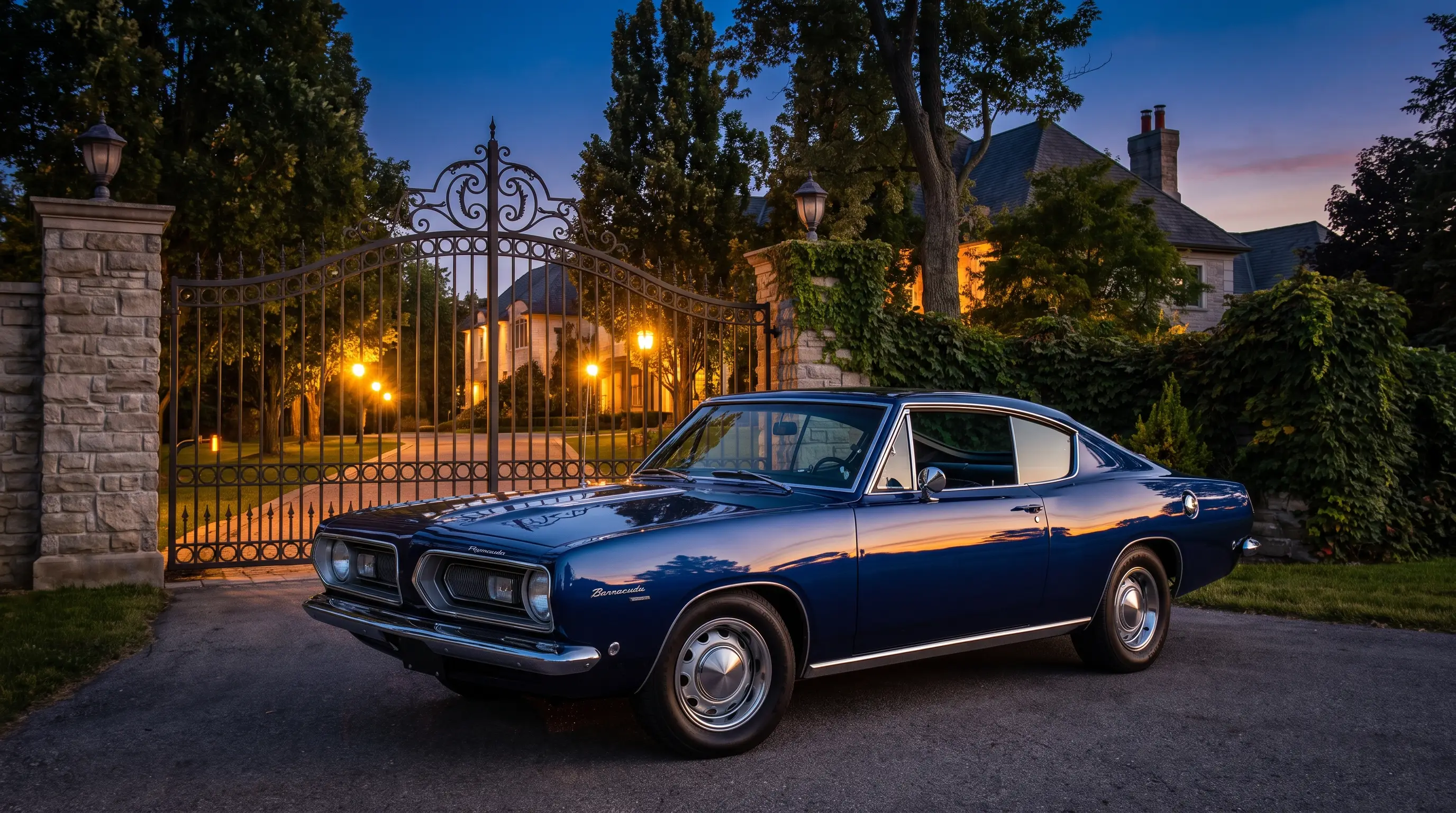
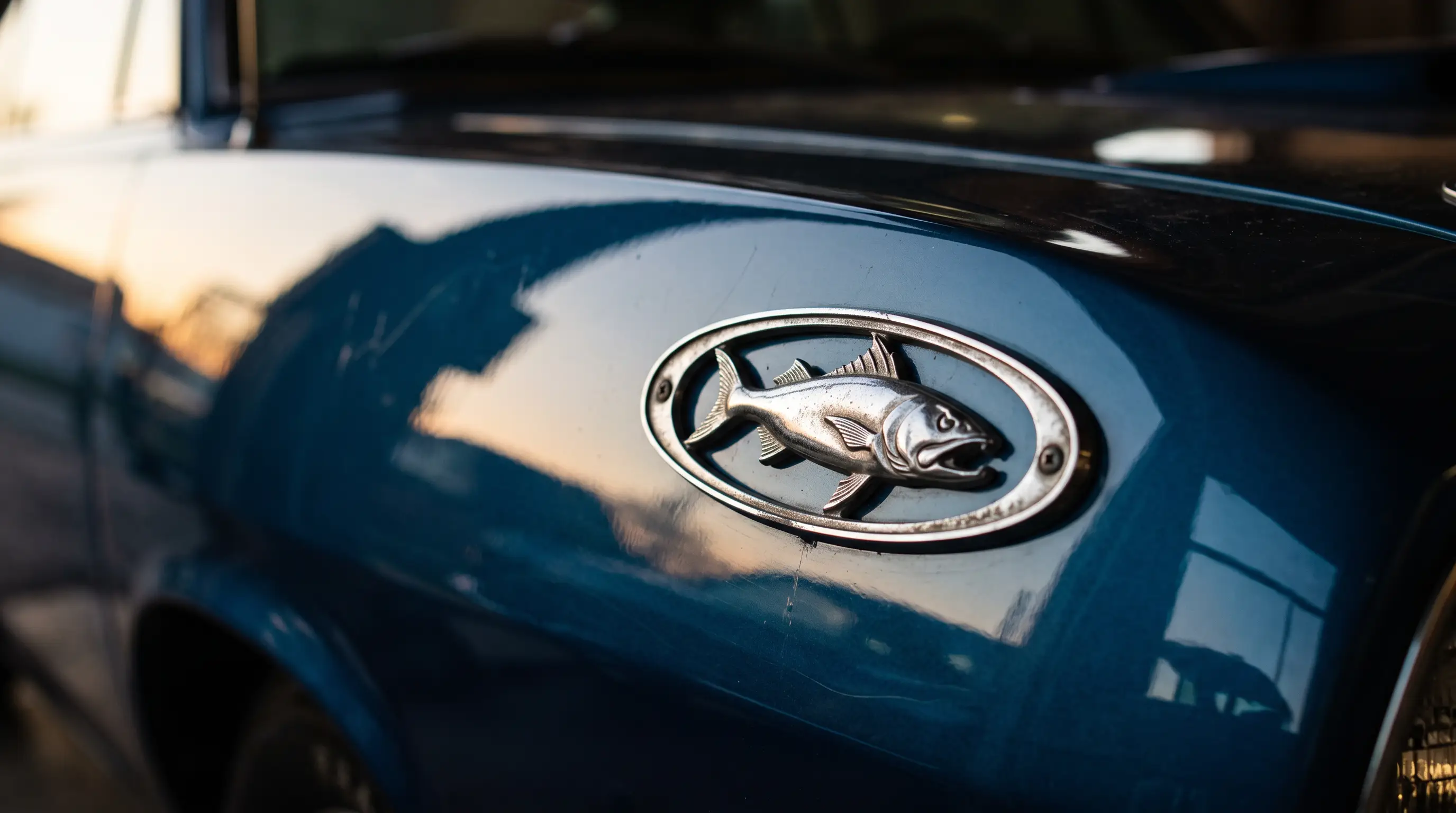
Small details matter enormously in building a lasting brand identity, and the Cuda's badging evolved deliberately across its production years to reinforce exactly what the car was supposed to represent. The way Plymouth handled that visual identity across changing model years connects directly to a related story worth reading if you want the full picture of how a fish emblem and a handful of typeface choices became genuinely recognizable symbols within the muscle car world.
Consistency in identity, even as engines and trim levels changed year to year, gave the Cuda a coherent visual story that buyers could follow across the platform's entire production run. That kind of continuity is harder to maintain than it sounds, and plenty of competing nameplates struggled with exactly the kind of identity drift that Plymouth mostly avoided with this car.
The community that kept reinforcing the reputation
No car sustains icon status through advertising alone, and the Cuda's continued relevance owes plenty to the club culture that grew up around it in the decades after production ended. Owners clubs, registries, and dedicated restoration shops kept the car's history documented and its parts supply alive long after Plymouth itself stopped supporting it, and that infrastructure matters enormously for how a nameplate's reputation survives once the factory marketing machine goes quiet.
That kind of grassroots reinforcement is exactly what separates a genuine icon from a car that was merely popular for a season. Plenty of nameplates from the same era had strong sales figures and disappeared from public consciousness within a decade of production ending, simply because no organized community stepped up to keep their story alive. The Cuda never had that problem, and the depth of its enthusiast base today reflects decades of people choosing to keep the reputation intact rather than letting it fade.
How the icon status compares to its closest rivals
Every muscle car era produced a handful of nameplates that competitors and enthusiasts still measure against each other decades later, and the Cuda holds its own in that conversation without needing to borrow credibility from anywhere else. Rival platforms from other manufacturers had their own strengths, faster quarter mile times in certain configurations, or bigger factory marketing budgets in a given year, but few of them combined style, racing credibility, and cultural staying power in quite the same balance the Cuda managed across its production run.
That balance is really the point. A car chasing icon status on horsepower alone eventually gets outrun by something newer. A car chasing it purely on looks eventually gets dismissed as style over substance. The Cuda avoided both traps by delivering enough of everything that no single weakness ever undermined the whole package, and that kind of balance is much harder to engineer than any individual spec sheet number.
Why the icon status still holds up in today's market
Decades after the last Cuda rolled off a factory line, the car's reputation has only gotten stronger, and that trajectory is not guaranteed for every muscle car from the era. Some nameplates faded as tastes changed. The Cuda kept gaining relevance instead, helped along by a documentation-focused club culture, consistent media attention, and a younger generation of enthusiasts discovering the car through reissues, media, and increasingly through online communities dedicated to keeping its history accurate.
If that reputation has you thinking seriously about ownership, there are Barracudas for sale now across a wide range of conditions and price points, from honest driver quality cars to more heavily documented examples. Icon status doesn't require an unlimited budget. It just requires understanding what actually earned this car its reputation before you start comparing listings.