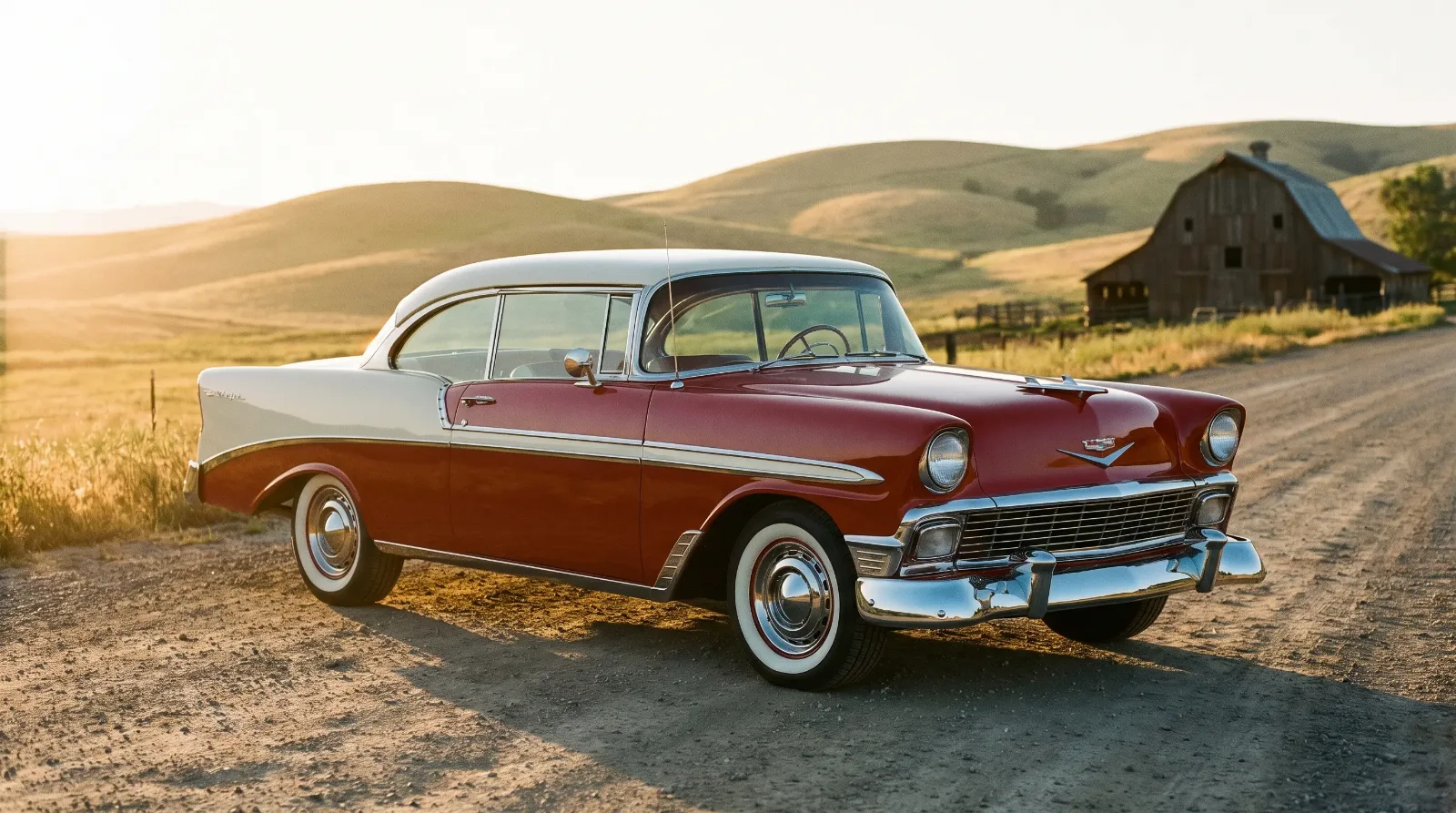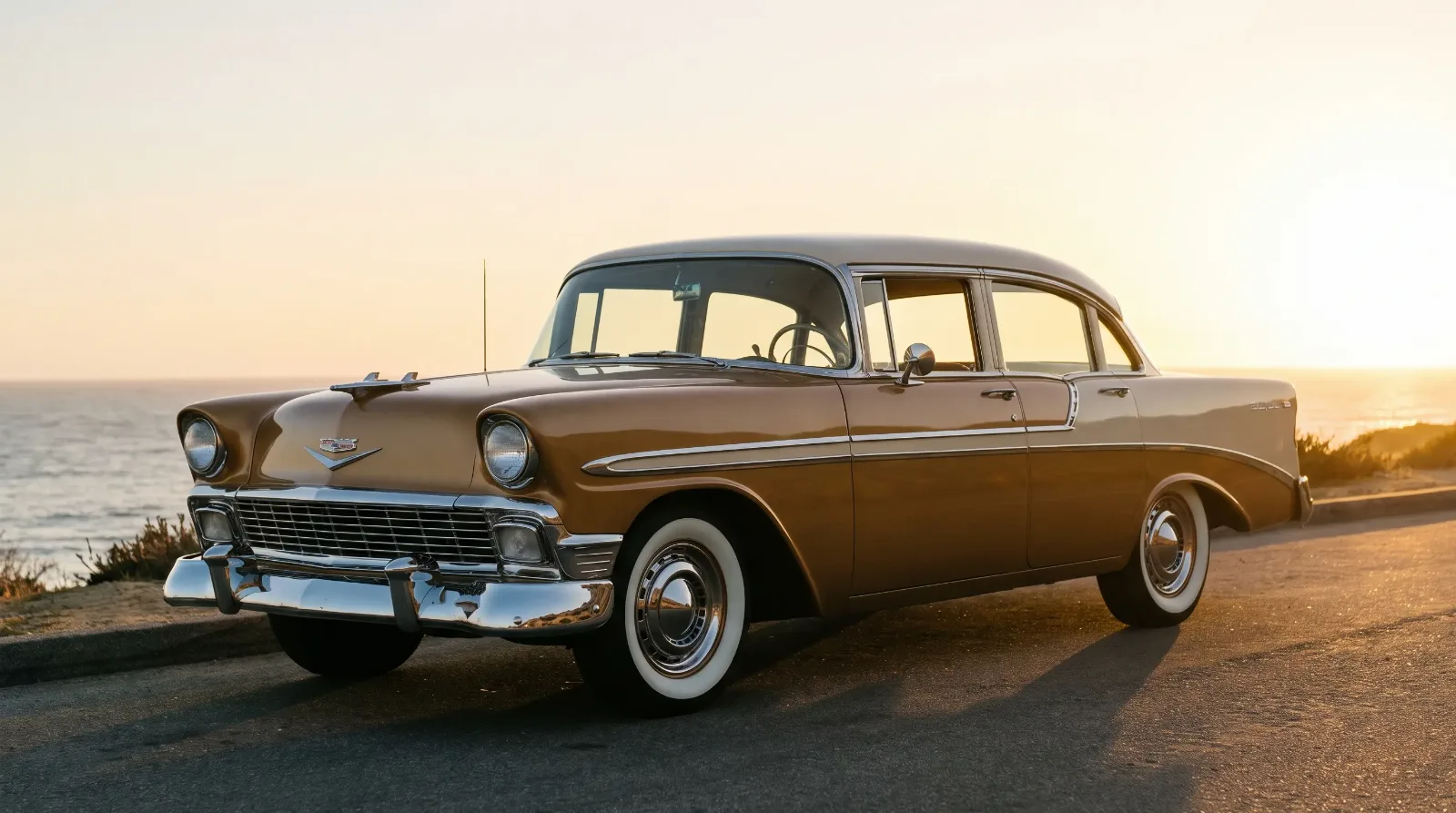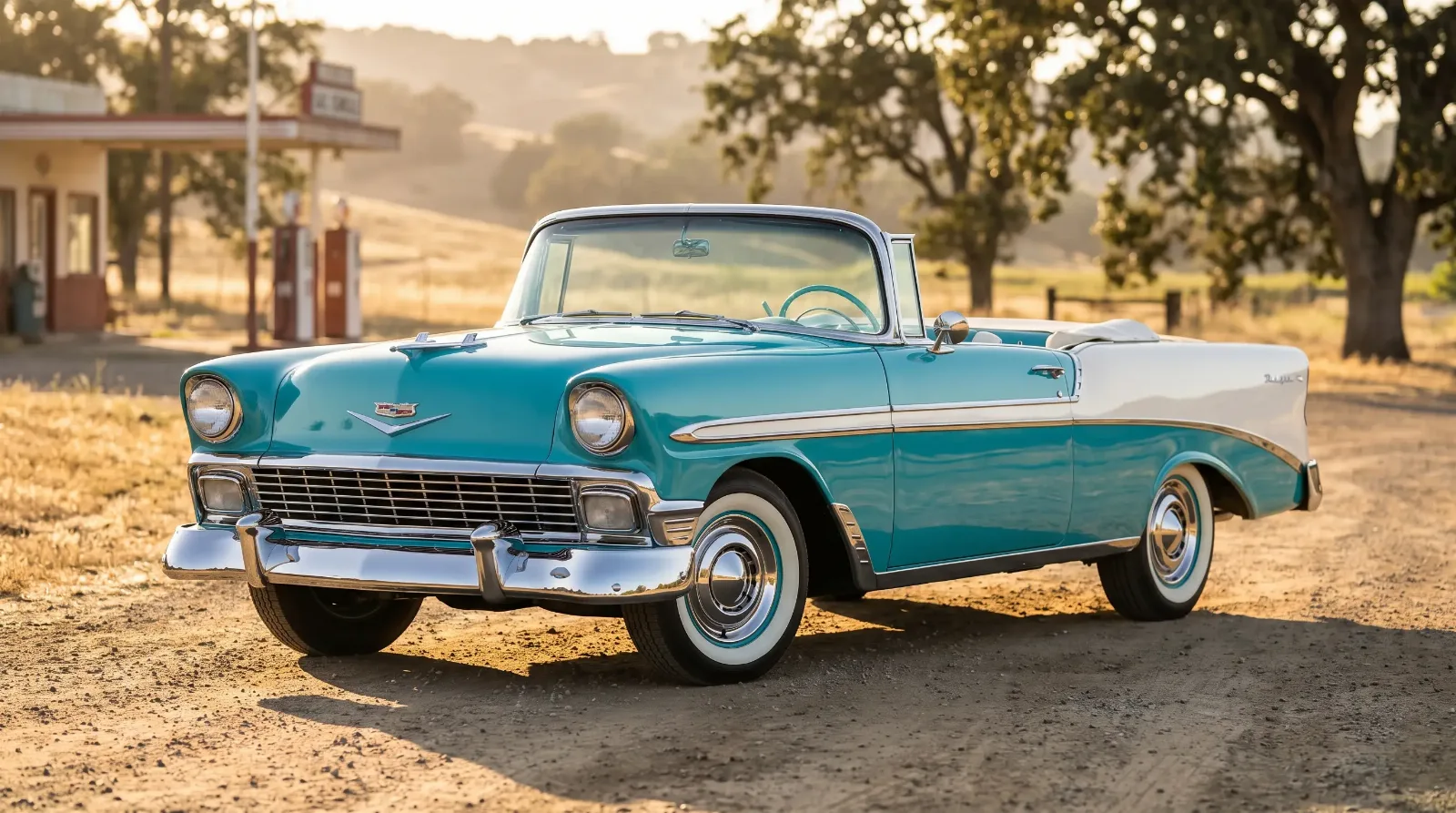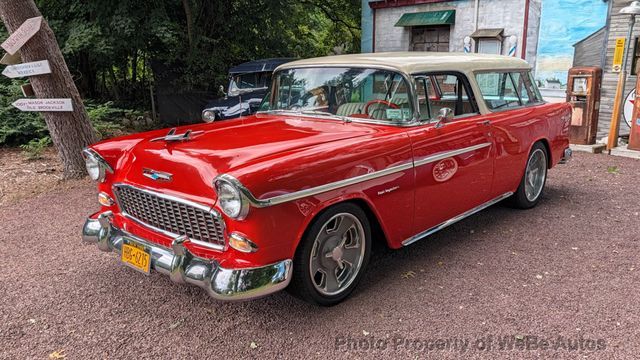
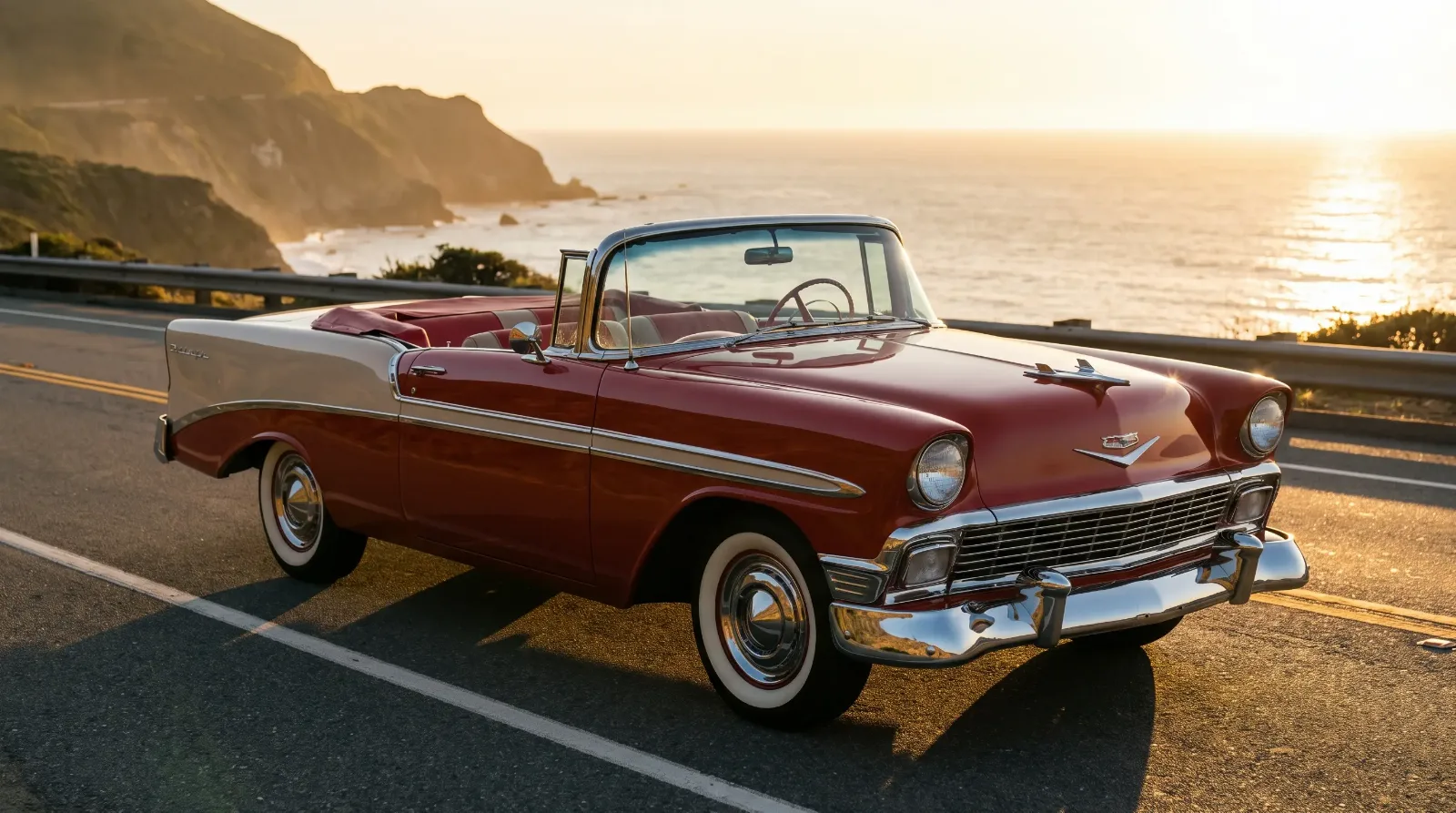
Cataloguing a 1956 bel air convertible correctly means starting with what makes it structurally distinct from the closed cars it shares a nameplate with, not just noting that the roof folds down. Chevrolet engineered the convertible as a separate body in white, meaning reinforced elsewhere to compensate for the rigidity a fixed roof normally provides, and that engineering reality shapes everything from how the car was built in period to how a restorer approaches one today.
Structural differences from the closed Bel Air
Removing a car's roof does more than change its silhouette. Without a fixed top tying the A-pillars to the C-pillars, a convertible body loses a significant amount of the torsional rigidity a sedan or hardtop takes for granted, and Chevrolet's engineers compensated with reinforced rockers, a stiffer frame in key areas, and additional structural work in the floor pan and cowl. This was standard practice across the industry for open cars in the period, but the specific reinforcement Chevrolet used on the 1956 Bel Air convertible is documented in factory service literature and remains a point of reference for restorers confirming a car's originality today.
That structural investment is part of why convertibles cost more to build than their closed counterparts, and why Chevrolet priced them accordingly at the top of the model range. The convertible was never meant to compete on price. It was meant to be the car in the showroom window that drew people in to look at the whole lineup, whether or not they ultimately drove one home.
Production scale and what it means for rarity
Chevrolet built the 1956 Bel Air convertible in meaningfully smaller numbers than the mainstream closed body styles, consistent with convertibles across the industry occupying a premium, lower-volume niche rather than a mass-market segment. That production gap is the foundation of the convertible's collector premium today, not marketing mythology built up after the fact. Fewer cars built means fewer survivors, and fewer survivors means a documented example commands real money against a comparable closed car in similar condition.
The convertible shared its mechanical specifications with the rest of the 1956 range, including the same 265 cubic inch V8 options available across the lineup, so the premium attached to the body style reflects scarcity and open-air appeal rather than any performance advantage over a hardtop. Readers wanting the complete account of the 1956 model year, including the powertrain lineup shared across all the body styles, can find it in more on the 1956 chevy bel air.
Identifying an authentic example
Because the convertible's premium is substantial, verifying authenticity matters more here than on almost any other 1956 body style. A car presenting as a factory convertible should show the specific reinforcement details documented in period service records, not a conversion performed later by cutting the roof off a hardtop or sedan, a practice that has occasionally surfaced in the collector market and can be difficult for an untrained eye to catch. Frame stampings, body tag information, and the underlying structural reinforcement itself are the points a careful inspection should confirm before any transaction closes.
Top mechanism condition and the quality of any replacement power top components also factor into an honest assessment, since these mechanical systems see more wear over decades of use than a fixed roof ever does. A convertible with a well-documented history of top replacements and mechanism service tends to be a more reliable ownership proposition than one with an unclear maintenance record, regardless of how good the paint looks in photographs.
| Attribute | 1956 Bel Air Convertible |
|---|---|
| Body construction | Reinforced open body, no fixed roof structure |
| Market position | Top of the 1956 model range |
| Powertrain | Shared with closed 1956 body styles |
| Production volume | Meaningfully lower than sedan and hardtop styles |
| Key authenticity check | Original body tag and frame stampings |
"A documented convertible and a well-disguised conversion can look identical in a photograph. They are not remotely equivalent as historical artifacts, and treating them as interchangeable does a disservice to the buyers who paid a real premium for the genuine article."
- Sarah Whitfield
The power top and interior details specific to the body style
Beyond the visible roof mechanism, the 1956 convertible carried a handful of interior and trim details unique to the body style, distinct from what the closed cars in the same model year offered. Upholstery specifications for convertibles accounted for exposure to sun and weather that a hardtop or sedan interior did not have to consider in the same way, and period materials were selected with that difference in mind. The door panels and rear seat area also carried trim treatments specific to accommodating the folded top mechanism, details that are easy to overlook in a general description but matter to a restorer trying to source period-correct replacement materials.
The power top option itself, where fitted, added a layer of mechanical complexity beyond the manual folding mechanism, with a hydraulic pump and cylinders that require their own maintenance history to evaluate properly. A convertible advertised as having a functioning power top deserves the same documentation scrutiny as any other claimed original feature, since these systems are neither simple nor cheap to restore correctly once they have been neglected for decades.
Where the 1956 convertible sits in the larger story
The 1956 convertible does not carry the same first-year significance as the 1955 debut car, and it does not carry the tailfin drama of the 1957 that followed it. What it does carry is the most refined execution of the Tri-Five convertible formula in its second year, benefiting from a year of production experience and the styling correction that gave 1956 its full-width grille and reworked trim. For a collector who wants an open-top Tri-Five without the first-year or last-year premium some buyers attach to those bookend years, the 1956 convertible occupies a genuinely reasonable middle ground.
Readers interested in how the convertible fits into the larger arc of the nameplate, from its earliest days as a trim level through the full run of Tri-Five years, can find that context in where this started. For anyone ready to evaluate real examples, the current market offers a range of classic Airs on the market worth comparing against the authenticity points covered here before any offer is made.
The discipline that applies to cataloguing any convertible applies here without exception. Photographs flatter every car, and a listing description written to sell will emphasize what looks good and stay quiet about what a buyer would only discover on close inspection. Treat every claim as something to verify against documentation rather than something to take on faith, and the 1956 Bel Air convertible rewards that diligence with a genuinely well-built, historically significant car rather than a costly disappointment.