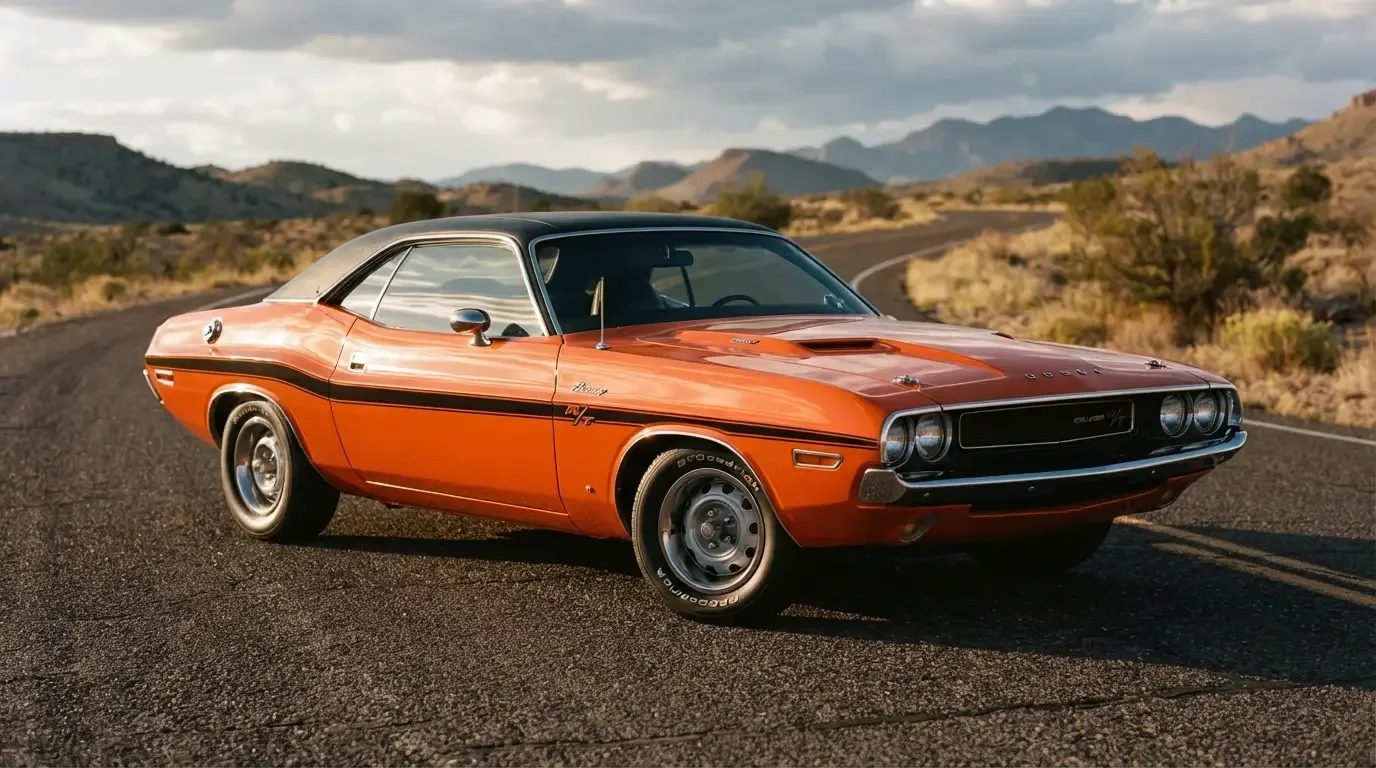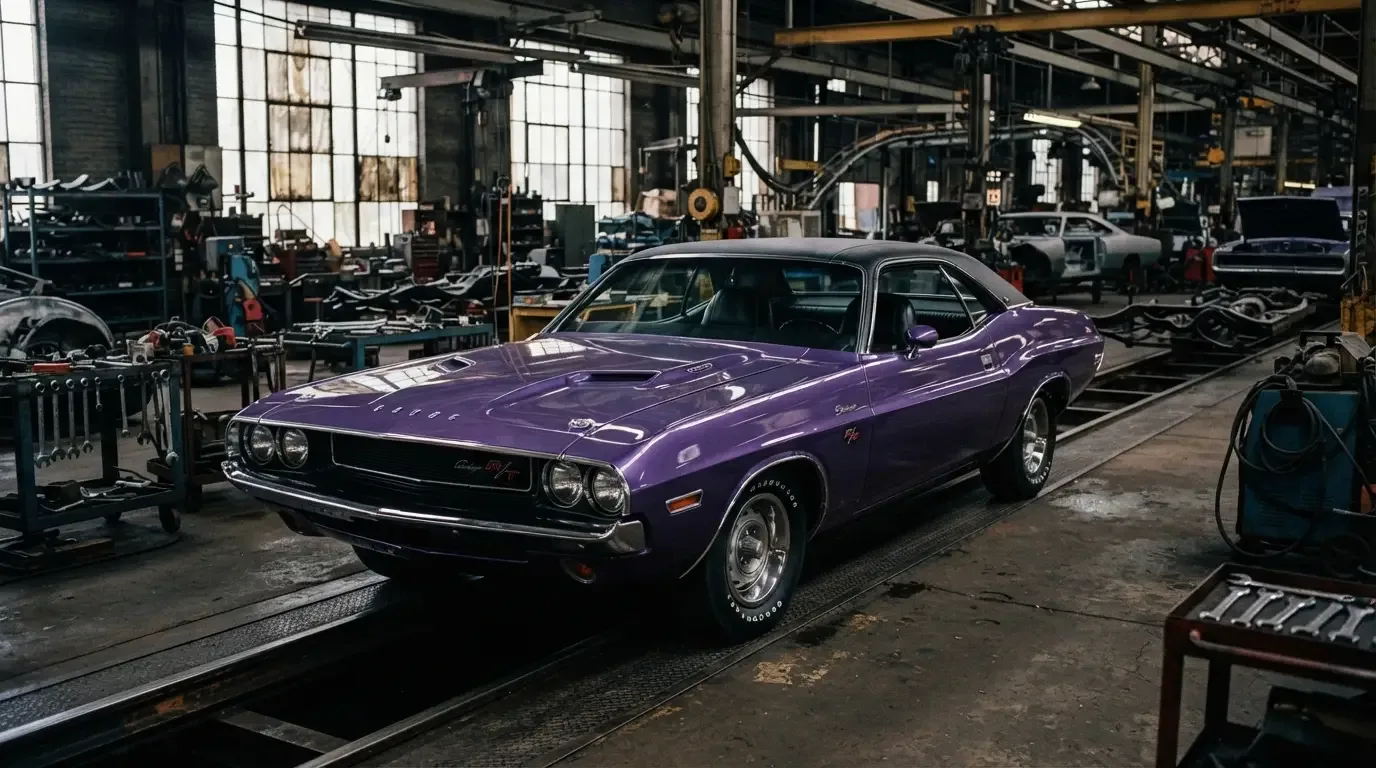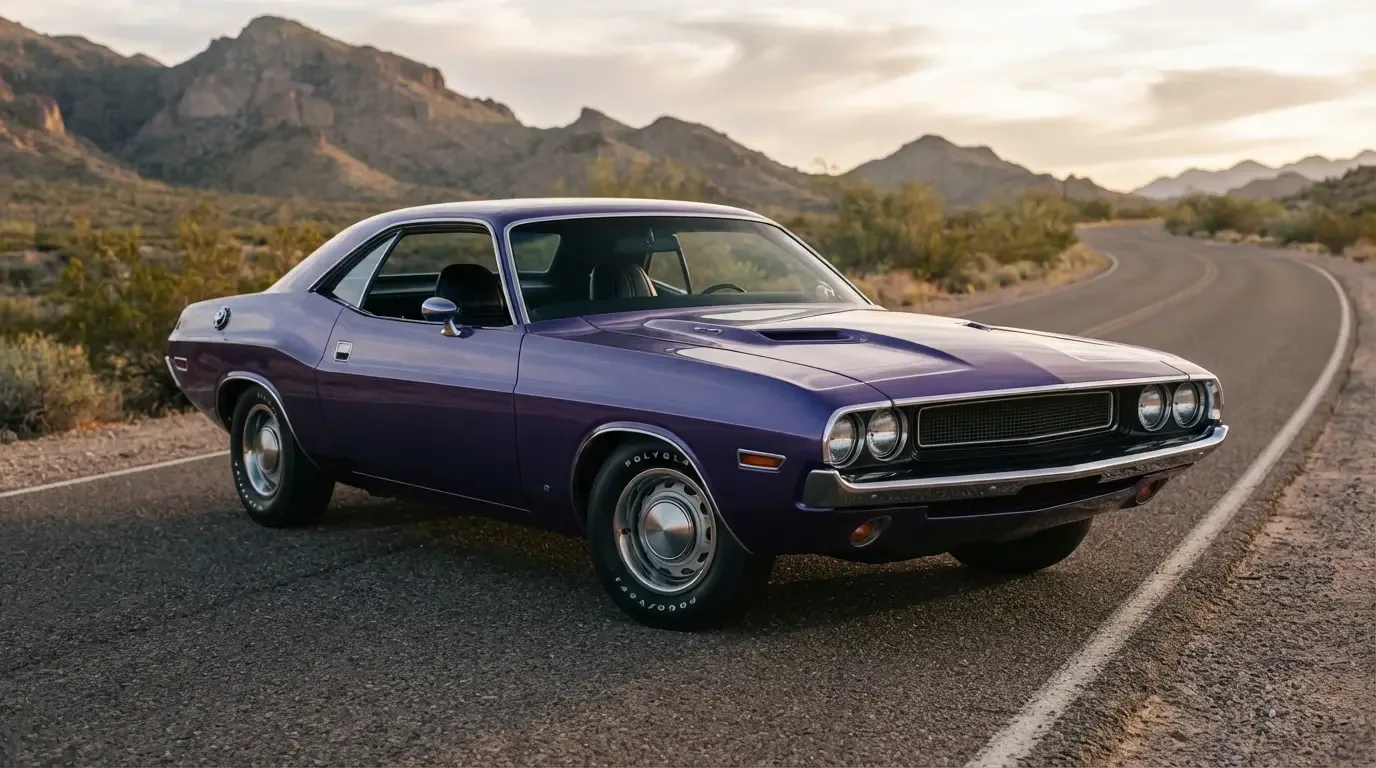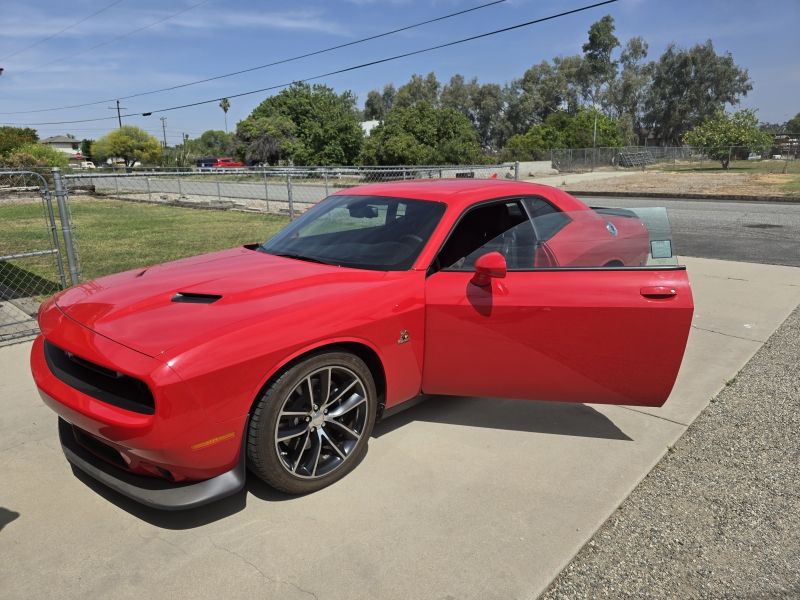
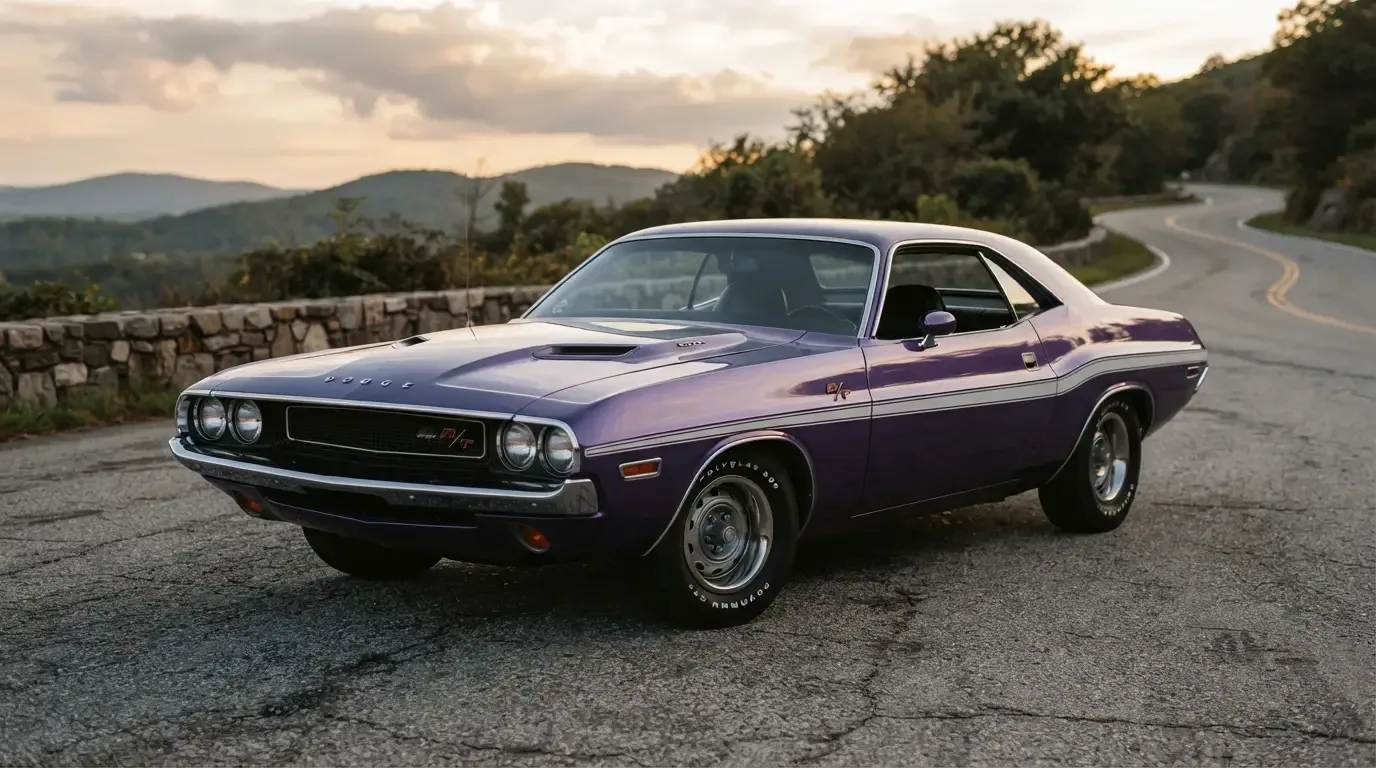
Ask a hundred Mopar guys which model year made the Dodge Challenger and you will get one answer more than any other: 1970. Not 1971, with its trimmed grille options. Not the leaner, emissions-choked years after. The first year, full stop, is the most iconic Challenger year, and once you look at what Dodge actually put on the table that season, the reasons are not hard to find.
A car built to answer a question nobody had asked Dodge yet
Plymouth had the Barracuda since 1964. Dodge dealers spent years watching pony car buyers walk past their showrooms toward Mustangs, Camaros, and their own sister division's car. By the time Dodge finally greenlit a pony car of its own, the engineers were not interested in a half measure. They gave the Challenger a longer wheelbase than the Barracuda, a wider track, and a dash-to-axle proportion that made it look like it was leaning forward while parked. That single design decision, stretching the car two inches longer in wheelbase than its E-body cousin, is why the 1970 Challenger reads as a Dodge and not a rebadged Plymouth, even though the two share bones underneath.
The options sheet backed up the styling. A buyer could walk in and order anything from a slant six with a bench seat to a 426 Hemi with a four-speed and a Dana 60 rear end. That range, from grocery-getter to drag strip terror, on one body shell, is part of what makes people call it the most iconic Challenger year. It was not one car. It was a menu, and Dodge let you build almost anything off it.
Color names that turned a spec sheet into a personality
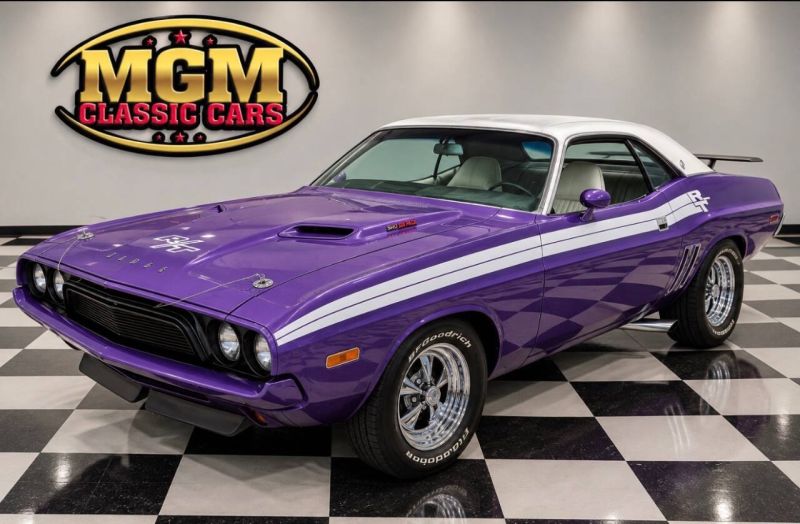
Dodge's marketing department did something in 1970 that most manufacturers were too conservative to try: they named the paint colors like a dare. Plum Crazy, Hemi Orange, Sublime, Go Mango, Panther Pink. These were not subtle automotive hues borrowed from a fabric swatch book. They were loud, and they were meant to be seen from across a parking lot. A Challenger R/T in Plum Crazy is instantly recognizable even to people who could not tell you the difference between a 340 and a 383. That is a rare thing for a car to achieve, and it is a big part of why this specific year still dominates poster walls and calendar shoots more than fifty years later.
The Shaker, the Rallye instrument cluster, and details that vanished fast
The 1970 model carried features that Dodge either simplified or dropped in later years as costs and regulations tightened. The Shaker hood scoop, bolted directly to the air cleaner so it visibly trembled with the engine, started here. The optional Rallye instrument cluster with its round gauges and pistol-grip shifter gave the interior a purpose-built feel that softer, more comfort-oriented Challengers of the mid-1970s never matched. None of this happened by accident. Dodge was chasing a specific customer in 1970, a younger buyer cross-shopping a Camaro SS or a Boss 302, and they built the car and the options list to win that fight directly, not to please a board of accountants worried about warranty claims.
If you want more detail on how that first model year actually came together inside Chrysler's product planning offices, our earlier piece lays out the whole picture, from the E-body platform decision through the launch timeline.
Production numbers that make survivors feel scarce
Dodge built roughly 76,900 Challengers for the 1970 model year across hardtop and convertible body styles, but that total gets misleading fast once you start filtering by engine and trim. R/T convertibles with the 440 Six Pack or the 426 Hemi were built in numbers low enough that some individual configurations count in the dozens, not the thousands. Decades of drag racing, rust, and simple attrition have thinned the herd further. A base slant six coupe that nobody thought twice about in 1974 is now a car people research VIN by VIN before they write a check.
| Detail | 1970 Challenger |
|---|---|
| Model year production | Roughly 76,900 units, all body styles |
| Base engine | 225 cid slant six |
| Top engine option | 426 cid Hemi V8 |
| Signature colors | Plum Crazy, Hemi Orange, Go Mango, Sublime, Panther Pink |
| Wheelbase | 110 inches (2 inches longer than the Barracuda) |
"Every generation after 1970 is Dodge trying to remember what they got right the first time. Some years they nailed the styling and choked on emissions rules. That first year, nobody was holding them back yet."
- Mike Sullivan
Why later years never quite caught up
The Challenger stuck around through 1974 before Dodge killed it off, and it came back decades later as a completely different animal in 2008. But nothing in that run replicated the specific combination that made 1970 special: maximum engine choice, maximum color audacity, and a design team working before insurance companies and the EPA started dictating what a pony car was allowed to be. By 1971 the grille had already changed and some trim was simplified. By 1973 big block options were gone entirely. The window for the fully loaded, anything-goes Challenger was short, and 1970 sat right in the middle of it.
That narrow window is exactly why the car holds up. It was not refined into blandness over a decade of running changes. It arrived essentially finished, made its statement, and then the industry around it changed faster than Dodge could keep pace. If you are looking to put your money where the history is, you can shop classic Challenger listings and see how much of that original spirit survives on the market today.
What the drag strip did for the reputation
Dodge did not just sell the 1970 Challenger through dealer brochures. The car showed up on quarter mile tracks across the country almost immediately, and the results did more for its reputation than any print ad could have managed. A 426 Hemi car with the right gearing and a competent driver ran numbers that embarrassed plenty of cars costing considerably more, and word of that spread through the same drag strip grapevine that had already made the Hemi a legend in other Mopar products. The Challenger arrived late to the pony car fight, but it did not arrive unproven. It walked onto the strip already carrying an engine with a reputation, and that borrowed credibility mattered enormously in a market where buyers cross-shopped based on track results as much as showroom looks.
Trans Am racing added another layer. Dodge fielded Challengers in the series specifically to homologate certain parts and to put the nameplate in front of a different audience than the drag strip crowd, road racing fans who cared about handling balance as much as straight line speed. That dual identity, equally credible at the drag strip and on a road course, is not something every pony car managed to claim, and it gave the 1970 Challenger a breadth of motorsport relevance that reinforced everything the styling and options sheet were already promising.
The bottom line on the most iconic Challenger year
Iconic status usually gets handed out loosely, but in this case the math backs up the reputation. First-year engineering ambition, a color palette nobody has matched since, options that ranged from mild to genuinely unhinged, and a production run short enough that the best examples are legitimately rare. That combination does not repeat itself in 1971 or 1972, and it certainly does not show up in the smog-strangled years that followed. 1970 earned the title, and nothing since has taken it back.