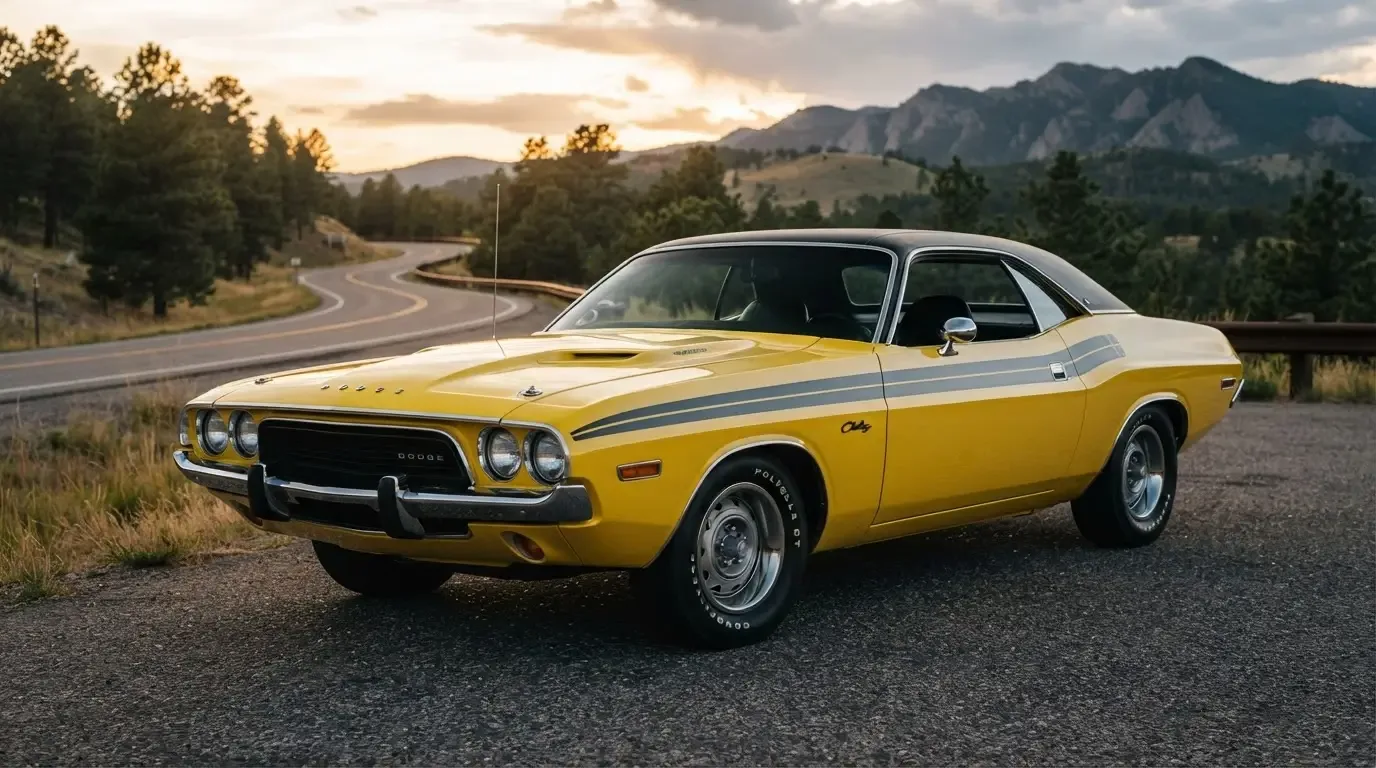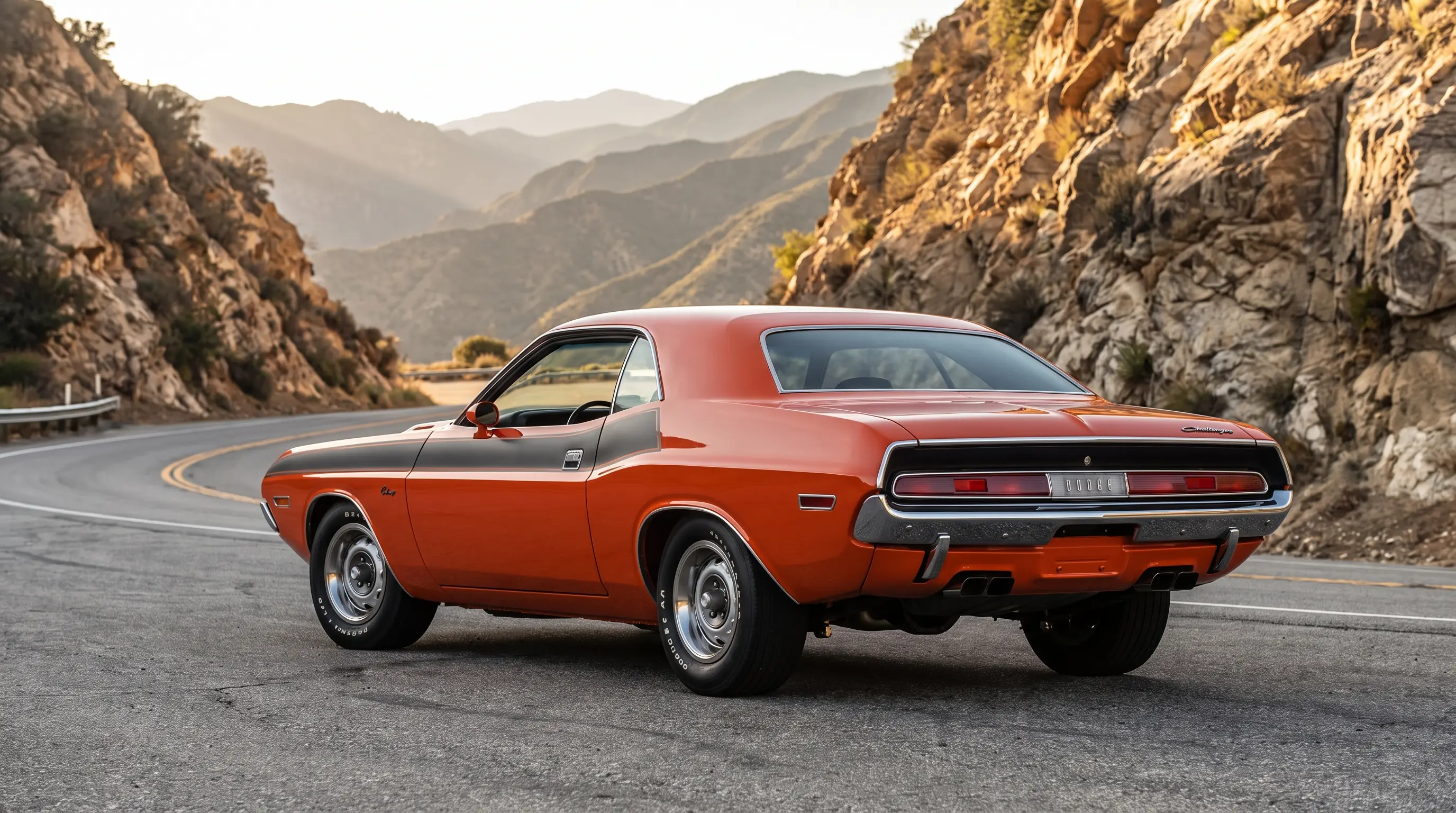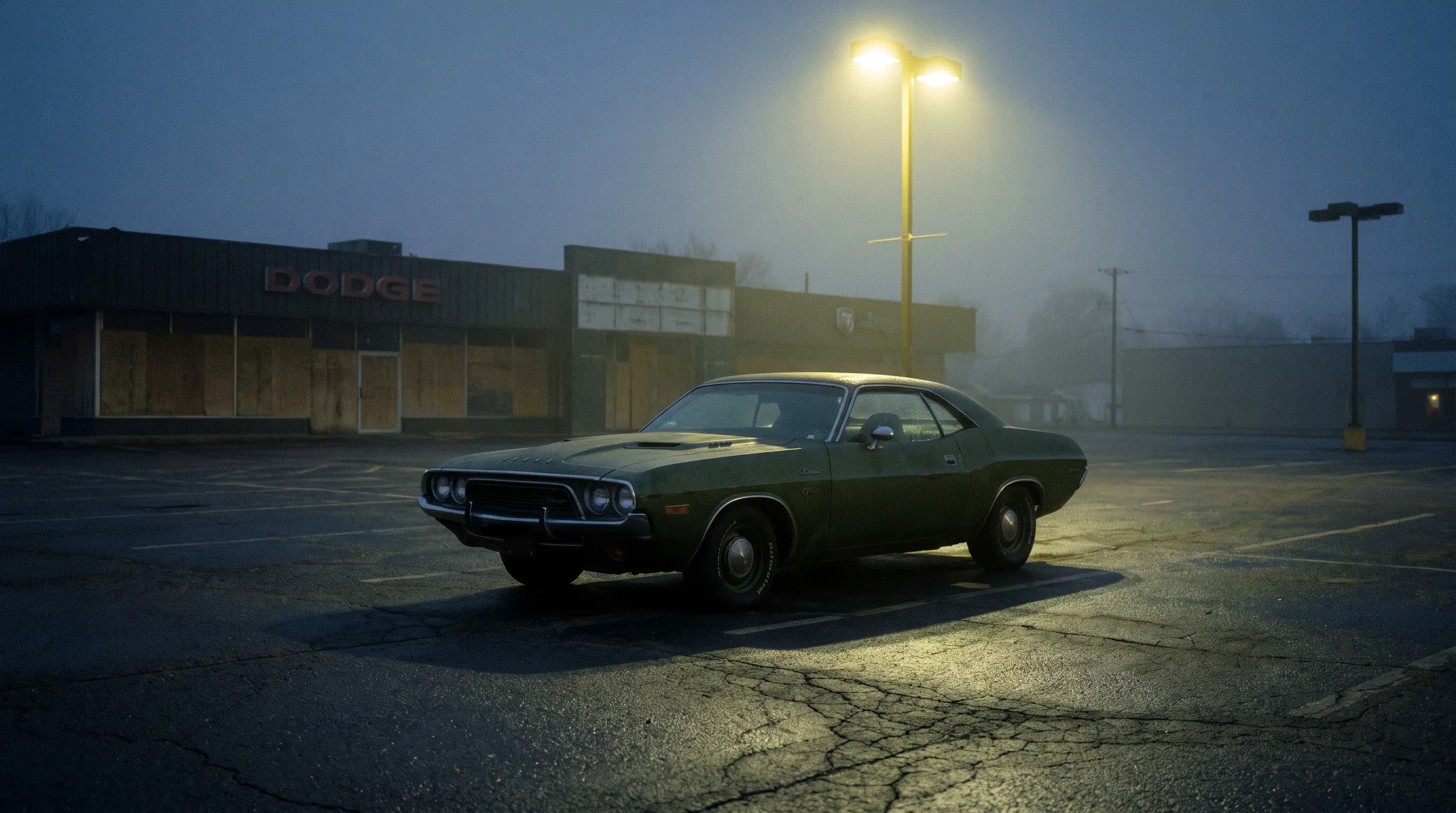
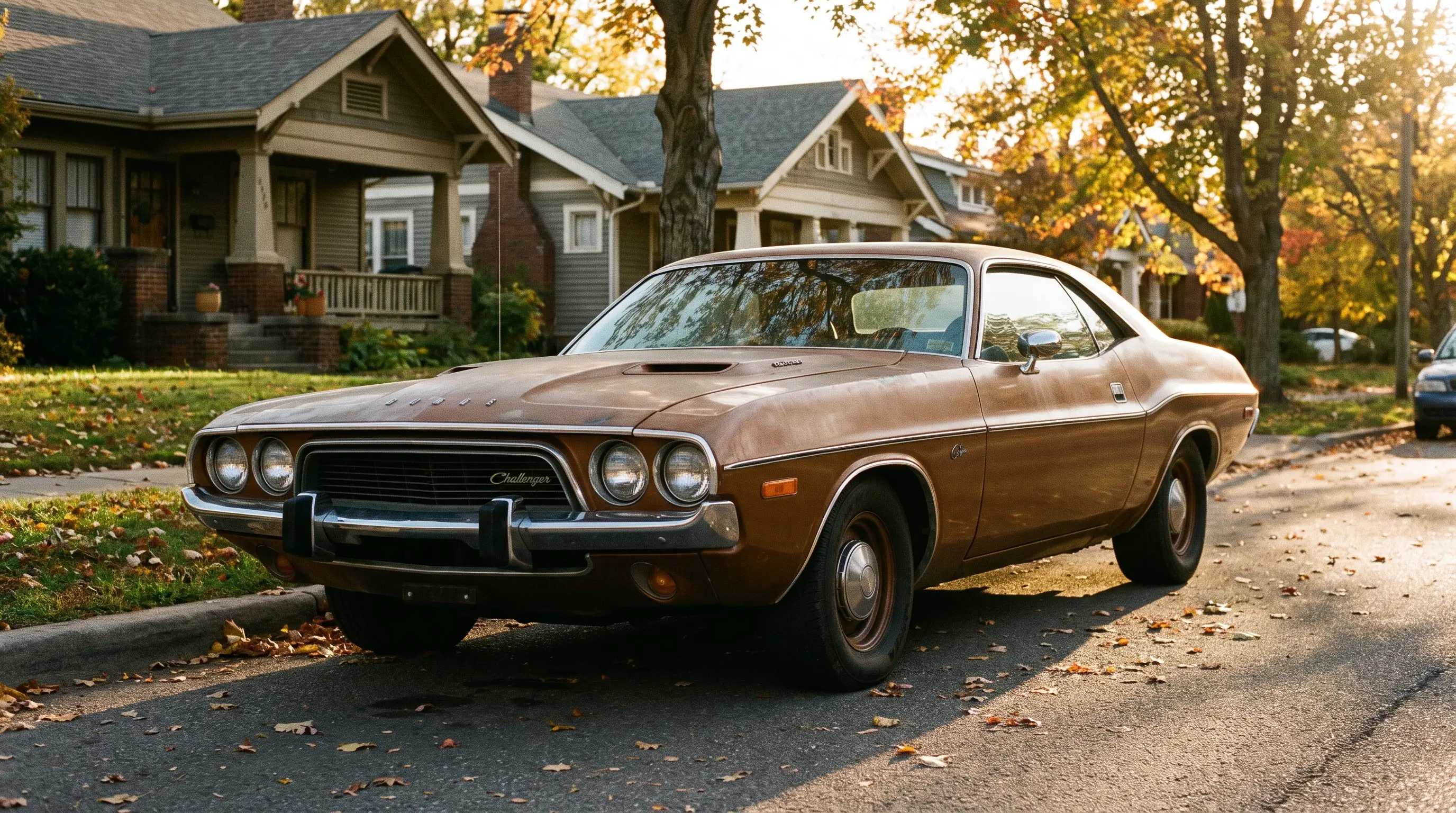
The 1973 Dodge Challenger carries the visual scar of a federal regulation most casual observers never think about when they look at a classic car. New bumper impact standards took effect that model year, and the Challenger's front end grew noticeably heavier and more prominent as a direct result. This is the year form followed federal mandate rather than styling preference, and the story of how Dodge handled that mandate is more interesting than the bumpers themselves suggest at first glance. For more on the 1972 dodge challenger and the years surrounding it, that earlier chapter fills in the regulatory context this one builds on.
Why the bumpers grew
Federal regulation implemented for the 1973 model year required passenger vehicles to withstand a low speed impact without damage to safety related equipment, a standard that forced manufacturers across the entire industry to redesign their front bumper systems, often on short notice relative to normal product development timelines. Dodge's solution for the Challenger added noticeable bulk to the car's nose, a visible departure from the cleaner, more integrated bumper treatment of the 1970 through 1972 cars. Enthusiasts at the time and in later decades have not always been kind about the aesthetic result, but the regulation left manufacturers little room to preserve the earlier styling without a complete front end redesign that few were willing to fund for a platform already several years into its production run.
Documentation from this period shows Dodge treated the bumper redesign as a compliance necessity rather than a styling choice, prioritizing engineering solutions that met the federal standard on schedule over aesthetic continuity with earlier model years.
Sales held steadier than the styling change might suggest
Despite the visual disruption, Challenger sales for 1973 did not collapse the way the more dramatic 1971 decline had suggested might continue. Dodge built 27,930 Challengers for 1973, actually a slight increase over the 26,658 built for 1972, suggesting that by this point the buyer base for the Challenger had settled into a more predictable pattern, less driven by the performance halo effect of the Hemi era and more by buyers who wanted a distinctively styled coupe regardless of what sat under the hood.
This stability matters for how researchers should interpret the model's broader trajectory. The steep decline that began in 1971 did not continue in a straight line toward the Challenger's eventual discontinuation. Instead, the car found something closer to a new equilibrium, selling to a smaller but more consistent audience than it had during its explosive 1970 launch year.
Engine and trim continuity from 1972
Mechanically, 1973 largely continued what 1972 had established. The 340 small block remained the top performance option, and the Rallye package continued as the primary way for buyers to get a more engaging driving experience without the big block engines that had defined the car's first two model years. This continuity is itself worth documenting carefully, since it shows Dodge treating the drivetrain lineup as settled while directing its engineering resources toward the mandatory bumper redesign rather than further mechanical changes. Interior trim and color offerings carried forward with only modest revisions, reinforcing the sense that 1973 was a year of regulatory adaptation rather than product reinvention.
"The 1973 bumpers are often treated as an aesthetic footnote, but they document something real: the exact moment federal safety regulation began reshaping American car design in ways that had nothing to do with what buyers actually wanted."
- Sarah Whitfield
How period reviewers actually judged the 1973 car
Road tests from the period were more measured about the bumper change than modern retrospective commentary sometimes suggests. Several period reviewers acknowledged the added weight and altered proportions up front while still praising the car's overall handling and the 340 engine's real world drivability. The consensus among contemporary testers was that the Challenger remained a genuinely satisfying car to drive despite the regulatory imposed styling change, a nuance that gets lost when modern commentary focuses purely on the bumper's visual impact without acknowledging what reviewers actually experienced behind the wheel at the time.
This matters for how the model year should be documented. Treating 1973 purely as a styling casualty ignores primary source evidence that the driving experience itself changed relatively little from 1972, and that buyers who purchased new 1973 Challengers largely reported satisfaction with the car regardless of the front end's new proportions, a detail too often left out entirely of casual retrospectives written decades after the fact.
Researching and buying a 1973 today
For collectors and researchers, the 1973 Challenger occupies an interesting position. It carries the visual marker of a specific regulatory moment while mechanically representing a mature, well sorted version of the platform that debuted in 1970. Buyers should verify build sheets and fender tags as carefully on a 1973 as on any earlier year, since the model's engine and trim continuity with 1972 means casual identification by appearance alone is less reliable than it was for a car like the visually distinct 1970 original. Those looking at classic Challengers on the market from this era should compare documented options carefully, and readers wanting the full origin story behind the whole nameplate should start with where this started before working forward through the model years that followed.
Read on its own terms, the 1973 Challenger is a car shaped as much by Washington as by Dodge's design studio, and that context deserves to be part of how the model year gets remembered rather than treated as an unfortunate footnote to a more glamorous earlier era.
What a well documented 1973 says about the whole platform
A carefully preserved or accurately restored 1973 Challenger, complete with its bumper appropriate to the year and its correct 340 or Rallye documentation, tells a fuller story about the platform than a 1970 car alone can tell. It shows how the same basic design absorbed four years of regulatory pressure, from emissions rules that reshaped the engine lineup to safety standards that reshaped the bumpers, while still remaining recognizably the same car underneath. That resilience is itself a documented historical fact worth preserving accurately, not glossed over in favor of a simpler narrative that only celebrates the model's flashier launch year. Researchers and collectors who take the 1973 car seriously on its own terms end up with a more complete and more honest picture of what the Challenger nameplate actually survived across its early production run, from a launch that generated enormous initial demand through several years of regulatory upheaval that no manufacturer in this era escaped entirely unscathed.