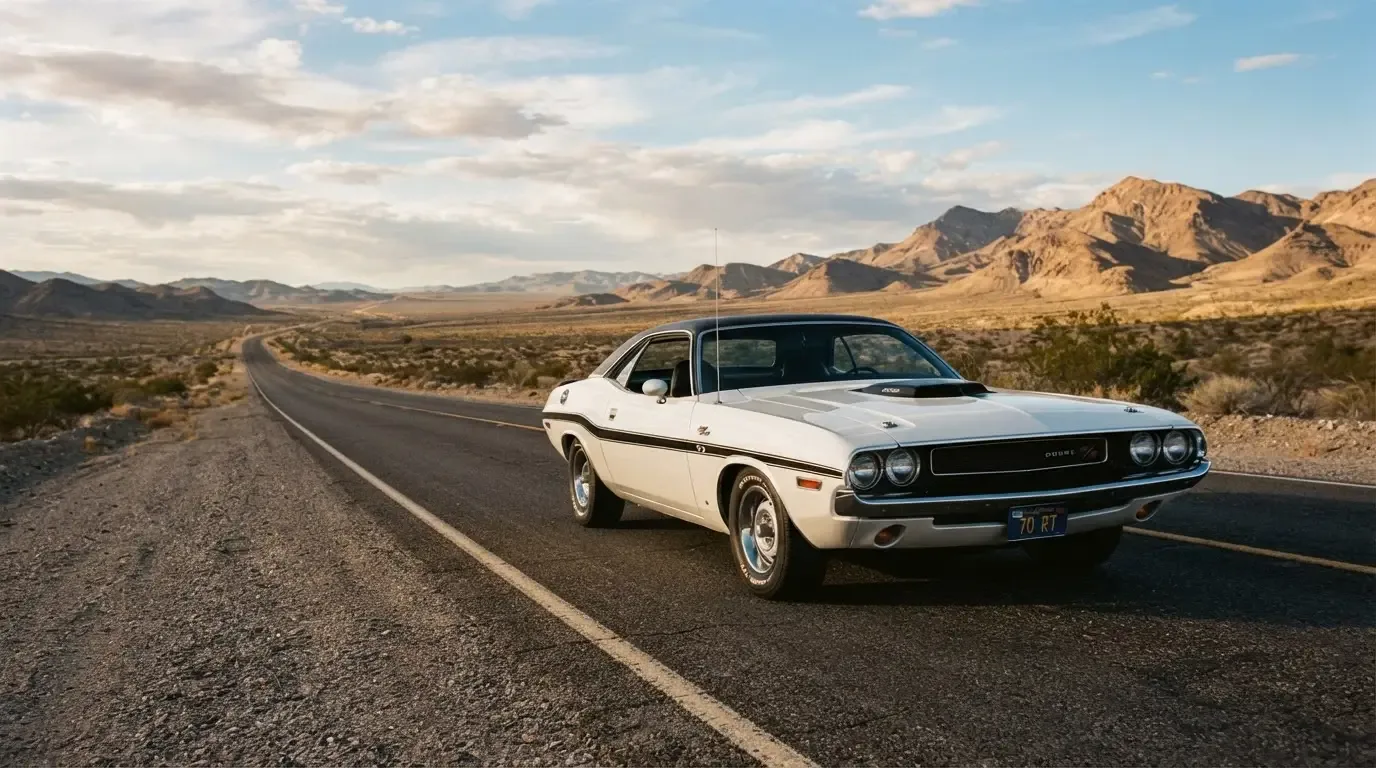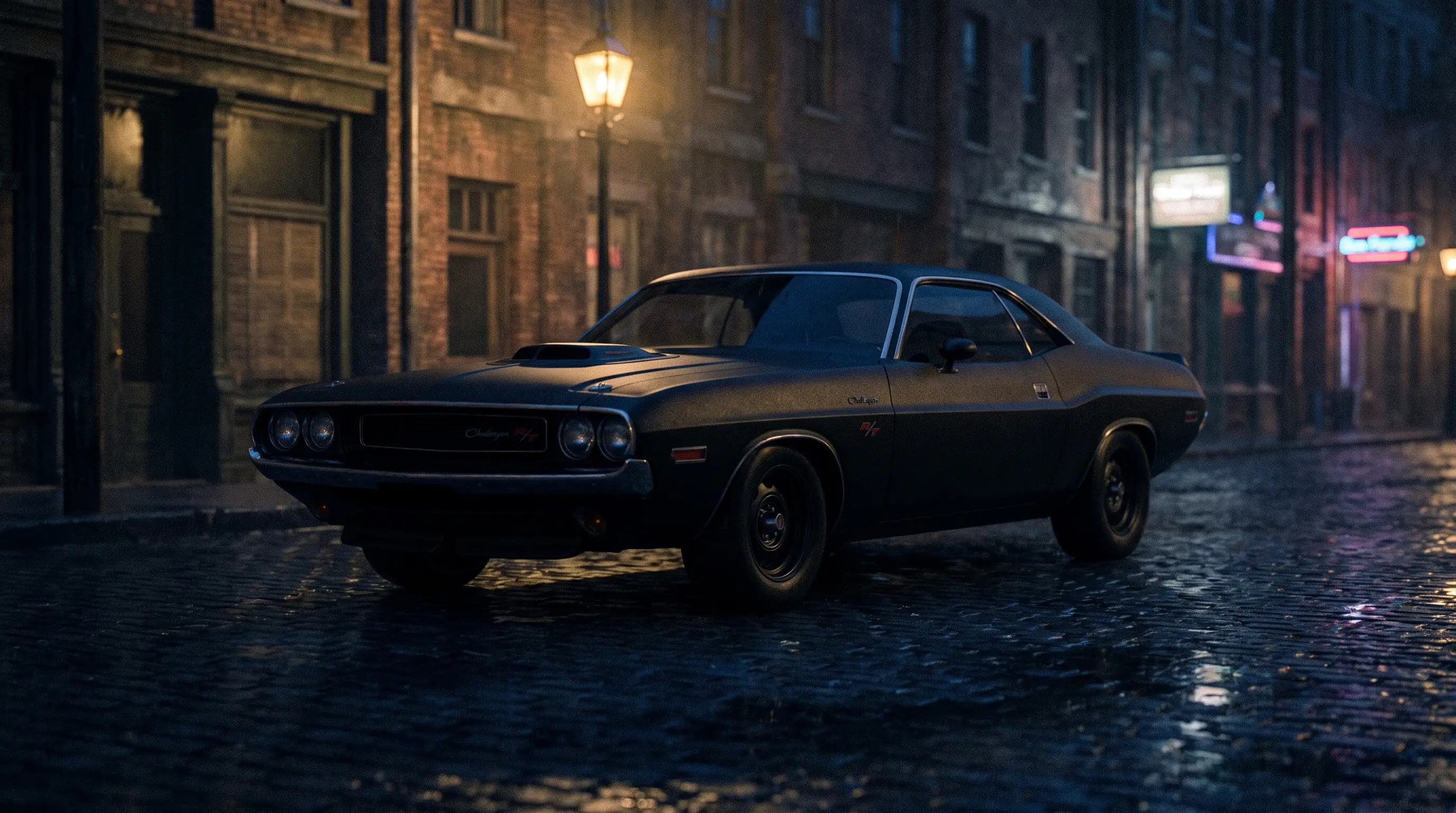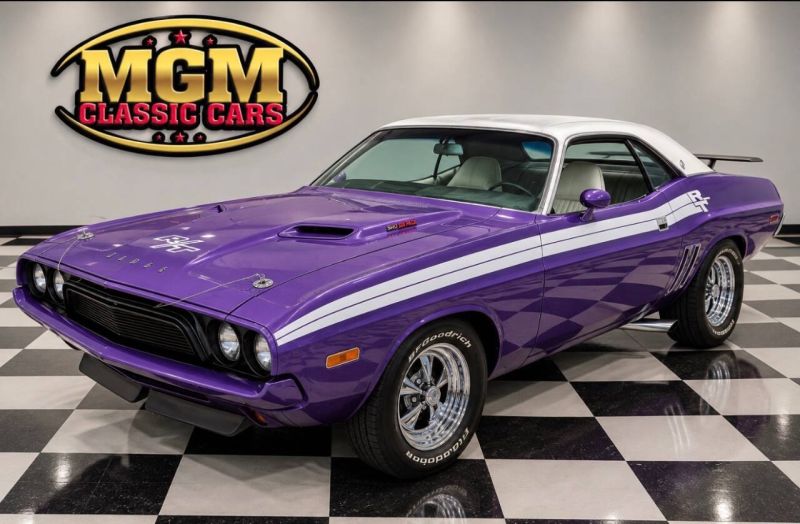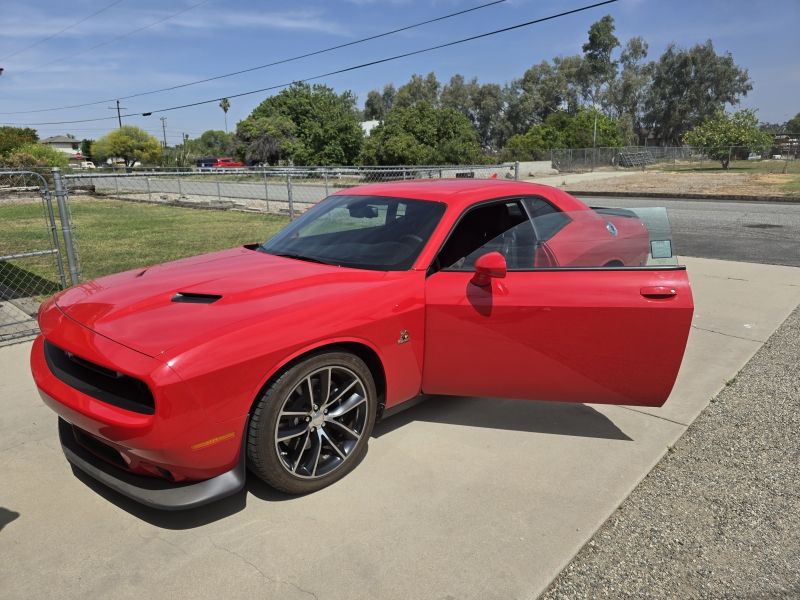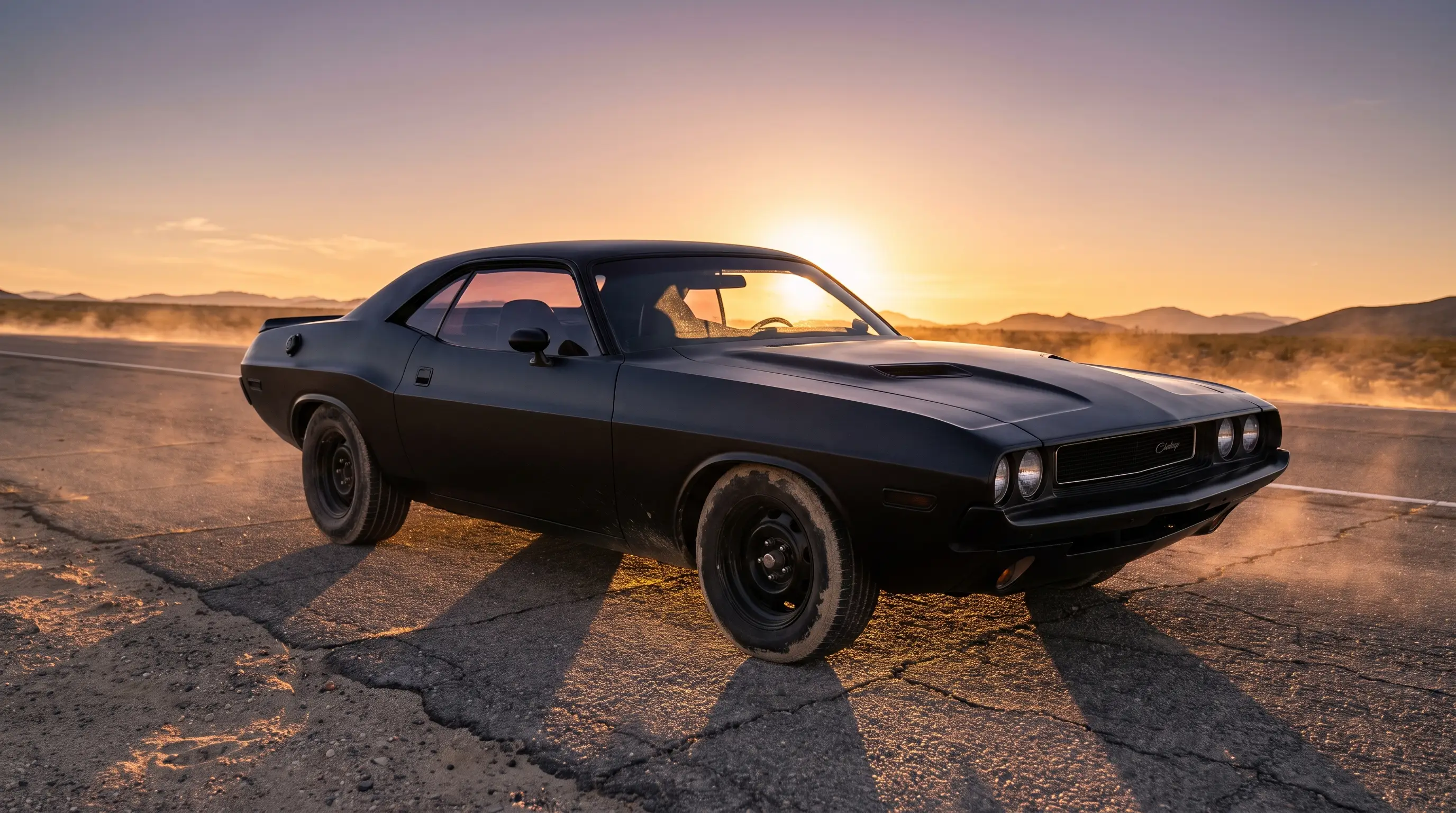
By the time 2 Fast 2 Furious hit theaters in 2003, the Fast and Furious franchise had already established its taste for tuned Japanese imports over classic American muscle, which made the orange 1970 Dodge Challenger R/T that shows up early in the film stand out even more than it otherwise would have. It was not the star car, and it did not need to be. One appearance in a pink slip race was enough to plant the classic Challenger firmly inside a franchise built almost entirely on modern hardware.
A single scene, a lasting impression
The Challenger's role in 2 Fast 2 Furious is brief by the standards of the franchise's later films, but it lands early in the story as a jolt of raw, old-school muscle. The car belongs to Darden, one of the drivers working for the film's antagonist, Carter Verone, and it changes hands when Brian O'Conner and Roman Pearce win it, along with a 1969 Chevrolet Yenko Camaro, in a relay-style pink slip race against Darden and a second driver named Korpi. Against a garage full of modified imports, an orange classic Challenger reads as a different kind of threat entirely, heavier, louder, and older than everything around it. That contrast was clearly intentional. The filmmakers understood that a genuine muscle car carries a visual and sonic weight that no amount of turbo whine can replicate.
Ludacris played Tej Parker in the film, the street-smart race organizer who helps set up the pink slip race, but Tej does not drive the Challenger himself. It is Darden's car until he loses it, a small piece of storytelling that put a classic American muscle car in the hands of a side character rather than either lead, a detail longtime muscle car fans in the audience were quick to notice even if the broader audience missed it.
Why a Fast and Furious film reached back to 1970
The Fast and Furious series has always leaned on car culture nostalgia even while chasing modern trends, and by 2003 the classic Challenger already carried decades of cultural weight from its appearances in Vanishing Point and the broader muscle car mythology built around Woodward Avenue street racing. Putting one on screen, even briefly, let the film borrow some of that history without spending screen time explaining it. Audiences who recognized the car got a small jolt of recognition. Those who did not still understood, instinctively, that this was a serious machine.
The car itself carried none of the elaborate body modifications that defined most of the vehicles in the film's import-heavy garage scenes. Where the surrounding cars were dressed with body kits, oversized wings, and bright vinyl wraps typical of early 2000s tuner culture, the Challenger appeared essentially stock in silhouette, a deliberate contrast that let its unmodified factory lines do the visual work rather than competing with the flashier machinery around it.
It is worth noting that the film's Challenger did not attempt period accuracy in the way a restoration-focused production might. It was built and dressed for screen presence, bright orange paint, aggressive stance, in a way that prioritized how it read on camera over strict fidelity to any specific factory configuration. That is standard practice for movie muscle cars, and it did nothing to diminish the impression the car left on audiences.
How the franchise's relationship with classic muscle evolved
2 Fast 2 Furious arrived early enough in the franchise's run that its relationship with American muscle cars was still being worked out on screen. Later entries would embrace classic muscle far more directly, building entire sequences and even full films around Dodge's modern Challenger and Charger lineup once those nameplates returned to production decades after the original E-body cars left it. Looking back, the brief 2003 appearance reads almost like a preview of a direction the franchise would commit to much more fully once Dodge itself became a major partner in later films.
That later, deeper relationship between the Fast and Furious franchise and Dodge muscle cars makes the earlier, smaller cameo more interesting in hindsight rather than less. It shows that the classic Challenger's appeal to a mainstream action audience was not something the franchise discovered gradually through marketing partnerships alone. There was already an instinct, even in 2003, that a classic muscle car could hold its own visually against a garage full of modified imports, and that instinct paid off in exactly the way the eventual franchise direction confirmed years later.
The Challenger's place in a changing genre
The car chase genre had shifted dramatically between Vanishing Point's era and 2 Fast 2 Furious. Where the earlier film treated its Challenger almost as a character study, an extension of a driver running from something the movie never fully explains, the Fast and Furious franchise treated its cars as tools of spectacle first, personality second. The classic Challenger's brief appearance in 2 Fast 2 Furious sits somewhere between those two traditions, a nod to muscle car mythology delivered inside a film built for a different kind of audience entirely.
That blend is part of why the scene still gets referenced by fans discussing the car's pop culture footprint. It represents a hinge point, the moment the classic Challenger started reaching audiences who had no context for Vanishing Point or Woodward Avenue street racing but still recognized, on instinct, that the car on screen was something different from everything else in the garage.
"You put an orange 1970 Challenger next to a lineup of modified imports and it does not need dialogue to explain itself. That single scene did more for introducing a new generation to the classic Challenger than a dozen car magazine profiles could have."
- Patrick Walsh
Connecting the film to the wider legend
For readers who want the fuller picture of the vanishing point challenger and how that 1971 film shaped everything that came after, including this brief but memorable Fast and Furious appearance, more on the vanishing point challenger traces the full lineage. And for the story of how the classic Challenger platform itself came to exist in the first place, where this started lays out the car's origin before any of these films ever put it on screen.
If watching that orange Challenger change hands over a pink slip has you wanting the real thing, classic Challengers on the market shows what buyers can find today, no franchise required to appreciate what the car actually is.
What makes this particular cameo worth remembering is not its length but its timing. It landed at a moment when import culture dominated mainstream car media, when tuner magazines outsold traditional muscle car publications and a whole generation of young enthusiasts was discovering car culture through modified Hondas and Nissans rather than big-block Detroit iron. Dropping a classic Challenger into that specific cultural moment, even briefly, kept the car in the conversation for an audience that might otherwise have never encountered it, and that quiet bit of exposure has aged into one of the more underrated entries in the Challenger's long pop culture history.
Sources and notes
- 2 Fast 2 Furious - Wikipedia
- 1970 Dodge Challenger as R/T in 2 Fast 2 Furious - IMCDb
- 1970 Dodge Challenger, 2 Fast 2 Furious screen car - Bonhams Cars
- Fast and Furious: Every Car Driven By Tej In The Movies - Screen Rant
- This 1970 Dodge Challenger Is Literally a Fast and Furious Car - autoevolution