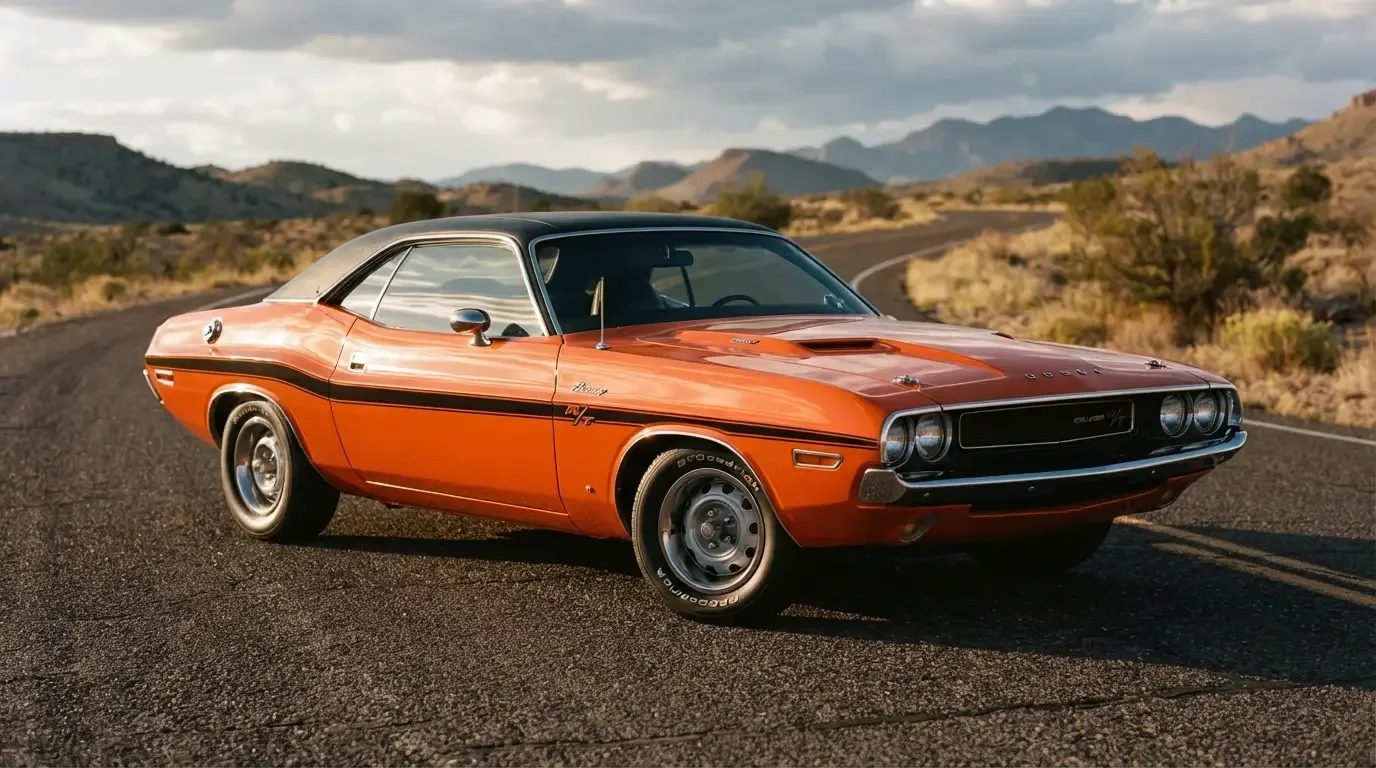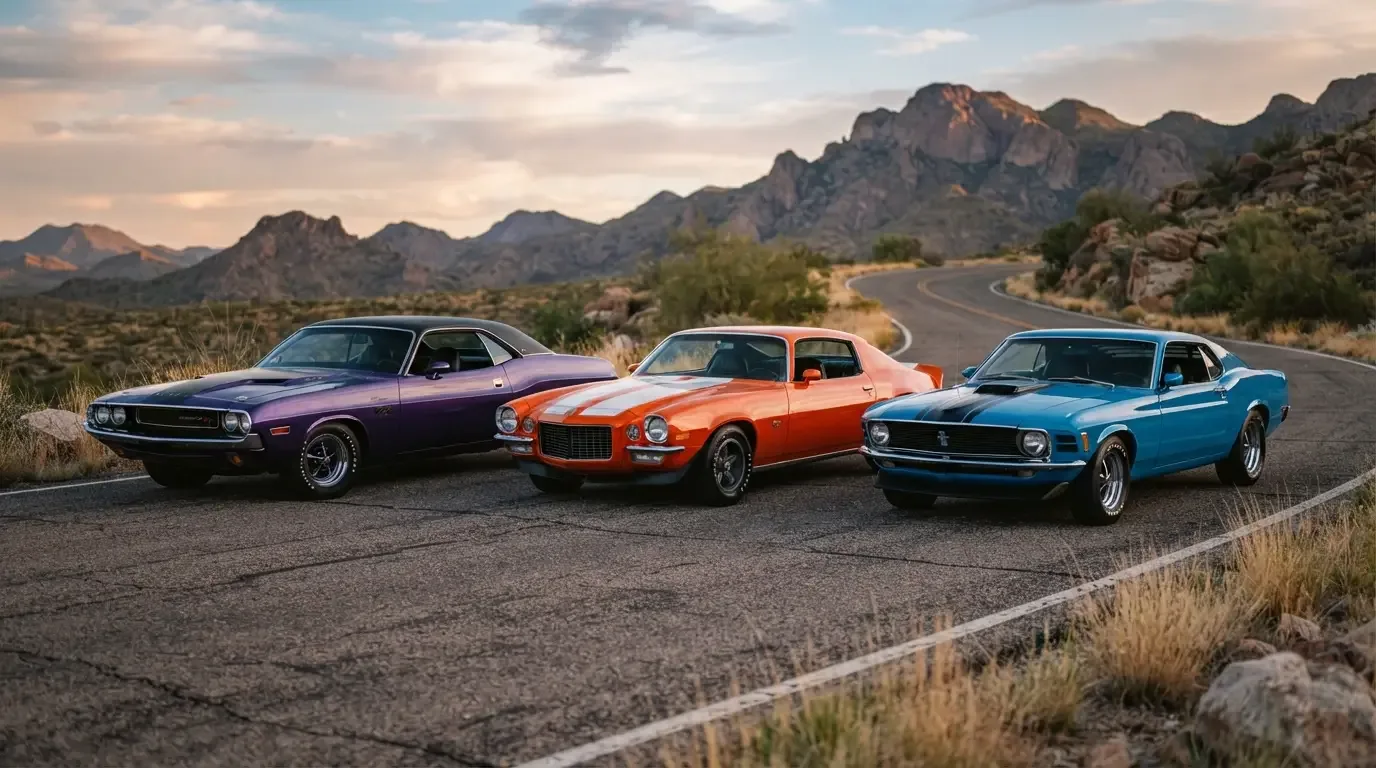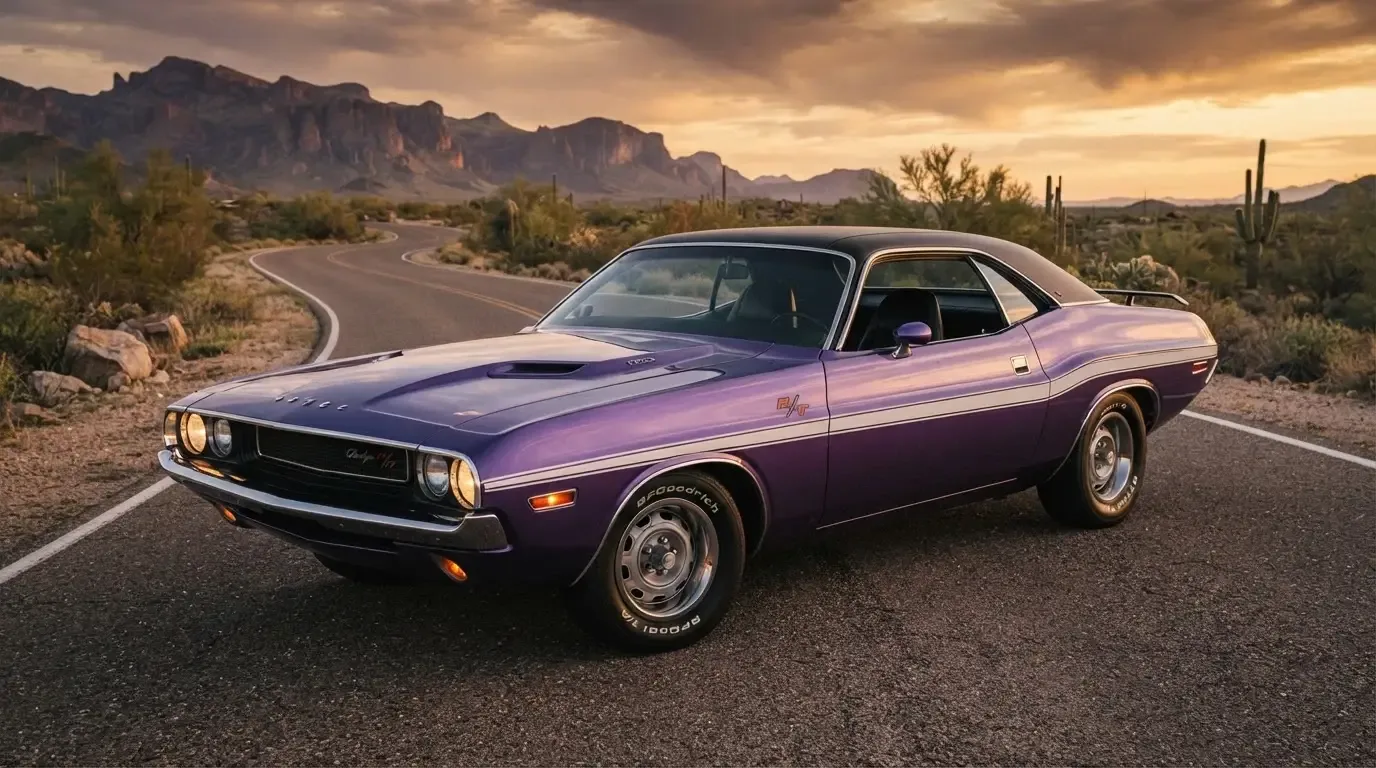
Somewhere in a Chrysler engineering office in the mid-1960s, someone had to make a decision that would define two cars for a decade: build the next Dodge pony car on a shared platform with Plymouth, or give it a bespoke chassis nobody else would ever touch. They chose the shared route, and the result was the challenger e-body platform, the architecture underneath both the Dodge Challenger and the Plymouth Barracuda. It is easy to take that decision for granted now, but at the time it represented a real bet about how far Chrysler could stretch a single set of engineering resources across two divisions without losing what made each car feel distinct.
The problem Chrysler was trying to solve
By the mid-1960s, Plymouth had been running the Barracuda on a modified Valiant platform since 1964, and it showed. The car was competent but compromised, built on bones designed for an economy compact rather than a genuine pony car competitor. Meanwhile the Mustang and then the Camaro were racking up sales numbers that made Chrysler's leadership nervous, and Dodge had no comparable product at all. Building two entirely separate ground-up platforms for Dodge and Plymouth would have been the cleanest engineering solution and the worst financial one. Chrysler did not have the budget for that kind of duplication, not with the rest of its lineup also needing investment.
The compromise was a shared platform, purpose-built this time rather than adapted from something else, that both divisions could use while still giving their design and engineering teams enough latitude to make the two resulting cars feel meaningfully different behind the wheel and on the showroom floor.
What actually made the E-body different from what came before
Unlike the first-generation Barracuda's compact-based underpinnings, the E-body was engineered from the outset to accept the same big-block engines Chrysler was putting in its full-size performance cars. That single requirement shaped almost everything else about the platform. Wider front frame rails, a beefed-up front subframe, and revised suspension geometry all existed specifically to make room for engines like the 440 and, eventually, the 426 Hemi, without the compromises that plagued earlier compact-based pony cars trying to shoehorn big power into a chassis that was never meant for it.
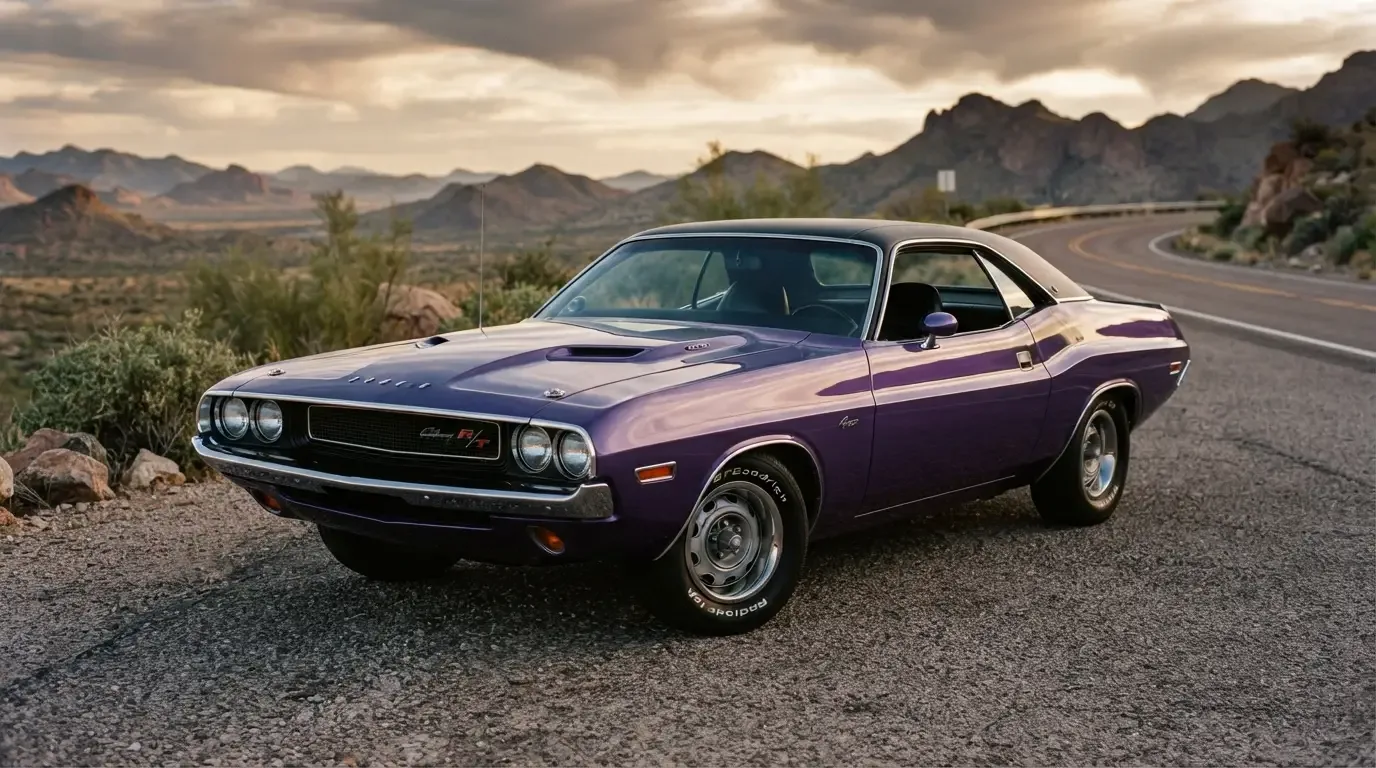
Dodge and Plymouth engineers worked from this common structural foundation but were given real freedom on wheelbase, body panels, and interior architecture. That is why the Challenger ended up two inches longer in wheelbase than the Barracuda despite both riding on the same fundamental E-body architecture. It was not a limitation of the platform. It was a deliberate choice by Dodge to stretch the formula in its own direction, and it is a big part of why more on the 1970 dodge challenger reads as a genuinely separate car rather than a rebadge job once you dig into the details.
Development timeline and internal politics
Development of the E-body ran through the back half of the 1960s, with Chrysler committing serious engineering resources at a time when the company's finances were not always healthy enough to support that kind of investment comfortably. The internal case for the program rested heavily on the idea that two divisions splitting tooling and platform costs would make an otherwise risky bet more affordable, and that logic largely held up. Dodge dealers had been asking for a proper pony car answer for years, and Plymouth needed a genuine Barracuda replacement rather than another round of patches on the aging Valiant-based car. The E-body answered both needs from a single engineering investment, which is precisely the kind of efficient outcome corporate planners hope for and rarely actually get.
Design work on the new platform got underway in the mid-1960s, with prototype development well along by 1968 and Hamtramck tooling up for production in the late summer of 1969 ahead of the 1970 model year launch. What is clear is that the platform's development overlapped with a period of genuine urgency inside Chrysler, as the pony car segment kept growing and the company had watched two full sales cycles pass with Dodge holding nothing comparable to a Mustang or Camaro.
The legacy of a platform built for two personalities
Looking back, the real achievement of the E-body was not any single engineering spec. It was the discipline to build one structural foundation flexible enough to support two cars with genuinely different identities. The Barracuda kept a slightly tighter, more compact character true to its longer lineage in the segment, while the Challenger used its stretched wheelbase and distinct sheet metal to position itself as the roomier, more comfortable pony car option. Neither car feels like an afterthought next to the other, and that balance is harder to achieve than it sounds, especially under the financial pressure Chrysler was operating under during this period.
"The E-body story is really a story about Chrysler betting on shared engineering without losing individual character, and that bet paid off. You can drive a Barracuda and a Challenger back to back today and they feel like relatives, not clones."
- Patrick Walsh
Why this platform still matters to collectors
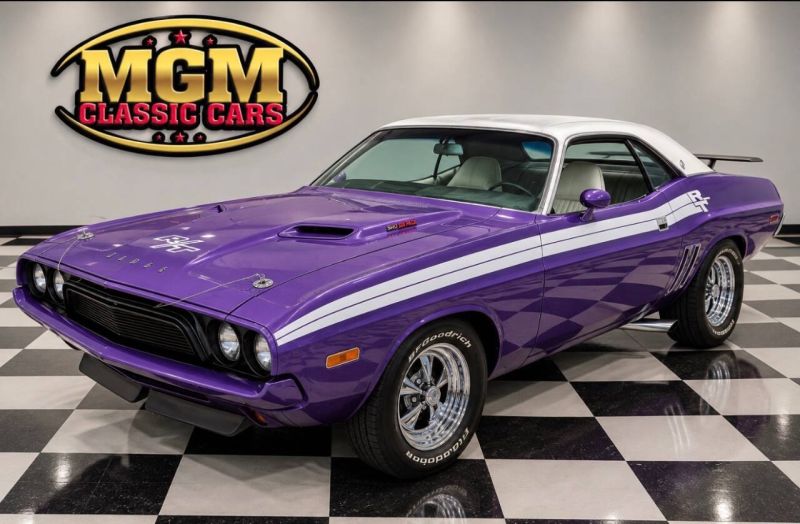
Understanding the E-body's origin changes how you look at both cars. Every shared hard point, every wheelbase difference, every big-block-friendly frame rail traces back to a set of engineering decisions made years before the first Challenger rolled off the line. For the full picture of how the platform's story connects to Dodge's specific model, where this started covers the broader arc of the nameplate itself, from this shared foundation through the car's entire classic-era run. And if the engineering history has you interested in seeing the platform in person, there are classic Challengers on the market worth a look right now.
The E-body's legacy is really about restraint as much as ambition. Chrysler could have chased more differentiation and ended up with two mediocre cars sharing nothing meaningful, or it could have chased more commonality and produced a badge-engineered Barracuda wearing Dodge trim. Instead the company found a middle path that gave both the Challenger and the Barracuda room to become their own cars, and that middle path is the real reason both nameplates are remembered so fondly today.
How the platform shaped later trim decisions
The engineering headroom built into the E-body from the start also explains why Dodge could offer such a wide performance spread on the Challenger without a mid-cycle redesign. A platform engineered for the Hemi from day one had no trouble accommodating the smaller slant-six or small-block V8 options that filled out the base and mid-range trims. That flexibility let Dodge build one car that could be configured as a mild commuter coupe or a genuine drag strip threat, using the same body and chassis with different engines, gearing, and suspension calibration underneath. Few pony car platforms of the era offered that kind of range without compromise at either end, and it is a direct result of the ambitious engineering brief Chrysler set for the E-body before either the Challenger or the Barracuda existed as finished products.