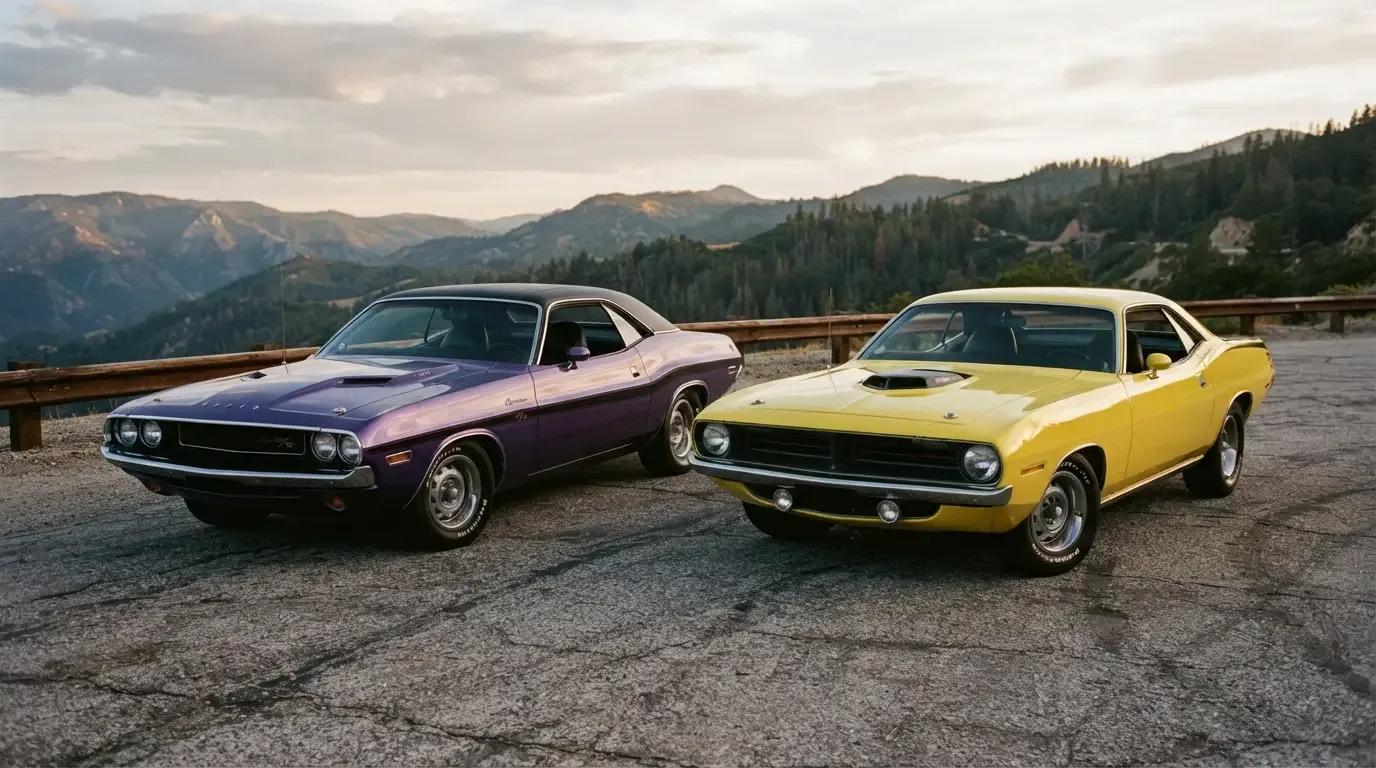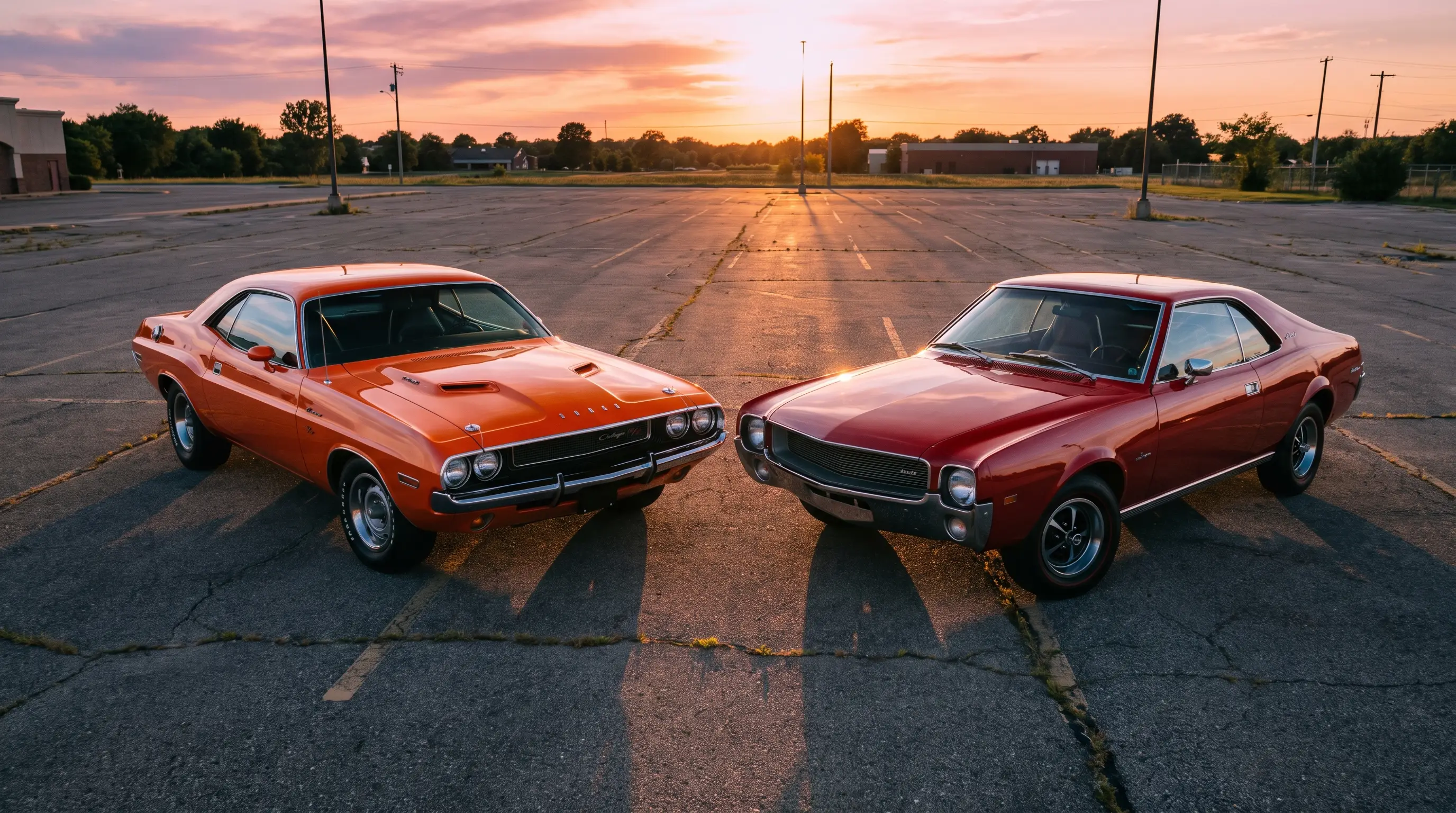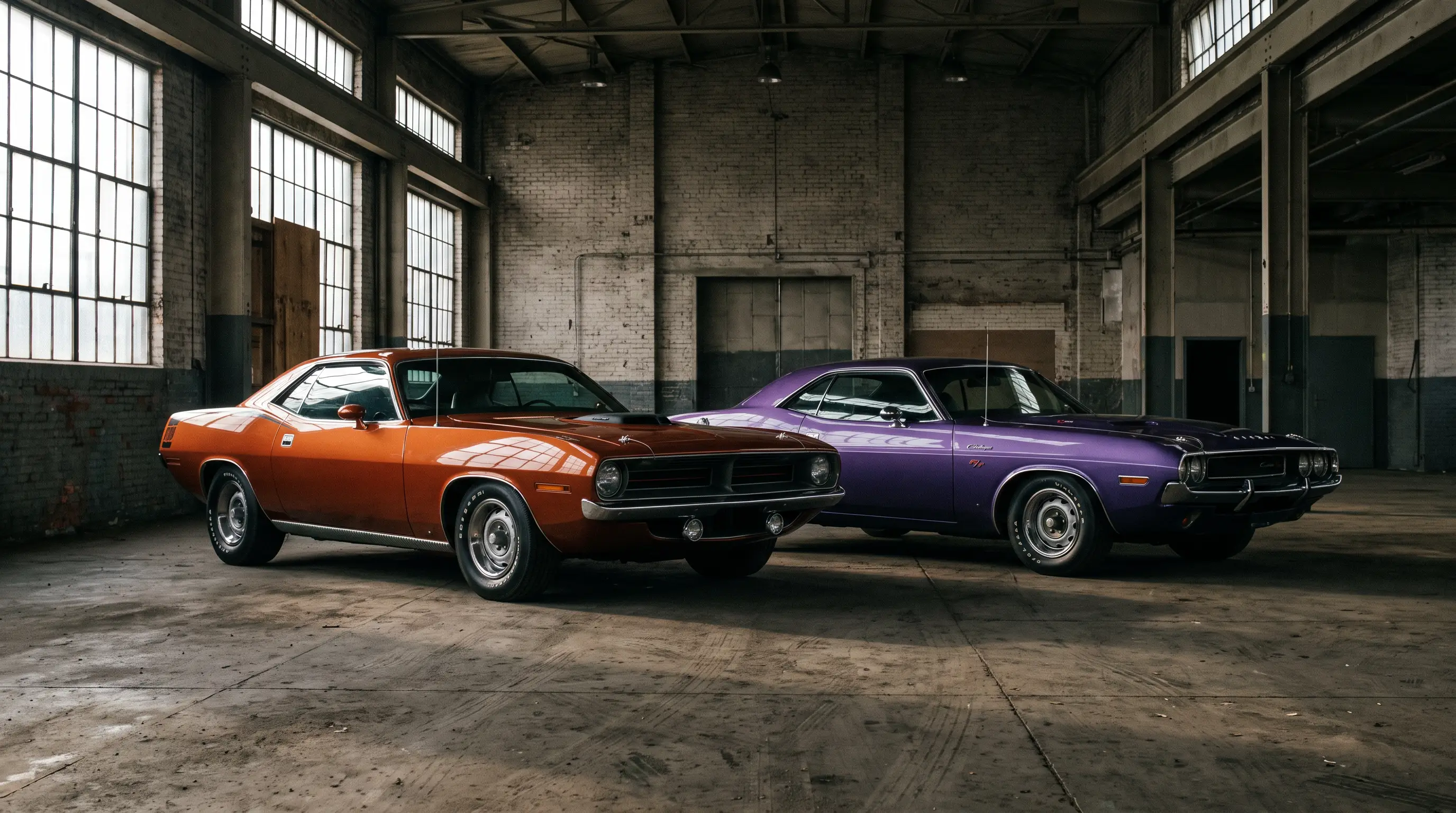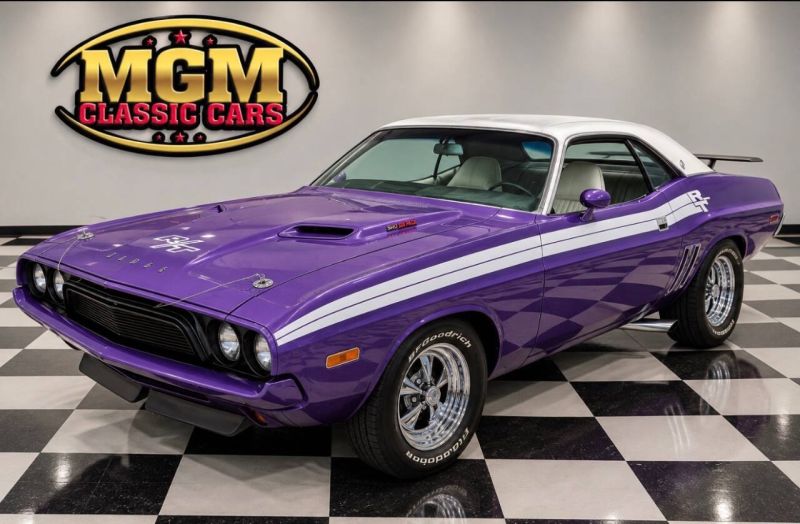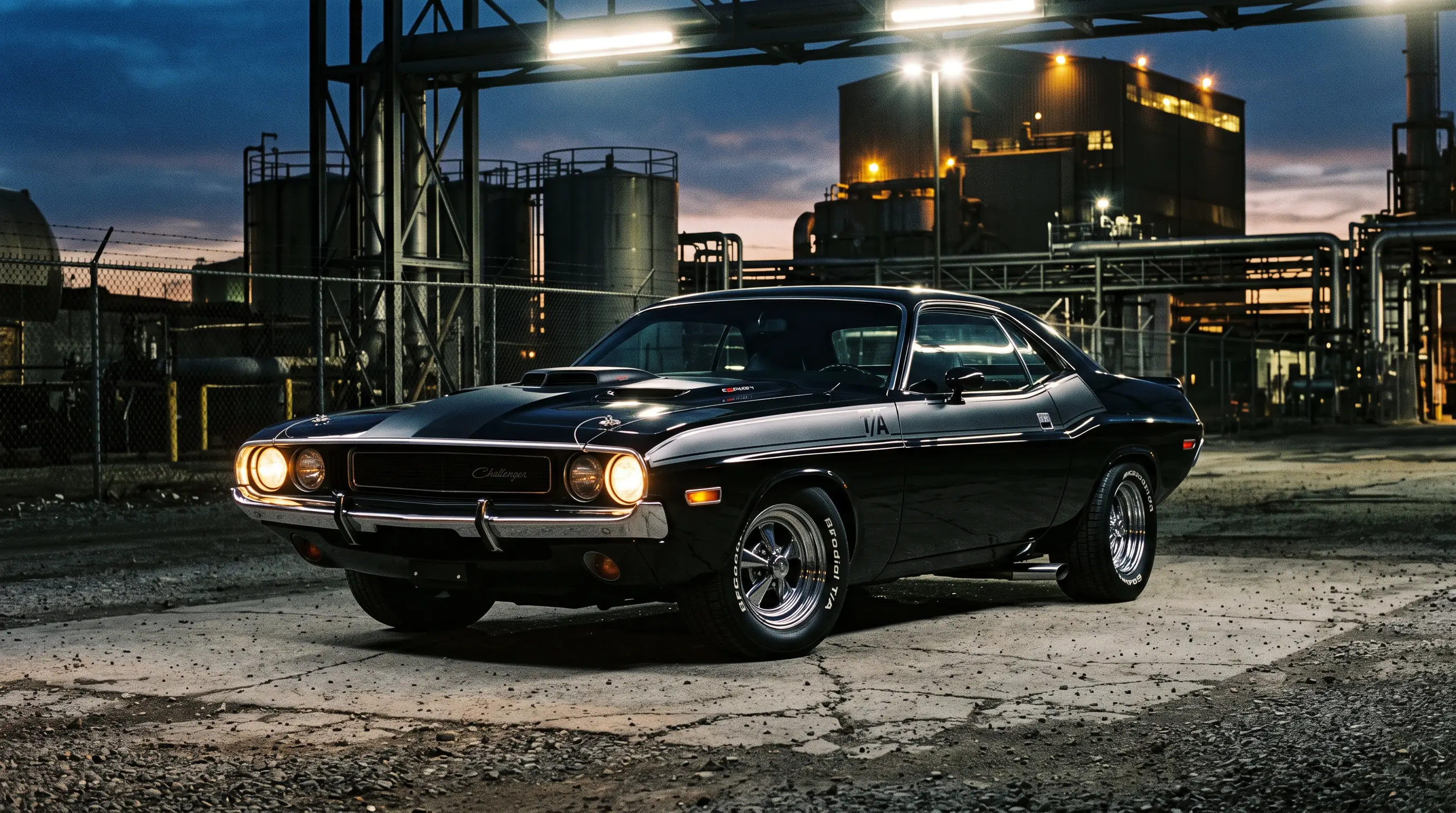
Picture a Chrysler product planner in 1967, watching Mustang sales figures roll across his desk for the third straight year, and having to explain to his bosses why Dodge still did not have an answer. That is the uncomfortable scene behind the story of challenger e-body late arrival to a market Ford had already claimed. The Challenger did not appear until the 1970 model year, a full six years after the Mustang's launch, and that delay was not an accident or an oversight. It was the product of a company betting on a different kind of car for most of the 1960s, and only turning that bet around once the market made the decision for them.
Chrysler was building something else entirely
Through the mid-1960s, Chrysler's Dodge and Plymouth divisions were focused on midsize muscle, the Coronet, the Charger, the GTX and Road Runner, cars built on a larger platform aimed at buyers who wanted a family-sized body with a big engine stuffed inside. That strategy worked. Those cars sold well and built real performance credibility for both brands. But it meant Chrysler was not investing engineering dollars into a small, sporty two-door platform to compete directly with the Mustang while Ford, and soon Chevrolet and Pontiac, were building exactly that.
By the time Chrysler leadership committed to a dedicated pony car platform, the company was starting essentially from a blank sheet rather than adapting existing tooling, which takes years, not months. The E-body platform that eventually underpinned both the Challenger and the Barracuda was a genuinely new architecture, engineered specifically for this segment, and that kind of ground-up development does not happen on the same timeline as a competitor's mid-cycle refresh.
The 1970 arrival was a full swing, not a token entry
When the Challenger finally landed, Dodge did not show up with a half-hearted competitor. The car launched with an engine range stretching from a economical slant six up through the 426 Hemi, more choice at a wider spread of price points than most rivals offered at their own launch. Dodge positioned the Challenger slightly upmarket from the Barracuda, with a longer wheelbase and a more standalone identity, aiming at buyers cross-shopping the Mercury Cougar as much as the base Mustang. That positioning decision, made possible only because Dodge waited and watched the segment mature, gave the Challenger a more distinct personality than a rushed competitor might have had.
"By the time Dodge finally showed up, they knew exactly which buyer they wanted. That patience shows in how well thought out that first Challenger actually was."
- Patrick Walsh
Late timing became a market disadvantage almost immediately
The trouble with arriving six years behind the Mustang is that the market does not wait around to reward patience. Insurance surcharges on big-block muscle cars, tightening emissions regulations, and a broader shift in consumer taste toward smaller, more efficient cars all hit right as the Challenger was finding its footing. Dodge had barely established the nameplate before the entire muscle car segment began contracting. Sales dropped through 1971 and continued sliding, and the original Challenger's run ended after the 1974 model year, a production window of just five years compared to the Mustang's uninterrupted decades on the market.
That short window is a double-edged sword for collectors today. It means fewer Challengers were built overall than Mustangs of the same era, and it means the highest-performance variants, built during the narrowest slice of that window before insurance rates gutted demand for big engines, are genuinely scarce. Late arrival cost Dodge market share in period. It handed today's collectors a car with real production scarcity built in.
What the delay says about Chrysler's priorities
Looking back, the challenger e-body late launch reads less like a mistake and more like a company that had to finish one strategy before it could properly start another. Chrysler was not ignoring the pony car market out of blindness. It was committed to midsize muscle cars that were already selling, and pivoting corporate engineering resources takes real time regardless of how obvious the opportunity looks in hindsight. For readers who want the complete generational arc of how the Challenger and its Plymouth sibling both came out of this delayed but ambitious platform push, the challenger vs cuda story covers that relationship directly, and the full story of the Challenger nameplate fills in everything that happened after that late 1970 debut.
Why the wait still pays off for buyers today
A car built during a short, sharply defined production run tends to age into collector value better than a nameplate that ran for decades with countless minor revisions diluting any single year's significance. Every Challenger from 1970 through 1974 belongs to a tight, well-documented window, which makes research and verification more manageable for buyers than chasing a nameplate with fifty years of running changes. If that appeals to you, there are classic Challengers on the market right now representing nearly the entire span of that short but consequential run.
What Chrysler learned from watching its rivals first
There is a real argument that Dodge's late arrival to this segment produced a more thoughtfully engineered car than a rushed entry would have. Ford spent its first several Mustang model years working out packaging compromises and refining the platform through real-world feedback, and Chevrolet did the same with the Camaro's early years. By the time Chrysler committed engineering resources to the E-body, both rivals had already exposed the packaging mistakes a from-scratch pony car tends to make, from cramped rear headroom to compromised trunk space. Chrysler's engineers had years of public road tests, owner complaints, and magazine criticism from two competitors to study before drawing a single line on the Challenger's chassis.
That secondhand education shows up in details buyers still notice today. The Challenger's cabin offers a more usable back seat than the Mustang did through most of its early years, and its trunk space compares favorably against both major rivals despite the sleek fastback-adjacent profile on certain body styles. None of that happened by accident. It happened because Dodge had the unusual luxury of watching two competitors make their mistakes in public first, then quietly avoiding those same mistakes when it finally built its own answer.
The delay also shaped Dodge's dealer strategy
Arriving late meant Dodge had to convince existing loyal customers, many of whom already owned a Coronet or a Charger, that the Challenger deserved a spot in the same driveway rather than replacing what they already had. Dealers pitched the car as a second vehicle for a different kind of driving, a sportier companion to the family muscle car rather than a direct replacement, and that positioning helped Dodge avoid cannibalizing sales of its already successful midsize performance lineup while still capturing pony car buyers who had been cross-shopping Ford and Chevrolet showrooms for years.