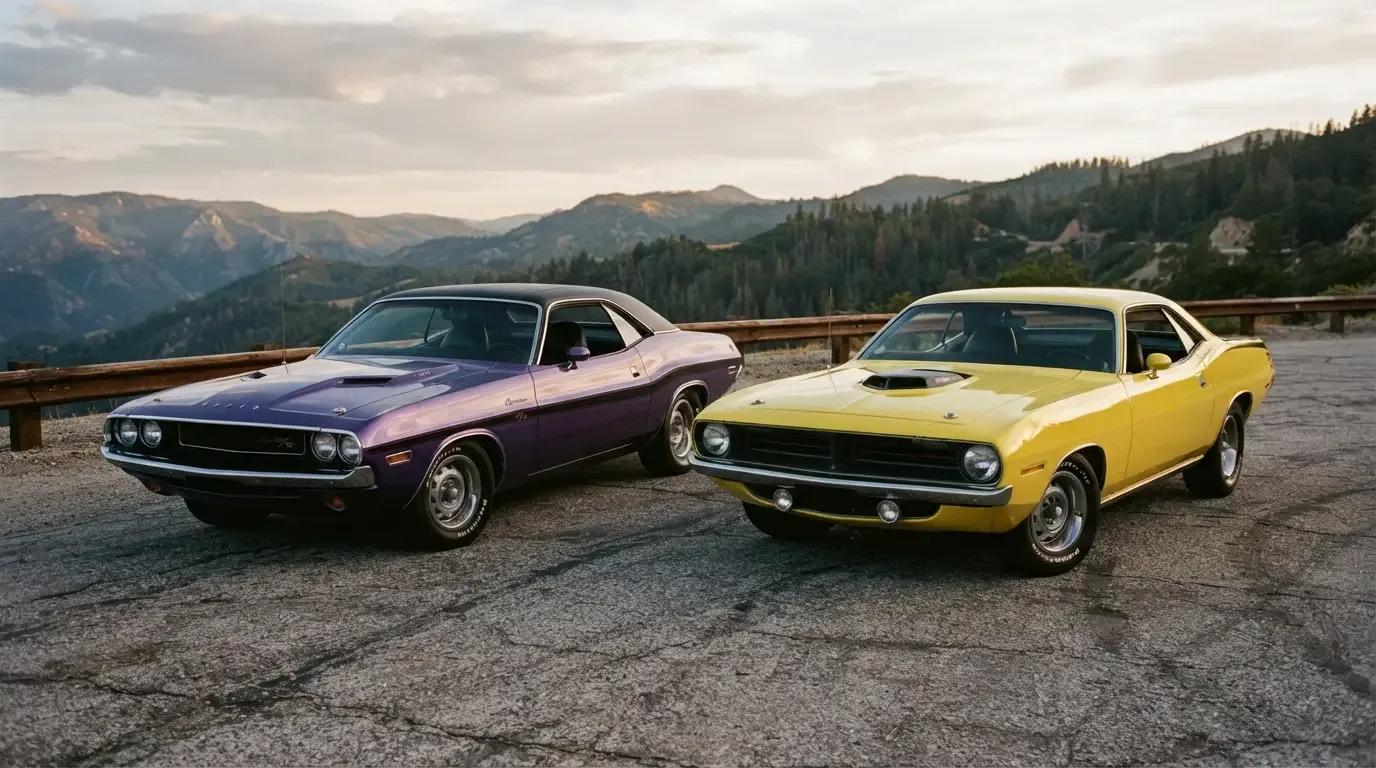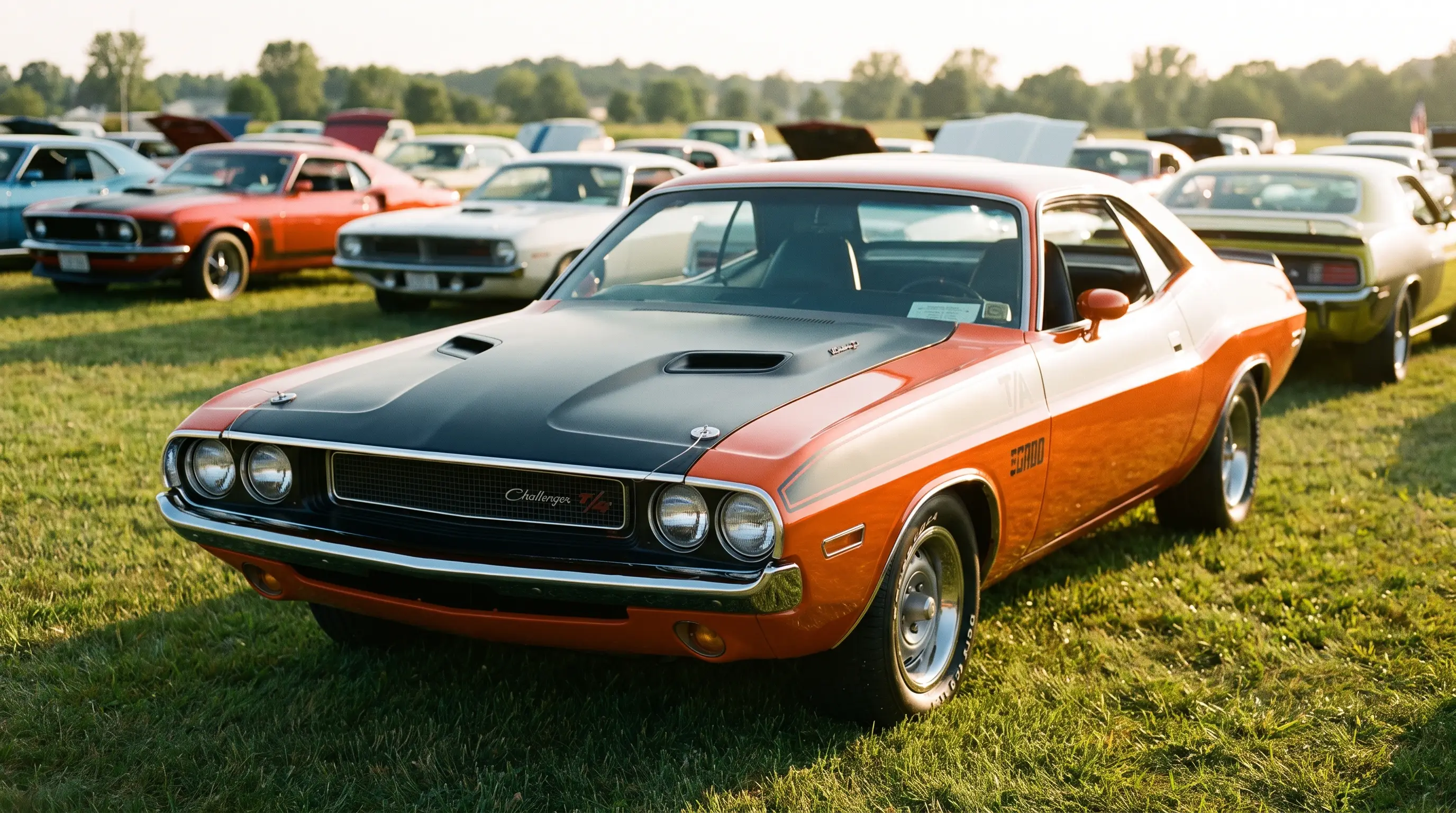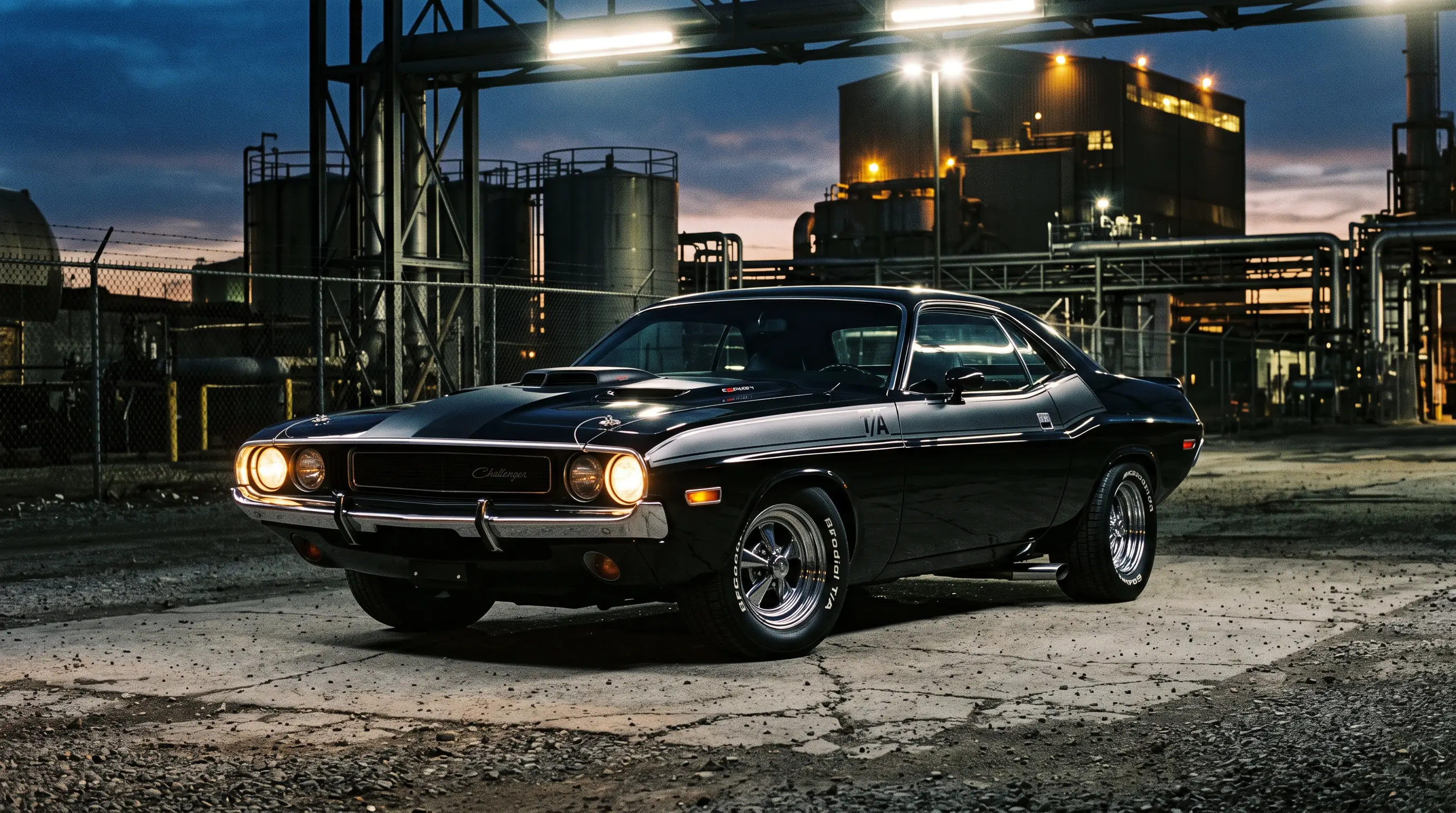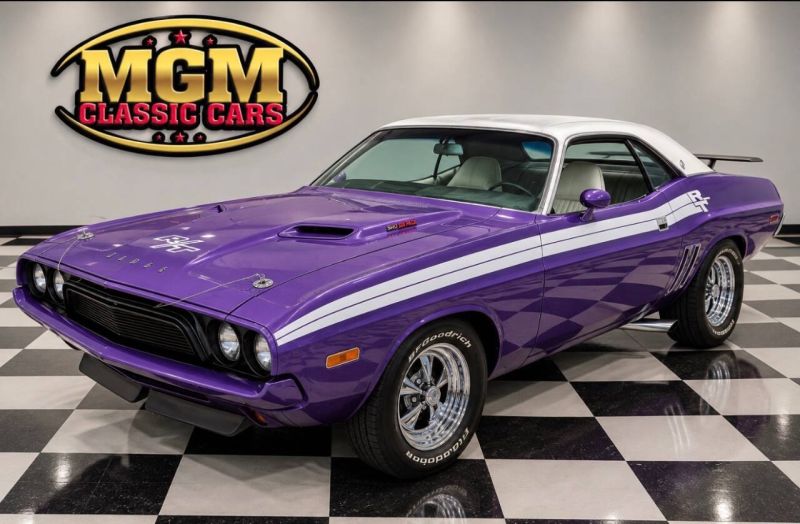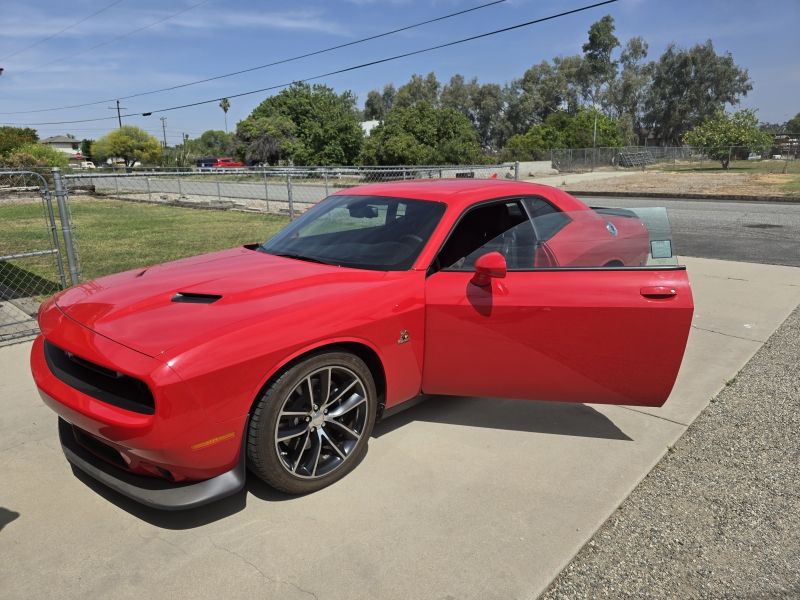
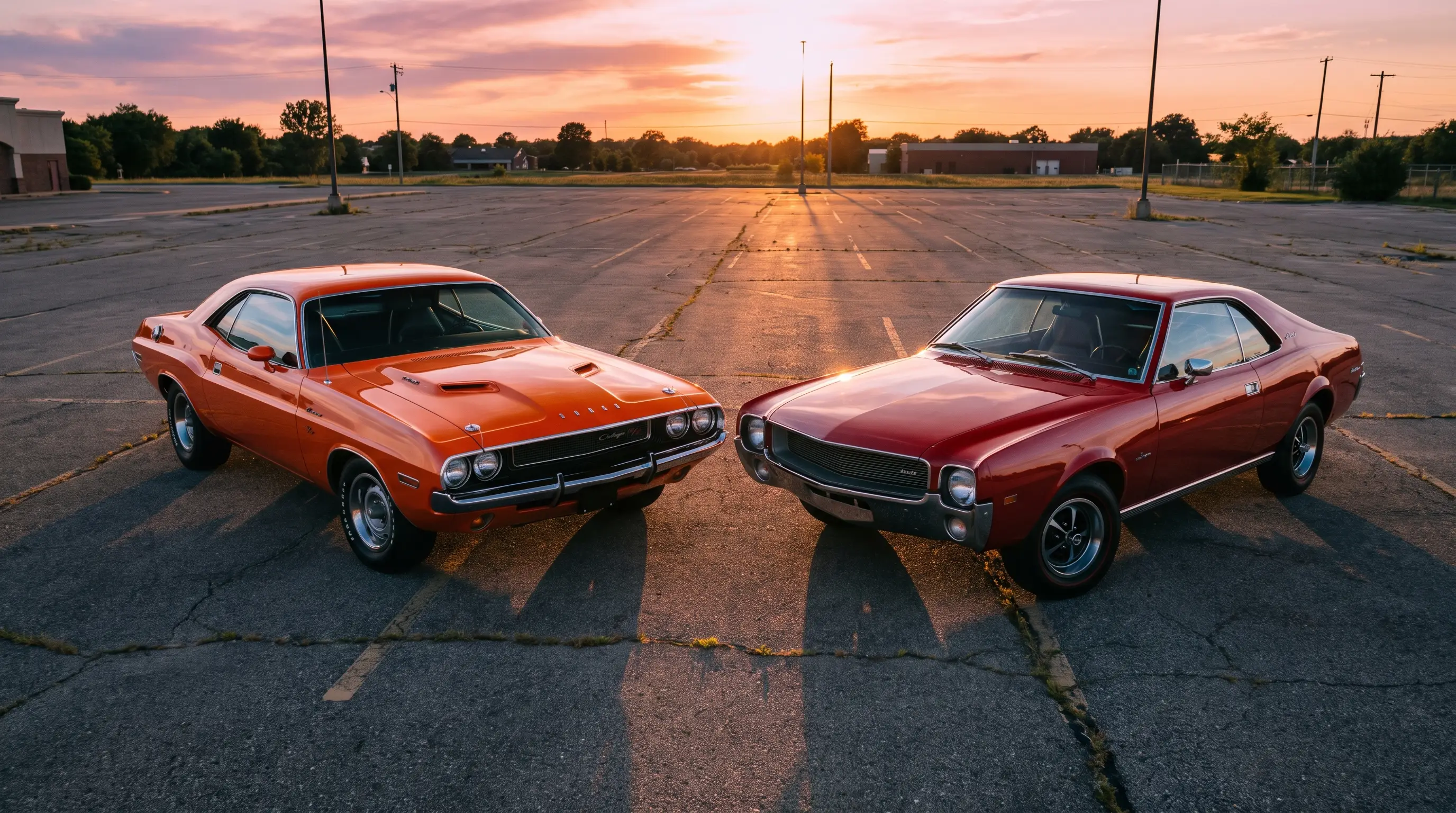
I have had a lot of guys pull a Dodge Challenger into my shop and tell me it is the toughest pony car Detroit ever built, and about half the time an AMC Javelin owner is standing right behind them ready to argue. The challenger vs javelin comparison never gets settled at a car show, and honestly it should not, because the two cars were built by companies operating in completely different weight classes trying to solve the same problem. One had Chrysler's engineering depth behind it. The other had American Motors, a company punching way above its budget, and somehow landing real hits.
Two different starting points
The Challenger came out of Chrysler in 1970 on the E-body platform, backed by an engine lineup that ran from a mild slant six all the way up to the 426 Hemi. AMC built the Javelin starting in 1968 with none of that manufacturing scale. AMC did not have a dozen engine plants or a spare billion dollars for tooling. What AMC had was a small, sharp engineering team that knew exactly which fights it could actually win, and it picked road racing and Trans Am competition instead of trying to out-muscle the big blocks straight up.
That difference in approach shows up the second you put your hands on either car. The Challenger, especially in R/T or T/A trim, is built around straight-line authority. Big torque, wide stance, a car that wants a dragstrip. The Javelin is lighter on its feet, tighter in the corners, and the Trans Am-spec cars AMC fielded through Roger Penske's team proved that a smaller company could out-handle Detroit's giants when the rulebook rewarded balance over brute force.
Under the hood, the numbers tell different stories
A top-spec Challenger R/T with the 440 Six Pack or the Hemi produces the kind of quarter-mile numbers that built the car's reputation, and nobody who has stood behind one at wide-open throttle forgets it. The Javelin's biggest engines, including AMC's own 401 V8 in the AMX-flavored trims, gave up some peak output to the Mopar big blocks but made up ground with a lighter overall curb weight and a chassis tuned by people who cared as much about the exit of a corner as the length of a burnout. Straight-line bragging rights generally go to the Challenger. Point-to-point, on a road course, the argument gets a lot closer than most Mopar fans want to admit.
Build quality is where I have to be honest with customers on both sides. Chrysler's assembly line quality in this era was inconsistent, and Challengers left the factory with panel gaps and trim fitment that would not fly today. AMC, working with less volume and tighter oversight per unit, sometimes turned out a more carefully assembled car, even if the materials underneath were cheaper. Neither company was building a Swiss watch. Both were building cars fast to catch a market that was moving fast too.
"People act like AMC was some backyard operation. They ran a factory Trans Am program on a shoestring and still beat cars with ten times the budget behind them. That is not luck. That is somebody at AMC knowing exactly what fight they could win."
- Mike Sullivan
Rarity flips the usual script
Here is where the challenger vs javelin conversation gets interesting for buyers today. The Challenger sold in bigger numbers overall, which means more of them survived, which means more choices on the market but a bigger population diluting the rarest examples. The Javelin, and especially the AMX two-seat variant built alongside it, moved fewer units to begin with and fewer still survive in original condition, because AMC dealers and AMC parts networks thinned out fast once the company started struggling in the following decades. A well-preserved Javelin SST or a genuine AMX can be a genuinely rare find, sometimes rarer within its own production run than a comparable Challenger trim.
Parts availability is the practical tradeoff. Mopar built enough Challengers, and the aftermarket support for that platform is deep enough, that keeping one on the road long-term is straightforward. AMC parts require more digging, more patience, and usually a tighter-knit network of specialists and swap meets. If you want a car you can wrench on without hunting for six months to find one bracket, that reality favors the Challenger every time.
The verdict from someone who has wrenched on both
I do not think either car loses this argument outright, and anyone who tells you it is a clean sweep either has not driven both or has a badge they are loyal to. The Challenger wins on straight-line muscle, parts support, and the sheer weight of its reputation. The Javelin wins on chassis balance, genuine racing pedigree earned against much bigger rivals, and a rarity that surprises people who assume AMC built throwaway cars. For the full picture on how the Challenger fit into the wider pony car landscape, the whole picture is worth a read alongside this one.
If the Challenger side of this argument is the one pulling at you, you can go shop classic Challenger listings and see what is currently available before you make up your own mind on the challenger vs javelin debate.
Ownership costs tell a longer-term story
I always tell customers to think past the purchase price on either car and consider what owning it actually costs over ten years. A Challenger benefits from Chrysler's larger production runs across multiple related models, which means common wear parts like suspension bushings, brake components, and trim pieces are reproduced by several different aftermarket suppliers competing on price. That competition keeps a Challenger's routine maintenance affordable compared to plenty of other muscle cars from this era. The Javelin does not have that luxury. AMC's total production volume across its whole lineup never approached Chrysler's, so the supplier base making reproduction parts for a Javelin is thinner, and a part that costs forty dollars for a Challenger might run triple that for the AMC equivalent, if you can find it in stock at all.
Labor costs follow a similar pattern. Any competent classic Mopar shop across the country has seen dozens of Challengers and knows the common failure points cold. Finding a shop with deep hands-on Javelin experience takes more searching, and that unfamiliarity translates into longer diagnostic time and higher labor bills even for straightforward jobs. None of this means a Javelin is a bad car to own. It means an owner needs to budget differently and lean harder on the AMC-specific clubs and specialists who keep this knowledge alive.
Resale liquidity favors the more common badge
When it comes time to sell, a Challenger simply reaches a bigger pool of interested buyers faster than a Javelin does, purely because more people grew up wanting one and more people recognize the name at a glance. That liquidity advantage does not make the Challenger a better car. It makes it an easier one to convert back into cash when the time comes, which matters plenty to buyers who see their classic as part investment and part driving pleasure rather than a permanent keeper regardless of circumstance.