Names get chosen for reasons that rarely survive the decades intact, and the Dodge Challenger name origin is a good example of how a single word can carry more corporate history than most people realize. By the time the Challenger reached Dodge showrooms, "Challenger" had already lived several lives inside the American auto industry, and understanding those earlier lives explains exactly why Dodge reached for that word instead of something else entirely.
A name Dodge had used before, quietly
Few casual fans know that Dodge had applied the Challenger name to a car years before the pony car existed. Back in 1959, "Challenger" badged a special edition of the full-size Coronet, the Dodge Silver Challenger, a silver-only two-door offered with premium extras like whitewall tires, full wheel covers, and upgraded interior trim at no added cost. That earlier use lasted a single model year and faded from memory once the Coronet itself left production the following year, long before the 1970 pony car arrived and claimed the word outright. It is a detail that tends to surprise even dedicated owners, because Dodge's own archives treated it as a footnote rather than a launch point, yet it shows that the word had already been used once before as one that suggested a step above the ordinary before it ever appeared on a fastback fender.
Naming conventions inside Chrysler in that era leaned on words that implied confrontation and capability. Charger, Challenger, Super Bee, Dart, all of them carry an edge of assertiveness rather than comfort or luxury. "Challenger" fit that pattern precisely, a word that promises a direct confrontation with whatever the buyer cross-shopped, whether that was a Mustang, a Camaro, or a Barracuda sitting one showroom over at the Plymouth dealer.
Racing gave the word extra weight before the car even launched
Automotive naming in this period rarely happened in a vacuum, and "Challenger" carried associations from motorsport that Dodge's marketing team would have understood well. Words tied to competition and confrontation resonated with buyers steeped in a decade of drag strip culture and NASCAR rivalries between the manufacturers. Dodge was not inventing a new vocabulary. It was borrowing a word already loaded with the right connotations and putting it on a car built specifically to compete, directly and unapologetically, against Ford and Chevrolet's established pony cars.
Positioning the Challenger against its own sibling
The trickiest part of the naming decision was not choosing a word that sounded aggressive. It was choosing a name distinct enough from the Plymouth Barracuda that dealers could sell both without customers feeling like they were being offered the same car twice. Since the Challenger and Barracuda shared the E-body platform underneath, Dodge needed the name itself to do real work separating the two identities in the buyer's mind. "Challenger" accomplished that by suggesting a slightly more upscale, more deliberately confrontational character than "Barracuda," which leaned into speed and aggression from an entirely different angle, evoking a predatory fish rather than a direct rival stepping into the ring.
That distinction mattered more than it might seem from decades away, because Chrysler's dealer network was genuinely competing against itself in some markets, with Dodge and Plymouth stores sometimes located within a few miles of each other. A name that failed to differentiate the product risked cannibalizing sales rather than expanding them, and Dodge's naming committee clearly understood that risk going in.
"A name has to survive contact with a dealership floor and a skeptical customer who has already seen three other pony cars that afternoon. Challenger did that job, and it did it without needing a single word of explanation."
- Sarah Whitfield
How trim names reinforced the core word
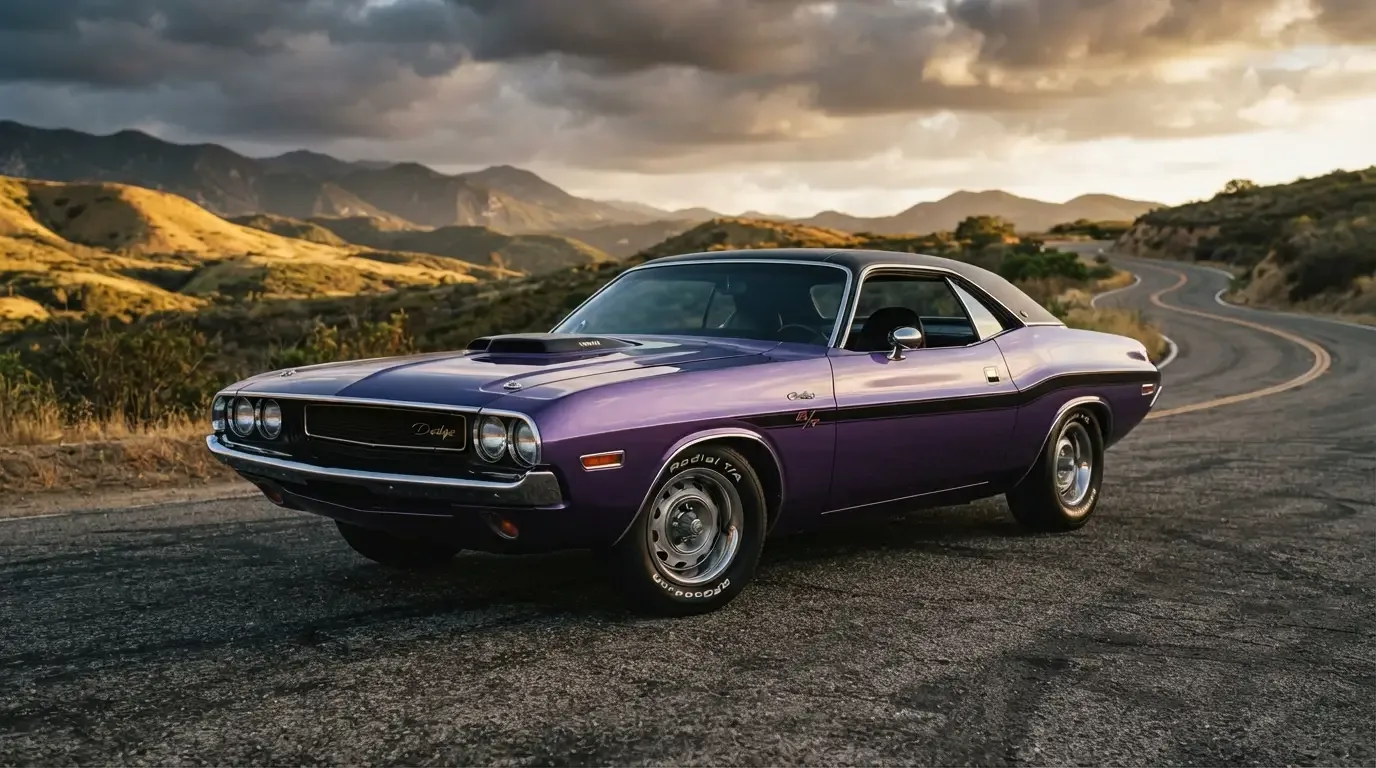
Once "Challenger" was set as the nameplate, Dodge built an entire vocabulary of sub-names around it that reinforced rather than diluted the original word's promise. R/T, borrowed from Road and Track designations already established on the Charger and Coronet, signaled a specific performance tier without needing a new word invented from scratch. SE, for Special Edition, did the opposite job, signaling comfort and trim upgrades for a buyer who wanted the Challenger shape without the harder performance edge. Both sub-names worked because they attached themselves to a core identity that was already clear. Nobody confused an R/T Challenger with an SE Challenger, and that clarity traces back to how deliberately the base name itself had been chosen in the first place.
Compare that to naming schemes that grew more confusing over time, with manufacturers stacking trim levels and special editions until buyers needed a dealer's help just to understand what a badge meant. The Challenger largely avoided that fate through the classic era specifically because the core word did enough work on its own that sub-designations only ever needed to add nuance, not redefine the car entirely.
How the name aged compared to its rivals
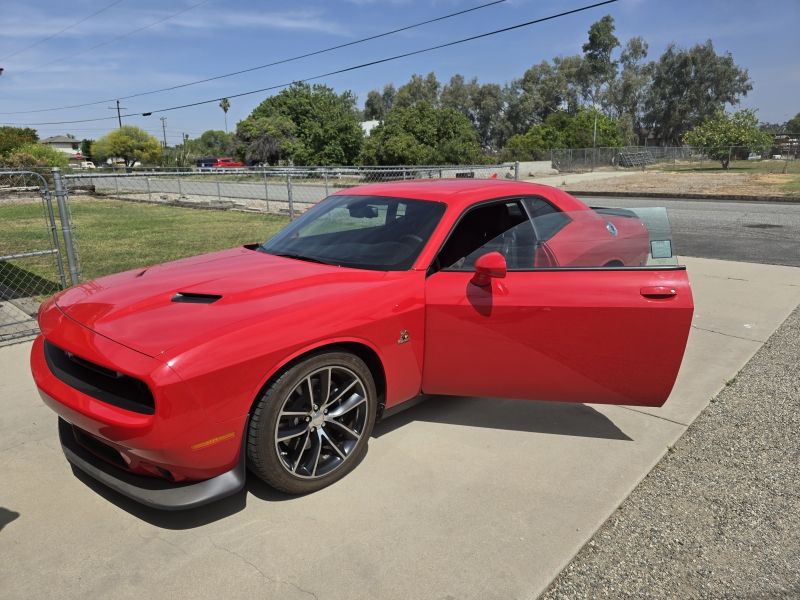
Half a century on, the strength of the Dodge Challenger name origin shows in how naturally the word still fits the car. Ford has cycled Mustang variants through dozens of suffixes and sub-names over the decades. Chevrolet did the same with Camaro. Dodge, by contrast, never needed to rename or reposition Challenger itself, only to retire it and later revive it wholesale, first ending production in 1974 and then bringing the nameplate back in 2008 on an entirely new platform that still carried the same confrontational promise the original word implied. Few muscle car names have proven that durable without a single rebrand along the way.
Readers who want the broader arc of how that first Challenger came together, from platform decisions through launch, will find our complete history covers the full development timeline in more depth than any single naming story can.
Why the origin still matters to collectors today
Understanding where a name came from changes how a car reads on the road. A Dodge Challenger is not just a shape or an engine option, it is a word Chrysler chose deliberately to signal direct competition against the established players, backed by a design and engineering effort meant to back that promise up. For anyone drawn to that history and looking to own a piece of it, you can browse classic Challenger listings and see how many original examples still carry that same confrontational attitude the name was built to project in the first place.
What the name never had to apologize for
Some pony car names from this era aged awkwardly, tied too closely to a specific cultural moment or a marketing gimmick that faded within a decade. "Challenger" never carried that baggage. It described a direct, honest intention, to compete, and that intention did not need updating as tastes shifted through the 1970s, 1980s, and beyond. A word built around confrontation and capability does not go out of style the way a slang term or a trend-driven name eventually does, and that durability is arguably the clearest sign that Dodge's naming committee made the right call back when the decision still mattered.
It is worth remembering that plenty of alternatives were almost certainly considered and discarded before "Challenger" won out internally, though detailed records of that specific internal debate are thin compared to what survives about the car's engineering development. What is clear from the outcome alone is that Dodge picked a word sturdy enough to anchor a nameplate through cancellation, revival, and everything in between.