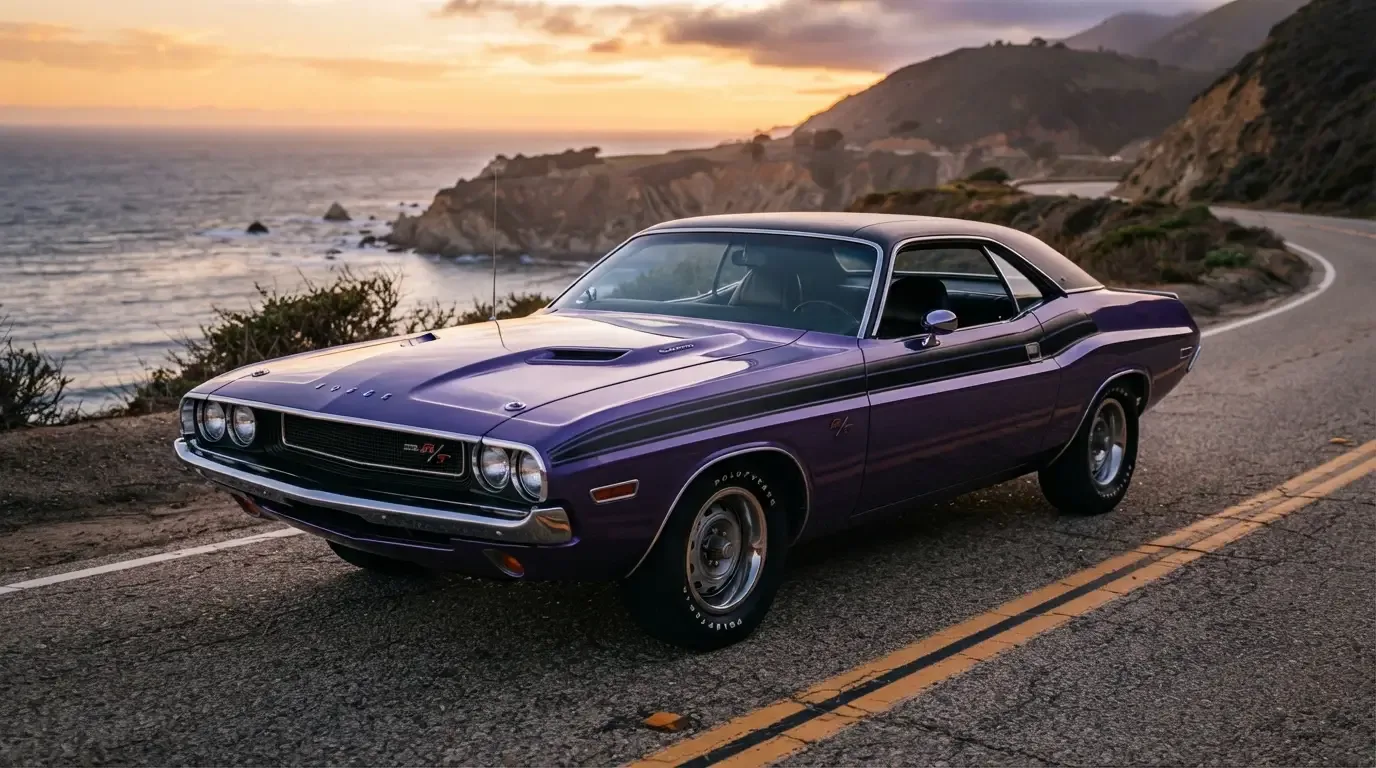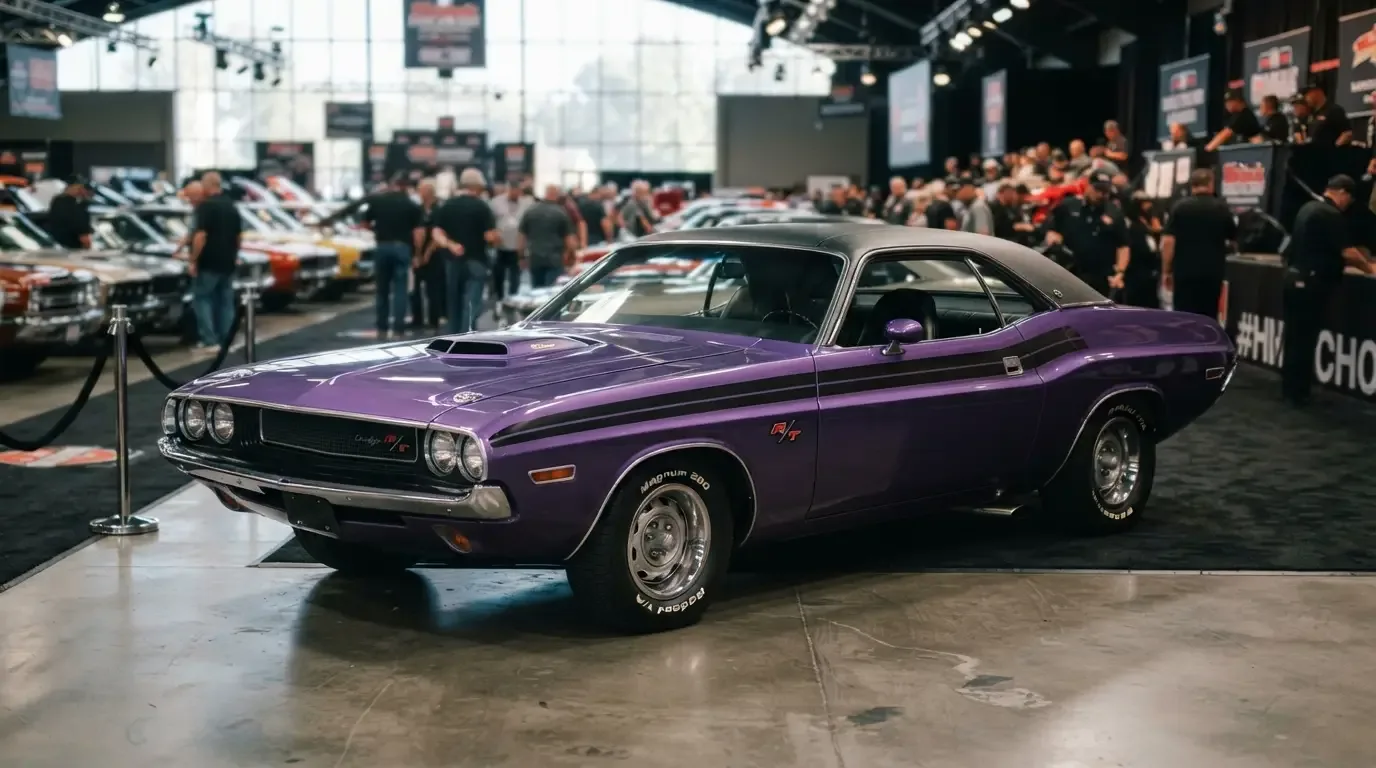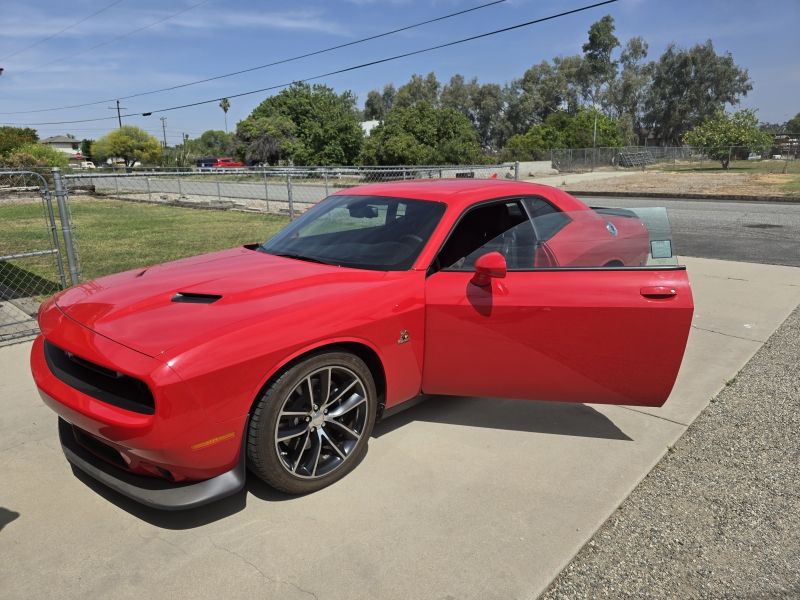
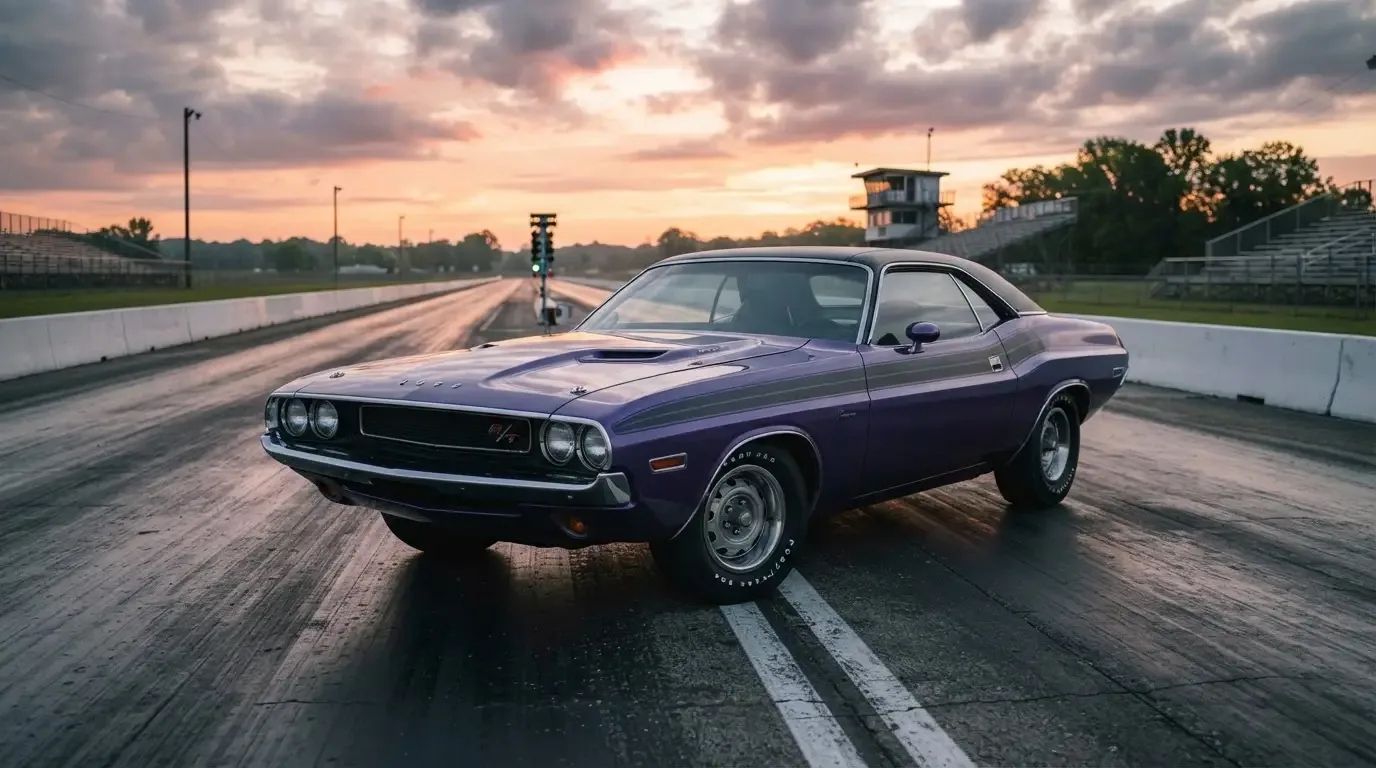
The Dodge Challenger R/T showed up in 1970 promising muscle car credibility, and the buff books did not take that promise on faith. Every challenger rt road test that ran in a major magazine that year put a stopwatch and a fifth-wheel timer on the car and printed the number, good or bad. That is the part people forget when they talk about the Challenger's launch year now, fifty-plus years later, with the benefit of nostalgia doing half the talking. The magazines were not writing love letters. They were writing test results.
What the magazines actually measured
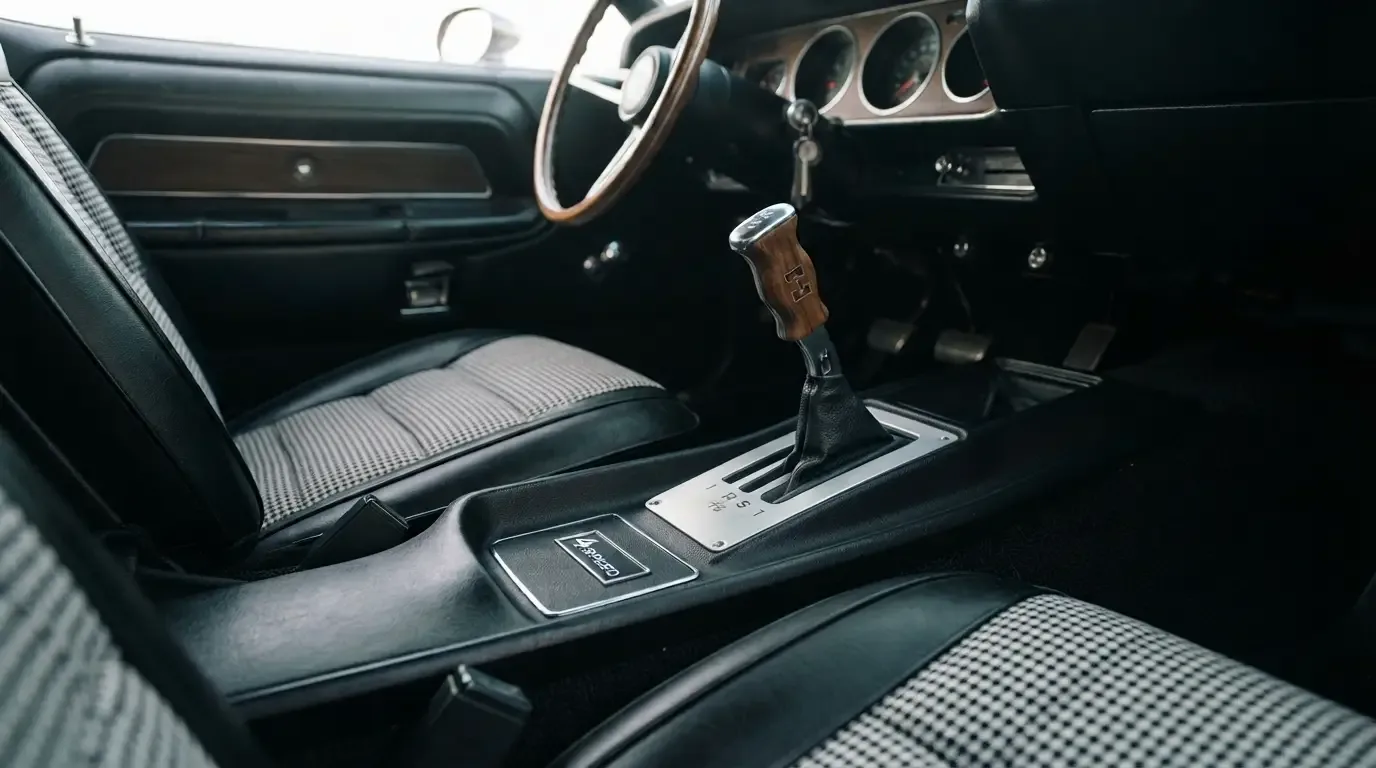
Car and Driver, Motor Trend, and Hot Rod all ran R/T test cars through 1970, and they used the same basic toolkit: quarter mile elapsed time, trap speed, 0-60 acceleration, braking distance from 60 mph, and a subjective ride and handling writeup that usually ran a paragraph or two. Numbers first, opinion second. A 440 Magnum car with the 375 hp rating and a four-speed was the test mule of choice more often than the 426 Hemi, mostly because Dodge had more 440 cars to hand out to press fleets than Hemi cars, and partly because the 440 was the more realistic buyer's car anyway.
Quarter mile times in the low 14s to high 13s were typical for the 440 Magnum car in stock street trim, depending on gearing, tires, and how hard the test driver was willing to abuse the clutch. That is a solid number for 1970 but it is not a shock number. The Hemi car, on paper, should have been quicker, and sometimes it was, but not by the margin the mythology suggests. Traction was the equalizer. A 426 Hemi with 490 lb-ft of torque and skinny bias-ply tires spent a lot of its power spinning the rear wheels off the line, and the magazines said so.
Where the reviews got blunt
The praise in these tests was real but it was specific. Testers liked the long hood and short deck proportions, they liked the driving position, and they generally liked the ride quality on the highway, which was softer and more livable than some of the E-body's stablemates. What they did not universally like was the car's weight. A fully optioned R/T with a big block, air conditioning, and power everything pushed close to 3,800 to 3,900 pounds, and that shows up in every performance number a magazine printed. You cannot argue with a stopwatch. A heavier car is a slower car, full stop, no matter what the badge on the fender says.
Brakes were another sore spot. Front disc brakes were optional, not standard, on the early R/T, and a magazine testing a car equipped with the base drum setup all around had no problem printing a stopping distance that looked mediocre next to a Camaro or a Mustang with front discs. That is not opinion. That is a measured number from a public road test, and it did the car no favors in a side-by-side comparison piece.
Why the numbers still matter today
A magazine test from 1970 is a fixed data point. It does not drift with memory, and it does not get better every time somebody tells the story at a car show. If you want to know how a stock R/T actually performed the day it was new, before six owners' worth of modifications, that printed test is closer to ground truth than almost anything else available. That is why serious buyers and appraisers still dig up period road tests when they are trying to separate a numbers-matching R/T from a car dressed up to look like one. The magazine did not care about resale value. It cared about the number on the timing slip.
Anyone doing research into a specific R/T today should treat those old road tests the way an engineer treats a baseline measurement. It is the reference point everything else gets compared against. For a broader look at how the R/T came together as a model in the first place, the challenger rt road test history covers the mechanical decisions that led to the numbers the magazines were printing.
"A test track doesn't care about your legend. It cares about your elapsed time, and in 1970 the Challenger R/T's elapsed time was good, not miraculous."
- Dan Reeves
Reading the tests without the rose tint
It is worth separating what the period press actually wrote from what car culture has layered on top of it since. The R/T was a genuinely quick, genuinely handsome car for its money in 1970. It was not, according to the printed numbers, the fastest thing on the street, and the magazines never claimed it was. Motor Trend in particular tended to praise the car's overall balance and drivability more than its raw acceleration, which is a compliment but not the compliment the mythology wants to hear. Hot Rod, writing for a more performance-obsessed reader, was more willing to point out that a 383 Magnum car with less weight over the front wheels could out-accelerate a heavier 440 or Hemi car in the real world, stock for stock, because the power to weight math simply worked out that way.
None of this diminishes the car. It just means the R/T earned its reputation the hard way, one printed test at a time, rather than getting handed a legend for free. If anything that makes the reputation more durable, because it survived actual scrutiny instead of just repetition.
Those who want the fuller picture, including how contemporary writers framed the R/T's badge and market position at the time, should keep exploring the surrounding coverage from that period. And if reading old road tests has you thinking about owning one of these instead of just reading about it, a classic Challenger for sale right now is a more direct path than chasing a magazine archive.
What the tests missed entirely
No period road test measured how the car would hold up over the next five decades, and that gap is worth acknowledging honestly. A magazine writer in 1970 had no reason to think about rust protection, parts availability, or how insurance premiums would eventually push buyers toward smaller engines. Those tests were snapshots of a new car doing new car things, not predictions about collectibility. That is precisely why they remain useful today. They were never trying to sell you on the R/T as an investment. They were just answering the question every new car buyer actually asked at the time: how fast is it, how does it stop, and is it worth the money over the competition sitting on the same dealer lot.
Reading several of these tests side by side also exposes how much variation existed between individual test cars. Tire compound, rear axle ratio, and even the specific dealer prep on a given press car could shift a quarter mile number by several tenths of a second, which is why comparing one magazine's number against another magazine's number on a different test car is a weaker exercise than comparing a magazine's own internal notes about how a car behaved. Consistency within a single test tells you more than a cross-publication leaderboard ever will.
The bottom line on the numbers
Every serious buyer should read at least one period road test before trusting a seller's claims about performance. The magazines measured what they measured, printed it without spin, and left a paper trail that still holds up. That is worth more than fifty years of bench racing. A stopwatch from 1970 does not care what the car is worth today, and that stubborn indifference is exactly why the number still means something.
Sources and notes
- Automobile Catalog: 1970 Challenger R/T 440 Magnum specs
- Automobile Catalog: 1970 Challenger R/T 440 Six Pack specs
- For B Bodies Only: 1970 Challenger curb weight discussion
- Supercars.net: 1970 Dodge Challenger R/T
- HowStuffWorks: 1970 Dodge Challenger R/T 440 Six Pack
- Wikipedia: Dodge Challenger (first generation)