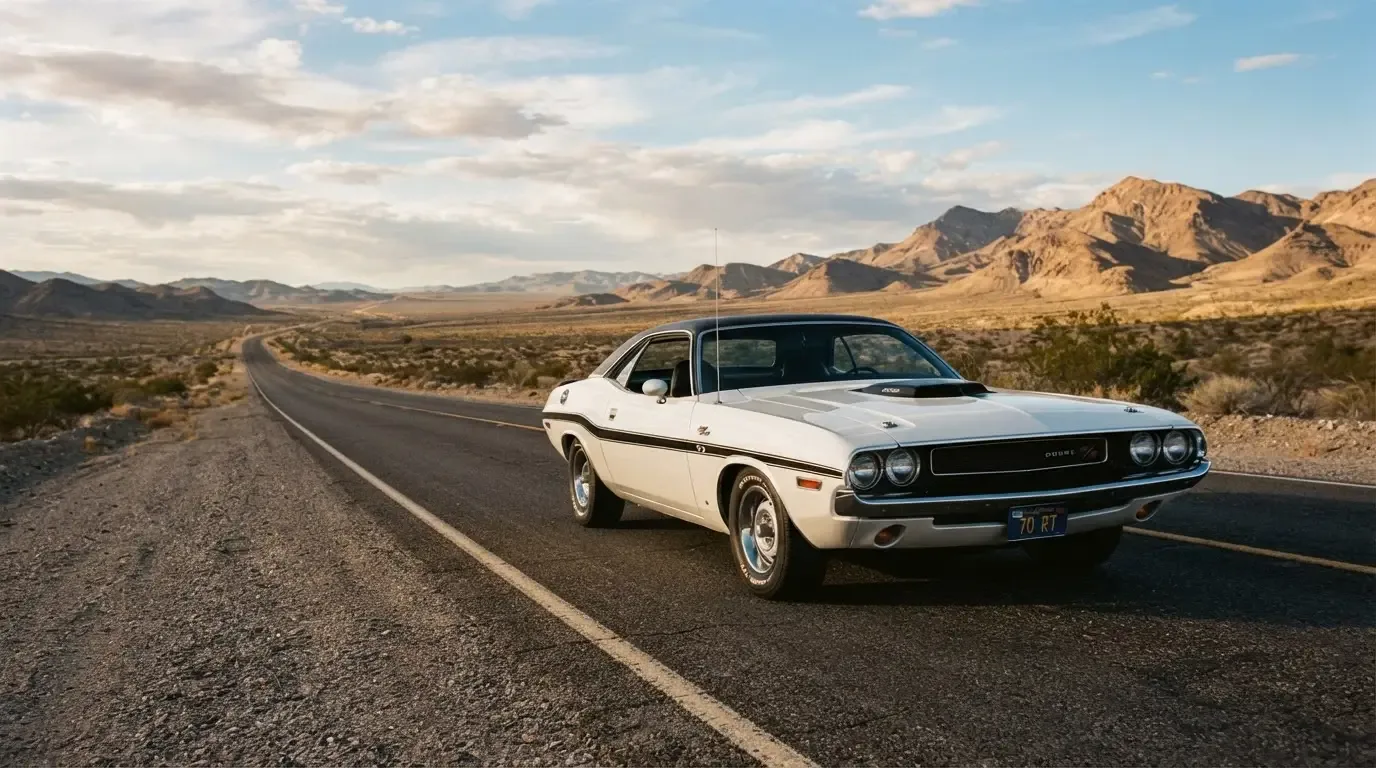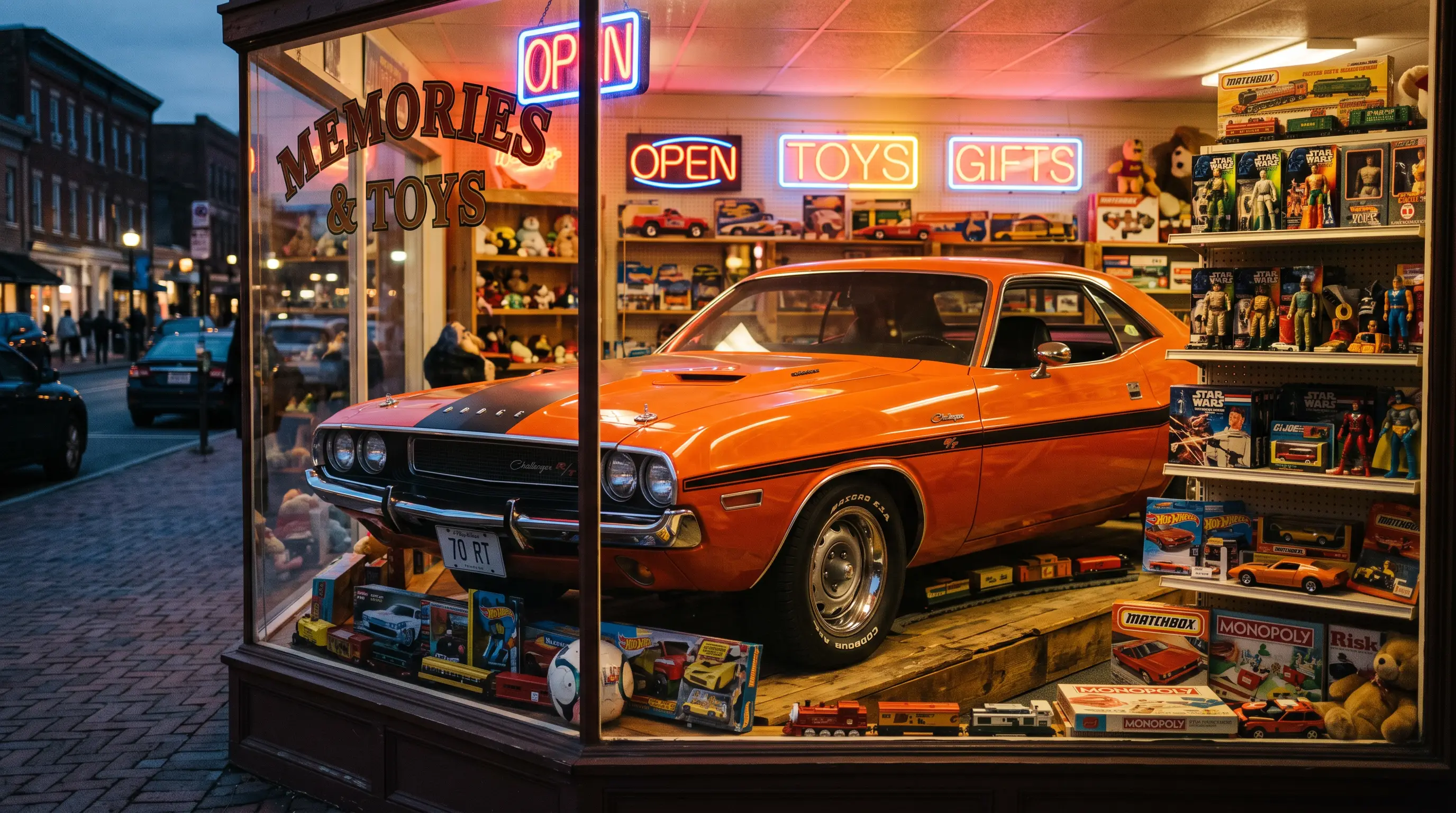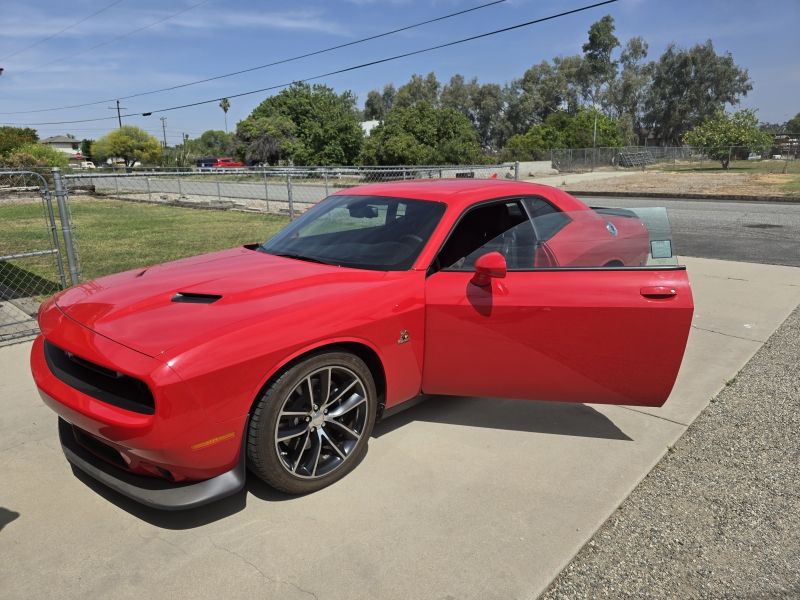
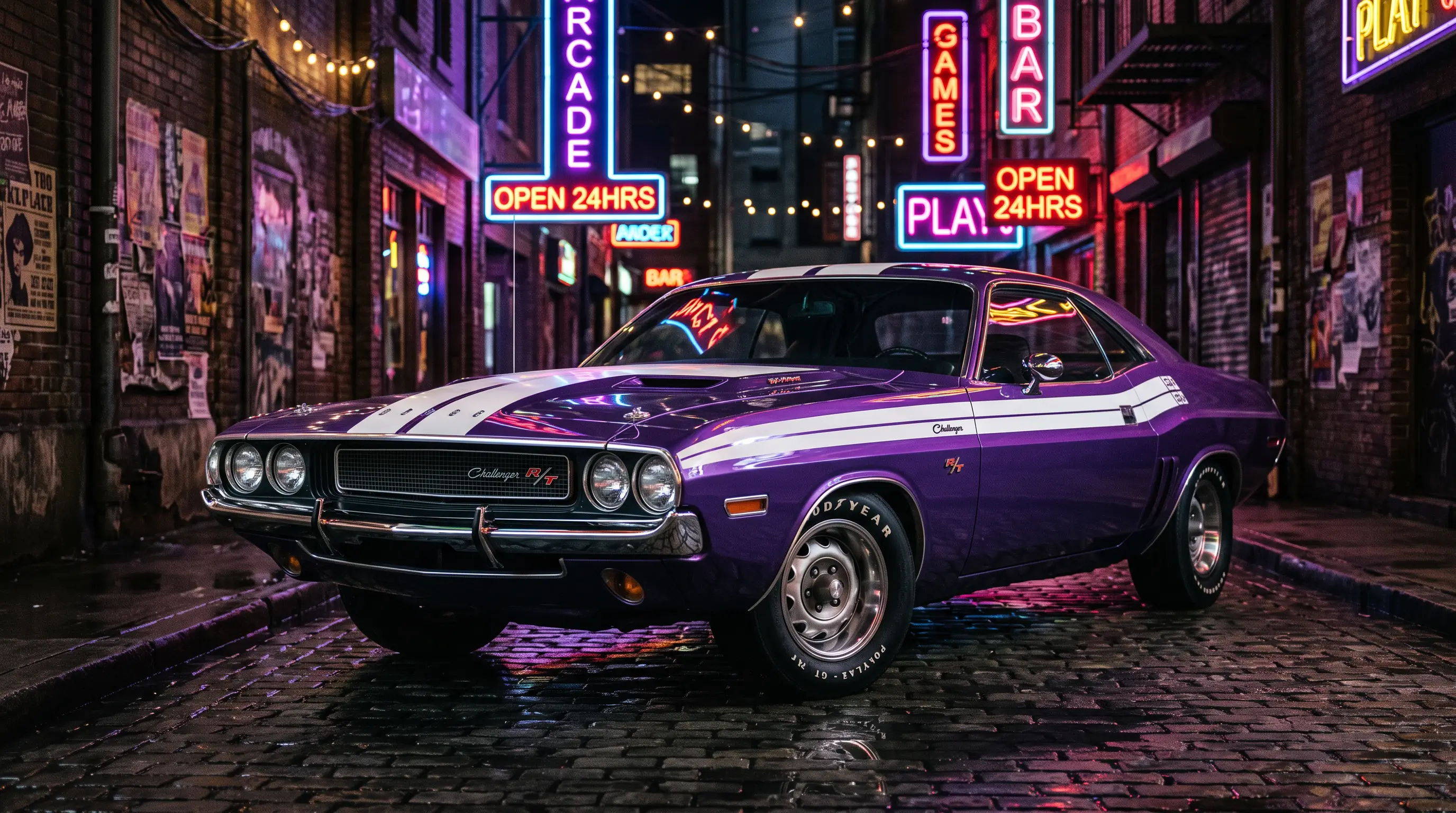
Long before a teenager can legally sit behind the wheel of a real muscle car, a lot of them have already driven a virtual one hundreds of times over. The classic Dodge Challenger has been part of that experience for years, and challenger video games appearances have quietly done for a younger generation what movies did for their parents, putting the shape and the sound of the car in front of an audience who may never set foot in a real one until much later in life.
Racing franchises and their long memory for classic muscle
Series built around car culture and licensed vehicles, the kind of games that treat a car roster the way a sports game treats its athlete lineup, have included the classic 1970 Challenger R/T in various forms across multiple console generations. The Need for Speed franchise has carried it as a muscle class car across entries including Carbon, ProStreet, Undercover, and The Run. The Forza Motorsport series has included it going back to the original 2005 Forza Motorsport, and Gran Turismo has featured the '70 Challenger R/T across Gran Turismo 5, 6, Sport, and 7. Test Drive Unlimited and The Crew 2 have both carried it as well. These franchises tend to pair a licensed classic body with period correct engine options and a soundtrack of exhaust notes recorded from real cars, giving a player who has never heard a big block Mopar in person a reasonably accurate first impression of what one sounds like at full throttle.
What makes the classic Challenger a repeat pick for these rosters is the same thing that makes it a repeat pick for film directors, a shape that reads clearly even at the reduced detail levels of earlier console hardware, and a reputation already built by decades of screen and street presence before a single line of game code got written.
The Vanishing Point connection follows the car into games
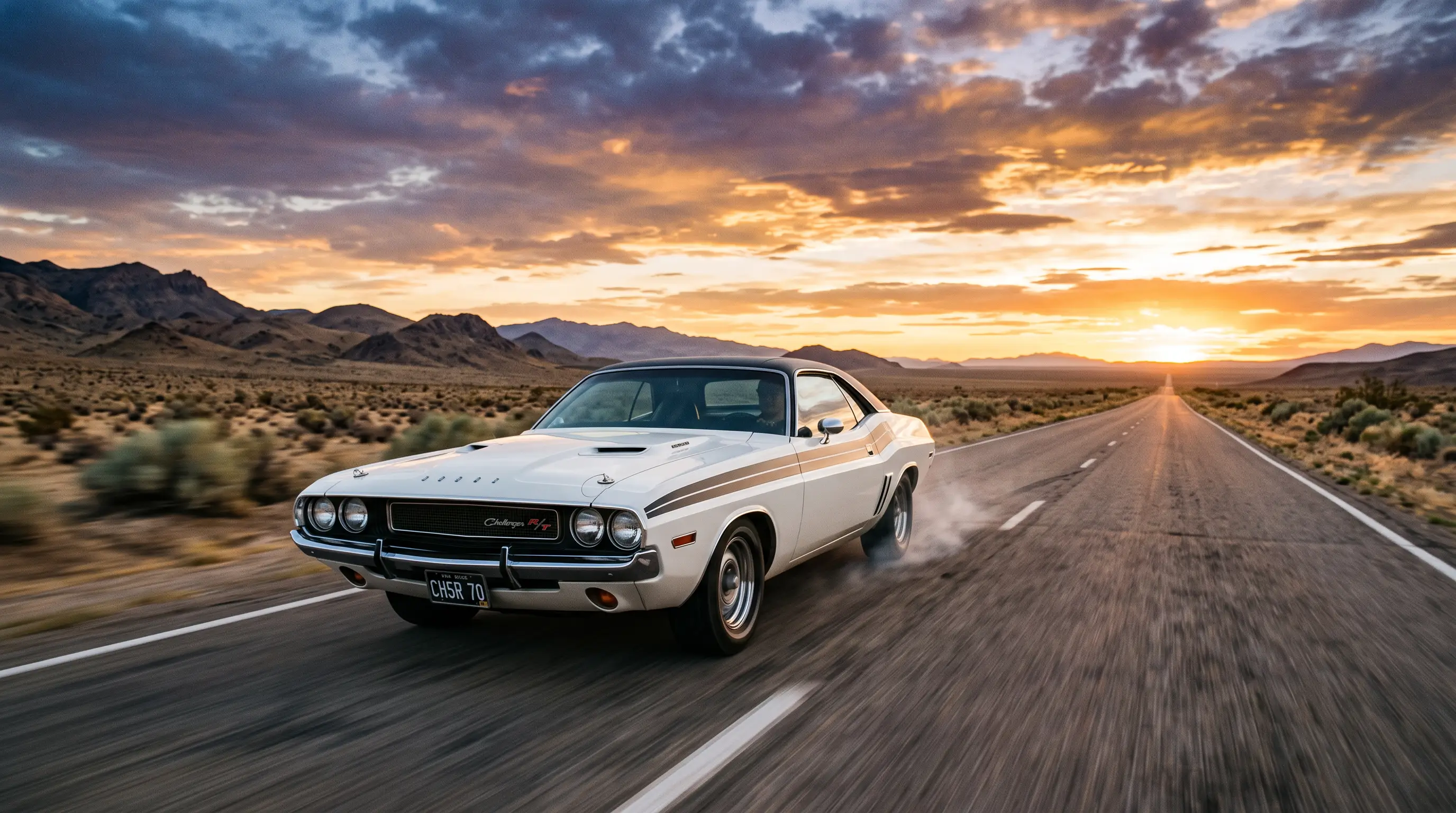
Some racing titles have leaned directly into the car's screen history rather than treating the Challenger as a generic muscle car option. GRID 2, for one, includes a "Vanishing Point" achievement that asks players to win a race in a white Dodge Challenger as a direct nod to Kowalski, and the film even inspired its own loosely licensed early 2000s driving game. The vanishing point challenger story is not just film trivia at that point, it becomes a piece of game design, a wink to players who already know why a white Challenger delivered by a lone driver across an empty highway means something beyond its horsepower figure.
Sound design and why it matters more than graphics
A player who has never heard a real 440 Six Pack or Hemi engine start cold learns what one sounds like from a game long before they learn it from a car show, assuming the studio recorded its engine samples from an actual example rather than synthesizing something generic. Good sound design on a classic muscle car does more for a player's sense of the car's character than graphical fidelity ever could, because the sound is the part memory holds onto longest. Ask most fans what they remember about a virtual Challenger years after they stopped playing a given title, and it is rarely the paint job. It is the exhaust note.
"A kid who has never driven a real Hemi still knows exactly what one is supposed to sound like, because a game taught them years before a car show ever could."
- Patrick Walsh
From controller to garage
The pipeline from virtual car enthusiast to real world collector is well documented across the hobby generally, and the Challenger benefits from it the same way the Mustang and the Camaro do. A player who spent years customizing a virtual 1970 R/T, tuning its imaginary suspension and picking its paint from a menu, often carries that specific attachment forward into adulthood, when a real car with a real price tag becomes a realistic possibility rather than a screen fantasy. The full story of how this car built its reputation across every medium, film, toys, games, and music, adds up to a cultural footprint that reaches a buyer well before they ever read a classified ad.
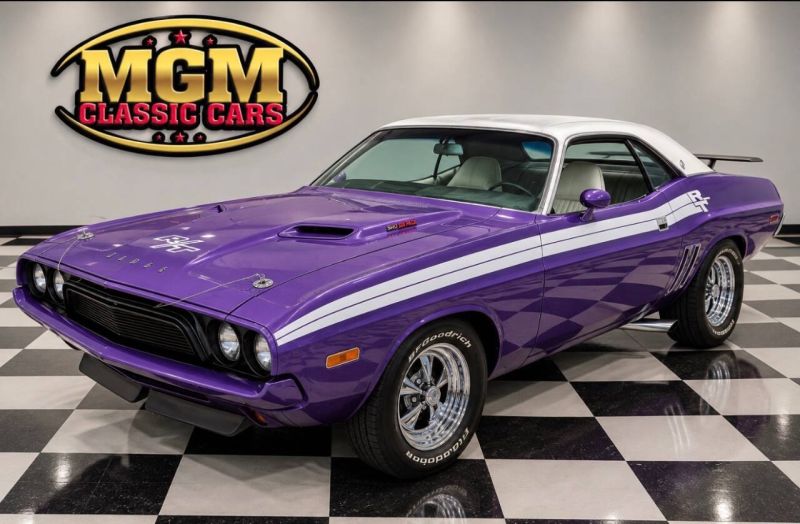
That earlier exposure changes how a first time buyer shops. Someone who grew up virtually driving a Challenger tends to arrive at a real purchase already knowing the silhouette, the engine names, and roughly what a numbers matching example should look like, even if they have never opened a hood in their life. For that buyer, classic Challengers on the market represent the final step in a relationship with the car that started on a screen years earlier.
The arcade era started this pattern early
Long before home consoles could render a convincing muscle car, arcade driving cabinets were already using flat, simplified silhouettes of classic American cars to sell the fantasy of speed to anyone with a pocket full of quarters. The Challenger's boxy, low profile shape translated to those early low polygon engines better than curvier cars did, which meant it kept showing up in coin operated racing cabinets years before it had any business looking convincing on a screen. That early technical advantage, a shape simple enough for primitive hardware to render recognizably, gave the car a head start that carried forward as graphics technology improved.
Customization culture and what it teaches players
A lot of driving games built around car customization let a player strip a virtual Challenger down to something barely recognizable, wide fenders, an outrageous paint job, a drivetrain swap that no factory ever offered. That kind of freedom teaches players something real about the aftermarket world even if they do not realize it at the time, namely that muscle cars have always invited modification, that a stock example and a heavily built one can both be legitimate versions of the same car, and that taste in this hobby varies enormously from one owner to the next.
Some players use that virtual freedom to explore period correct builds, chasing an accurate recreation of a factory optioned R/T down to the paint code and stripe package. Others go the opposite direction entirely, building something a factory would never have approved, just because the game lets them. Both approaches mirror real debates inside the actual collector hobby, where period correctness and personal expression pull owners in different directions depending on what they want out of the car.
A digital afterlife that keeps the shape current
Games age out of relevance faster than films do, a hit racing title from fifteen years ago is mostly forgotten outside dedicated retro gaming circles, but the cumulative effect of the Challenger appearing across so many of them, generation after generation of hardware, has kept the shape in front of young audiences continuously in a way a single blockbuster movie could never manage on its own. That continuous presence, quiet and often unremarked on, is arguably doing more heavy lifting for the car's long term relevance than any individual screen appearance gets credit for.
Console generations will keep changing, engines will keep getting rendered in higher resolution, and some future studio will keep finding a reason to put a 1970 Challenger back on the car select screen. The shape has already proven it survives the jump from arcade cabinet to home console to whatever comes after that, and there is no obvious reason it stops now.