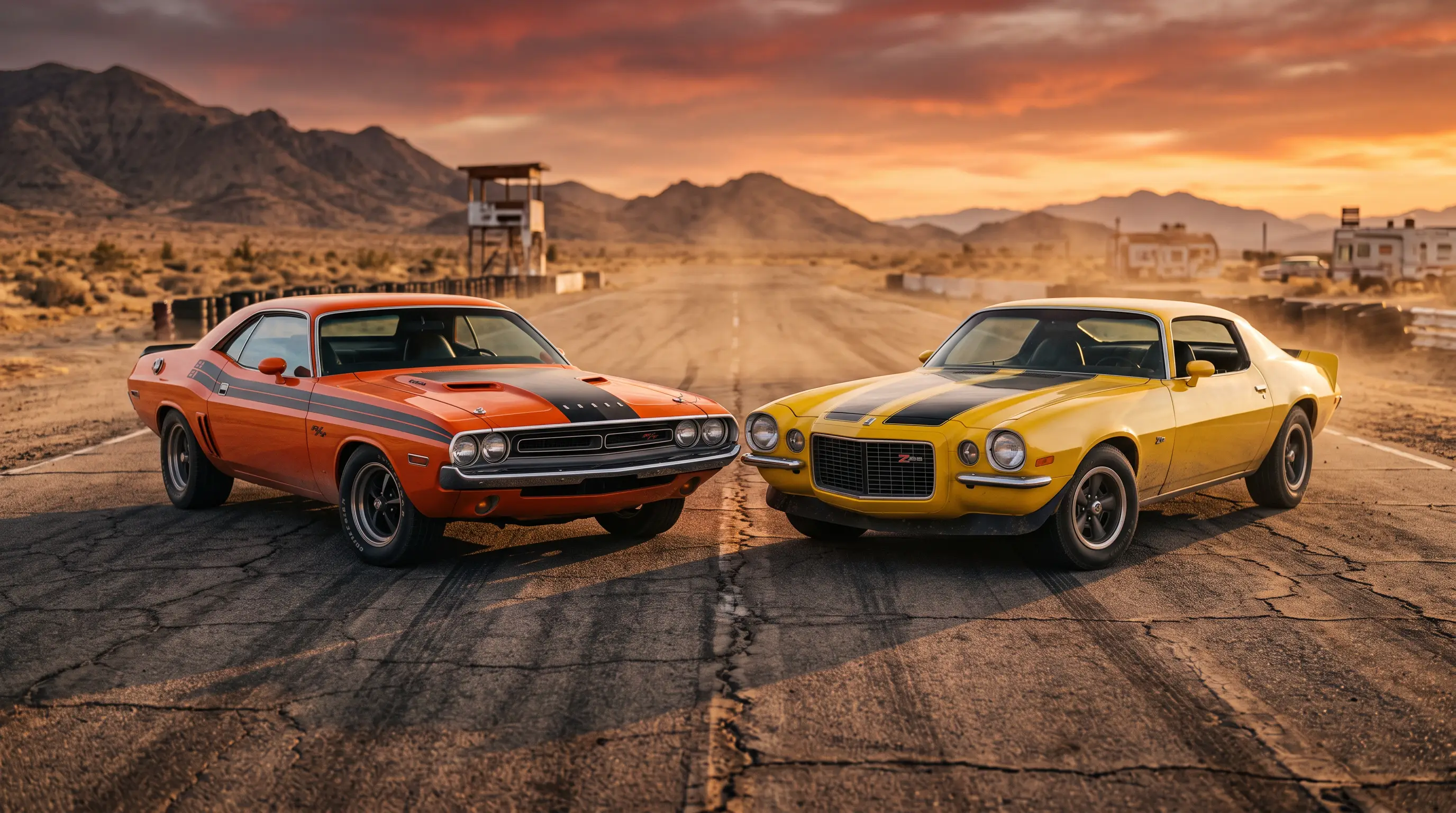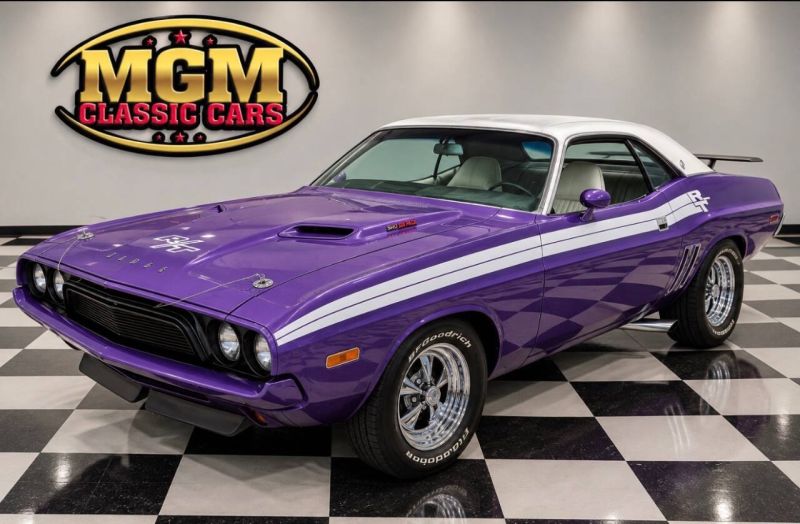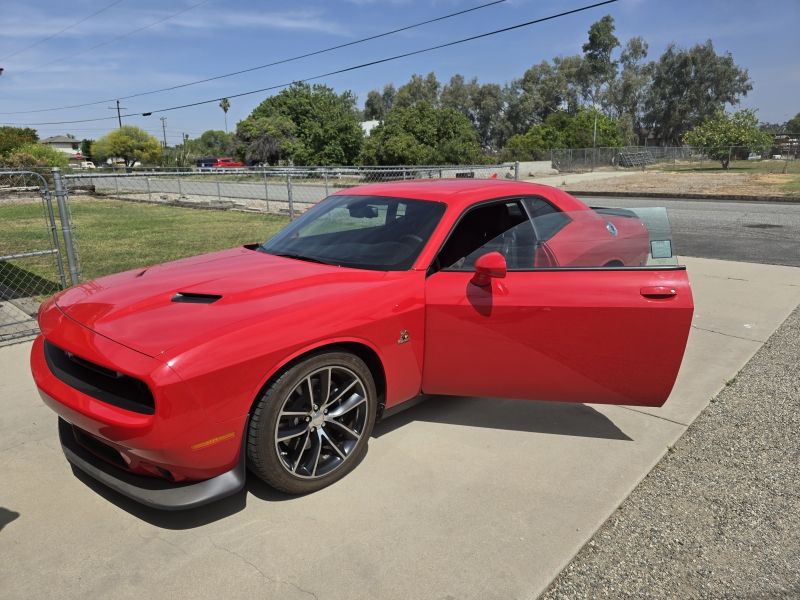
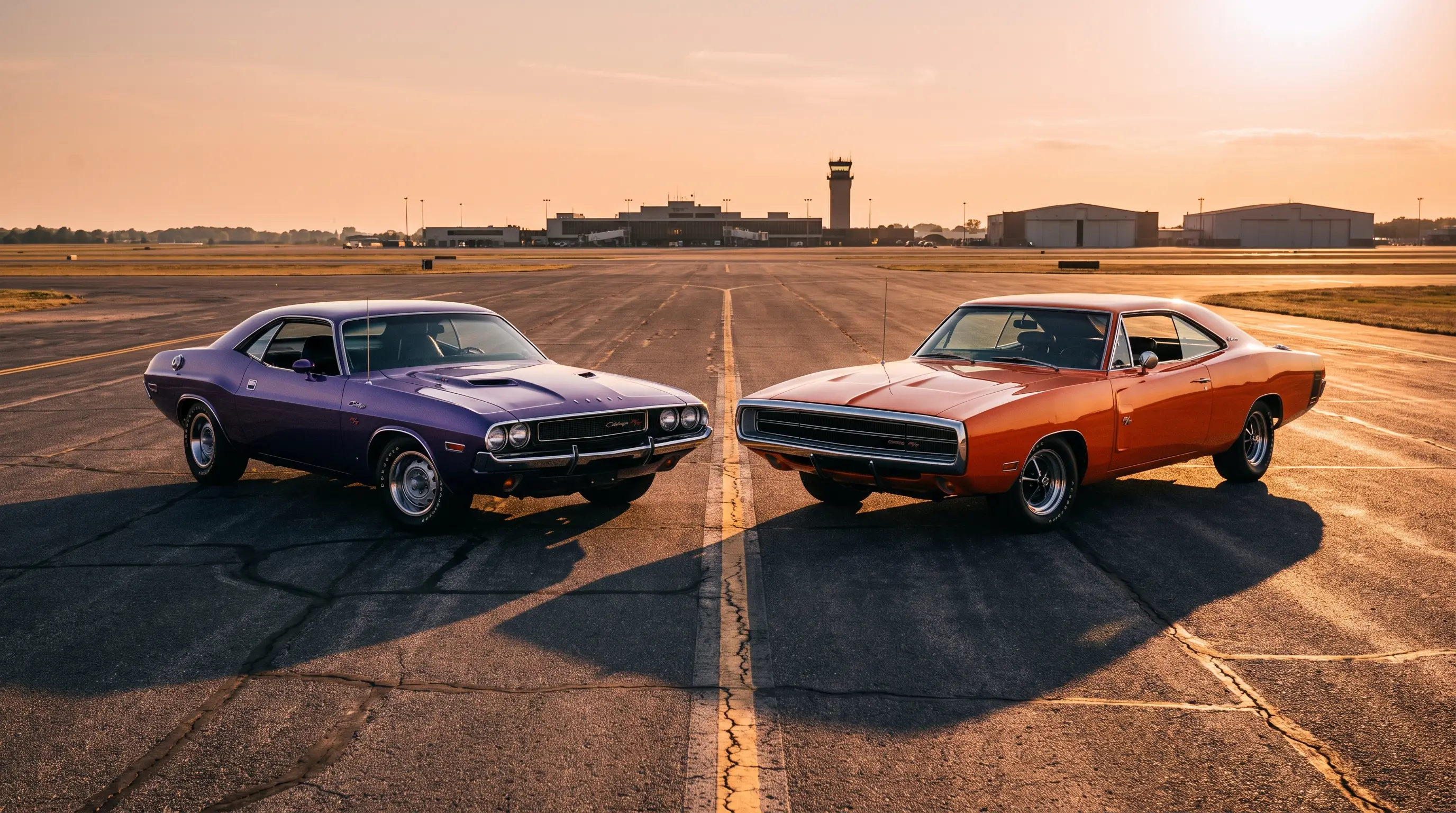
Two Dodges, same badge, same era, completely different jobs. That's the short version of challenger vs charger, and it's the reason so many buyers spend months going back and forth before picking one over the other. Both cars wore the same Fratzog logo on the nose in 1970, but they were never built to compete with each other. They were built to compete with different segments entirely, and once you understand that, the choice between them gets a lot clearer.
Different platforms, different jobs
The Challenger rode on the E-body platform, built specifically to go after the Mustang and Camaro in the pony car segment. The Charger sat on the larger B-body platform, a full size class up, aimed at buyers who wanted intermediate-size muscle with room for real passengers and a trunk that could actually swallow luggage. That's not a small difference. It's the reason a Charger feels like a bigger, more substantial car the moment you sit in one, while a Challenger feels tighter and more intimate, closer to the road.
Wheelbase numbers back this up plainly. The Charger's B-body wheelbase ran longer than the Challenger's, and that extra length translated directly into back seat room and ride quality that the smaller E-body couldn't match. Buyers cross-shopping the two in period weren't just choosing a styling preference, they were choosing between a genuine four-passenger muscle car and a two-plus-two that treated rear seat comfort as an afterthought.
Styling philosophy split down the middle
The Charger's fastback roofline and hidden headlight treatment on certain trims gave it a sinister, coiled look that became instantly recognizable, helped along by its enormous cultural footprint on screen. The Challenger went a different direction with a more formal, wide-track stance that read as confident rather than menacing. Neither approach is objectively better. They're aimed at different tastes, and Dodge clearly wanted both tastes covered under one dealer roof rather than forcing every buyer into a single silhouette.
Interior packaging followed the same split. The Charger's dashboard and console design prioritized a driver-focused cockpit feel that suited its performance image, while the Challenger's cabin, especially in higher trims, leaned toward comfort features that acknowledged its role as a more personal, boulevard-capable machine. A buyer wanting maximum back seat usability picked the Charger without much internal debate. A buyer wanting a tighter, sportier daily driver leaned Challenger.
"Guys ask me all the time which one's the better muscle car. Wrong comparison. Ask which one fits your life, then we'll talk engines."
- Mike Sullivan
Engine options overlapped more than the bodies did
Where the two cars converged was under the hood. Both offered the same range of Chrysler engines, from economy six-cylinders up through big block V8 options and, at the top, the 426 Hemi. A buyer chasing maximum horsepower could get essentially the same output from either car, just wrapped in a different chassis with a different weight distribution and different overall footprint. The Charger's extra size meant it carried more weight, which affected acceleration figures at the margins even with an identical drivetrain.
That said, the two cars' performance reputations diverged for reasons beyond raw output. NASCAR involvement, particularly through the Charger Daytona's aerodynamic package, gave the Charger a competition pedigree the Challenger never matched at that level. The Challenger's motorsport credentials leaned instead toward Trans-Am road racing through the T/A model, a different discipline entirely from high speed oval competition. Both are legitimate racing heritages. They're just not the same heritage, which is worth knowing if racing history factors into your buying decision.
What buyers should weigh today
If you're deciding between the two nameplates now, size and intended use should drive the decision more than nostalgia or screen exposure. A Charger fits a buyer who wants a genuinely usable back seat and a car that can serve as a real second daily driver on weekends. A Challenger fits a buyer prioritizing that tighter pony car stance and lower overall footprint, at some cost to rear passenger comfort.
Both markets have gotten more serious about documentation and originality over the past decade, so whichever direction you lean, expect sellers to ask premium prices for numbers-matching, well-documented examples of either car. For the fuller read the background on how the Challenger stacks up against its closer E-body rival, that comparison covers ground this piece doesn't. And if you're curious how the Challenger measures up against another pony car rival entirely, worth a look too is a comparison worth reading before you settle on a final choice.
Resale patterns tell their own story
The collector market has quietly ranked these two cars differently over the decades, and it's worth understanding why before you commit real money to either one. Charger values, especially for Daytona and R/T variants tied to NASCAR history, climbed early and have stayed strong on the strength of that competition pedigree and the car's outsized screen presence. Challenger values took a slower, steadier climb, driven less by any single famous moment and more by consistent demand from buyers who wanted the tighter pony car experience without the premium attached to Charger's more famous nameplate variants.
That pricing gap has narrowed in recent years as more buyers discovered what the Challenger offered on its own terms rather than as a Charger alternative. Auction results now show strong prices for well-documented R/T and T/A Challengers that would have been considered undervalued a decade ago. Anyone shopping either car purely as an investment should track recent sale prices carefully rather than relying on outdated assumptions about which nameplate commands the bigger premium.
Making the call
There's no wrong answer between challenger vs charger, only a wrong answer for your specific priorities. Buyers who make the decision based on which car actually fits their life, rather than which one looks better in a magazine spread, tend to stay happier owners over the long run. Test drive both if you can. The size difference alone changes how each car feels on a real road in a way that spec sheets never fully capture.
Once you've decided which platform suits you, you can shop classic Challenger listings and start comparing real examples against everything laid out here. Whichever nameplate wins your garage, you're getting a genuine piece of Dodge's muscle car era, built with real engineering intention rather than marketing shortcuts.