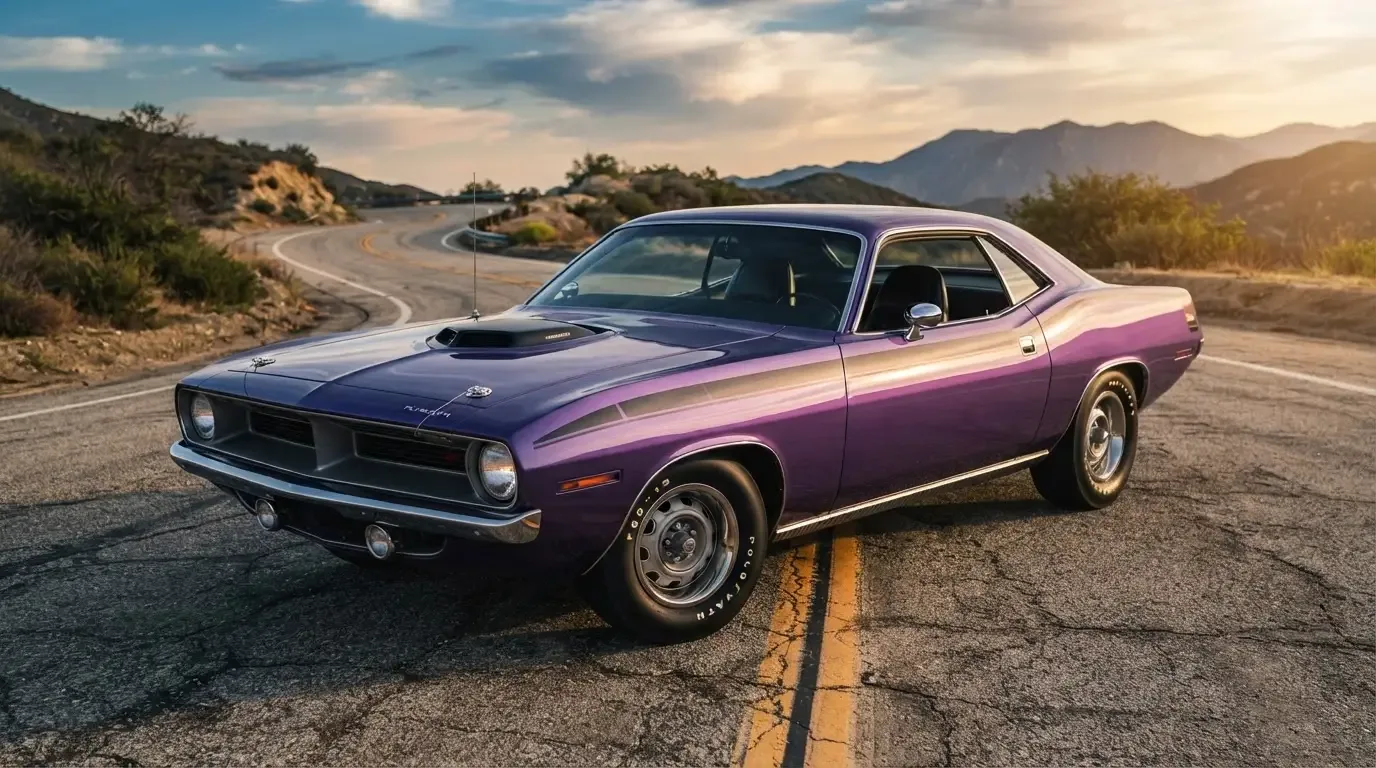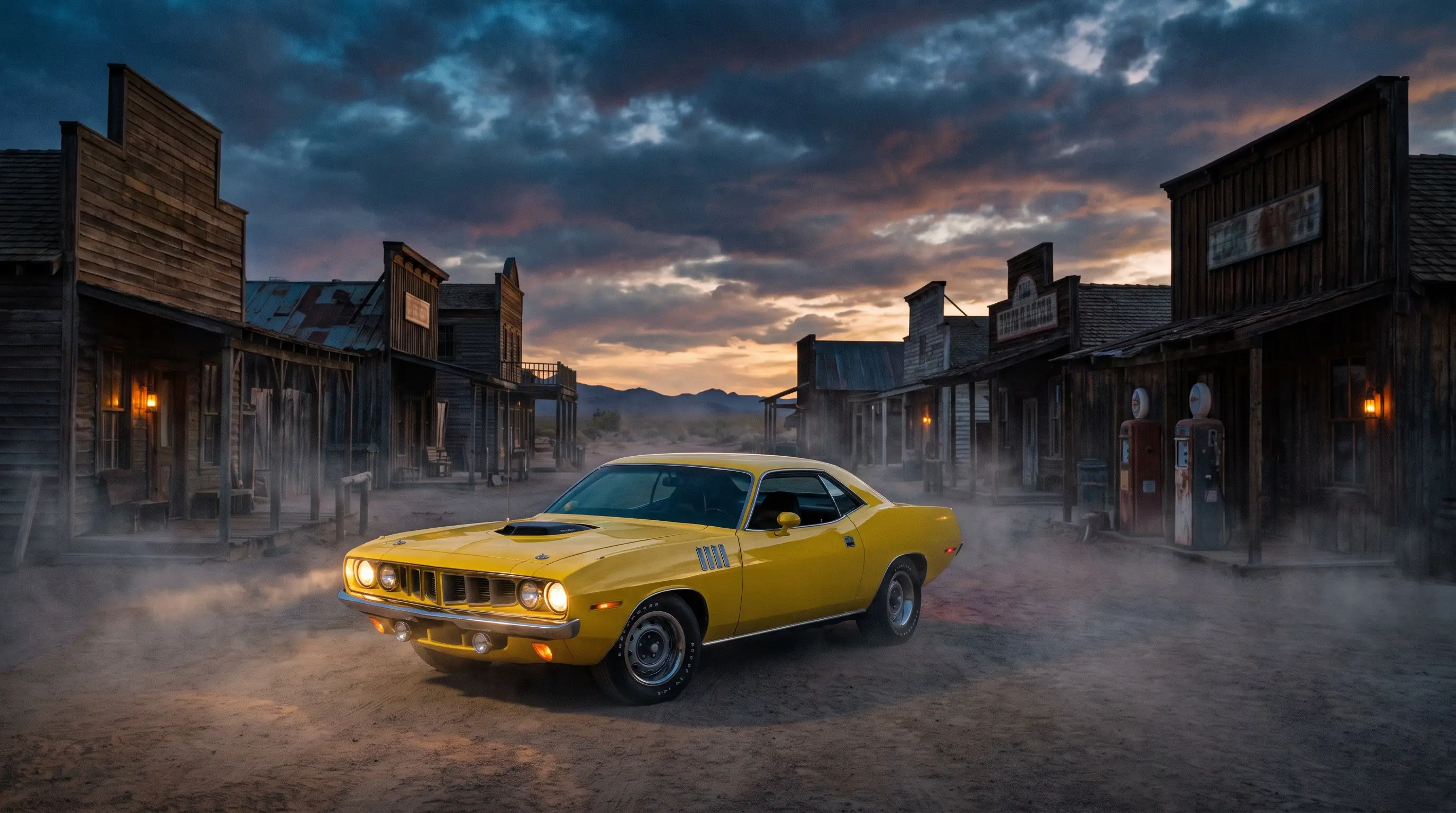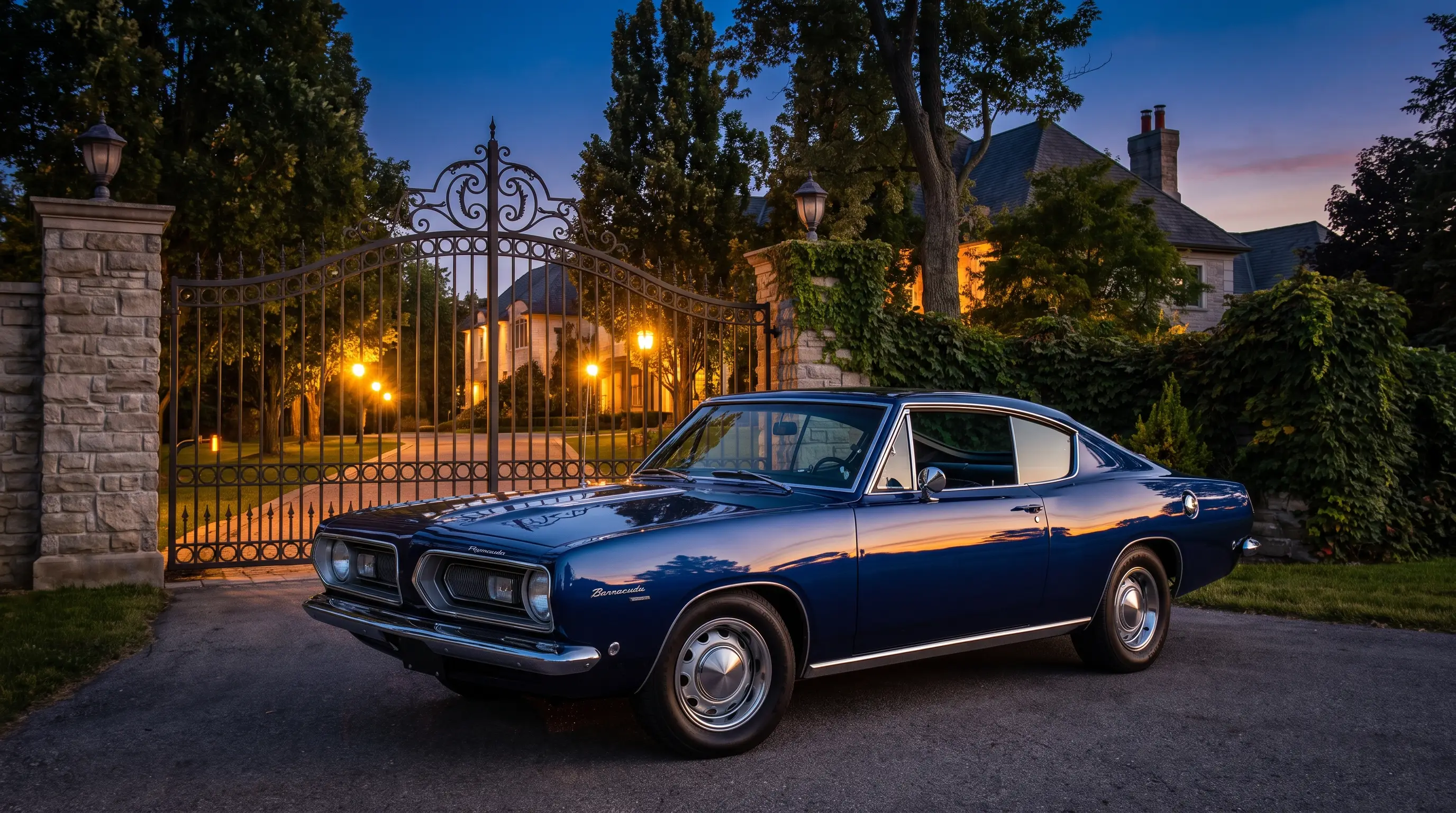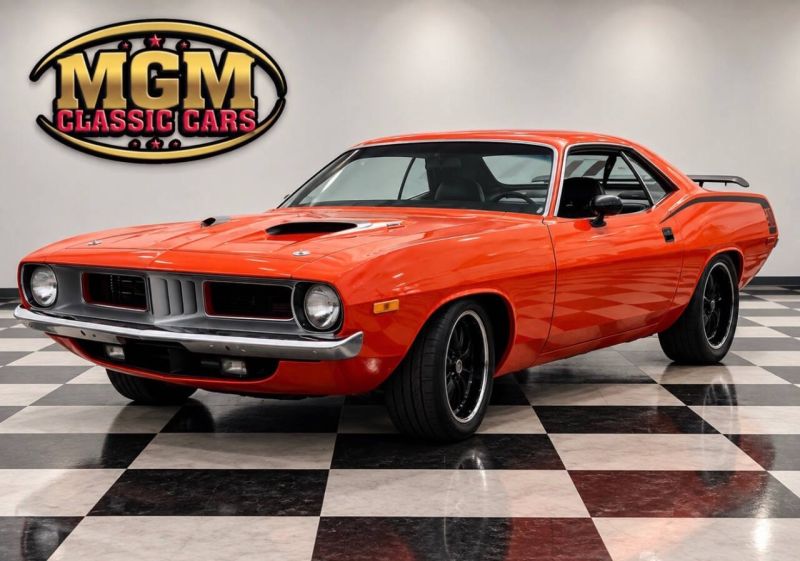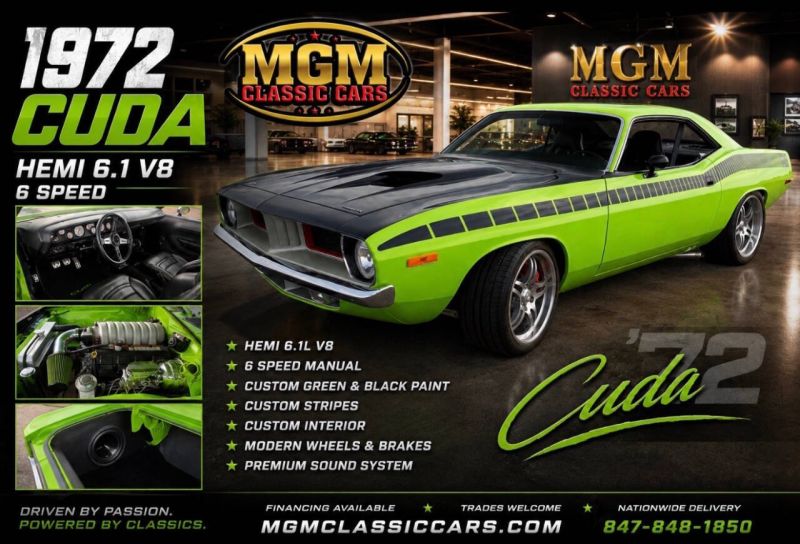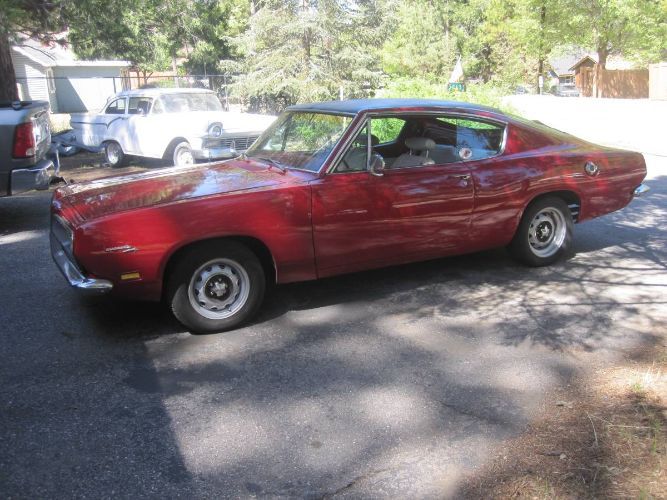
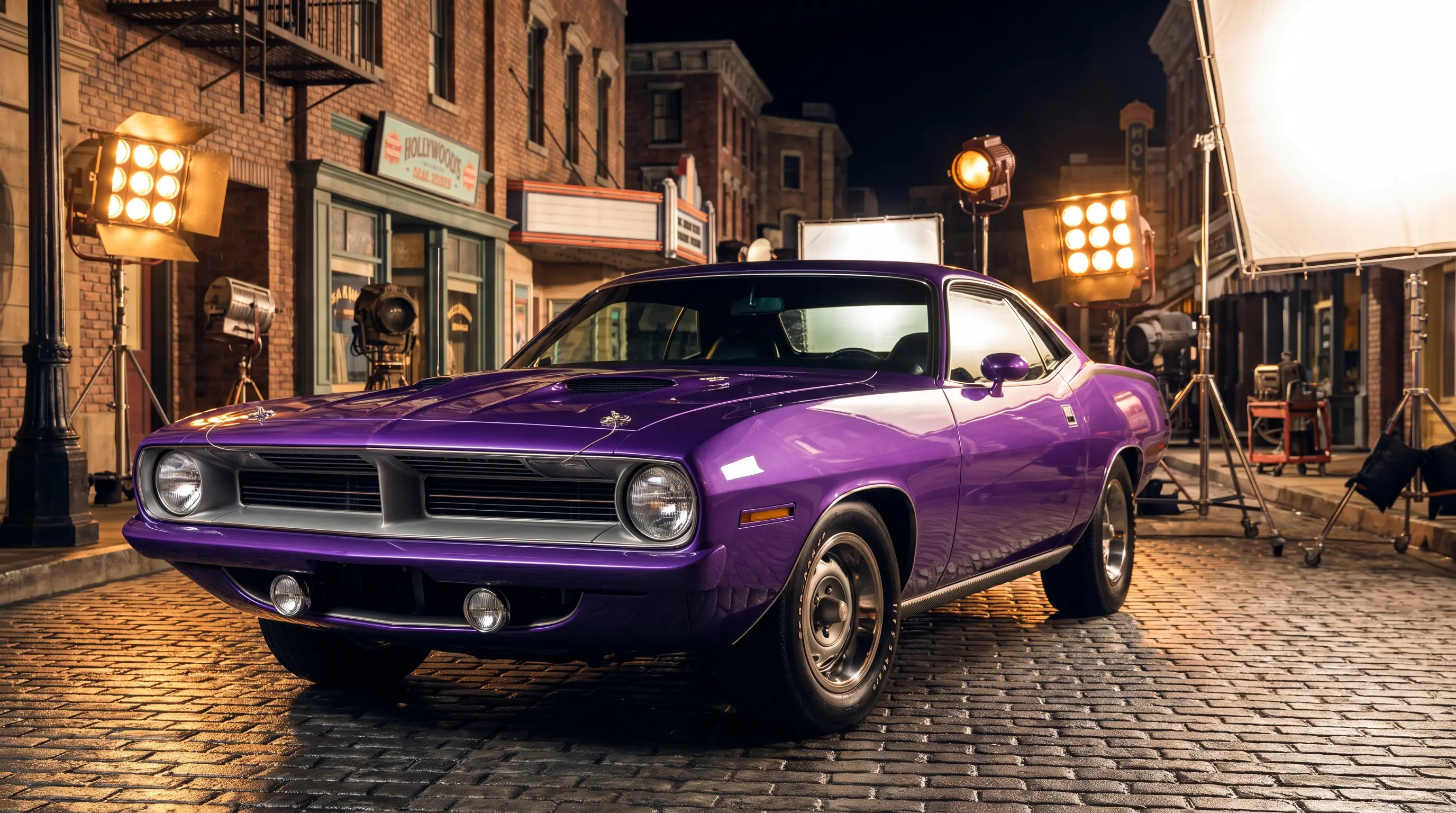
A car does not need a starring credit to leave a mark on film and television history. Sometimes it just needs to sit in the right driveway, in the right shot, for long enough that an entire generation remembers exactly what it looked like. The Plymouth Barracuda has done that job for decades, and tracing barracuda in movies across five decades of film and television reveals a pattern worth paying attention to, a car that kept finding its way onto screens precisely because it photographed like nothing else on the road.
A studio favorite before it was a collector favorite
Detroit automakers spent real money supplying cars to film and television productions throughout the sixties and seventies, understanding that a hero car on screen sold more showroom traffic than most print advertising ever could. Chrysler's fleet relationships with studios meant Plymouth products, the Barracuda included, showed up regularly in cop shows, action films, and background traffic scenes throughout the era the car was actually in production, long before anyone thought of it as a collectible.
That early exposure planted the car in the visual memory of an entire generation of moviegoers who grew up watching it chase, get chased, or simply idle at a curb while a scene's real drama played out around it. Cars used this way rarely get individual credit, but their cumulative screen time built a familiarity that pure sales figures never could have achieved on their own.
Two productions that turned the car into a genuine character
Most screen appearances treat a car as scenery, but a handful of productions gave the Barracuda real weight in the story itself. Nash Bridges built an entire visual identity around its blue convertible Cuda through six seasons of network television in the late nineties, introducing the shape to viewers who had never set foot near a classic car show. Phantasm did something similar a generation earlier, giving its scrappy independent horror production a menacing black 'Cuda that became inseparable from the film's cult following.
Both productions prove the same point from very different genres. A Barracuda does not need a big budget or a glamorous setting to read clearly on screen. It just needs a director willing to let the car do some of the storytelling, and audiences respond to that instinctively whether the surrounding film is a polished prime time detective series or a low budget horror picture shot on a shoestring.
Why the shape works so well on camera
Cinematographers talk about a vehicle's silhouette the way casting directors talk about a face, and the Barracuda has a profile that reads instantly even in low light or at a distance. The wide fastback roofline, the low stance, and the aggressive front end give the car a presence that translates well regardless of the production's budget or the quality of the film stock used to capture it. That visual clarity is exactly why productions with wildly different resources kept reaching for the same car.
It also helps that the Barracuda arrived in genuinely loud factory colors during its most collectible model years, giving filmmakers an easy way to make the car pop against almost any backdrop without extra lighting tricks. A muscle car that already looks striking parked in a showroom only becomes more striking once a cinematographer gets a camera on it moving at speed.
"You can tell a lot about a car's staying power by how often filmmakers reach for it decades after it stopped being made. The Barracuda keeps getting picked, and that is not an accident."
- Nora Beckett
How screen appearances shaped the car's collector reputation
Film and television exposure does something that traditional car marketing cannot replicate. It reaches people who never read an automotive magazine and never attended a car show, planting a specific image in their memory that resurfaces years later when they start looking for their first classic car. Plenty of collectors who eventually bought a Barracuda trace their interest back to a single scene from a movie or television show that stuck with them since childhood.
That emotional entry point sits alongside a much larger cultural story about how the Barracuda built its identity, one that stretches from factory advertising through drag strip glory and into decades of appearances on screens big and small. For the full story of how those threads connect, the wider cultural history behind the car explains why productions kept returning to this particular Plymouth instead of any of its contemporaries.
Background cars that added up to something bigger
Beyond the productions that gave the Barracuda genuine narrative weight, dozens of smaller appearances across cop dramas, action pictures, and made-for-television movies of the seventies quietly reinforced the car's presence in the public consciousness. Individually, none of those appearances would be remembered today. Collectively, they built a kind of ambient familiarity that made the Barracuda feel like a fixture of the era rather than just another model competing for showroom attention.
That accumulated exposure is easy to underestimate because no single scene stands out the way Nash Bridges or Phantasm does. But repetition works on an audience whether or not anyone notices it happening, and a car appearing regularly in the background of popular television through an entire decade leaves an impression that outlasts most viewers' conscious memory of any specific episode.
The difference between a hero car and a background car
Film and television production distinguishes carefully between a hero vehicle, one that gets close-up camera work and dedicated stunt coordination, and a background car that simply exists to populate a scene with period-accurate traffic. The Barracuda has occupied both roles across its screen history, and that range is itself worth noting. Plenty of cars only ever get cast as background dressing because their shape does not hold up under a close camera. The Cuda earned hero treatment repeatedly because it photographed just as well in a tight shot as it did rolling past in the distance.
That versatility gave casting directors and production designers real flexibility when a script called for a specific mood. A confident hero needed a car with presence, and a gritty crime drama needed period-correct background traffic that would not distract from the foreground action. The Barracuda satisfied both requirements without any modification, which is part of why productions across such different budgets and genres kept reaching for the same nameplate decade after decade.
Chasing the same feeling in your own driveway
Not every collector wants a screen used car, and most never will own one, but the feeling those film and television appearances created is available to anyone willing to go looking for a well kept example. A Barracuda in the right color, driven the right way, can still summon the exact sensation a favorite movie or television scene created decades ago, minus the stunt coordinator and the film crew standing just out of frame.
If a scene from an old film or a rerun of a nineties detective show is what got you interested in this car in the first place, there is no reason to let that interest stay theoretical. You can look through classic Barracuda for sale listings and start narrowing down which era, color, and condition actually matches the version of the car that has been living in your memory since the first time you saw it on screen.