Horror movies rarely get remembered for their cars, but Phantasm broke that rule the moment its black Plymouth 'Cuda roared onto a dark rural road chasing something that should not have existed. Released in 1979 on a shoestring budget and built almost entirely on independent grit, the film turned into a cult phenomenon, and the phantasm cuda became one of the most recognizable vehicles in genre film history, right alongside cars from movies with budgets a hundred times larger.
A low budget horror film that punched above its weight
Director Don Coscarelli made Phantasm on a fraction of what major studios spent on horror releases that same year, and the film's reputation grew almost entirely through word of mouth and repeated late night television airings through the eighties. Audiences who found it were rewarded with a genuinely strange, dreamlike story involving a mysterious mortician, flying spheres, and a small cast fighting back with whatever they had on hand, including a Barracuda that got worked hard across the film's chase sequences.
The Cuda in Phantasm was not treated like a precious prop. It got driven the way a teenager's daily car actually gets driven, hard cornering, dust kicked up on gravel roads, and a general sense that the vehicle existed to be used rather than admired. That approach fit the film's low budget, high energy style perfectly, and it gave the car a rawness that polished studio productions rarely capture.
The black paint that became part of the film's identity
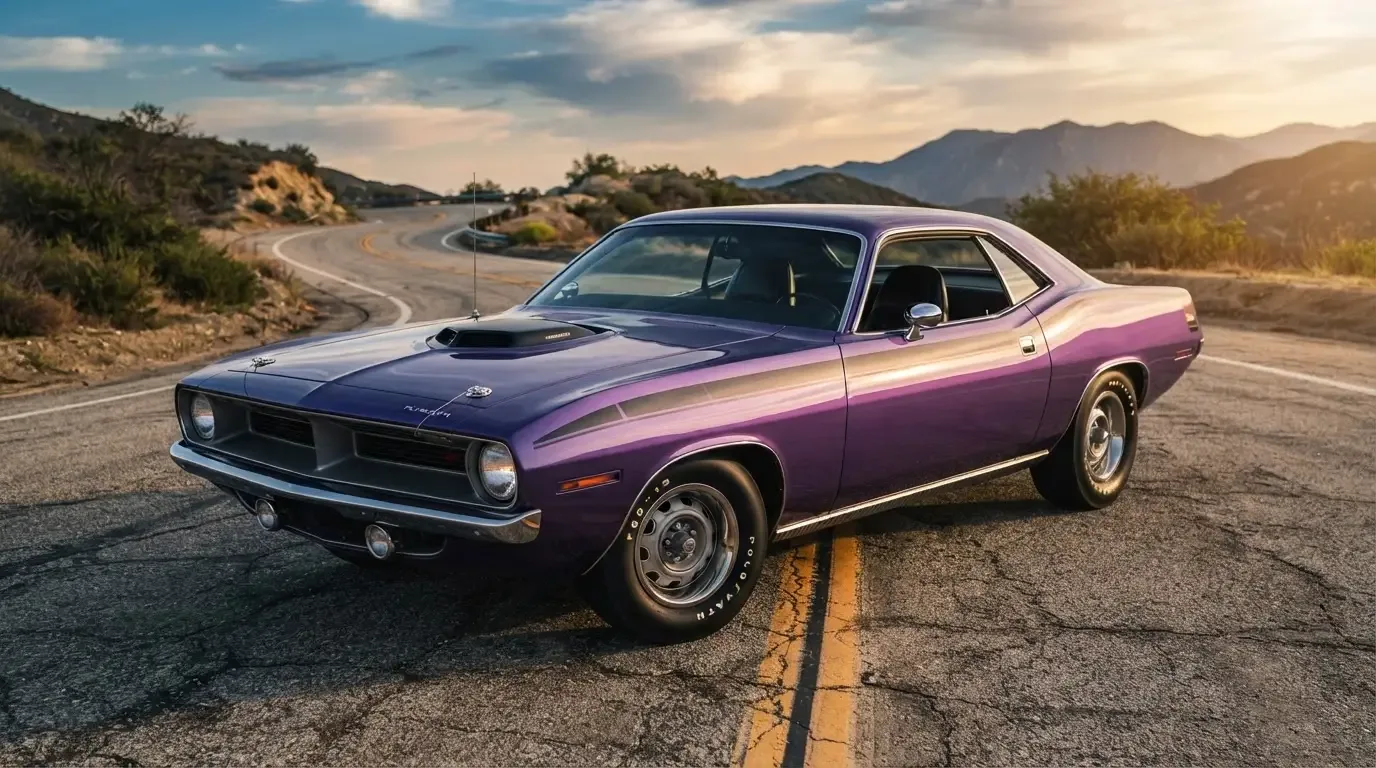
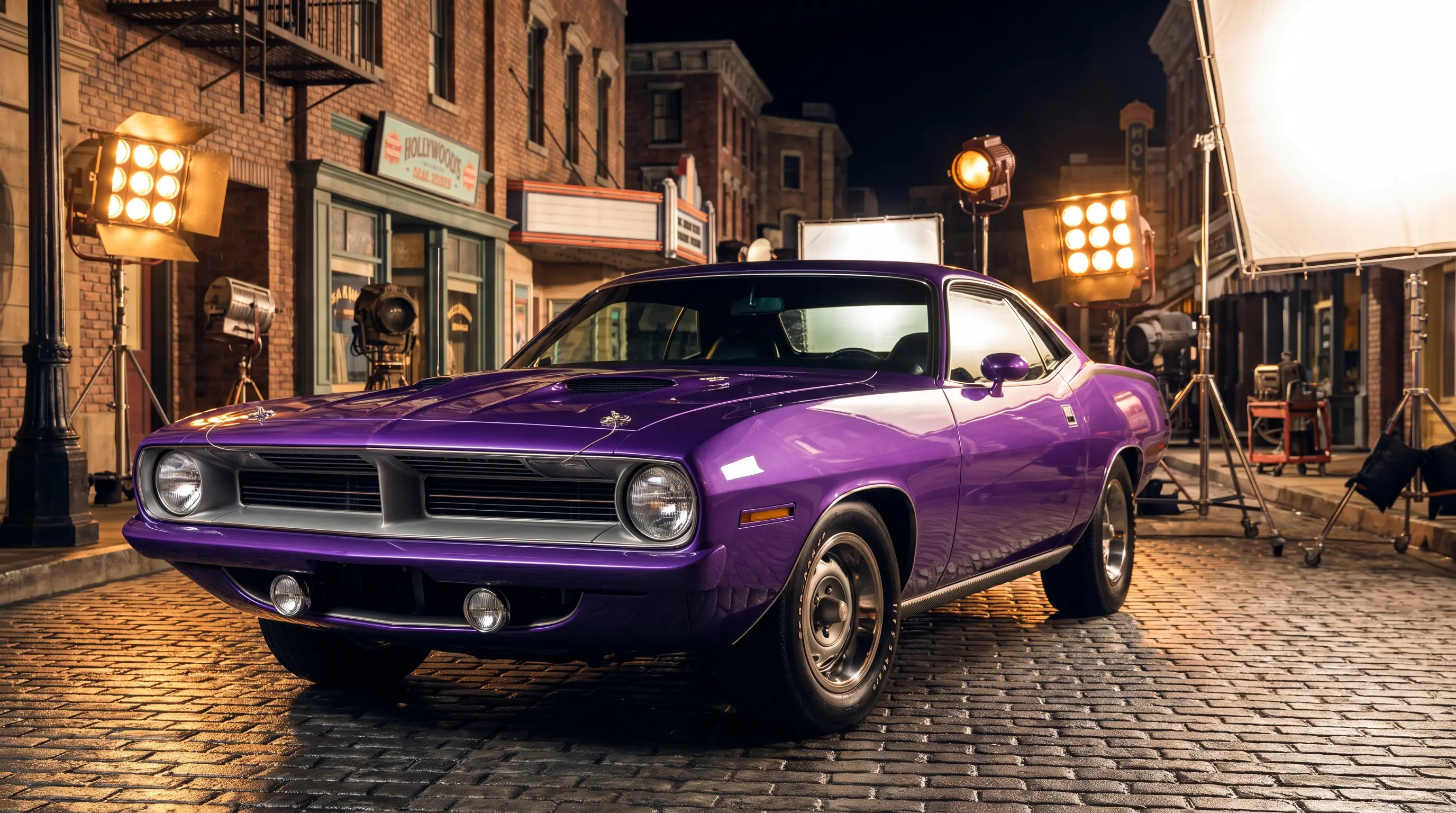
Color choice in a horror film usually leans dark, and Phantasm followed that instinct with its shadowy mortuary settings and muted color palette throughout most scenes. The production's 'Cuda fit right into that mood, painted a menacing black with subtle blue and gray pinstripes down its flanks, even though the car actually started life from the factory in FC7 In-Violet, a bright purple High Impact color. Repainting it black for the shoot traded one of Plymouth's loudest factory shades for something that read as ominous on camera instead.
Bright factory colors on Barracudas were part of Plymouth's own marketing playbook during the car's original production run, and the fact that this particular car started out in one of those High Impact colors before the production covered it in black is its own small irony. For the cuda high impact colors story, the connection between loud factory paint and a car's cultural staying power runs deeper than most casual fans realize, and it helps explain why even a repainted Cuda still carries that High Impact heritage underneath.
Why cult film audiences care so much about the specific car
Cult film fandom operates differently than mainstream movie appreciation. Fans of a film like Phantasm memorize details that casual viewers would never notice, and the car used in production is a 1971 'Cuda wearing hood badging that reads "440 6-Pack," a badge that oversells what is actually under the hood. The real engine is a 340 small block paired with a Carter four-barrel carburetor and a four-speed manual with a Hurst Pistol Grip shifter, not the big-block six-barrel setup the hood implies. Director Don Coscarelli's production could not source or afford a genuine Hemi 'Cuda for the shoot, so the crew dressed a more modest car to look the part.
What nobody debates is the effect the car had on the film's pacing. Every time the 'Cuda appeared on screen, audiences understood the story was about to accelerate, both literally and narratively. That association between the car and momentum became part of what made repeat viewings rewarding, since longtime fans learned to anticipate the shift in tone the moment that black paint entered frame.
"Most horror movies from that era are remembered for a mask or a knife. Phantasm gave its fans a car, and forty years later that is still what gets people talking at conventions."
- Patrick Walsh
A small film's outsized footprint on Cuda culture
Phantasm spawned multiple sequels over the following decades, and the Barracuda's presence in the franchise's marketing and merchandise kept the car connected to horror fandom long after the original film's theatrical run ended. That kind of durability is rare for a movie car, especially one from a production with none of the budget that typically buys a vehicle lasting cultural relevance.
The broader story of how the Barracuda became a fixture across film, television, and music deserves its own deep dive for anyone curious about the full picture. If Phantasm is your entry point into that larger cultural footprint, the full story traces the car's history from its original showroom introduction through every pop culture moment that followed, giving context for why a low budget horror film chose this particular Plymouth over anything else available at the time.
A convention circuit that kept the car's memory alive
Horror convention culture is different from mainstream car show culture in ways that outsiders rarely appreciate. Fans of a film like Phantasm gather annually to discuss frame-by-frame details, trade original props, and swap theories about production choices that most viewers never think twice about. The Barracuda's role in that ongoing conversation has kept the car relevant to an audience that overlaps only partially with traditional muscle car collectors, and that crossover has introduced the Cuda to buyers who might never have considered one otherwise.
Panel discussions at horror conventions have occasionally featured cast and crew members recounting stories from the film's production, and the Barracuda comes up reliably in those conversations decades after filming wrapped. That kind of sustained attention from a completely separate fan community is unusual for a car with no dedicated racing pedigree or factory rarity behind it, and it speaks to how strongly the black paint and the chase sequences stuck in people's memory.
How the sequels kept the connection going
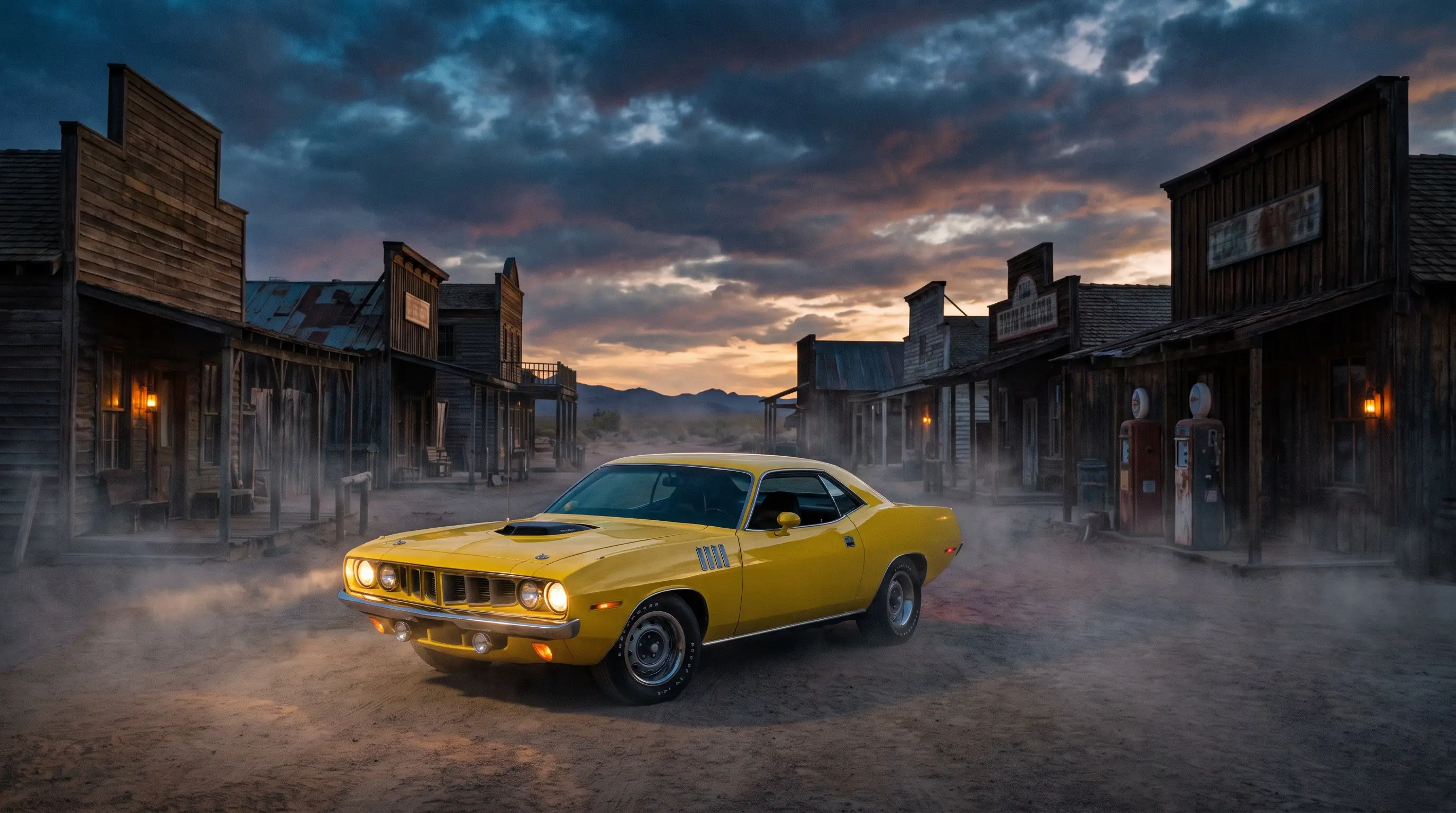
Phantasm's original success led to several sequels stretched across the following two decades, and the production team's continued affection for the franchise's original imagery meant the Barracuda never fully disappeared from the series even as budgets, casts, and storylines shifted between installments. Longtime fans who followed the franchise from its 1979 debut through its later chapters watched that yellow car become a kind of visual shorthand for the whole series, referenced in poster art and promotional material long after any specific vehicle from the original shoot had likely been retired or sold off.
That continuity across a multi-decade franchise is rare for any prop vehicle, let alone one from a production that started with essentially no studio backing. Most low budget films from the same era have long since been forgotten entirely, while Phantasm's black Cuda still gets referenced by name in retrospectives, documentaries, and fan-made tribute videos circulating decades after the fact.
What this means for collectors and fans today
Owning a Barracuda tied to genuine film history is a different pursuit than simply owning a well restored example, and the market treats documented screen used cars very differently from ordinary survivors. Most collectors interested in the Phantasm connection are chasing the feeling the film created rather than a specific numbers matching vehicle, and that distinction matters when deciding what kind of car actually satisfies that itch.
Whether you want a black-on-black example that channels the film's energy directly, or simply a solid driver from the same era wearing a different color entirely, there are plenty of classic Barracudas on the market worth comparing before you commit to one. Cult film history adds a layer of meaning to the car, but the fundamentals of buying a good one have not changed regardless of which movie first put it on your radar.