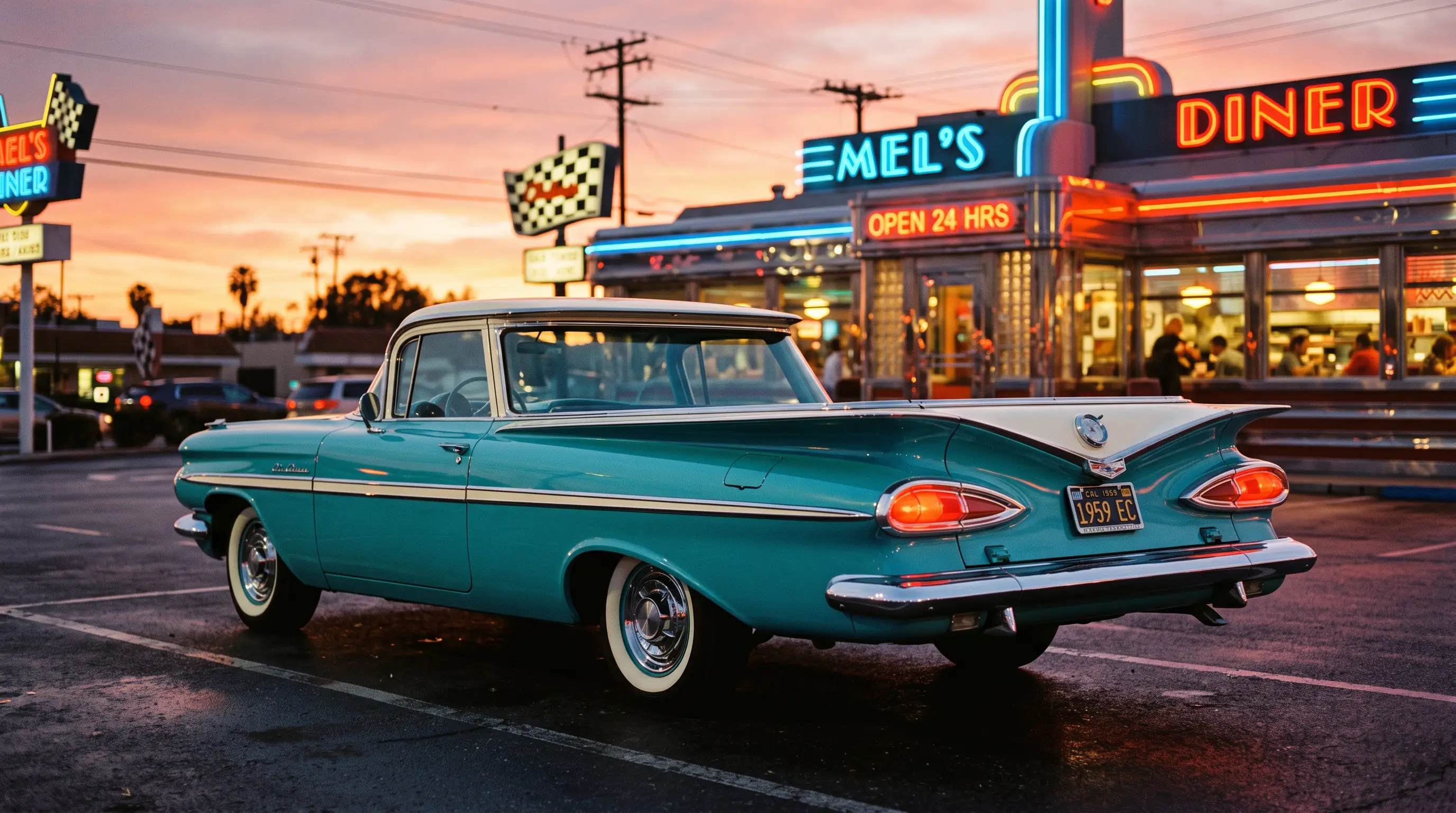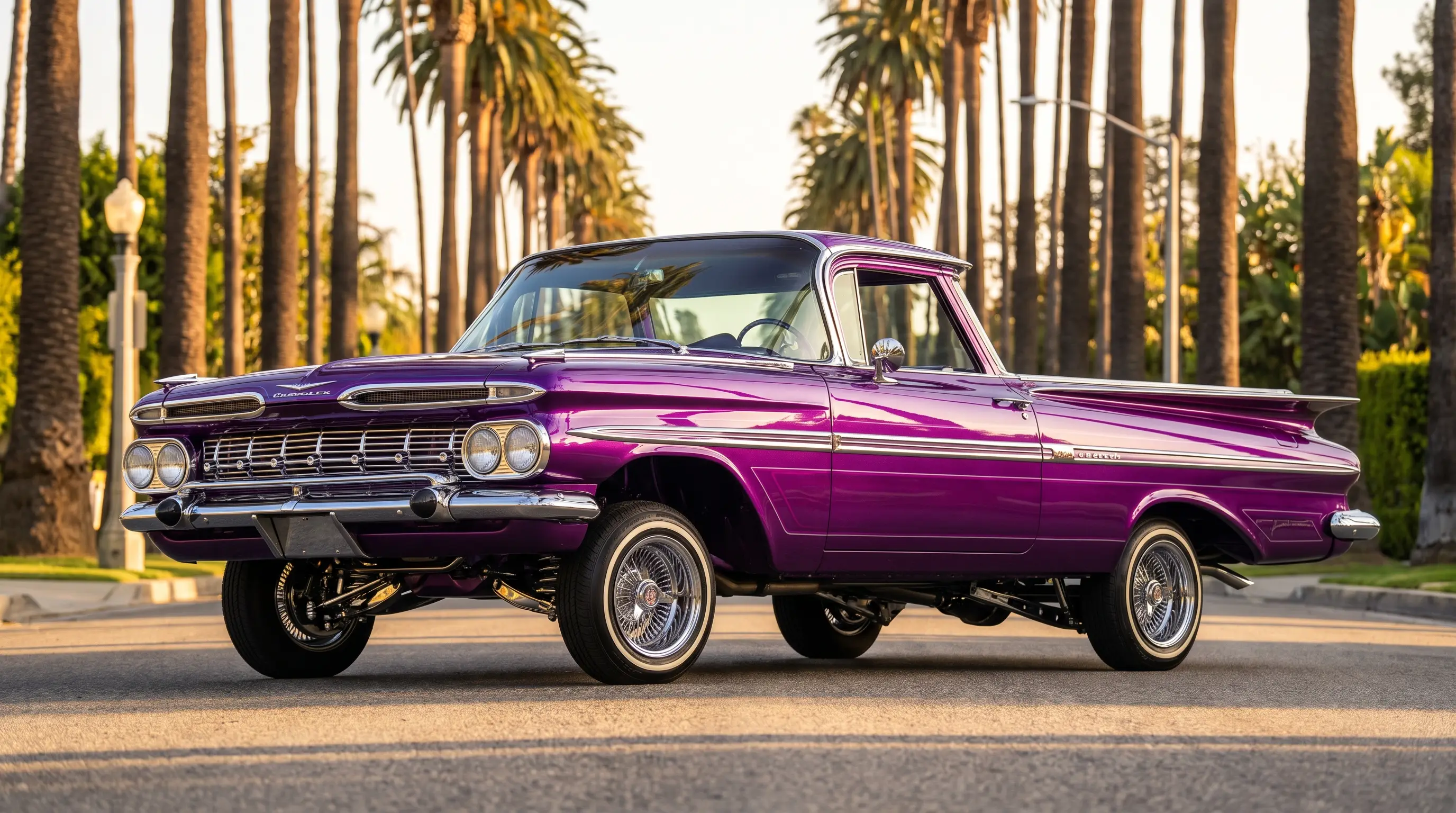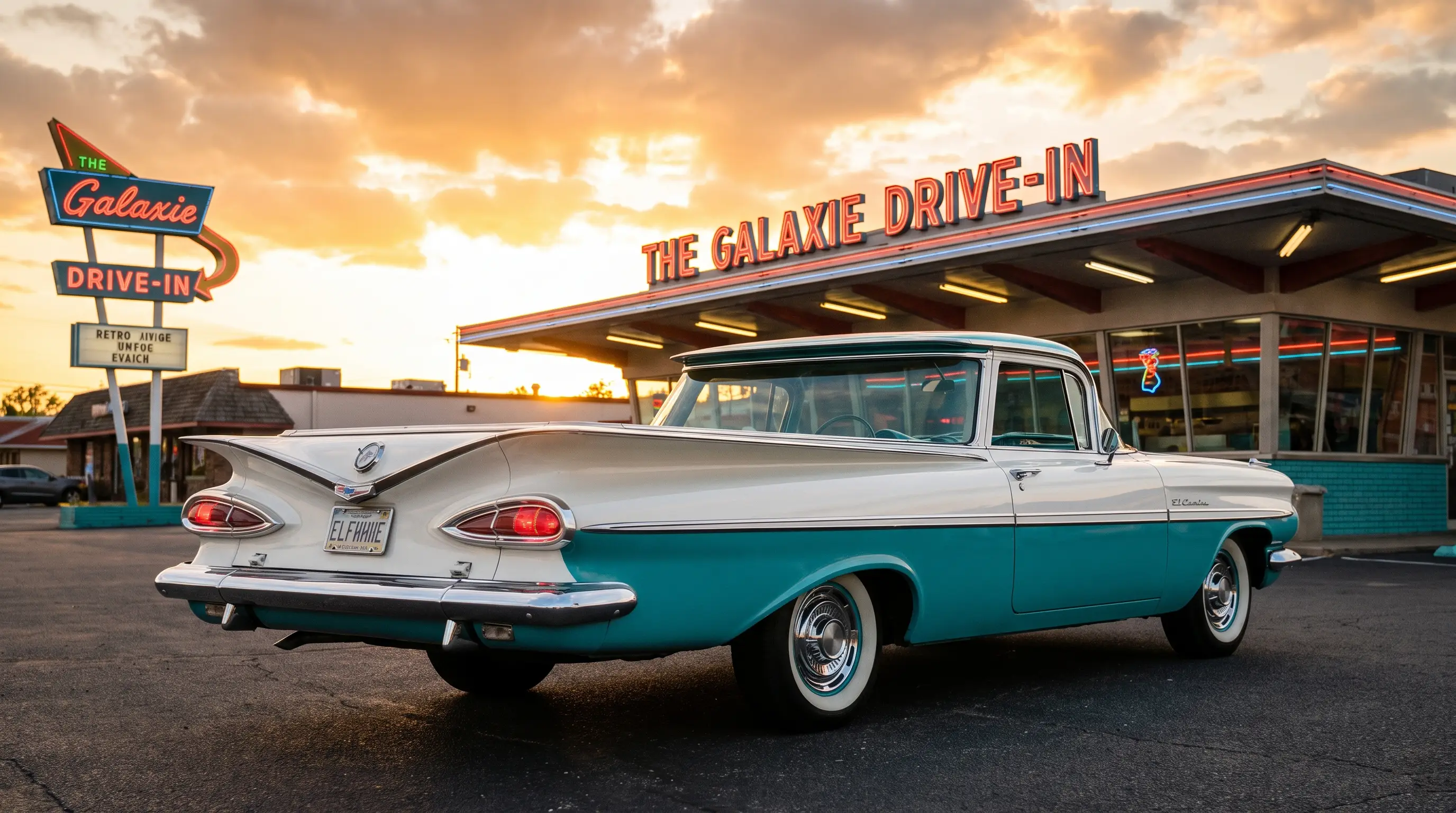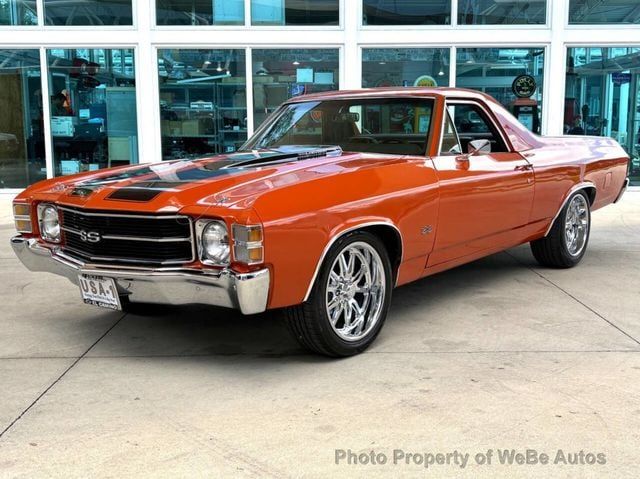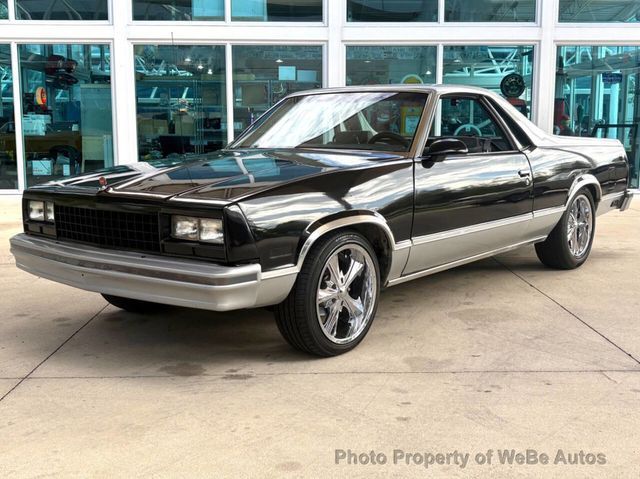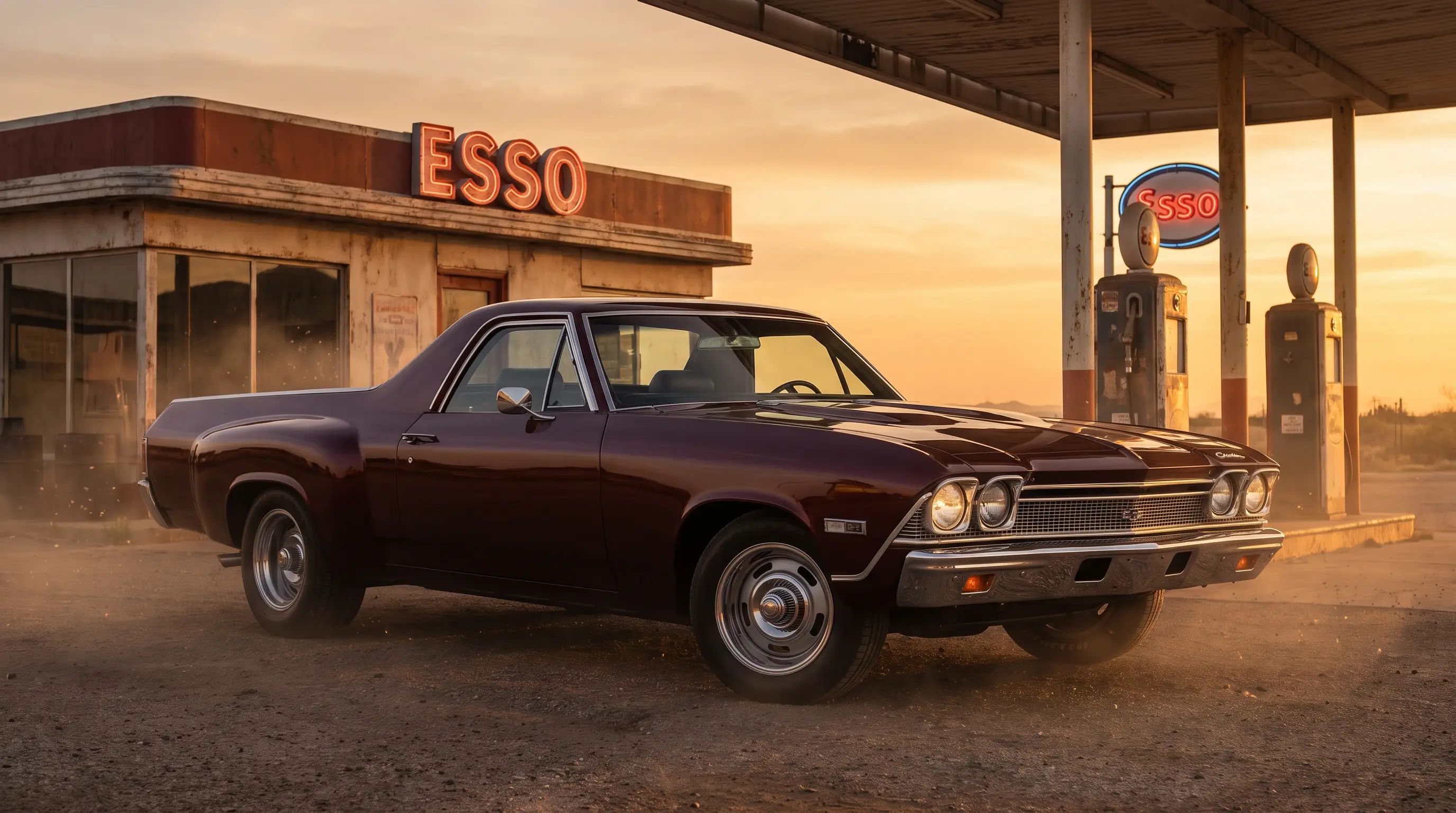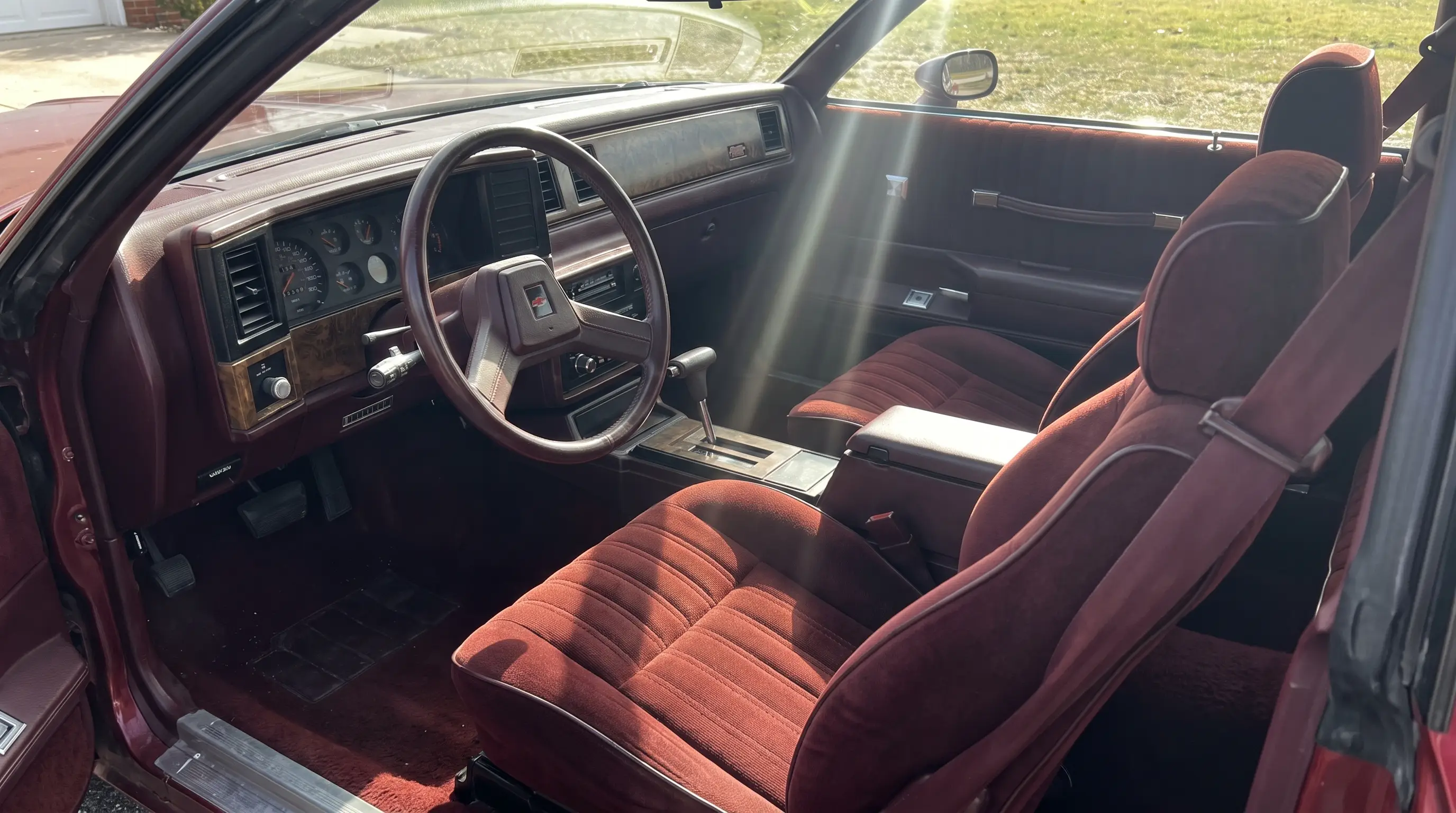
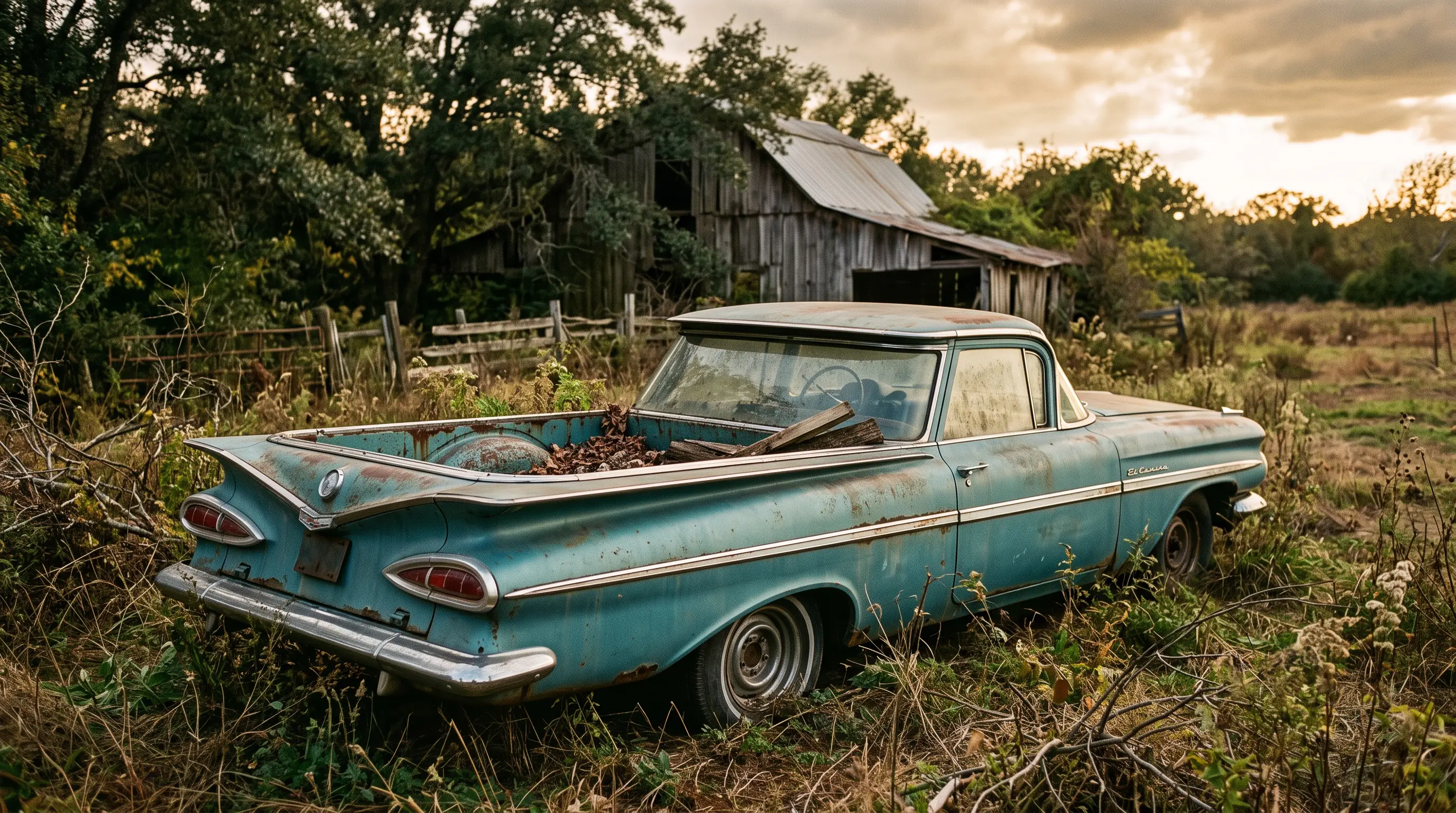
Every swap meet has one guy who claims his uncle had a 1959 El Camino rotting in a barn. Ask him for a photo and the story usually stalls. That is the state of the first-generation El Camino survivor pool in a sentence. The car exists in far greater numbers in memory and folklore than it does in driveways, and there are specific, documentable reasons why.
A two year production window with nowhere to hide
Chevrolet built the original El Camino for exactly two model years, 1959 and 1960, before pulling the plug and leaving the segment to Ford's Ranchero until the Chevelle-based version returned in 1964. Production for 1959 came in at 22,246 units, and 1960 fell further to 14,163. Those are already small numbers next to a mainstream Chevrolet sedan run. When a model gets cancelled after two years, the factory support that keeps a car alive for decades, the reprinted parts catalogs, the dealer familiarity, the accumulated body of shop knowledge, never gets the chance to build up. Owners were on their own almost from the start, and that shortens the average survival curve for any car.
Read the 1959 el camino story for the fuller account of how the model came to exist and why Chevrolet gambled on a car-based hauler in the first place.
Worked hard, then eaten by rust
The 1959 El Camino was marketed and sold as a practical vehicle, something between a stylish coupe and a light truck for a buyer who wanted to haul feed sacks or a lawnmower without giving up a passenger car ride. That buyer used the bed. Feed sacks, fertilizer, firewood, tools, all of it went straight onto painted sheet metal with no bedliner tradition to protect it in period. Salt, moisture, and abrasive cargo did the damage that a dedicated pickup truck bed, with its heavier gauge steel and utilitarian finish, was built to shrug off. A car built for style but used for chores tends to lose that fight over a few decades, and the survival numbers reflect it.
The full-size 1959 Chevrolet platform that the El Camino shared with the Brookwood and Biscayne wagons had generous unibody-adjacent structure and plenty of trim-covered seams, both of which are magnets for hidden corrosion. Batwing rear fenders, wraparound glass channels, and the long expanse of bed floor all created spots where moisture could sit unseen for years. Add a car that was frequently parked outdoors on a farm or ranch rather than garaged, and the rust clock starts running early. By the time an owner noticed a soft floor pan or a crumbling lower quarter, the car had often already been written off as not worth the fix, especially once cheaper running Chevrolets were easy to find.
Demolition derbies, regional attrition, and the parts feedback loop
There is a specific and unglamorous chapter in the survival story that deserves more attention than it gets. Through the 1970s and into the 1980s, a running full-size Chevrolet from the late 1950s was cheap, heavy, and disposable by the standards of the day, which made it a prime candidate for the demolition derby circuit and for scrap drives during fuel crises. A body-on-frame car with a durable straight-six or small-block V8 held up well in a derby ring, and plenty of tired El Caminos met their end that way rather than in a barn waiting to be rediscovered. Unlike a two-door hardtop or a convertible from the same era, the El Camino had no obvious performance mystique in period to protect it from that fate. It was, in the eyes of a mid-1970s used car lot, just an old Chevy with a bed on it, and old Chevys with beds on them were exactly the kind of car nobody minded seeing wrecked for entertainment.
Survival rates were never uniform across the country either, and that unevenness compounds the scarcity problem rather than balancing it out. Cars that spent their working lives in the Rust Belt or along the humid Gulf Coast rarely made it past a couple of decades before the frame, floor pans, or rear quarters gave out beyond reasonable repair. Examples that lived in Arizona, New Mexico, or similar dry climates fared far better structurally, even if sun took a toll on paint and interior trim. That geographic skew means a large share of today's better survivors trace back to a handful of dry states, which in turn shrinks the effective pool even further for a buyer who also cares about originality of paint or a documented ownership chain close to home. Fewer surviving cars also meant fewer parts cars being broken for trim, glass, and brightwork, so the scarcity of good cars and the scarcity of good parts reinforced each other for years, making early restorations harder and slower than they needed to be.
Restoration cost outpaced the car's value for decades
For most of the 1970s, 1980s, and even into the 1990s, a used first-generation El Camino was simply an old used car, not a collectible. Insurance write-offs, cheap trade-ins, and demolition derbies claimed plenty of examples because nobody was paying a premium to save one. A full restoration of a batwing-era Chevrolet, with its specific trim, glass, and body stampings, costs real money in labor and parts sourcing, and for a long stretch that math did not favor saving a rough example over parting it out. Only once the collector market matured and values climbed did it start making financial sense to save a project car instead of scrapping it, and by then the population had already thinned considerably.
"People assume rarity in this hobby always comes from a low production run. With the 1959, the production run was already small, and then ordinary use, weather, and forty years of nobody caring finished the job. That is a harder kind of scarcity to reverse."
- Sarah Whitfield
What scarcity means for today's buyer
Anyone shopping the first-generation market now is dealing with a genuinely small pool, split between unrestored survivors, older restorations that may need refreshing, and a smaller number of frame-off cars built to a high standard. Documentation matters enormously here because so few cars exist that provenance can meaningfully separate a car worth a premium from one that is simply old. Buyers serious about the model should read the full story of the nameplate before narrowing in on a specific year, since understanding how the 1959 fits into the broader El Camino timeline helps calibrate what a fair asking price actually looks like. For those ready to look at what is actually available, classic El Caminos on the market is the place to see how thin that inventory really is in practice.