
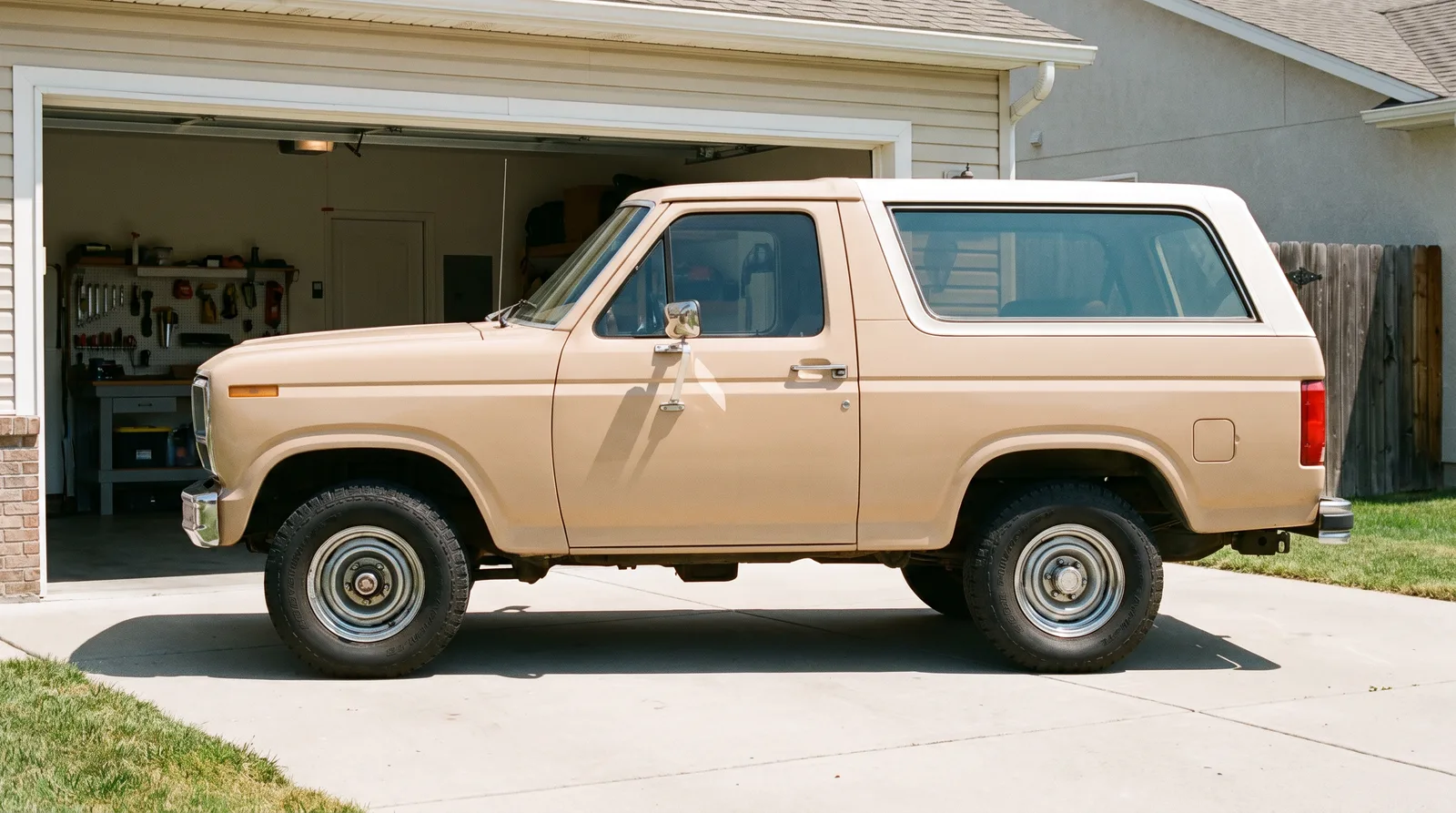
The ford bronco 1978 vs blazer question sits at the center of one of the more entertaining rivalries in American truck history. When Ford rolled out its first full-size Bronco for the 1978 model year, it was arriving five years after Chevrolet had already redefined the segment with the K5 Blazer. The Bronco had spent more than a decade as a compact, tidy off-roader. Now it was showing up to a fight that General Motors thought it had already won.
Car Features
7 min read
1978 Bronco vs K5 Blazer, the Full-Size Rematch
Ford's first full-size Bronco arrived in 1978 to challenge Chevrolet's established K5 Blazer, setting off a showroom rivalry collectors still debate today.
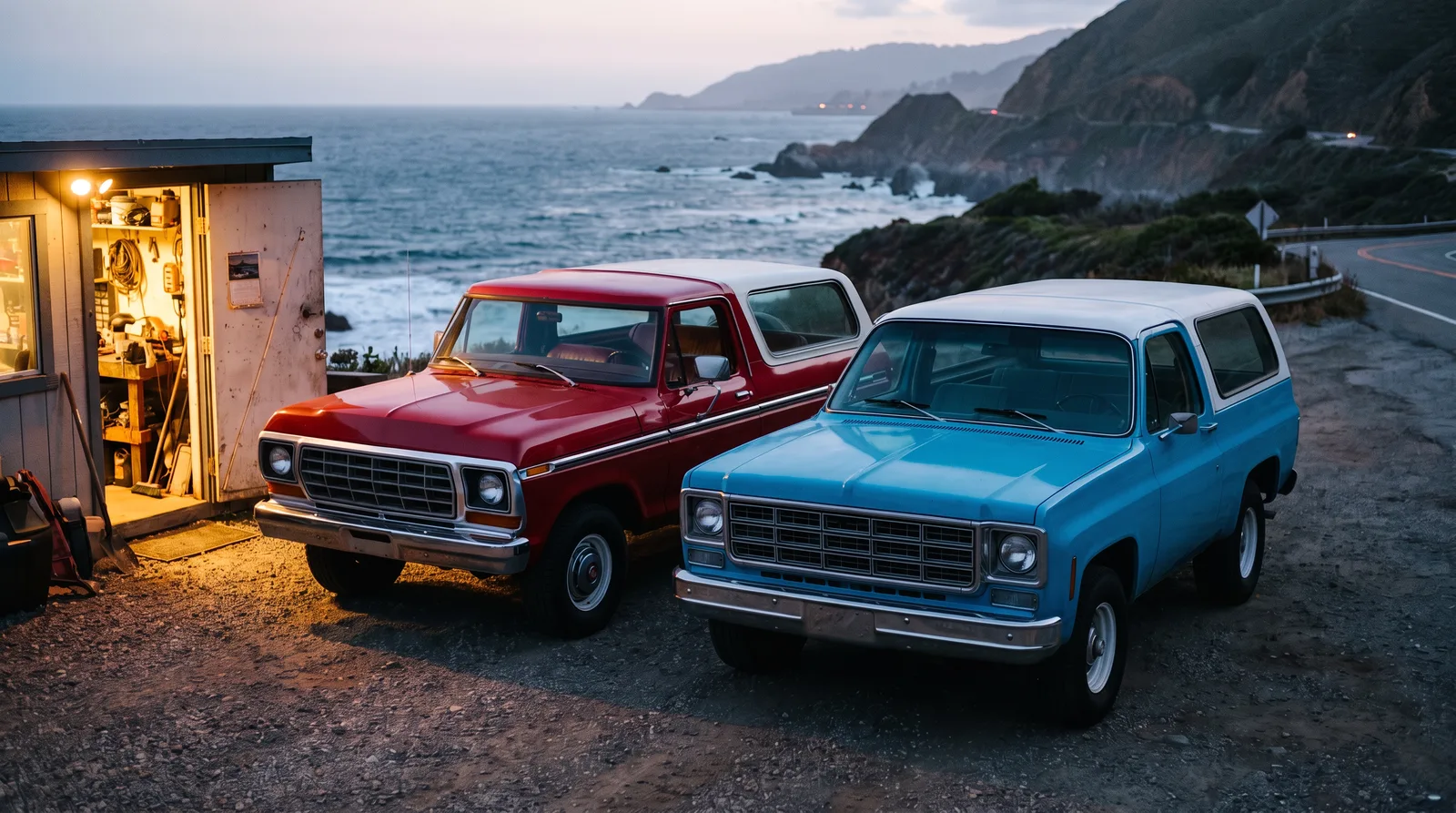
Two different paths to the same showroom fight
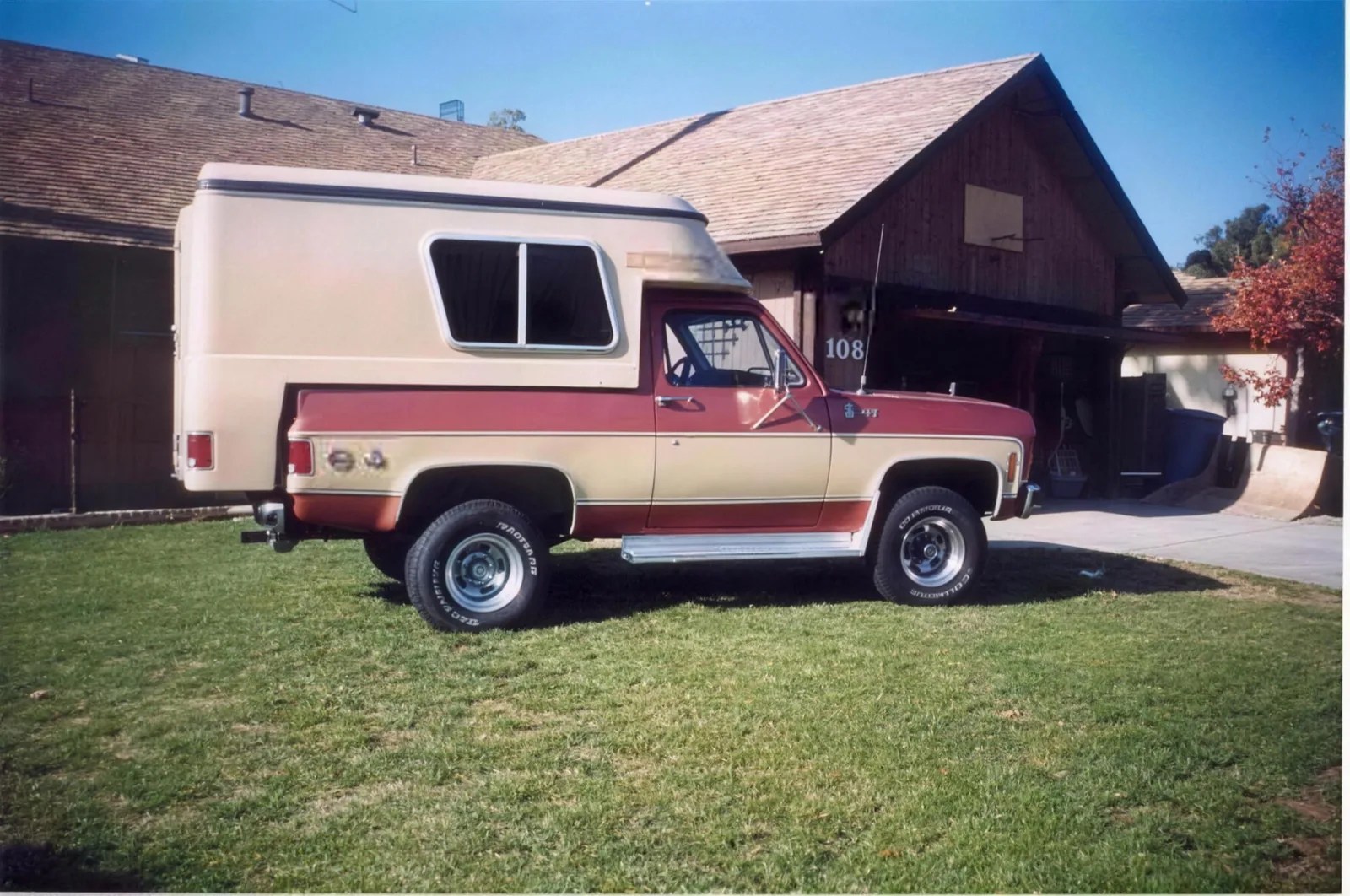
Chevrolet's K5 Blazer debuted for 1969 as a shortened, roofed version of the full-size C/K pickup, and by the mid 1970s it had become the default choice for buyers who wanted truck toughness with wagon-like seating. Ford watched that success from the sidelines through most of the decade, sticking with the small first-generation Bronco while its own full-size pickups sold in huge numbers without a Blazer-style companion. That gap became impossible to ignore. Dealers wanted a full-size Bronco to sell alongside the F-150, and by 1978 Ford finally delivered one, built on a shortened F-series frame with the F-100's front sheet metal and running gear underneath.
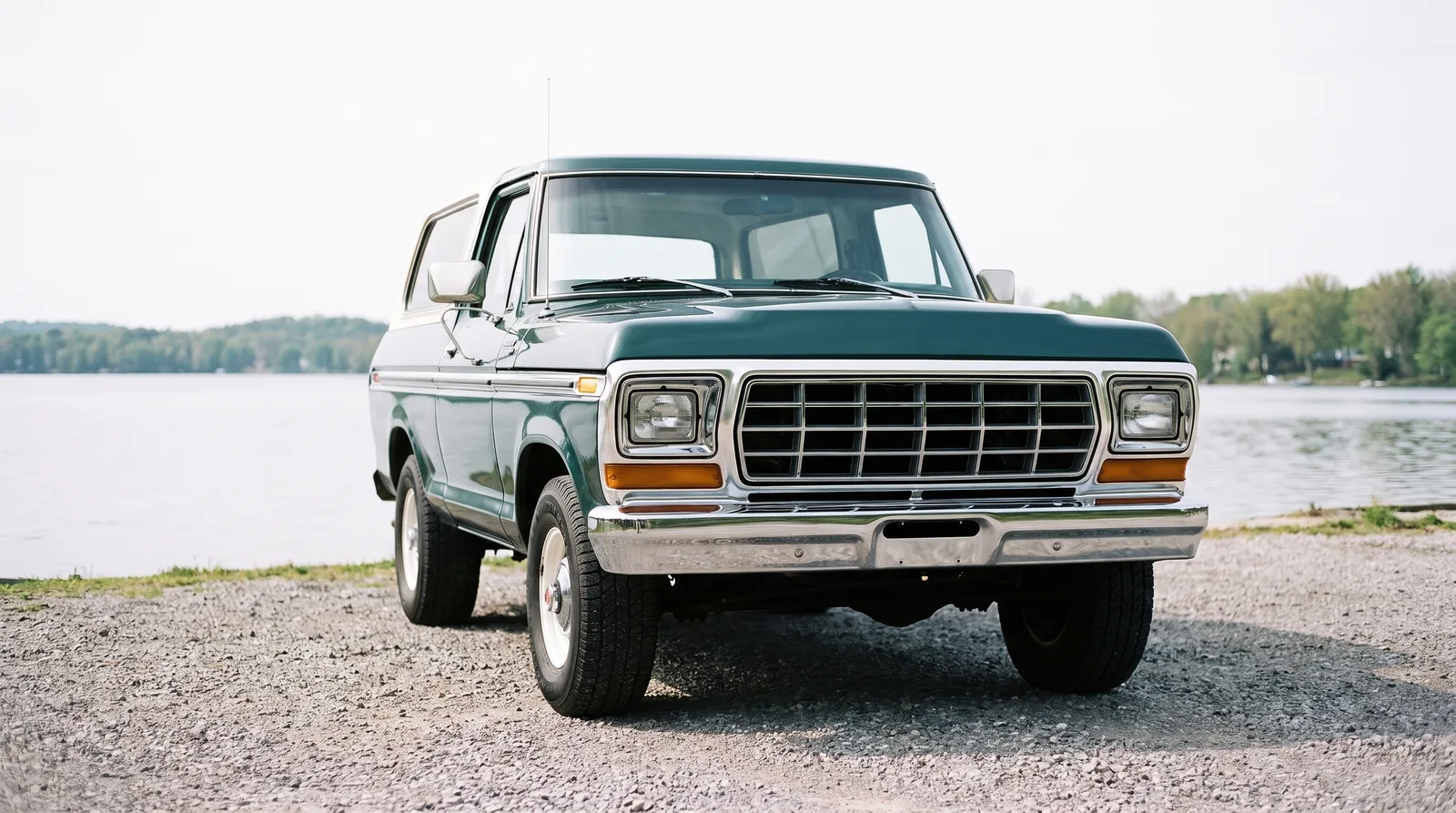
The result was a Bronco that looked and drove like a truck because it essentially was one, wearing a fiberglass cap over the rear cargo area instead of a fixed steel roof. That single detail, the removable top, became the Bronco's signature argument against the Blazer for the rest of its full-size life. Chevrolet offered a similar half-cab treatment on some Blazers, but Ford leaned harder into the idea that a Bronco owner could pull the top and drive an open-air truck on a Saturday, then bolt it back on for winter.
Engines and running gear on the showroom floor
For 1978, Ford offered the Bronco with a 351M V8 as the base engine and a 400 cubic inch V8 as the upgrade, both backed by either a four-speed manual or Ford's SelectShift automatic, with Dana front axles and a two-speed transfer case handling the four-wheel-drive duties. Neither engine was particularly powerful by modern standards, with output well under 200 horsepower on emissions-strangled 1978 tune, though the 400 traded a little responsiveness for extra low-end torque. Chevrolet's K5 countered with a 350 small-block as its bread-and-butter engine and a 400 small-block as an option on some models, generally lighter and, according to most road tests of the period, a bit friskier off the line than the heavier 400-powered Ford.
Where the Bronco pushed back was interior room and payload. Even on a slightly shorter wheelbase than the Blazer, 104 inches against 106.5, the full-size Bronco offered more rear legroom and a marginally roomier cargo area with the top installed, numbers Ford's own brochures leaned on hard against Chevrolet's more compact packaging. Neither truck was quick by any modern measure, and neither was meant to be. Buyers cross-shopping these two in 1978 were choosing between a slightly larger, blockier Ford and a slightly nimbler, more established Chevrolet, a choice plenty of families and outdoorsmen debated at the dinner table before signing.
How buyers actually chose between them
Reviews from the era generally gave the nod to the Blazer for on-road manners and the Bronco for interior space and towing confidence, though the gap was rarely described as dramatic in either direction. Ford dealers pushed the Bronco's removable top as a lifestyle feature that the Blazer's more conventional cab could not fully match, while Chevrolet dealers pointed to a decade of proven reliability and a broader dealer network already comfortable servicing the K5 platform. Price was close enough that most buyers ended up choosing based on brand loyalty or which dealership treated them better, which is exactly the kind of showroom dynamic that made this rivalry so personal at the time.
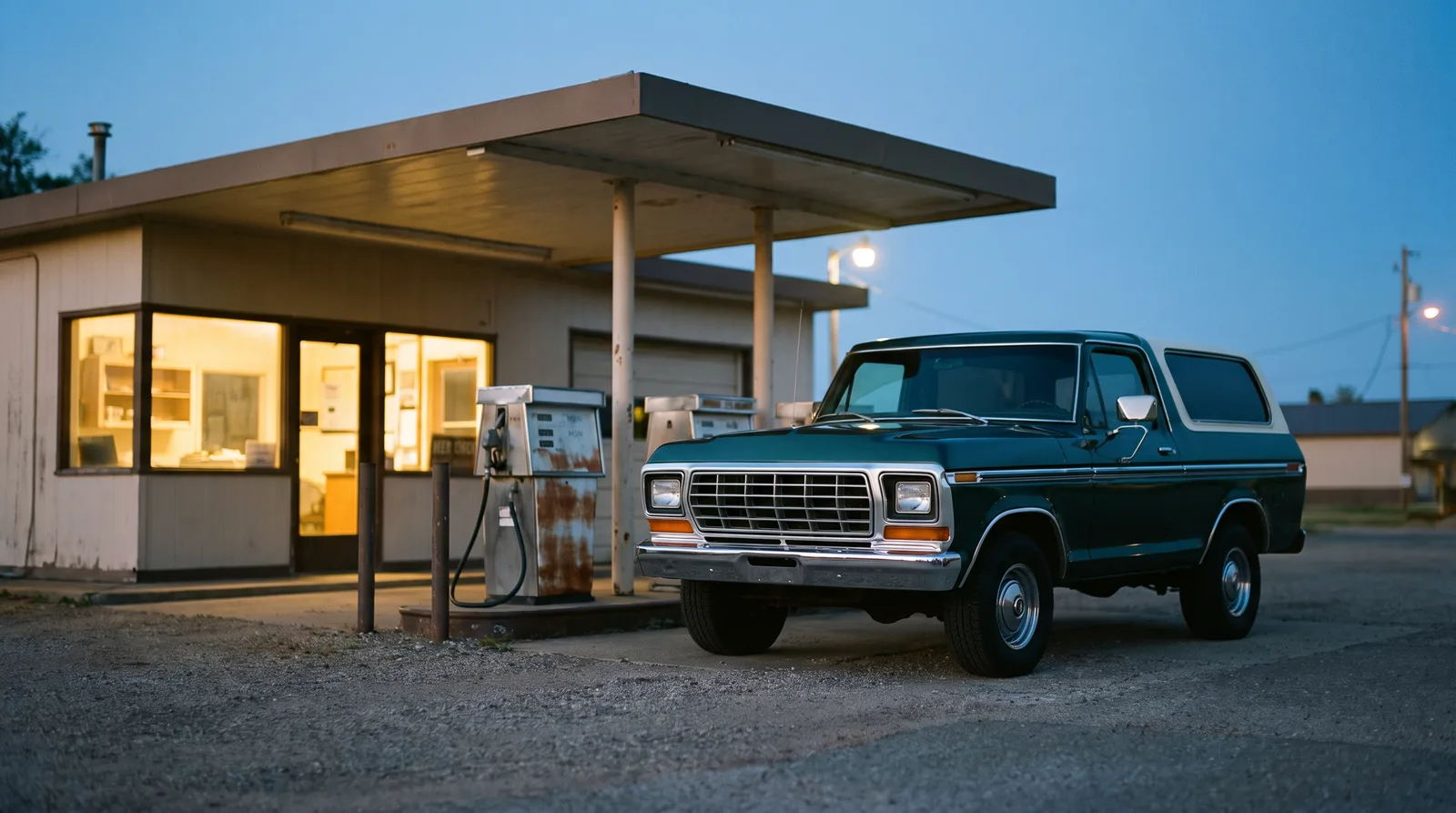
Today, that history is well documented in the 1978 ford bronco story, which lays out how Ford built this truck and why it mattered to the brand's off-road lineup. For readers who want the broader arc of every Bronco generation from 1966 forward, the full story connects this full-size chapter to everything that came before and after it.
"Collectors treat the 1978-79 Bronco and the same-year K5 Blazer almost like siblings from rival families. Same era, same market, completely different personalities under the sheet metal."
- Sarah Whitfield
Why the comparison still matters to collectors
Decades later, the 1978-79 Bronco versus K5 Blazer debate has shifted from a sales floor argument to a collector's conversation piece. Both trucks are climbing in value, both are becoming harder to find in unmolested condition, and both carry the particular charm of late-1970s American truck design, chrome bumpers, boxy proportions, and engines built for torque rather than efficiency. Values for clean, documented examples of either truck have risen steadily as buyers rediscover how usable these full-size rigs remain for weekend trail work or simple cruising.
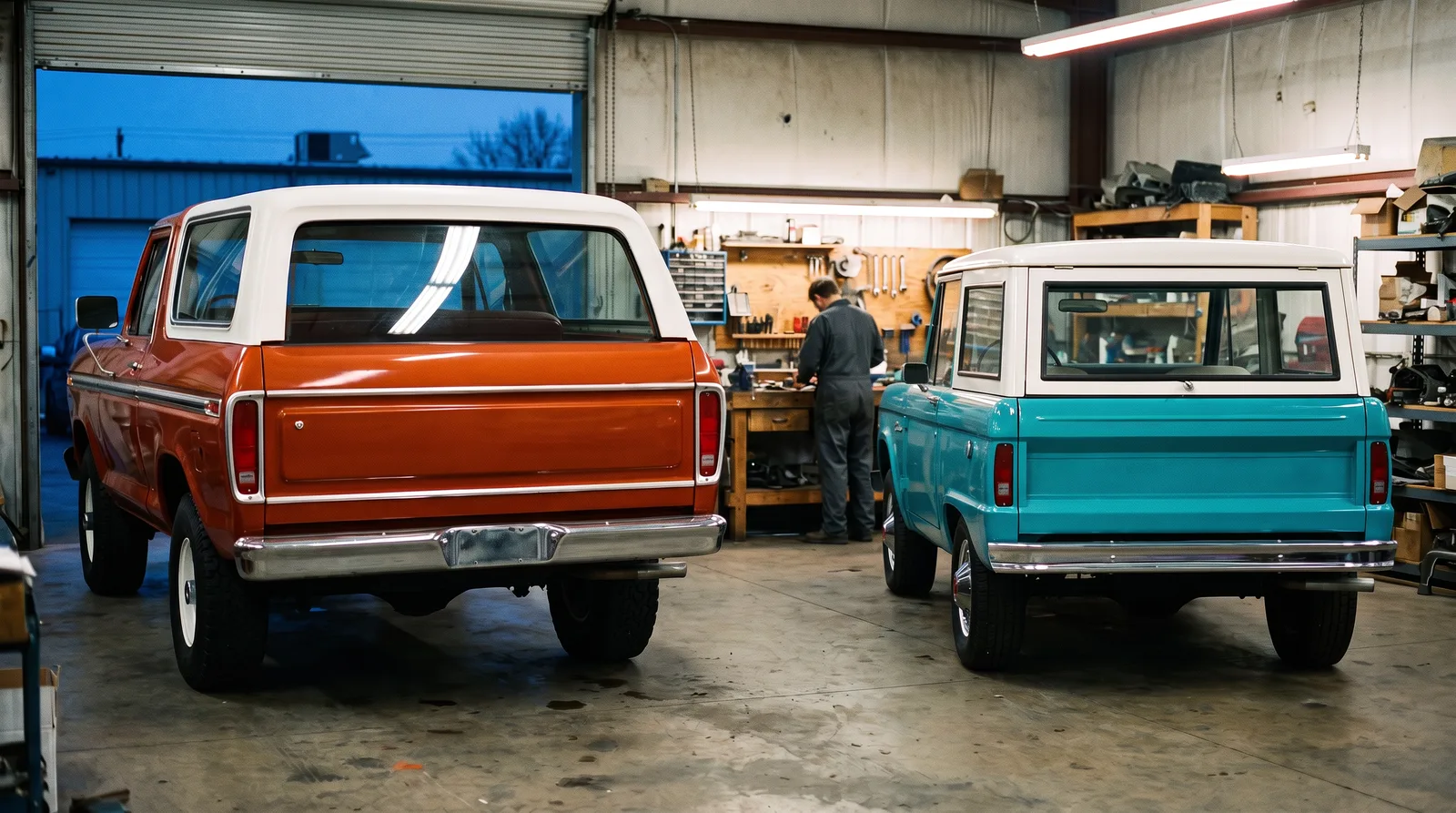
Anyone chasing one of these trucks today should expect rust in the usual places, particularly around the fiberglass top's mounting hardware on the Bronco and the tailgate area on both trucks, along with the frame rails near the rear axle. Documentation matters enormously at this point in the market, since original build sheets and dealer paperwork separate a well-kept survivor from a truck that has simply avoided the crusher. Buyers serious about either side of this rivalry can browse classic Broncos on the market to see what condition and pricing look like right now, a useful reality check before committing to a restoration project built on nostalgia alone.
Parts, service, and the long-term ownership picture
Cross-shopping these two trucks today isn't just about which one looks better in a driveway. Ownership realities differ enough that they matter to anyone planning to drive either truck regularly rather than park it as a showpiece. The Blazer benefits from Chevrolet's enormous small-block V8 production numbers, meaning engine parts, rebuild kits, and knowledgeable independent mechanics are easier to find in most parts of the country. The Bronco's 351M and 400 V8 engines are less common on the used and rebuilt parts market, which can mean longer waits and higher costs for major engine work, though the shared architecture with Ford's F-series pickups helps somewhat with drivetrain and suspension components.
Body and trim parts tell a similar story in reverse for some items. Because the full-size Bronco's run lasted only two years, certain body panels and trim pieces specific to 1978-79 trucks are genuinely scarce, while the Blazer's longer production run through the late 1980s means more donor vehicles exist for parts. Buyers weighing a restoration project should factor this into their decision as seriously as they weigh the styling differences, since a truck that looks equally appealing in photographs can turn into a very different ownership experience once real repair bills start arriving.
The rivalry's lasting legacy
What makes the 1978 Bronco versus Blazer comparison endure isn't which truck sold better in period, it's how differently each brand approached the same basic assignment. Ford built a truck-based wagon and doubled down on open-air versatility. Chevrolet refined a formula it had already proven for nearly a decade. Neither approach was wrong, and the fact that both trucks now command genuine collector interest fifty years later says more about their engineering than any brochure ever could.
Collectors who have owned both trucks over the years often describe the choice as more emotional than rational at this point. A driver who grew up around a family Blazer tends to gravitate back toward one decades later, and the same holds true for Bronco loyalists. That kind of brand loyalty, passed down through direct experience rather than marketing, is exactly what has kept this rivalry alive well past the point where either truck was competing for new-vehicle sales. Fifty years on, the argument has simply moved from the dealership lot to the swap meet, and it shows no sign of being settled anytime soon.
Sources and notes
Related Reading
Have a
Ford Bronco
for Sale?
Reach thousands of serious classic car collectors across the US.
Sell It Here →
Selling a classic? Here's how: the best sites to sell a classic car
Are You a Classic Car Dealer?
List your full inventory and connect with targeted classic car buyers.
Join as a Dealer →

About the author
Sarah Whitfield
Third-generation classic car collector specializing in pre-war American and European coachbuilt automobiles. Researcher and concours enthusiast.
Related Listings - Ford Bronco
Comments
Be the first to comment on this article.