
The old Bronco crowd had opinions the day Ford brought the nameplate back, and most of those opinions circled the same question. Would the new truck actually respect what the original earned in the desert, or would it just borrow a badge that used to mean something? The classic Bronco's racing heritage did not happen by accident, and understanding how it built up over three decades explains why Ford leaned on that history so hard when it decided to revive the name.
Car Features
6 min read
How Bronco Racing Heritage Shaped the Modern Revival
The classic Bronco's desert racing pedigree was decades in the making, and it is the reason Ford leaned so hard on Baja imagery when it revived the nameplate.
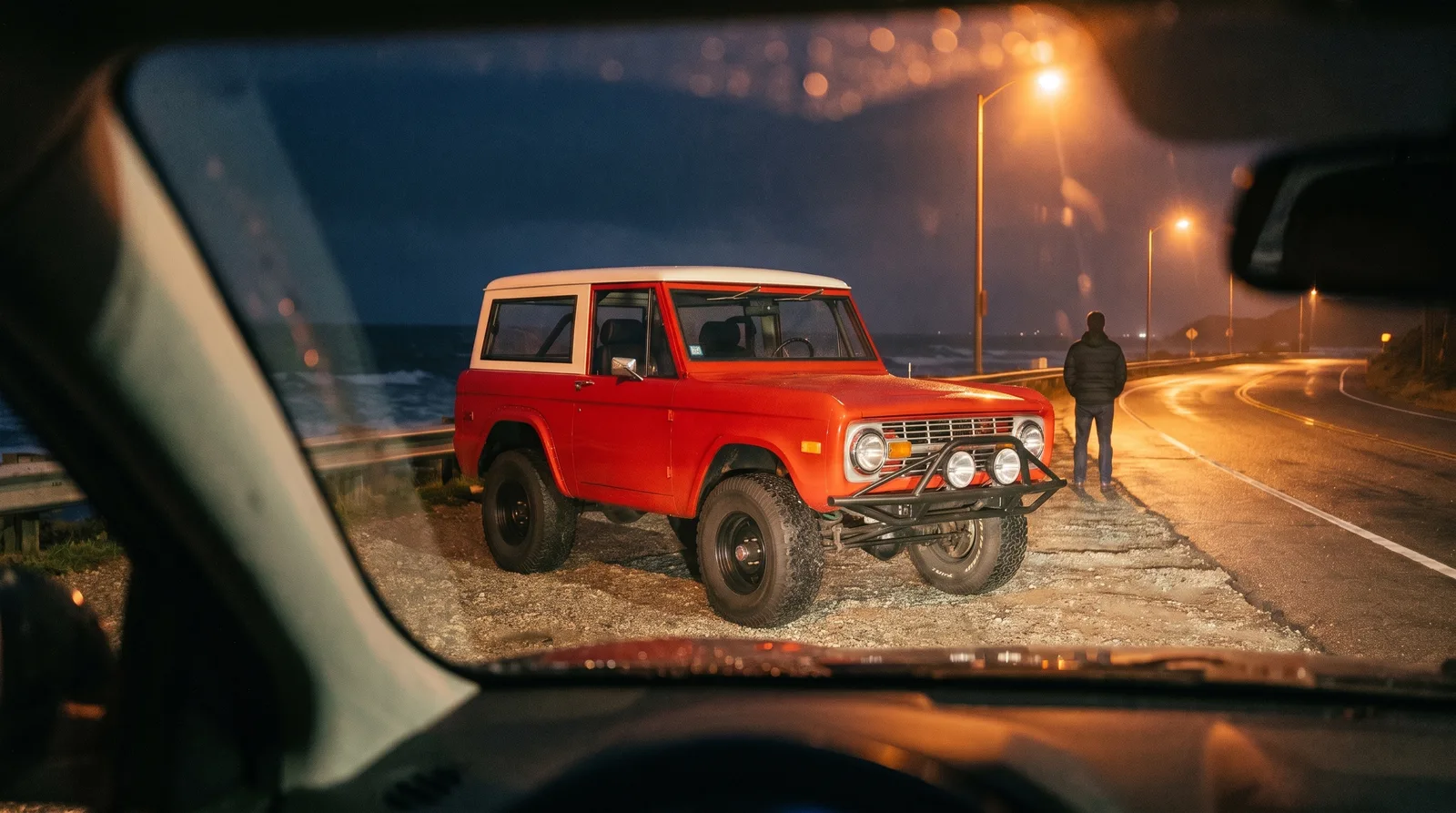
A truck that had to earn its reputation the hard way
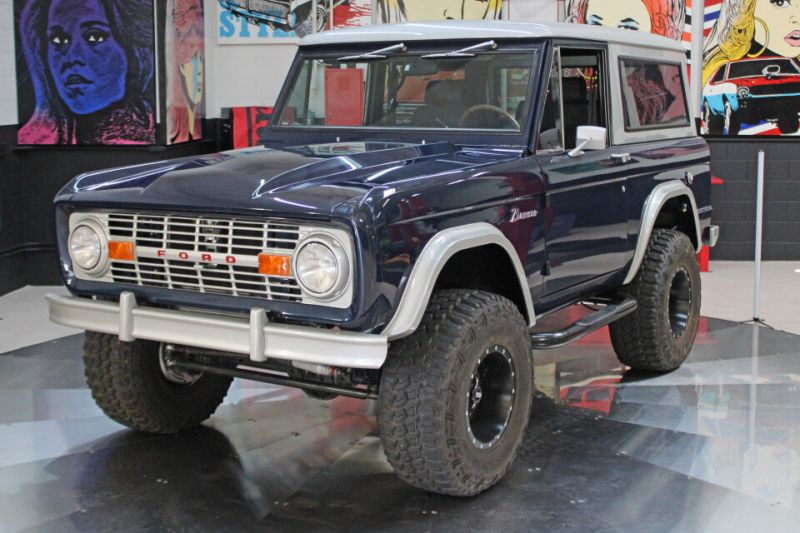
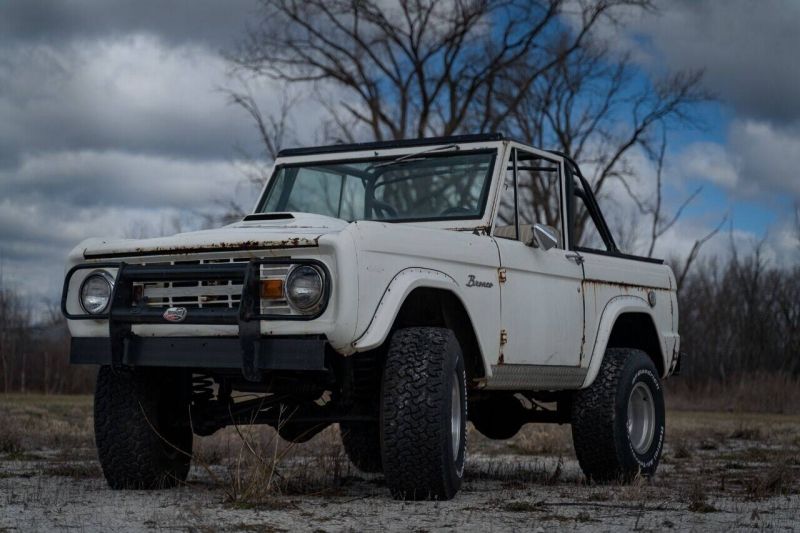
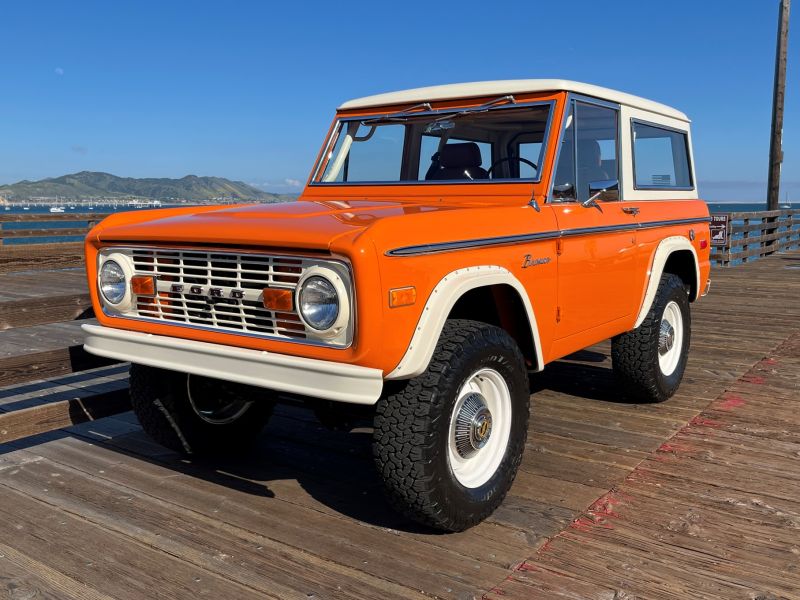
When the Bronco launched for 1966, nobody at Ford was planning a racing program around it. It was built to compete with the Jeep CJ and the International Scout as a compact utility 4x4, nothing more. That changed within a few years once Bill Stroppe's shop started preparing Broncos for the Mexican 1000, the desert race that would become the Baja 1000. Stroppe's team turned a showroom truck into something that could survive hundreds of miles of punishing terrain at speed, and the class wins and strong finishes that followed gave Ford a genuine competition story to tell. For the full account of how that program came together, more on the ford bronco baja covers Stroppe's role in detail.
That early success mattered because it set a pattern. The Bronco was not just a rugged truck sold on styling and marketing copy, it had a documented record of finishing punishing races, and Ford was more than happy to let that reputation carry into showroom sales through the Baja Bronco special edition of the early 1970s.
The generations that carried the torch quietly
Racing pedigree does not disappear just because a factory racing program winds down, and the Bronco's competition reputation stayed alive through decades of privateer and club-level desert racing long after Stroppe's direct involvement ended. Full-size Broncos of the 1980s and early 1990s, built on Ford's F-Series platform, found their way into desert racing classes where drivers valued proven durability over cutting-edge engineering. These trucks rarely got the magazine coverage the early race Broncos did, but they kept the nameplate present in competition long enough that the connection between Bronco and desert racing never fully faded from enthusiast memory.
If you want the broader view of how all these generations fit together, from the first-generation truck through the full-size versions built into the 1990s, our complete history traces that whole arc in one place.
Why Ford went back to the well for the revival
When Ford brought the Bronco name back for the 2021 model year, the marketing leaned hard on desert racing imagery, Baja-inspired trim packages, and even a factory-backed Bronco racing effort in modern off-road competition. That was not a random creative choice. Ford's research showed that the Bronco name still carried genuine equity with buyers who remembered, or had heard about, the truck's competition history, and reviving that connection gave the new model a story that a purely new nameplate would not have had.
The classic Bronco crowd's skepticism was not unreasonable given how many revived nameplates end up borrowing history without earning any new version of it. What mattered to longtime owners was whether the new truck's off-road capability and racing involvement were genuine or just styling cues borrowed from Stroppe-era trucks. The honest answer sits somewhere in the middle. The modern Bronco is a different vehicle built for a different era, but Ford's decision to fund actual desert racing programs around it shows the company understood the heritage was worth protecting rather than just referencing.
"You can slap a Baja stripe on anything, but you cannot fake fifty years of guys arguing about who actually earned the right to wear it."
- Wayne Coburn
What the classic trucks mean now, in that light
The revival, whatever you think of it, has quietly boosted interest in the original trucks. New buyers who came to the Bronco name through the modern version have started digging into the history, and a lot of them end up wanting the real thing once they learn what Stroppe's era actually accomplished. That has helped keep values firm on well-documented early trucks, particularly ones with any credible tie to the racing program.
For longtime owners and club members, the racing heritage was never in question, it was lived history passed down through decades of desert races, swap meets, and shop talk. The revival just gave that heritage a new audience. Whether that audience sticks with the modern truck or eventually goes looking for an original is an open question, but the classic Bronco market has clearly benefited from renewed attention either way. If the history has you interested in owning a piece of it, there are classic Broncos on the market worth a look, ranging from clean daily drivers to trucks with real competition pedigree behind them.
The truck that started as an answer to Jeep in 1966 ended up writing its own chapter in American desert racing, and that chapter is the reason the name still means something more than fifty years later. Whatever comes next for the modern Bronco, the original trucks earned their place in that story the only way that actually counts, by finishing races nobody expected them to survive.
The gap years nobody talks about
What gets lost in the revival narrative is how quiet the Bronco name went between 1996, when Ford discontinued the truck, and 2021, when it came back. For a quarter century the nameplate existed only in the memory of owners, club members, and the occasional magazine retrospective. No new Broncos were racing, no factory program was keeping the name in front of buyers, and yet the reputation held. That is not something marketing alone can manufacture. It happened because the trucks that earned the reputation in the first place kept showing up at desert races, club events, and swap meets long after the factory stopped paying attention.
Club members who kept early Broncos running through those gap years deserve more credit than they usually get for keeping the heritage alive. They were not doing it for a revival that may or may not have happened. They were doing it because the trucks were worth keeping on the road, and because the community around them valued the history enough to pass it down. When Ford finally did decide to bring the name back, it was building on a foundation that private owners had maintained without any corporate help for twenty five years, and that is a detail worth remembering every time someone credits the revival alone for keeping the Bronco relevant. Those owners are the reason there was still a story worth reviving in the first place, and most of them would tell you they were not waiting on Ford's permission to keep loving the truck.
Sources and notes
Related Reading
Have a
Ford Bronco
for Sale?
Reach thousands of serious classic car collectors across the US.
Sell It Here →
Selling a classic? Here's how: where to sell your classic car online
Are You a Classic Car Dealer?
List your full inventory and connect with targeted classic car buyers.
Join as a Dealer →

About the author
Wayne Coburn
Longtime Corvette owner, judge and club figure who knows the cars, the records and the people behind them.
Drove a new Bronco at the dealer last month. Nice truck, but it's No '70.