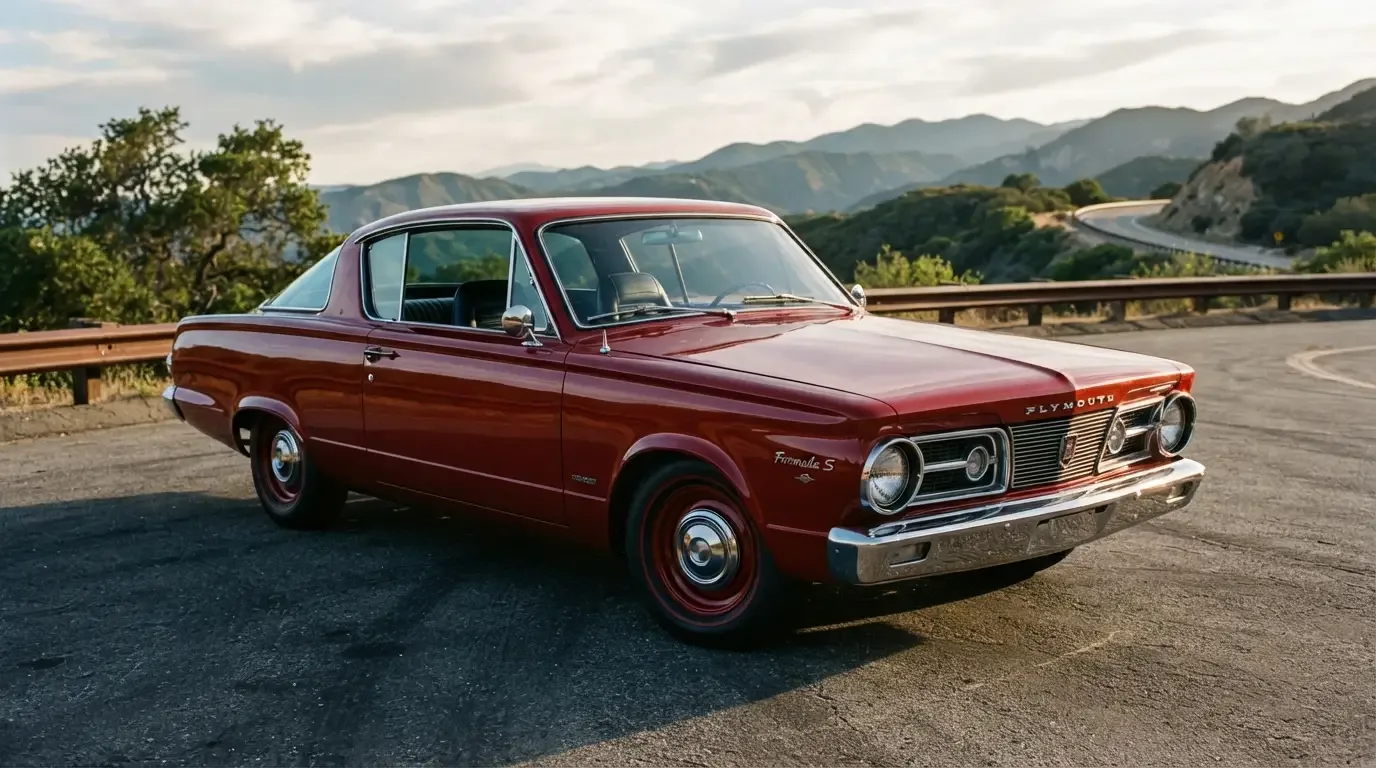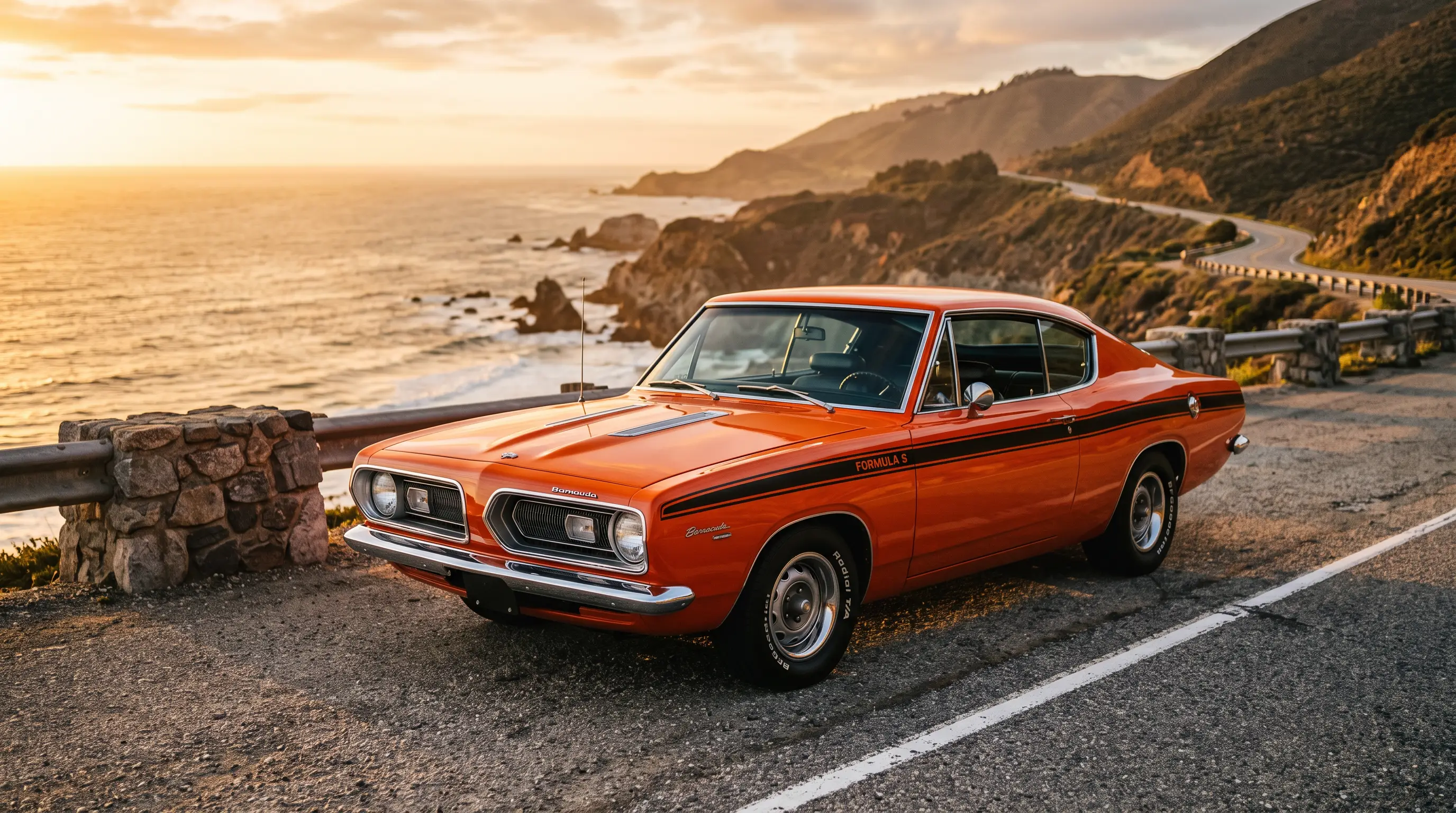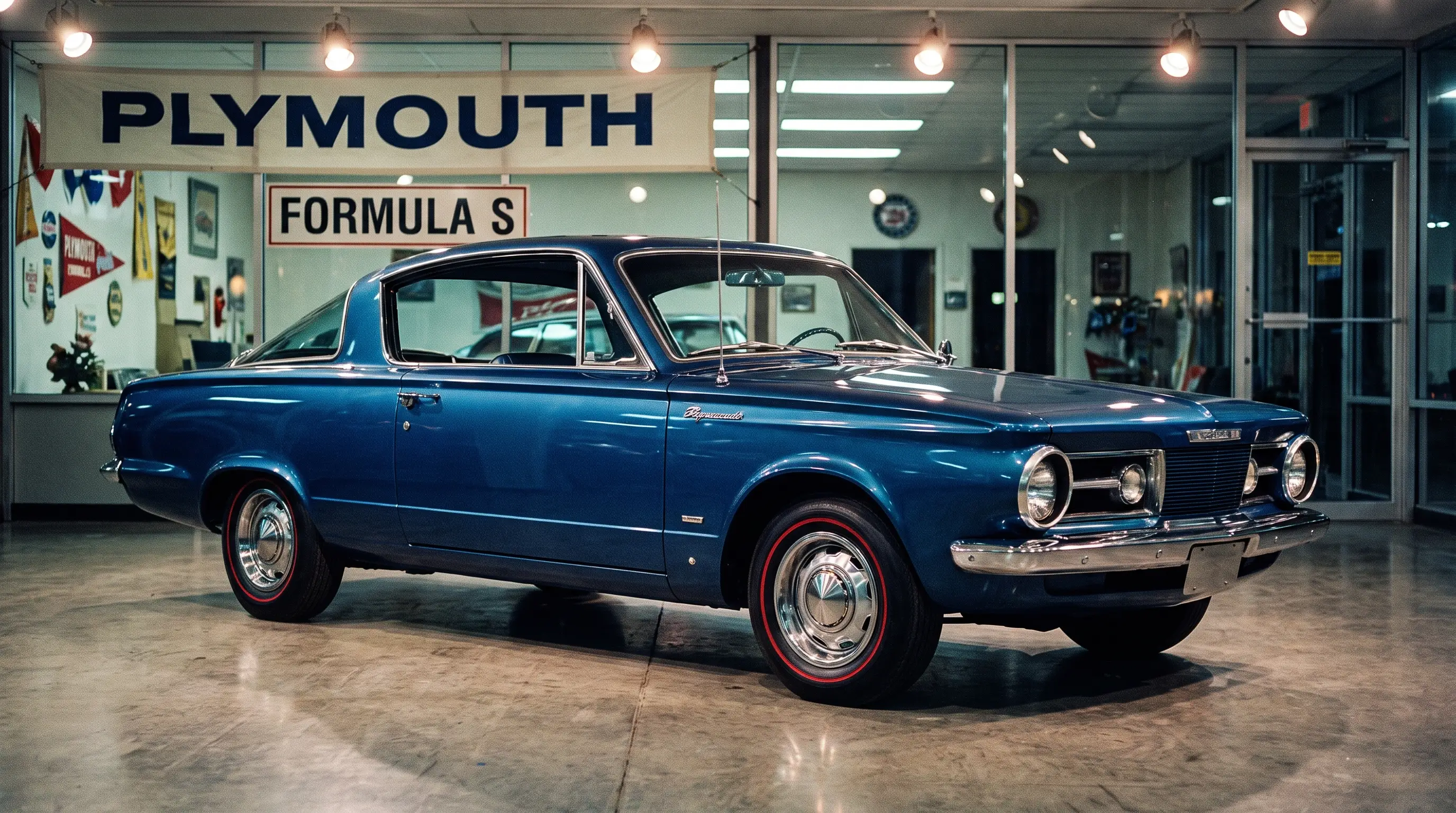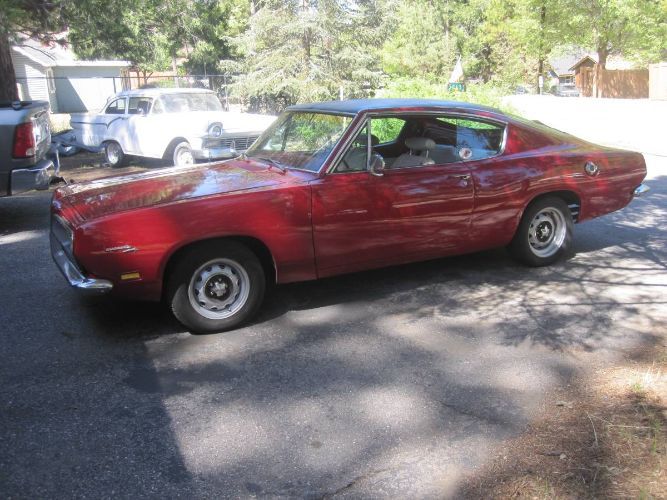
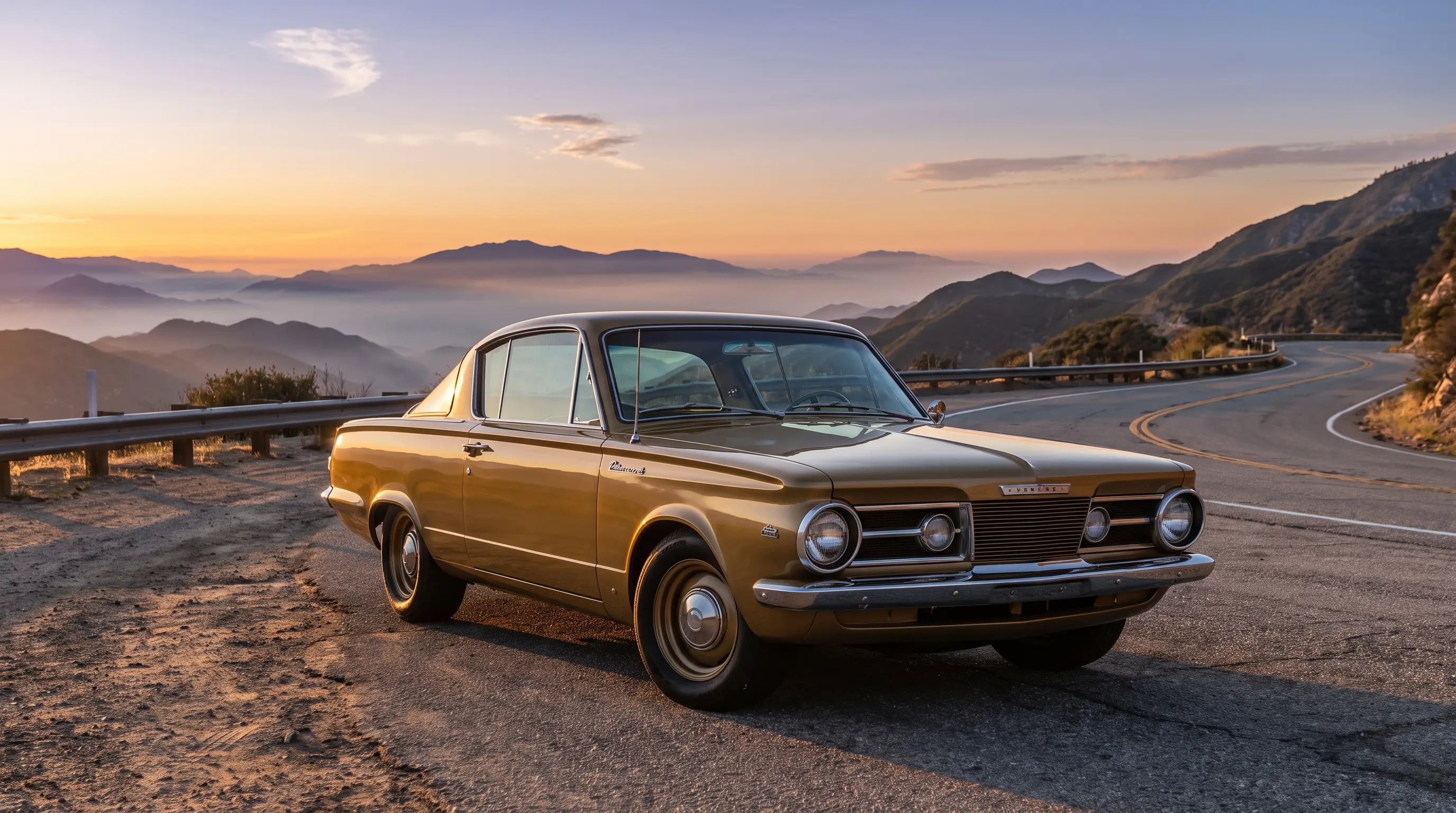
Ask a room full of Barracuda owners which Formula S is the real one, and you will start an argument that never quite ends. My answer has always been the same. The 1965 Formula S 273 is where the name means something specific rather than a badge stretched across five years of changing engines. It was the first one, built before anybody knew the option would still be talked about sixty years later, and there is something honest about a car built with no idea it would become a legend.
Before the big-blocks arrived
When Plymouth rolled out the Formula S option in the spring of 1965, the biggest engine available under that badge was the Commando 273, a 273 cubic inch small-block tuned for more output than the standard Barracuda V8. No 383, no 340, none of the bigger displacement options that showed up in later years and get most of the attention at shows today. Just a well sorted small-block paired with a handling package Plymouth actually meant, not one bolted on to sell a sticker.
That timing matters more than people give it credit for. Plymouth built the 1965 Formula S before the muscle car segment had fully defined itself into the horsepower race it later became, and the engineering priorities of that moment show up clearly in how the car was set up.
Club old timers who bought these new will tell you the same thing I heard growing up around this hobby. The 273 version did not feel like a car chasing a quarter mile number. It felt like a car built to be driven hard on a real road, which was exactly the point Plymouth was trying to make against every import that had been eating into the compact sporty car market.
What actually came with the package
The Commando 273 made its rated output through a four-barrel carburetor and a hotter cam than the standard engine, and Plymouth backed it with genuine suspension work rather than just a stiffer spring rate slapped on for marketing purposes. Heavy duty torsion bars up front, firmer shocks all around, and a front sway bar gave the car body control that plenty of contemporaries simply did not have. Wider wheels and a set of exterior badges finished the visual identification, understated by the standards of what muscle cars became just a few years later.
I have had club members bring me original build sheets on these cars and the options list reads almost quaint compared to what you would see on a Formula S order form from 1969. That simplicity is part of the appeal. There is nowhere for a car to hide what it is when the option list is this short.
One member at a regional meet a few years back showed up with a Formula S 273 he had owned since he was in college, and the thing that struck everybody was how unmodified it still was. No aftermarket wheels, no repainted engine bay dressed up for shows, just a car that had been maintained rather than reinvented. That is rarer than people assume, and it made the car more interesting to the group than plenty of flashier examples parked nearby that weekend.
Why the balance mattered more than the power figure
People who only look at horsepower numbers miss what made this particular car special within the Formula S story. The 273 was light enough over the front axle that the suspension changes actually worked the way they were designed to, something that became a genuine engineering challenge once Plymouth started stuffing 383 cubic inch big-blocks under the same hood a couple years later. Weight distribution on the small-block cars stayed closer to the compact platform's original design intent, and that balance is exactly what period road testers praised.
Club discussions about this era tend to circle back to the same conclusion. A well sorted small-block chassis will often out handle a bigger engine crammed into the same car, and the original Formula S 273 is a clean example of that principle in action, before Plymouth had to start compromising the front end geometry to fit larger engines.
I have driven both a 273 car and a later 383 car back to back at a club event, and the difference in how each one turns into a corner is not subtle. The small-block car darts. The big-block car has to be muscled into the same line, and no amount of tire pressure adjustment fully erases that difference. Neither car is wrong to own. They are just answering slightly different questions about what a performance Barracuda should feel like.
"The 273 cars never had the biggest number on the spec sheet, but they were the ones that actually did what the Formula S name promised. Everything after that was chasing a bigger engine instead of a better balanced car."
- Wayne Coburn
How this fits into the broader Formula S timeline
The 273 version was only the beginning of a story that ran for several more model years, with engine choices growing right alongside the rest of the muscle car market's arms race. For our complete history of how the Formula S package evolved through the 383 and 340 versions that followed, the broader picture explains why so many club conversations end up comparing this original car against what came later.
What keeps the 273 cars relevant in those conversations is not nostalgia for smaller numbers. It is that they represent the option working exactly as designed, before compromises entered the picture, and club members who have driven both generations back to back tend to come away with real respect for what the smaller engine accomplished with less to work with.
That respect shows up in how these cars get treated at club events too. Nobody argues over whether a 273 Formula S deserves a spot near the front row. The debates start when somebody tries to claim a bigger engine automatically makes a better car, and the members who have owned both tend to push back on that idea harder than anybody else in the room.
Finding one worth owning
These are not common cars anymore, and originality matters even more here than on the later versions given how few survive with matching numbers and the correct handling package intact. If the history has you looking seriously, you can find a classic Barracuda and start narrowing the search toward the documented, original examples the club community still treats as the benchmark for this whole model line. Bring a knowledgeable club member along if you can. A second set of eyes on an original 273 car is worth more than any brochure.