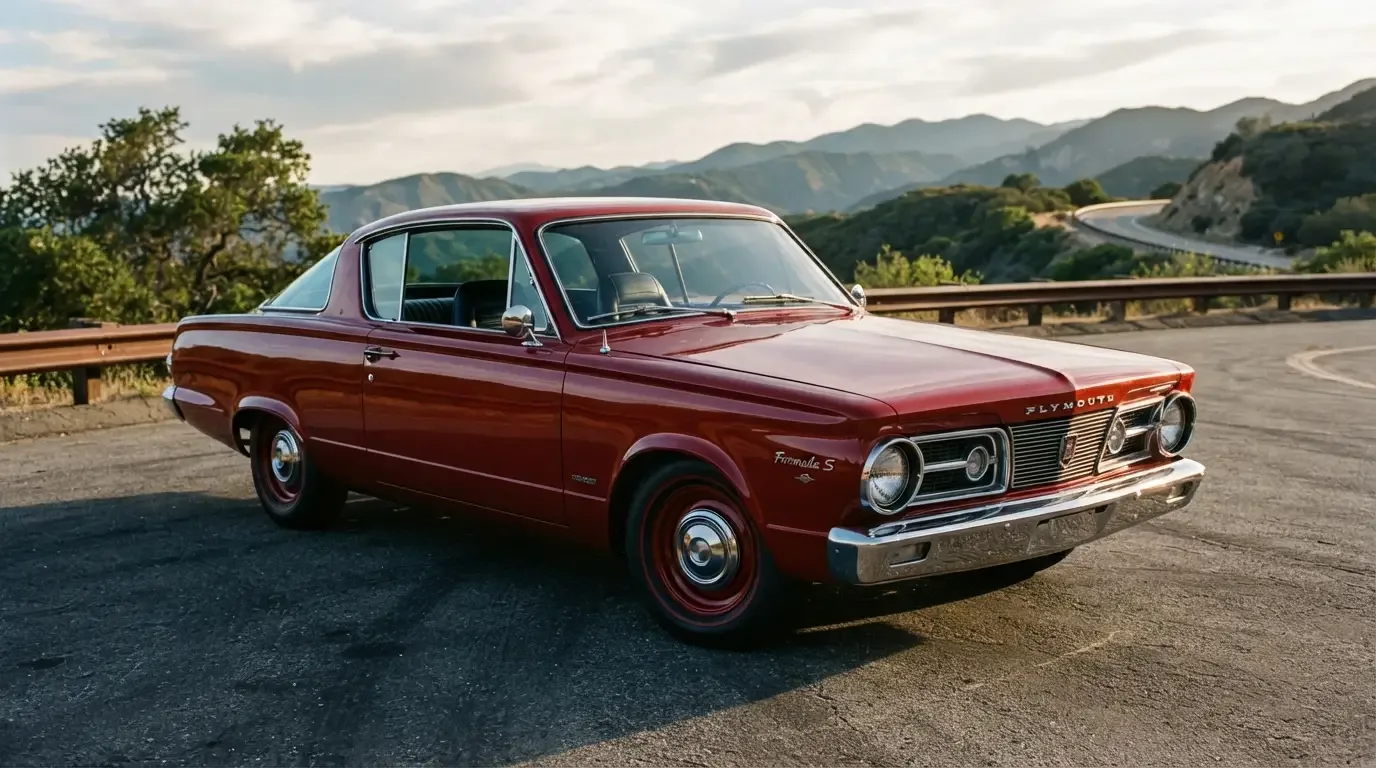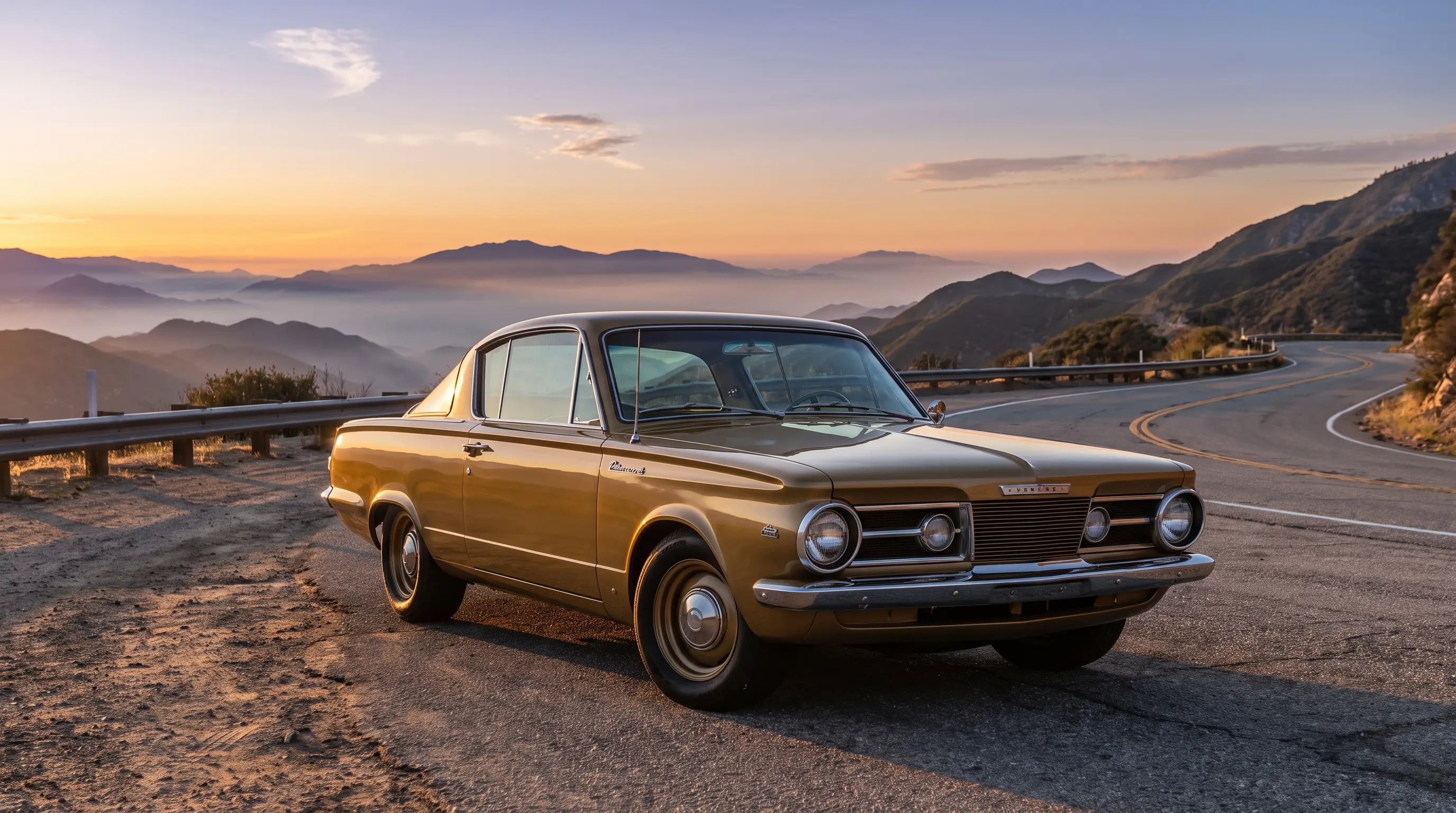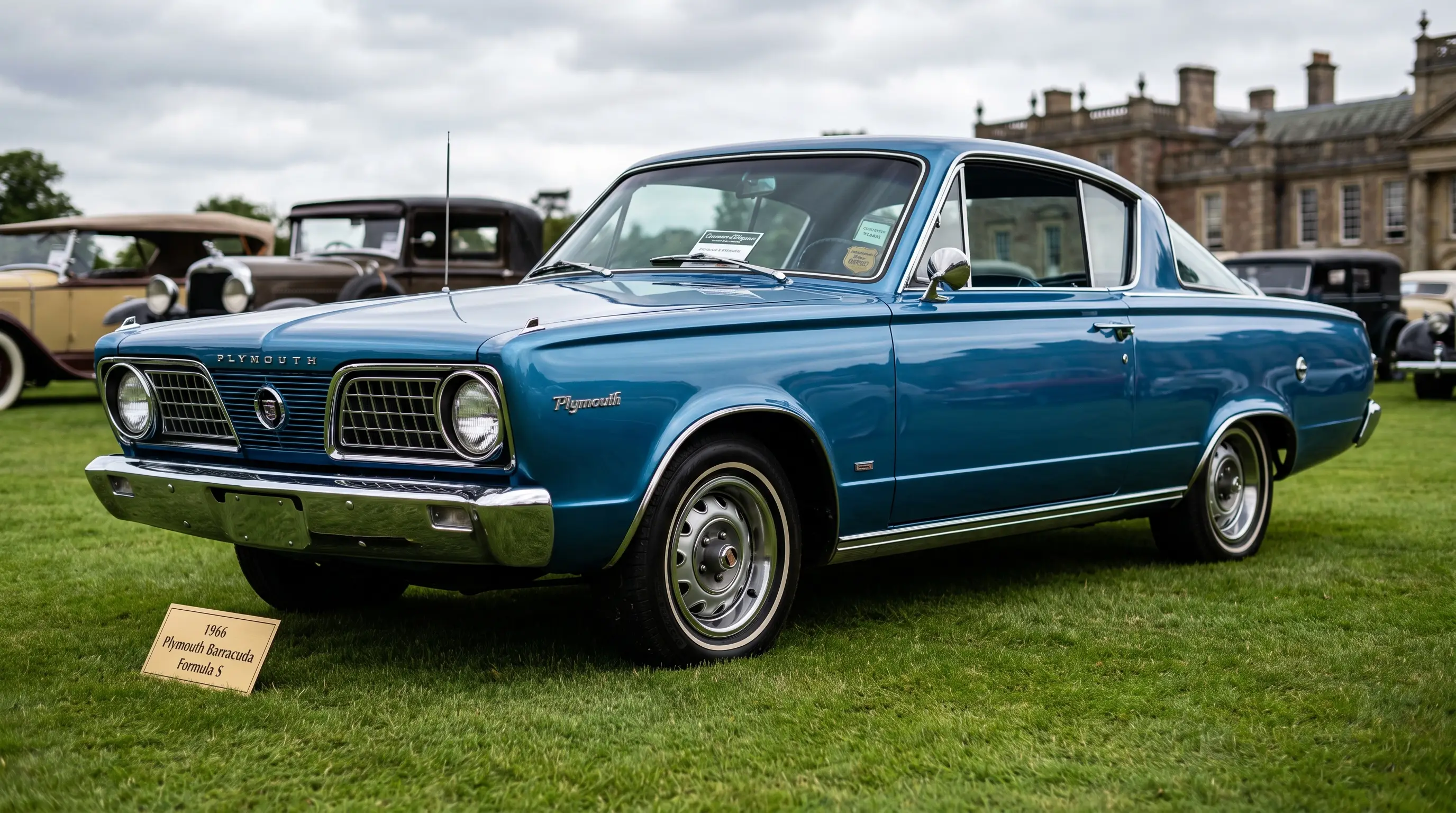
Plymouth's records from 1965 describe the Formula S package in fairly plain language for what it actually did to a Barracuda. It was an options bundle, not a separate model, and that distinction matters more than most casual histories of the car acknowledge. Understanding barracuda formula s history means starting with what Plymouth's own paperwork called it, not with the nickname enthusiasts attached to it decades later.
An options package, not a separate model
When Plymouth introduced the Formula S option in April 1965, it was added to the existing Barracuda body rather than sold as a distinct car with its own name on the fender. Buyers checked a box on the order form, and that box brought a specific combination of engine, suspension, and trim changes rather than a completely different vehicle. Factory literature from the period treated it as a performance and handling package layered onto the standard Barracuda, aimed at buyers who wanted their fastback to actually handle like something more than a Valiant with a different roofline.
That distinction shaped how the option evolved over the following years. Rather than developing a separate model line with its own engineering budget, Plymouth kept updating the Formula S package as engine offerings changed, which is why the same name applies to cars with meaningfully different hardware depending on the model year in question.
Factory order guides from the period list Formula S alongside other Barracuda options rather than in a separate section reserved for distinct models, which tells you how Plymouth's own sales organization thought about the package internally. Dealers ordered the option the same way they ordered power steering or an upgraded radio, even though the actual effect on how the car drove was considerably more significant than either of those choices.
The 1965 debut and the Commando 273
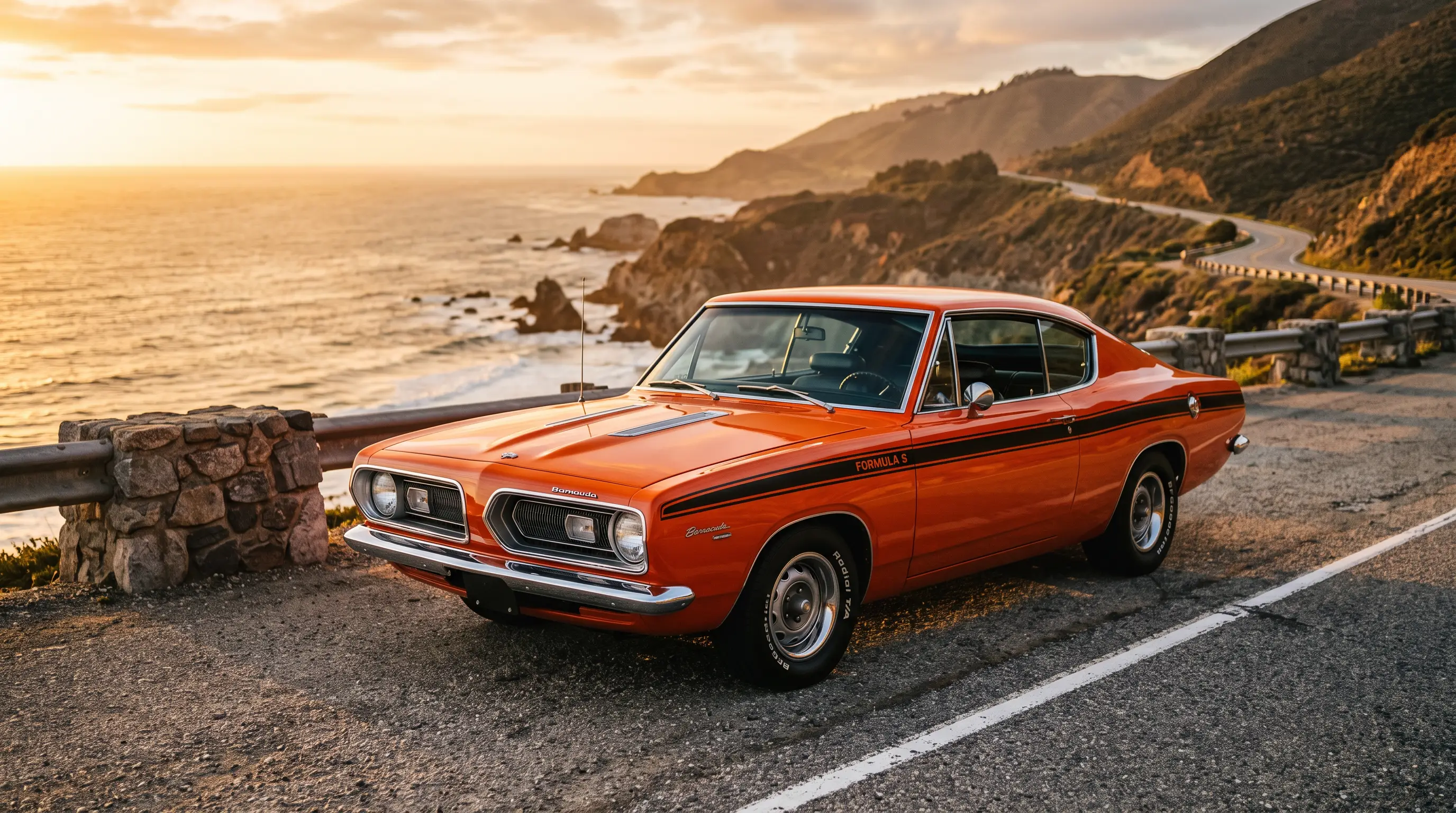
The first Formula S package centered on the Commando 273 V8, a high output version of Plymouth's small displacement engine rated at 235 horsepower, paired with a firmer suspension setup that included heavier torsion bars, uprated shocks, and a front sway bar. Wider wheels and a set of exterior badges rounded out the visual identification, modest by later muscle car standards but distinct enough that period buyers knew exactly what they were looking at.
Road testers of the era generally treated the package as a legitimate improvement over the standard Barracuda rather than a cosmetic exercise, praising the handling changes more consistently than the outright power figures. That reception set the tone for how the option would be marketed going forward: performance framed through capability on a road, not just a straight line.
Plymouth's own advertising leaned into that framing too, positioning the Formula S against imported sports cars in some period materials rather than solely against domestic rivals. That was an unusual comparison for an American compact based fastback to invite, and it reflects how seriously the company wanted the handling improvements to be taken by buyers cross shopping something other than a typical muscle car.
How the package changed through the late sixties
By 1967, the Formula S option carried the availability of Plymouth's 383 cubic inch big-block V8, a significant jump in displacement that created its own set of engineering compromises inside a chassis originally sized around a compact platform. The bigger engine changed the car's weight distribution enough that period reviewers noted the difference in how it drove compared to the smaller displacement versions, a detail covered in more depth in a related story about the original 273 powered cars specifically, and the full Formula S story ties every model year of the package together in one place.
Later Formula S packages through 1969 shifted toward the 340 cubic inch V8 as Plymouth's engine lineup evolved, offering a middle ground between the original 273's balance and the 383's raw displacement. Each iteration kept the handling package elements that had defined the option since 1965, even as the engine choices underneath changed to match what Plymouth had available in a given model year.
The 1969 model year also arrived alongside a broader redesign of the Barracuda body itself, which meant the Formula S option had to be reworked around a physically larger car than the compact platform it started on in 1965. That redesign is a dividing line historians use often, separating the first generation Formula S cars from the ones that followed on the redesigned body, since the handling package's effect on a heavier car was not identical to its effect on the original.
Why the factory paperwork matters to collectors today
Because Formula S was an option rather than a distinct model, verifying a car's authenticity depends heavily on factory build documentation rather than visual inspection alone. A Barracuda can wear Formula S badges and still lack the actual mechanical package if a previous owner added trim pieces without the underlying hardware, and the reverse is also true: some cars carry the full mechanical package without every exterior identifier intact.
Broadcast sheets, fender tags, and Chrysler's build records remain the most reliable way to confirm what a specific car actually left the factory with. Collectors researching a particular Barracuda should treat those documents as the primary source, with badges and trim serving only as a secondary confirmation rather than proof on their own.
This is not a minor academic point. Because the Formula S name stayed in use across engines ranging from a 273 small-block to a 383 big-block, two cars carrying identical badging can represent genuinely different performance packages underneath. A researcher who assumes consistency across model years risks misdating or misvaluing a car based on assumptions that simply do not hold once the paperwork gets checked.
"An options package tells a more honest story than a separate model line ever could, because it forces you to look at exactly what Plymouth changed and exactly when, instead of accepting a marketing name at face value."
- Tom Ramirez
The lasting shape of the Formula S story
Plymouth never treated the Formula S as a flagship the way some rivals treated their top performance trims. It was a steadily updated option that tracked the company's engine lineup for most of the decade, which makes its history less a single story and more a running commentary on how Plymouth's engineering priorities shifted year to year. That is precisely why researching a specific car's history requires knowing which year's package is in question rather than treating Formula S as one static specification.
For anyone drawn to this history because they are considering a purchase rather than just reading about it, Barracudas for sale now is worth checking against the documentation standards outlined here before any offer gets made. Ask which engine option the seller believes is original, then ask what document proves it.