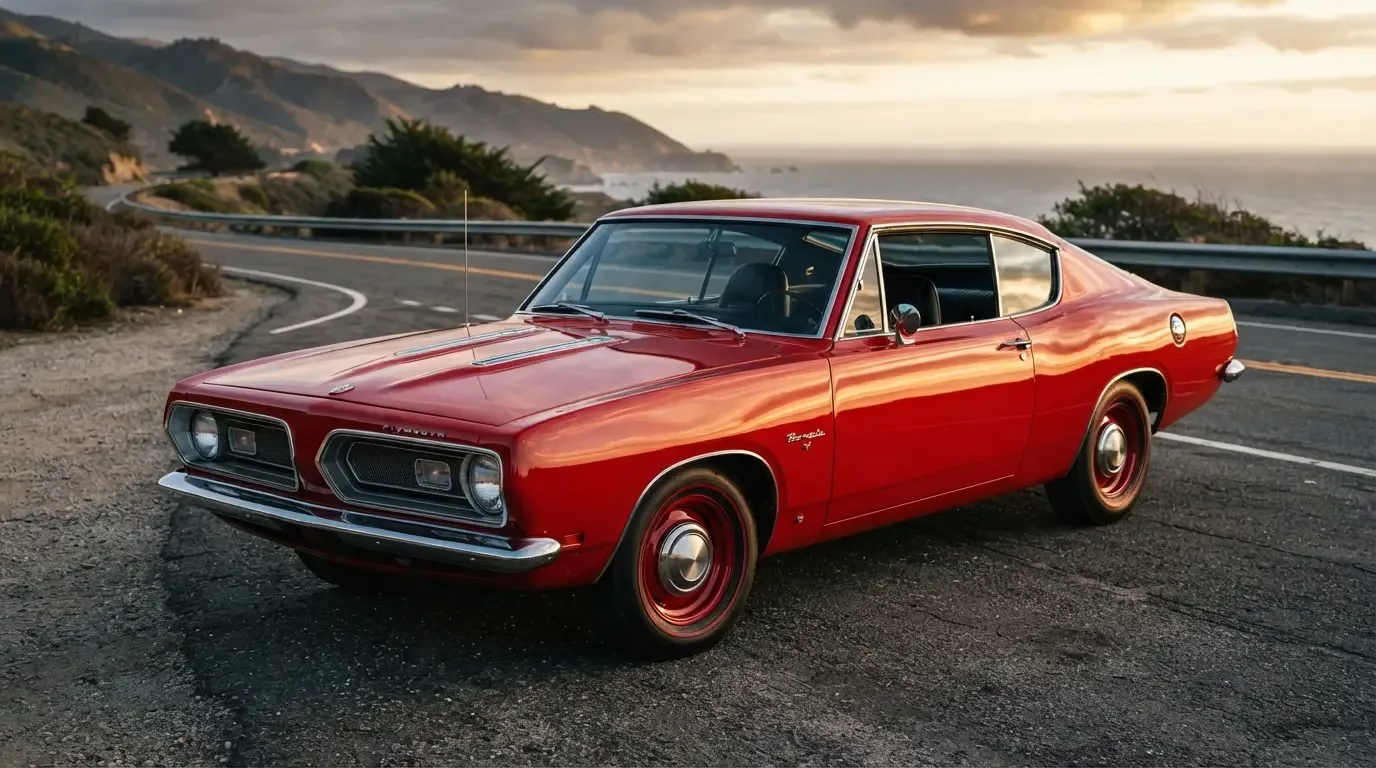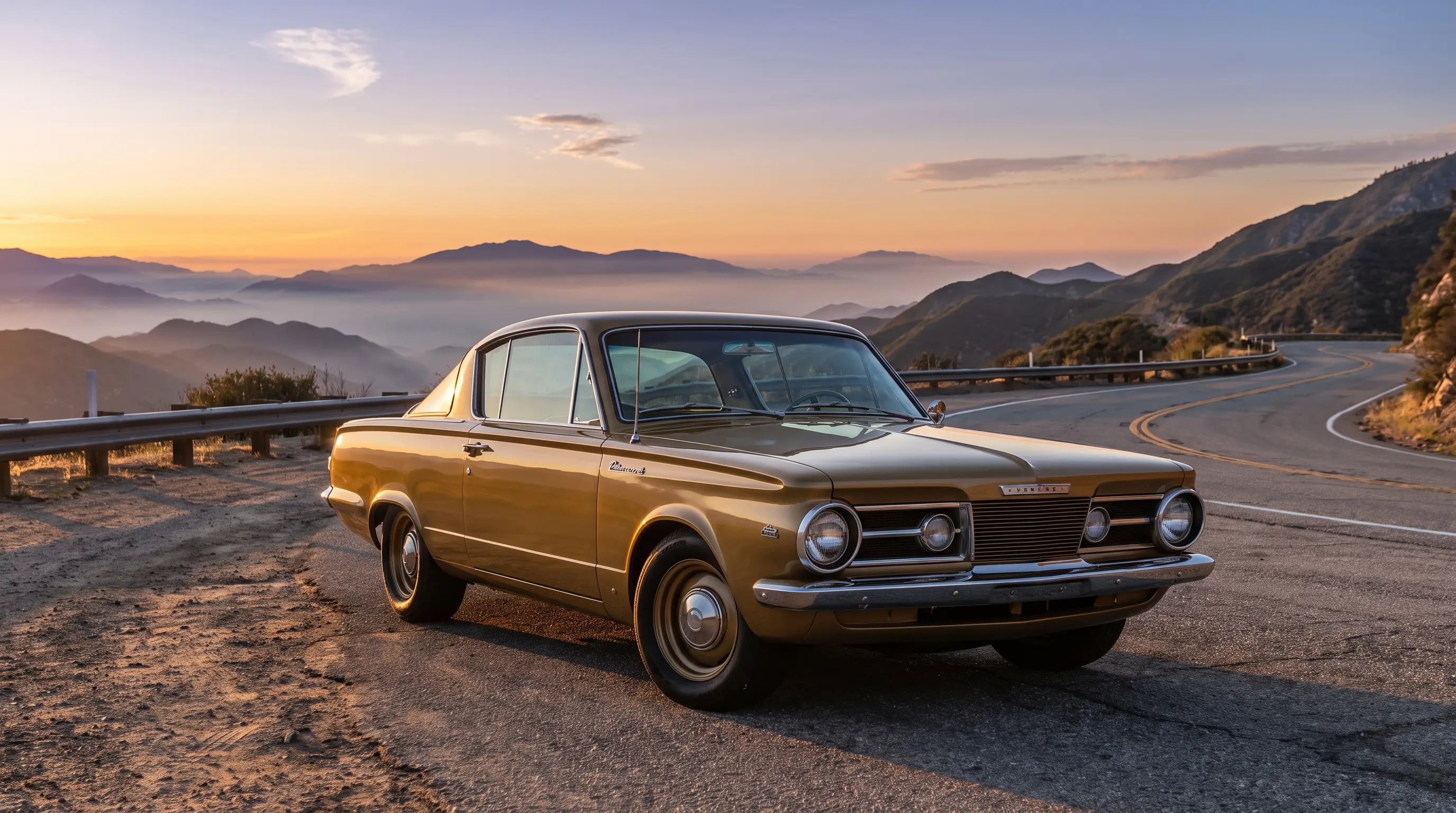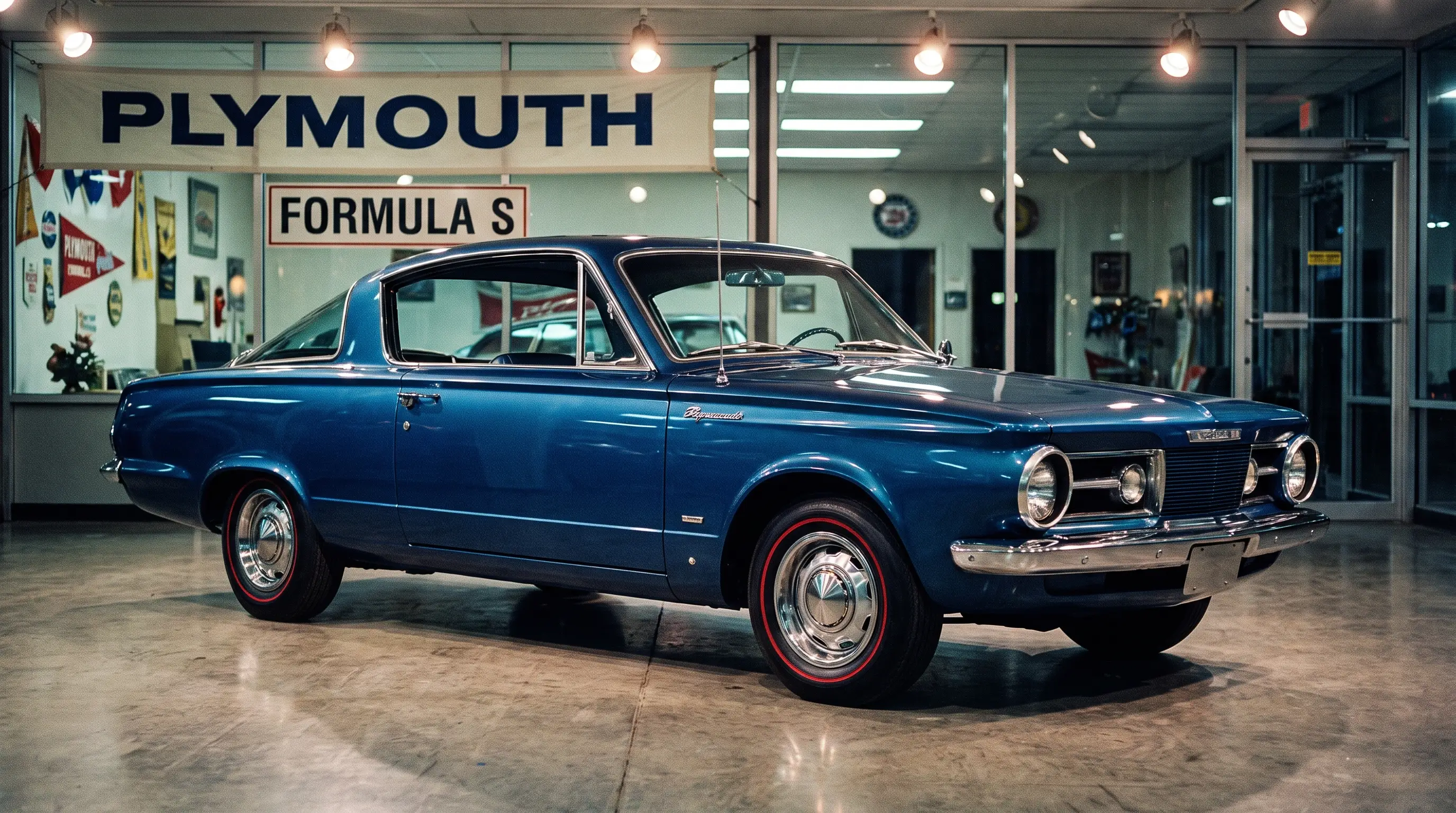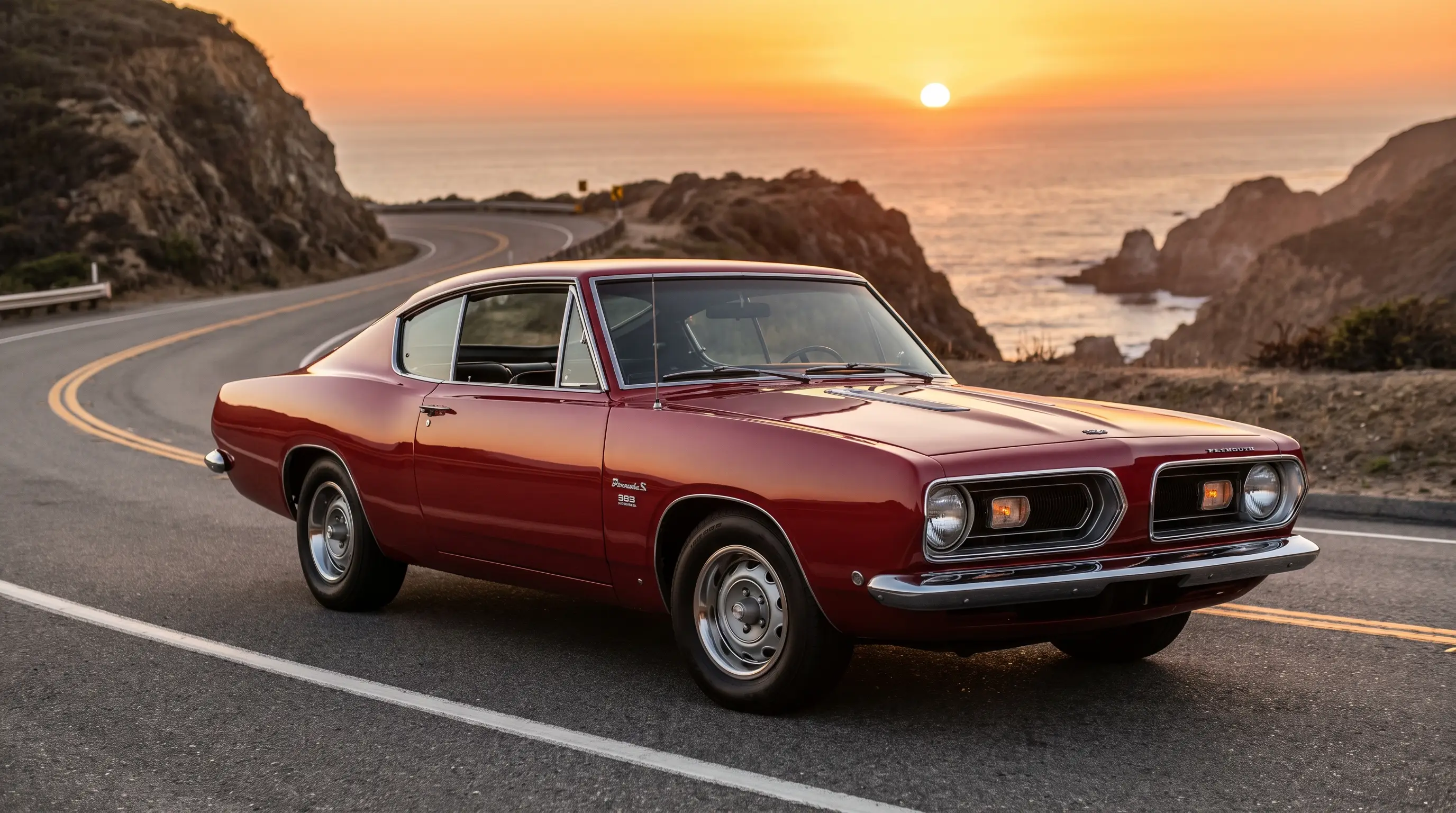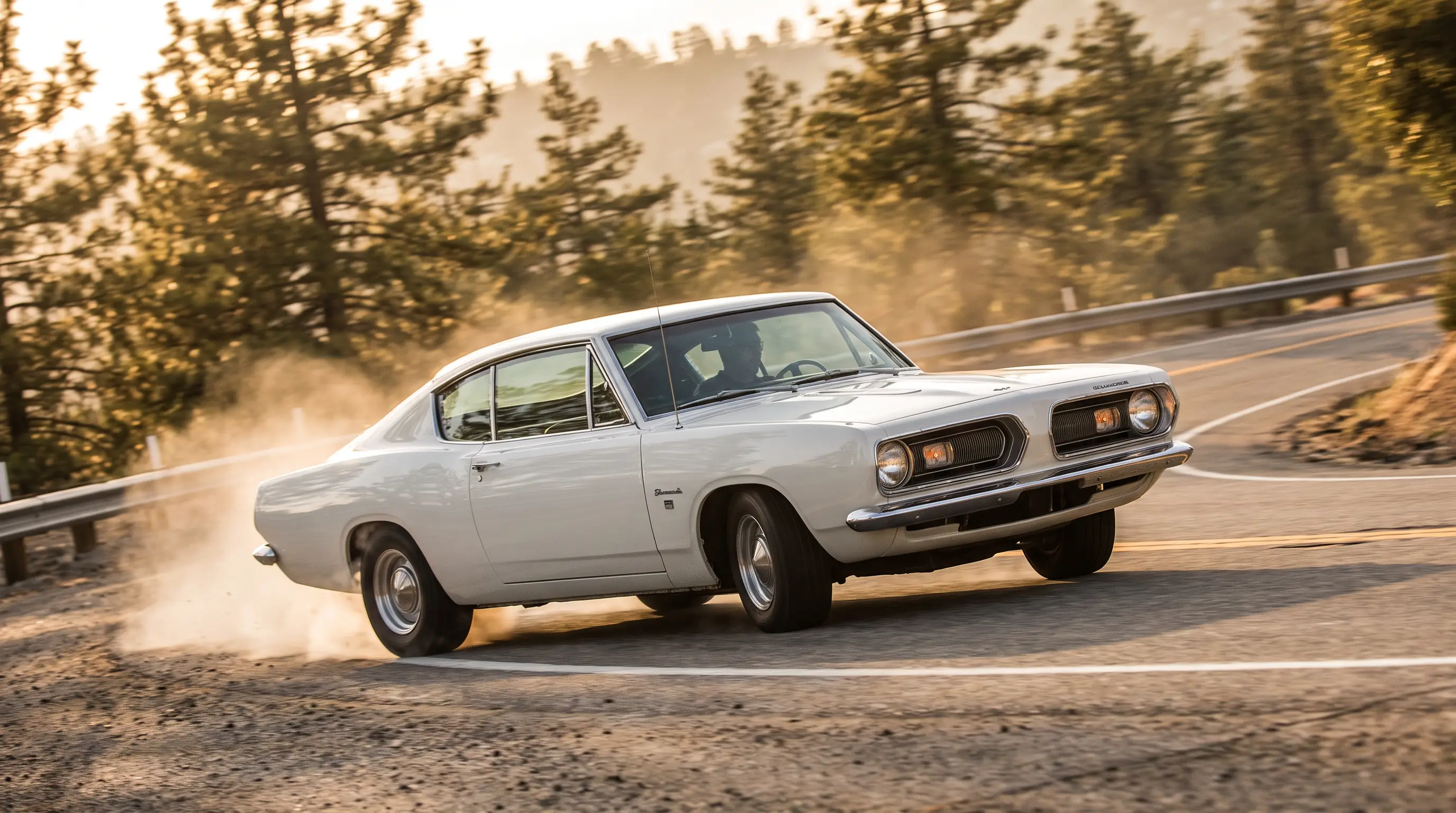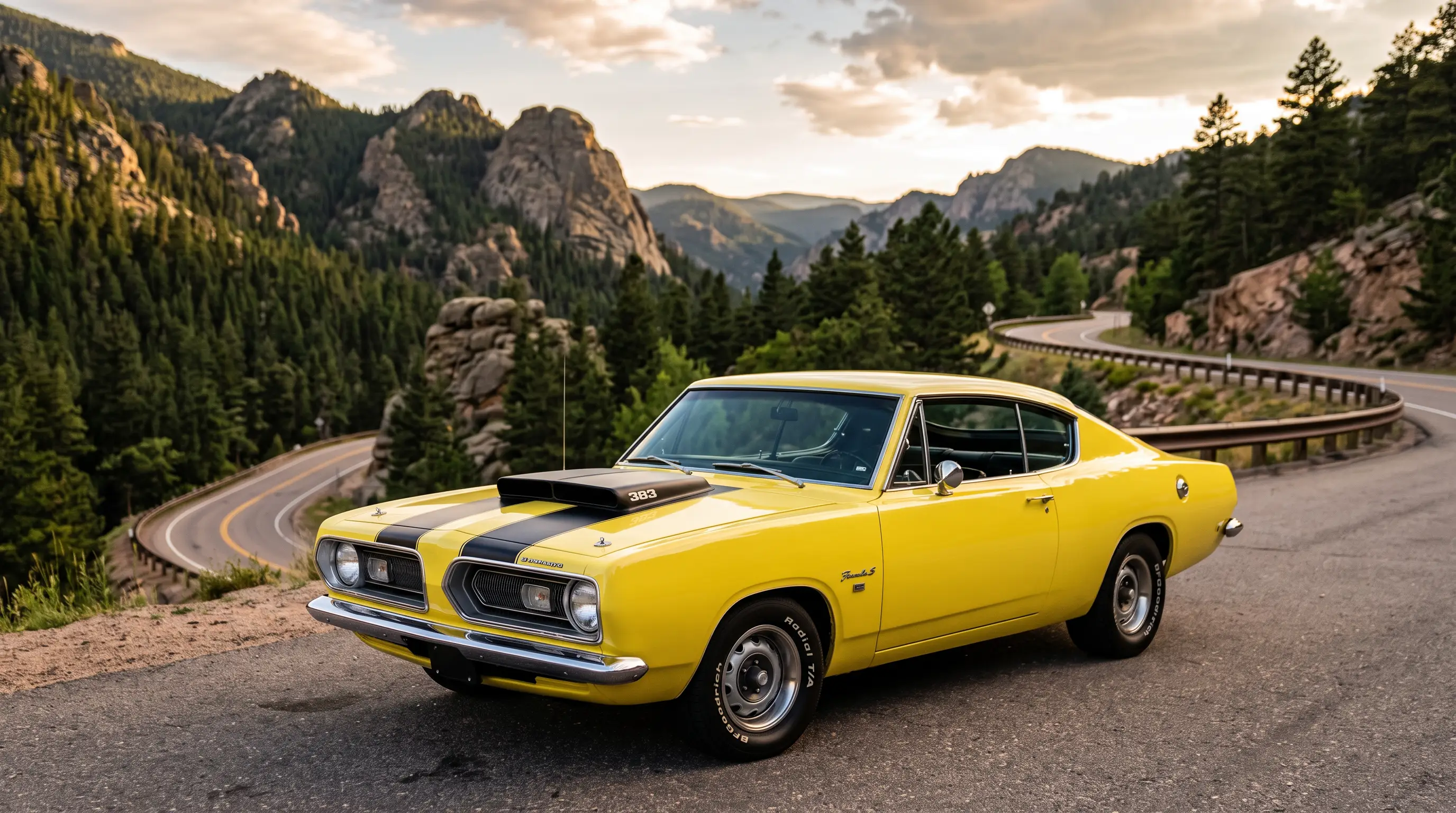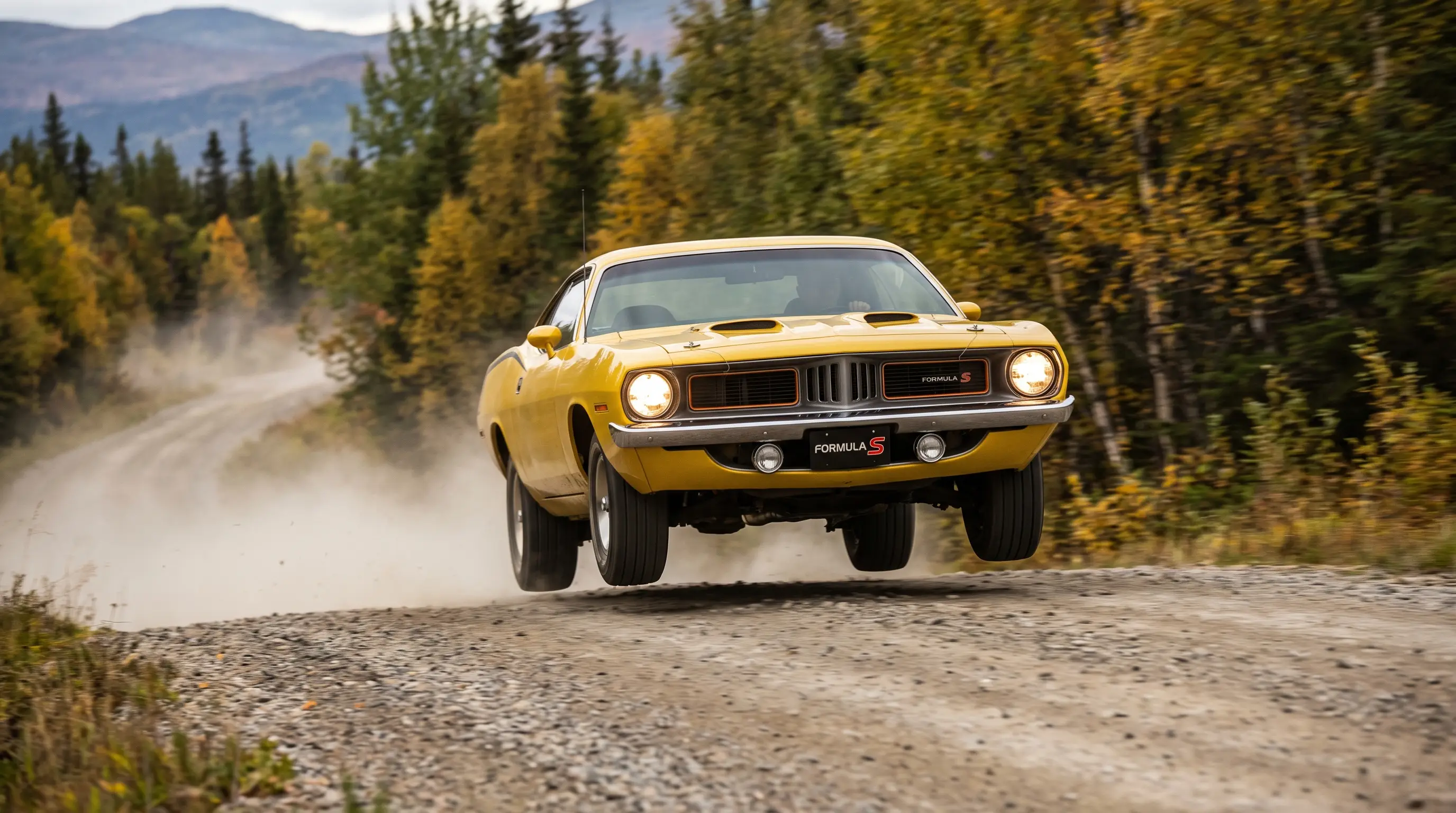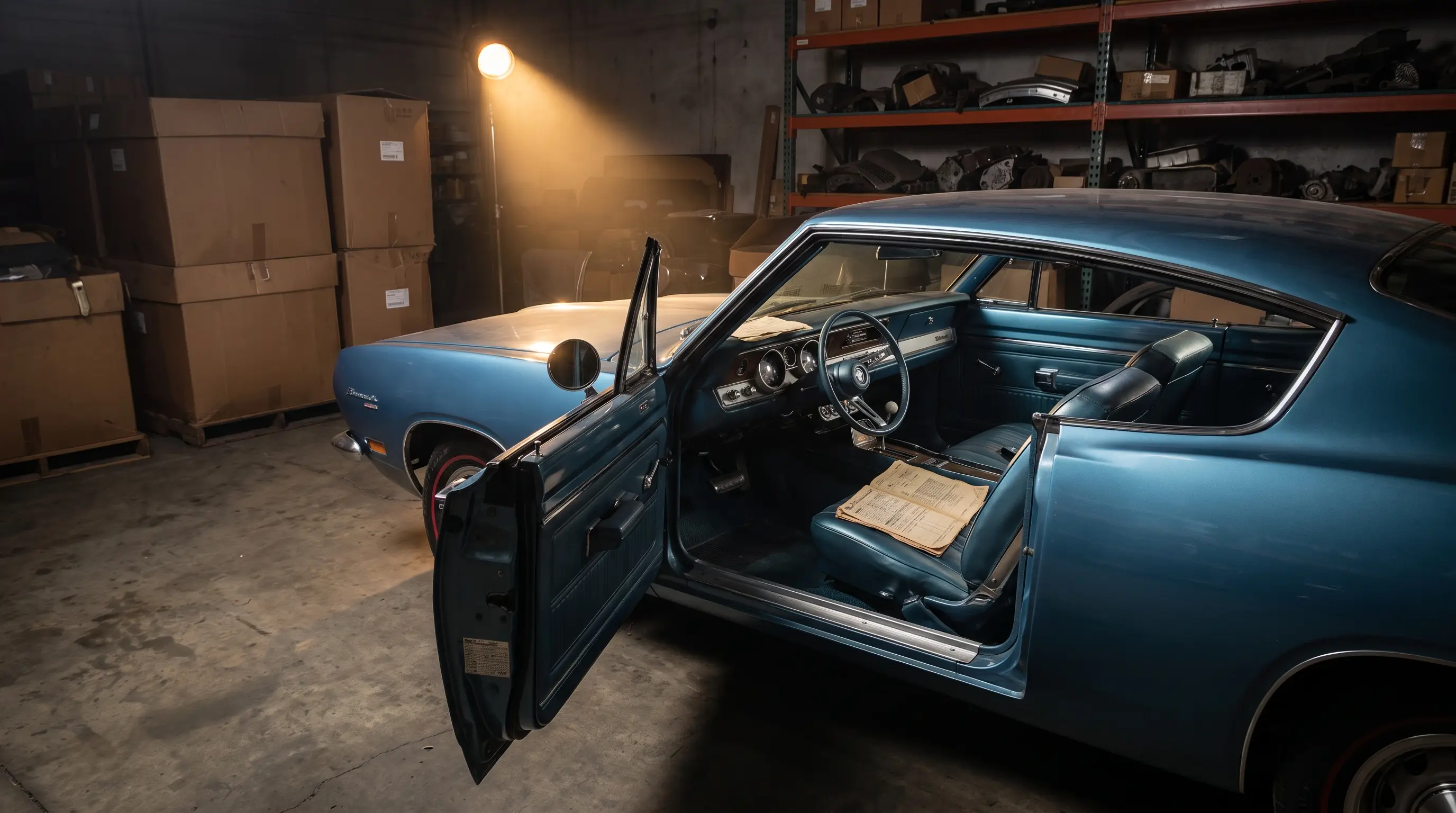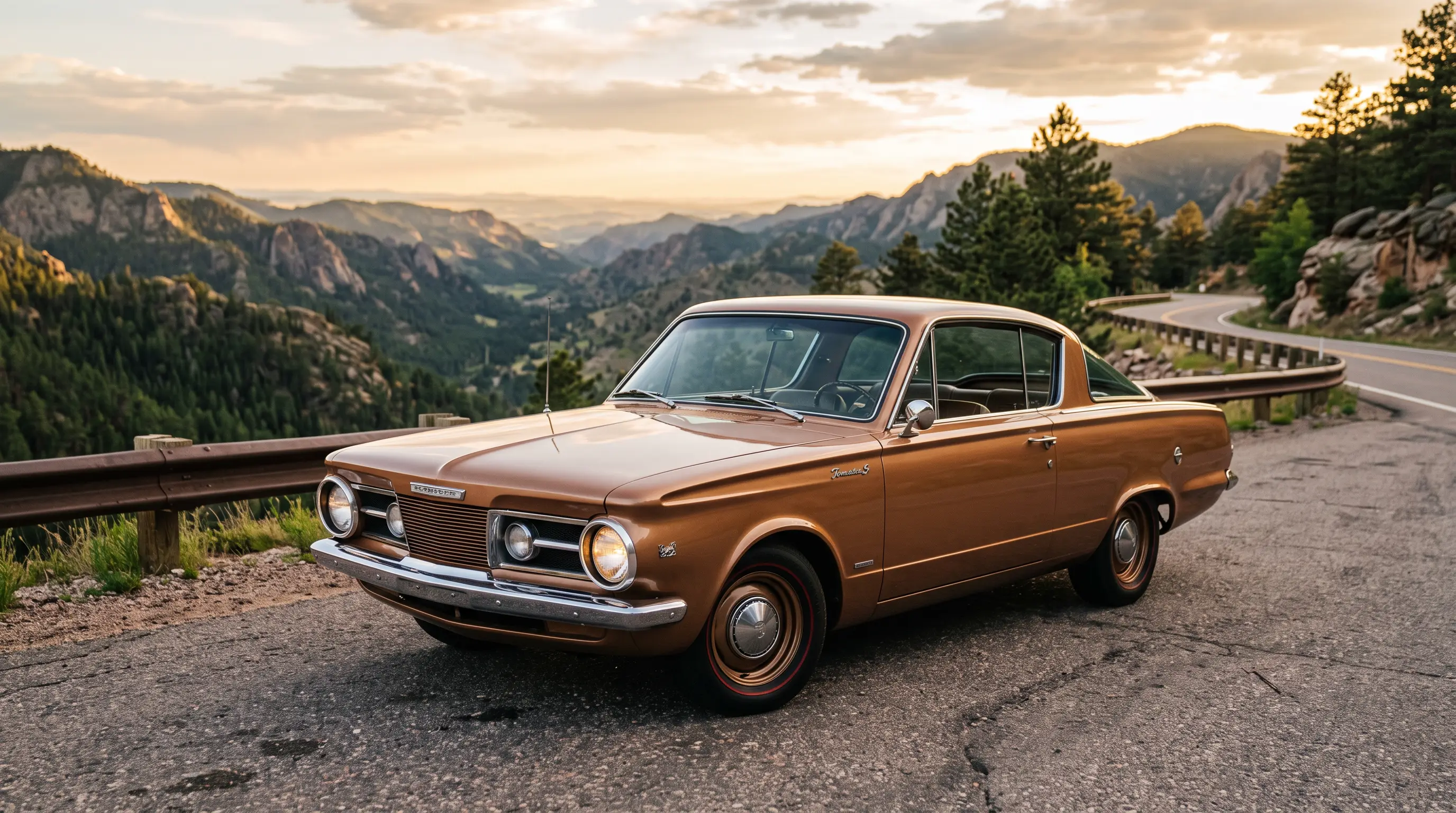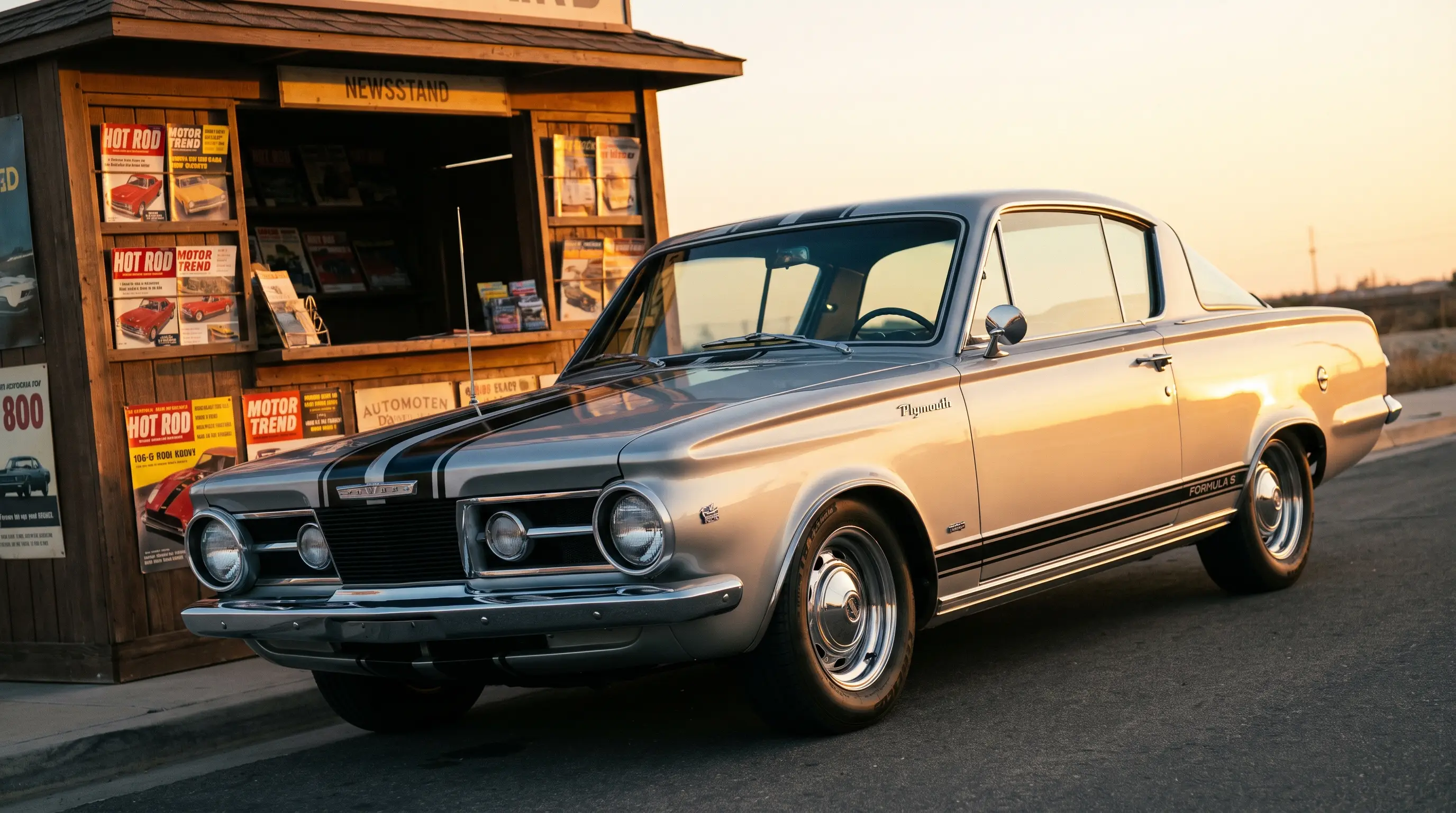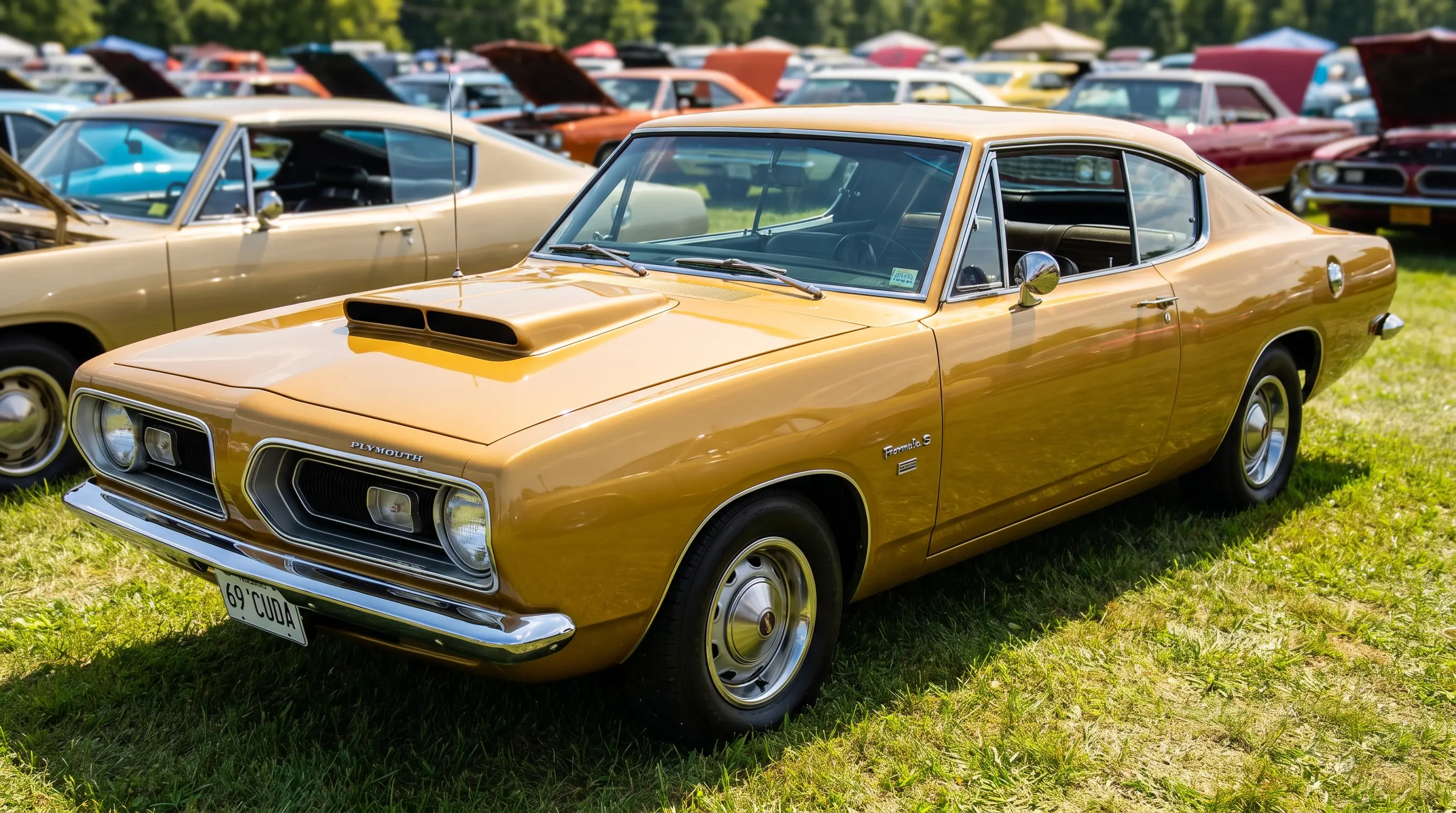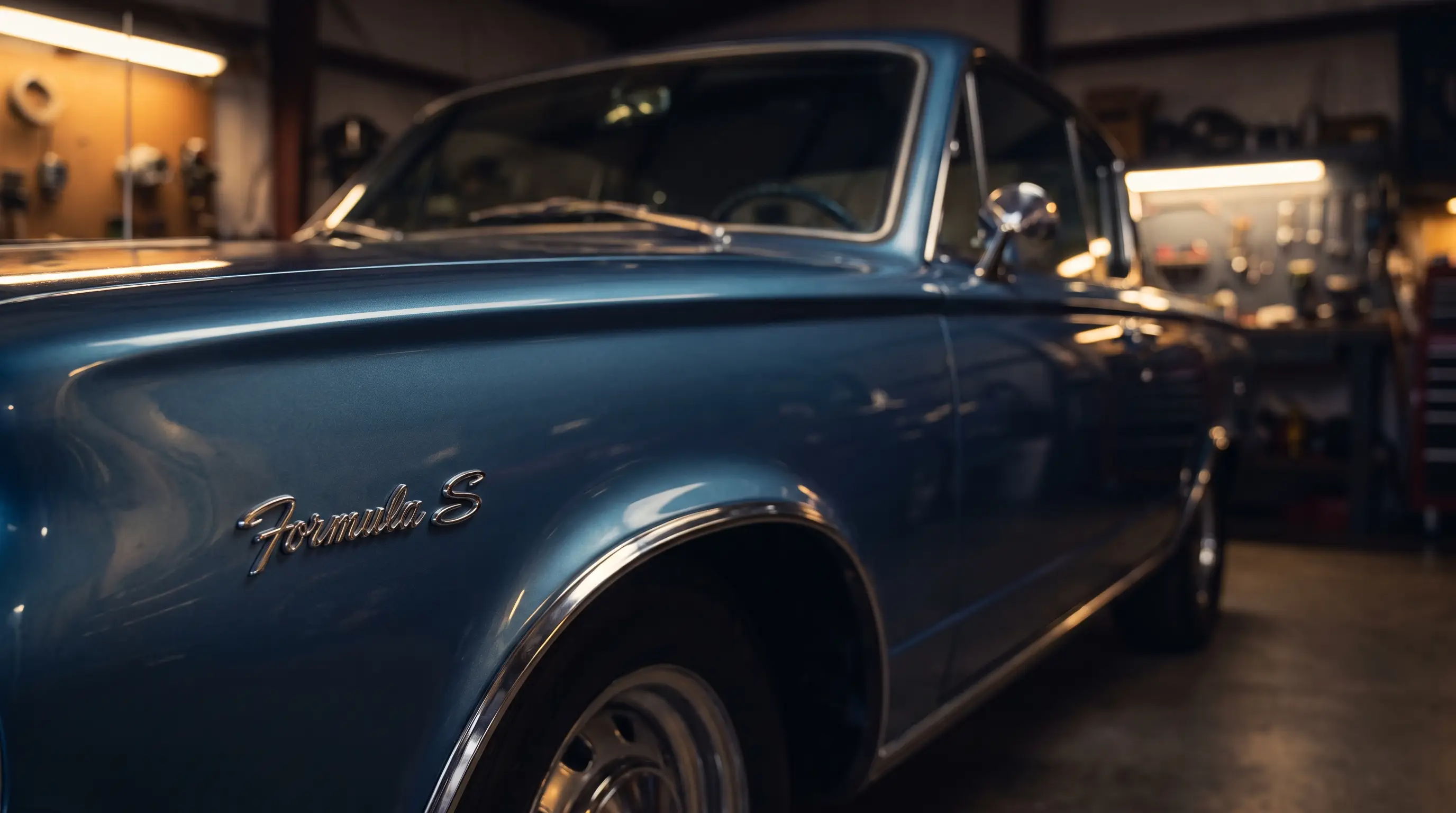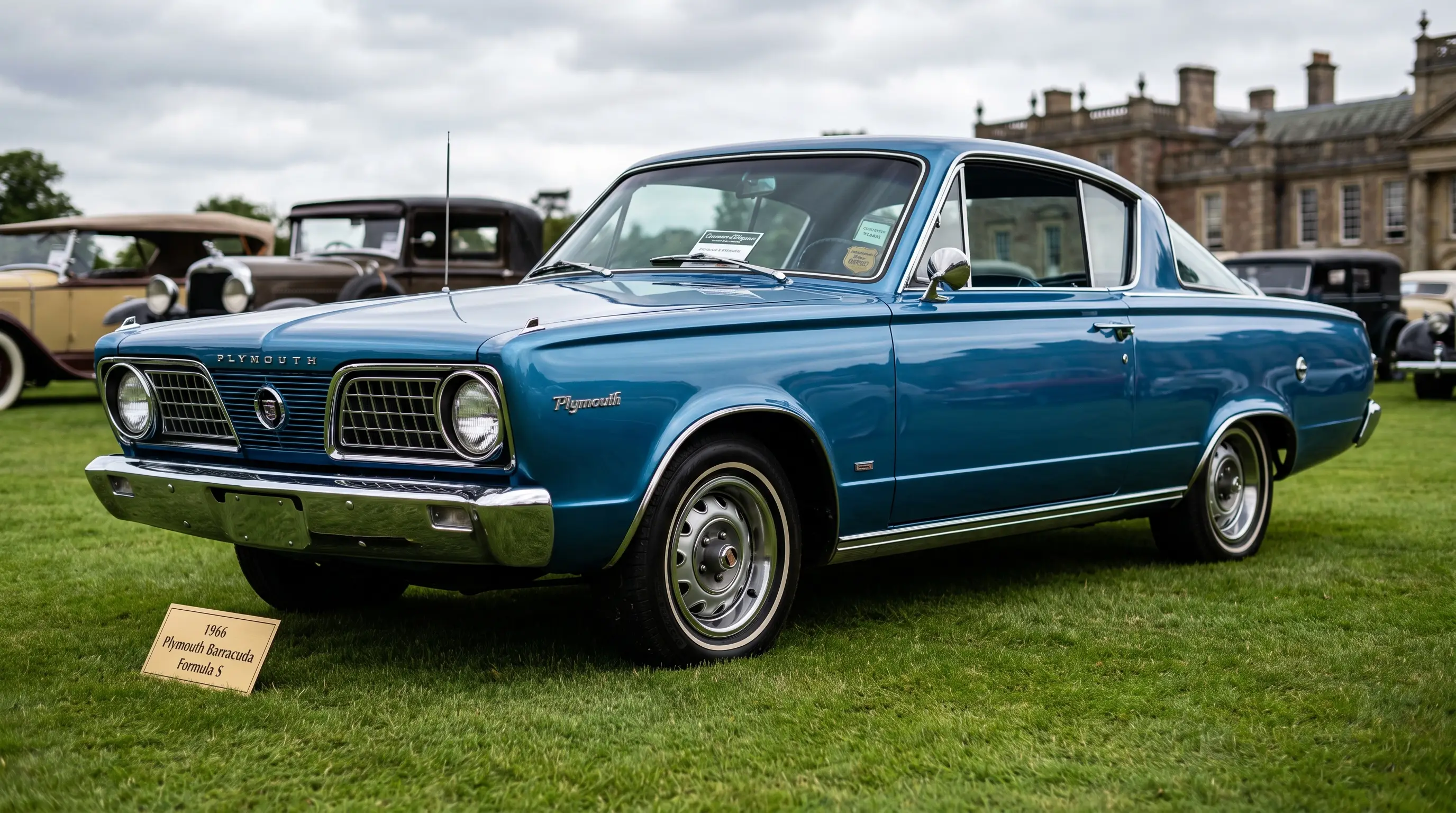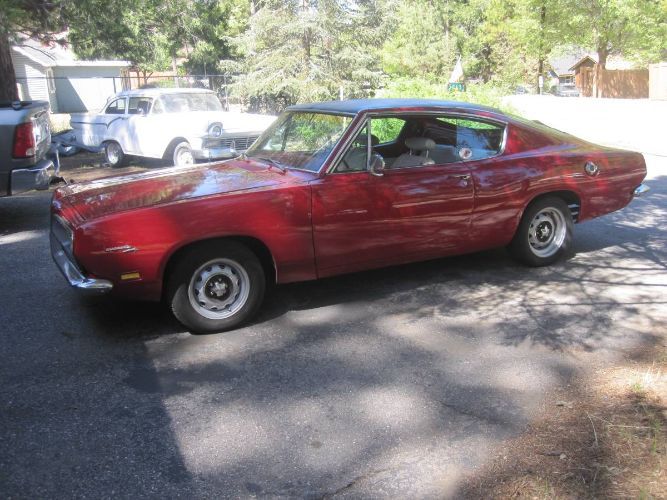
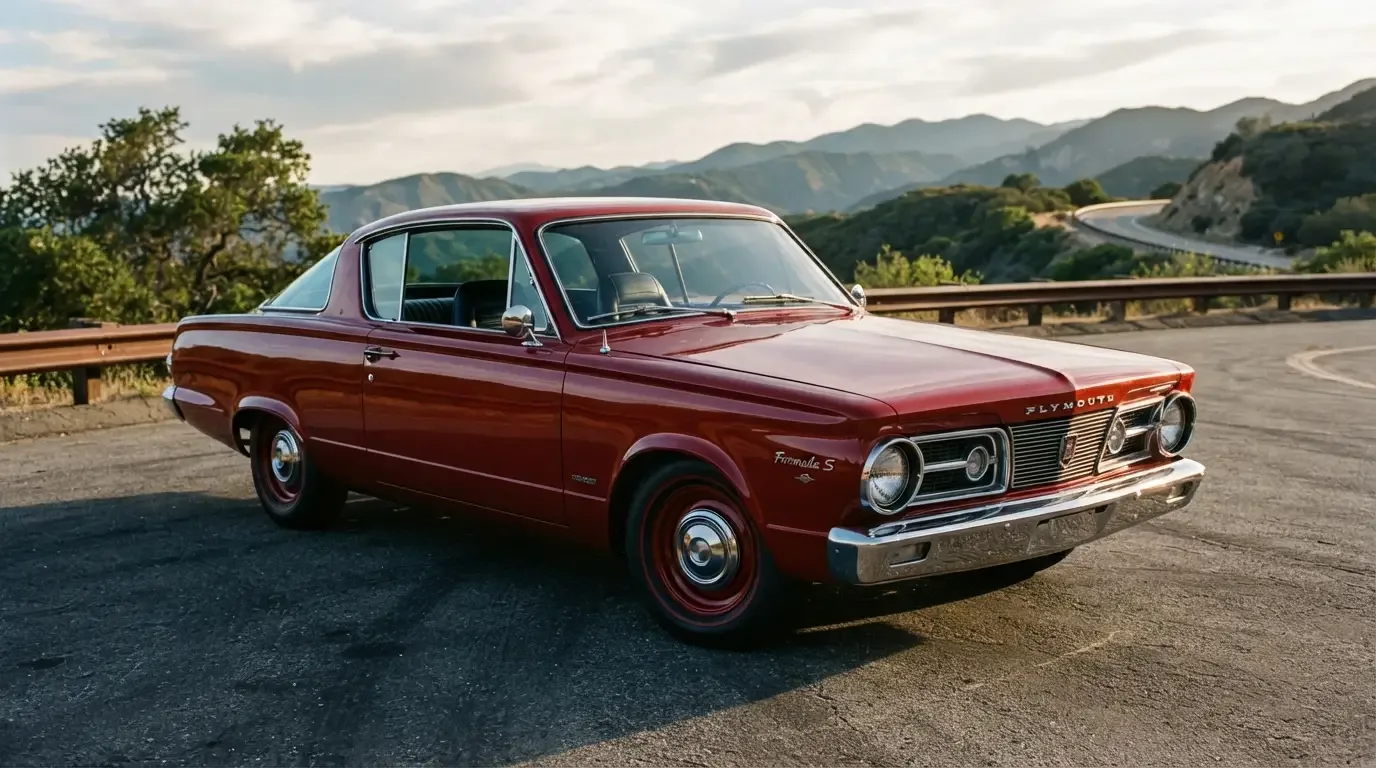
There is a man in our local Mopar club who still owns the 1966 Barracuda Formula S he bought used in 1971, and he can tell you the day he found it because it was the same weekend his daughter learned to walk. He kept the car and, obviously, the daughter. What he likes to point out, once the coffee is poured and the folding chairs are out, is that most people who talk about Plymouth muscle skip right past the Formula S and land on the Hemi Cuda. That is a mistake, he says, because the Barracuda Formula S is where the whole performance idea started. He is right, and the paperwork backs him up.
This is the story of the option package that gave a sensible economy fastback its first real athletic credential, told the way the club tells it, which is to say from the cars up.
Before the muscle, a practical little fastback
The Barracuda arrived in 1964 as a fastback variant of the Valiant, Plymouth's compact economy car, and nobody would have called it a performance machine at launch. It had that enormous curved rear glass and a fold-down rear seat, and it was pitched at buyers who wanted something a little sporty without leaving the sensible end of the showroom. The bones were good. The image needed work.
Plymouth understood that a sporty shape without a sporty driving experience is just a promise nobody keeps. So in 1965 the company introduced the Formula S package, and that changed the conversation. It did not turn the Barracuda into a different car. It turned it into the car the styling had been hinting at all along. Ask anyone in the club and they will tell you the same thing. The shape wrote a check in 1964, and the Formula S is what finally cashed it in 1965.
What the Formula S package actually included
The heart of the early Formula S was the Commando 273 cubic inch V8, a small block tuned for more than grocery duty. It carried a four-barrel carburetor, higher compression, and a hotter cam, and it was rated at 235 horsepower. That was a genuine step up from the base engines, and more to the point, it was backed by hardware that let the car use the power.
Because a Formula S was never just an engine. The package added a heavy-duty suspension, wider wheels and tires, a tachometer, and the badging that told everyone at the drive-in what they were looking at. The idea was balance. Plymouth did not want a fast car that could not corner or stop, and the Formula S reflected that. The old-timers in the club appreciate this, because it means the car drives like a whole thought rather than a spare part. You can chase down the full model narrative in the plymouth barracuda story, but the short version is that the Formula S is the moment the Barracuda grew up.
| Specification | Early Barracuda Formula S |
|---|---|
| Introduced | 1965 |
| Signature engine | Commando 273 cubic inch V8 |
| Carburetor | Four-barrel |
| Rated output | 235 hp |
| Suspension | Heavy-duty, upgraded over base Barracuda |
| Included equipment | Tachometer, wide tires, Formula S badging |
The 1965 and 1966 cars, and the community that keeps them
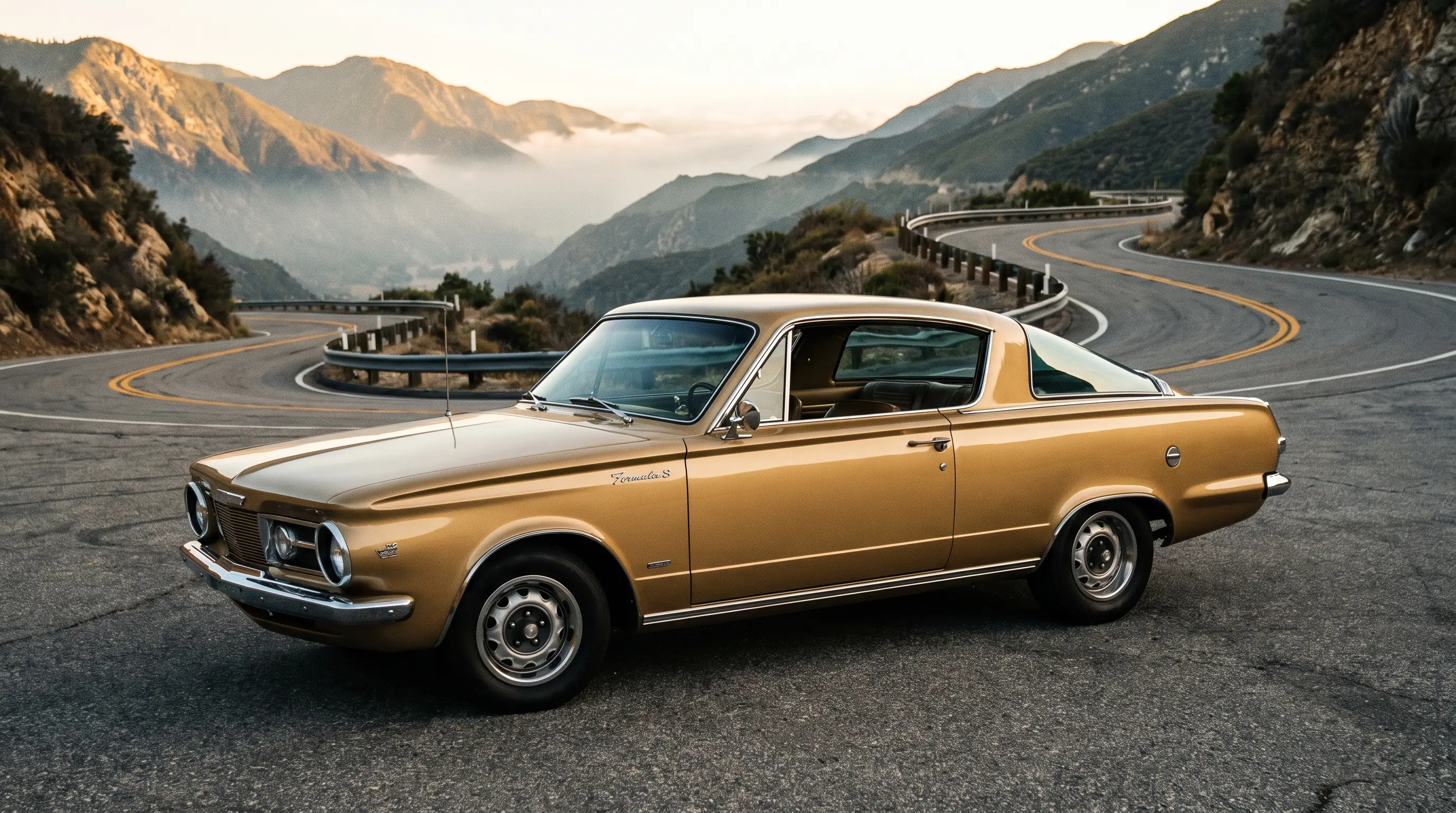
The first-generation Formula S cars, the 1965 and 1966 models, are the ones the purists in our club get sentimental about. They still ride on the Valiant-derived A-body platform, they still have that wraparound rear window, and they carry the Commando 273. There is an honesty to them. They were quick for their day without pretending to be something they were not, and the people who own them tend to have owned them a long time.
Part of the affection is the way these cars drive, which is not the way a big-block muscle car drives. The Commando 273 is a light, willing engine, and in a compact A-body it makes for a car that feels nimble rather than brutal. You steer a Formula S. You do not just point it and hang on. The heavy-duty suspension that came with the package meant the car could actually use a curving road, which was not something you could say about every fast Plymouth of the decade. People who have owned both the early Formula S and the later big-block cars often describe the 273 car as the more satisfying thing to drive on a real road, and they say it a little sheepishly, as if admitting a preference they are not supposed to have.
I have watched more than one of these change hands at a club meet, and it is never a fast transaction. The seller wants to know the car is going somewhere it will be looked after. That is the community talking. The Formula S has always been a car that rewards the person who learns its history rather than the person who just wants a fast Plymouth, because on paper there were faster Plymouths. What the Formula S has is the story of being first.
What it was like to want one in 1965
To understand why the Formula S mattered, you have to remember what a young buyer was choosing between in 1965. The muscle car boom was just getting underway, and most of the affordable sporty cars were still more about looks than substance. A base Barracuda was a pleasant thing to be seen in, but it would not have embarrassed anybody at a stoplight. The Formula S changed that math. For a reasonable step up in price, a buyer got a car that could actually back up the fastback shape.
Our club has a couple of members who were exactly that buyer, and their memories line up. The Formula S was aspirational without being out of reach. It sat in a sweet spot between the plain economy cars and the expensive full-size performance machines, and that positioning is a large part of why it sold and why people remember it fondly. It was the car a young person could stretch to afford and then keep for years, which several of them did. One fellow traded his in during the 1970s and has regretted it at every meeting since, loudly, which the rest of us enjoy.
There is a lesson in that regret. The early Formula S cars were driven as intended, and driven cars get used up. The ones that survived in good order did so because somebody decided early that the car was worth keeping. That decision, made in a driveway decades ago, is why a clean 1965 or 1966 Formula S is a scarcer thing today than the production figures alone would suggest.
How the package evolved through 1969
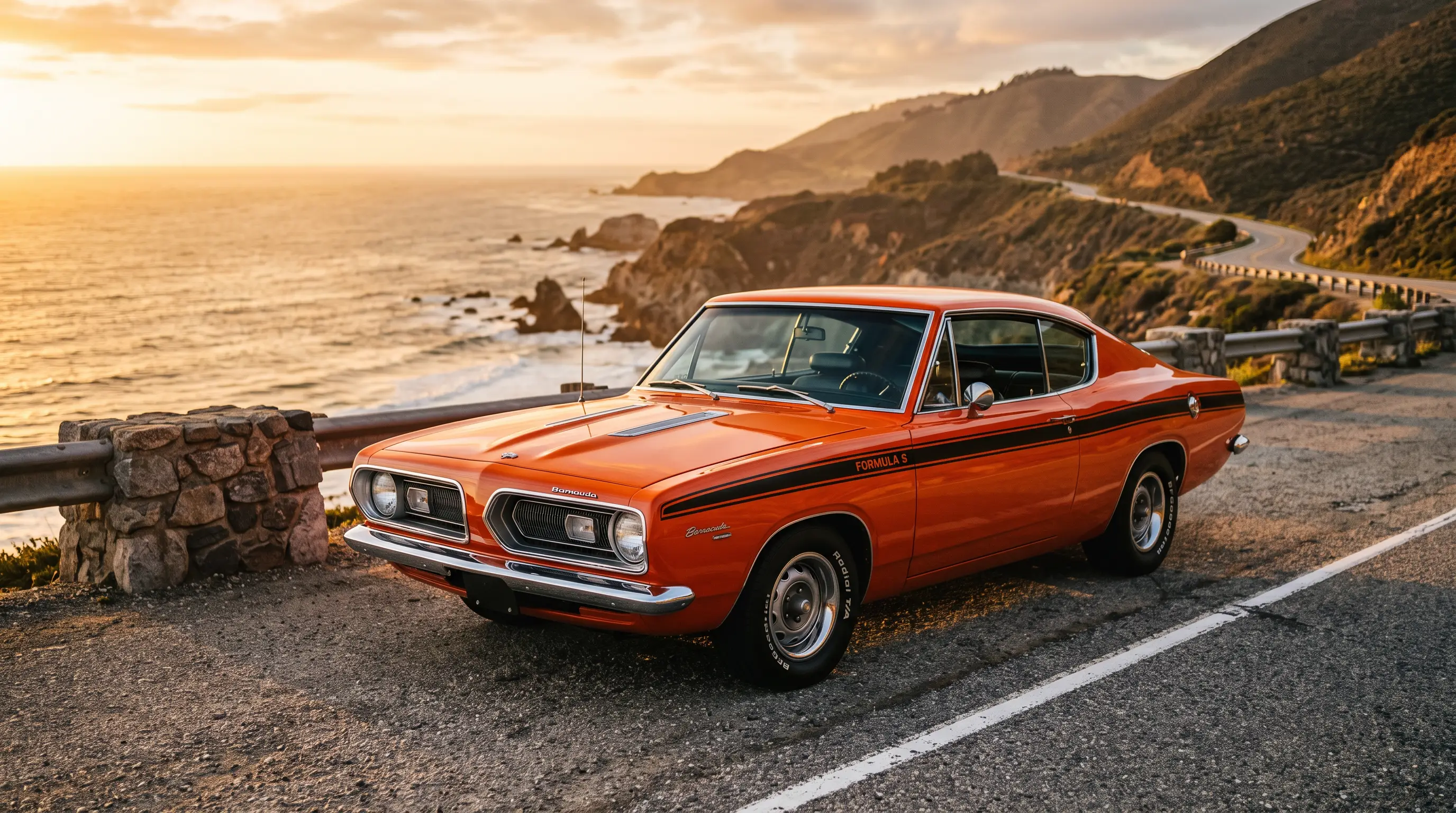
The Formula S did not stand still. When the Barracuda was restyled for 1967, the package grew with it, and the available performance climbed. Buyers could now step up to larger engines, including a 383 cubic inch big block and, later, the 340 small block that would become a legend in its own right. The Formula S name stayed attached to the top of the sporting range, which is exactly where it belonged.
The 1967 restyle deserves a word of its own, because it gave the Barracuda three body styles for the first time, a notchback coupe, a convertible, and the fastback that had defined the car from the start. The Formula S sat on top of all three as the sporting choice, and buyers who ordered the 383 got a genuine big-block Barracuda years before the E-body cars made that combination famous. Club lore holds that the early 383 cars were nose-heavy and eager, and the people who ran them tell those stories with a grin that suggests the reputation was earned.
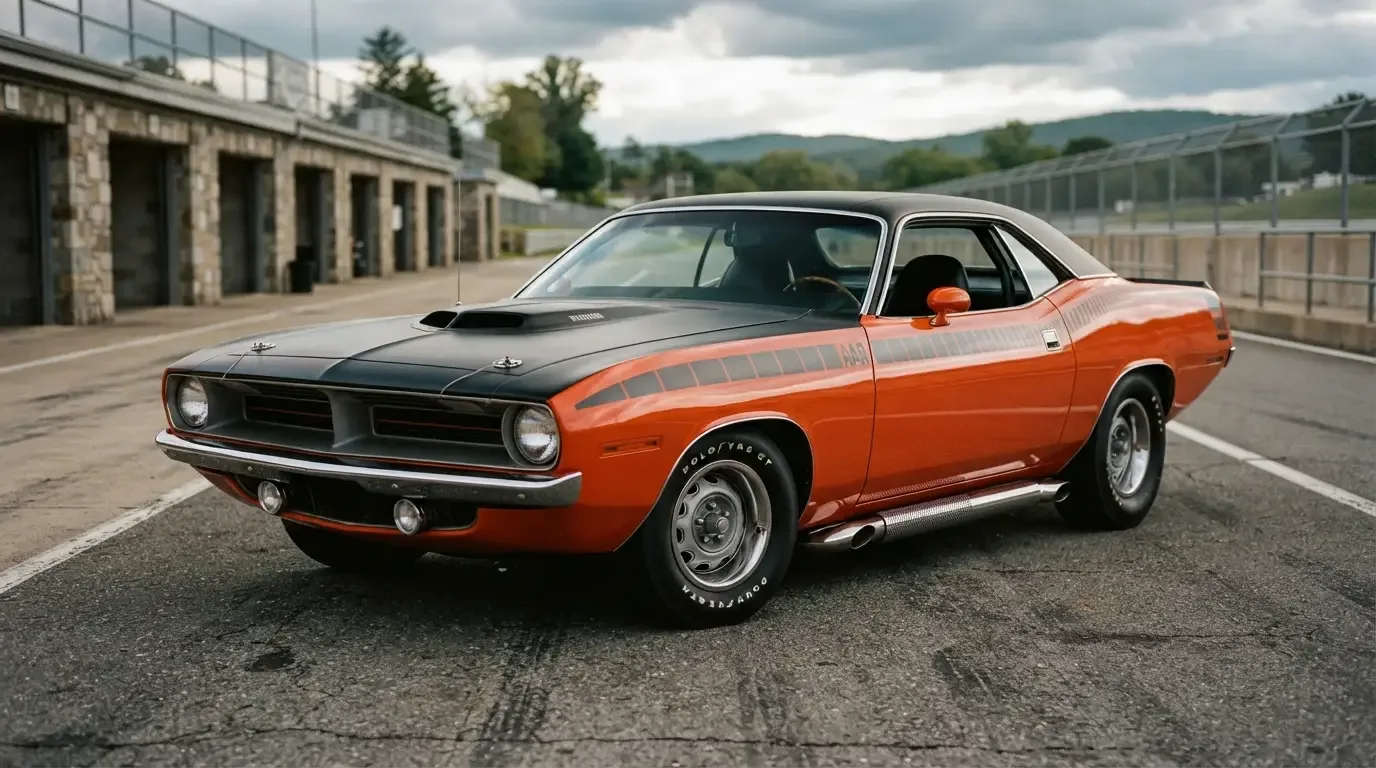
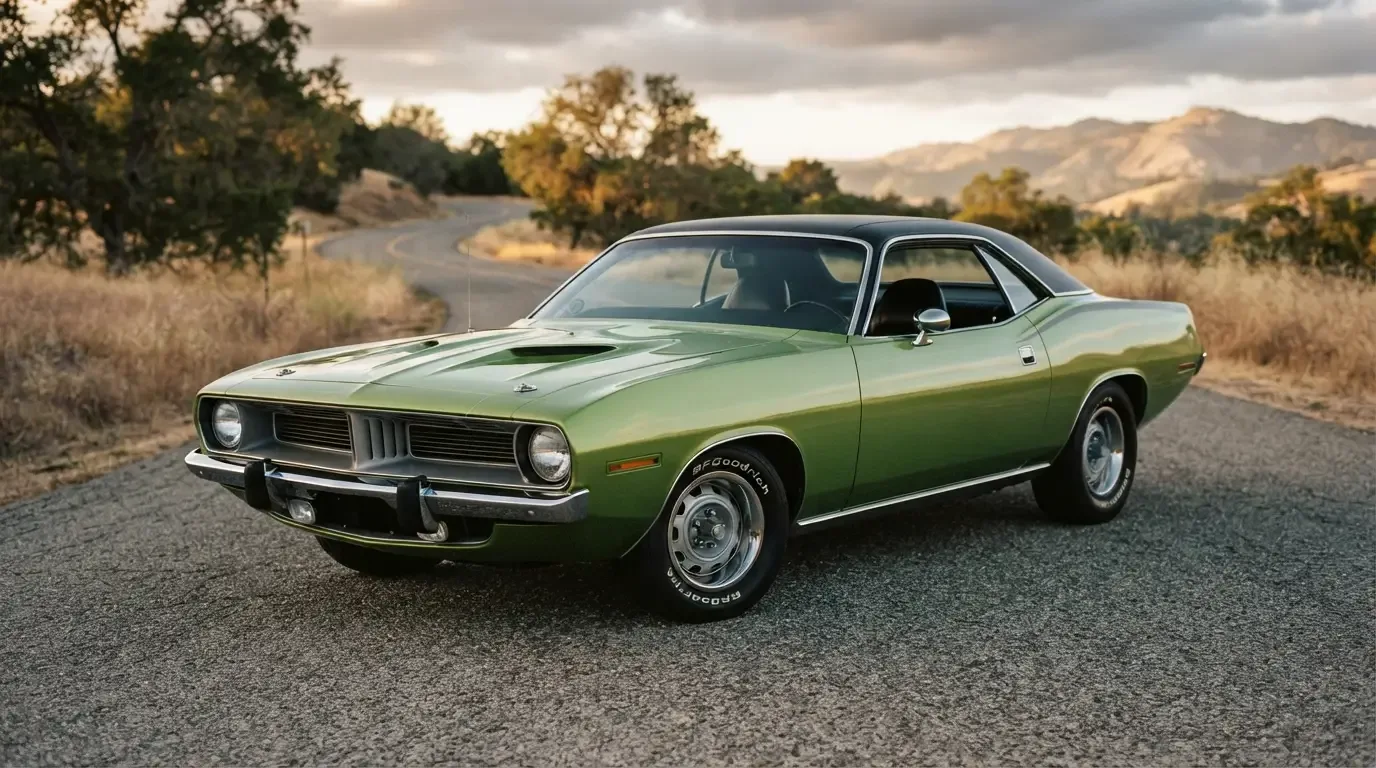
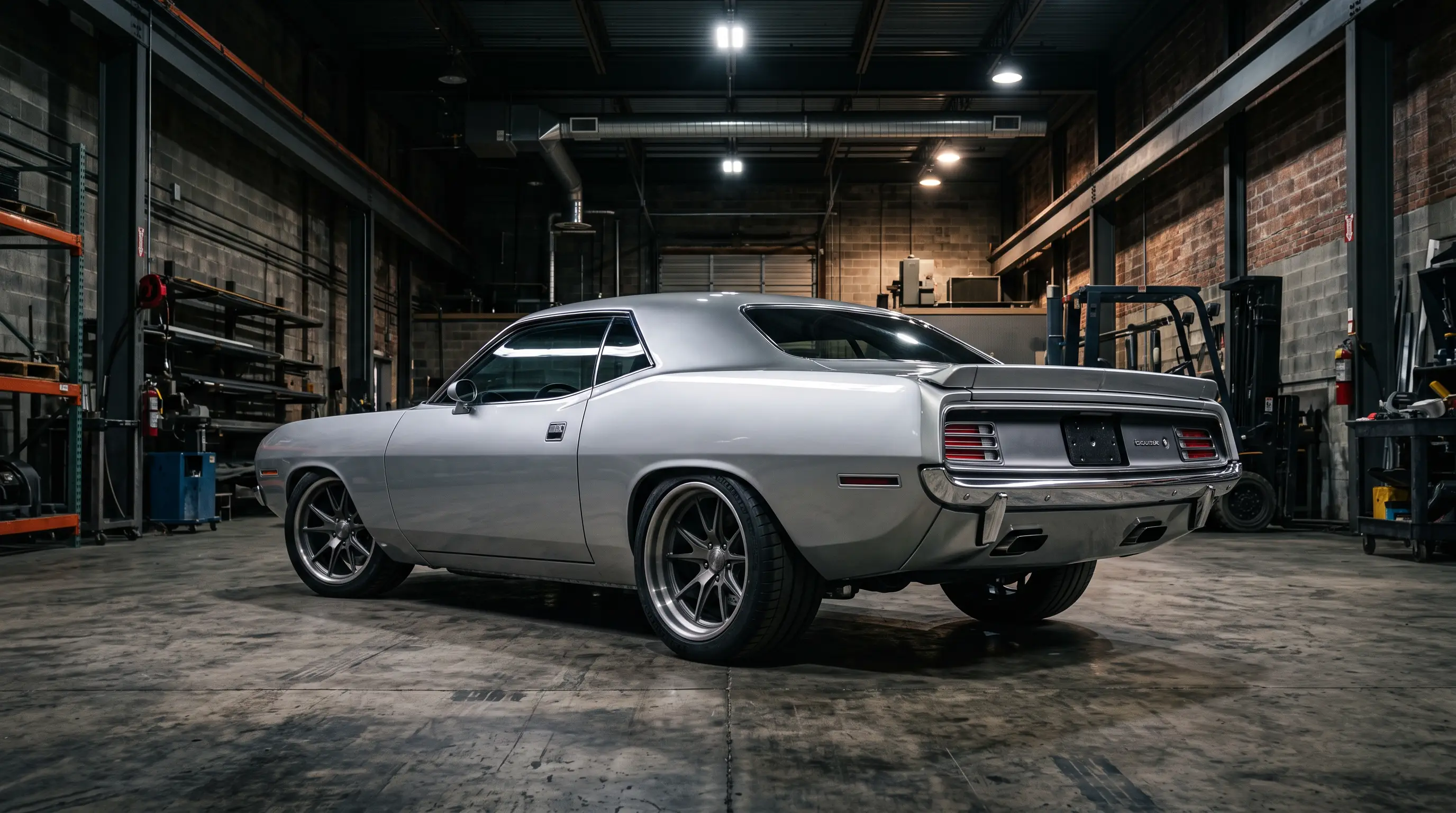
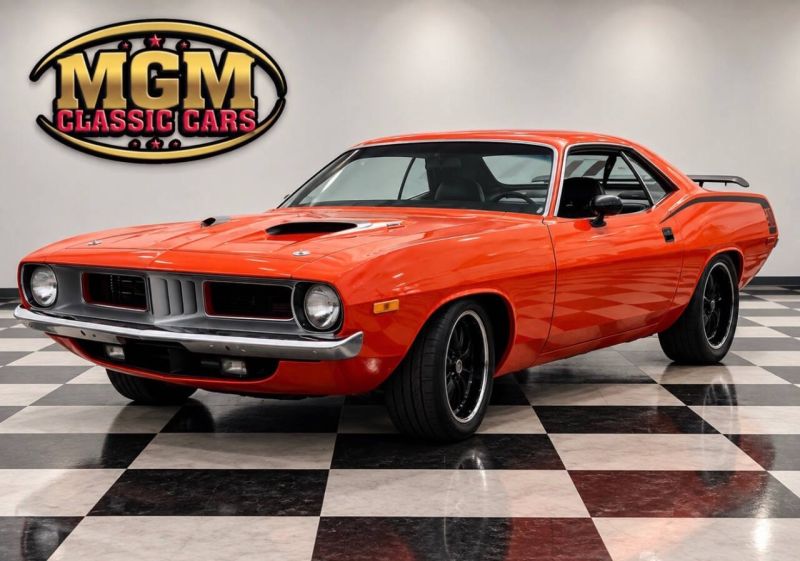
This is the part the club raconteurs love, because it shows the throughline. The Formula S of 1965 and the hotter Barracudas that followed are not separate stories. They are the same story getting louder. By the time the E-body Cuda arrived at the turn of the decade with its high-impact colors and big-block violence, the groundwork had been laid years earlier by a modest package that dared to put a four-barrel and a stiff suspension on an economy fastback. For the next stage in the arc, where the nameplate reached its final form, our writeup on the next chapter picks the thread back up.
Why the Formula S still matters
The barracuda formula s is not the most valuable Barracuda, and it is not the fastest, and every honest club member will tell you both of those things without being asked. What it is, is the first. It is the moment Plymouth decided the Barracuda deserved to drive as well as it looked, and it committed real hardware to the idea rather than a stripe and a slogan. That decision set up everything the model became.
You can see this in the way the club treats the car. When a Formula S rolls into a meet, the crowd it draws is a knowledgeable one. Nobody stands in front of it asking whether it has a Hemi, because the people who seek these cars out already know the answer and already understand why the question misses the point. The conversation instead turns to build sheets, to which dealer sold it new, to whether the suspension is still to spec. That is the conversation of people who value the car for what it actually is, and it is a nicer conversation than the one the flashier cars provoke.
My friend with the 1966 car put it plainly one afternoon, and I wrote it down because it stuck. The Formula S, he said, is proof that Plymouth was serious before it was famous. That is the whole case, and the documentation on his car happens to prove it twice over.
"Everybody remembers the Hemi cars, and they should. But the barracuda formula s is where Plymouth first put its money where the styling was, and the folks who kept these cars knew it long before the market did."
- Wayne Coburn
If you want to see how the surviving cars are valued now, you can look through the classic Barracudas on the market and watch how the early Formula S cars hold their own against the flashier E-body machines. The prices tell the same story the club has been telling for years. The first one still counts.