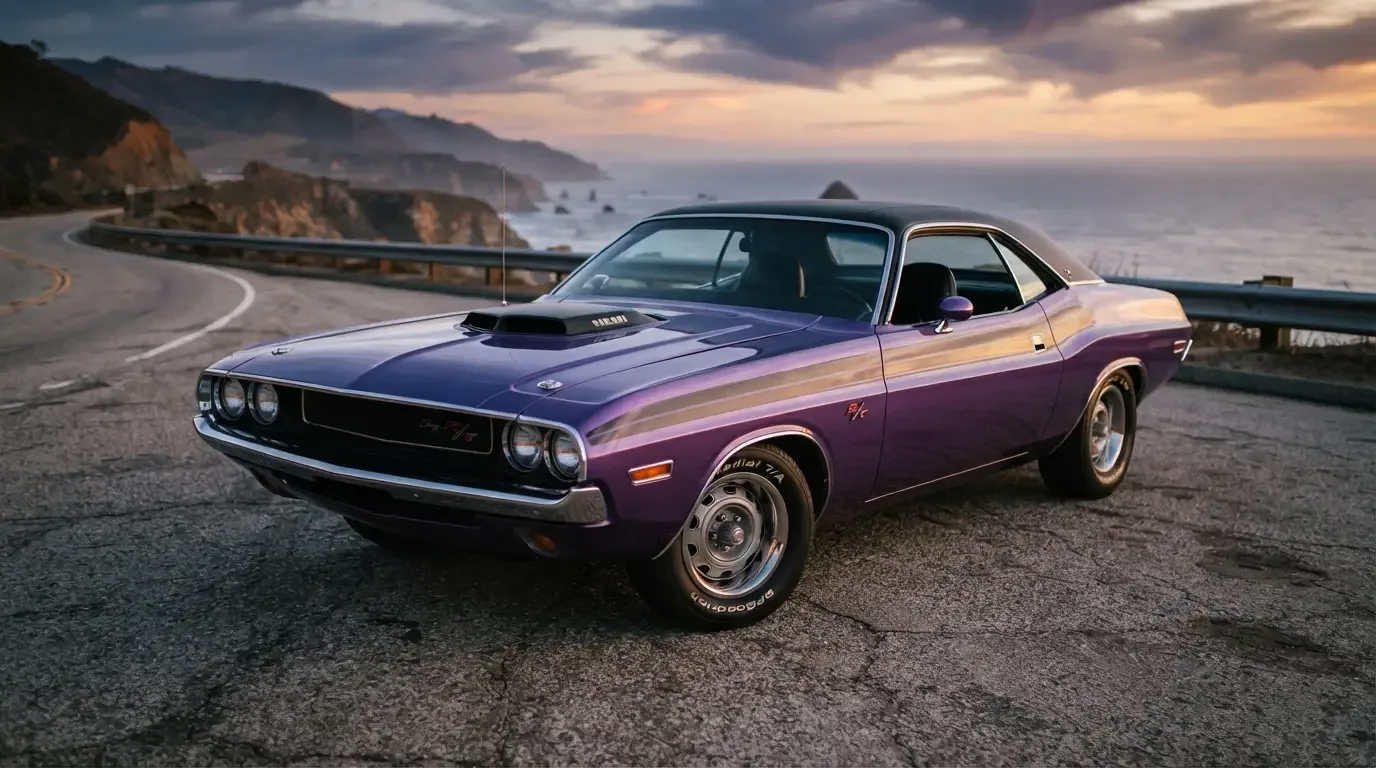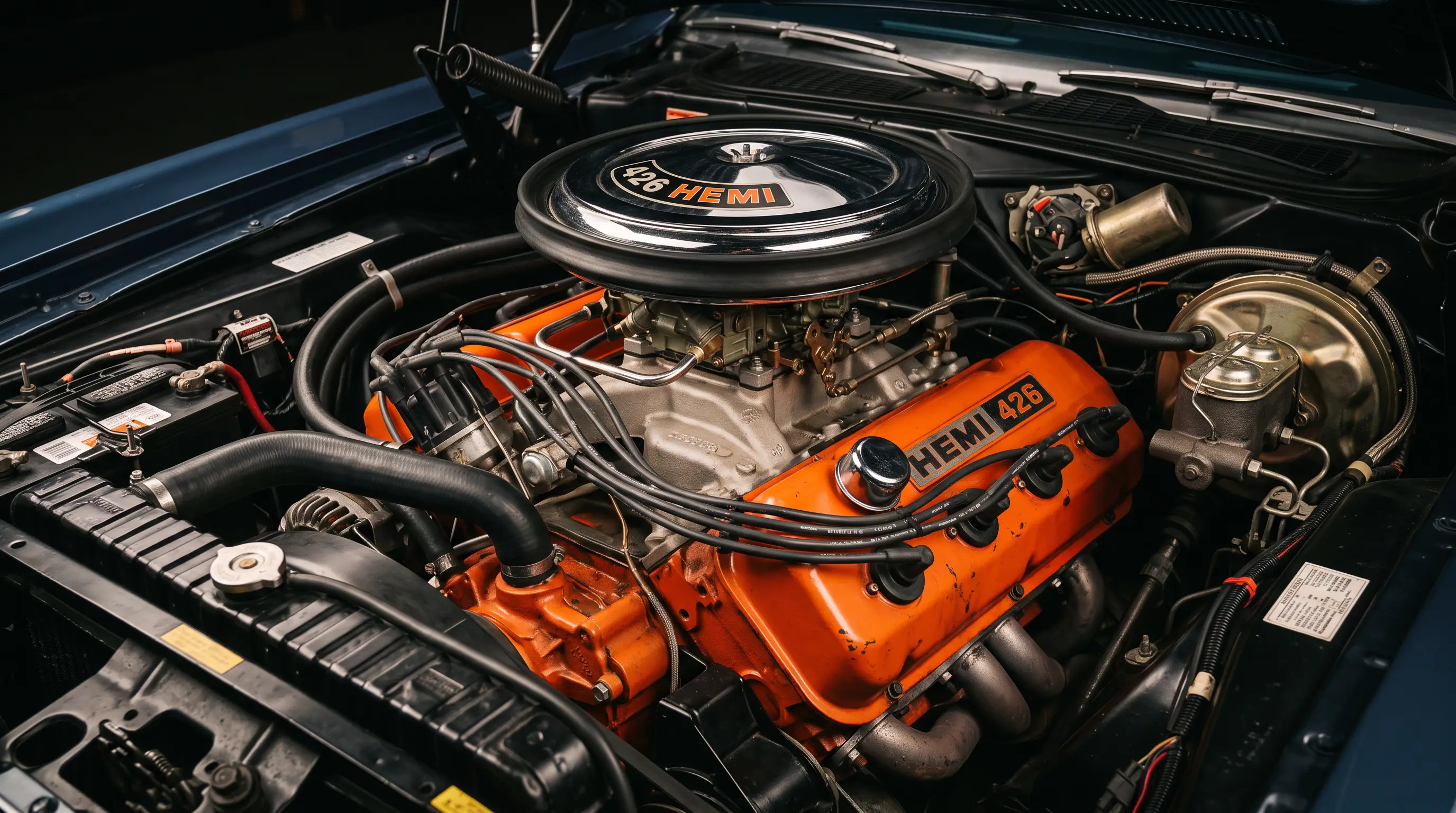
Collecting a Hemi Challenger is a different game than collecting most muscle cars, mostly because the production numbers are so small that market data thins out fast once you get past the headline auction results. Anyone shopping this segment needs to know what actually moves prices before they need it explained to them by a bidding paddle. For the broader model story, the whole picture is worth reading first. Here we stay focused on the collector side.
What actually drives Hemi Challenger prices
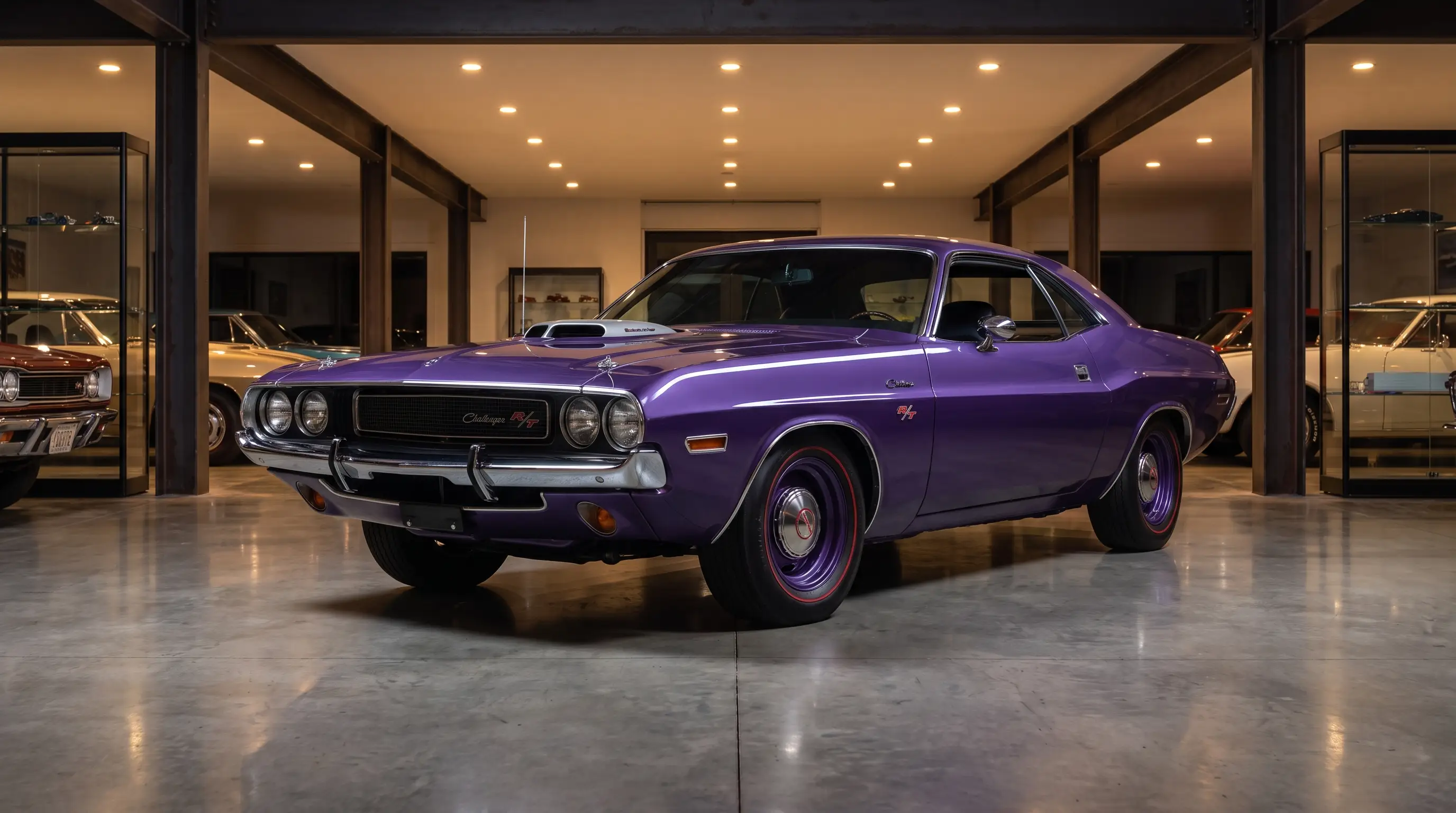
Four factors decide where a given car lands on the price spectrum, and they are not equally weighted. Documentation comes first. A car with a broadcast sheet, factory build codes that match the VIN, and a clean paper trail through its ownership history will out earn an undocumented twin by a wide margin, sometimes by a factor of two. Originality comes second. Numbers matching engines, transmissions, and rear ends matter enormously to serious buyers, and a Hemi Challenger running a correct but non original block still sells for meaningfully less than a fully numbers matching car, even if the difference is invisible to a casual observer. Condition comes third, and it is more nuanced than it sounds, because a heavily restored car can score lower with purists than an honest, well preserved original with visible wear. Rarity of configuration comes fourth. A convertible, a four speed car, or a car finished in a low production color like Plum Crazy or Go Mango pulls a further premium on top of the base Hemi value.
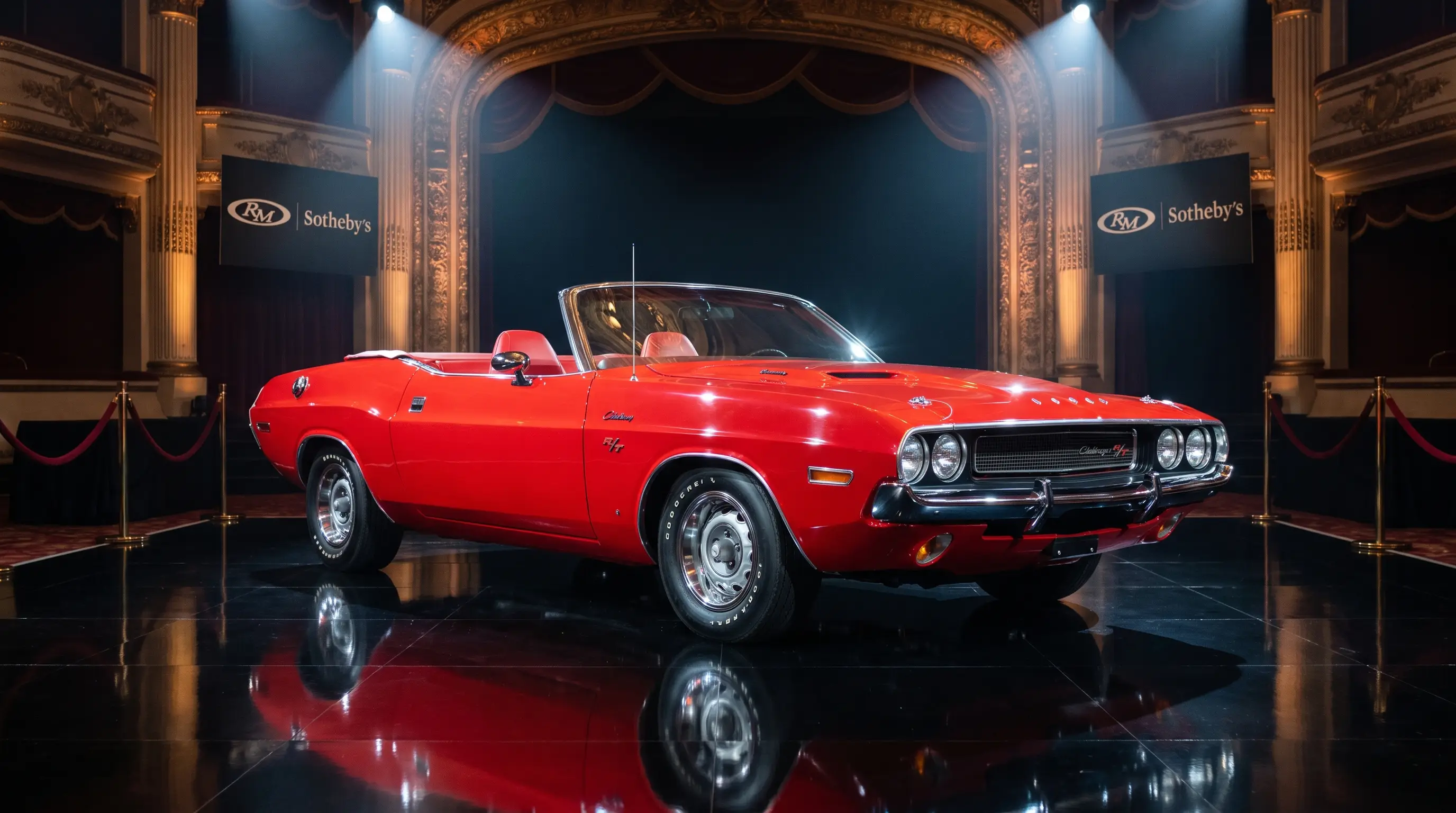
Auction results across recent seasons show a consistent pattern. Well documented, numbers matching Hemi Challenger convertibles have reached seven figures at major sales, including a 1970 Hemi R/T convertible, one of only nine built that year, that sold for 1.43 million dollars at Mecum's Phoenix auction in 2019. Hardtops trade far below that ceiling, with clean, documented examples clearing into the mid five to low six figures, and a Hemi Challenger hardtop selling for just under half a million dollars at Mecum Kissimmee in 2024. Cars with replacement drivetrains or incomplete documentation land considerably lower than either benchmark.
The documentation problem specific to this model
Hemi Challengers present a documentation challenge that other muscle cars from the same era do not face to the same degree. Because so few were built, and because so many spent their early years being raced hard, a meaningful share of surviving cars have replacement engines, rebuilt transmissions, or rear ends swapped in after accidents or mechanical failure decades ago. That is not automatically disqualifying. It simply changes the category a car falls into and the price it should command. Buyers who skip verifying broadcast sheets and fender tags against a car's actual components are the ones who overpay, and sellers who blur the line between numbers matching and correct but not original are the ones who create disputes later.
Buy or wait: the honest answer
For a buyer with the budget and the patience to verify documentation properly, a genuine numbers matching Hemi Challenger remains a reasonable long term hold. Supply is fixed and shrinking as cars get parted out or lost to accidents, while demand from serious Mopar collectors has stayed steady even through broader market softness in other muscle car segments. That said, this is not a market for impulse buys. The gap between a correctly documented car and a story without paperwork is too large to gamble on, and the segment has attracted its share of sellers willing to stretch a description. My actual advice: budget for a pre purchase inspection by someone who specializes specifically in Mopar numbers matching verification, not a general muscle car appraiser, and walk away from any seller who resists that step.
Cars with replacement drivetrains but otherwise solid history are not a trap either, provided the price reflects that reality. They offer a way into Hemi Challenger ownership at a real discount to numbers matching examples, and for a buyer who wants the driving experience rather than the investment profile, that gap can make sense.
"The spread between a documented numbers matching Hemi Challenger and an undocumented one isn't a rounding error, it's the difference between an asset and a nice car. Know which one you're buying before you sign."
- David Mercer
Where to start looking
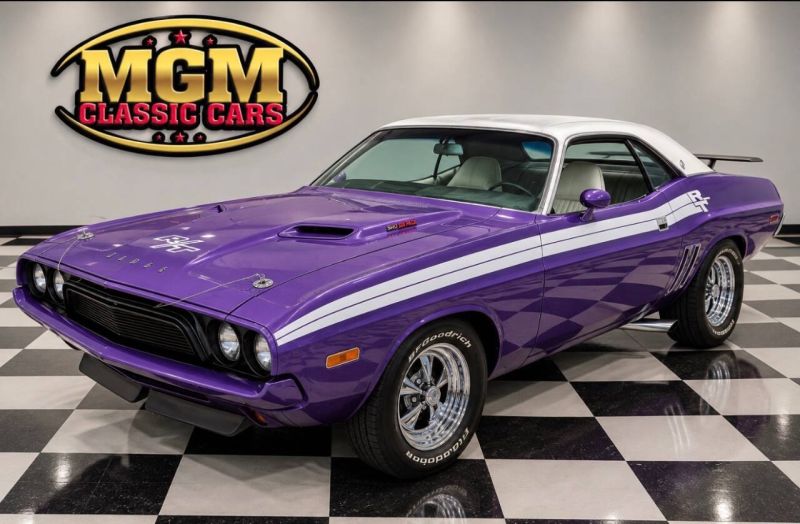
Serious buyers track major muscle car auctions directly rather than relying on general classified sites, since the top tier documented cars tend to surface there first. That said, plenty of solid, honestly represented Hemi Challengers move through dealer and private sale channels between auction seasons, and patient buyers who find a classic Challenger through those channels sometimes get better terms than the auction spotlight allows. Whichever route you take, verify before you commit. This is a small enough market that reputations travel fast, and the sellers worth dealing with tend to welcome scrutiny rather than avoid it.
What holds value and what does not
Within the Hemi Challenger world itself, hierarchy matters. Convertibles sit at the top, followed by four speed hardtops, with automatic cars trailing slightly despite being mechanically just as capable, purely because manual transmission cars are rarer and collectors reward rarity even when it does not affect driving enjoyment. Color plays a real role too. Bold high impact colors from 1970 command a premium over more common white or black cars, reflecting both period rarity and current collector taste. None of this is likely to change soon. The production numbers are fixed forever, and that scarcity is the one variable in this market that time cannot manufacture more of.
Comparing the Hemi Challenger to sibling Mopar collectibles
Set a Hemi Challenger next to a Hemi Cuda and a comparable Hemi Road Runner, and the price gaps get instructive. The Cuda has generally commanded the highest premiums of the three, partly because Plymouth built even fewer Hemi Barracudas and partly because certain convertible examples have set headline auction records that keep the model in enthusiast conversation. The Challenger tends to trail the Cuda modestly at the top end while still comfortably outpacing the Road Runner, which was built in larger numbers and marketed as a value performance car rather than a flagship. For a collector choosing between these three, the decision often comes down to styling preference and body style availability rather than a strict hierarchy, since all three share the same drivetrain and the same scarcity driven fundamentals. What should not factor into the decision is a belief that one badge is inherently a better investment than another. The data does not support treating Mopar sibling models as interchangeable bets, but it also does not support ranking them far apart once documentation and condition are controlled for.
The practical takeaway for a first time Hemi Challenger buyer is to stop comparing across models and start comparing within them. A well documented Challenger and a well documented Cuda are both sound purchases at the right price. A poorly documented example of either is a risk regardless of the badge on the fender.