The 1971 Hemi Cuda is the version most collectors quietly consider the rarer of the two Hemi years, and the data backs that intuition up. Plymouth made a handful of styling changes for this final year of Hemi availability, and production dropped from the year before. That combination of design tweaks and shrinking output is exactly the kind of variable set that produces outsized collector interest decades later.
What actually changed for 1971
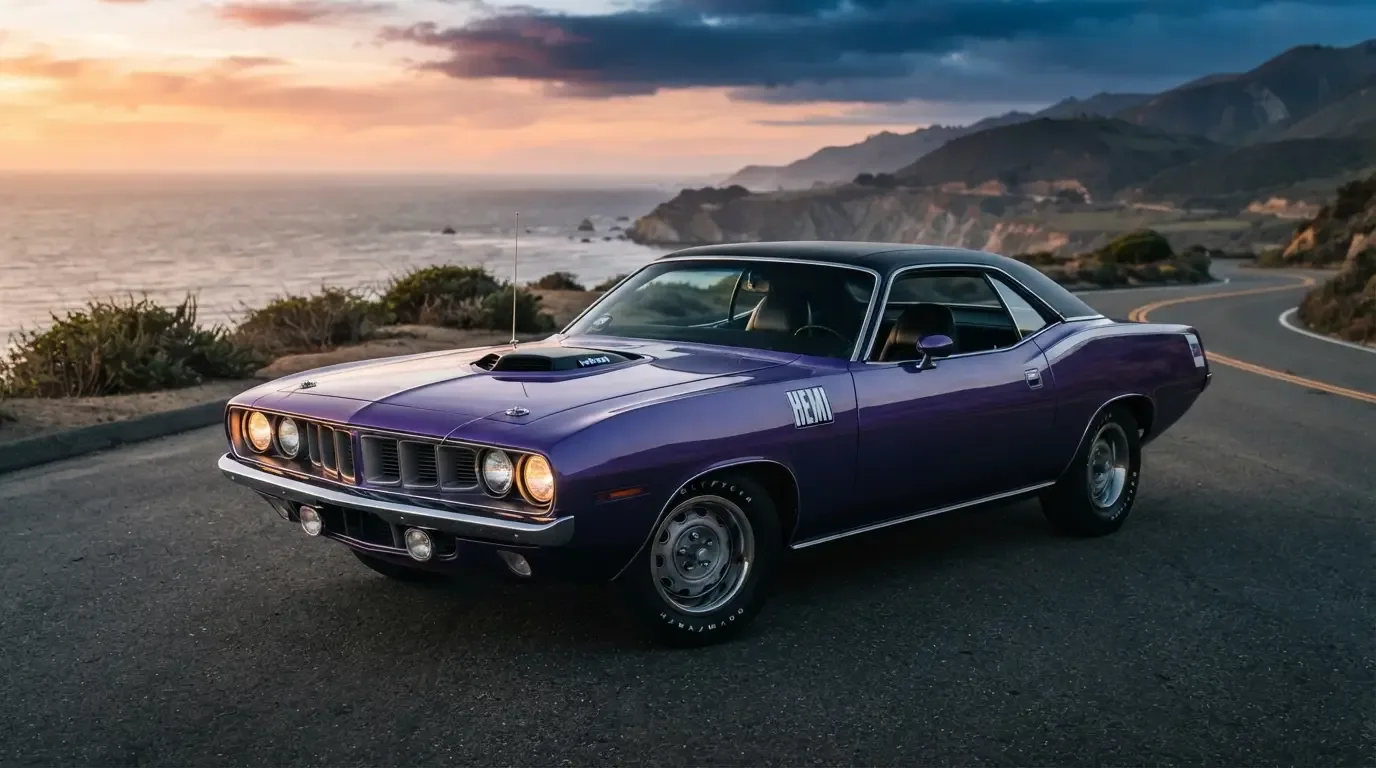
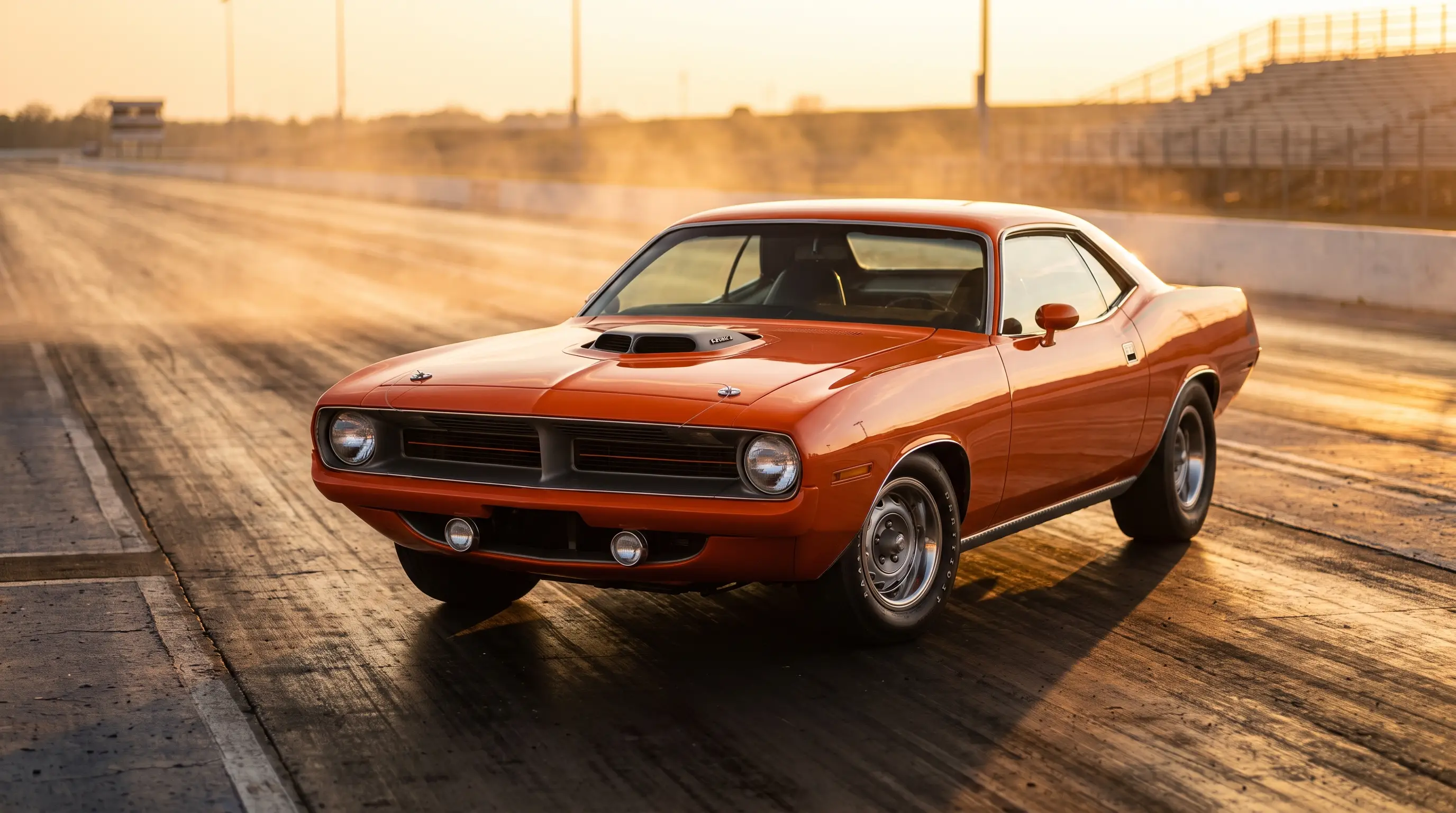
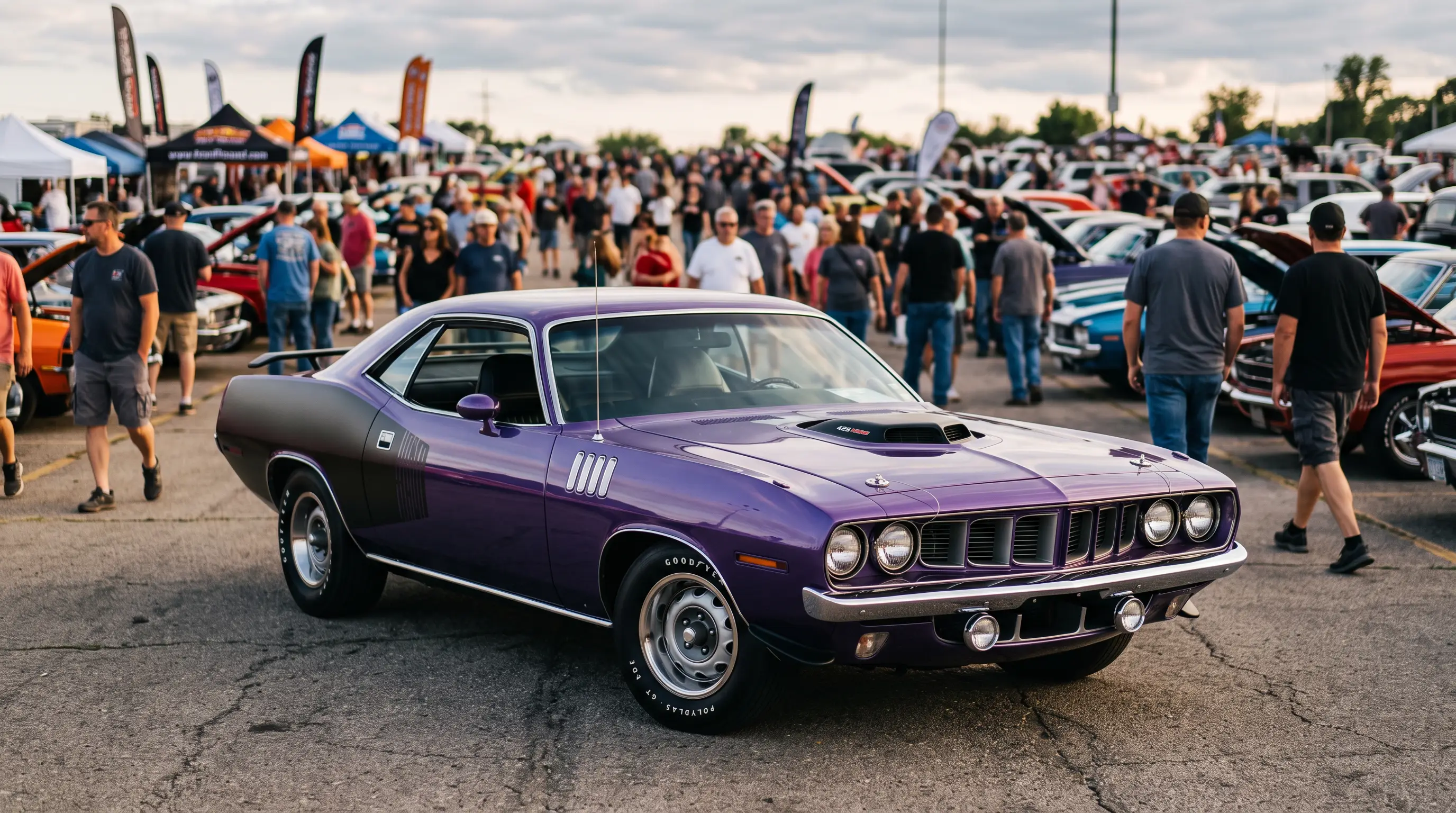
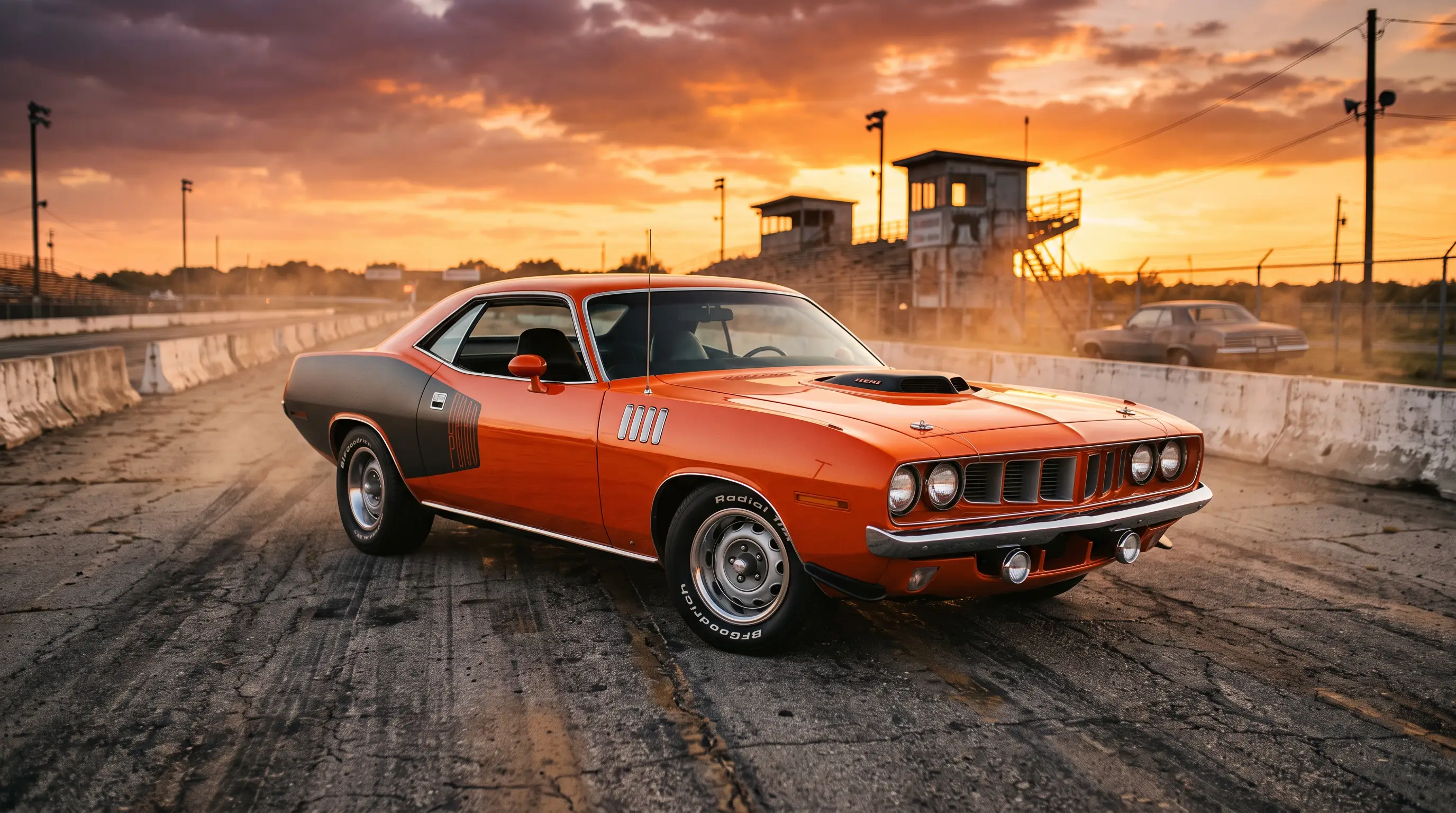
Plymouth updated the front end with a new grille treatment and moved to quad round headlights on the E body lineup, a visual departure from the single headlight design used the prior year. The taillight design was revised as well, and the interior received minor trim updates. None of these changes altered the fundamental engineering underneath the car. The 426 Hemi carried over largely unchanged, still paired with either a four speed manual or a three speed automatic depending on buyer preference.
What the changes do is create a clean visual marker that separates 1971 cars from 1970 cars at a glance, which matters enormously to collectors trying to verify authenticity from photographs or at a distance during an inspection. A car claiming to be a 1971 Hemi Cuda that shows single headlights immediately raises questions that a buyer needs answered before proceeding.
Why production dropped
By 1971, the broader muscle car market was already showing early signs of the pressures that would reshape the segment through the rest of the decade. Insurance surcharges on high performance engines were climbing, and buyer appetite for expensive, high compression big blocks was softening even before emissions regulations forced more dramatic changes industry wide. Plymouth's Hemi option reflected that shift. Fewer buyers ordered it, and 1971 turned out to be the final year the 426 Hemi was offered in the Barracuda at all.
That production decline is precisely why this year carries the weight it does today. A smaller original run, combined with the same attrition every classic car faces over five decades, means the surviving pool of documented 1971 Hemi Cudas is genuinely tight. Convertibles from this final year are particularly scarce, a fact that shows up clearly whenever one changes hands at a major auction.
| Spec | 1971 Hemi Cuda |
|---|---|
| Engine | 426 Hemi V8, final year offered |
| Front styling | New grille, quad round headlights |
| Body styles | Hardtop, convertible |
| Production relative to 1970 | Lower, roughly 108-115 hardtops plus 11-14 convertibles depending on the source consulted |
Reading the documentation gap
Because 1971 sits at the tail end of the Hemi program, verifying an authentic example requires the same rigor as any other year, arguably more given how much money is now attached to genuine cars. A broadcast sheet, factory build sheet, and independent authentication letter remain the baseline expectation for any serious purchase. Buyers who skip this step on a car claiming rare final year Hemi status are taking on real financial risk, since the visual cues alone, correct grille and headlights included, can be replicated on a car that started life with a different engine entirely.
I evaluate these claims the same way I would evaluate any engineering claim, by looking for corroborating evidence rather than accepting the visual presentation at face value. A stamped VIN, correct casting numbers on the block, and matching broadcast sheet data all need to align before a car's final year Hemi status should be treated as established fact rather than seller assertion.
"The styling changes make 1971 easy to identify from a distance. They do not make authenticity easy to verify up close. Those are two separate problems, and buyers need to solve both."
- Emily Chen
How this year fits the larger story
Neither 1970 nor 1971 exists in isolation. Both years are part of a short, deliberate window when Plymouth built its most serious performance statement on the new E body platform, and understanding that full arc helps explain why this specific final year holds the appeal it does. For the complete picture on how the Hemi Cuda program came together and why it ended when it did, read the background covers the full production history across both years in detail.
What stands out to me analyzing this final year against the first is how deliberately Plymouth still executed the car even as the broader market was clearly turning against big block performance options. The 1971 Hemi Cuda was not a car phoned in on its way out the door. It received real styling attention and carried the same mechanical seriousness as its predecessor, right up until insurance rates and shifting buyer priorities ended the program entirely.
Color and options within the final year
The same rules that govern value across the broader Hemi Cuda market apply within the 1971 model year specifically. A car finished in a rare High Impact color, optioned with the Shaker hood and pistol grip four speed, carries a real premium over a comparable car finished in a common shade with a standard automatic. That premium compounds when the more desirable options sit on a car that is also independently documented.
I have reviewed enough 1971 specific sales to say the pattern holds consistently. Buyers at this level are not just checking a box marked Hemi. They are evaluating the complete factory build, and cars that combine final year scarcity with a genuinely rare color and options combination tend to separate meaningfully from the rest of the field at auction, sometimes by a wide enough margin to surprise sellers who assumed engine and year alone would carry the sale.
What this means for buyers today
If scarcity and a definitive final chapter appeal to you as a collector, the 1971 Hemi Cuda offers both in a package that is mechanically nearly identical to the more commonly discussed 1970 model. The premium you pay reflects genuine production scarcity, not manufactured hype, and that distinction matters when you are deciding whether an asking price is justified.
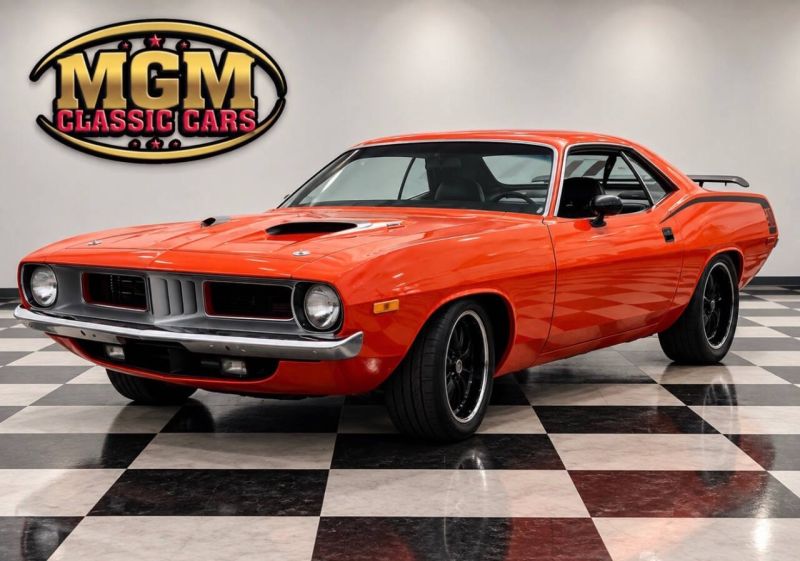
Anyone ready to compare actual listings against this history can find a classic Barracuda currently on the market and see how condition, documentation, and year affect pricing in real time, rather than relying purely on historical auction recaps to make a buying decision.
My closing read on this final year is simple. It is not a lesser version of the 1970 car. It is the closing chapter of the same story, built with the same seriousness, sold in smaller numbers, and priced today accordingly. Anyone treating it as an afterthought to the more frequently discussed first year is working from an incomplete picture of what actually happened on the production line in 1971. Approach it the way you would any final production run of a serious performance car, with careful documentation review, an honest read of survival numbers, and no assumption that scarcity alone justifies a price without the paperwork to back it up.