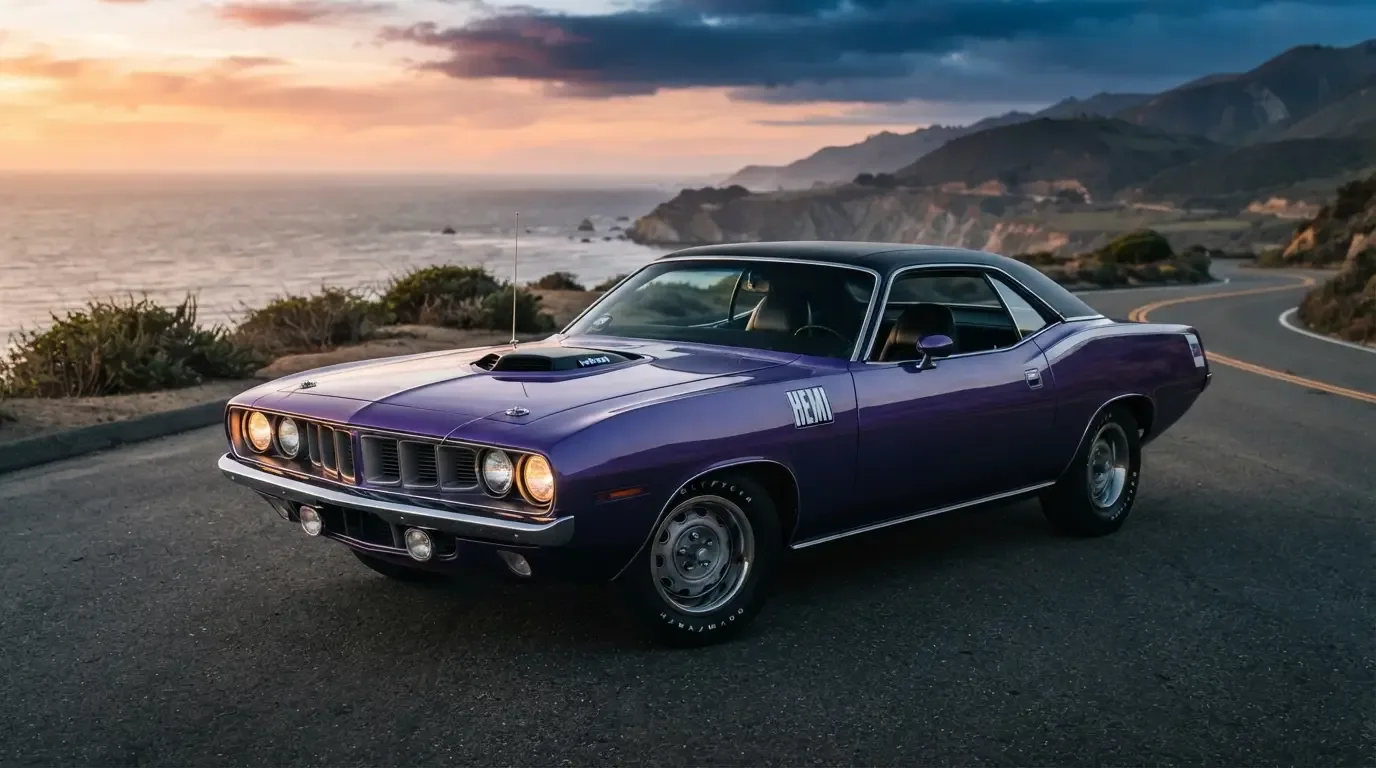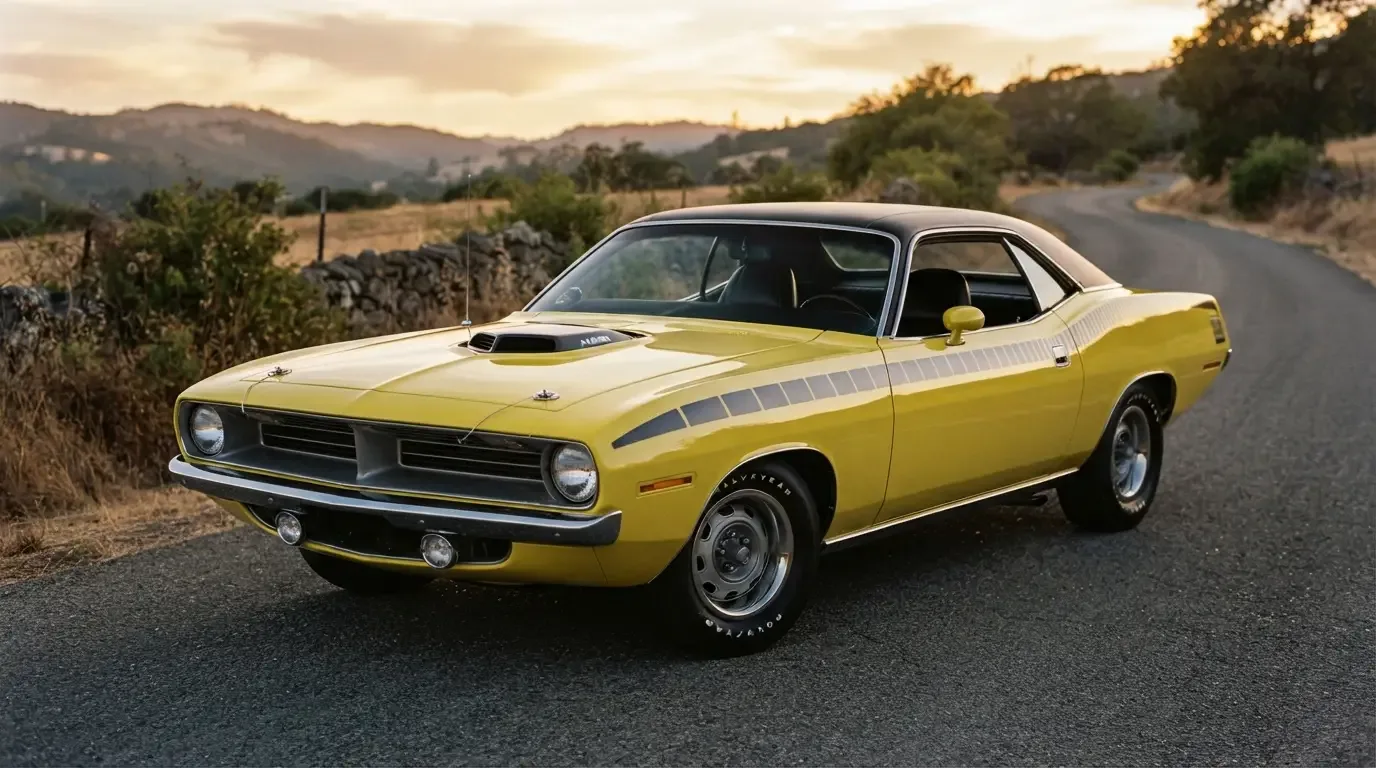
Every hemi cuda collector eventually learns the same lesson, usually the expensive way. The car is not the risk. The paperwork, the condition history, and the exit liquidity are the risk, and the badge on the fender tells you almost nothing about any of the three. I appraise these cars for a living, and the questions that matter have nothing to do with how the engine sounds at a cars and coffee meet.
Condition is not what the paint tells you
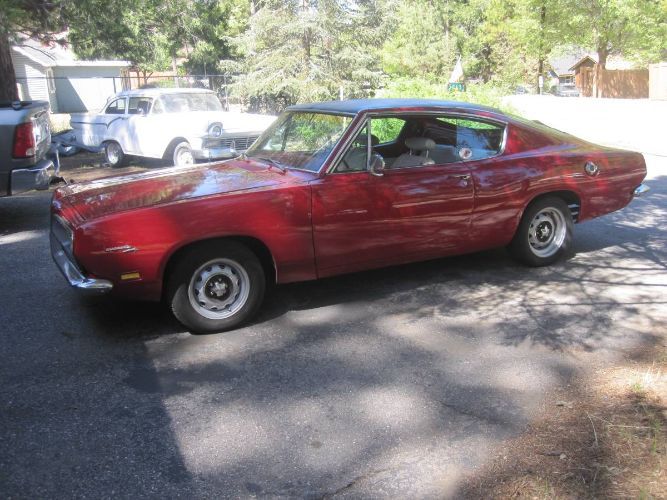
A fresh, glossy restoration photographs beautifully and means almost nothing to me until I see what it is covering. Rust repair on a unibody car like the Barracuda is a structural question, not a cosmetic one, and a quarter panel replaced with anything less than correct metal in the correct location changes what I am willing to call this car. I have appraised Hemi Cudas that looked like showroom cars and turned out to have replacement frame rails hidden under fresh undercoating, and I have appraised rougher looking survivors with entirely original sheet metal that I valued higher because the bones were honest.
The collector who buys on shine alone is the collector who calls me in a panic three years later when a sale falls through because a buyer's inspector found what the seller's photos did not show. Condition, to an appraiser, means structural honesty first and cosmetic quality second, and those two things are not the same category at all.
Documentation decides more of the price than the engine does
A numbers-matching Hemi Cuda with a complete build sheet, a legible fender tag, and a chain of title that does not have gaps commands a real, measurable premium over an identical looking car with a replacement engine block and a story instead of paper. I have seen two visually indistinguishable Hemi Cudas sell more than a third apart in price because one had the documentation to survive scrutiny and the other had an owner who was certain about details he could not actually prove.
The mistake collectors make is assuming a matching numbers claim from a seller is the same thing as verified documentation. It is not. A claim is a starting point for research. A build sheet, a fender tag that decodes correctly against the VIN, and a title history without unexplained gaps are evidence. I will not appraise a car at top tier value on a claim alone, and neither should a buyer.
| Risk factor | Effect on appraised value |
|---|---|
| Non-matching replacement engine | Significant discount versus documented original |
| Unibody rust repair, unknown quality | Discount scales with uncertainty, largest single risk |
| Gaps in ownership chain | Moderate discount, larger at high price tiers |
| Verified fender tag plus build sheet | Premium, largest positive value driver |
Liquidity is the part collectors forget to ask about
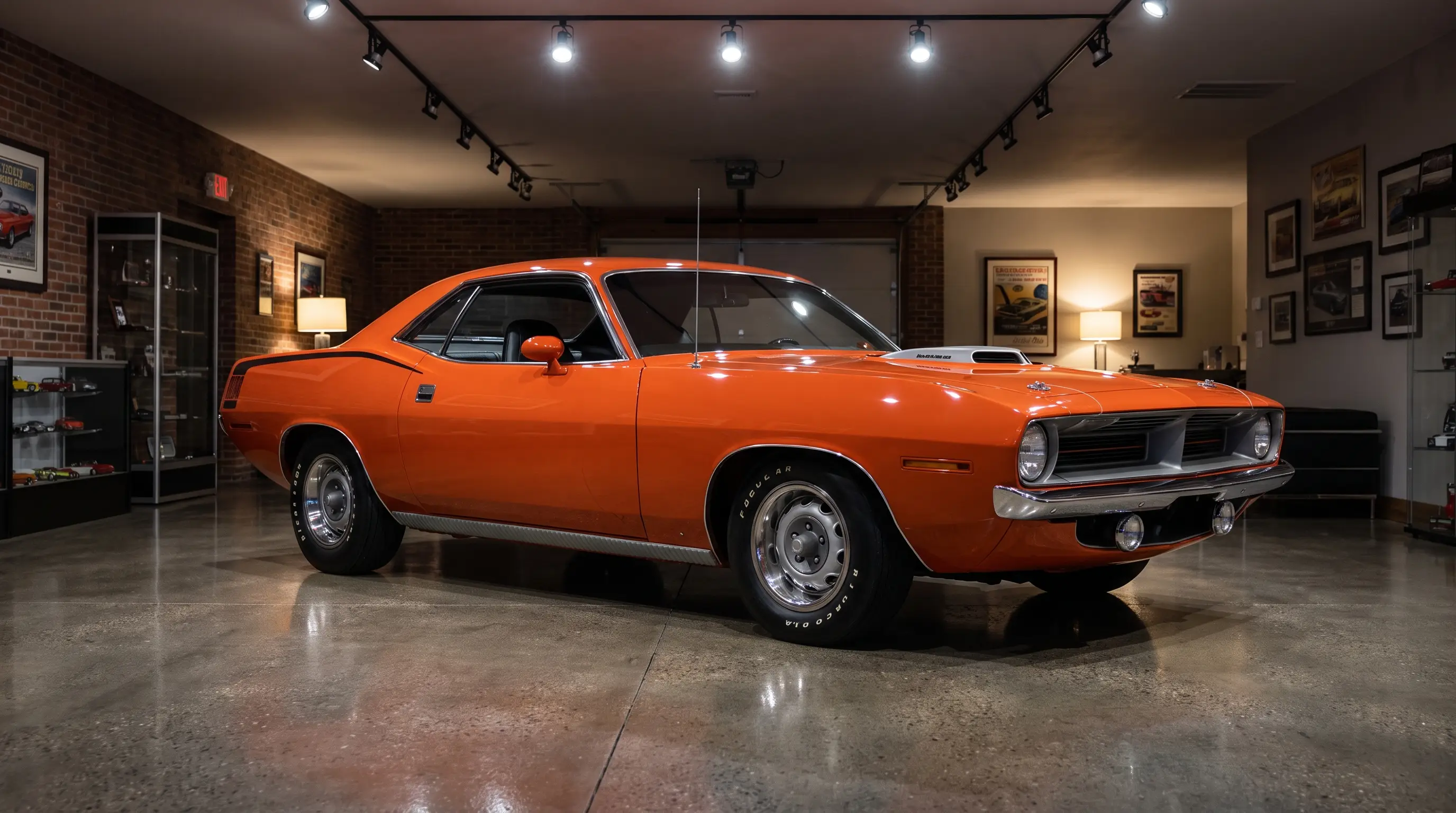
A rare color combination or an unusual factory option can make a car more interesting to look at and harder to sell quickly. Liquidity, meaning how fast and how easily you can convert the car back into cash at a fair price, is not the same thing as desirability, and collectors routinely confuse the two. A common, well documented Hemi Cuda in a mainstream color has a deeper pool of ready buyers than a rare option combination that only appeals to a narrow subset of specialists. That does not make the rare car worse. It makes it a different kind of asset with a longer expected sale timeline, and I tell every client to plan their exit around that reality before they buy, not after.
Downside protection follows the same logic. The car that holds value in a soft market is usually the one with the cleanest documentation and the broadest buyer appeal, not necessarily the one with the flashiest specification sheet. Collectors who buy purely for bragging rights sometimes discover the hard way that bragging rights and resale liquidity are not correlated.
"I have never once had a client regret paying for verified documentation. I have had plenty regret trusting a story instead."
- Marcus Feld
The insurance question most collectors underestimate
Agreed value insurance is worth more attention than most first-time collectors give it. A standard auto policy will value a Hemi Cuda at something close to a generic used car figure after a total loss, which is nowhere near what the car is actually worth on the collector market. An agreed value policy, set based on a professional appraisal, locks in a payout figure ahead of time and removes a huge amount of financial risk from ownership. I have seen collectors skip this step to save a modest premium each year and then discover after a fire or a flood that their insurer's idea of the car's value bears no resemblance to what they could have sold it for the week before the loss.
This is not an exotic recommendation. It is a basic risk management step that costs relatively little and protects the largest financial exposure most collectors carry on a single asset. Skipping it is the kind of decision that looks fine for years, right up until it does not.
What a disciplined collector actually does differently
The collectors who build value over decades rather than losing it share a pattern. They verify before they buy, not after. They budget for a professional inspection on anything above a modest price point, and they treat that inspection cost as insurance, not an insult to the seller. They keep every piece of documentation that comes with the car and add to it rather than letting paperwork scatter across multiple owners. And they think about their own exit from day one, understanding which combinations are genuinely liquid and which are a specialist's trophy that will take longer to sell when the time comes.
None of that is glamorous advice. It is also the entire difference between the collectors who compound value over twenty years and the ones who buy a great story and sell a disappointing appraisal. Readers building this kind of discipline should start with where this started, the full production history that gives context to every documentation question an appraiser will eventually ask.
The discipline that protects a hemi cuda collector's downside
Every Hemi Cuda tells two stories, the one the seller tells and the one the paperwork and metal actually support. A disciplined collector spends more time confirming the second story than admiring the first. That habit is what separates a collection that appreciates from one that quietly loses money while looking impressive in photographs. For anyone ready to apply that discipline to an actual purchase, the place to start is to shop classic Barracuda listings with documentation, not just condition photos, as the first filter.
Sources and notes
- Wikipedia: Plymouth Barracuda
- Hagerty: High-Impact Colors, When Hot Muscle Cars Got Some Crazy Paint
- Classic Industries: Mopar Paint, Dodge and Plymouth High-Impact Colors
- Classic Industries: The Unicorns of Auburn Hills, 1970 and 1971 Hemi Cuda Convertibles
- Hagerty: Classic and Collector Car Insurance Policy Features
- Supercars.net: 1970 Plymouth Hemi Cuda